Visa


About Aggeu Magalhães Institute
Fiocruz Pernambuco in Recife
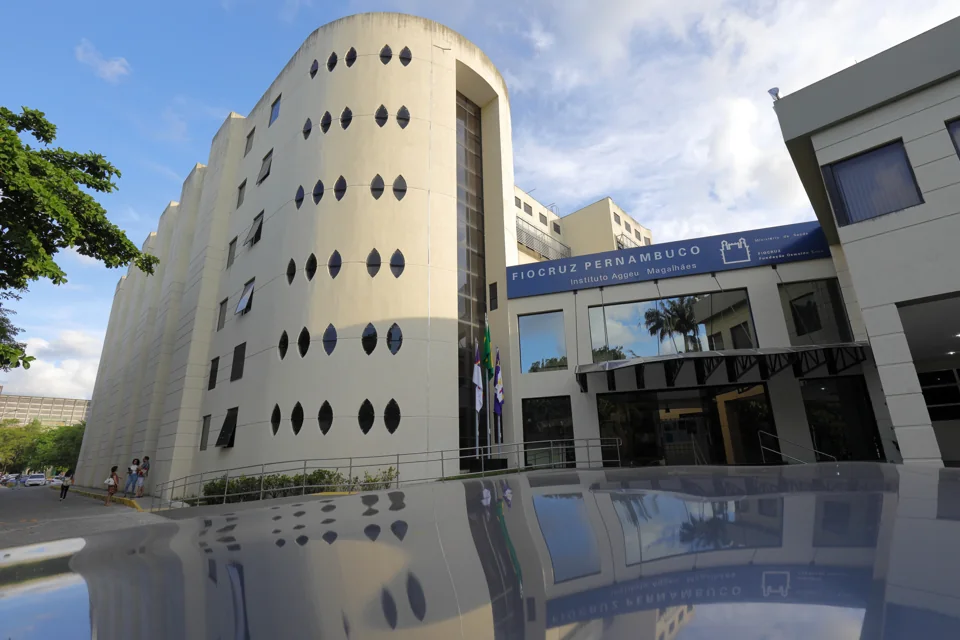
The Aggeu Magalhães Institute, known in Portuguese as Instituto Aggeu Magalhães and commonly identified as Fiocruz Pernambuco, is a research, teaching and technical-cooperation institute in Recife, Brazil. It forms part of Fundação Oswaldo Cruz, or Fiocruz. Its work brings together public-health research, postgraduate education and specialist services, with particular attention to northeastern Brazil and the needs of the country’s Unified Health System, the SUS.
The institute was inaugurated on 2 September 1950, at the close of the Eighth Brazilian Congress of Hygiene in Recife. Its early work concentrated on endemic diseases, including schistosomiasis and filariasis. It later became known as Centro de Pesquisas Aggeu Magalhães, explaining the CPqAM abbreviation that remains in its web address. New premises on the Federal University of Pernambuco campus opened in 1986. The institute’s present address is on Avenida Professor Moraes Rego in Recife’s Cidade Universitária.
Sources: About the institute and historical timeline ↗
An educational role within public health
Teaching at IAM focuses on public health and biological sciences applied to health. Its academic structure includes a Vice-Directorate for Teaching, programme coordinators, an academic secretariat, a library, distance-education activities and technical support for classes and events. These services support the training of researchers and professionals whose work relates to scientific knowledge, innovation and the development of the SUS.
The institute combines academic and professional postgraduate education with other forms of specialised training. Its teaching portfolio also includes a multiprofessional residency in collective health and participation in postgraduate programmes organised through Fiocruz networks. International cooperation provides opportunities for academic exchange, including visits by researchers and students from other countries and periods of study abroad. Education is therefore closely connected with the institute’s research environment and professional relationships.
Academic postgraduate study in Public Health
The academic Public Health programme introduced its master’s degree in 1996 and its own doctorate in 2003. It prepares researchers and teachers in collective health, addressing health problems and the development of public policies. Its educational objectives include scientific investigation and the development of technologies relevant to public-health services, linking research training with questions arising in health systems and society.
The programme describes full-time study, with a maximum duration of twenty-four months for the master’s and forty-eight months for the doctorate. Required and elective subjects are concentrated in the first year of the master’s and the first two years of doctoral study. Research supervision and the student’s investigation remain central to the programme, alongside the coursework and qualification requirements.
Professional education for health services
The professional Public Health programme was created in 2005. It is directed towards professionals who can lead changes in their working environments by applying new concepts, practices, technologies and innovations. Its professional master’s was established in 2005, followed by the professional doctorate in 2019. The emphasis is on applied knowledge and products that can contribute to the development of the SUS.
The programme’s stated educational aims include planning, management and evaluation of health-service activities, the use of health indicators, and the ability to identify complex problems and undertake applied research. It also encourages students to share knowledge within their teams. Cohorts are organised through partnerships with institutions at federal, state or municipal level, with proposals considered through the programme’s academic management structures and supervisory capacity.
Sources: Professional postgraduate programme in Public Health ↗
Biosciences and Biotechnology in Health
The Biosciences and Biotechnology in Health programme brings together researchers associated with the institute to provide academic master’s and doctoral education. Its scientific scope includes immunology, microbiology and parasitology, combining basic investigation with the use of biotechnology. The programme connects researcher training with the generation of knowledge and the development of methods and technologies relevant to public-health needs.
The published study arrangements describe a twenty-four-month master’s and a forty-eight-month doctorate, both full time. Required and elective subjects are selected in relation to a study plan developed with the supervisor. Research themes extend across virology, entomology, cell and molecular biology, and related biosciences. The programme’s broader purpose is to connect advanced scientific education with questions affecting the Brazilian population and, in particular, the Northeast.
Sources: Postgraduate programme in Biosciences and Biotechnology in Health ↗
Research facilities and shared resources
IAM’s research infrastructure includes laboratory facilities and shared technological resources used by researchers, teachers and postgraduate students. The institute describes access to DNA sequencing, electron microscopy and flow cytometry among its equipment platforms. These resources support a range of biological and health-related investigations within the institute’s departments.
The Technological Platforms Unit promotes shared access to specialist technologies and collaboration with the regional scientific community. A Bioinformatics Unit provides research and technical support in computational biology and the analysis of scientific data, serving IAM researchers, other Fiocruz units and collaborating institutions. Collective health research also brings together laboratories and observatories concerned with society and health. This infrastructure places laboratory science and population-health inquiry within the same institutional setting.
Sources: Research infrastructure ↗
Library and scholarly support
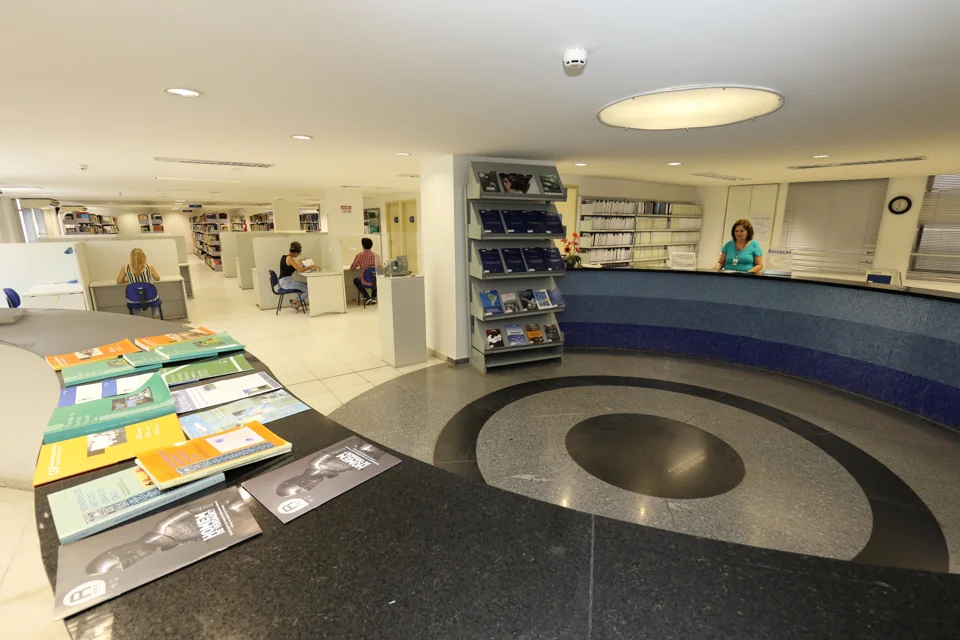
The institute’s library specialises in biomedical sciences, public health and related fields. Its earliest records date to 1952. It gathers, organises and disseminates material needed for research and teaching, offering borrowing and consultation services to the IAM community. Members of the wider public can consult its collection on site.
Library support includes help with literature searches, access to catalogues, bibliographic document requests and guidance on academic presentation. Training covers national and international health databases and Brazilian documentation standards. Staff also assist with the formatting of theses and journal articles. These services help students and researchers move between finding evidence, organising information and communicating their own scholarly work.
Sources: Institute library ↗