Visa


About African Leadership University
African Leadership University in Rwanda
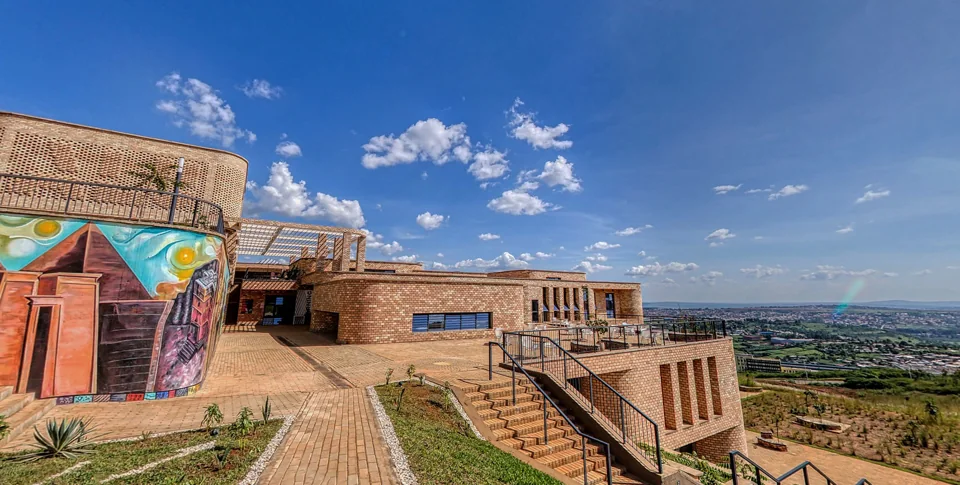
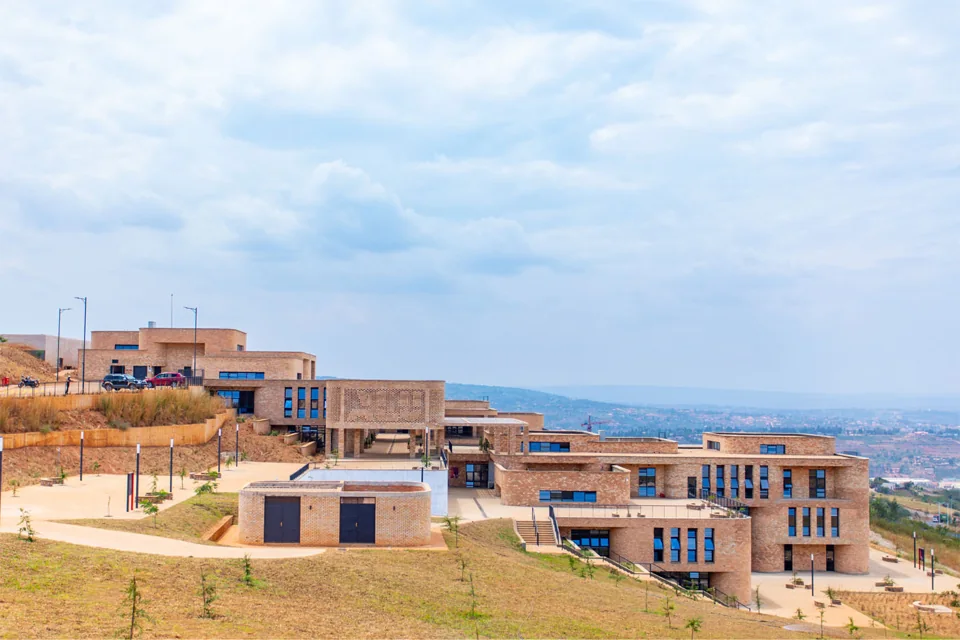
African Leadership University is a private higher education institution in Kigali, Rwanda, with a campus at Bumbogo in Kigali Innovation City. This Rwanda institution belongs to the wider African Leadership educational community and focuses on developing ethical, entrepreneurial leaders. Its founder is Fred Swaniker. The university’s approach places student initiative, practical experience and the pursuit of a personally meaningful problem at the centre of undergraduate education.
The current Rwanda degree portfolio comprises Bachelor of Science honours programmes in Entrepreneurial Leadership, Software Engineering, and International Business and Trade. These provide different disciplinary foundations within a shared emphasis on leadership, problem solving and responsibility for the effects of one’s work. Students are encouraged to take an active role in shaping their education through projects and engagement with people beyond their immediate classroom.
Sources: About ALU ↗
A personal mission alongside a degree
ALU asks students to develop a mission: a real-world problem they want to address and a reason for pursuing their chosen studies. Reflection, discussion and practical exposure help students connect their interests with a direction for action. That process links academic learning with fourteen challenges and opportunities relevant to Africa, including education, healthcare, urbanisation, governance, climate change and infrastructure.
The framework also encompasses agriculture, natural-resource management, wildlife conservation, regional integration, tourism, women’s empowerment, and arts, design and culture. Learning involves repeated cycles of investigation, reflection, implementation and revision. The intention is to make a student’s purpose influence the questions they explore and the projects they undertake, while their growing knowledge helps them refine the mission itself.
Sources: Mission-driven majors ↗
Software Engineering
The Software Engineering degree develops programming, software design, application development and an understanding of system architecture. Students encounter agile methods for working collaboratively and delivering software, alongside practical web-development tools. The programme connects technical decisions with the needs of users, organisations and communities. Its stated learning goals cover the full software lifecycle, from design and development through testing, deployment and maintenance.
Technical areas described by the programme include mobile and web development, cloud computing, user-experience design, artificial intelligence and machine learning. The degree also emphasises quantitative reasoning, critical thinking and entrepreneurial approaches to technology. Security, privacy, accessibility and professional ethics are included in its account of responsible software development. The published learning arrangements require an initial in-person term, with in-person and online options for selected modules thereafter.
Sources: BSc (Hons) Software Engineering ↗
Entrepreneurial Leadership
The Entrepreneurial Leadership degree is described as an accelerated three-year interdisciplinary programme. It brings together business, social science, product design, data analytics, entrepreneurship and leadership development. Students work on research and problem solving while considering how an organisation or venture can create social and economic value. Sustainable business practice, strategy, policy and responsible decision making are prominent themes.
Learning experiences include facilitated modules, internships, research initiatives, conferences and community projects. The programme’s goals include analysing complex challenges, designing and testing entrepreneurial solutions, building teams and communicating with customers, partners and other stakeholders. Its broad scope allows students to connect a personal mission with business strategy, policy and advocacy, or questions linking environmental change and human wellbeing.
International Business and Trade
The International Business and Trade programme studies business across national boundaries with particular attention to Africa’s economic integration. It covers international finance and investment, supply chains, multinational operations, trade logistics and cross-cultural communication. Its plan of study begins with leadership, communication, research, economics, accounting and management before progressing into business analytics and specialist international subjects.
Later topics include international logistics, global business, trade law and policy, international marketing, diplomacy and economics. Internships and a concluding capstone project give students opportunities to apply this knowledge. The programme describes a combination of in-person study, online learning and periods of industry practice. Ethical leadership, sustainability and social responsibility sit alongside the commercial and analytical parts of the curriculum.
Campus life and student support
The Rwanda campus is situated within Kigali’s Special Economic Zone. Its facilities include dedicated learning spaces, areas for student ventures and community commons. ALU describes its educational environment as one supported by learning coaches, visiting faculty, experts and mentors, with projects, internships and community-based research providing practical experience. Its Leadership Core introduces skills organised around thinking, being, doing and learning, supporting students as they become more independent learners.
The Student Life team helps students shape campus culture through events, dialogue and support services. The Wellness Center includes qualified counsellors and peer-counselling initiatives. Professional development activities help students explore career interests, build experience and develop networks. The Student Ventures Programme provides entrepreneurial training and a collaborative setting for developing ideas into ventures, linking student projects with the university’s wider emphasis on practical learning.
Sources: Study at ALU: learning model and Rwanda campus ↗
A changing community in 2026
More than two hundred students joined the Rwanda campus for the September 2026 Ubuntu intake. Their orientation included meetings with faculty and staff, a club fair, an open-mic event and a Kigali city tour. The week concluded with Ikaze, a welcome ceremony bringing new and continuing students together with staff to celebrate the cultures represented in the university community.
On 17 July 2026, a graduation ceremony at the Kigali Convention Centre celebrated more than seven hundred graduates from ALU Rwanda and the ALU School of Business together. The university’s report identifies the undergraduate cohorts and the business school’s executive MBA cohort separately within that combined celebration. Graduation week also included Parent Asante Sana, a tradition recognising the contribution of parents and guardians to students’ educational journeys.
Sources: September 2026 Ubuntu intake ↗ · July 2026 graduation ↗