Visa

About Admiral Makarov State University of Maritime and Inland Shipping
A maritime and inland shipping university
Admiral Makarov State University of Maritime and Inland Shipping is a Russian higher education institution based in Saint Petersburg. Its principal address is on Dvinskaya Street. The present institution was established through a Ministry of Transport order dated 11 September 2012, consolidating Admiral Makarov State Maritime Academy and Saint Petersburg State University of Water Communications. Its educational identity consequently encompasses both seagoing activity and the inland waterways sector.
The university's published structure includes institutes concerned with the Maritime Academy, water transport, international transport management and professional development. Its institutional information also identifies a college, regional branches, a library complex and a university printing house. The printing operation produces academic and methodological literature and supports the publication of the university's scientific journal. This structure brings together specialist education, continuing professional development and the resources used to support teaching and scholarship.
The institutional structure includes services for student practical training and postgraduate study, as well as pre-university education and educational services for international students. Administrative support extends to digital systems, medical services and the university archive. These units provide the organisational setting around the specialist institutes and their academic work.
Sources: Basic institutional information ↗
Two strands of institutional history
The university traces one strand of its heritage to 2 December 1809. Its historical account links that date to the reorganisation of waterway and road administration under Alexander I and the establishment of the Corps of Engineers for Hinterland and Waterway Transportation. Later institutional changes and mergers connected this engineering and transport tradition with successive forms of higher education.
The maritime academy brought a separate lineage to the 2012 consolidation. Its origins are associated with the seafaring classes of the River Yacht Club of Saint Petersburg, founded in 1876. The name of Admiral S. O. Makarov was conferred in March 1949. These historical dates describe different predecessor traditions; the current university combines them within a single institution serving maritime and inland transport education.
Sources: Historical background ↗
Scientific schools across water transport
The university's scientific schools illustrate the technical breadth of its work. Its published list covers shipbuilding and ship repair technologies, automation and transport resource management, and the automation of navigation and communications. Waterways and hydraulic structures form another area, linking transport operations with the physical infrastructure through which vessels move.
Other schools address hydrographic support for the Northern Sea Route, marine internal combustion engines and thermal power equipment, communication systems and radio navigation, and electrical systems in water transport. Economics and management are included alongside these engineering subjects. The range connects the vessel, its machinery and information systems with waterways, navigation conditions and the organisation of transport activity. The scientific-school framework therefore spans several disciplines that contribute to the operation and development of water transport.
Sources: Scientific schools ↗
Student research and publication
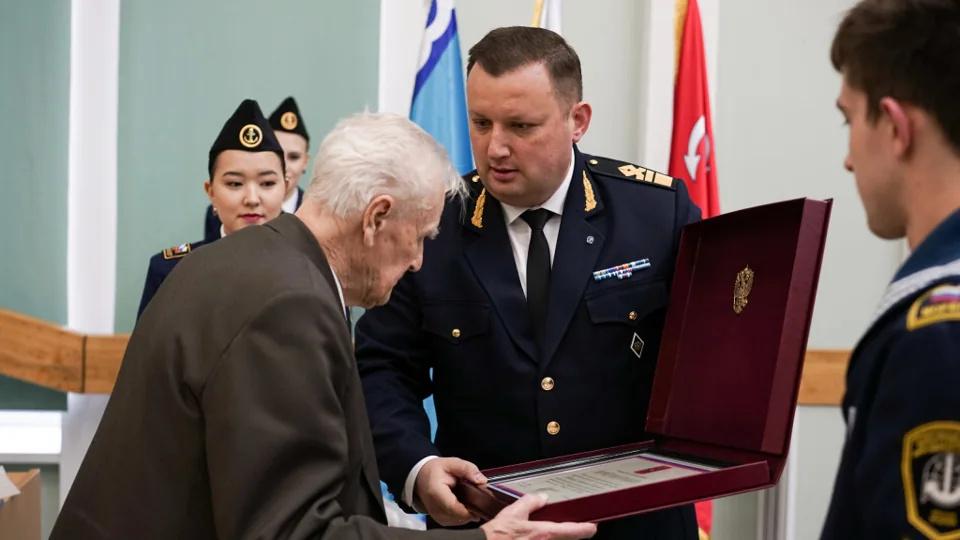
The Student Scientific Society brings together students and postgraduate researchers who participate voluntarily in scientific, organisational and research activities. Its official account records an interacademic research-to-practice conference for postgraduate students, students and cadets in May 2021, devoted to trends and prospects in Russian water transport development. This provides an example of a forum through which learners can discuss work beyond their own course groups.
Research support also includes practical guidance on writing. In October 2026 the university published advice for young researchers on article structure, titles, abstracts and academic expression. The accompanying account describes supervisors reviewing initial results and the postgraduate and doctoral studies department advising on publication plans. Researchers can discuss findings at university conferences and seek publication in the university's Vestnik journal or partner journals. These activities connect research projects with the skills required to present and communicate their results.
Sources: Student scientific society ↗ · Research writing support, 28 October 2026 ↗
International academic activity
The International Relations Department coordinates cooperation between university units and overseas institutions and companies. The university identifies its international student services centre, professional development institute and Makarov Training Center among the units contributing to that work. Its international activity pages cover admissions, exchange students, summer schools, projects and academic announcements.
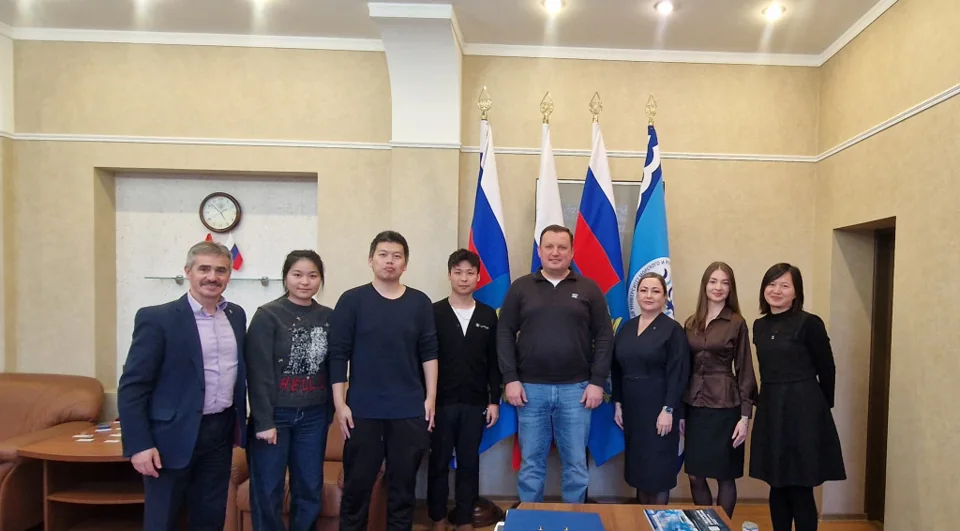
The university also lists participation in several transport and research networks, including the International Association of Maritime and Inland Navigation Universities and the association of transport university rectors from BRICS countries. A recent example of institutional contact appeared in October 2026, when representatives of Dalian Maritime University undertook an internship at the university. An official report described their meeting with the rector, discussion of research results and future scientific plans, and preparation for analysing the data gathered during their stay.
Sources: International activity ↗ · Dalian Maritime University visitors, 29 October 2026 ↗
Culture, participation and student support
University life includes cultural activity, sport, student self-government and volunteering. The unit responsible for extracurricular and educational work coordinates events and works with other university divisions. Its published responsibilities include helping students develop their creative interests and organising activities involving students and cadets across the institution.
Support responsibilities also encompass psychological assistance, social adaptation and the work of tutors. The university's student newspapers provide another setting for participation: their stated coverage includes cultural and sporting events, student contributions, institutional history and informative features. Alongside specialist maritime study and research, these activities provide channels for students to contribute to university life, communicate their interests and take part in shared projects.
Sources: Culture and student support ↗