Visa

About Adesh Medical College & Hospital
Medical education in Mohri
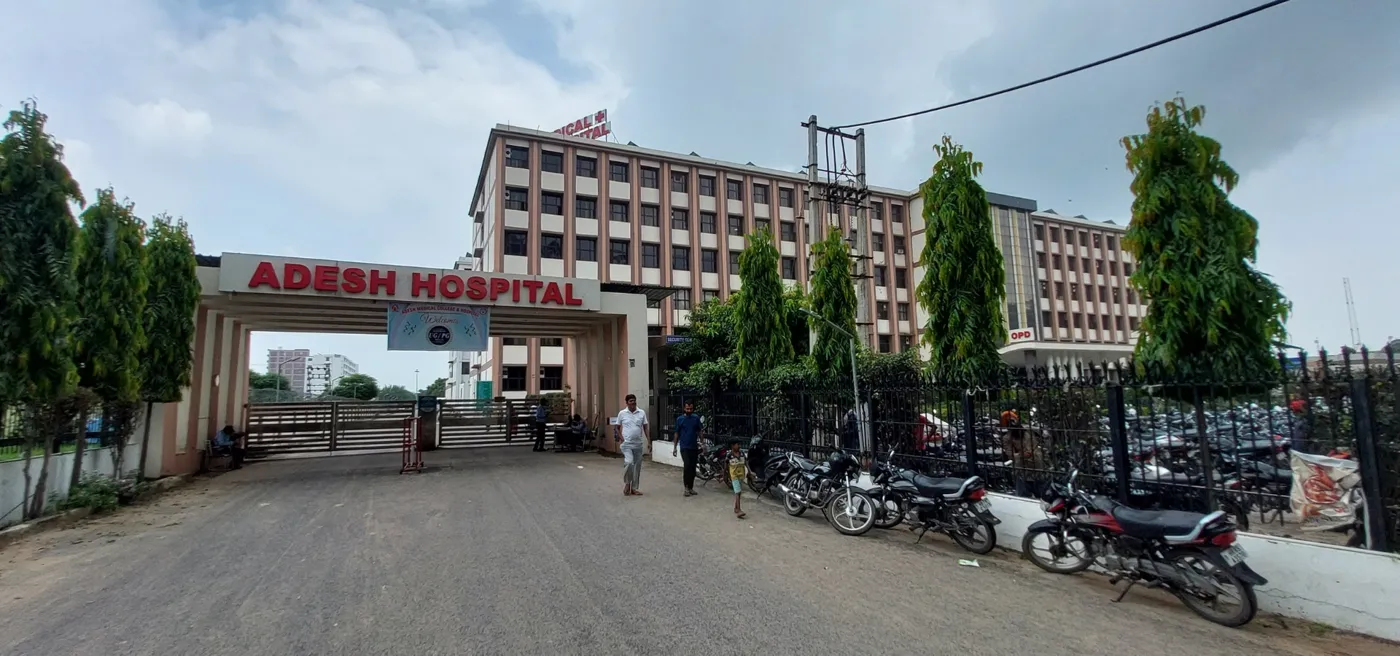
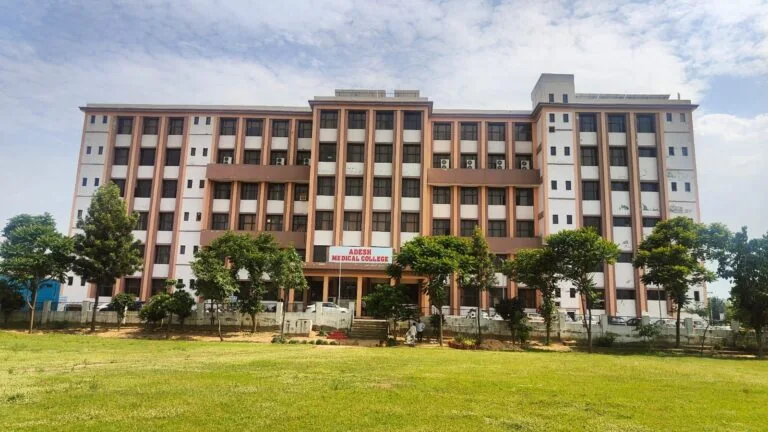
Adesh Medical College & Hospital is located in Village Mohri, in Shahbad tehsil of Kurukshetra district, Haryana. Its campus faces National Highway 44 near Ambala Cantonment. The institution combines a medical college with a teaching hospital under the aegis of Adesh Welfare Society. This Haryana institution is distinct from Adesh University and its medical institutions in Bathinda, Punjab, although both appear within the wider Adesh Group's history.
The society's institutional account records its registration in 1992–1993 and identifies education, research and the creation of supporting facilities among its objectives. The same account lists the Mohri college and hospital project under 2015. Its stated mission connects healthcare, medical education, research and community relationships, while its values include integrity, teamwork, collaboration and perseverance. These aims provide the organisational context for its educational activities.
Sources: Promoting society and institutional background ↗
Development of medical programmes
The college's admissions history records permission for an initial annual MBBS intake of 150 students from the 2017–2018 academic session. It states that this first cohort entered through counselling conducted at Pandit Bhagwat Dayal Sharma University of Health Sciences, Rohtak. These figures describe the beginning of the programme, rather than a claim about the number of students currently on campus.
Postgraduate study followed later. According to the same institutional source, the first postgraduate students joined in 2021, and a 2023 cohort comprised 48 students across fifteen specialities. The admissions page links historical permission documents, postgraduate seat information and university affiliation letters. Together, these records distinguish the college's undergraduate beginnings from its later expansion into postgraduate medical education. The published departmental structure also identifies foundational subjects such as anatomy, biochemistry, physiology, pathology, microbiology, pharmacology, forensic medicine and community medicine.
Sources: Medical admissions history ↗
Spaces for teaching and practical learning
The college's infrastructure description brings together lecture theatres, demonstration rooms, laboratories, skills training and research facilities. Its lecture rooms are described as equipped for audiovisual teaching, with projection and microphone systems. Demonstration rooms and shared laboratories support different pre-clinical, para-clinical and clinical subjects, allowing theoretical material to be developed through observation and practical work.
A skills laboratory and the use of information technology form part of the published teaching environment. The infrastructure account also describes photographic and audiovisual facilities for medical illustration and teaching materials, alongside a central research laboratory. These are educational resources within a campus that also contains administrative offices, common rooms and residential accommodation. Because the college and hospital share the site, academic spaces sit within a broader institutional setting that includes clinical departments and the supporting services needed for a teaching hospital.
Sources: College infrastructure ↗
The Central Library
The Central Library is located within the college building and provides text and reference books, journals and electronic materials. Its published service description includes an online public access catalogue for locating resources, computer access and support from library staff. Automated circulation and barcode systems assist the handling of books and related enquiries.
The library lists reference, bibliographic and internet services, together with article alerts, conference information, printing and binding facilities. Departmental collections support individual medical subjects as well as the main library's broader provision. Students, faculty and research scholars can use the information resources, while external users require prior institutional permission. The library also describes professional development activities for its staff. This combination of collections, search tools and assistance gives learners resources for course reading, assignments, research preparation and continued engagement with medical literature.
Sources: Central Library ↗
Support for the quality of teaching
The Medical Education Unit is established to strengthen medical education within the institution. Its published objectives cover faculty development, research in medical education and the provision of a resource centre. Continuing medical education also features in its remit, extending educational activity beyond the immediate delivery of undergraduate classes.
Other responsibilities concern policy development, assessment systems, communication and instructional design. These areas address how teaching is planned and evaluated as well as what students learn. The unit's website links its composition, meeting records and detailed activities, documenting an organisational structure for reviewing educational work. It also identifies administrative, technical and audiovisual support roles. Within the college, this unit provides a focus for the methods, resources and professional development involved in teaching medicine.
Sources: Medical Education Unit ↗
Residential life and student facilities
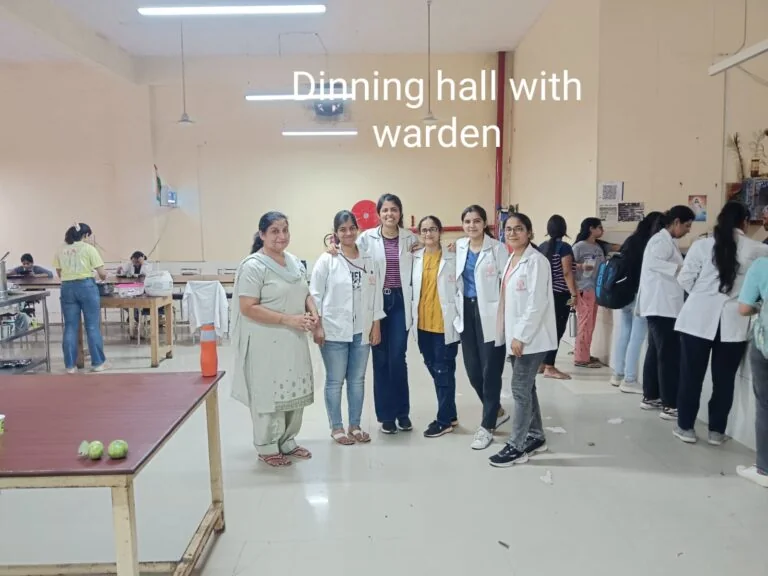
The hostel information describes accommodation on the college campus with wardens and hostel superintendents involved in day-to-day administration. Rooms include attached washrooms, while separate study rooms provide desks and chairs for academic work outside class. Wi-Fi, laundry arrangements and drinking-water facilities are among the services described for residents.
Dining is organised through hostel mess facilities. Students select members of a mess committee that contributes to decisions about menus, giving residents a role in an everyday aspect of campus life. Common rooms provide television and indoor games such as table tennis, carrom and chess. Visitor rooms offer a place for parents and other guests to meet students. The college also describes first-aid and sick-room arrangements, together with links to the on-campus hospital when needed. These facilities complement the academic spaces by supporting the practical routines of students living at the institution.
Sources: Hostel information ↗