Visa
About ACPM Dental College and Hospital
A dental college within Jawahar Medical Foundation
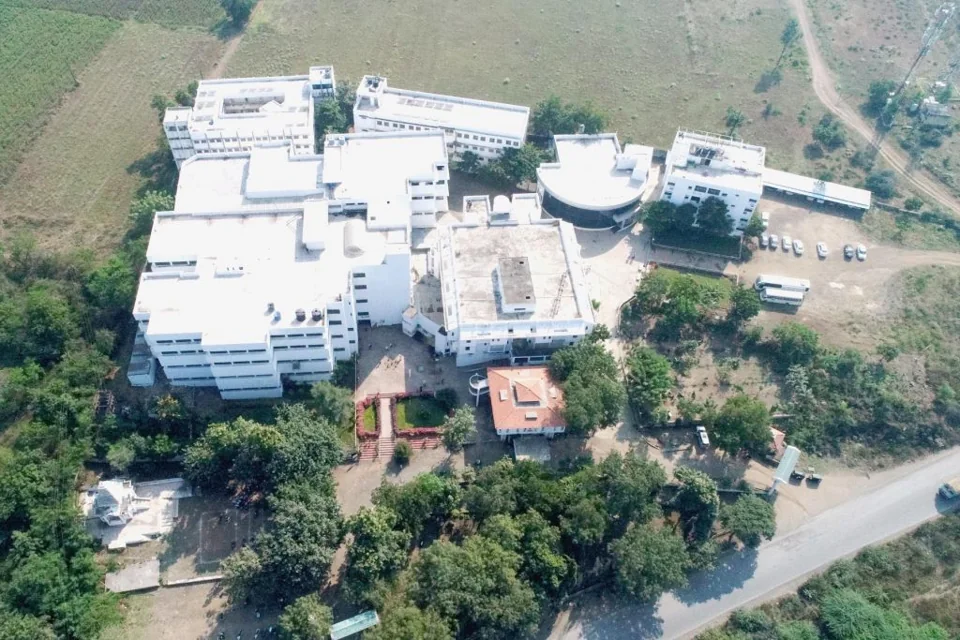
ACPM Dental College and Hospital is a dental education institution in Dhule, Maharashtra, operated by Jawahar Medical Foundation. The initials commemorate Annasaheb Chudaman Patil, who founded the foundation in 1984. The dental college was established in 2002, extending the trust’s educational and healthcare work to oral health. Its institutional account places particular emphasis on serving rural and tribal communities in the Dhule region.
The college is distinct from the foundation’s medical college, although both share the wider ACPM identity. Its published profile identifies the Maharashtra University of Health Sciences in Nashik as its affiliating university. Academic provision includes the Bachelor of Dental Surgery, Master of Dental Surgery and doctoral study. The college’s approach combines subject knowledge, practical training, professional values and research within a hospital-linked educational setting on Sakri Road.
Sources: College profile and history ↗
Undergraduate study from basic science to dental subjects
The college describes the BDS programme as four academic years followed by a year of internship. Its published syllabus begins with anatomy, physiology, biochemistry, dental anatomy and dental histology. These subjects provide the scientific foundation for understanding the structures and functions relevant to later dental study. Pharmacology, microbiology, pathology and dental materials follow as students move into more specialised knowledge.
The next stage includes general medicine, general surgery and oral pathology. Final-year subjects bring together oral medicine and radiology, oral and maxillofacial surgery, prosthodontics, periodontics, public health dentistry, conservative dentistry and endodontics, paediatric dentistry and orthodontics. The sequence shows how the course moves from foundational science towards the different areas of dental practice. Internship is presented as a distinct part of the programme after the academic years, connecting the curriculum with supervised practical experience.
Sources: Bachelor of Dental Surgery ↗
Postgraduate specialisation and academic progression
The Master of Dental Surgery is described as a three year postgraduate programme. The college’s published specialisations include oral surgery, periodontics, prosthodontics, orthodontics, paediatric dentistry, public health dentistry, and conservative dentistry and endodontics. These pathways allow more concentrated study within areas introduced during undergraduate education.
The institutional profile also identifies PhD provision as part of the college’s academic development. Across its departments, teaching is linked with seminar work, clinical discussion and research interests. This provides an academic progression from broad undergraduate preparation to more focused postgraduate enquiry. The range of specialisations also means that students encounter different perspectives on oral health, from the interpretation of disease and restoration of teeth to prevention and community needs.
Sources: Master of Dental Surgery ↗ · College profile and history ↗
Oral medicine, imaging and evidence
The Department of Oral Medicine and Radiology works at the interface between general medicine and dentistry. Its teaching and research encompass clinical histories, examination, investigation and the interpretation of oral conditions. The department’s description includes oral mucosal disease, facial pain, salivary-gland conditions and the ways wider health issues can affect oral care.
Its facilities include digital imaging and cone-beam computed tomography, alongside intraoral cameras and other diagnostic resources. A seminar room supports presentations and academic exchange. The department’s stated academic objectives emphasise evidence-based knowledge and the development of students’ clinical understanding. Research aims include clinical studies, evaluation of scientific findings and collaboration with other academic and health-related organisations. These elements connect observation and imaging with the disciplined interpretation of information.
Sources: Oral Medicine and Radiology ↗
Conservative dentistry and preclinical learning
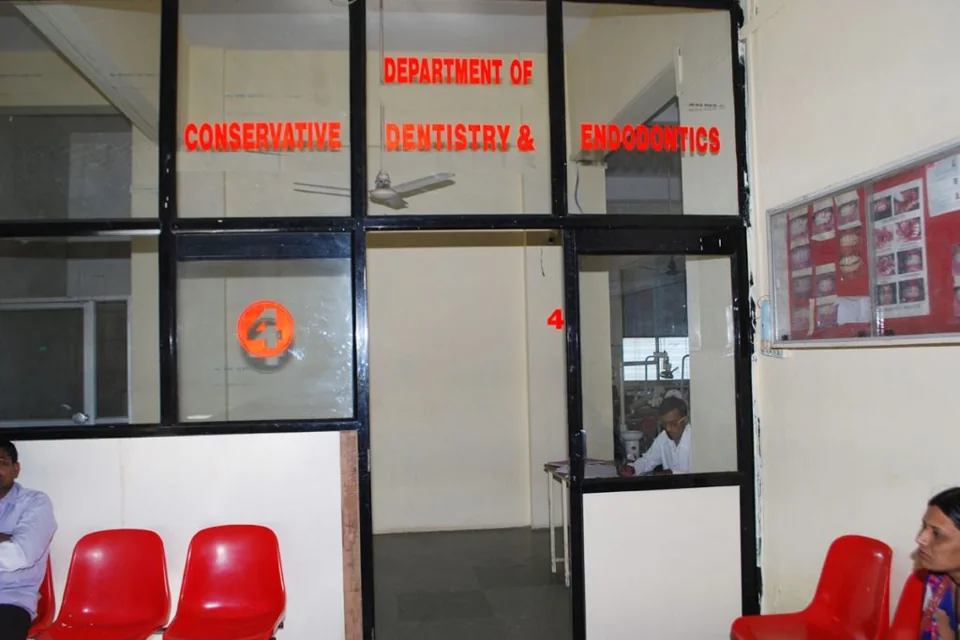
The Conservative Dentistry and Endodontics department was formed in 2003. Its educational remit concerns the preservation and restoration of natural teeth and the study of conditions affecting dental tissues. Undergraduate and postgraduate teaching is supported by phantom-head training equipment, dental chairs and a seminar room used for presentations, journal clubs and case discussions.
The department lists digital radiography, operating microscopes, magnification equipment and other specialist teaching resources. It also describes capability-enhancement programmes for interns and opportunities to encounter interdisciplinary work. The emphasis is on combining scientific knowledge, practical skills, ethical awareness and continuing professional education. Its published account therefore presents the department as both a specialist clinical unit and an environment for structured learning and academic discussion.
Sources: Conservative Dentistry and Endodontics ↗
Public health and community-oriented education
Public Health Dentistry gives undergraduate students and interns experience of oral-health questions at community level. Its teaching includes epidemiological methods, risk factors and the relationship between oral disease, wider health and the organisation of services. Students participate in camps and initial screening activity, encountering the needs of different populations rather than studying oral health only within the college building.
The department describes outreach around Dhule and Sakri, a mobile dental unit and satellite services. Its activities include school and rural visits, tobacco-related education and coordination with National Service Scheme work. It also supports academic research through statistical advice and publication assistance. These arrangements connect community engagement with the development of research skills. They form part of the college’s stated commitment to extending dental education and service into surrounding areas.
Sources: Public Health Dentistry ↗
Campus resources and daily life
The official campus gallery documents administrative and teaching buildings, an auditorium, gardens and hostel accommodation. Library photographs show another part of the academic environment, while recreational space and a sports arena provide settings beyond formal study. The gallery also includes the mobile dental van and a satellite clinic, linking the physical campus with outreach activity. Together, these facilities support the college’s combination of classroom education, practical learning and community engagement.
Sources: Campus facilities gallery ↗