Visa
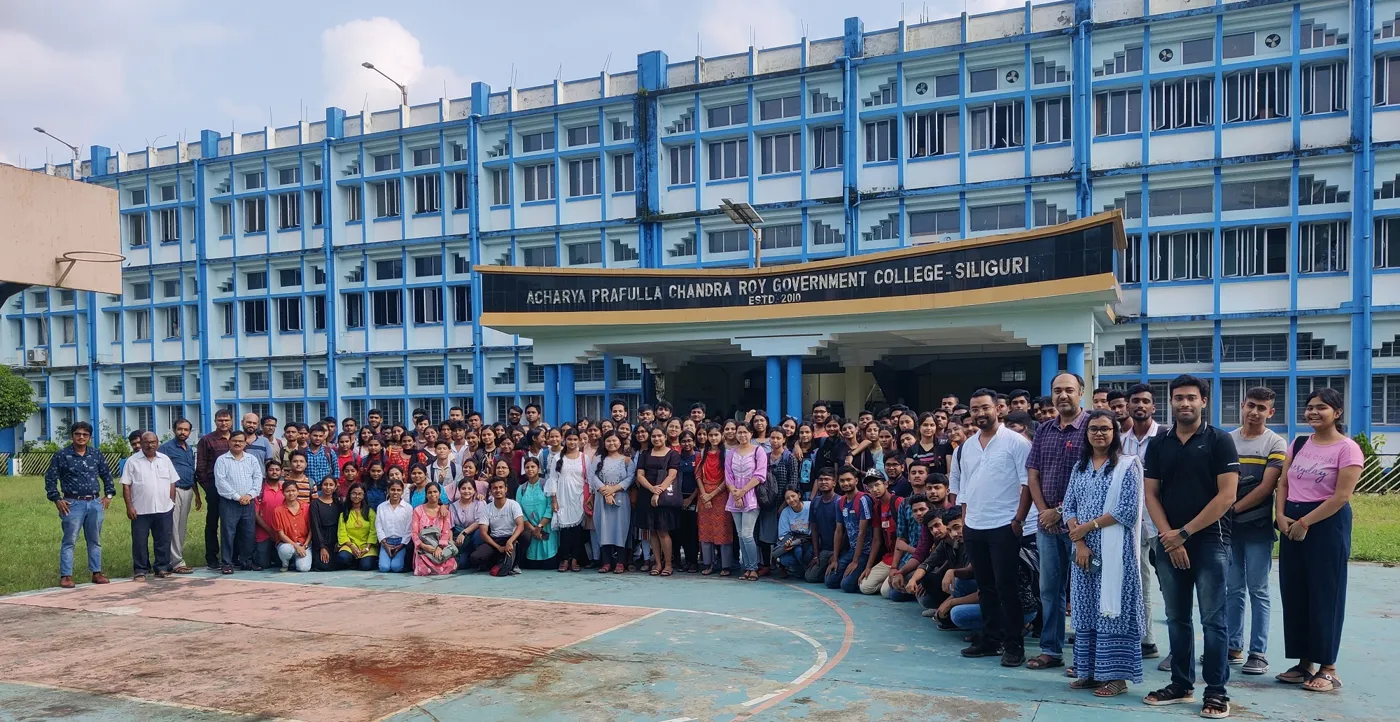

About Acharya Prafulla Chandra Roy Government College
A government college in the Siliguri region
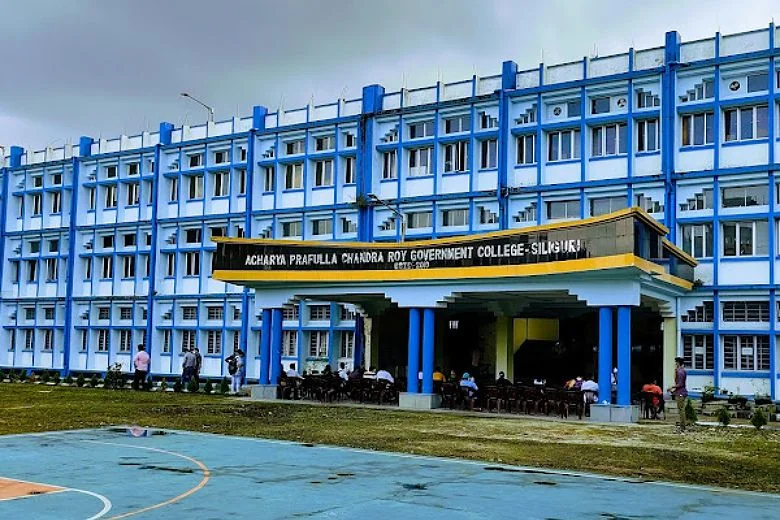
Acharya Prafulla Chandra Roy Government College is a West Bengal government institution in Himanchal Vihar, Matigara, near Siliguri. Established on 21 July 2010, it was created to meet the higher education needs of this part of North Bengal. The college takes its name from the scientist and educationist Prafulla Chandra Roy. Its setting places it near the foothills, within reach of Siliguri while away from the busiest parts of the city.
The college began with a science orientation and subsequently broadened its academic provision. Its prospectus records the introduction of Bengali, English and economics in 2012–13, followed by sociology and political science in 2018–19. Computer science developed into a separate departmental pathway during 2014–15. This growth has brought laboratory disciplines, languages and social sciences into a common undergraduate institution, rather than limiting its identity to its original science subjects.
Sources: College history and location ↗ · Official2026–27 prospectus ↗
Laboratory science and applied observation
The prospectus describes physics laboratories devoted to electronics, optics, electrical work and general practical study. Computer-based work and an ICT-enabled classroom complement these spaces. This combination supports the connection between theoretical explanation, measurement and the interpretation of experimental results. The physics department also encourages students to explore internships in research institutions.
Botany combines laboratory activity with excursions concerned with plant life in different geographical regions. Its facilities include equipment for spectrophotometry, centrifugation, PCR and other practical work. Student seminars and departmental reference resources extend the learning environment beyond a practical session. Botany also describes parent-teacher meetings to review academic progress and the experience of departmental study. Zoology likewise combines classrooms, practical laboratories and an instrument room with educational excursions. The prospectus identifies equipment including incubators, centrifuges, spectrometers and imaging resources. These facilities support observation and investigation across different biological topics, while field activity relates classroom material to organisms and environments outside college.
Sources: Official2026–27 prospectus ↗
Computing, languages and social sciences
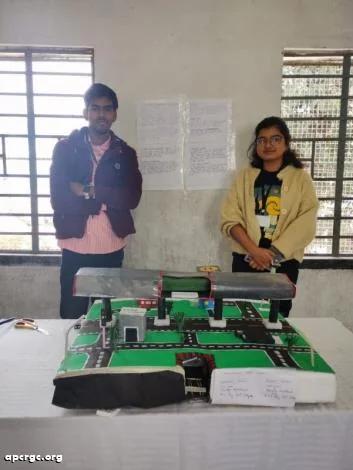
Computer science provision is supported by an internet-connected computer laboratory, projection facilities and a departmental seminar library. The department’s published research interests include green and cloud computing, machine learning, computational biology and related technological fields. These interests sit within an undergraduate teaching environment that combines access to computing equipment with academic guidance.
The language departments bring different forms of enquiry into the curriculum. Bengali emphasises reading, interpretation and original responses to literature. English uses projects, wall magazines, tests and assignments to develop engagement with world literature and reading habits. Political science describes student seminars, interdisciplinary lectures, peer learning and mentor–mentee exchanges as part of its academic practice. Its teaching connects political ideas with regional, national and international questions. Economics and sociology further extend the college’s range of social-science study.
Sources: Official2026–27 prospectus ↗
Library access and learning spaces
The central digital library includes both lending and reading sections. Its holdings are catalogued electronically, and the online public access catalogue allows users to search the collection. Departmental seminar libraries provide an additional source of textbooks and reference works close to subject teaching. This arrangement gives students both a central collection and more specialised reading resources within their academic departments.
The library page describes borrowing arrangements for students and staff, alongside access to online resources and newspapers. Elsewhere, the prospectus identifies smart classrooms, virtual classrooms and a computer room with networked machines and internet connectivity. A seminar room supports presentations and academic events. Together, these spaces accommodate different kinds of learning: independent reading, computer-based study, class discussion, practical demonstrations and larger exchanges with invited speakers or other students.
Sources: Central library ↗ · Official2026–27 prospectus ↗
Community engagement through NSS
The National Service Scheme provides a setting for community service, social responsibility and personal development. The college’s NSS description identifies activities such as cleanliness drives, tree planting, blood donation and awareness programmes concerning health, hygiene and social issues. It also includes educational initiatives for children with fewer opportunities. These activities connect student participation with needs beyond the campus.
The programme’s stated purpose is to develop citizenship and an understanding of community welfare. Students work collectively rather than treating service as an entirely individual exercise. The college places inclusiveness and solidarity within this approach, linking practical participation with the wider educational aim of preparing people to take responsibility in society. NSS activity therefore complements the subject knowledge developed through the academic departments.
Sources: National Service Scheme ↗
Career guidance and campus participation
The career-counselling and placement cell helps students consider their goals and the strategies through which they might pursue them. Its activities include awareness programmes about opportunities in government and non-government sectors. Discussions of competitive examinations, followed by questions and answers, give students a structured opportunity to explore options after graduation. The cell also connects career preparation with communication, professional knowledge, ethics and workplace culture.
Games and sport provide another area of participation. The college’s committee organises and promotes recreational and competitive activity with an emphasis on fitness and team spirit. Its description includes inter-college competitions, internal leagues and friendly matches. These opportunities place physical wellbeing and cooperation alongside academic study. The range of activities across departments, NSS, careers and sport reflects an undergraduate environment concerned with learning, participation and preparation for life beyond college.
Sources: Career counselling ↗ · Games and sports ↗