Visa
Give Harare time beyond an airport connection
Harare can introduce a visitor to Zimbabwe through art, public gardens, woodland walks and the workings of a capital city. It can also be a place for family visits, meetings, study or a longer move. Those purposes lead to different accommodation choices. Start with the places and people you need to reach, then build a city programme around them instead of treating every attractive address as equally convenient.
Two or three full days allow a worthwhile first look without constant cross-city travel. An overnight connection calls for a smaller ambition: a reliable transfer, rest and perhaps one confirmed visit. If relocation is the purpose, add weekday errands, housing inspections and a test of the actual commute. A pleasant hotel garden gives one perspective on Harare; running an ordinary household requires a more detailed enquiry.
History and the capital’s changing streets
The City of Harare’s background information traces the colonial settlement of Salisbury to 1890. For the name change, UPI’s contemporary report of 18 April 1982 provides a clear dated reference: Salisbury became Harare on that Independence Day anniversary. The council’s historical summary uses an inconsistent date, so it should not be repeated without qualification. The city’s history also extends beyond the colonial institutions that supplied many familiar landmarks.
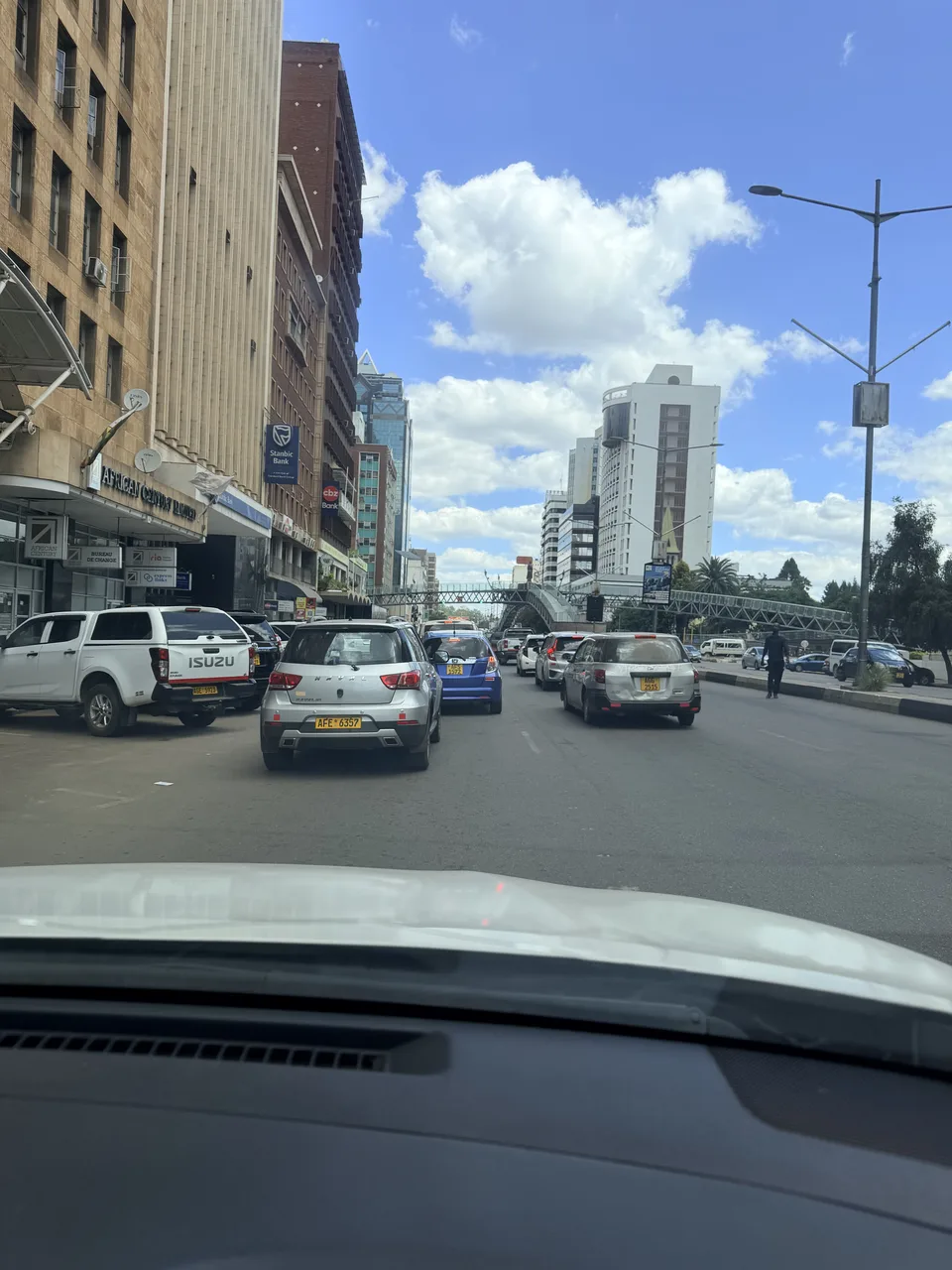
Read central streets through that layered history, while remembering that offices, shops and traffic patterns continue to change. An older photograph can help explain a building’s setting without establishing its current use. Ask about permission before photographing people, and check restrictions around sensitive sites. A guide who can connect urban development with Zimbabwean perspectives may add more than a drive past a list of monuments.
The VisaWand Zimbabwe location directory is useful for geographical browsing before a wider trip. It should be read as a directory, rather than evidence that every listed settlement has a completed visitor guide. For Harare itself, use precise addresses and landmarks when arranging meetings: a broad promise that somewhere is “central” says little about the journey from your particular accommodation.
The National Gallery as a starting point
The National Gallery of Zimbabwe’s visitor information (source unavailable) gives its Harare address as 20 Julius Nyerere Way, by Park Lane and Harare Gardens. It lists daily opening from 09:00 to 16:30, with public-holiday closures. Make it an unhurried visit, with time to see the current exhibitions and follow subjects that interest you, rather than treating the entrance as a quick photograph stop.
Admission categories matter. The gallery currently lists an international non-African adult price of $15, an African-resident adult price of $5 and a resident adult price of $2. Confirm the applicable category, evidence and payment currency before travelling; the table uses a dollar symbol. Groups exceeding twelve should contact the gallery ahead. Ask about the specific access assistance needed rather than assuming every exhibition space is equally easy to navigate.
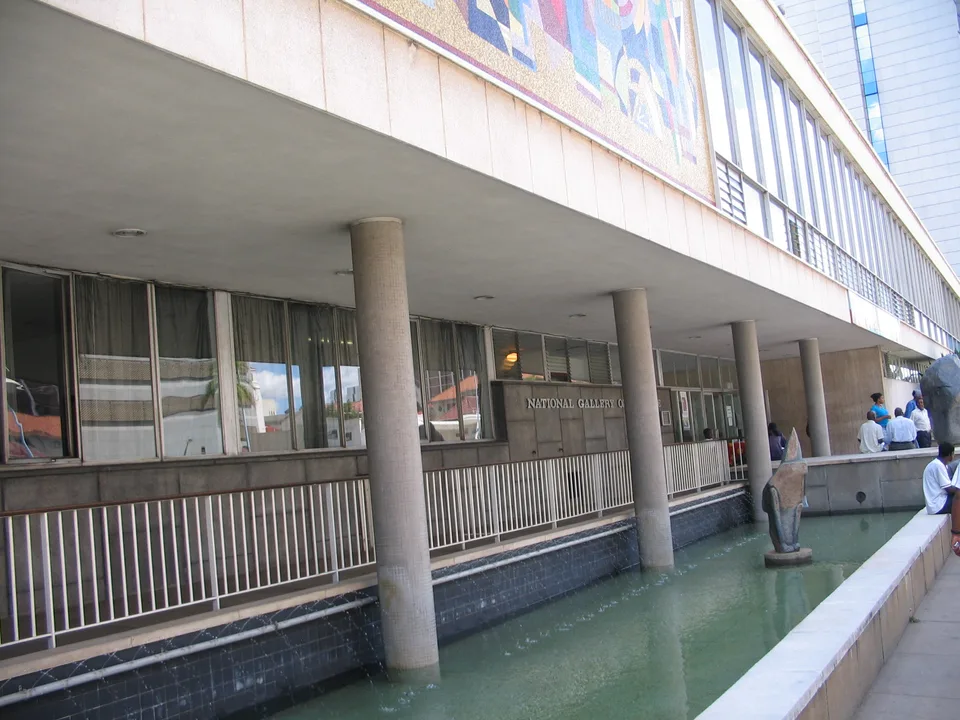
The same visitor page identifies Afrotopia Café and the ArtLife Shop, which can make a simple art-focused half-day easier to organise. Confirm their current service separately if either is essential to your plan. The accompanying gallery photograph dates from April 2007. It illustrates a real historical exterior, not a promise that the entrance, sculpture or displays remain arranged exactly as they were then.
Stone sculpture and buying art thoughtfully
Chapungu’s official information traces its development from a Harare gallery into a sculpture park and identifies its work with Zimbabwean artists. Confirm present visiting arrangements for the Harare location directly. Chapungu also has a North American presence, so make sure the address, directions and opening information you are reading refer to Zimbabwe rather than a similarly named overseas venue.
A sculpture visit is most useful with time to look at the material, scale and different approaches of individual artists. Ask about the work’s maker and provenance. If buying, obtain an invoice and discuss packing, weight, insurance and delivery before payment. A piece that fits a photograph may not fit an airline baggage allowance. Separate the artwork’s price from any transport or documentation costs.
For other exhibitions or performance, use current venue programmes and confirmed bookings. A festival held in an earlier year should not be assumed to have the same dates, location or programme now. A free afternoon can still be rewarding without an elaborate schedule: one substantial art visit and a nearby meal may offer more than rushing among several addresses that turn out to have changed.
Mukuvisi Woodlands: a manageable outdoor visit
Mukuvisi Woodlands’ current website lists opening from 08:00 to 17:00 every day. Use this working site rather than older pages carrying a “coming soon” notice. It offers a different kind of urban outing from the gallery, with space to walk and observe the environment. Choose a route that suits your group, the weather and the time left before closing.
The activities page describes marked routes of approximately three, five, eight and ten kilometres for walking, running or mountain biking, with an indemnity required before starting. It lists adult entry at US$6 and children aged five to twelve at US$5. Confirm current charges and what is included. Horse activities and guided walks need separate consideration and booking; a general admission should not be assumed to cover them.
The operator asks that dogs remain controlled on leads and describes a viewing platform and resident wildlife. Follow the site’s instructions, keep an appropriate distance and avoid promising children a particular sighting. Take water, sun protection and suitable footwear. Ask about surfaces, distances, toilets and assistance if mobility is limited. An attractive woodland photograph cannot establish that every trail is accessible to every visitor.
Wild is Life requires a confirmed programme
Wild is Life’s sanctuary page makes advance booking essential. Its current morning programme runs on Wednesday, Friday and Saturday from 10:00 to 12:30. Afternoon visits are listed Tuesday to Saturday, starting at 15:30 from September to March and 15:00 from April to August. Reconfirm the chosen session, arrival directions, total price and finish time directly. Do not arrive assuming a daily public opening window.
The sanctuary’s visitor questions explain that touching animals is not permitted, that children must remain close to their guardians and that staff can assist with wheelchair access. It also says there is no visitor accommodation or volunteering programme. A sanctuary visit is therefore a booked educational experience, not a room booking or an opportunity to begin informal conservation work.
Ask about the current programme without expecting guaranteed contact with a named animal. Care and rehabilitation needs take priority over a visitor’s preferred photograph. If combining the visit with a flight, calculate the complete journey, check-in requirement and contingency rather than relying on a short advertised airport driving time. A location near the airport does not make every session compatible with every departure.
Neighbourhoods and choosing a practical base
For a first visit, a central base can suit gallery visits, city meetings and commercial-centre errands. The Avenues is another name likely to appear in accommodation addresses; inspect the actual property and route rather than assuming that a district label guarantees quiet, security or an easy walk. Match the address to the repeated journeys you will make, not to a general ranking of supposedly best neighbourhoods.
Mount Pleasant becomes relevant for university-related stays. The University of Zimbabwe’s international-admissions information gives an institutional starting point there, while Arundel Village’s contact page locates its shopping centre on Quorn Avenue in Mount Pleasant. These are useful geographical anchors, but they do not establish that any proposed house is close to both. Plot the specific home, campus entrance and shops before assessing convenience.
Borrowdale, Highlands and other suburban addresses can suit different household or business needs. Ask hosts and employers for the precise entrance, a nearby landmark and realistic transport choices. During a potential move, test the journey at the time you will actually travel. A quiet Sunday viewing and a weekday school run can answer very different questions about the same address.
Accommodation and the complete cost of a stay
Hyatt’s official Harare opening announcement identifies Hyatt Regency Harare The Meikles as a central-hotel option. The announcement confirms the property’s transition into the brand in 2024. Request current hotel information for facilities, accessibility and transfer enquiries rather than relying on old ownership or branding details. Confirm the room, occupancy and cancellation terms attached to your own quotation.
A guesthouse may offer a quieter setting or more personal arrangements; an apartment may make cooking and laundry easier. Those advantages depend on the actual unit. Request recent photographs, check bathroom and bed configurations, and ask whether cooling, internet and backup services work inside the room. A generic Wi-Fi symbol does not establish the connection needed for video meetings or study.
Compare quotes after adding breakfast, taxes, transfers and the daily journeys your location requires. A lower nightly rate can become more expensive if every meal or errand needs a separate car. For a long stay, ask about cleaning, linen, laundry and kitchen equipment. Families should confirm child charges and supervision needs around pools before choosing from a headline rate alone.
Arriving at Harare’s airport and continuing onward
Airports Company of Zimbabwe identifies Robert Gabriel Mugabe International Airport as Harare’s principal gateway, with the HRE airport code and separate domestic and international passenger facilities. Its description places the airport about fifteen kilometres south of the city. Treat that as orientation, not a universal distance or travel-time promise to every property. A northern suburban address requires its own transfer calculation.
Arrange the meeting point, driver contact, price, luggage allowance and delayed-arrival procedure before travelling. Keep the accommodation address available offline. Check whether the quotation is for the whole vehicle or each passenger, and whether waiting or late arrival creates extra charges. If a flight arrives early, arrange luggage storage or early room access so the first morning does not depend on an assumption about check-in.
For domestic or regional connections, check the airline’s actual dates, terminals, baggage rules and ticket protection. Do not turn a route mentioned in an old visitor brochure into a promise of daily service. Separate bookings may leave you responsible for a missed onward departure. Build adequate time for entry formalities and baggage collection, especially if the connection follows a long international journey.
Getting around and handling the practical risks
For an unfamiliar journey, ask your accommodation to explain current taxi or arranged-driver options and agree the destination and total charge before departure. Establish the return pickup as well. If considering shared transport, verify the route, boarding point and suitability for your luggage or group. A low fare is not useful if the service leaves you far from the entrance you need.
Current Zimbabwe government travel advice discusses crime, unreliable communications, power interruptions and road risks, including vehicle crime on the Harare airport route. Arrange suitable transport after dark, keep accommodation secure and avoid displaying valuables. Conditions vary by street and time, so a city-wide declaration of safety would be misleading. Follow current local advice and leave room for disruption in meeting and airport schedules.
For walking, check daylight, crossings, pavements and the particular route rather than assuming nearby means pedestrian-friendly. Rental drivers should clarify insurance, licence requirements, parking and responsibility for damage. Discuss any border crossing with the rental company before paying. A trip to another country requires more than following a navigation app to the nearest crossing.
Food, shopping and a budget you can use
Begin with the restaurants or kitchens that work from your chosen base. Ask about ingredients, portion size and dietary requirements rather than relying on an invented list of local favourites. The gallery café and Mukuvisi’s coffee shop can be practical companions to those visits, subject to current service. If a meal is important to the day, confirm availability before making a special journey.
Arundel Village’s current shop information offers a way to locate food, pharmacy, dental and other household services in Mount Pleasant. Check each business directly for the service, stock or appointment you need. A shopping-centre directory is useful orientation; it is not a guarantee of medicine availability or a recommendation for a particular clinician. Household errands may be easier to assess together during a relocation visit.
Keep the trip budget in separate lines for accommodation, meals, transfers, local journeys, admission and optional purchases. Confirm payment currency, card acceptance and any fees on each quotation. Retain practical payment backups and obtain receipts. An old exchange conversion or a foreign-currency hotel price does not tell you how every smaller business will accept payment during your visit.
Seasons, jacarandas and a realistic three-day visit
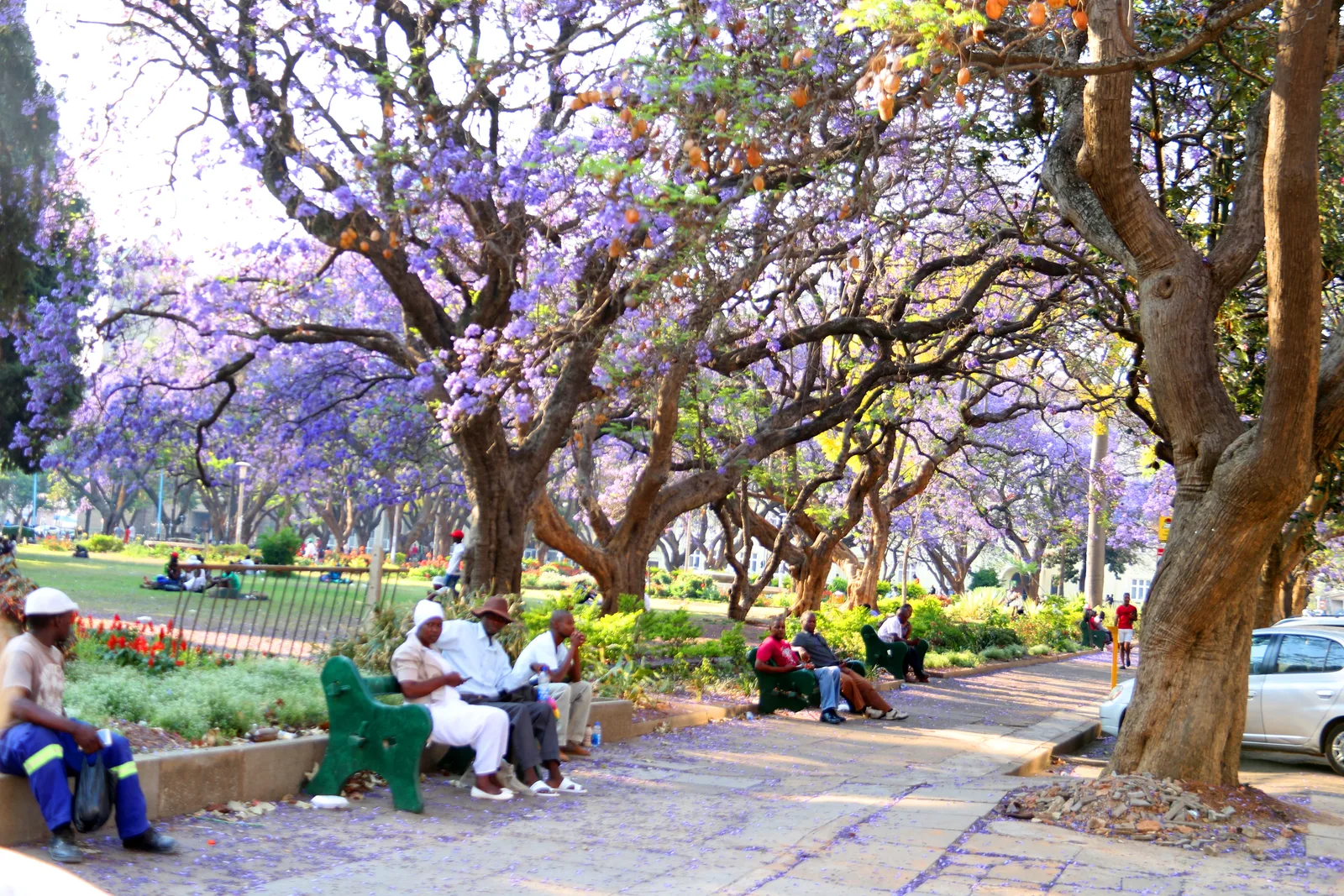
Zimbabwe’s environment-statistics framework hosted by the United Nations describes a rainy season broadly from November to March, cooler conditions from mid-May to August and a hotter period from September to mid-November. Use these as broad planning patterns, not a forecast. Pack layers for cooler mornings and protection for sun or rain appropriate to your activities. Flowering trees add seasonal interest, but no bloom date is guaranteed.
On the first full day, make the National Gallery the main visit and keep the rest of the programme central and flexible. A second day can focus on Mukuvisi Woodlands, with a route suited to the group and a rest afterward. Choose a confirmed sanctuary session, sculpture visit or excursion for the third day. These alternatives need not all fit into one short stay.
Protect time for meals, transfers and delays rather than filling every hour. A business traveller can make one substantial cultural visit in a free half-day without pretending to have explored the whole capital. If travelling with children, agree one main ambition for the day and leave room to change it. Keep departure day compatible with checkout and the actual journey to the airport.
Domboshava and choosing a nearby excursion
The Zimbabwe Tourism Authority’s Domboshava information identifies the caves and rock setting roughly thirty kilometres outside Harare along the Borrowdale–Domboshawa direction. Research present access, guiding and conservation rules before travelling. A heritage visit should respect the rock art and the people for whom the place has significance. Do not touch or mark surfaces, and follow the instructions given at the site.
Ask about walking surfaces, gradients and the return transport arrangement. An excursion described as suitable for everyone may still be demanding in heat, rain or with limited mobility. Carry what you need for the outing and establish where refreshments and toilets are available. If photography is the priority, check restrictions and allow sufficient time without assuming access beyond the managed visitor area.
For a longer Zimbabwe itinerary, compare travel days with time at the destination. A park or distant heritage site should not become a rushed day trip merely because it appears on a Harare tour menu. Identify the actual accommodation, route and season, then decide whether another overnight stop would make the journey more useful and less tiring.
Moving here: housing, bills and essential services
Begin with temporary accommodation and view several homes before committing. Compare similar locations, furnishing and lease lengths; this review did not establish a representative current rent series. Verify who is authorised to let the property, inspect it and record the inventory. Put the deposit, notice period, repairs and responsibility for bills in writing. A holiday photograph cannot prove that a home is ready for everyday occupation.
The City of Harare’s water and sanitation department and official bills-and-payments information provide starting points for municipal enquiries. For the individual property, check the meter, account, storage, pressure and maintenance arrangements. Ask about refuse collection and drainage too. A city service responsibility is not evidence that the particular home has uninterrupted supply or that its existing account is clear.
Use ZETDC’s official contact information for relevant electricity enquiries. Inspect the meter and establish what backup equipment actually supplies, for how long and at whose cost. Test mobile reception and internet in the room where you will work. Include fuel, servicing, installation and replacement responsibilities in the calculation. Ask who can authorise an urgent repair when the landlord is absent, and retain the arrangement in writing.
Health, schools and legal permission for a longer stay
The official Zimbabwe healthcare guidance describes variable services, limited emergency response and possible advance cash requirements at private facilities even for insured patients. Arrange suitable cover and accessible funds, including an evacuation plan where needed. Seek individual travel-health advice and check medication requirements. For an ongoing condition, identify an appropriate clinician and pharmacy before committing to a lengthy stay.
Families should verify school places, current fees and support needs directly, then test the daily journey. Students should confirm their campus, admission, timetable and accommodation with the institution. An employer or university can help with practical arrangements, but an offer letter and a room booking are separate from immigration permission. Include commuting, insurance, communications and setup expenses when assessing the total household budget.
The official Zimbabwe eVisa guidance separates visa-exempt passports, arrival eligibility and those requiring prior approval. Check your own category and use the official application portal. Review passport and route requirements through the relevant authorities and current entry guidance, including any health documentation. Read the stay granted at entry and retain the records; an application’s processing estimate is not a guaranteed decision date.
The immigration department’s permit information distinguishes employment, study and residence-related routes. Holiday permission should not be assumed to cover work, volunteering or permanent relocation. Resolve the correct status before starting an activity or making substantial commitments. Review current legal and cultural advice, including restrictions affecting political activity, sensitive photography and LGBT travellers. VisaWand’s Zimbabwe destination page and consultant listings can support further enquiries.
Other places to compare with Harare
For a waterfall-centred visit, the VisaWand Victoria Falls city guide explains a different Zimbabwean base and its border considerations. Harare offers another balance of institutions, art, everyday services and onward travel. Compare the complete itinerary and the reason for your stay, rather than assuming one destination must serve every purpose equally well.
A useful Harare visit leaves you with both worthwhile experiences and clearer decisions. Give the art and outdoor stops enough time, keep current opening arrangements in view and judge accommodation against real journeys. If a longer stay is possible, add ordinary weekday tasks to the attractive visitor programme. That combination gives a more realistic picture of how Zimbabwe’s capital would fit your plans.
Keep the final itinerary flexible enough to respond to confirmed local arrangements.
Official planning resources
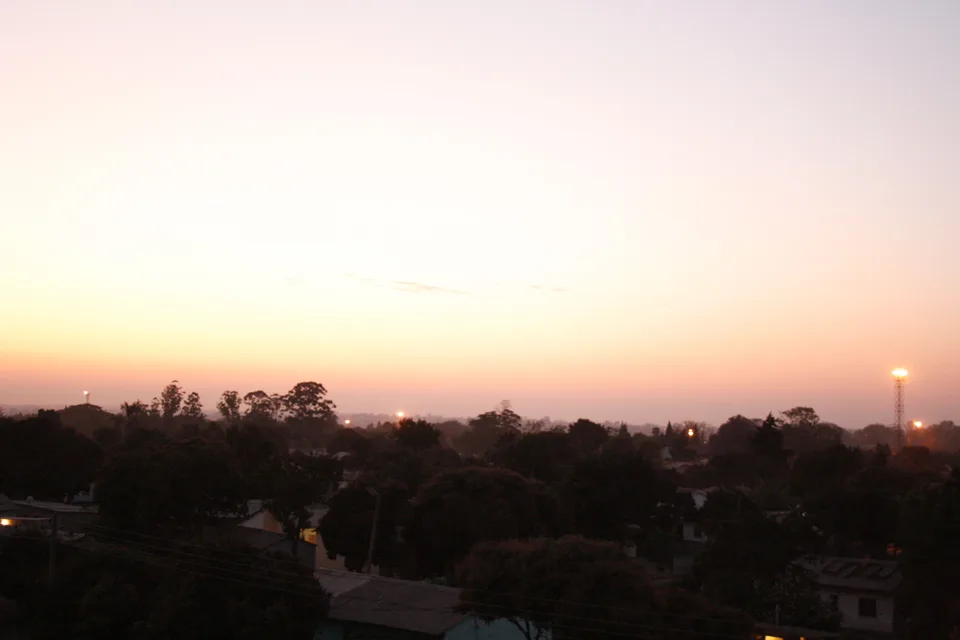
Reviewed 17 October 2026. Use the official resources linked throughout this guide for admission, transport, housing and immigration decisions. Prices, services and rules can change; confirm the details relevant to your dates. Photography illustrates the locations and is not a live view.
View all official resources
- City of Harare: city background
- UPI contemporary reporting: Harare’s renaming
- National Gallery of Zimbabwe: plan your visit (source unavailable)
- Chapungu Sculpture Park: artist information
- Mukuvisi Woodlands: current visitor information
- Mukuvisi Woodlands: activities and fees
- Wild is Life: sanctuary visitor programmes
- Wild is Life: visitor questions and restrictions
- University of Zimbabwe: international admissions
- Arundel Village: address and contact
- Hyatt: Harare opening announcement
- Airports Company of Zimbabwe: Harare airport
- UK government: Zimbabwe safety and transport
- Arundel Village: shops and services
- Zimbabwe environment-statistics framework: seasonal climate
- Zimbabwe Tourism Authority: Domboshava Caves
- City of Harare: water and sanitation services
- City of Harare: municipal bills and rates
- ZETDC: official contact information
- UK government: Zimbabwe healthcare planning
- Zimbabwe immigration: eVisa eligibility and guidance
- Zimbabwe immigration: official application portal
- UK government: Zimbabwe entry requirements
- Zimbabwe immigration: employment, study and residence permits
Plan the next part of your journey
Explore the Zimbabwe guide, browse other cities or compare consultants for your travel and relocation questions.