Visa
Sa Pa rewards a stay built around the mountains
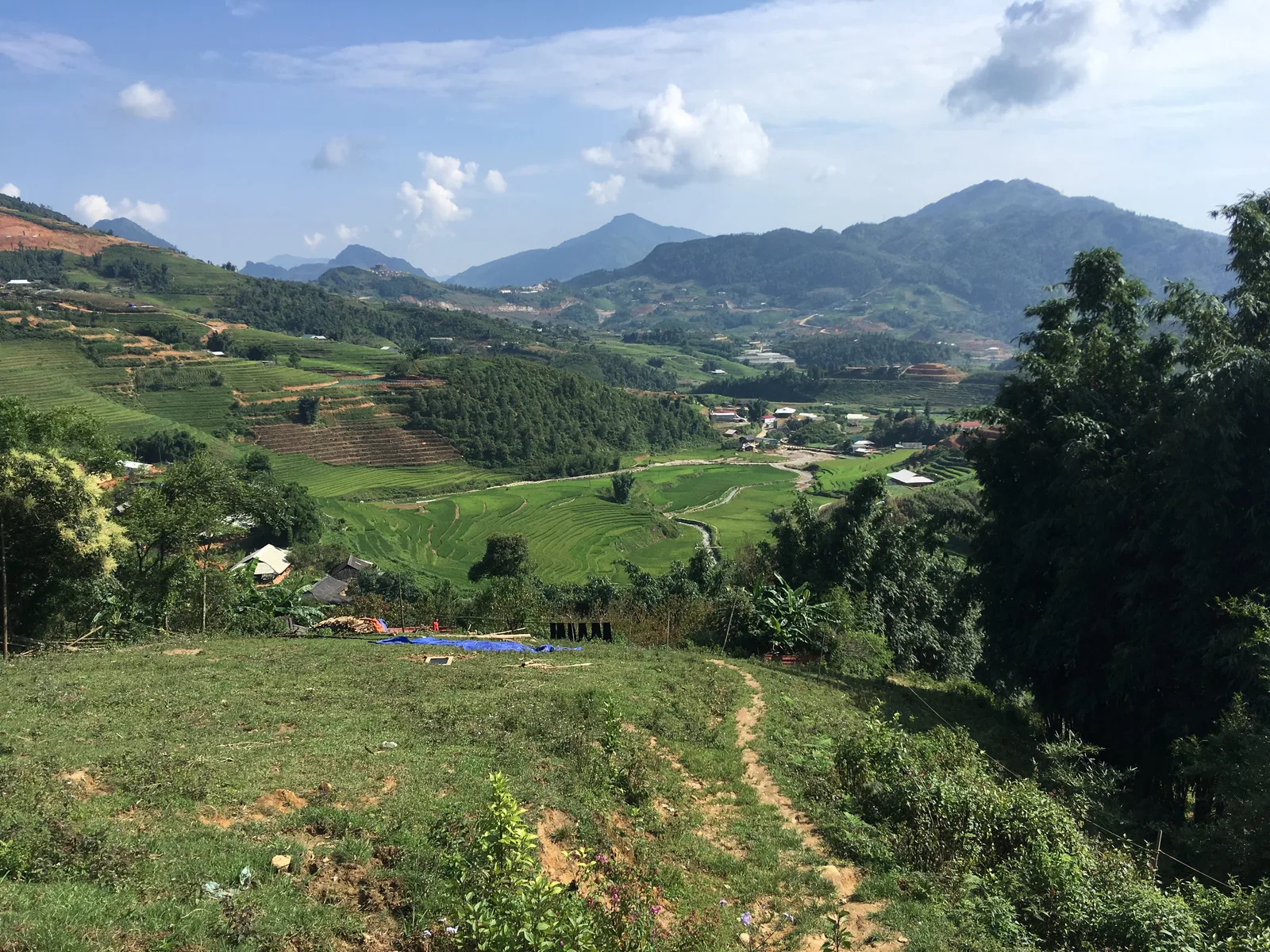
Sa Pa offers two quite different holidays under one name. There is the busy mountain town, with hotels, restaurants and organised excursions, and there are the surrounding valleys, where paths connect villages and cultivated terraces. A good visit allows time for both without assuming that a town-centre hotel puts every landscape outside the door. Come for walking, mountain scenery and encounters arranged with local hosts; leave space for mist, rain and a slower journey than the map suggests.
The national tourism introduction to Sa Pa places the town at the head of a deep terraced valley in northern Vietnam. Its appeal lies in that relationship between settlement and countryside. Start with VisaWand’s Vietnam country guide for national planning, then decide whether this trip is mainly about hiking, a comfortable retreat or a mountain excursion.
Read the map as a town and several separate outings
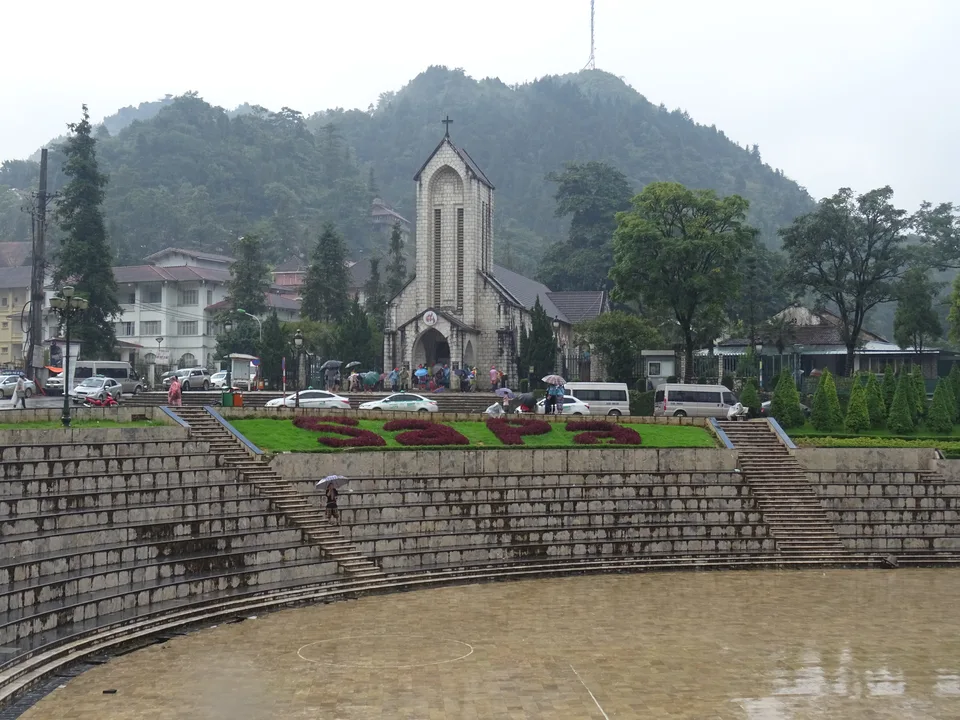
The central church area is a useful orientation point for a first stay. Beyond it, distinguish the Mường Hoa valley towards Lao Chải and Tả Van, Tả Phìn in another direction, and the Fansipan visitor complex. These names describe different journeys, rather than interchangeable neighbourhoods. Ask for the exact property entrance when a listing simply says “Sa Pa”.
The Lao Cai tourism office’s Mường Hoa introduction describes a valley southeast of town, with rice terraces, a stream and communities including Hmong, Dao and Giáy residents. Choose a named village, route or host rather than buying a vague promise to “see the valley”. Leave the final transfer in the plan, particularly if you intend to sleep outside town after an excursion.
Understand the resort history without overlooking local life
Sa Pa’s resort identity developed during French colonial rule. The local tourism office’s historical account traces a French survey in 1903, a sanatorium proposal in 1909, a motor road in 1924 and the church’s construction in 1925. These milestones explain part of the town’s architecture and tourism development; they are not the beginning of the area’s human history.
Look at the church and surrounding public spaces, then give equal attention to the people whose work sustains the landscape. Terraces are cultivated land, and villages are places where residents live and earn a living. A guide can provide context that photographs alone cannot. Ask permission before photographing people, stay out of homes unless invited and agree any purchase or paid demonstration clearly.
Use current addresses alongside familiar destination names
Administrative descriptions in older travel material can be misleading. A December 2025 report from Sa Pa ward’s People’s Committee explains that the new ward combined six former wards under the June 2025 reorganisation. An older hotel address may therefore use a former ward name while a newer document uses Sa Pa ward.
For a booking, combine the property name, street address, map pin and arrival instructions. For a longer stay, ask which current authority handles the particular address. This guide uses Sa Pa as the recognised destination name and distinguishes the central town from surrounding villages; it does not treat the whole former administrative area as one compact urban neighbourhood. VisaWand’s Vietnam location directory can help you find other destination pages, although a location listing does not by itself mean a completed guide is available.
Make the church area a gentle first introduction
Begin with a short central walk rather than an ambitious outing immediately after an overnight journey. The stone church provides a recognisable landmark, and the surrounding streets help you establish where to eat, collect a booking or meet a guide. Keep religious services and worshippers in mind when approaching the building; follow any signs about access.
The tourism office’s town and family activities page also identifies the Sa Pa Museum as an introduction to regional communities and Hàm Rồng as a garden-and-viewpoint outing. Confirm current opening and admission locally before setting aside time. Choose the museum if you want cultural context, or assess Hàm Rồng’s paths if you want a walk above town. Neither a promotional “family-friendly” description nor a central location establishes that a route suits a wheelchair, pushchair or every child.
Plan Fansipan as a substantial excursion
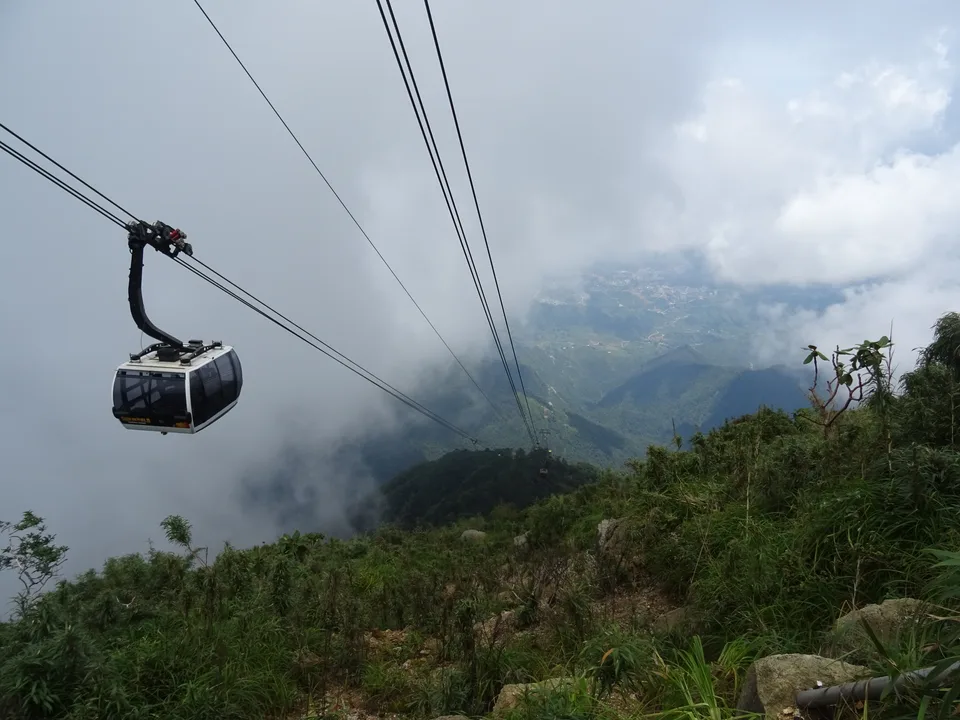
Sun World Fansipan Legend operates the cable-car attraction, with its visitor complex on Nguyễn Chí Thanh Road. Decide how you will reach the departure area and what you want to include beyond the ride. A ticket labelled for a cable car should not be assumed to include every mountain railway, meal or transfer.
The operator’s 28 September 2026 reopening notice confirms that service resumed after scheduled maintenance. Its published schedule distinguishes the last ascent from the last return, with earlier closing arrangements on some weekdays and Sundays. Check the timetable for your actual day rather than arriving near a generic closing time. Weather and operational conditions can change service. Allow a generous part of the day, carry warm layers and assess the walking and steps involved in your chosen route before buying.
Compare the ticket total before paying
At review, Sun World’s official booking homepage advertised the Fansipan cable car from 825,000 dong, alongside a crossed-out 850,000-dong price. This is an advertised starting offer, not a verified fare for every date, passenger or package. Select your date and category and inspect the final inclusions before using it as a budget commitment.
The Mường Hoa mountain railway connects the town with the cable-car departure area, according to the tourism office. Distinguish that approach journey from transport higher on the mountain. Ask which legs your proposed purchase covers, whether children are charged by height or another category, and how cancellation or suspended operation is handled. For two adults, doubling an advertised starting price only estimates that component; it does not price the whole excursion. Keep transport, meals and optional additions visible as separate costs.
Choose a valley walk by ability and conditions
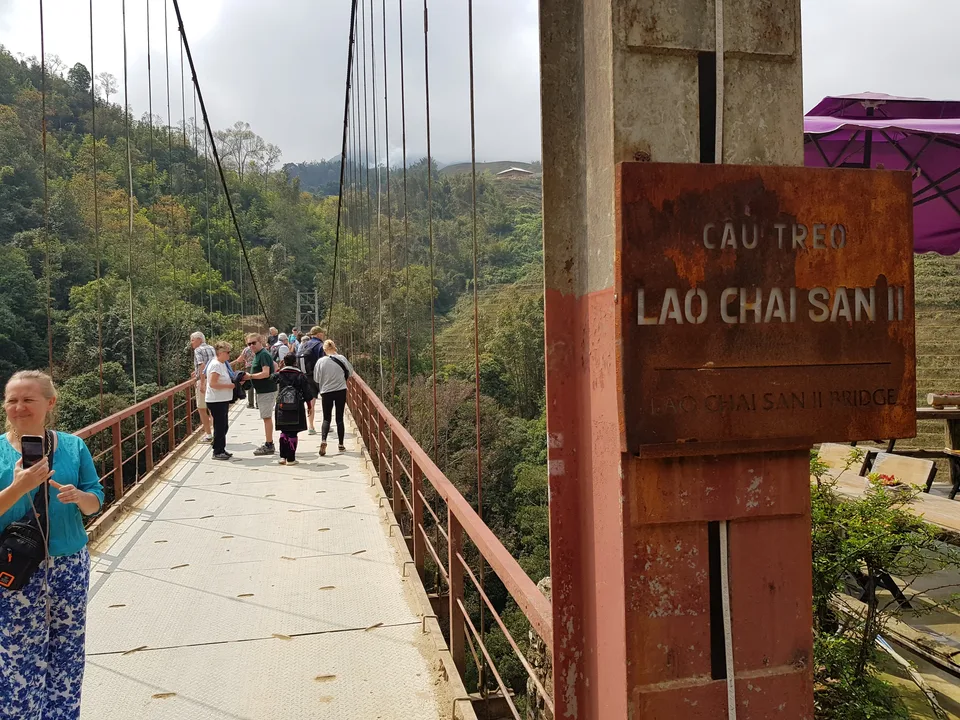
Walking is one of the strongest reasons to stay longer than a quick sightseeing stop. Select a route with a guide who can explain the villages and adjust the day to your interests. Be specific about distance, ascent, surface, recent rain and your experience; “easy” means little without those details.
Sapa Sisters’ trekking FAQ describes a normal day with its guides as roughly 12–15 kilometres and five to six hours, while allowing customised routes. That is a substantial walk, not a short stroll between photo stops. Arrange a shorter option if appropriate and establish where a vehicle can collect you if plans change. Carry water, weather protection and footwear with grip. Avoid walking across planted terraces merely to find a better angle, and follow your guide’s advice about paths and access.
Find a host rather than an anonymous tour label
Sapa Sisters describes itself as owned and led by Hmong women from the Mường Hoa valley. Sapa O’Chau offers trekking, homestays and craft-related experiences. These are direct starting points for comparing arrangements, rather than claims that one operator is universally best.
Ask who will guide the trip, the group size, the language used and how the host family is involved. Clarify lunch, entrance charges, transfers and bad-weather changes in writing. Discuss first aid and accident arrangements, and check your own insurance for the activity you actually intend to do. A valley walk, a motorbike outing and a summit climb need different assessments.
Give Tả Phìn and craft experiences their own time
Tả Phìn offers another way to explore the surrounding communities, particularly through crafts and herbal-bath traditions associated with Red Dao hosts. The national tourism feature on sustainable Sa Pa travel suggests combining cultural learning with locally arranged experiences. Contact the actual host before travelling, especially for a workshop that needs preparation or a minimum group.
Treat an herbal bath as an optional paid experience. Ask about the ingredients, water temperature, privacy, cleaning and any personal health considerations; this guide does not repeat promotional claims that a bath treats illness. Allow time to change and arrange the return journey. For sewing, embroidery or batik, establish whether you are joining a demonstration, making something yourself or buying a finished item. Those are different experiences and should be priced and described accordingly.
Decide whether Cat Cat fits your interests
The tourism office describes Cát Cát as a nearby visitor outing with stone-paved paths, craft displays, watermills and performance opportunities. It is a different proposition from a longer walk linking working villages farther along the valley. Choose it if an organised attraction suits your available time and interests, while checking what is operating on the day.
Before setting off, confirm the current admission charge and where the route finishes. Consider the descent and return rather than judging effort only by the distance from town. Ask about steps and the practical access arrangements if mobility is limited. A nearby attraction can still demand energy after a long journey. With only one free day, choose between a substantial guided walk and several shorter visits instead of trying to fit both into an overfilled schedule.
Stay centrally for convenient mornings and evenings
A town base is a sensible first choice when you want restaurants, a meeting point for excursions and flexibility after dark. Compare the actual walking route to those places, not just the distance shown by a booking platform. Ask whether your room faces a busy road and how a vehicle reaches the entrance with luggage.
Small hotels, larger properties and guesthouses offer different room standards. Check hot water, heating arrangements, ventilation, windows, lift access and noise rather than relying on photographs of the view. For an early arrival, agree luggage storage and the cost or availability of early check-in. Paying for a convenient location can be worthwhile when it reduces repeated transfers and makes the first and last day easier.
Understand what a homestay booking includes
A valley stay can make the walking landscape the centre of the trip. Ask who operates the property, which village it is in and how you reach it from the vehicle drop-off. Establish whether the final approach is a road, paved lane or footpath, especially when carrying a suitcase or travelling after rain.
Sleeping arrangements vary. Sapa Sisters distinguishes a shared loft from private rooms or bungalows available at extra cost on its trips; that description should not be applied to every property advertising “homestay”. Confirm the bathroom, bedding, meals, heating and privacy for your actual booking. Ask where you can eat if dinner is not included. Consider keeping one night in town and another in the valley if changing accommodation adds less inconvenience than repeated trips.
Assess an outlying lodge as a separate kind of stay
Topas Ecolodge places itself 18 kilometres from the centre, with an estimated 45-minute drive. Its bungalow setting illustrates why a property marketed under Sa Pa can offer a very different holiday from a hotel near the church. Choose such a stay when time at the property and surrounding countryside matters.
The lodge’s arrival information describes advance-booked transport from Hanoi and Nội Bài Airport, plus a town shuttle with limited departures and reservation requirements. Check the current schedule, luggage allowance and exact meeting point when booking; a shuttle is not an on-demand taxi. Compare the full bill, including meals and private transfers if the shared service does not suit. For any remote property, ask about access after heavy rain and how staff assist with a missed connection or an arrival outside normal hours.
Choose Hanoi transport by the complete journey
From Hanoi, compare a direct road service with an overnight train to Lào Cai followed by a transfer. The Vietnam Railways timetable search (source unavailable) lets you check the Hanoi–Lào Cai route for your date. Read the station, berth category, departure and arrival information on the actual booking; this guide does not repeat an undated train timetable as a current promise.
Sapa O’Chau’s transfer information places Lào Cai station roughly 38 kilometres from Sa Pa. Include the onward road journey and the final hotel drop-off when comparing rail with a bus. Overnight travel can save a hotel night but does not guarantee useful sleep. Keep the arrival day modest, and check how your host handles an early check-in. On the return, leave a substantial margin before a flight rather than connecting a mountain-road estimate directly to an airport deadline.
Check road fares and airport pickup separately
Sapa Sisters’ Hanoi bus page lists G8 VIP cabin travel at US$25 and limousine travel at US$35, with an estimated six to seven hours and a public-holiday surcharge. These are that seller’s advertised arrangements, not a universal fare across every operator. Confirm availability and the amount payable for your travel date.
Its airport arrangements also differ by product: the G8 description includes a shared airport transfer, while the limousine listing adds US$2 for an airport pickup or drop-off. Check the terminal, meeting instructions, waiting policy and what happens if your flight is late. For an international arrival, allow for immigration and baggage collection. Consider a night in Hanoi if the connection would otherwise be tight. A bus advertised as serving Sa Pa centre may still leave a further journey to a valley homestay or lodge.
Keep local transport manageable
For a short stay, organise each day around one area and agree the return before leaving. A driver quote should specify the vehicle, stops, waiting time and final destination. If you change from a town hotel to a valley property, make sure the luggage and drop-off are covered rather than assuming a sightseeing price includes them.
Keep the accommodation’s address available offline and agree a meeting point that both you and the driver recognise. If considering a motorbike, establish your legal entitlement and insurance cover before renting, then assess your experience on unfamiliar mountain roads. A hire business accepting payment does not settle those questions.
Eat with the regional ingredients in mind
Sa Pa’s food offers more than a warming meal after walking. The tourism authority highlights tofu, chayote leaves, smoked buffalo and rainbow trout among regional flavours. Ask what is seasonal and how a dish is prepared rather than assuming every restaurant serves the same menu.
The local tourism office’s feature on Giáy bamboo rice explains the tradition of cooking sticky rice inside bamboo, often eaten with sesame salt or grilled food. Try a small order alongside a meal and check the price and portion first. For hotpot, clarify the serving size, fish or meat included and whether vegetables and noodles cost extra. Explain allergies and dietary restrictions clearly, including stocks and sauces.
Buy crafts with informed questions
Textile work can be a meaningful connection with the region when you understand who made the item. Ask about the maker, material, technique and whether a piece is newly produced or assembled from older cloth. A workshop can make those distinctions clearer than a quick souvenir purchase. Agree the price without implying that every seller or community uses the same bargaining convention.
Look closely at stitching, colour transfer and care instructions, particularly for something you intend to wear or wash frequently. Ask permission before photographing a maker at work. For food gifts, check ingredients, sealed packaging and the import rules at your next destination. Carry a practical payment method for smaller purchases, but keep money for your return transport separate.
Match the season to the landscape you want
The national tourism climate guide broadly describes September–November as cool and clearer, April–June as warmer, and summer as more storm-prone. Winter can be chilly and misty. These are planning patterns, not a forecast or a guarantee of a clear Fansipan view. Pack layers and waterproof protection, and check the immediate conditions before an outing.
Rice terraces also change through the agricultural year. The local tourism office’s planting-season explanation places the water-filled preparation period broadly around May and early June. Ask a local host about the fields you hope to see before booking around a photograph. Harvest timing varies, and a particular October date does not guarantee golden rice. If views disappear, use the time for a cultural visit, craft session or a slower meal rather than pursuing an exposed walk simply to keep the itinerary intact.
Allow three days without filling every hour
Use day one to arrive, rest and get your bearings in town. Walk around the church area, check the next day’s meeting arrangements and choose a nearby dinner. Add a museum visit only if opening and your energy allow.
On day two, take the guided walk you have chosen, with the distance and return transport agreed beforehand. An overnight village stay can replace the town hotel if that is central to your interests. Reserve day three for Fansipan when conditions and service permit, or choose a shorter cultural outing. Swap days when practical, and avoid scheduling a major mountain visit immediately before departure. This is a suggested framework; families, slower walkers and travellers prioritising a lodge stay should reduce the programme.
Test ordinary life before considering a move
A holiday is a useful introduction, but a housing decision needs ordinary weekdays. Test the journey to the actual workplace or institution, buy groceries, check laundry arrangements and try the route home after dark. Compare a central rental with a valley address on those practical terms, rather than on a balcony photograph alone.
Inspect for damp, ventilation, hot water and the condition of access, drainage and stairs. Ask how repairs, electricity and internet are paid for, and request a written inventory and deposit terms. No reliable current town-wide rental average was established for this guide; individual offers are starting points for inspection. Confirm that the landlord can handle the residence declaration required for your stay.
Establish services and healthcare at your actual address
Test mobile reception inside a prospective home and confirm the fixed internet connection. The ward’s report identifies weak signal areas in parts of its mountainous territory, so town-wide assurances cannot establish service in one room. Record meter readings and ask how utility bills are calculated. Northern Power Corporation’s customer-service information provides an official starting point for electricity queries.
The health ministry’s Sa Pa general hospital record identifies a public hospital on Điện Biên Phủ Road, but its listing uses older administrative names. Confirm the current location, relevant department, language support and payment arrangements directly. Plan with your insurer for care that cannot be provided locally. Families should verify school places, curriculum, fees and the real school run before leasing.
Keep tourism, employment and long-term residence distinct
Vietnam’s official Immigration Department portal lists e-Visas for up to 90 days, single or multiple entry, with fees of US$25 and US$50 respectively. The fee is non-refundable if the visa is not granted. Check your nationality, eligibility, authorised entry point and the dates actually issued. Accommodation providers need passport and residence information for temporary-residence declarations; registration does not extend the permitted stay.
For employment, the government’s foreign-worker guidance describes the permit process under Decree 219/2025. Establish the applicable permit or exemption with the employer and authorities before starting. Study requires the institution’s immigration guidance; permanent relocation requires a separate assessment. Online work or a long rental does not establish permission. Use VisaWand’s Vietnam visa information and consultant directory to organise questions. Compare the Hanoi guide for a larger urban base or the Ha Long guide for a different northern trip, allowing proper travel time between destinations.
Official planning resources
Reviewed 16 October 2026. Use the official resources linked throughout this guide for admission, transport, housing and immigration decisions. Prices, services and rules can change; confirm the details relevant to your dates. Photography illustrates the locations and is not a live view.
View all official resources
- VNAT: Sa Pa
- Lao Cai tourism office: Muong Hoa valley
- Lao Cai tourism office: Sa Pa resort history
- Sa Pa ward People’s Committee: 2025 local information report
- Lao Cai tourism office: town and valley activities
- Sun World Fansipan Legend: operator information
- Sun World: Fansipan cable car reopening 28 September 2026
- Sun World: official ticket booking
- Sapa Sisters: trek and homestay arrangements
- Sapa Sisters: ownership and guiding
- Sapa O’Chau: trekking and homestays
- VNAT: Sa Pa for sustainable travellers
- Topas Ecolodge: property and location
- Topas Ecolodge: arrival and shuttle details
- Vietnam Railways: Hanoi–Lao Cai timetable search (source unavailable)
- Sapa O’Chau: trains and transfers
- Sapa Sisters: Hanoi–Sa Pa bus arrangements
- Lao Cai tourism office: Giay bamboo rice
- Viet Nam tourism: regional weather and climate
- Lao Cai tourism office: rice planting season
- Northern Power Corporation: customer service channels
- Vietnam Ministry of Health: Sa Pa general hospital record
- Vietnam Immigration Department: official e-Visa portal
- Vietnam government: foreign-worker permit rules
Plan the next part of your journey
Explore the Vietnam guide, browse other cities or compare consultants for your travel and relocation questions.