Visa
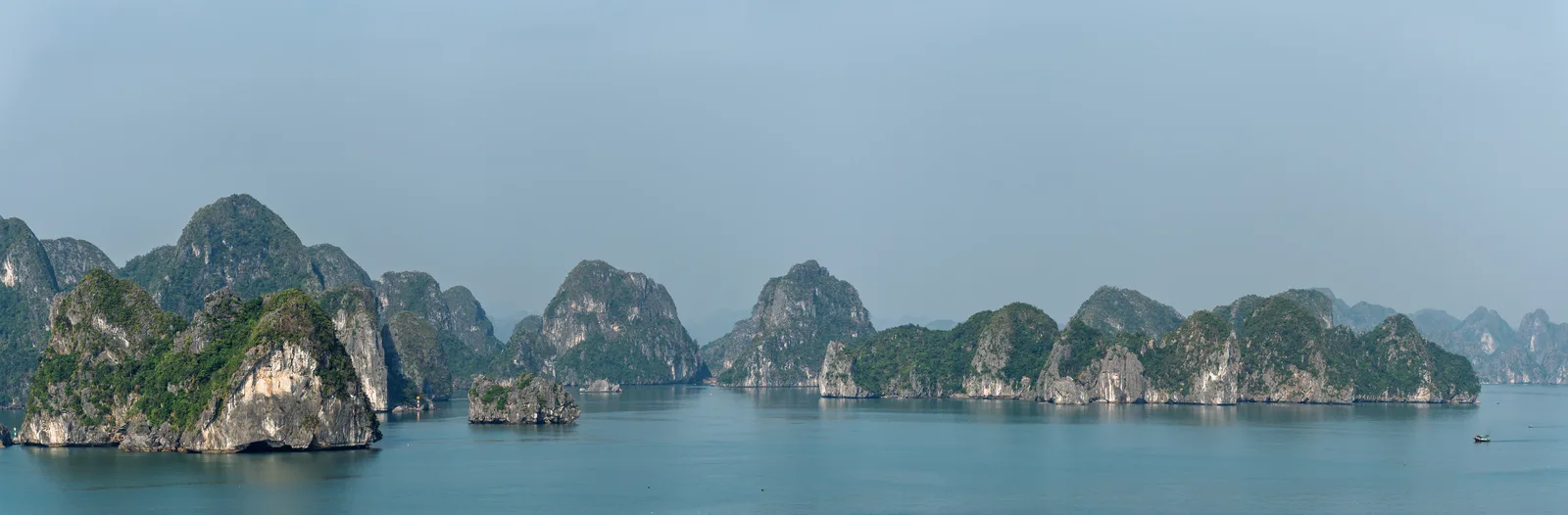
Choose the trip before choosing the hotel
Hạ Long offers two quite different experiences: a journey through limestone islands and a stay in a busy coastal destination. You can enjoy one without doing much of the other. A cruise booked from Hanoi may barely touch the mainland, while a waterfront hotel gives you restaurants, markets and leisure attractions but does not automatically include time among the islands.
Begin with your available nights, tolerance for boat travel and departure point. A day cruise suits a shorter visit; an overnight sailing changes the rhythm and uses more of your budget. Staying ashore adds flexibility if weather disrupts departures. The national tourism authority’s Hạ Long overview is a useful introduction, while the decisions below help turn that scenery into a workable visit.
Understand the bay and the urban destination
The name on a booking can describe the mainland, the bay or a much wider cruise region. UNESCO’s Ha Long Bay–Cat Ba Archipelago listing covers a marine limestone landscape spanning Quảng Ninh and Hải Phòng. It is a heritage property, not a municipal boundary. Cát Bà, Lan Hạ and Bái Tử Long are names worth recognising when comparing itineraries rather than treating every advertised “Halong cruise” as the same trip.
Mainland Hạ Long also has distinct shores and neighbourhoods. This guide uses Hạ Long as the familiar destination name. Administrative arrangements changed in 2025: the Quảng Ninh Portal’s account of Hồng Gai explicitly discusses the former city and the reorganised ward. Use a property’s current street address and map pin, especially when completing official paperwork.
A working coast behind the famous scenery
The islands explain the destination’s international fame, but the mainland gives the visit another dimension. Ports, fishing, commerce and the coal industry belong to the region’s story alongside hotels and sightseeing boats. A museum visit and an ordinary market can therefore explain more than another photograph taken from a hotel balcony.
Historically, the shore has its own religious sites and neighbourhood identities. Avoid planning the whole destination as a single picturesque old town: distances, bridges and modern development shape how you actually experience it.
Bãi Cháy for a leisure-focused stay
Bãi Cháy is the practical starting point for visitors who want hotels, leisure facilities and access to the Hạ Long International Cruise Port. It works especially well when your chosen property and planned activities sit on the same side of the water. Check the walk from the entrance to restaurants and the waterfront, rather than assuming a bay-facing room means everything is close.
For families, compare the whole room arrangement: additional beds, breakfast, swimming-pool access and the transport needed for evening meals. For a quieter stay, ask about nearby entertainment, construction and the room’s orientation. The busiest-looking location on a map may not be the most restful.
Hồng Gai and the eastern waterfront
Hồng Gai gives a mainland visit a useful counterweight to cruise terminals and resort facilities. Hạ Long Market 1 and Long Tiên Pagoda are among the landmarks identified by the provincial portal. Allow time for streets and everyday shopping rather than treating this area as a rapid transfer between attractions. Religious buildings remain places of worship; observe local dress and photography instructions.
Nearby waterfront areas can be combined with the museum on an eastern-side outing, using transport where necessary. Bài Thơ Mountain is a recognisable landmark, but this guide does not recommend an unofficial climb or promise access. Ask locally about authorised arrangements instead of following an old online route through private property.
Tuần Châu and choosing a boarding point
Tuần Châu is another important name on cruise documents. A hotel there can make sense for a departure from its marina, particularly when you value a short boarding-day transfer. It may be less convenient for an evening spent exploring other mainland areas. Compare the actual activities around the property and the cost of returning after dinner.
Do not substitute “Hạ Long port” for a precise terminal. The Hạ Long International Cruise Port operator identifies its Bãi Cháy location; Tuần Châu is a separate boarding destination. Ask your cruise company for the terminal, meeting lounge, check-in time and contact number in writing. Show that confirmation to the driver.
Compare cruise routes rather than boat photographs
The bay authority publishes approved sightseeing itineraries, which help decode sales descriptions. VHL1 includes Thiên Cung and Đầu Gỗ, while the VHL2 catalogue includes Sửng Sốt, Ti Tốp and Hang Luồn. These route lists are not promises that a particular commercial departure visits every listed place. Ask for the stops and time ashore included in your exact sailing.
Compare boats on cabin layout or seating, transfer arrangements, group size, meals and usable sightseeing time. A longer advertised excursion can include substantial collection and road travel. For an overnight trip, confirm whether both days offer meaningful activities and when disembarkation happens. Choose the route that suits your interests before comparing decorative cabin photographs or promotional luxury labels.
Caves, viewpoints and time on the water
Sửng Sốt is a worthwhile choice for travellers interested in a large cave interior, provided the walking route suits their mobility. Ask specifically about steps, slippery surfaces and the distance between landing and entrance. A boat described as accessible does not establish that its shore excursions are accessible.
Kayaking, swimming and small-boat excursions should be confirmed with the operator for the authorised location and conditions that day. Find out whether equipment, instruction and supervision are included. Keep a dry bag for essential belongings and follow the crew’s directions. The appeal is being inside the landscape, so leave some unstructured time to watch the islands pass rather than filling every minute.
Read the fare as several separate purchases
The authority’s published sightseeing-fee schedule lists VHL1 and VHL2 entrance at VND250,000 per person per visit. That is a bay sightseeing charge, not the full cost of a cruise. A separate notice for additional routes sets other charges, including VHL6 at VND150,000 per person per day from May 2025. Reconfirm the applicable route and current amount when booking.
Ask for an itemised total covering the boat, entrance charges, port costs, meals, activities and mainland transfers. Check drinks, single-cabin supplements and child pricing separately. Two offers are comparable only when their inclusions match. For a group, establish whether the price is per person, per cabin or for the whole vessel, and request written cancellation terms before payment.
Protect the heritage and book through accountable channels
The bay authority’s visitor guidance recommends using the port information centre rather than accepting roadside approaches for boats or accommodation. Keep the supplier’s name, receipt and emergency contact available offline. If an intermediary sells the trip, establish who actually operates the vessel and who handles changes or refunds.
On the water, keep rubbish with you, follow landing instructions and leave cave formations untouched. The authority also warns against buying coral. Photography should not intrude on people working or living in the region. Treat a visit to a fishing community as an encounter requiring respect, rather than an unrestricted opportunity to enter homes or photograph residents.
A museum that explains the mainland
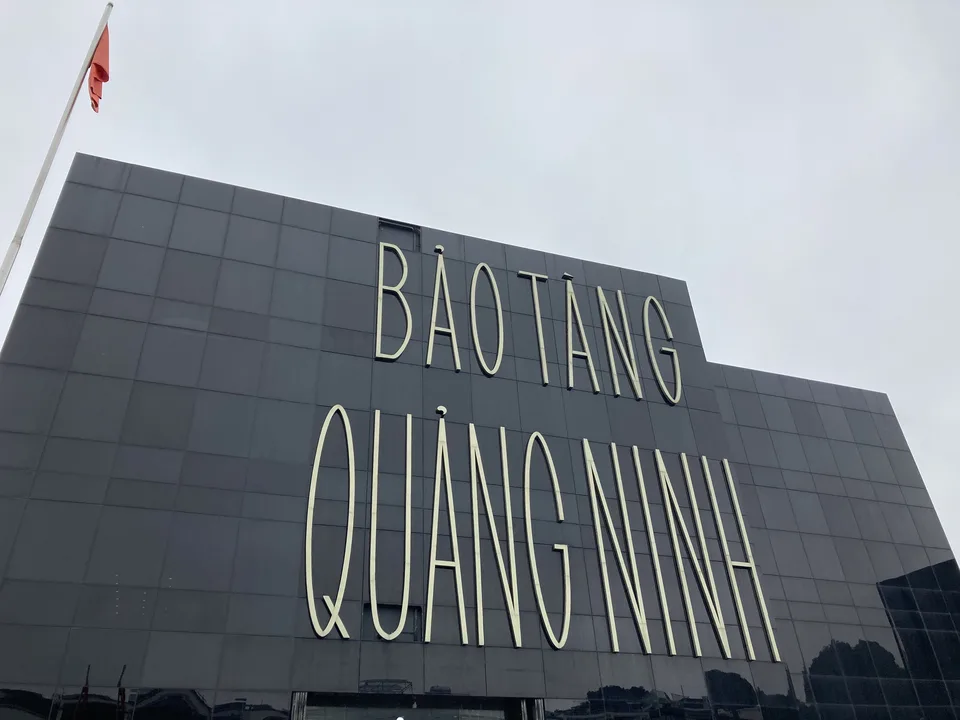
Quảng Ninh Museum is a useful anchor for a shore day, especially when your first impression has been dominated by cruise marketing. Its collections provide context for the region’s history, communities and mining industry. The provincial account of the museum’s exhibitions and audio guides explains how visitors can explore that material, including interpretation reported in Vietnamese and English.
Confirm current opening arrangements and admission before travelling; older price lists are not a dependable basis for a timed family outing. Allow room for a slower visit rather than inserting the museum between tightly scheduled transfers. Combine it with a waterfront walk when conditions are comfortable, keeping transport available if rain arrives.
Choose entertainment according to the day
Sun World adds a different kind of visit, with leisure attractions rather than a heritage cruise. Check the current Sun World Hạ Long operator page for the products available on your date, opening arrangements and ticket conditions. A photograph of a cable car or water park does not establish that every attraction operates together or uses the same ticket.
Evaluate this option against your interests, particularly with children. Consider weather, height restrictions, queues and the time needed to return to your hotel. If you have only one clear day and the bay is your main reason for visiting, prioritise the confirmed sailing and leave entertainment as a flexible addition.
Getting here from Hanoi or an airport
Hanoi is a common starting point, with cruise transfers and independently booked road transport serving the coast. Confirm the collection area, luggage allowance, rest stops and whether the vehicle delivers you to your hotel or directly to a terminal. A Hanoi hotel pickup is different from an airport pickup. Compare the entire journey rather than an optimistic motorway driving time.
For flights, inspect Vân Đồn airport’s current flight information alongside alternatives that fit your wider itinerary, including Nội Bài in Hanoi and Cát Bi in Hải Phòng. Availability on your date matters more than proximity alone. Arrange the onward road leg separately unless it is explicitly included. Avoid relying on an old advertisement for a free airport shuttle without confirming that it still operates.
Leave space between flying and sailing
An arrival flight followed immediately by a fixed cruise departure creates a fragile connection. Immigration, baggage, traffic and terminal check-in all take time, and the boat may not wait. Where practical, arrive the previous day. After a cruise, leave a generous margin before an onward flight; ask for the realistic disembarkation and road-transfer times before buying tickets.
The Nội Bài airport transport page distinguishes taxis and public buses serving Hanoi. Those services should not be mistaken for a direct transfer to your cruise lounge. If staying in Hanoi first, the VisaWand Hanoi city guide can help with the stopover. Keep your airport, accommodation and cruise addresses in one saved itinerary so changes do not depend on continuous mobile reception.
Crossing town and travelling locally
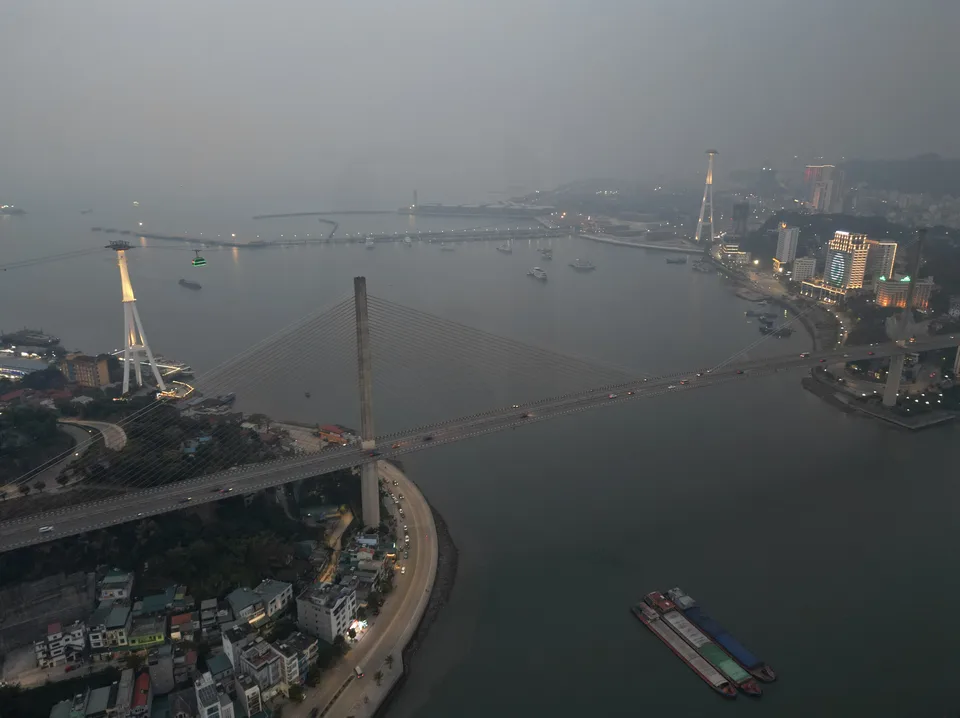
Plan local journeys around the water and bridge crossings. A destination that looks close across a bay can require a longer road trip, and switching repeatedly between shores consumes time. Taxis or a prearranged car are useful for hotel-to-terminal and cross-town journeys. Confirm the fare basis, pickup point and return arrangement before setting off.
Walking works best within a chosen waterfront or neighbourhood outing. Check the route itself for crossings, shade and distance, especially with luggage or a pushchair. Do not book accommodation on the assumption that you can comfortably walk to every attraction. If considering a rented vehicle, check licensing and insurance for your circumstances first; holiday convenience does not replace legal driving entitlement or suitable cover.
Food, markets and shopping with a purpose
Chả mực, the local squid cake, is a useful place to start exploring regional food. The Quảng Ninh Portal’s food coverage identifies it alongside dishes such as bánh cuốn chả mực. A market visit can introduce ingredients and everyday buying habits without requiring a formal food tour. Choose meals according to your tastes and dietary needs rather than an unverified “best restaurant” list.
For seafood, agree the weight, cooking method and final price before ordering. Explain allergies carefully and ask about sauces as well as the main ingredient. When buying food to take away, check storage instructions and whether your onward journey can keep it appropriately chilled. Before taking animal or marine products abroad, check the destination’s import rules instead of assuming a sealed package is permitted.
Build a budget around the expensive decisions
Accommodation and the cruise are likely to determine the shape of your spending more than small incidental purchases. Price those first, then add airport transfers, local journeys, meals and any separate attractions. For overnight boats, compare the total for your actual cabin occupancy. For shore hotels, include breakfast, extra beds and the transport needed to reach evening meals.
Keep a separate allowance for weather changes or an additional mainland night. A cheap non-refundable room may be poor value if it prevents a sensible adjustment to a cancelled sailing. Carry accessible Vietnamese đồng for smaller transactions and check payment methods before a large purchase. This guide avoids a single daily-cost figure because a day visitor, resort guest and overnight-cruise passenger are buying substantially different trips.
Seasons, storms and what to pack
Spring and autumn are commonly considered for more comfortable sightseeing, while summer brings heat and greater storm concerns; winter can feel cool and misty. These patterns are useful for choosing clothes, not guarantees of clear water or sailing conditions. Consult the national meteorological service’s forecasts and warnings close to departure and follow the operator’s instructions about changes.
Pack sun protection, a light waterproof layer and footwear suitable for wet landings and steps. Add a warmer layer for cooler periods or evenings on deck. Protect travel documents and electronics from spray. Allow a shore-based alternative if a sailing changes, but do not assume a severe-weather day is suitable for other outdoor attractions. Ask how cancellations affect both the boat booking and any connected transfers.
Day one: arrive and understand the shore
This suggested three-day stay assumes two mainland nights and a separate day cruise. Arrive with enough time to settle into your chosen area, confirm tomorrow’s pickup and find the terminal on a map. If staying on the eastern side, consider the museum and a nearby waterfront outing. If staying around Bãi Cháy, keep the afternoon local rather than crossing town simply to tick off a landmark.
Choose an uncomplicated first dinner and buy any small items needed for the boat. Confirm dietary requests, passenger details and the contact you should use if collection is late. Travellers arriving late should move the mainland sightseeing to day three rather than compressing it into the transfer day.
Day two: give the bay a full day
Use the second day for the route you have selected. Bring identification requested by the operator, suitable shoes and only the valuables you need. Check the day’s actual stops at boarding, particularly if weather or operating conditions have changed. At a cave or viewpoint, allow the group to move safely and resist adding an unofficial detour to a timed excursion.
After returning, keep dinner and the evening flexible. If your trip uses an overnight vessel instead, this day becomes embarkation, with the following morning reserved for the boat’s programme and disembarkation. Do not retain the same mainland itinerary on top of it.

Day three: one useful outing before departure
Choose what you missed on arrival: the museum, a market visit, a waterfront walk or a leisure attraction that fits the weather and available hours. Keep the outing on a sensible route from your hotel to the onward pickup. Store luggage through an agreed arrangement and establish when you need to be back, including time to retrieve it.
For a relocation scouting visit, use this morning differently. Walk around a potential residential building, locate groceries and test the journey to your likely workplace. If you have only two days, simplify to one confirmed bay excursion and one mainland area rather than treating this three-day outline as a checklist to complete faster.
Moving here starts with a trial neighbourhood
For a longer stay, assess the coast as a place to run a household. View homes in person and test the commute at the times you would actually travel. Compare access to work, groceries and healthcare before paying for a view. A holiday apartment’s facilities and short-stay price do not establish its suitability or terms for a residential tenancy.
Inspect ventilation, damp, water pressure, cooking facilities, lifts and emergency exits. Ask about nearby building work and noise at night. The provincial report on August 2026 flooding and landslides illustrates why the building and street deserve scrutiny; it does not mean every home in a named ward faces the same risk. Ask the landlord about past water entry and access during heavy rain.
Housing contracts and household services
Before paying a deposit, establish who can legally let the home and obtain written terms covering the rent, deposit return, inventory, repairs and early departure. Check whether management fees, parking, internet, water and electricity are included or separately billed. Photograph meter readings and the condition of appliances at handover. Request an explanation of any building-specific utility charges.
The Vietnam Electricity customer-service directory identifies the relevant regional support channels, but the account and meter serving your rental still need clarification. Test internet performance where you would work and ask how faults are handled. For children, verify school places, teaching language, transport and total fees directly before committing to a lease.
Healthcare and the practical limits of a holiday base
Identify a provider for routine care and a plan for urgent needs before a longer stay. Vinmec Hạ Long’s hospital information lists services and contact details; check the specialty, appointment availability, language support and payment arrangements relevant to you. An insurer’s network listing does not by itself guarantee direct billing for a particular treatment.
Keep prescriptions and medical records available, and discuss continuity of any regular care with an appropriate clinician. Compare transport to healthcare from the actual home, including at night. Hạ Long may suit someone whose work and household needs align with the region, but choosing it solely from a cruise experience leaves those questions unanswered. A short scouting stay should include ordinary errands and weekday travel as well as attractive views.
Visiting, working and studying require different checks
The official Vietnam Immigration Department e-visa portal states a maximum validity of 90 days, for single or multiple entries, with fees of US$25 and US$50 respectively. Approval determines your actual dates and entry conditions; the fee is non-refundable if a visa is refused. Check passport details, permitted border gates and whether a nationality-specific exemption applies before buying an application through an intermediary.
Permission to visit does not settle permission to work, study or reside permanently. For employment, use the government explanation of foreign-worker permit rules and obtain advice about the applicable permit or exemption and immigration status. Confirm study arrangements with the institution. For a longer tenancy, ensure the host can complete required temporary-residence declarations. Use VisaWand’s Vietnam country guide and consultant listings for further planning without treating a rental contract as residence permission.
Nearby alternatives and the resources to keep
Cát Bà and Lan Hạ warrant comparison if their island setting or proposed boat route better matches your interests; check the actual departure point rather than assuming a mainland Hạ Long booking gets you there. Yên Tử’s heritage information covers a separate inland destination requiring its own transport and time. Neither should be slipped into a busy bay day as though it were an adjacent stop.
For a longer Vietnam journey, compare Đà Nẵng’s city guide and the Vietnam location directory; the directory includes destinations with differing levels of coverage. The Vietnam destination page provides another planning entry point. Keep the official resources below with your booking details, especially the bay authority, airport, weather and immigration pages. Recheck operational information shortly before travelling, when it can change the decisions that matter most.
Official planning resources
Reviewed 15 October 2026. Use the official resources linked throughout this guide for admission, transport, housing and immigration decisions. Prices, services and rules can change; confirm the details relevant to your dates. Photography illustrates the locations and is not a live view.
View all official resources
- Vietnam tourism: Hạ Long overview
- UNESCO: Ha Long Bay–Cat Ba Archipelago
- Quảng Ninh Portal: Hồng Gai after the 2025 reorganisation
- Bay management: approved sightseeing itineraries
- Bay management: sightseeing entrance fees
- Bay management: additional route fees from May 2025
- Bay management: visitor rules and booking advice
- Hạ Long International Cruise Port
- Vân Đồn airport flight information
- Nội Bài airport ground transport
- Quảng Ninh Portal: museum collections and audio guides
- Sun World Hạ Long visitor and ticket information
- Quảng Ninh Portal: regional food and squid cakes
- National weather forecasts and warnings
- Vietnam Immigration Department: official e-visa application
- Government of Vietnam: foreign-worker permit rules
- Vinmec Hạ Long hospital services
- Vietnam Electricity customer-service directory
- Quảng Ninh Portal: August 2026 flooding and landslide response
- Yên Tử heritage visitor information
Plan the next part of your journey
Explore the Vietnam guide, browse other cities or compare consultants for your travel and relocation questions.