Visa
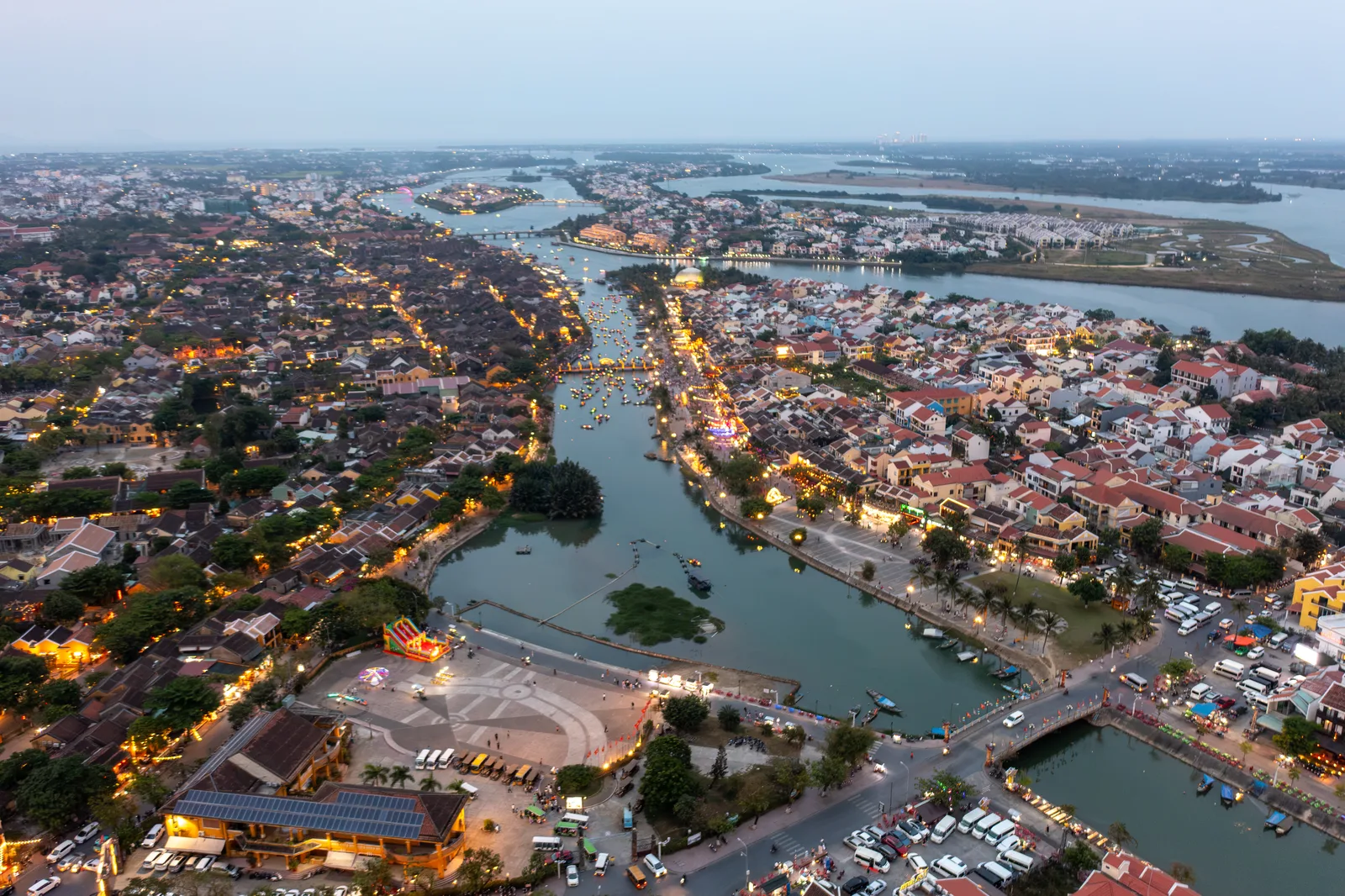
Hoi An rewards a stay beyond the lantern hour
Hoi An offers an unusually compact introduction to central Vietnam: merchant houses beside a river, assembly halls within walking distance, vegetable gardens beyond the built-up streets and beaches towards the coast. Its evening lanterns attract attention, but a successful visit depends on decisions made in daylight: where to sleep, which heritage buildings to enter and how much time to leave for the countryside.
Three nights allow a more satisfying visit than an excursion squeezed between airport transfers. Stay longer if you want tailoring, cooking or unhurried beach time. For a possible move, add ordinary weekdays to your reconnaissance. A photogenic riverside address and a home that works through rain, commuting and household errands are different propositions. Start with VisaWand’s Vietnam country guide for national context.
Make the first decision between a cultural break with some coastal time and a beach holiday with occasional heritage visits. That distinction determines your base, transfer spending and daily rhythm more effectively than a list of famous photographs. Travellers with very limited time should prioritise the old town and one contrasting experience.
Understand the port behind the preserved streets
UNESCO’s Hoi An Ancient Town entry describes a trading port active from the fifteenth to nineteenth centuries, shaped by local and overseas influences. Inscribed in 1999, the historic town preserves a street pattern and buildings that make commercial history visible at close quarters. Look at how narrow shopfronts lead into deeper interiors rather than treating every yellow façade as interchangeable scenery.
The cultural mixture is best understood through several contrasting interiors: a merchant house, a Chinese assembly hall and the Japanese Covered Bridge. These are also places of worship, family memory and conservation. Ask before photographing people or restricted rooms. Hoi An remains inhabited; doorways, deliveries and private courtyards deserve the same consideration as anywhere else.
Read older neighbourhood names with care
Administrative descriptions changed in July 2025, when Quang Nam and Da Nang merged into the enlarged Da Nang municipality. The local government’s Hoi An ward introduction records the new ward incorporating Minh An, Cam Pho, Son Phong, Cam Nam and Cam Kim. Older names remain useful when comparing accommodation, but they need checking against an actual map pin.
For visitors, think in practical areas: the Ancient Town and its immediate edges; the countryside towards Cam Chau and Cam Thanh; and the coast around An Bang and Cua Dai. These are planning descriptions, not a claim that every former administrative boundary still applies. Search VisaWand’s Vietnam location directory for other places, checking individual pages for available guide content.
Choose accommodation around your evening journey
An address near the Ancient Town suits a short first visit: you can walk back after dinner instead of arranging another transfer. The trade-off deserves investigation rather than assumption. Ask about street noise, the room’s position, stairs and the final pedestrian approach with luggage. A hotel advertised as central may still require a vehicle drop-off elsewhere.
Countryside accommodation makes sense when a garden, pool or cooking programme matters more than spontaneous evening walks. A coastal stay suits beach-led days, with town visits planned separately. Before reserving, compare the complete stay: breakfast, cancellation terms, taxes, airport collection and any shuttle timetable. Confirm whether a “homestay” provides the facilities you need; the label alone does not establish kitchen access, host involvement or step-free accommodation.
Send the property your arrival details and ask for instructions that work without a live data connection. Save the address, telephone number and map offline. For families, check sleeping arrangements, pool supervision and the route to meals; a room photograph says little about these everyday details.
Buy the heritage ticket that fits your interests
The heritage authority’s visiting announcement lists two options. At 80,000 dong, visitors select the Japanese Covered Bridge or Quan Cong Temple plus two other monuments. The 120,000-dong option adds one museum and three other monuments to the bridge-or-temple choice. Ask the official counter to mark eligible sites before setting off, particularly if you have a specific house in mind.
The notice permits use during your stay for up to three days, retaining the ticket stub after the included admissions are used. This does not mean unlimited repeat entry to every interior. Buy from an official point, keep the paper accessible and photograph it for your records. Check concessions at the counter: published summaries differ, so a child’s admission should not be budgeted from an assumed universal exemption.
See the Japanese Covered Bridge as architecture and shrine
The tourism authority’s Japanese Covered Bridge description explains a structure associated with Japanese merchants in the late sixteenth and early seventeenth centuries. Its roofed passage and shrine make it more than a crossing or photograph stop. The shrine honours Bac De Tran Vu, also known as Xuanwu; describing the whole structure simply as a Buddhist temple loses that distinction.
Allow time to see the building from outside before joining the interior queue. The authority specifies controlled visitor numbers, so a ticket does not remove waiting. Respect worship and staff directions, and avoid blocking the narrow passage for portraits. The accompanying December 2024 photograph shows the bridge after its restoration; it illustrates the building rather than guaranteeing today’s lighting, water level or access arrangements.

Let one house and one assembly hall explain the town
Tan Ky Ancient House on Nguyen Thai Hoc Street provides a useful introduction to a merchant household. The tourism authority describes its late eighteenth-century origins, timber construction, courtyard and craftsmanship associated with Kim Bong. Look at ventilation, light and the relationship between the street-facing rooms and the deeper house: practical responses to commercial life and climate.
The Fujian Assembly Hall offers a different perspective, reflecting the Chinese community’s shared religious and social life. Its association with Thien Hau, the sea goddess, connects the elaborate building to maritime travel. Choose fewer interiors and examine them properly. A rushed sequence of entrances can turn a valuable heritage ticket into a checklist, especially when heat or crowded rooms make concentration difficult.
Check the new venue before attending a performance
An official March 2026 heritage-ticket update moves the included traditional performances to the second-floor hall at Hoai River Square, 01 Cao Hong Lanh, from 7 March. Listed daily times are 10:15, 15:15 and 16:15. Older references to the venue at 66 Bach Dang should therefore not determine your walking route.
Confirm the current programme and access arrangements when buying your ticket; a second-floor venue particularly warrants a question about stairs or lift access. Keep a performance separate from any commercial evening show you might book. Similar descriptions do not mean identical venues, admission or transport. Plan dinner after the event with enough flexibility to leave a crowded street on foot rather than expecting collection directly outside.
Spend a morning with Tra Que’s working gardens
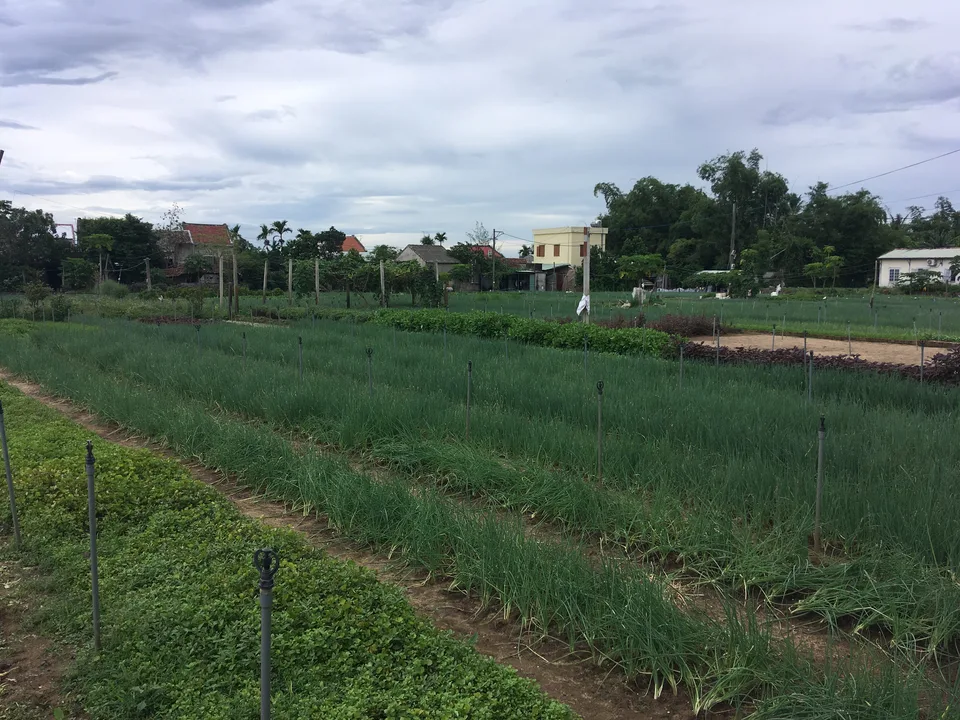
The official Tra Que Vegetable Village page places the gardens about three kilometres from the Ancient Town, in Hoi An Tay ward. Vegetables and herbs connect this landscape directly to the meals served in town. A guided farming or cooking session can give the visit a purpose beyond taking photographs of cultivated rows.
The tourism authority quotes approximately 35,000 dong for village admission and estimates cooking programmes at 300,000–400,000 dong per person, depending on the programme. Treat these as published indications, then obtain an inclusive quote covering ingredients, meal, guide and transfers. Ask how long you will actually spend cooking. Walk on designated paths, seek permission before entering plots and let farmers continue working without becoming an involuntary photographic backdrop.
Decide what you want from Cam Thanh’s waterways
Bay Mau Coconut Forest’s official visitor information describes nipa-palm waterways around Cam Thanh and basket-boat excursions. This is a different outing from a quiet walk among vegetable plots. Ask operators whether the trip includes music, spinning demonstrations or a calmer route; preferences about noise and movement matter more than promotional descriptions.
Published information separates entrance and boat charges but also describes combined inclusions, so obtain one written total for your party before paying. Confirm duration, passenger numbers, life jackets and cancellation arrangements for poor weather. Anyone uncomfortable with spinning should say so before boarding. Do not pack this excursion and a substantial cooking class into the same short morning merely because both appear close on a map.
Ask how boarding works if balance, knee problems or limited mobility are concerns. Keep cameras and phones protected from splashes and retain enough flexibility to decline when conditions or equipment feel unsuitable. A paid reservation should not become a reason to disregard the actual situation at the dock.
Treat the beach as a separate part of the visit
An Bang and Cua Dai add a coastal dimension to Hoi An. The national tourism authority includes beach time among Hoi An’s main experiences, alongside countryside cycling and the historic centre. Choose accommodation accordingly: being near the beach changes how often you need transport to the Ancient Town.
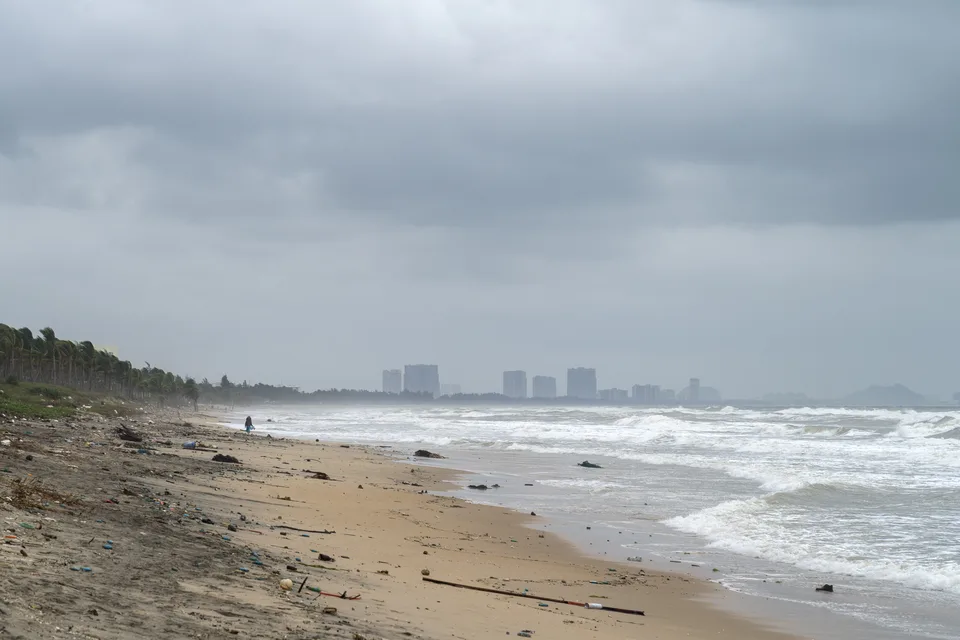
The November photograph here shows grey skies and rough water at An Bang, an important corrective to an exclusively sunny image of the coast. Assess conditions on the day, observe flags and lifeguard instructions, and keep children away from breaking surf when conditions are poor. Ask about the precise beach access serving your hotel, including construction or erosion affecting that stretch. A sea-view room does not by itself guarantee convenient or suitable swimming.
Arrive through Da Nang and plan the final transfer
Da Nang is the practical air and rail gateway for Hoi An; book the onward road journey as part of the arrival. Compare a hotel transfer, licensed taxi or the current public-bus route, considering luggage, arrival time and the distance between the final stop and your accommodation. Request the complete transfer price and an agreed meeting point.
The Da Nang bus operator’s live route listing shows route 02 between the central bus station, the city administrative centre and Cua Dai. That is not a promise of direct airport service. Search results and older guides still show different airport route numbers, so confirm the actual connection, any interchange, operating hours, stops and fare with the operator before relying on public transport. For an evening arrival or several bags, compare a confirmed door-to-door transfer against the complete bus journey, including the final ride from its stop.
Walk the centre and judge cycling routes individually
Walking gives the Ancient Town its most useful scale. The heritage authority lists pedestrian operation from 09:00 until the evening, with seasonal closing times and a later start on Phan Chau Trinh. Follow local signs rather than assuming all roads follow one timetable. Vehicle restrictions can affect deliveries, taxi collection and the approach to a hotel.
Cycling can link gardens and countryside, but inspect the route for junctions, traffic and lighting rather than treating every rural-looking road as traffic-free. Check brakes, tyres and lights before accepting a rental. For limited mobility, ask about uneven surfaces, thresholds, toilets and seating at specific buildings. A compact centre still requires effort in heat; arrange short visits and rest stops around the person doing the walking.
Eat across the region’s different textures
The national tourism authority’s Hoi An food guide gives useful names to recognise on menus. Cao lau combines firm noodles with pork and herbs; mi Quang brings rice noodles, a little broth and varying proteins. Com ga offers chicken rice, while white-rose dumplings provide another way to explore the town’s cooking. Order a few contrasting dishes across your stay rather than expecting one meal to represent everything.
Explain allergies carefully: peanuts, shrimp, fish sauce and other animal ingredients may appear in accompaniments as well as the main dish. Banh xoai, often translated as mango cake, contains glutinous rice, peanuts and sugar rather than mango. Ask about recipes and preparation instead of relying on an English name. Choose food handled and cooked appropriately, and keep drinks and water in your daily spending calculation.
Give tailoring enough time to become a considered purchase
Tailoring is part of Hoi An’s appeal, but the useful question is whether a maker can deliver your chosen garment within a sensible fitting schedule. Inspect examples, discuss construction and agree fabric, lining, measurements, alterations, final price and collection time in writing. Keep the fabric sample or a clear photograph with your order.
Book the first fitting early in your stay and leave room for changes before departure. A garment promised quickly may still need further adjustment; avoid making an essential flight depend on collection. Apply the same care to leather goods and larger souvenirs: establish materials, dimensions, packing and shipping arrangements. Photograph the finished item before it is packed. Buying less, with time to inspect the result, is a sounder budget decision than rushing several commissions.
Build a budget from actual choices
Separate accommodation and transport from discretionary experiences. The verified heritage-ticket options cost 80,000 or 120,000 dong, while Tra Que’s published admission and workshop indications belong to a separate outing. Add meals, drinks, laundry, beach transport and any tailoring to your own worksheet. These categories reveal costs more usefully than a single supposed daily average.
Compare dated accommodation quotes for the exact room and cancellation terms you require. For excursions, establish whether the figure is per person, per boat or per private vehicle, and whether admission is extra. Keep accessible dong for small purchases and check payment arrangements before ordering. Reserve enough money for a changed transfer or an additional night if weather disrupts plans, rather than spending the entire contingency on optional activities.
When comparing currencies, record the exchange rate and any card or withdrawal fee separately. That keeps a favourable-looking headline conversion from obscuring what the transaction actually costs your household.
Match the season to your plans and risk tolerance
The national tourism authority’s climate guide characterises February–August as the warmer, sunnier period and September–January as rainy, cooler and cloudier. May–August can be hot; late-year storms and flooding can affect Hoi An, particularly around September–November. These are seasonal patterns, not a reliable forecast for your travel dates.
Plan outdoor activity early, leave a midday break and keep heritage interiors or a cooking session available when conditions change. In the rainy season, ask accommodation providers how access, power and guest relocation are managed during flooding. Follow current local warnings and do not walk, ride or drive through floodwater. A non-refundable beach-focused booking and a tightly timed onward connection leave much less room to respond than a flexible itinerary.
A realistic three-day first visit
Day one: after arrival, orient yourself around the Ancient Town, obtain the appropriate heritage ticket and choose a house, assembly hall and bridge visit according to your entitlement. Pause between interiors. Return after dark for the lantern-lit streets, keeping dinner and the walk home simple.
Day two: spend the morning at Tra Que, ideally with a prearranged garden or cooking session. Rest afterwards, then choose an available heritage performance or another museum included in your ticket. Day three: make the beach the main outing if conditions suit, or substitute Cam Thanh after confirming the boat programme. Add tailoring appointments only if enough fitting time remains. My Son merits a separate excursion and additional time; adding it to every other activity creates a transfer-heavy holiday.
Test an ordinary week before considering a move
A longer stay should answer practical questions: where you buy household supplies, how laundry dries, how the internet behaves during calls and how you get home after rain. Inspect prospective housing in person where possible. Check ventilation, damp, air conditioning, hot water, kitchen equipment, pest control and the security of doors and windows.
Ask for written electricity and water charges, meter readings, internet arrangements, deposit conditions, maintenance responsibilities and a clear inventory. Compare total monthly costs rather than advertised rent alone. Flood exposure and evacuation access deserve direct questions, especially at low-lying or riverside properties. Renting accommodation is separate from obtaining permission to remain in Vietnam; do not commit to a long lease on the assumption that successive visitor entries will solve your residence position.
Visit after dark as well as during the day to assess lighting, nearby activity and access. Ask who responds to urgent repairs and where essential documents and belongings could be stored above potential water ingress. For a household with children or pets, inspect balconies, stairs, gates and outdoor boundaries before negotiating the lease.
Check commuting, healthcare and household services
If work, study or medical appointments require regular trips to Da Nang, test that journey at the actual hours you would travel. Include the cost of repeated transfers and poor-weather alternatives. A beautiful outlying house may be impractical when someone in the household needs reliable daily transport. Check school location and admission arrangements directly before choosing a neighbourhood.
For healthcare planning, identify local first-contact care and a regional hospital accepted by your insurer. Vinmec Da Nang’s emergency department publishes round-the-clock operation; it is in Da Nang, so ask about transport, referrals, fees and direct billing rather than assuming immediate local access. Review access to prescriptions and specialist follow-up in advance. Check mobile coverage and home internet at the property, and agree a realistic backup connection if work depends on it.
Keep visiting, working and residence permissions distinct
The official Vietnam e-visa portal states a maximum validity of 90 days, with single or multiple entry. Its published application fees are US$25 and US$50 respectively, non-refundable if a visa is refused. Check eligibility, designated border gates and the dates actually granted; a maximum is not an automatic entitlement. The portal also directs visitors to present travel documents to accommodation providers for temporary-residence declarations.
Work requires a separate assessment. The government’s Decree 219/2025 work-permit explanation sets out employer applications and exemptions; visitor admission alone does not establish permission to take employment or work remotely. For formal study, confirm the appropriate immigration arrangements with the institution. Permanent residence is another legal category, not a consequence of renting or making repeated visits. Use VisaWand’s consultant directory to identify relevant assistance, verifying qualifications and scope yourself.
Consider My Son, Da Nang and Hue without rushing
UNESCO’s My Son Sanctuary description identifies Cham tower-temples with Hindu influences, developed between the fourth and thirteenth centuries. This is a different historical story from Hoi An’s merchant streets. Arrange transport and guide arrangements separately, follow designated paths and allow time for the exposed outdoor setting rather than treating it as another quick town-centre stop.
For a different base, compare the transport and urban services around Da Nang’s destination page. Hue’s destination page is another regional possibility deserving its own time rather than an obligatory add-on. VisaWand’s Vietnam destination overview can help connect the wider trip. Choose extra places because they answer your interests or practical needs, and leave enough time to experience Hoi An beyond its busiest evening photographs.
Official planning resources
Reviewed 15 October 2026. Use the official resources linked throughout this guide for admission, transport, housing and immigration decisions. Prices, services and rules can change; confirm the details relevant to your dates. Photography illustrates the locations and is not a live view.
View all official resources
- UNESCO: Hoi An Ancient Town
- Hoi An government: introduction to the current ward
- Hoi An Heritage Centre: 2026 visiting and ticket announcement
- Da Nang Tourism: March 2026 heritage ticket and performance update
- Da Nang Tourism: Japanese Covered Bridge
- Da Nang Tourism: Tan Ky Ancient House
- Da Nang Tourism: Fujian Assembly Hall
- Da Nang Tourism: Tra Que Vegetable Village, June 2026
- Da Nang Tourism: Bay Mau Coconut Forest, April 2026
- Vietnam National Authority of Tourism: weather and climate
- Vietnam National Authority of Tourism: Hoi An food
- Vietnam National Authority of Tourism: things to do in Hoi An
- Da Nang Bus: current route network
- Vietnam Immigration Department: official e-visa portal
- Vietnam Government News: Decree 219/2025 work permits
- UNESCO: My Son Sanctuary
- Vinmec Da Nang: emergency department
Plan the next part of your journey
Explore the Vietnam guide, browse other cities or compare consultants for your travel and relocation questions.