Visa
A beach city with more than a beach holiday
Da Nang makes its strongest case when you want the sea without giving up a functioning city. The Han River divides the central streets from the eastern beach quarters; beyond them, Son Tra rises above the coast and the Marble Mountains interrupt the southern plain. Museums, markets and transport connections give a stay more substance than a succession of resort days. The national tourism overview is a useful starting map of those different landscapes.
Choose it for a relaxed central Vietnam base, then decide how much travelling you actually want. Hoi An, My Son and Hue deserve separate time allowances. Filling every day with transfers can leave remarkably little time for Da Nang itself. For a prospective resident, a scouting visit should also include ordinary shopping, wet-weather journeys and property inspections.
Read VisaWand's Vietnam country guide for the broader national context, then use the Vietnam location directory to compare places. The Vietnam destination page provides another route into relevant services. A city guide helps narrow a practical choice; your nationality, travel purpose and household circumstances determine the next questions.
Understand the enlarged city boundary
There are two geographical meanings of Da Nang in current information. The coastal urban centre remains the place most visitors mean. The administrative municipality became much larger when Da Nang and Quang Nam merged, effective 1 July 2025, as recorded by local government. Hoi An consequently sits within the expanded municipality, although its historic centre remains a distinct destination away from central Da Nang.
This guide concentrates on the coastal city and treats surrounding heritage places as excursions. Older addresses still use former district and ward names. Confirm the current address on tenancy, employment and registration documents rather than assuming a familiar neighbourhood label is the legal administrative unit.
A port shaped by trade and war
The municipal historical account traces Da Nang's importance to maritime trade, including the nineteenth-century concentration of foreign commerce at its port. French and Spanish forces attacked in 1858; under colonial rule the settlement became known as Tourane. In 1965, during the Vietnam War, it became a major American military base. Reconstruction followed the war, and the city separated administratively from Quang Nam in 1997, before their eventual reunification.
That history helps explain the contrast between a working port, religious heritage and the newer hotel skyline. Give the Cham collection time alongside the beaches. It places this coast in a much longer cultural history than the modern bridges suggest.
Choose between the river and the eastern beach
Start your accommodation search with a bank of the river. The central western side around Bach Dang and Tran Phu puts river walks and Han Market within the same general area. It suits visitors who value urban evenings and city errands over waking beside the sand. The Museum of Cham Sculpture stands near the western end of Dragon Bridge.
Across the river, the My Khe coast offers a different routine: beach outings, hotels along Vo Nguyen Giap and meals in the streets behind. An Thuong is an established tourist quarter with pedestrian and night-market development documented by the municipal tourism board. Check the exact street before booking; a lively evening location and a quiet bedroom are different requirements. These are practical base choices, not promises that every attraction is walkable.
Give Cham sculpture an unhurried visit
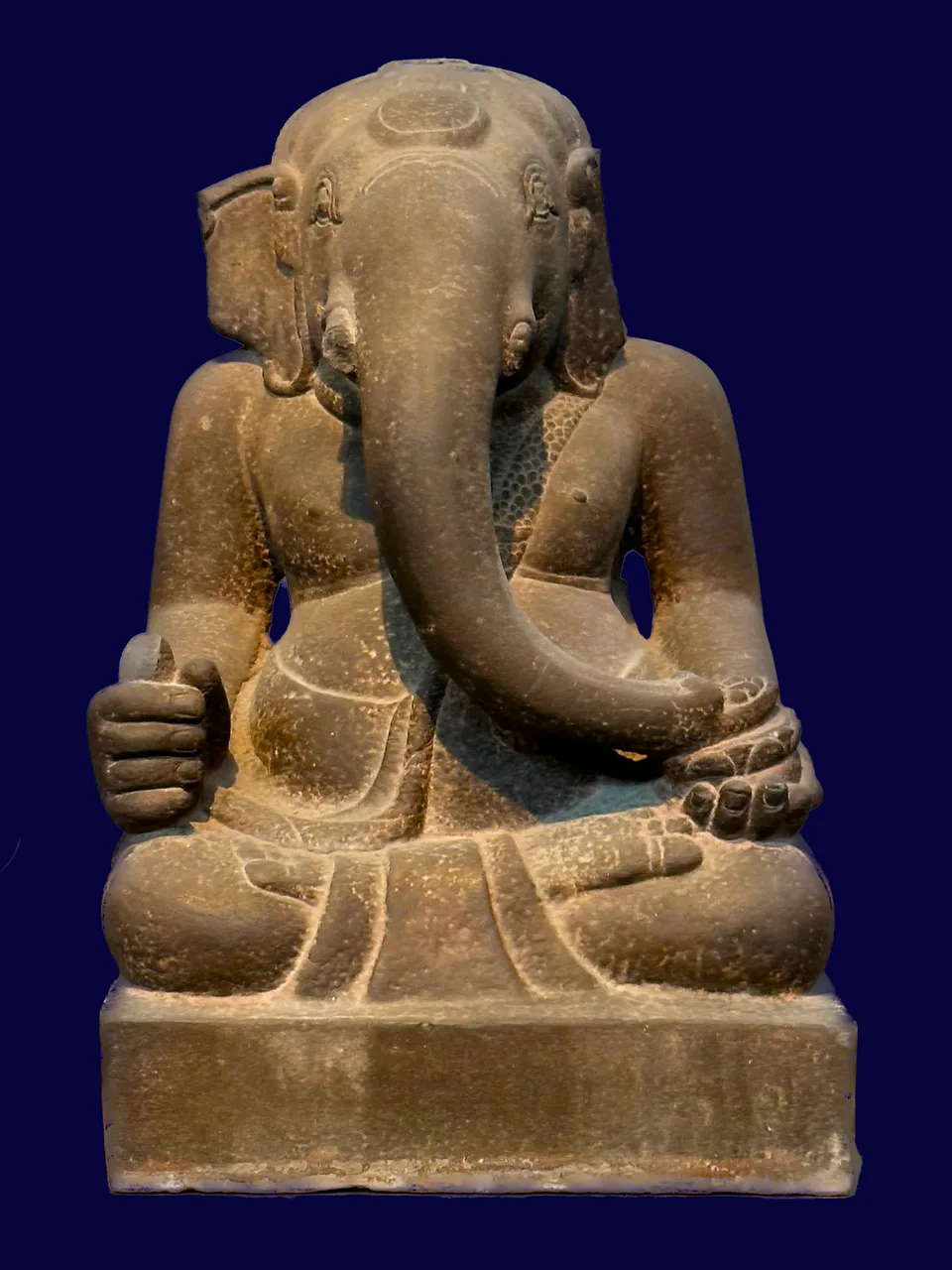
The Museum of Cham Sculpture is a particularly worthwhile first cultural stop. Its galleries connect objects with places such as My Son, Tra Kieu and Dong Duong, helping visitors read the region's temple heritage. Sandstone figures, architectural fragments and Hindu and Buddhist imagery reward attention to their labels rather than a hurried circuit.
The municipal museum information lists a standard admission charge of 60,000 VND. Ask about documented concessions rather than assuming foreign residents qualify for Vietnamese resident discounts. Published official pages differ on opening details, so confirm the day's calendar directly before arranging an early visit. The same information provides museum contact details. Photography restrictions include no flash or tripod, and sculptures must not be touched. Ask ahead about the actual access route if steps would prevent a visit.
Watch the river change after dark
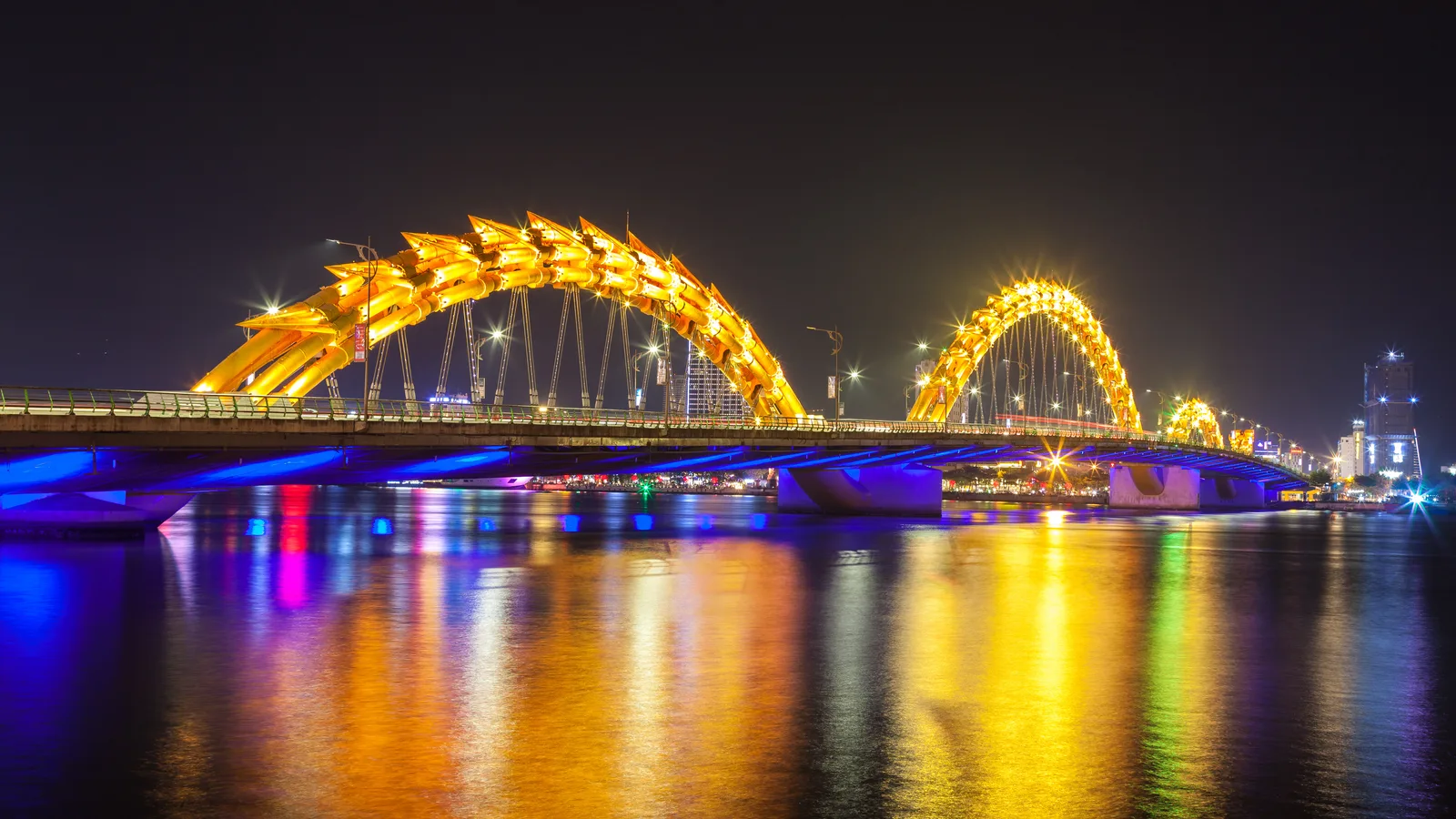
Dragon Bridge is an urban landmark across the Han River, distinct from the hand-supported Golden Bridge at Ba Na Hills. The official Dragon Bridge show listing schedules fire and water displays at 21:00 on Fridays, Saturdays and Sundays, with major-holiday performances also listed. Check local notices for changes rather than treating a particular evening as guaranteed.
An ordinary river walk can be worthwhile without a performance. Choose a viewing position before crowds gather, keep clear of traffic management barriers and arrange where your group will meet afterwards. A bridge show is a short evening activity; it should not dictate an otherwise inconvenient hotel location for an entire week.
Approach the Marble Mountains as a climb
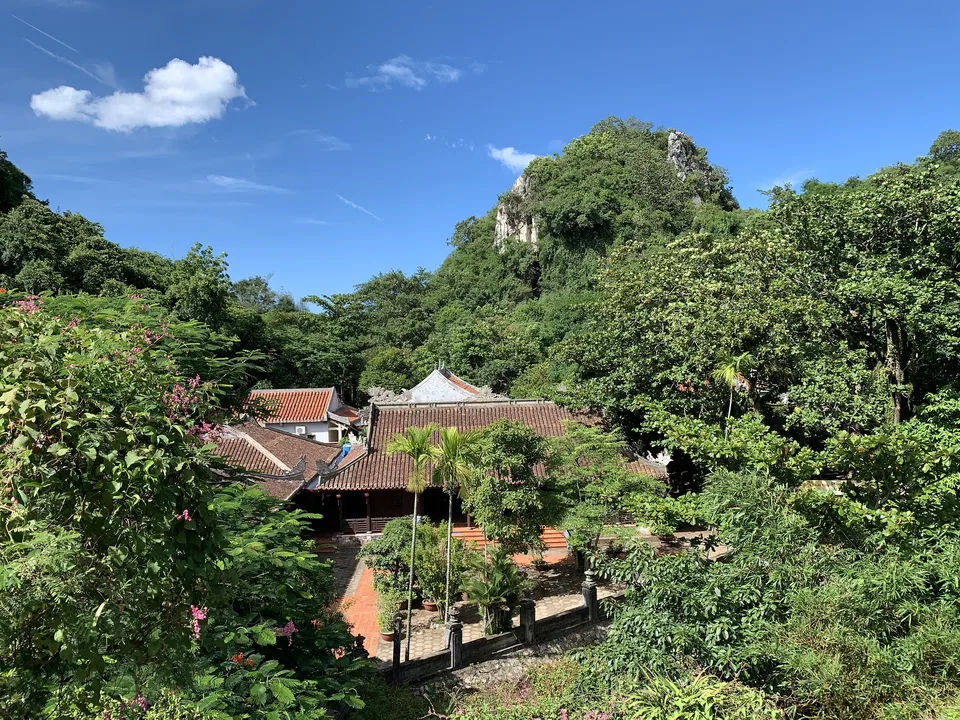
At the Marble Mountains, Thuy Son brings together caves, pagodas, stone stairways and elevated views. Wear shoes with grip and keep your hands available for rails. This is a religious landscape with uneven surfaces, so allow time for both the climb and quieter observation. Cover shoulders and knees at worship sites.
The official Marble Mountains visitor page lists Thuy Son admission at 40,000 VND, with the lift charged separately at 15,000 VND one way or 30,000 VND return. Am Phu Cave has a separate 20,000 VND ticket. A lift reduces part of the ascent; it does not establish that every cave or viewpoint is accessible. Ask which route is realistic for your mobility, and avoid forcing the visit into heavy rain.
Keep Son Tra flexible
Son Tra combines forested slopes, coastal views and Linh Ung Pagoda. The official peninsula guidance also describes rare wildlife, including red-shanked douc langurs. A sighting is a possibility, never a booking promise. Keep your distance, leave animals unfed and avoid turning a roadside encounter into a crowd around them.
Upper-road access is controlled, with checkpoints, vehicle restrictions and one-way sections. Automatic scooters are excluded from designated upper routes; a hired vehicle and a navigation app do not give permission to proceed. Route availability can change after storms. Confirm current access locally and follow barriers on the day. Arrange a suitable driver or authorised excursion if the terrain or vehicle rules exceed your experience; do not assume every coastal stop has identical restrictions.
Decide whether Ba Na Hills fits your interests
Ba Na Hills is a purpose-built mountain leisure complex, best chosen deliberately. The cable-car journey, Golden Bridge, gardens and themed French Village appeal to visitors who want a substantial organised attraction. They offer a different experience from historic Hoi An or the archaeological remains at My Son. Mountain cloud can change the views that attracted you in photographs.
The operator's 2026 price guide gives a reference basic adult ticket of 1,000,000 VND for non-local visitors. It includes the round-trip cable car and main attraction access, with some rides and areas charged separately. Meals and premium combinations alter the bill. Compare inclusions on the booking date, add your transport, and allocate a full outing rather than combining it with every southern sight. Expired discounts should not underpin your budget.
Make room for the coast itself
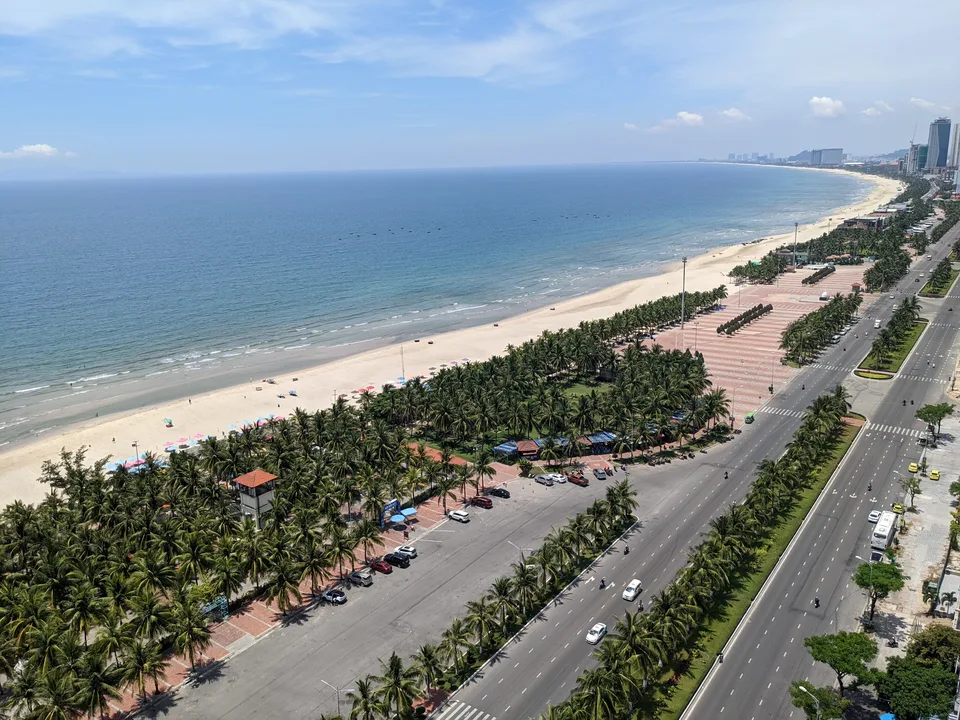
My Khe works best when the beach is part of the day instead of another attraction to tick off. An early walk can precede breakfast; a later visit can follow a museum afternoon. The coastline's length also means that two hotels marketed with the same beach name may provide different access to your preferred restaurants and activities.
Inspect the actual crossing from accommodation to the sand. Beachfront roads, junctions and the position of entrances matter, especially with children. Follow lifeguards, warning flags and closures; a sunny photograph says nothing about today's currents. Keep a city activity available when the sea is unsuitable. A sea-view room can still be enjoyable in mixed weather, provided swimming is not the only reason for the trip.
For a family booking, ask where equipment can be rinsed, whether towels are supplied and how children reach the water. For a quieter stay, check whether your room faces the road or an evening venue. These small details affect daily comfort more directly than a hotel's beach-distance headline.
Book a room for your daily routine
Da Nang offers city hotels, beach hotels, resorts and apartment-style accommodation. Use the municipal accommodation directory to discover operators, then compare the property's own location, room description and cancellation terms. A southern coastal resort may suit a contained holiday; it may also add journeys to central meals and errands. Look at the map before accepting a convenient-sounding destination label.
Ask whether the quoted room has an opening window, useful daylight, a working lift and the bedding arrangement shown. For a longer visit, establish whether laundry facilities are private or shared and whether a kitchenette permits real cooking. Check nearby construction and evening noise through current property information. Obtain written terms for deposits, late arrival and cancellation during transport disruption.
Arrive through the correct terminal
Da Nang International Airport is close to the urban area, but your terminal still matters: T1 handles domestic services and T2 international services. Give your driver the terminal and flight details, including a late arrival. For a connecting journey, follow the airline's transfer instructions and allow for baggage collection or immigration where required.
The airport's public transport page lists city routes 12 and 06. Its reference information prices route 12 at 8,000 VND per trip and lists daytime operation, making it worth investigating for a light-luggage arrival. Route 06 follows an airport-to-coast corridor. Confirm your stop, current service and fare before relying on either. A late flight or several heavy bags can make a prearranged car more practical. Request the full transfer charge, including applicable airport fees.
Use buses and trains where they suit the journey
The DanaBus network page provides current route information; check the actual direction and last useful departure instead of assuming all buses follow the same fare or timetable. For short car journeys, use an identifiable taxi or a booked app service, matching the driver and vehicle to the booking. Walk shorter neighbourhood stretches when conditions allow, with care at crossings.
For travel beyond the city, consult Vietnam Railways' timetable and fare tool. Hanoi, Hue and the southern rail corridor require different journey commitments, seat choices and budgets. The operator's online booking instructions explain passenger identity information: use names and document details that match what you will carry. Compare the entire journey, including station transfers, rather than the ticket alone. Avoid booking a tightly timed onward flight after a long surface journey.
Explore central Vietnamese food
The city's official visitor brochure highlights mi Quang, rice-paper rolls with pork and anchovy-based dipping sauce, and seafood. Those are useful entry points into the regional cooking. Try different meals over several days instead of constructing a single oversized tasting session. Ask what proteins, garnishes and sauces accompany a dish, particularly when allergies or dietary restrictions matter.
Han Market and Con Market provide opportunities for food and shopping alongside everyday trade. Carry smaller cash denominations, establish prices and quantities before ordering, and give working stalls room to serve other customers. For seafood, confirm the weight, unit price and preparation charge before agreeing. Neither a crowded restaurant nor a tourist-facing menu guarantees suitability for a serious allergy; communicate your needs clearly and choose accordingly.
Budget around your expensive choices
Accommodation and selected excursions will usually explain more of your own budget than a generic claim that Da Nang is cheap. Build a daily plan from an actual room quotation, meals that suit you, local journeys and the attractions you intend to enter. Keep a separate allowance for laundry, connectivity and an unexpected transfer.
The tourism board's 2026 attraction-price reference helps compare smaller cultural visits with large organised attractions, but explicitly allows for extras and changes. Do not assume advertised entry includes transport, meals or every experience inside. Pay in Vietnamese dong where appropriate and compare your card provider's conversion costs. Use authorised money exchange services. Imported groceries, frequent private cars and resort dining can produce a substantially different household budget from market shopping and modest city accommodation.
For a concrete comparison, standard admission to the Cham museum and Thuy Son totals 100,000 VND per adult before extras. Ba Na Hills alone has a 1,000,000 VND reference adult ticket. That difference makes your choice of outings a meaningful budget decision.
Plan around the central coast's seasons
The local weather overview describes a generally drier January-to-August period and a wetter September-to-December period, with much of the rain concentrated late in the year. These are broad patterns, not a forecast for your dates. Summer heat favours earlier outdoor starts and shaded or indoor breaks; mountain conditions can differ from the coast.
Vietnam's cyclone season usually runs from May to November, according to current official travel advice, and serious weather can disrupt flights and overland transport. For an autumn visit, favour flexible arrangements and monitor warnings near departure. Keep a museum or indoor rest period available, but recognise that severe storms can close services altogether. Do not build a rainy-season itinerary around the assumption that each shower passes quickly.
A realistic three-day first visit
On day one, settle into your chosen neighbourhood and visit the Cham museum after confirming its calendar. Leave time for lunch and a river walk rather than immediately crossing the whole region. If your dates match a scheduled Dragon Bridge performance, return for the evening; otherwise make the waterfront your relaxed finish.
On day two, start at the Marble Mountains before the day becomes too demanding, then leave the afternoon for the beach or rest. On day three, choose one larger outing: Son Tra with access confirmed, Ba Na Hills with a weather check, or Hoi An with an arranged return. These are alternatives, not successive appointments. A fourth day is more useful than a rushed attempt to include all three. Switch outdoor days when conditions require.
Add Hoi An, My Son or Hue for a different emphasis
UNESCO's Hoi An record explains why its historic trading streets deserve more than a brief photograph stop. Wooden buildings and local, Chinese and Japanese influences give it a character distinct from Da Nang's modern riverfront. An overnight stay can reduce repeated transfers if historic streets are your main interest.
My Son Sanctuary shifts the emphasis again, to Champa's Hindu tower-temple remains in a mountain-ringed setting. Combine the site intellectually with the Cham museum, while allowing a separate excursion physically. Hue is another option for travellers prioritising imperial history rather than additional beach days. Consider whether you want another heritage excursion or more time in your existing base. Choose the depth of each visit according to your interests and available days.
For a different urban base, compare the Hanoi city guide.
Scout housing before committing to a move
A holiday apartment is a useful temporary base, but it does not answer whether a neighbourhood works year-round. Inspect rentals at different times, check drainage and signs of damp, and ask what happens during severe weather. Test cooling, water pressure, ventilation and mobile reception. A balcony or sea view should not outweigh the condition of the building.
Obtain a comprehensible written agreement identifying the landlord, permitted occupants, term, deposit, notice and repair responsibilities. Ask for an inventory and record the condition at handover. Establish how temporary residence reporting will be handled; the immigration portal specifically reminds foreign visitors to provide passport information to their accommodation for this purpose. Presenting documents for registration is different from leaving a passport as security. Avoid transferring a substantial deposit on photographs alone.
Clarify whether an agent's fee is payable and who authorises maintenance spending. Ask how the deposit is returned, which deductions are possible and whether receipts will be issued. If the contract is bilingual, establish which text governs and obtain help understanding any clause you cannot confidently interpret. Do this before payment, while you can still choose another property.
Test commuting and essential household services
Try the journey from a shortlisted home to the actual workplace or campus, including the relevant river crossing. Repeat it at your normal travel time. For families, investigate a school's admissions, curriculum, fees and transport directly before choosing a neighbourhood around it. An attractive holiday neighbourhood may not minimise those everyday journeys.
Separate rent from electricity, water, internet, cleaning and management charges. Ask for meter arrangements, billing evidence and agreed rates. The DAWACO customer portal provides water account and service information; a landlord's inclusive package is a different charging arrangement. Test the connection in the room where you intend to work. Confirm furniture, cooking equipment and laundry provision so that your first month includes the cost of making the home usable, not just occupying it.
Arrange healthcare and transport realistically
Identify a healthcare provider before you need one. Vinmec Da Nang publishes its location, contact details and clinical departments, including emergency medicine and paediatrics. It is a private provider: ask your insurer and the hospital about cover, payment arrangements and any treatment exclusions. Bring necessary medical records and check prescription continuity for an extended stay.
If considering a motorcycle, verify the licence recognised for your nationality and vehicle class, compulsory cover and your own insurance conditions. Rental availability does not establish legality or competence. The official safety guidance warns against inexperienced riding, passport deposits and assumptions about road standards. A household plan based on taxis or suitable buses may cost more than a casual scooter estimate, but it should reflect how you can actually travel.
Separate a visit from work, study and residence
Vietnam's official e-visa portal states a maximum validity of 90 days, with single-entry and multiple-entry options. Listed application fees are US$25 and US$50 respectively and are not refundable if an application is refused. Check eligibility, permitted checkpoints and the dates actually granted before buying an inflexible itinerary. Visa exemptions depend on nationality; for example, the British entry guidance describes a 45-day exemption for British citizens, not for every passport holder.
Employment needs its own lawful basis. The government's account of Decree 219/2025 on foreign workers explains the work-permit framework and conditional exemptions. Coordinate employment permission and immigration status with the employer and competent authorities. Study requires the appropriate arrangements through the institution. Longer residence and permanent relocation require separate eligibility checks; tourist admission, a rental contract or repeated travel does not settle them. The official living-in-Vietnam guidance is useful additional reading, particularly for British nationals.
For personal planning, VisaWand's consultant listings can help identify someone whose stated services match your needs. Establish their qualifications, scope and fees before engaging them. Bring concrete questions about your proposed activity and family members, and verify the answer against the responsible authority. A consultation should clarify the next application or decision rather than replace official requirements.
Official planning resources
Reviewed 14 October 2026. Use the official resources linked throughout this guide for admission, transport, housing and immigration decisions. Prices, services and rules can change; confirm the details relevant to your dates. Photography illustrates the locations and is not a live view.
View all official resources
- National tourism coastal-city overview
- Municipal tourism historical and expanded-city context
- Local government July 2025 merger
- Municipal tourism Dragon Bridge show
- Municipal tourism Marble Mountains tickets
- Municipal tourism January 2026 reference admissions
- Municipal Cham museum visitor information, Vietnamese
- Municipal updated expanded-city weather guidance
- FCDO current tropical storm warning
- FCDO road and weather safety
- Vietnam Immigration official e-visa VERIFIED ACTUAL BROWSER
- FCDO nationality-specific visitor/work/study rules
- Government Decree 219/2025 foreign work permit regulations
- FCDO resident preparation and immigration contact updates
- Municipal tourism lodging directory
- Sun World Ba Na Hills 2026 ticket inclusions
- Da Nang airport official public transport and taxi page
- DanaBus official route network and current notices
- Vietnam Railways official booking instructions
- Vietnam Railways timetable and fare tool
- Municipal Son Tra visitor management and wildlife guidance
- UNESCO Hoi An Ancient Town heritage record
- UNESCO My Son Sanctuary heritage record
- Municipal An Thuong pedestrian and night-market background
- Municipal visitor brochure: markets and central Vietnamese food
- Vinmec Da Nang hospital services and contact
- DAWACO customer service and water account information
Plan the next part of your journey
Explore the Vietnam guide, browse other cities or compare consultants for your travel and relocation questions.