Visa
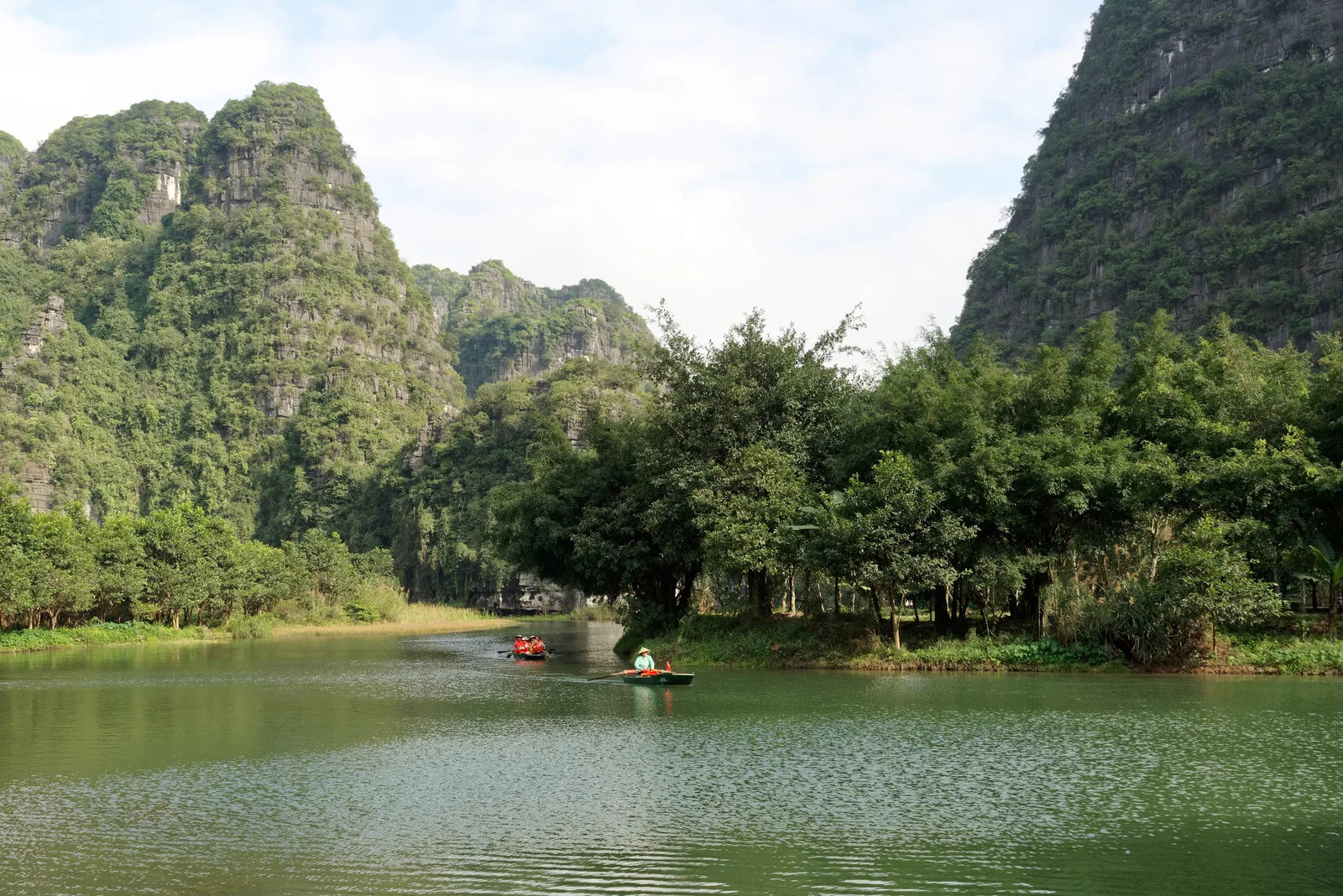
Karst scenery with a city behind it
Ninh Binh is often photographed from a boat or a high stone staircase: limestone towers rise beyond rice fields, water slips into caves, and temples appear against wooded slopes. The photographs explain the appeal, but not quite how to organise a visit. The urban centre, the accommodation around Tam Cốc and the Tràng An boat departure area are different places. Choosing the right base changes how much time you spend enjoying the landscape rather than travelling between it.
Allow two or three nights if you want a boat excursion, the ancient capital and time on foot. For someone considering a longer stay, add ordinary weekday journeys, home viewings and practical errands. VisaWand’s Vietnam location directory and destination information provide a starting point for placing the area within a wider trip.
Understand the Ninh Binh and Hoa Lu names
Ninh Binh remains the familiar travel name, while administrative names have changed. A provincial announcement in January 2025 records the establishment of Hoa Lư city; the current Hoa Lư government website operates at ward level. VisaWand’s location record uses Hoa Lư, which explains the name in this page’s URL. Neither that record nor an old address should be treated as a current boundary map.
There is another distinction on the ground. Hoa Lư ancient capital is a historic site, whereas Phố cổ Hoa Lư is a separate contemporary leisure and visitor area. Booking a hotel near one does not establish that it is near the other. Keep the full address and a map pin for accommodation, train pickups and tours. When discussing a longer lease or an official service, ask for the current ward and complete address rather than relying on the destination name alone.
Choose your base before choosing your excursions
The former Ninh Binh city centre makes sense for a stay organised around the railway station, urban services or work. It does not put the best-known waterways immediately outside every hotel. If your short visit revolves around boat trips, countryside views and an easy choice of visitor-oriented meals, compare Tam Cốc accommodation first. Then examine the distance from the actual property to the pier and the route home after dinner.
Staying closer to Tràng An can suit a quieter programme built around the landscape, but check how meals, groceries and transfers will work. A room described as “Ninh Binh” may sit well away from the urban centre. Ask whether bicycles, transport arrangements or meals are available, and what they cost. For families or travellers with limited mobility, access to the room and reliable door-to-door transport may outweigh a dramatic view.
Read the history at Hoa Lu ancient capital
The historic capital of Hoa Lư dates from 968–1010 and is associated with the Đinh, Early Lê and early Lý dynasties. In 1010, Lý Thái Tổ transferred the capital to Thăng Long, now Hanoi. The setting among limestone formations helps explain why this landscape mattered defensively as well as symbolically.
The present experience is not a walk through an intact tenth-century palace. Later generations repaired and added monuments, and the temples tell their own stories of remembrance. Read the introductory information before moving between buildings, and leave time for the courtyards rather than treating the stop as a photograph at the entrance. The heritage-management price list gives adult admission as ₫20,000. Dress appropriately for worship spaces and follow local instructions about shoes, photography and areas reserved for religious activity.
Make sense of the World Heritage landscape
UNESCO’s Tràng An Landscape Complex brings natural and cultural history together. Its limestone massif contains valleys, caves and waterways, alongside temples, villages and archaeological evidence of human activity spanning more than 30,000 years. Hoa Lư ancient capital belongs to this wider story.
That makes the journey between stops part of the interest. A boat route shows water and rock formations from below; a temple visit adds a religious or historical perspective; a viewpoint reveals how fields and waterways fit together. You do not need to repeat every version of the same experience. Choose activities that add something different, and remember that this is also a lived-in agricultural landscape. Keep to public routes, leave working fields undisturbed and ask before entering a courtyard or photographing someone closely.
Give Trang An enough time on the water
The Tràng An visitor area is a strong choice when you want a substantial boat journey through the karst landscape, with caves and religious stops forming part of the experience. Examine the route options at the departure point rather than assuming that every ticket follows the same circuit. The national tourism authority describes journeys taking roughly two to four hours, depending on the itinerary; use the day’s operating arrangements when making onward plans.
The official heritage-management price list currently shows adult admission at ₫300,000, with separate child-height bands. Check the ticket’s inclusions, boat allocation and any optional visits before paying. Bring water, sun protection and a light rain layer, and wear the provided life jacket. If someone in your party finds low cave passages or prolonged sitting difficult, discuss that before boarding. Avoid placing a non-refundable train departure immediately after the expected return: queues, route changes and weather can all affect the day.
Pick Tam Coc for a different boat experience
The Tam Cốc–Bích Động area includes the Ngô Đồng river route from Văn Lâm pier, along with places reached on foot or by bicycle. The appeal is the combination of water, limestone and cultivated land. Rice-field colour depends on the agricultural season, so a photograph of golden fields is not a promise for your dates.
The management list distinguishes a ₫250,000 adult sightseeing ticket excluding electric transfers from a ₫350,000 option including transfers through named stops such as Thái Vi and Bích Động. Read the package rather than assuming those prices buy identical experiences. The national tourism boat guide explains the broader differences between Tam Cốc and Tràng An. With limited time, choose one main boat outing and spend the saved time walking or visiting a temple. Do both when the comparison itself interests you, rather than simply because both names appear on a checklist.
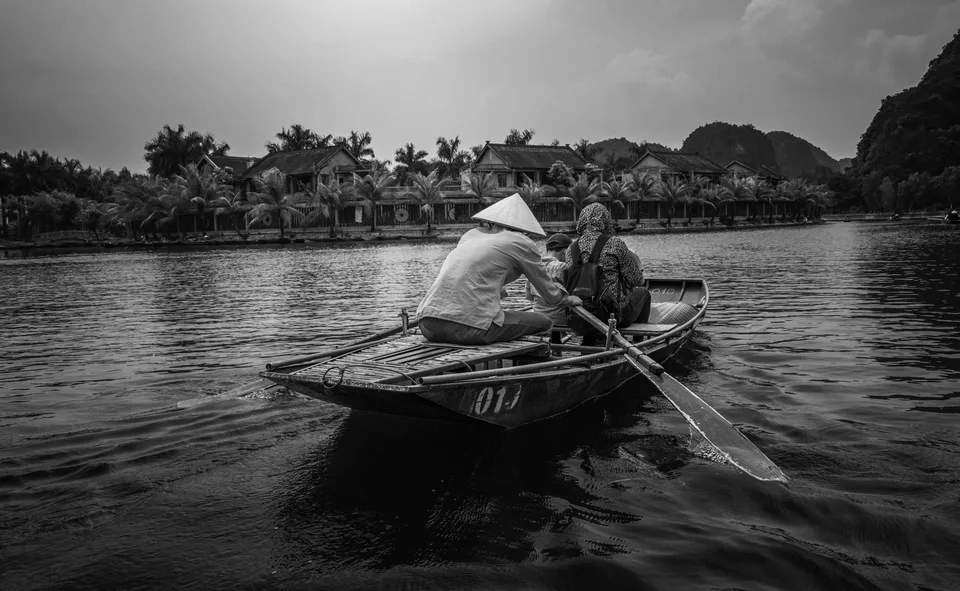
Slow down at Bich Dong and Van Lam
Bích Động gives a countryside day a more intimate scale than another long excursion. The national tourism activity guide describes a temple visit involving steps and asks visitors to cover shoulders and knees. Wear shoes that remain secure on stone, take the climb at your own pace and check the approach if stairs are difficult. A scenic entrance photograph does not show the effort required farther inside.
Nearby, the heritage authority’s account of Văn Lâm embroidery provides a different reason to explore: household textiles and embroidered pictures connect the visitor economy with a continuing craft. Ask which pieces were made locally and whether you can see work in progress. Treat an origin story presented as local tradition as a tradition, rather than a precisely documented date. A small purchase becomes more meaningful when you understand the material and work involved; there is no need to buy something simply to justify a visit.
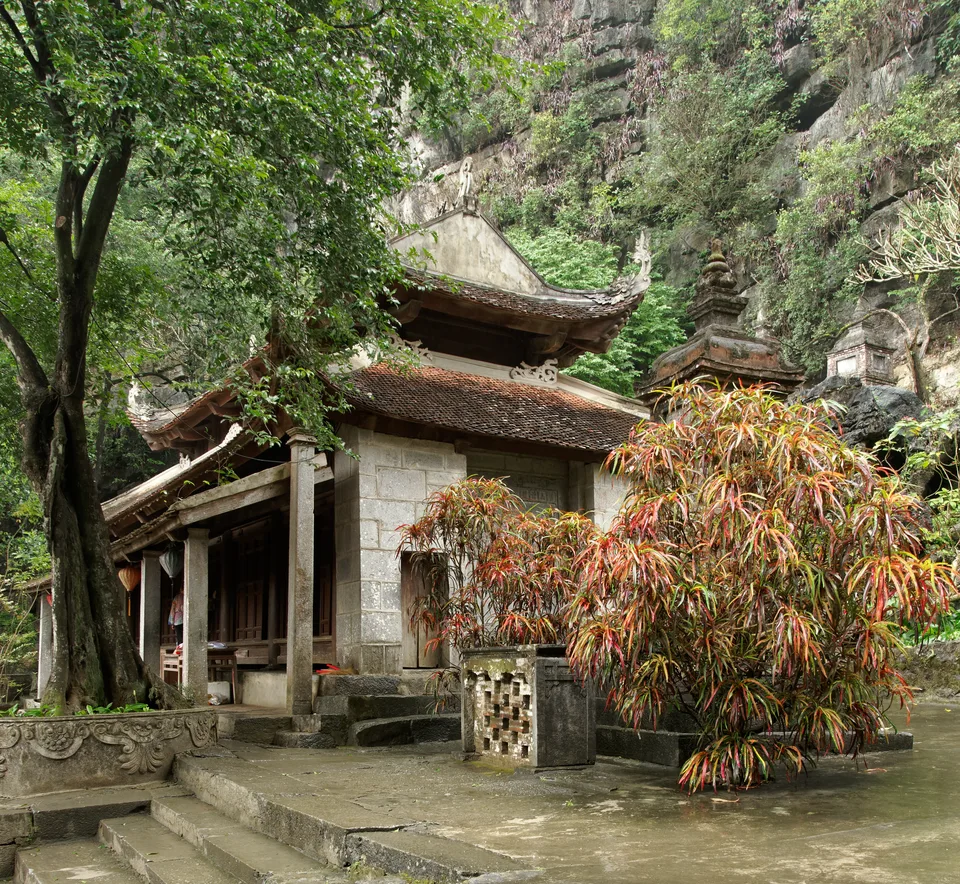
Decide whether Hang Mua suits your party
Hang Múa is known for the view reached by a steep staircase, not simply for a cave at ground level. The national tourism overview describes around 500 steps. Consider the climb as a physical activity when planning for children, heat, knee problems or limited mobility. Keep hands free where possible and wear footwear for uneven stone. Turning back is a reasonable decision if the conditions or your energy change.
Consult Hang Múa’s visitor information for current access and ticket details. Published official pages show differing admission figures, so this guide does not present an unconfirmed price as current. Check at the authorised entrance before paying, including any separate parking arrangement. Do not build a sunrise or late-evening plan around an old opening-time screenshot. For photographs, remain within permitted areas and avoid blocking narrow passages.
Give Bai Dinh its own part of the day
Bái Đính is a large Buddhist complex with older and newer elements. Its scale creates a very different experience from a small hillside temple. Plan for time between buildings as well as time inside them, and discuss access with your driver or organiser before arrival. A quick stop can become frustrating if the visit you expected involves several transfers and long walks.
The management list identifies ₫150,000 as an adult return electric-vehicle service, with other combinations offered separately. Describe and compare it as transport, rather than assuming it is a single compulsory admission charge covering every activity. Establish the pickup points, included stops and return arrangements. Wear clothing suitable for religious spaces and keep conversations considerate around worship. If they are not, one well-chosen temple visit may add more to your trip than trying to see every complex.
Keep an evening for the urban centre
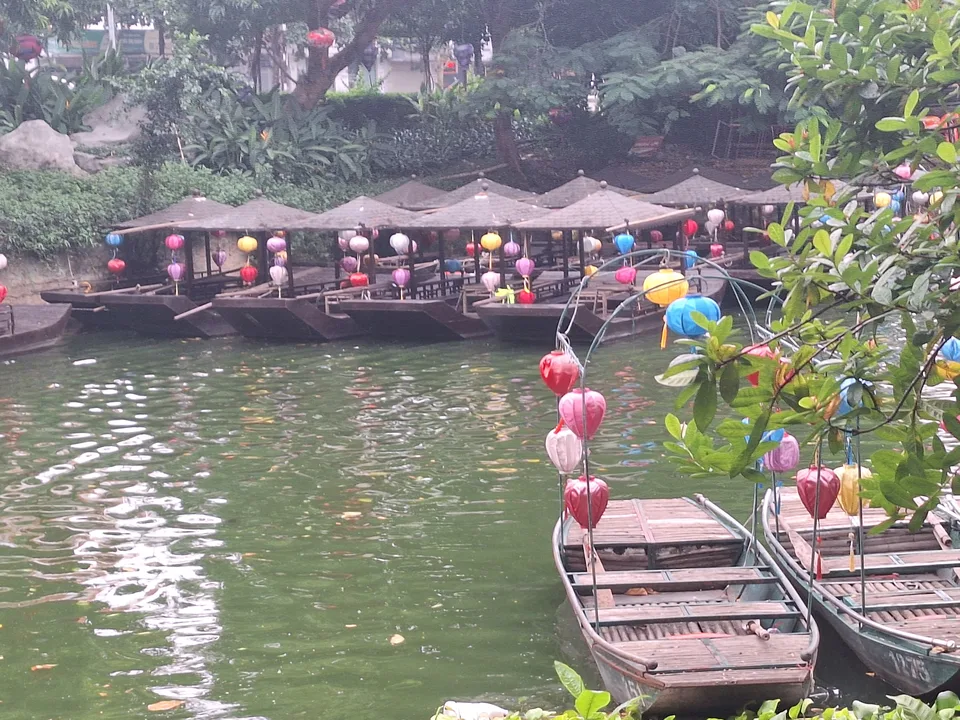
Phố cổ Hoa Lư offers another side of the destination: a visitor-oriented setting with lantern-decorated boats and places to spend an evening. It is separate from Hoa Lư ancient capital, and its name should not lead you to expect a completely preserved medieval town. Use it as an evening outing on its own terms.
The management list describes general visiting as free, with lake-boat experiences charged separately. Confirm the selected service before boarding and keep your return transport straightforward, particularly if sleeping in the countryside. An evening here can work well after a lighter sightseeing day, or for travellers staying near the urban centre who want to avoid another long excursion. Check the actual programme for your date; lighting, weather and organised activities need not match an older photograph.
Consider Thung Nham when you want a longer nature visit
Thung Nham’s operator describes a managed visitor area with bird-viewing boat trips, caves, gardens, accommodation and other facilities. It is an option for people who want several activities in one setting, rather than another short stop added to a crowded tour. Decide which parts interest you and ask how much time to allow for them.
Check current admission and which boat journeys, transport services or leisure facilities are included. Wildlife viewing depends on conditions and animal behaviour; a promotional photograph is not a guarantee of a particular sighting. Keep noise low, follow the designated routes and avoid disturbing birds for a closer picture. If travelling with children, compare the complete day with another boat trip elsewhere.
Plan the whole journey from Hanoi or the airport
Vietnam Railways sells tickets to Ninh Bình station; use its dated search for fares, seats and departures. The operator’s published timetable shows several Hanoi journeys of roughly two hours and a quarter. Allow additional time to reach your accommodation: the station is not Tam Cốc pier or the Tràng An departure point. Keep the property’s full address available when arranging collection.
From Nội Bài Airport, the airport transport page lists bus 86 to Hanoi Railway Station at ₫50,000 per trip. That is a connection into Hanoi, not a direct bus to Ninh Binh. Leave a realistic margin after landing for immigration, baggage and traffic before a separately booked train. Compare that route with a dated quote for a direct transfer, including tolls, waiting and the exact drop-off. A late arrival may justify an overnight stop in Hanoi rather than an uncertain sequence of connections.
Use bicycles selectively and organise the return
A bicycle can make a short countryside outing enjoyable, but the route matters more than the rental price. Inspect brakes, tyres, lights and the lock, then ask for a route suited to your confidence in traffic. Field-edge lanes and major roads are different experiences. Plan around daylight and avoid riding into water when you cannot judge the surface beneath it.
For longer distances, compare a car with driver or clearly quoted individual transfers. Agree on the stops, waiting time, entrance costs and return destination. A vehicle for an excursion is not necessarily available whenever you decide to leave a site. If considering a motorbike, verify the licence, permit and insurance requirements for your own circumstances before hiring. Do not assume that a rental business handing over keys establishes legality or cover.
Choose accommodation by the room and the road
Accommodation can be part of the pleasure here: a garden, water or a limestone backdrop may be the reason to linger. Compare those features with the practical details of the booked room. Ask about bedroom cooling, winter comfort, bathroom arrangements, mosquito screening and any steps between the vehicle drop-off and entrance. Check whether the advertised view is from the room or a shared area.
For a rural property, establish breakfast and evening food options, transport after dark and access when it rains. For an urban hotel, examine the street and noise as well as distance from the railway station. Confirm late check-in and luggage storage around your arrival. Compare the final price including meals, transfers and cancellation conditions. Longer stays need a different inspection: laundry, kitchen access and a proper place to work can matter more than a pool or a beautifully photographed balcony.
Eat locally and shop beyond the standard souvenir
Ninh Binh’s food identity includes goat dishes and cơm cháy, the crisp rice crust served as a snack or with an accompaniment. Bánh cuốn, rice rolls often filled with pork and mushrooms, provides another option. Ask how the particular dish is prepared and what is included; the name alone does not explain portion size, seasoning or suitability for a dietary requirement.
Compare menus before ordering and ask for the price of anything sold by weight or outside a printed set. If you want a fully cooked meal, make that clear rather than assuming every goat speciality uses the same preparation. For packaged rice snacks, check ingredients, freshness and storage needs before buying gifts. Embroidery offers another possibility, especially when a seller can explain where it was made. Avoid turning every stop into a shopping obligation: buy something because you want to use or give it, with enough information to assess the quality.
Build a useful budget from the activities you choose
The adult prices listed for Tràng An, the basic Tam Cốc visit and Hoa Lư ancient capital add up to ₫570,000 if you choose all three. This is an admissions calculation, not a daily budget: it excludes accommodation, meals, transfers and other services. Selecting one boat outing can reduce both cost and repetition without making the trip feel incomplete.
Write down the complete package for each proposed day. Distinguish a per-person ticket from a vehicle quote and ask whether parking, waiting and return transport are included. Room prices vary with dates and facilities, so compare current totals for your party rather than relying on an undated average. Keep some flexibility for weather or a slower pace. A less expensive room can lose its advantage when every meal and outing requires a paid transfer; a higher-priced countryside stay may be worthwhile when spending time there is part of the plan.
Choose the season around the experience
The national tourism overview describes hot, humid summers and cool, drizzly winters. It identifies late May as a period associated with golden rice around Tam Cốc, but planting, weather and harvest decisions affect what you see. Decide whether you primarily want a particular agricultural landscape, comfortable walking or time at a property, then choose dates accordingly.
Use the official Hoa Lư–Ninh Binh forecast and current warnings shortly before travel. Heavy rain and high water can affect low-lying routes and boat plans, while heat changes how enjoyable a long staircase feels. Keep a lighter day available and ask operators about conditions rather than assuming every advertised circuit will run. Pack sun protection, drinking water, a rain layer and secure walking shoes. For winter, add clothing comfortable during a stationary boat ride.
A three-day itinerary with room to breathe
On day one, arrive, settle in and explore the area around your accommodation. If based around Tam Cốc, choose a short walk or Bích Động rather than immediately committing to a long boat journey. If staying in the urban centre, keep the evening local. Use the first afternoon to confirm the next day’s transport and opening arrangements.
Make day two your main landscape day: choose Tràng An or Tam Cốc, have a proper meal, then add a contrasting short visit. Attempt Hang Múa only if the conditions and your energy suit the climb. On day three, visit Hoa Lư ancient capital or Bái Đính before an onward journey with a comfortable margin. With another day, consider Thung Nham or slower countryside exploration. For a single day from Hanoi, select one boat outing and one complementary stop. Potential residents should replace an excursion with viewings and a working-day journey to their actual workplace.
Test the household needs behind a longer stay
Rent briefly before choosing a long lease. Inspect damp, ventilation, cooling, hot water and the route into the building during rain. Ask for written terms covering the deposit, inventory, repairs, guests and included services. Establish who supplies water, electricity and internet, and whether billing uses actual meter readings or a separate landlord tariff. EVN Northern Power Corporation provides an official starting point for electricity-service information.
Test internet in the rooms where you would work, ask about address-specific installation and keep a practical backup connection. Check groceries, laundry, waste collection and the evening journey home. For healthcare, consult Ninh Binh Provincial General Hospital about the services you need and arrange insurance separately. Do not assume English-language appointments or direct insurer billing. The national tourism authority’s health and safety guidance is a general preparation resource; continuing care and prescriptions need an individual plan before moving.
Separate a visit from work, study and residence
The official e-visa portal describes visas valid for up to 90 days, for single or multiple entry. Listed application fees are US$25 and US$50 respectively. Check nationality-specific exemptions, the approved dates and permitted entry points before travelling; the maximum duration is not an automatic entitlement for every arrival.
Employment requires separate consideration of the applicable work permission or exemption and residence status. The government’s foreign-worker permit update explains the employer’s role under the revised framework. Study should be arranged with the receiving institution and the appropriate Vietnamese authorities. Do not treat a tourist entry or a room rental as permission to work, study indefinitely or settle permanently. The Immigration Department portal also links to temporary-residence declaration services; confirm the accommodation’s arrangements when staying or moving. VisaWand’s consultant directory can help identify advisers for questions depending on your nationality, family and intended activity.
Choose an onward stop for a different reason
The landscape here works particularly well as a contrast to a larger city. VisaWand’s Hanoi page can help place the journey in context, while Haiphong, Thanh Hóa and Huế location pages offer other starting points for comparing a wider route. Directory information should not be assumed to be a completed guide.
Check actual connections before deciding that a place fits between two reservations. Leave time for the Ninh Binh stay you have chosen: one well-paced boat trip, a temple and an evening at your accommodation can be more satisfying than repeating long outings.
Official planning resources
Reviewed 16 October 2026. Use the official resources linked throughout this guide for admission, transport, housing and immigration decisions. Prices, services and rules can change; confirm the details relevant to your dates. Photography illustrates the locations and is not a live view.
View all official resources
- Provincial Hoa Lu city formation announcement
- Current Hoa Lu ward government
- Management Board ancient Hoa Lu
- UNESCO Trang An Landscape Complex
- Management Board Trang An overview
- Official heritage-area admission and service prices
- Management Board Tam Coc and Bich Dong
- VNAT Ninh Binh boat tours
- VNAT Ninh Binh activities
- Management Board Van Lam embroidery
- Hang Mua Ecolodge visit rules
- Management Board Bai Dinh
- Thung Nham operator
- Vietnam Railways official booking
- Vietnam Railways timetable
- Noi Bai Airport ground transport
- Vietnam Tourism Ninh Binh
- National meteorological forecast for Hoa Lu/Ninh Binh
- EVN Northern Power Corporation
- Ninh Binh Provincial General Hospital
- VNAT health and safety
- Vietnam Immigration e-visa portal
- Government foreign-worker permit update
- Vietnam Immigration Department
Plan the next part of your journey
Explore the Vietnam guide, browse other cities or compare consultants for your travel and relocation questions.