Visa
Give the river city time to wake up
Can Tho is most rewarding when you stay long enough for an early morning on the water and an unhurried evening on land. Produce boats, riverside commerce, noodle breakfasts and family houses give the city its character. The floating market is the best-known attraction, but a visit built entirely around that one excursion misses the neighbourhoods and cultural traditions that make this a useful base in the Mekong Delta.
Allow two nights for the waterfront, a river trip and one or two cultural stops. A third night gives you room for an orchard or islet visit without squeezing everything between arrival and departure. Travellers assessing a longer stay should add ordinary errands and a trial commute to that schedule. Start with VisaWand’s Vietnam country guide for wider trip planning, then choose a Can Tho base around the journeys you will actually make.
Understand the larger city on today’s map
Can Tho’s name now covers a much larger administrative area than the compact urban centre many visitors picture. A government report on the July 2025 merger confirms the combination of the former Can Tho city with Hau Giang and Soc Trang. That expanded municipality is not a single walkable destination, and its population cannot be compared directly with older figures for the former city.
This guide concentrates on the established urban core and nearby river excursions. Ninh Kieu, Cai Rang, Binh Thuy and Phong Dien remain useful names when discussing visitor areas, although older websites may present former districts and wards as current addresses. Confirm the property’s present address and map pin before booking. A listing simply labelled “Can Tho” could be a considerable journey from the waterfront. For boat departures, confirm the actual pier rather than assuming every operator leaves from Ninh Kieu.
Choose between the waterfront and a quieter base
For a first visit, the streets near Ninh Kieu Quay offer the clearest starting point: evening walks, central cultural sights and straightforward meeting arrangements for many river tours. Ask whether your chosen operator collects from the hotel, since “central pickup” can have a specific boundary. A room near the action is convenient, but check street noise and the position of the room.
Binh Thuy suits plans centred on its historic house and nearby river access; an orchard or rural homestay around Phong Dien offers a different experience from a downtown hotel. Choose the latter because you want time in that setting, not because a map makes the distance look small. University visitors should compare their accommodation with the correct campus entrance. There is no single best district for every stay: the right base reduces the journeys you would otherwise repeat each day.
Start at Ninh Kieu Quay
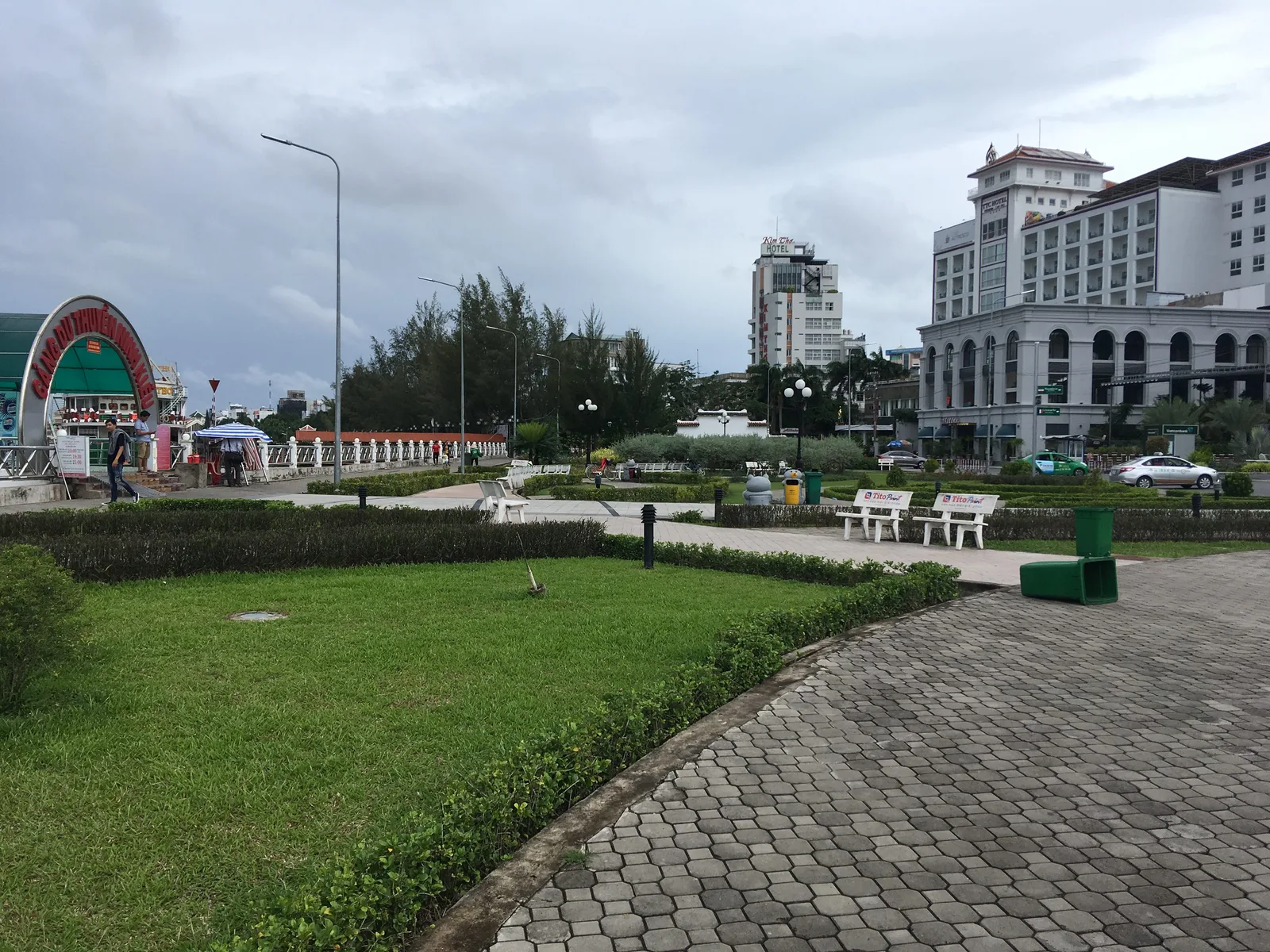
The official Ninh Kieu Quay description places this familiar waterfront at the meeting of the Hau and Can Tho rivers. Its history as a commercial landing place helps explain the city’s orientation towards the water. Today the park and surrounding streets provide an accessible introduction to the centre, with space to walk, pause and watch river traffic.
Visit once in daylight to understand the layout, then return in the evening if you enjoy a livelier promenade. Keep boat sightseeing separate from merely walking beside the river: each cruise has its own boarding point, departure and inclusions. Do not assume a dinner booking includes the same route or experience as an early market trip. For an arrival afternoon, a short waterfront walk followed by dinner nearby is more realistic than trying to fit in a distant attraction before checking into your room.
Visit Cai Rang with realistic expectations
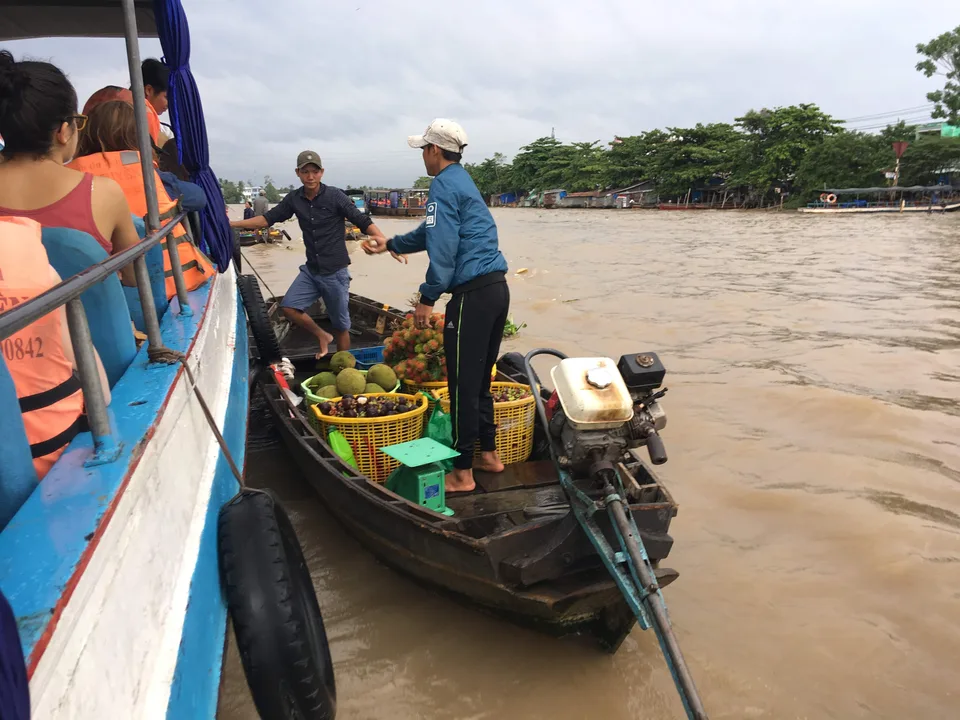
Cai Rang floating market is a river trading area beyond the central quay, not a market building at a downtown street address. The city tourism service recommends the early morning, around 05:00–08:00, and describes the produce samples raised on bamboo poles to show what boats are selling. Arrange your departure the previous day, with enough time to reach the market during that morning activity.
Go to observe a working place rather than expecting a fixed spectacle. The number of boats, products and encounters varies; historic photographs cannot guarantee the scene on your date. A shorter market outing may suit travellers who mainly want to see trade on the water. A longer excursion can add canals, a noodle workshop or a garden, but check how much of the morning is actually spent aboard a boat and how much involves road transfers or shopping stops.
Compare boat trips by what they include
Ask for the departure point, duration, group size, language, breakfast, entrance charges and return arrangements in writing. A private boat is not automatically the same product as a guided small-group excursion. Confirm whether an advertised price is per passenger or for the whole boat, and whether children count towards the minimum booking.
As one checked commercial example, Mekong Smile’s market, cacao and garden tour lists an adult group rate of VND1,390,000, with a minimum of two guests, and a duration of about five to six hours. Its published programme includes breakfast, water and fruit, with central-hotel pickup starting at 06:00. This is a provider’s package price, not an official market admission charge or a citywide tariff. Two adults would pay VND2,780,000 at that listed group rate; confirm availability and the final total for your date before paying.
Treat boat safety as part of the booking
Can Tho Police’s September 2026 visitor-safety guidance describes checks on boat licences, lifesaving equipment and correctly fastened life jackets, particularly during the rainy season. Ask your operator about suitable jackets for everyone in your party, including children, and wear yours as instructed. Check the boarding arrangement if you have limited mobility rather than relying on a general claim that a tour suits all ages.
A responsible plan allows departure to change when conditions are poor. Ask how weather cancellations and refunds work before booking. Keep valuables protected from rain and splashes, and avoid placing bags where they interfere with movement aboard. If a trip starts before daylight, have the meeting point and operator’s contact saved offline. Hotel staff can help clarify a pickup, but confirm the booking directly with the company responsible for the boat and guide.
See Binh Thuy beyond the waterfront
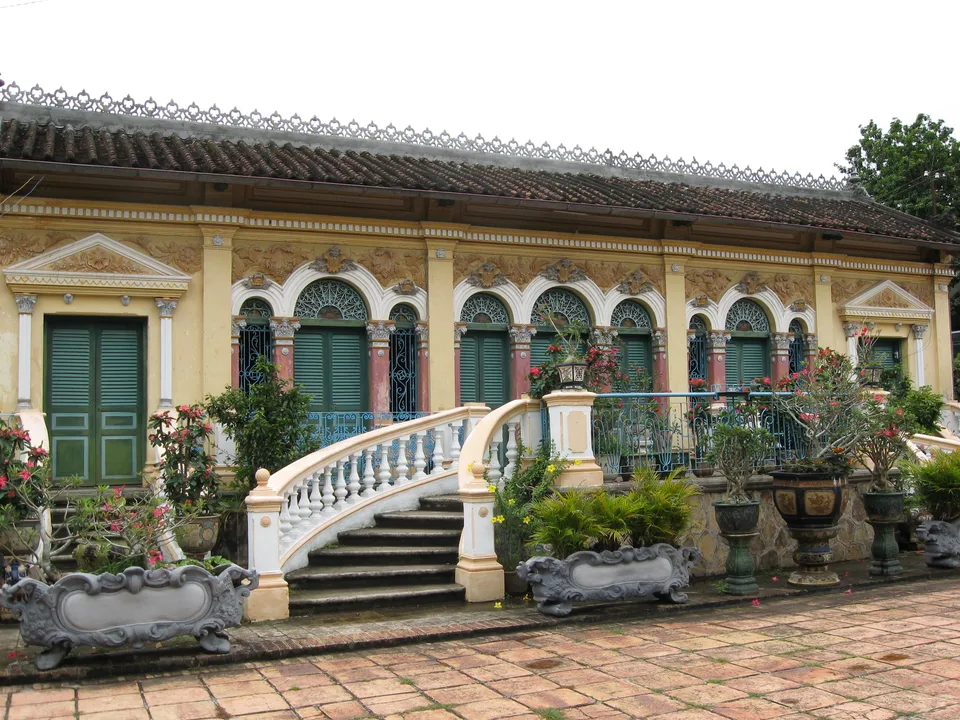
Binh Thuy ancient house gives the city visit a different scale: a family property associated with the Duong family, established in 1870, with French-influenced architecture and Vietnamese interior traditions. Its courtyard, ornament and curved entrance stairs reward closer attention than a quick photograph through the gate. It is distinct from Binh Thuy’s communal house, so use the full attraction name when arranging transport.
The tourism listing identifies the house at 144 Bui Huu Nghia and gives daytime visiting information. It shows a VND20,000–50,000 price range without clearly explaining every category, so confirm the current charge and access before setting out rather than budgeting one universal ticket price. Allow a relaxed visit and a return journey, or combine it with another nearby stop only after checking the route. Respect any limits on photography and access to rooms; a historic family house is not an unrestricted set.
Explore the centre’s different cultural traditions
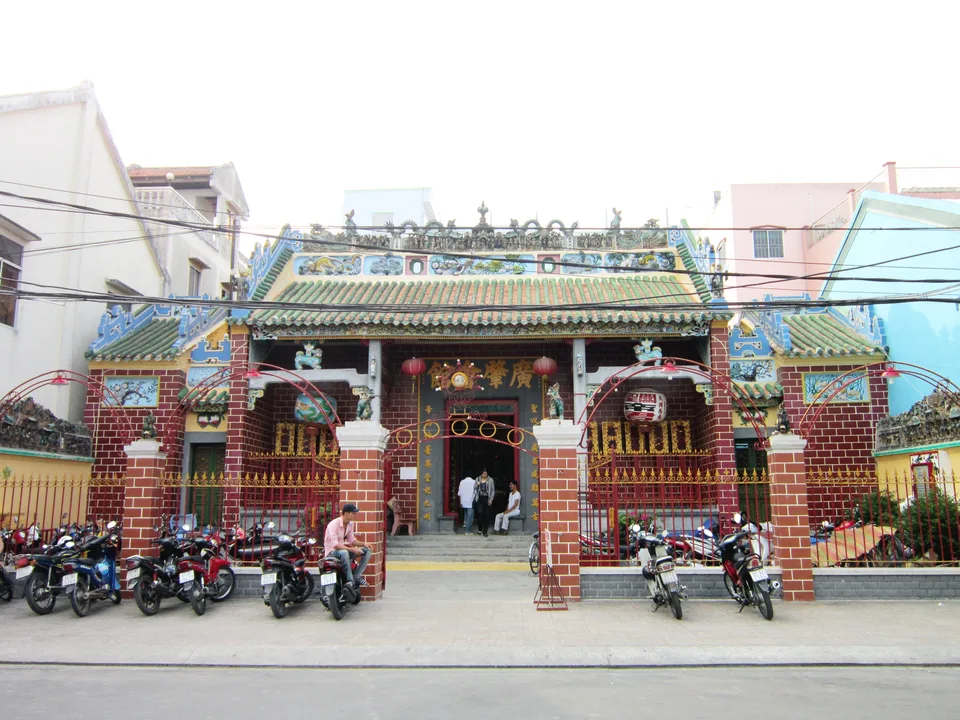
Ong Pagoda offers an introduction to Can Tho’s Chinese community heritage. The national tourism authority’s regional itinerary describes its late nineteenth-century origins, red interior and hanging coils of incense. Include it as a place of worship as well as an architectural stop: dress respectfully, follow local instructions and ask before photographing people taking part in religious activities.
For another strand of the city’s culture, Munir Ansay Pagoda stands at 36 Hoa Binh Avenue and reflects Khmer religious architecture. Comparing the two helps avoid treating the Delta as culturally uniform. Neither visit needs an elaborate excursion from a central base. Keep time to look carefully, without crowding worshippers or assuming every part of a religious compound is open to visitors. Festival dates require a current local calendar; old descriptions of recurring celebrations should not be used as a promise of an event during your stay.
Use the museum to understand what you are seeing
The Can Tho Museum listing identifies the museum at 1 Hoa Binh Avenue and describes displays on regional history and the cultures of Kinh, Hoa and Khmer communities. It is a useful companion to a river outing or temple visit because it adds context to places that might otherwise remain a series of attractive stops.
Confirm opening sessions directly before visiting. The tourism listing leaves the price as “updating”, so it does not establish a current admission fee or justify a promise that every visit is free. Put the museum into the itinerary as a flexible cultural stop, allowing another central activity if it is closed. Families may prefer a shorter visit followed by a break, while travellers particularly interested in regional history can give it more time. Do not confuse this museum with other heritage sites carrying Can Tho in their name.
Make an orchard or islet visit a separate choice
Con Son community tourism offers a change from the urban waterfront. The city tourism service describes an islet in the Hau River reached by boat from Co Bac pier, with orchards and visits organised through local hosts. Arrange the experience you want in advance: a meal, garden visit and cooking activity are different services, not an automatic entitlement when you step ashore.
Check the crossing, return time and total charges with the host. An old approximate ferry fare should not be treated as an all-inclusive island ticket. Ask what fruit is in season rather than expecting every variety, and explain dietary needs before a meal is prepared. For travellers already taking a long market-and-garden tour, an additional orchard outing may repeat similar experiences. Choose it for a slower visit with hosts or a particular activity that interests you, and retain some unscheduled time in the city.
Eat beyond the hotel breakfast
Food is a strong reason to stay overnight. The national tourism authority’s Delta food guide highlights bánh cống, savoury fried cakes commonly topped with shrimp, and southern bánh xèo with fillings such as pork, shrimp and bean sprouts. De Tham Street is one central area to explore for food. Order according to appetite and what is being prepared, rather than building a meal around an unverified “best” stall.
An early river breakfast and a later sit-down meal provide different experiences. Tell the seller about allergies or dietary restrictions clearly: broth, sauces and garnishes may contain ingredients that are not obvious from a dish’s name. Keep smaller notes for modest purchases and ask the price before ordering items without a displayed menu. For edible gifts, check packaging, storage and the rules at your next destination. Fresh fruit that is easy to buy locally may be unsuitable to carry across an international border.
Match accommodation to the stay you want
Can Tho offers central hotels, riverside resorts and homestays, but these options have different implications for daily travel. The city’s official tourism directory is useful for building a shortlist. Confirm facilities with the property itself: a river view does not establish a walkable route to the centre, and a resort or islet setting may involve a transfer with limited operating hours.
Check reception times, luggage storage, cooling, mosquito screens or protection, and the room’s position relative to traffic or public areas. Families should ask about extra beds and safe access around water. For a longer visit, laundry and reliable internet may matter more than an attractive lobby. Compare the final rate for your dates, including occupancy and cancellation conditions. If an early river tour is important, choose a property whose staff can explain the pickup arrangement and whether breakfast can be taken before departure or packed.
Fly to Can Tho or travel from Ho Chi Minh City
Can Tho International Airport uses the code VCA. Vietnam Airlines’ Hanoi–Can Tho route page provides a direct booking reference for that connection; check flights for your actual dates rather than relying on an old frequency or headline fare. From the airport, the airport operator’s taxi information identifies arrivals-area booking options. Confirm the vehicle, destination and fare basis before departure, including any additional airport charge.
For travel from Ho Chi Minh City, compare a booked coach with a private transfer and include the journey to and from the bus terminals. FUTA Bus Lines’ official booking site provides schedules and ticketing enquiries; verify the exact service, departure point and luggage arrangements there. A coach arrival point is not necessarily beside your hotel. Leave a generous margin before an international flight, particularly if road travel is on the same day. The cheapest advertised ticket may be poor value if a missed connection becomes expensive.
Get around without making every trip complicated
Walking works well for selected central sights, but Binh Thuy, Cai Rang and rural accommodation need more planning than a waterfront stroll. Group nearby stops and retain an indoor or shaded break. Use a clearly identified taxi or an agreed pickup for a distant return, especially after an early start, rather than assuming a vehicle will be waiting wherever a tour ends.
For a longer stay, test the route between the actual home and campus or workplace at the time you will travel. Check the return journey after evening commitments too. Renting a motorbike requires appropriate legal entitlement and insurance; familiarity with riding elsewhere does not settle those requirements. Travellers who prefer to avoid driving can still organise a useful visit through central accommodation and booked transport. Keep the Vietnamese address available, including a contact number, and confirm that the driver has the right branch or entrance.
Build a budget around the expensive decisions
The largest choices are usually accommodation, intercity transport and the kind of river excursion you book. A short boat hire and a guided morning with several activities should not be compared solely by their headline prices. Work out what remains to pay for food, transfers and entrance charges after each quote, then compare equivalent totals.
Use Vietnamese dong for the working budget, and distinguish a provider’s approximate dollar conversion from the amount actually charged. Carry cash for smaller purchases while checking card acceptance with hotels and larger providers. Keep a reserve for weather-related changes or a replacement transfer. There is no verified citywide meal or apartment price that covers every standard and location. For relocation planning, separate recurring rent and utilities from deposits, temporary lodging and household purchases. Those arrival costs can make the first month look very different from an established monthly routine.
Choose dates around heat, rain and your priorities
The national destination page describes warm, humid conditions throughout the year, a generally drier December–April period and a rainy May–November period. These are planning patterns, not guarantees of dry mornings or constant rain. Orchard experiences depend on seasonal produce, while boat activities depend on conditions on the day as well as the calendar.
Plan outdoor visits early where practical and leave room for a midday break. During wet periods, protect documents and electronics and choose footwear suitable for slippery boarding areas. Ask accommodation staff about access after heavy rain, particularly at a rural property. If a market trip is central to your visit, put it on the first suitable morning rather than the last possible slot before departure. A flexible museum, food or central walking day is a better fallback than forcing a river outing in conditions the operator considers unsuitable.
A realistic itinerary for two or three nights
On arrival day, settle in and walk a manageable part of Ninh Kieu’s waterfront. Visit Ong Pagoda if access permits, then eat nearby and confirm the next morning’s departure. An early night is more useful than adding a late excursion before a dawn start.
Use the first full morning for Cai Rang and whichever additional stops your chosen package includes. Leave the afternoon for rest, the museum if open, or a short central walk. Keep dinner flexible; a long tour may have involved more food and heat than expected.
With another full day, visit Binh Thuy or arrange Con Son according to your interests. Avoid trying to add both merely to fill the schedule. For two nights, choose one cultural stop before onward travel and leave time for luggage collection and the actual terminal transfer. For three nights, retain a spare morning for weather changes or ordinary neighbourhood exploration.
Evaluate housing and essential services before moving
Begin with temporary accommodation while viewing homes and testing commutes. The UK government’s resident guidance recommends inspecting rentals and paying attention to building safety. Check access, emergency exits, ventilation, damp, cooling and the arrangements for drinking water. Ask how the property is reached after heavy rain and who handles repairs, rubbish and shared facilities.
Request a written breakdown of rent, deposit, management fees, electricity, water and internet. Have a competent reader explain terms you cannot understand and record the condition of the property before moving in. Identify groceries, a pharmacy, laundry and suitable medical care near the address, rather than assuming central-city services are equally convenient everywhere. Hoan My Cuu Long Hospital publishes local contacts and service information; confirm the care, language support and insurance arrangements you need directly. Visitors should arrange appropriate medical cover; the official travel-health guidance gives 115 as the ambulance number.
Separate tourism from study, employment and residence
The official Vietnam e-visa portal states a maximum validity of 90 days, for single or multiple entries, with fees of US$25 and US$50 respectively. Applications have eligibility conditions, and fees are non-refundable if a visa is refused. Check the approved dates, entry arrangements and passport details carefully. Visa exemptions depend on nationality; another visitor’s permitted stay is not evidence of your own entitlement.
A visit does not automatically authorise work or permanent relocation. The government’s Decree 219/2025 guidance explains the work-permit framework and exemptions; arrange the applicable process with your employer before starting. Can Tho University’s admission guidance requires the correct study visa and temporary-residence declaration, while its international student services provide housing-application information. A place in accommodation is not guaranteed. Whether renting privately or staying in a hotel, provide the documents needed for lawful residence reporting. Longer-term residence and permanent residence require their own qualifying basis.
Decide where to go next
Use the Vietnam destination directory to compare onward places, and the Ho Chi Minh City destination page when deciding how much time to allow in the main southern transport hub. An extra night there can make more sense than an anxious same-day road transfer before a long-haul flight.
Within the Delta, choose an onward stop for a different experience rather than another near-identical boat circuit. Can Tho already offers urban services, river outings and access to gardens; spend more time here if you value a stable base. If the trip is partly preparation for a move, reserve time for appointments and practical errands instead. For personal immigration questions, consult the relevant authority and use VisaWand’s Vietnam consultant listings to identify suitable professional support. Confirm the person’s scope of service and fees before booking advice.
Official planning resources
Reviewed 24 October 2026. Use the official resources linked throughout this guide for admission, transport, housing and immigration decisions. Prices, services and rules can change; confirm the details relevant to your dates. Photography illustrates the locations and is not a live view.
View all official resources
- Government News: expanded Can Tho since July 2025
- Can Tho Tourism: Ninh Kieu Quay
- Can Tho Tourism: Cai Rang Floating Market
- Mekong Smile: published Cai Rang tour and prices
- Can Tho Police: rainy-season visitor boat safety
- Can Tho Tourism: Binh Thuy ancient house
- Vietnam National Authority of Tourism: regional culture and transport
- Can Tho Tourism: Munir Ansay Pagoda
- Can Tho Tourism: city museum
- Can Tho Tourism: Con Son community tourism
- Vietnam National Authority of Tourism: delta food
- Can Tho Tourism: official lodging and visitor information
- Vietnam Airlines: Hanoi–Can Tho route
- Airports Corporation of Vietnam: Can Tho airport taxis
- FUTA Bus Lines: booking and schedules
- UK government: Vietnam road and motorbike requirements
- Vietnam National Authority of Tourism: Can Tho destination
- UK government: housing and daily life in Vietnam
- Hoan My Cuu Long Hospital: services and contacts
- UK government: healthcare and medicines in Vietnam
- Vietnam Immigration Department: e-visa portal
- Government News: Decree 219/2025 on foreign workers
- Can Tho University: international admission and study visas
- Can Tho University: international student support and housing
Plan the next part of your journey
Explore the Vietnam guide, browse other cities or compare consultants for your travel and relocation questions.