Visa
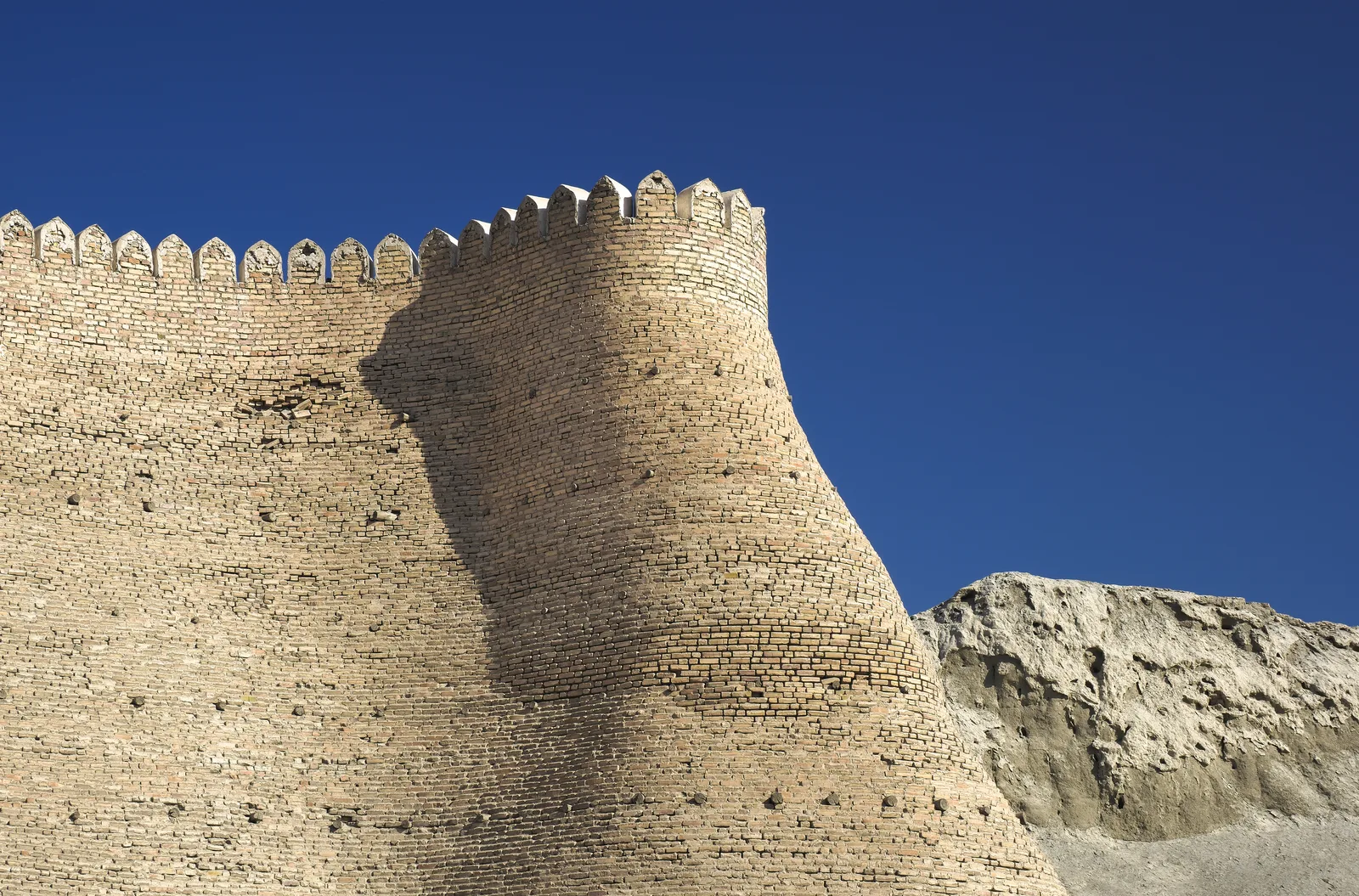
Give Bukhara time between its monuments
Bukhara is a city for walking slowly. A monumental gateway can occupy the end of a street, while a covered market, courtyard hotel or small workshop supplies the reason to linger along the way. Its appeal lies in the connections: religious learning, commerce and domestic life sharing a compact historic landscape.
The UNESCO Historic Centre of Bukhara inscription recognises that wider townscape, rather than a single showpiece. Give a first visit at least two full sightseeing days, ideally with another day for an excursion or a slower pace. A rushed stop can deliver photographs of major buildings while missing the relationships that make them interesting. This guide focuses on the city and practical choices around it; use VisaWand’s Uzbekistan country guide for the wider journey and national planning.
Read the history through different building periods
Bukhara’s Silk Roads history is not a claim that every building you see is equally ancient. UNESCO identifies the city as a longstanding centre of trade and Islamic culture, with much of the surviving old town reflecting development from the sixteenth century onwards. Earlier monuments sit within that later urban fabric.
This is useful context for choosing a guide. Look for someone who can distinguish a building’s foundation, reconstruction and present use, and who identifies a legend as a legend. The city’s monuments have histories of repair and change; their value does not depend on an untouched-past narrative. A guided introduction followed by independent time is a productive combination. You can return to a gateway or brick façade after the historical framework has made its details easier to understand.
Choose a base around your actual journeys
For a short visit, compare accommodation around Lyabi-Hauz with addresses nearer Poi-Kalon and the Ark. These give you different starting points for old-town walks. Put your hotel, intended restaurants and main sightseeing stops on the same map before deciding that an attractive address is convenient.
The modern city matters more for a longer stay. Groceries, work or university journeys, medical appointments and a building’s cooling or heating can outweigh the pleasure of stepping directly into a historic lane. Treat Kagan as a separate transport location: the main railway station is there, not beside the old-town monuments. A hotel description saying “Bukhara station transfer” does not make it a walkable station hotel. For either length of stay, request the vehicle drop-off point and any final walk with luggage, particularly if you need step-free access.
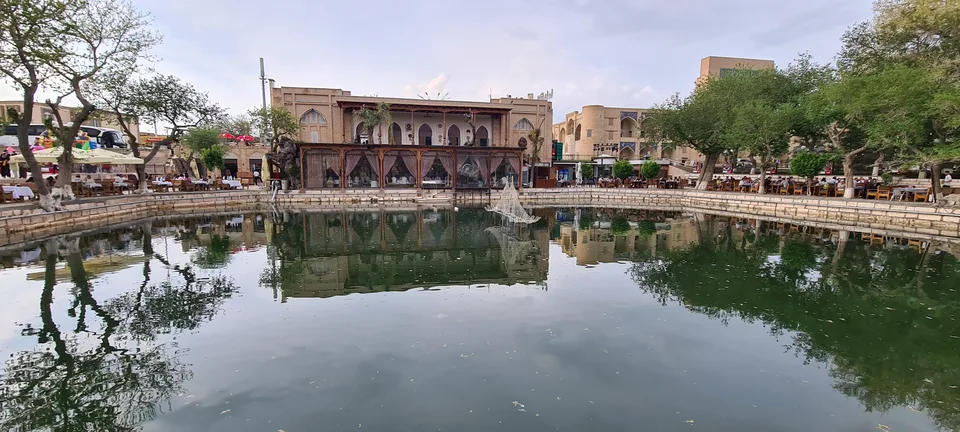
Begin at the pond of Lyabi-Hauz
The Lyabi-Hauz ensemble gives a first walk a clear reference point. The pond sits among the Kukeldash madrasa and the Nadir Divan Begi buildings, including a khanaka associated with Sufi life. The nearby Khoja Nasriddin statue adds another layer of cultural storytelling to a place that also functions as a visitor gathering point.
Look at the ensemble before settling into a café: the arrangement of buildings around water is the attraction. Later, return for a different light or an unhurried meal rather than treating the square as finished after one photograph. Keep access clear and respect any current barriers around the pond. If you book a performance or dinner in the area, establish whether admission, food and drinks are included and whether the event is actually scheduled for your evening.
Make Poi-Kalon an architectural visit
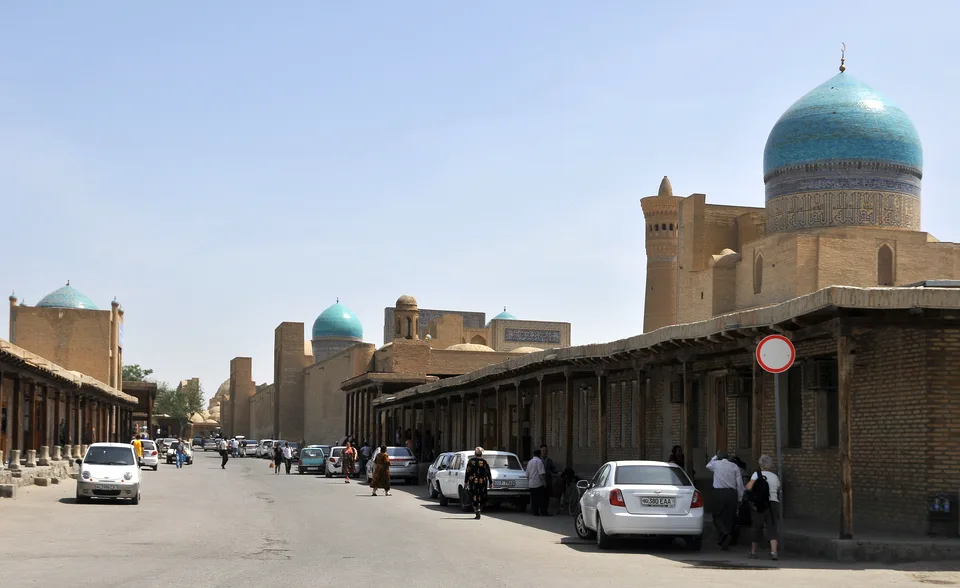
At Poi-Kalon, the minaret, Kalon Mosque and Miri-Arab madrasa establish one of Bukhara’s defining compositions. The official tourism profile places the ensemble’s major phases between the twelfth and sixteenth centuries. Resist the urge to absorb it only through a camera lens: compare the brickwork, glazed surfaces, entrances and the spaces between buildings.
An exterior view and admission to a particular interior are different experiences. Religious buildings can have worship, teaching or access restrictions, so check what is open on your date and follow staff instructions. Do not assume that a madrasa façade implies a public classroom visit or that a minaret can be climbed. Choose modest clothing and allow flexibility around religious use. Returning towards the end of the day can be more satisfying than purchasing another rushed stop, provided current access and your onward arrangements allow it.
Use the Ark to understand political power
The Ark citadel introduces a different side of Bukhara from its mosques and madrasas: the fortified seat of the emirs. Its substantial outer walls make it a useful geographical anchor, while a museum visit can add the political and administrative context that an exterior photograph cannot provide.
The state museum-reserve’s published tariff, effective from 1 January 2025 and still displayed at review, lists UZS 60,000 for foreign visitors to the Ark’s regional history museum. Confirm the current ticket at the cashier and ask which exhibitions are included. Museum guiding and photography charges are listed separately. Decide whether you want a guided explanation before buying, and allow a proper visit rather than using the ticket simply to reach a viewpoint. Check the entrance route in advance if slopes, uneven surfaces or prolonged standing are difficult for you.
Look closely at the Samanid Mausoleum
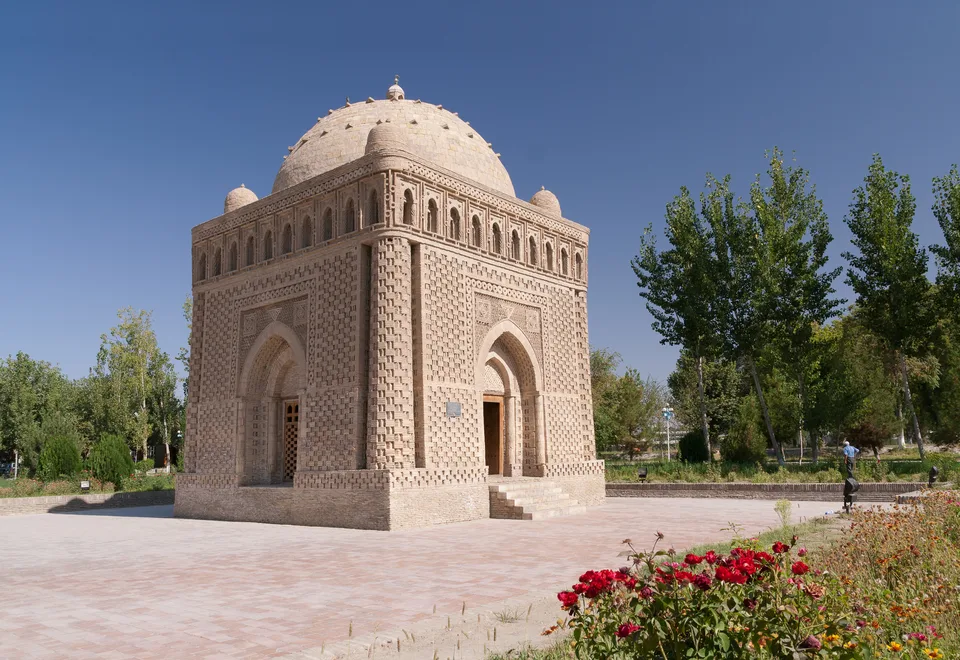
The Samanid Mausoleum offers a rewarding change of scale. Its domed, roughly cubic form uses patterned brickwork to create depth and variation without depending on the sweeping tiled portals seen elsewhere. UNESCO highlights the tomb of Ismail Samani as an important early monument within Bukhara’s architectural history.
Pause on more than one side and notice how the light affects the masonry. This is a better stop for patient looking than a race through another interior. Keep it within a manageable western sightseeing outing, allowing for the route back and the weather. Do not assume every historic building has the same opening arrangements or belongs to one combined ticket. Choose a smaller number of visits that you can appreciate, especially if summer heat makes exposed walks tiring.
Browse the trading domes with a purpose
Tim Abdullah Khan is a sixteenth-century covered trading space, part of Bukhara’s commercial heritage. Its enclosed form and dome lighting are worth noticing alongside the goods. A shopping stop can therefore be an architectural visit even when you do not intend to buy.
For textiles, carpets or other craftwork, compare materials, dimensions and the maker’s explanation before comparing prices. Ask whether an item is newly made, where it was produced and what evidence supports any claim of age. A seller’s description of something as antique should prompt an export check, not an immediate purchase. Get a receipt with an accurate description and confirm packing or shipping terms. The domes are places of business: request permission before photographing a maker closely and do not expect a lengthy demonstration without clarifying any charge.
Pair decorated madrasas with a smaller detour
The Abdulaziz Khan Madrasah profile dates that building to 1652 and contrasts it with Ulugbek’s earlier madrasa of 1417. Looking at the pair gives you a focused way to compare periods instead of collecting similar-looking entrances. Establish which parts are accessible and what a ticket covers before entering an exhibition.
For a contrasting stop, Chor Minor is associated with a madrasa complex dated 1807 and distinguished by its four turret-like towers. Its small scale invites a short, attentive visit rather than the expectations of a vast mosque complex. Check the route from your accommodation and any current interior or rooftop arrangements locally. Do not step into a residential courtyard while looking for a better angle; the streets around a landmark remain someone’s neighbourhood.
Set aside a separate outing for the summer palace
Sitorai Mohi-Khosa lies north of the city and belongs to a different architectural world. The later palace associated with the last emir, Said Alim Khan, combines local decorative work with European influences. Its white ceremonial hall, mirrored decoration and ganch plasterwork provide reasons to look inside rather than judging the trip by its entrance alone.
The museum-reserve’s published foreign-visitor tariff lists UZS 60,000 for the Mohi-Khossa decorative and applied arts museum. Confirm the current rate, accessible rooms and any separate services. Arrange transport and return collection as part of the outing; do not add it casually to a tightly timed walk. A half-day with breathing space is more useful than promising a precise door-to-door duration. In warm weather, include time for shade and water between the transfer, grounds and interiors.
Eat locally while keeping choices open
Bukhara’s official city profile highlights its version of pilaf, often written Osh-Sophie. Use that as a starting point for lunch, then ask what is being cooked that day and how portions work. A famous regional dish is most useful to a visitor when its ingredients, serving time and price suit the meal they actually want.
Restaurant Ayvan at Lyabi House publishes a lunch offering of Bukhara pilaf alongside its main menu. Its nineteenth-century ayvan setting also reflects the history of a Bukharian Jewish house. Confirm the current menu and reservation arrangements directly; this is a documented option, not a claim based on a personal meal. Explain dietary restrictions before ordering, including whether broth, cooking fat or shared utensils are a concern. Check the final bill basis for shared dishes, bread, tea and any service charge, particularly when ordering for a group.
Compare courtyard charm with room practicality
An old-town courtyard stay can place much of your sightseeing close at hand, but the room category still matters. Lyabi House is one documented example near Lyabi-Hauz; its room information distinguishes traditional and modern styles and lists single, twin, double and triple options with air-conditioning and Wi-Fi. Compare the exact room offered rather than assuming photographs represent every category.
For summer, ask about cooling in the bedroom and any shaded place to sit. For winter, confirm heating and hot water. Check stairs, thresholds, bathroom layout and sound transfer around a shared courtyard. A family needs the actual bed configuration; a remote worker needs a usable desk and tested connection. Ask whether breakfast, registration-related charges and transfers are included in your specific rate. The hotel advertises an inbound transfer offer, but obtain its conditions in writing before treating transport as free.
Arrive by rail with Kagan in the plan
The passenger railway operator’s Bukhara station page explicitly places the station in Kagan. It identifies Afrosiyob connections with Samarkand and Tashkent, but current dates, seats and fares belong in the official railway booking system. Secure the service you need before fixing a tight arrival-day programme.
Book using the passenger’s correct travel-document details and retain a readable ticket and booking reference. Confirm the station name on the ticket and arrange the final transfer to your accommodation, including the vehicle’s meeting point. Do not confuse the VIP lounge price displayed on the station information page with a train fare. If travelling onwards, compare the whole journey: hotel pickup, station arrival, boarding requirements and the destination transfer. A convenient departure time can be worth more than a small difference in fare when it preserves a usable day in the city.
Flights, airport transfers and getting around
Bukhara’s airport code is BHK in Uzbekistan Airways’ destination listings. Check actual operating dates and flight status with the airline, because a route mentioned in an older announcement does not establish a daily service. Research which airport your ticket names; plans for a new airport should not be mistaken for proof that a replacement is open.
Arrange a hotel transfer or a licensed taxi with a clear total and destination pin. Official safety advice recommends licensed vehicles, including app-booked taxis, and checking for seatbelts. In the historic centre, combine walking with short vehicle trips when the route or weather makes sense. For a palace or regional excursion, agree waiting, return transport and additional stops beforehand. Public buses may be useful for a longer routine, but verify the current route and stop locally before relying on one for a timed departure.
Budget from tickets, nights and real quotes
Use Uzbek so’m, abbreviated UZS, to compare local costs. The published museum tariff gives useful anchors: the Ark and summer palace together total UZS 120,000 for one foreign visitor before additional services. It also lists UZS 20,000 for the carpet museum at Magoki-Attori and the woodcarving museum at Abdulaziz Khan. These are separate museum examples, not a city-wide sightseeing pass.
Add accommodation for your exact nights, airport or Kagan transfers, meals, guiding and any regional outing. This guide does not invent a representative hotel, restaurant or monthly-rent average. Carry a payment fallback, check card acceptance before a substantial purchase and use official currency exchange facilities. Current government travel advice warns that international cards are less widely accepted outside major cities. Keep some smaller notes available for modest purchases rather than relying on every seller to change a large denomination.
Choose the season around walking comfort
The tourism board describes Bukhara’s summer as hot and arid. Because much of the appeal involves walking between buildings and looking at outdoor façades, the season changes the shape of a day. For a first visit focused on the old town, investigate spring or autumn dates before committing to midsummer.
In hot weather, start early, reserve the middle of the day for rest and return outside when comfortable. A courtyard does not automatically provide sufficient shade or cooling. Winter requires checking heating and packing warm layers rather than assuming a desert setting stays warm after dark. Compare a forecast for your dates with the room facilities you are buying. If your trip includes other Uzbek cities, check each destination separately; one national seasonal description cannot establish conditions throughout the journey. Leave enough flexibility to shorten a walk without losing an essential connection.
A three-day plan with room to return
On day one, orient yourself around Lyabi-Hauz, then follow a manageable old-town route through the trading area towards Poi-Kalon. Choose one paid interior rather than entering everything you pass. Pause for lunch and return later to the ensemble you most want to see in different light.
Use day two for the Ark and the western part of the historic area, including the Samanid Mausoleum. Adjust the walking and vehicle portions to the heat and your mobility. A museum visit should have enough time for its displays; do not use an ambitious monument count to decide when to leave. Finish with dinner near your accommodation.
On day three, take the summer-palace outing or choose a focused pilgrimage excursion. Return with time for Chor Minor or a shopping appointment if the schedule remains comfortable. With only two days, keep the old-town programme and choose one excursion to omit. On a departure day, protect the Kagan or airport transfer instead of adding a final distant stop.
Moving to Bukhara starts with ordinary routines
A heritage holiday is a useful introduction, but it cannot establish whether a long-term address works. Begin with temporary accommodation and trial the trips you would repeat: workplace or campus, groceries, school and healthcare. Evaluate the return journey at the relevant hour, including the last walk from a vehicle stop.
Inspect rental housing for cooling, heating, hot water, secure doors, ventilation and signs of damp. Ask to see recent bills, whether meters are shared, and who maintains appliances or plumbing. Regional Electric Networks’ consumer information provides an official starting point for electricity accounts; use current bills and confirmed tariffs for the property rather than an old online price table. Record the inventory and meter readings, verify the landlord’s authority and put deposit, notice, repair and payment terms in writing. Confirm that the address can support the registration arrangements required for your stay before paying a large advance.
Connectivity, study and essential services
For mobile assistance, Beeline’s official office directory lists a Bukhara sales office at 168 Bahauddin Naqshbandiy Street near Lyabi-Hauz. Check which current plan and identification documents apply to you. For an imported phone using a local SIM, UZIMEI’s instructions require IMEI registration within 30 calendar days of connection, with local GSM access restricted if registration is not completed. Clarify your device’s status early during a longer stay.
Prospective students should use Bukhara State University’s international-student information and obtain current admission, tuition, teaching-language and housing details directly. Admission and immigration permission are separate steps. For households, price school transport, groceries, laundry and internet alongside rent. Test a rental’s connection where you intend to work or study; a building’s advertised Wi-Fi is not evidence that it supports your particular daily requirements.
Plan healthcare before it becomes urgent
Review official health guidance before departure, particularly if you need regular medication, specialist care or reliable access to a particular treatment. It warns about limitations in medical facilities and drug supplies, making suitable insurance and an evacuation plan material parts of a longer stay.
The ambulance number listed in that guidance is 103. Keep your full address, location pin, insurer’s contact and medical information accessible. Check the rules for bringing medicines into Uzbekistan before packing them; familiar medicines elsewhere can face restrictions here. Families considering relocation should identify a suitable provider and understand how they would reach care from a proposed home. Do not choose housing on the assumption that any nearby clinic provides the specialist service you need. Ask specific questions about facilities, language and payment before committing.
Separate entry permission, registration and work rights
Nationality and purpose determine entry arrangements. Uzbekistan’s Tourism Committee confirms visa-free entry of up to 30 days for US citizens from 1 January 2026. British-citizen travel guidance also describes up to 30 days without a visa for tourism or business. Other passport holders should verify their own eligibility with an Uzbek embassy and, where applicable, use the official electronic visa portal. Older general pages may lag newer nationality-specific changes.
Visitor registration is another requirement. The British guidance states that registration is due within three days, including weekends; hotels normally arrange it, while private hosts use the relevant authorities or Emehmon. Retain a full accommodation record and confirm arrangements when changing addresses.
For employment or study, consult the Foreign Affairs Ministry’s purpose-specific visa categories and obtain the required sponsor and work or institutional approvals. A tourist visit, visa exemption or rental contract does not establish work rights or permanent residence. Use VisaWand’s Uzbekistan consultant listings to compare relevant advisers for individual questions.
Allow regional visits their own time
The Seven Saints pilgrimage route links shrines across the Bukhara region and should be planned as a regional journey with religious context, not squeezed into an old-town walk. Agree which shrines you will visit, transport, guiding and the pace appropriate to worshippers.
For the wider itinerary, compare the Samarkand city guide and the location pages for Tashkent and Xiva, also known as Khiva. The Uzbekistan directory identifies further places to explore. Allocate nights according to your interests and actual connections; Bukhara rewards having enough time to return to a street or building that caught your attention.
Official planning resources
Reviewed 21 October 2026. Use the official resources linked throughout this guide for admission, transport, housing and immigration decisions. Prices, services and rules can change; confirm the details relevant to your dates. Photography illustrates the locations and is not a live view.
View all official resources
- UNESCO: Historic Centre of Bukhara
- Official tourism: Lyabi-Hauz
- Official tourism: Poi-Kalon
- Official tourism: Ark Citadel
- Bukhara State Museum-Reserve: published admission tariff
- Official tourism: Samanid Mausoleum
- Official tourism: Tim Abdullah Khan
- Official tourism: Abdulaziz Khan Madrasah
- Official tourism: Chor Minor
- Official tourism: Sitorai Mohi-Khosa
- Official Uzbekistan tourism: Bukhara
- Lyabi House: Restaurant Ayvan
- Lyabi House: heritage courtyard hotel
- Lyabi House: rooms
- Uzbekistan passenger railway: Bukhara station
- Uzbekistan Railways official ticket portal
- Uzbekistan Airways: Bukhara BHK destination
- Uzbekistan Airways: bookings and flight status
- UK FCDO: practical safety and transport advice
- Regional Electric Networks: consumer services
- Beeline Uzbekistan: sales offices
- UZIMEI: imported phone registration
- Bukhara State University: international students
- UK FCDO: Uzbekistan health
- Tourism Committee: US visa-free entry effective 2026
- UK FCDO Uzbekistan entry requirements
- Uzbekistan official electronic visa portal
- Emehmon: visitor registration system
- Foreign Affairs Ministry: visa categories
- Official tourism: Seven Saints of Bukhara
Plan the next part of your journey
Explore the Uzbekistan guide, browse other cities or compare consultants for your travel and relocation questions.