Visa
A coastal city with more than one centre
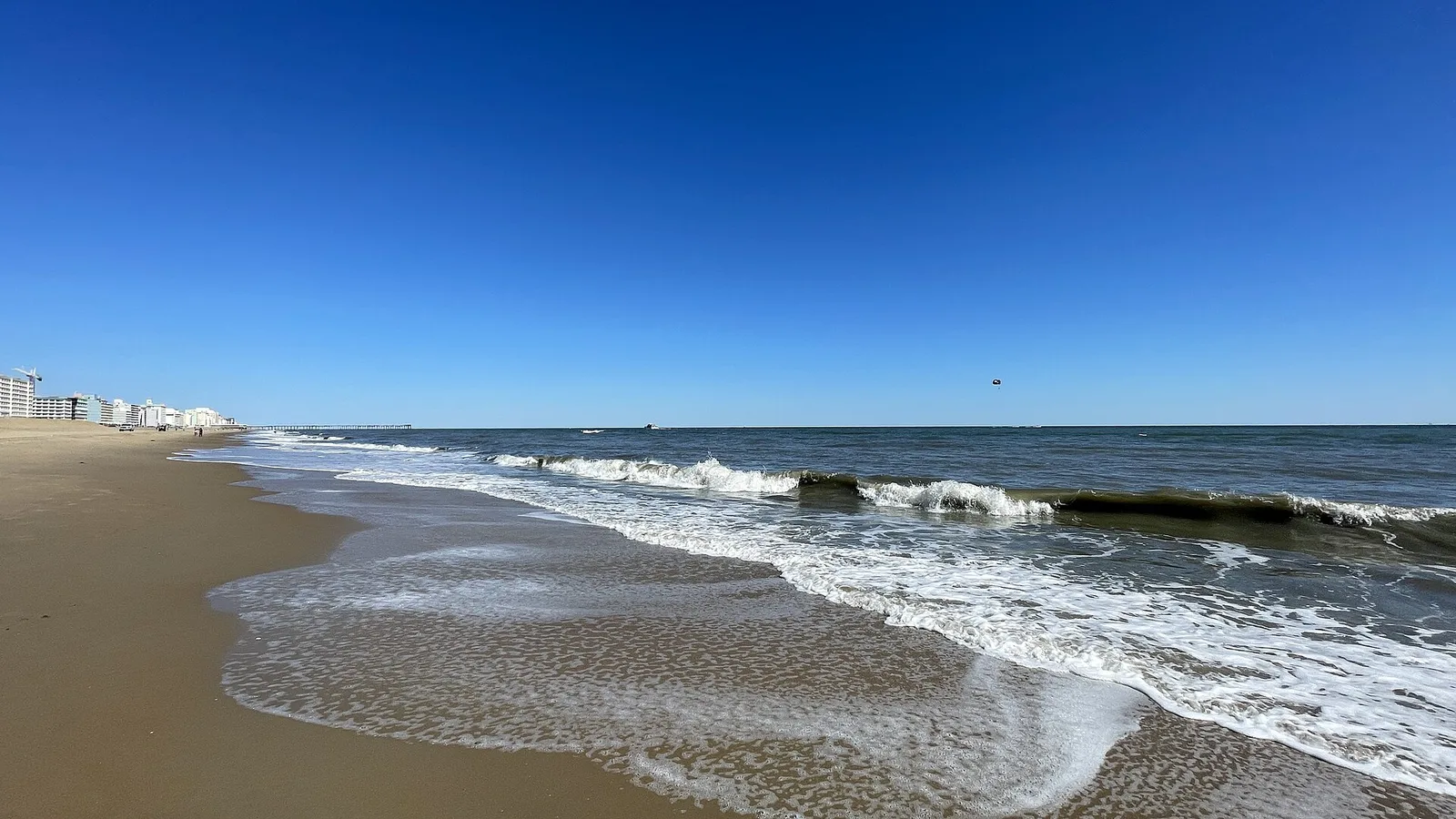
Virginia Beach rewards a clear choice of base. Stay beside the Oceanfront and a morning walk can lead straight from your hotel to the Atlantic, with restaurants and the boardwalk close by. Stay inland and the same holiday becomes a series of journeys between beach, museums, shops and accommodation. Both arrangements can work, but they produce different budgets and daily routines.
The city sits in southeastern Virginia, within the Hampton Roads region. Its Atlantic beaches, Chesapeake Bay shoreline, inland districts and protected wetlands give it a broader identity than the resort strip suggests. The official district overview helps distinguish these settings before you book. Sandbridge offers a different coastal experience from the busy Oceanfront; Town Center is an inland urban district rather than another name for the waterfront.
For a visit, decide how much beach time you actually want. For a move, start with your workplace or campus and the exact addresses of possible homes. An enjoyable beach weekend reveals little about an inland commute, an evening grocery run or an address's flood exposure.
History beyond the resort frontage
Modern Virginia Beach incorporates much more territory than its original seaside settlement. Municipal records trace the consolidation with Princess Anne County to 1963. The city's recreation history shows how services evolved across that larger area, including the transformation of a landfill into Mount Trashmore Park. That history helps explain why today's city has multiple residential and commercial centres.
Cape Henry connects the coastline to the English colonists' 1607 landing, while First Landing State Park's history also records earlier Native American navigation of its waterways. The park describes its development by predominantly African American Civilian Conservation Corps workers in the 1930s. These are different chapters of the landscape, not a single story beginning with the resort industry.
The city's historic neighbourhood programme documents African American communities established after Emancipation. Make room for such local history alongside beach photographs. Buildings, community markers and surviving neighbourhood names can offer a more grounded understanding of the city than an itinerary consisting entirely of waterfront attractions.
Oceanfront, ViBe and Rudee Inlet
The Oceanfront is the practical starting point for a short beach holiday. The three-mile boardwalk runs from 2nd to 40th Streets, linking beachfront hotels, restaurants and public spaces. Walking a selected stretch makes more sense than treating the whole length as a compulsory attraction. Grommet Island Park provides an accessible seaside playground; the King Neptune statue gives another recognisable meeting point.
Just west of the waterfront, the ViBe Creative District brings studios and other creative businesses into the trip. Browse at the pace of a neighbourhood walk, checking individual opening hours rather than assuming every studio welcomes unscheduled visitors. The district is useful for adding shopping and art to a beach day without arranging a separate expedition inland.
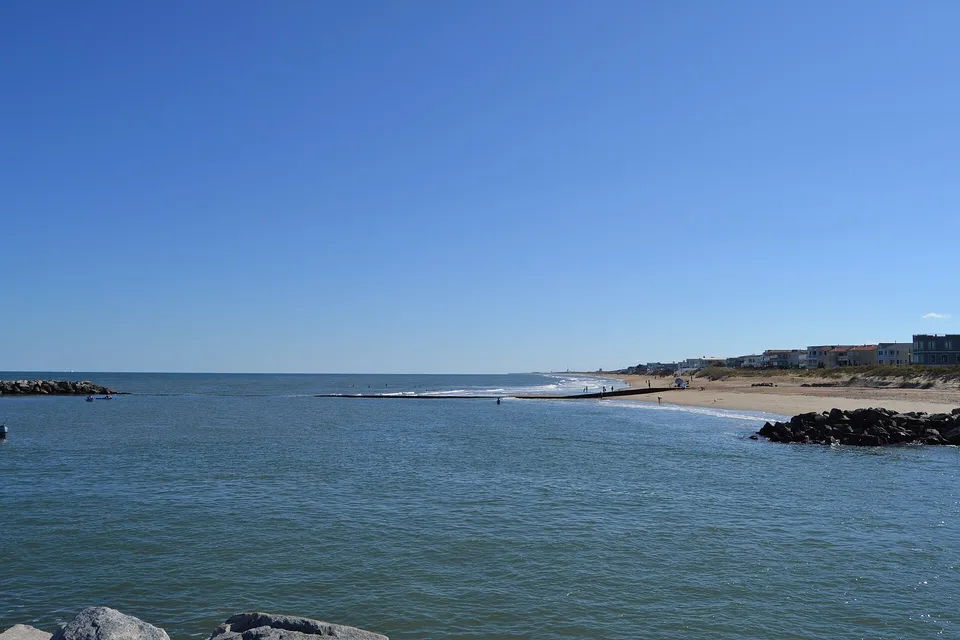
Rudee Inlet lies beside the southern Oceanfront and serves fishing and other water-based outings. Select a boat trip by its actual activity, departure point and cancellation conditions. A harbour meal and a walk may be enough if you dislike time at sea. Do not assume a wildlife excursion guarantees a sighting or that every operator can accommodate the same mobility needs.
Sandbridge, the Bay and inland districts
Sandbridge suits travellers who want to organise their stay around a coastal rental and time outside. Compare the property's precise beach access, parking, kitchen equipment and distance to groceries. A house described as being in Virginia Beach may have quite a different relationship to restaurants and attractions from an Oceanfront hotel.
The Chesapeake Bay area offers another shoreline setting, with First Landing State Park nearby. Choose it for the places you intend to use, not on the assumption that all water conditions are alike. Bay and ocean outings still require attention to weather, posted rules and your own swimming or boating ability.
Town Center is an inland option for dining, shopping and accommodation. For prospective residents, also investigate the areas around each job, school and household service you need. District names are useful orientation tools, but they cannot establish an individual home's commute or flood risk. Compare complete journeys from actual addresses before deciding that a cheaper room or rental represents better value.
Aquarium tickets, buildings and parking
The Virginia Aquarium's visitor guide lists adult admission at $35 for ages 18–69, $30 for visitors aged 70 and over, and $30 for ages 5–17. Children aged 0–4 enter free. Reserve an entry time in advance: availability is limited, and a rainy day can make the Aquarium especially attractive to other holidaymakers.
Normal opening is daily, 9am–5pm, with last general admission at 3.30pm. Thanksgiving, Christmas Day and weather closures are exceptions. Allow time for both North and South buildings and the half-mile nature trail, rather than arriving late with an expectation of seeing everything. Review the operator's renovation information for exhibits affected during your visit.
Parking costs $6 per vehicle from April 1 through October 31 and is free from November through March; members have separate parking benefits. The ticket conditions state that re-entry is not permitted. Plan food, belongings and the sequence of your visit accordingly. A reserved arrival slot is not a licence to leave and return whenever you wish.
First Landing: trails, beach and overnight limits
First Landing State Park is a substantial protected landscape of 2,888 acres, including 1.5 miles of Chesapeake Bay beach. It offers a different day from the Oceanfront: woodland and wetland routes can take priority over shops and entertainment. Consult the park map and select a manageable walk, with enough time to return before day-use access ends.
Day-use hours are 7am to dusk. The visitor centre and trail centre have separate schedules, so an open park does not mean every staffed facility is available. Budget for the park's parking charge and check the official fee information for your vehicle and date. Busy weekends can reach capacity, at which point arriving vehicles may be turned away.
The current notice schedules cabin renovations through May 2027 and directs travellers to live reservation availability. Camping and other overnight facilities have their own arrangements. Do not build a trip around an assumed cabin booking. The park also warns of nearby military training noise, including at night; a natural setting does not guarantee a silent stay.

Cape Henry requires advance clearance
The old Cape Henry Lighthouse was completed in 1792. Its operator, Preservation Virginia, distinguishes it from the newer striped lighthouse, which is closed to the public. The old tower is within Joint Expeditionary Base Fort Story, making a visit an advance planning exercise rather than a spontaneous stop after a beach walk.
Civilian visitors aged 18 and over without base access must submit the required security form at least five days, and no more than 30 days, before their timed visit. The operator requires identification and a shuttle from the base gate. It explicitly states that foreign nationals without US Department of War security passes cannot access the base. Check the full requirements directly before purchasing.
General admission is $22, with listed concessions. Opening is Tuesday–Sunday, 10am–5pm, subject to closures. The guided visit involves stairs and walking; climbers must be at least 42 inches tall, and adults cannot carry children up the tower. Travellers unable to meet access or physical requirements should choose another outing.
Back Bay is a refuge, not a swimming beach
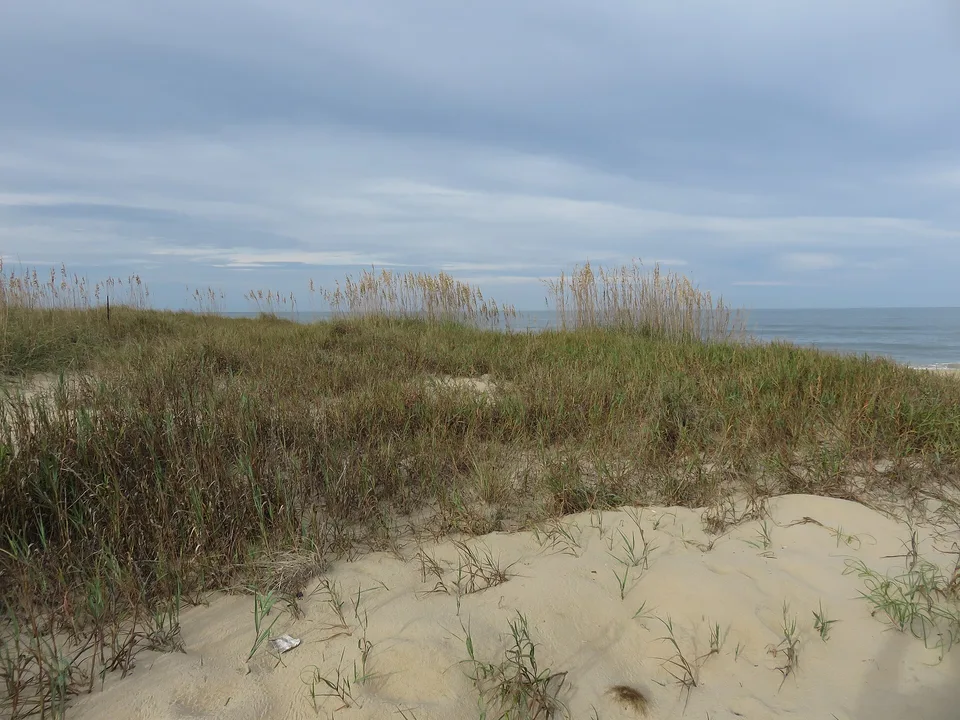
Back Bay National Wildlife Refuge is valuable for wildlife watching, photography and a quieter coastal walk. Its beach has different rules from the resort beaches: swimming, surfing and sunbathing are prohibited. Pets are prohibited except service dogs, dunes and the North Mile are closed, and visitors must follow posted access restrictions.
The refuge opens half an hour before sunrise and closes half an hour after sunset. From November 1 through March 31 both dike trails close to protect wintering waterfowl. Beach access towards False Cape remains possible, but a winter journey needs its own assessment of tides, distance and conditions. Do not simply reuse a summer route.
The Blue Goose Wildlife Tram provides a reserved outing through the refuge into False Cape State Park. The listed tram fare is $8 per person, with a separate $5 refuge vehicle entry charge during April–October unless a qualifying pass applies. Departure days and times change seasonally. Confirm a reservation before travelling; seeing a road on the map does not establish private-car access to False Cape.
Contemporary art has moved inland
Virginia MOCA's former Oceanfront building closed in January 2026, and its new home opened in April. Some older visitor information still places the museum in the ViBe district. Follow the museum's own current directions to 5811 Wesleyan Drive, rather than an outdated description of a gallery walk near the boardwalk.
The current museum visit page lists Wednesday–Sunday opening, 10am–4pm, and asks visitors to arrive at least 45 minutes before closing. Virginia residents receive free admission; out-of-state admission is $16.50, with listed discounts requiring identification. Check child and concession eligibility in the booking information for your party.
An inland museum visit can fit a day spent away from the beach, but it requires a separate transport plan. Review current exhibitions before choosing it as your wet-weather alternative. Gallery installation, public holidays and special programmes can affect access; the fact that a museum has relocated does not establish that every room is available every day.
Where to stay and what to compare
An Oceanfront hotel makes sense when beach access and walking are central to the holiday. Compare the final price, parking arrangements, room configuration and whether the advertised view matches the category you are booking. A balcony, pool or kitchenette only adds value if your group will use it. Ask about accessibility from the entrance through to the bedroom and beach access.
A coastal rental may work better for several people sharing meals and space. Establish the complete charge, including cleaning and any compulsory fees, the cancellation deadline and who handles maintenance. Confirm bed arrangements rather than relying on a headline guest capacity. A holiday rental's availability also tells you nothing about year-round lease terms.
For an inland stay, calculate beach transport and parking alongside the accommodation saving. Check evening return options if you will use buses. For park accommodation, use live reservations and the current facility notices. Leave a margin in your arrival day: a delayed flight and an inflexible check-in arrangement are a poor combination.
Getting here and travelling around
Norfolk International Airport provides rental cars, taxis, rideshare and other ground transport options. Compare the total cost to your accommodation, including luggage needs, late arrival and parking at the destination. Follow the airport's current pickup information; neither a generic city bus map nor a hotel's regional description confirms transport from the terminal door.
Hampton Roads Transit lists a $2 adult single fare, $4.50 one-day pass, $22 seven-day pass and $70 thirty-day pass for its regular network. Cash fareboxes require exact payment. Build bus journeys from the current route and timetable, including transfers and the return service. Two direct single rides cost less than a day pass, while extra trips change that calculation.
The 2026 VB Wave and Bayfront services were seasonal, ending with September's Neptune Festival; the operator's dated service notice specifies September 27. They are not an October transport solution. Check future seasonal timetables when planning a later trip. A summer shuttle route to a base gate also does not confer permission to enter that base.
Food, shopping and a workable budget
Seafood and fresh produce are useful starting points for exploring local food, but a waterfront address is not evidence of quality or price. Read current menus and check booking arrangements before making dinner the fixed point of your evening. Allow for tax, service charges and your intended tip when comparing restaurant spending with cooking in a rental.
The official market overview distinguishes the weekly Old Beach Farmers Market in ViBe from the year-round Virginia Beach Farmers Market. Pungo adds farms and seasonal produce to the wider picture. Confirm a market's trading date and a farm's current crop before driving out. Seasonal picking is an opportunity to investigate, not an activity guaranteed throughout the year.
Build the budget around accommodation, transport, meals and selected paid attractions. Two adult Aquarium tickets plus seasonal parking total $76 before food or transport. A non-Virginia adult paying standard MOCA admission would add $16.50. Balance these with a boardwalk walk or public beach time, while remembering that parking can still cost money. Avoid buying multiple attractions merely to fill each day.
Seasons and decisions about the water
The visitor bureau's seasonal information identifies the period around Memorial Day through Labor Day as the busiest beach season, typically with the highest hotel demand. May, early June and September can offer a different balance of weather and crowds. Compare actual booking dates, since an event weekend can change that balance substantially.
Summer favours a holiday centred on the water and outdoor evenings. Cooler months favour walks, galleries and indoor visits, with fewer reasons to pay for amenities you will not use. Pack for the forecast rather than an expectation that a coastal destination is always warm. Rain and wind can change a boat operator's plans as well as your own.
Check city beach rules and ocean safety information before swimming or bringing a dog. Lifeguard provision varies by location and season; do not assume staffed summer coverage continues into October. Follow warnings and posted instructions. For a coastal stay, understand official weather and evacuation messages before a storm threatens, including your accommodation's cancellation arrangements.
A three-day itinerary with realistic choices
On day one, settle into your chosen base and explore a comfortable section of the Oceanfront. Choose lunch and a ViBe walk according to business hours, leaving the afternoon flexible for beach time or rest. This is an editorial suggestion, not a promise about weather, swimming conditions or every studio being open.
On day two, reserve the Aquarium and allow a substantial part of the day for its buildings and nature trail. Follow with Rudee Inlet if the journey suits your group. A boat excursion should replace another activity, rather than become an extra obligation after a full museum visit. Keep the evening close to your accommodation if children or tired travellers need a shorter day.
On day three, choose First Landing, a reserved Back Bay tram outing, or the inland art museum. These alternatives suit different interests and mobility needs. Cape Henry requires clearance arranged before the trip. Prospective residents can use this day instead to test a commute, view properties and check household services, gaining information a beach itinerary cannot supply.
Moving: address, commute and household costs
Start a housing search with the location and hours of your work or study. Test the journey at the time you would normally travel, including the last stretch from parking or a bus stop. An attractive neighbourhood on a quiet afternoon is only one part of the decision. Compare the Norfolk or Chesapeake location pages for alternatives if they better match where daily life will take place.
The city's mapping resources include aircraft noise and land-use information. Review those alongside address-specific flood mapping, and visit a potential property when possible. Being outside a designated high-risk flood zone does not mean flooding is impossible. The city's preparedness advice explains that flood cover is separate from ordinary home insurance; obtain quotes appropriate to the property and your belongings.
Before signing, confirm rent, deposit, lease length, renewal conditions, parking and every utility responsibility in writing. Holiday accommodation does not establish a realistic permanent housing budget. Ask about maintenance response, heating and cooling, internet installation and laundry. Compare the complete household cost with transport and insurance included, rather than selecting a home from its advertised rent alone.
Utilities, schools and essential services
The city's Public Utilities online services accept requests to start, stop or transfer service. Arrange the change around your tenancy dates and confirm what your landlord already supplies. Online submissions outside business hours wait until the next business day; urgent issues require the city's stated contact route. Electricity and internet need their own address-specific arrangements.
Families can use the public-school locator to identify assigned elementary, middle and high schools. The district bases normal assignment on residence within attendance zones. Check enrolment documents and any special placement process directly, before treating a listing's school description as a guarantee. Also investigate childcare availability and the journey each household member will make.
Review health coverage before the move and identify providers accepting it. Sentara's emergency locations include Virginia Beach General and Princess Anne hospitals, but an emergency department is not a substitute for establishing routine care. Bring medication information and plan prescription continuity. Include insurance premiums, deductibles and any ongoing treatment in the household budget.
Norfolk as a separate day out
Norfolk can provide a worthwhile change of setting without pretending it is a Virginia Beach neighbourhood. The Chrysler Museum of Art offers free admission at One Memorial Place. Its normal hours are Tuesday–Saturday, 10am–5pm, and Sunday, noon–5pm; it closes on Mondays. Check the exhibition and holiday information before choosing a date.
Treat the museum as the centre of a separate outing, with transport arranged from your accommodation. If you are comparing places to live, use the journey to examine whether a Norfolk address would better serve your own routine. A regional sightseeing day and a reliable daily commute remain different decisions.
Tourism, work, study and permanent residence
Virginia Beach has no separate immigration permission. Use the VisaWand USA country guide for context and official federal resources for your own travel purpose. The Department of State visitor visa guidance distinguishes tourism from employment, formal study and permanent residence. A holiday booking, local contact or property purchase does not create a right to work or settle.
For employment, review the temporary worker categories with the prospective employer; many require an approved petition. For academic or vocational study, follow the student visa process, including acceptance by an approved school and the appropriate documentation. Permanent relocation requires an eligible immigration route of its own. Do not substitute a visitor itinerary for that process.
Check the requirements applying to your nationality and circumstances before committing to non-refundable plans. VisaWand's consultant listings can help you find assistance, while decisions remain with the relevant authorities. The USA destination page and location directory support comparison; directory listings do not necessarily contain completed guides. Nearby destinations deserve their own research rather than assumptions drawn from Virginia Beach. The completed Raleigh guide offers another regional city to compare.
Official planning resources
Reviewed 13 October 2026. Use the official resources linked throughout this guide for admission, transport, housing and immigration decisions. Prices, services and rules can change; confirm the details relevant to your dates. Photography illustrates the locations and is not a live view.
View all official resources
- Virginia Beach districts and beach areas
- City recreation and consolidation history
- Historic African American neighbourhoods
- Oceanfront boardwalk visitor information
- City ViBe arts district information
- Aquarium current admission hours and parking
- Aquarium timed ticket and re-entry conditions
- First Landing park access and cabin renovation notice
- Cape Henry lighthouse tickets military clearance and access restrictions
- Back Bay refuge seasonal access and beach rules
- Blue Goose tram reservations and seasonal fees
- MOCA dated relocation information
- MOCA current address hours and admission
- Norfolk Airport official ground transportation
- Hampton Roads Transit current fares
- VB Wave 2026 seasonal route information
- HRT dated 2026 seasonal service notice
- Official farmers and seafood market information
- Seasonal visitor planning information
- City beach safety and rules
- City address and aircraft noise mapping
- City floodplain and address risk mapping
- City household flood insurance and preparedness
- City utility service requests
- Public school address locator
- Sentara emergency locations and access
- Federal visitor visa requirements
- Federal temporary worker visa categories
- Federal student visa requirements
- Federal immigration resources
- Norfolk Chrysler Museum admission and hours
Plan the next part of your journey
Explore the United States guide, browse other cities or compare consultants for your travel and relocation questions.