Visa

Omaha beside the Missouri River
Omaha offers several distinct reasons for a visit: a substantial zoo outing, art and railway history, neighbourhood dining and time along the riverfront. The official visitor information places the city's founding in 1854 beside the Missouri River and explains that its name comes from the Omaha Tribe. Its development involved Native peoples, railroad workers, meatpackers and successive generations of residents. Those histories give the city more depth than an itinerary organised around one attraction alone.
The river also makes geographical precision useful. The Bob Kerrey Pedestrian Bridge links Omaha with Council Bluffs, Iowa. Crossing it takes you to a different state, rather than another Omaha neighbourhood. Keep that distinction in mind when comparing accommodation addresses, household services or a potential commute across the metropolitan area.
For a short stay, choose a base around the journeys you expect to make most often. A visitor focused on the zoo will organise a day differently from someone attending downtown appointments or spending evenings in Benson. For a possible move, use the trip to test everyday routines as well as sightseeing: groceries, the journey to work, access to schools and the practical condition of the homes you are considering.
Old Market, Benson and North Omaha
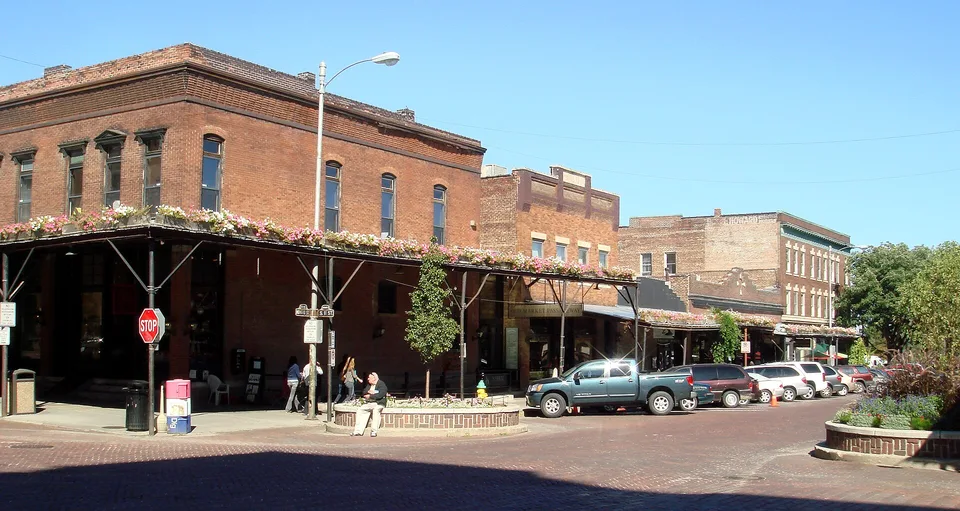
The Old Market offers a practical introduction to downtown, with historic brick buildings, cobblestone streets, restaurants, galleries and independent shops. The visitor bureau describes the district as roughly 10th to 13th streets between Farnam and Leavenworth, close to downtown hotels and The RiverFront. Use that as a starting area for exploring rather than treating every business bearing a downtown address as part of the same compact walk.
Benson provides a different evening option. Its compact entertainment district follows Maple Street, with live music, restaurants, bars and public art. First Friday arts programming offers another reason to investigate a particular date, but check the current participants and programme before building the evening around it. Plan the return journey alongside the venue choice; a place that is easy to explore once you arrive may still need a separate transport arrangement from your hotel.
North Omaha adds important cultural and historical perspectives. The visitor information highlights the area's jazz heritage and Malcolm X's birthplace, where the memorial foundation maintains educational and community facilities. Choose a specific site or programme and consult its own visitor arrangements before setting out. A neighbourhood overview introduces possibilities; it does not confirm opening hours or guarantee access to an event.
Three connected riverfront parks
The RiverFront brings together Gene Leahy Mall, Heartland of America Park and Lewis and Clark Landing. The operator describes 72 acres of connected downtown park space between the Old Market and north downtown, with an interactive map for choosing particular destinations. Gene Leahy Mall reopened in July 2022, followed by the other two parks in August 2023. This is an established park network, rather than a future redevelopment to wait for.
The published park hours are 5am to 11pm. Use the map to choose a sensible stretch for a walk and check the calendar for programmes that interest you. A long opening window does not mean every activity or nearby business operates throughout it. Leave room for weather changes and a rest stop instead of treating all three parks as another attraction to complete in a rush.
Henry Doorly Zoo: use the right season's admission
Omaha's Henry Doorly Zoo and Aquarium deserves a substantial part of a day rather than a brief stop between appointments. Start with the operator's seasonal admission page, which lists spring and autumn rates for March and April and October and November. Those rates are $28.95 for visitors aged twelve and above, $20.95 for children aged three to eleven and $25.95 for seniors aged 65 and above. Children aged two and under enter free. Summer and winter have different rates, so match the ticket to the visit date.
The zoo lists free guest parking and year-round opening except Thanksgiving and Christmas Day. Check current hours and weather arrangements before setting out. A calendar entry for an evening event should not be treated as the ordinary daytime visit schedule.
The visit-planning information distinguishes the habitats included in daily admission from paid extras: Scott Aquarium is included, while the Lozier Giant Screen Theater requires a separate ticket, currently $7 per non-member per film. Other rides and encounters have their own prices and operating conditions. Decide which extras matter to your party before calculating the day's cost.
Outside food and drinks are permitted, with glass containers and alcohol excluded. That makes a packed meal an option, especially for families who want to spend longer exploring. Choose a manageable route around the habitats and leave time for breaks. Weather, staffing and animal participation can affect experiences, so keep the day flexible instead of promising every advertised activity to a child in advance.
The Joslyn: free galleries, with a separate exhibition check
The Joslyn Art Museum's visitor information makes it an accessible cultural anchor for an Omaha trip: general admission is free, including the permanent collection and most temporary exhibitions. Selected temporary exhibitions carry a ticket charge for visitors aged thirteen and above, while children aged twelve and under enter those exhibitions free. Check the particular exhibition rather than assuming every programme is included in general admission.
Regular museum hours are Tuesday through Sunday, 10am to 4pm, with Thursday opening extended until 8pm. Mondays and major holidays are closed. The site lists free onsite parking on a first-come basis and places Metro's 24th and Dodge ORBT station just west of the museum. Those options help when choosing between driving and transit, but do not guarantee a parking space on a busy day.
Give the galleries a deliberate place in the itinerary rather than squeezing them into the final half-hour. Thursday evening can work well for visitors whose daytime appointments limit sightseeing. Confirm cafe hours separately if you intend to combine the museum with a meal; museum opening time and full food service are different things.
The Durham Museum: history inside Union Station
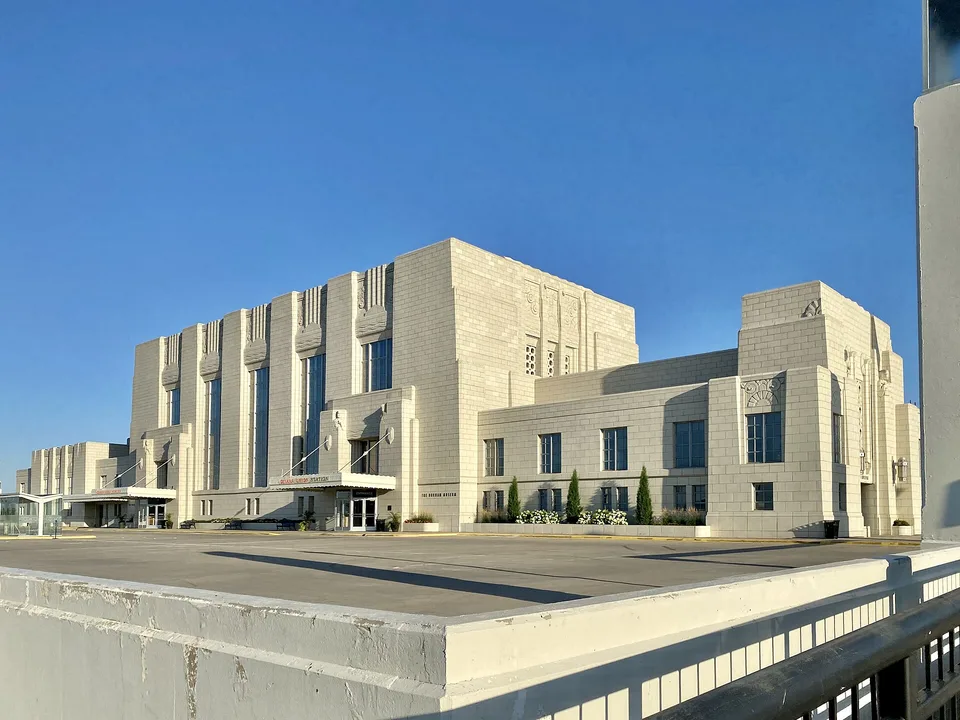
The history of Omaha's Union Station is part of the reason to visit the Durham Museum. The station opened on 15 January 1931, and its former main waiting room is now the Suzanne and Walter Scott Great Hall. The last passenger train departed in 1971. This is a museum in a historic railway building, so plan your visit around its exhibitions rather than treating it as an operating departure station.
The museum's current autumn admission information lists adults at $17, seniors aged 62 and above at $14, and children aged three to twelve at $10, with tax added to those prices. Children aged two and under enter free. For a family, calculate the total using each child's actual age rather than applying another attraction's age bands.
Autumn hours are 10am to 4pm from Tuesday through Saturday and noon to 4pm on Sunday; Mondays are closed. The museum also lists holiday closures and directs visitors to its calendar for individual dates. A Sunday morning plan therefore needs a different first stop. Keep enough afternoon time for the museum instead of expecting the same opening hours as the Joslyn.
Metro, ORBT and paying for onward journeys
Metro's published regular adult bus fare is $1.25, with a 25-cent transfer purchased when paying the fare. Transfers cover continuous travel in the same direction on as many as three buses, for ninety consecutive minutes on weekdays or 120 minutes at weekends. Those conditions matter: a transfer is not an unlimited sightseeing ticket for retracing your route.
Cash fareboxes issue credit for overpayment rather than cash change. Use the correct amount when practical, and read the payment instructions before boarding. The operator also lists a $55 unlimited pass for thirty consecutive days. Compare that with your expected journeys rather than buying a longer pass automatically for a brief visit.
Umo provides app, smart-card and paper-token payment options. Riders choose between the app and smart card, and neither can pay for more than one person. ORBT uses Umo for fare payment and checks proof through periodic inspections; eligible activated paper passes are also accepted under the operator's rules. Each traveller needs an appropriate payment method rather than relying on one phone for the whole group.
Umo's account-based fare cap applies to a calendar month, currently reaching $55 for full-fare riders. That is a different period from the thirty-consecutive-day pass. A stay spanning two months needs its own comparison. Paper tokens do not become part of the Umo account, so do not assume their purchases count towards the account cap.
Eppley Airfield: follow current pickup directions
The airport's ride-app pickup instructions place Uber and Lyft on the ground floor of the South Garage, in Section D3, reached using terminal skywalks or an open crosswalk. The airport wayfinding page also identifies that area for taxis. Follow current signs and communicate the meeting location to your driver instead of waiting at an arrivals kerb by habit.
The airport permits customers with disabilities using ride apps to arrange commercial-vehicle kerbside pickup or drop-off by communicating that need to the driver. Check the appropriate arrangements before travel if the garage connection would be difficult. For any arrival, allow time to collect luggage and reach the meeting point; the quoted flight arrival time is not the time you will be ready to leave the airport.
For a bus connection, consult the current Route 106 Eppley Connector page and its linked timetable. This is the route previously numbered 16, and the published schedule operates on weekdays only. The route page also lists downtown construction detours and an airport stop relocation. Check the actual journey in MyRide OMA against your flight time; a weekend or a gap in service needs another arrangement. Do not rely on an older Route 16 map to locate the present stop.
Accommodation: select a base for your main purpose
For a museum and riverfront visit, start by comparing downtown accommodation against the actual addresses on your itinerary. The Old Market visitor information places its compact district close to downtown hotels, making that area a useful candidate for evenings spent browsing and dining. Check walking routes, entrances and accessibility rather than deciding on a hotel from its district name alone.
If the trip centres on work, study or medical appointments, begin with the relevant campus or workplace and assess the door-to-door journey. A room convenient for sightseeing may put your daily appointment farther away. Airport accommodation can be practical for an early departure, provided its shuttle or other transfer works at the hour you need. Ask the hotel directly about operating times and advance arrangements.
For longer stays, compare laundry facilities, a usable kitchen and the total price with those of a conventional room. Confirm taxes, parking, required charges and cancellation terms for your dates. If you need step-free access, request information about the particular room and the route to it. A temporary base can be especially helpful for a relocation visit: you can inspect properties and test commutes before committing to a longer lease.
Meals, shopping and a budget built from real choices
The visitor bureau's dining resources offer a starting point for comparing cuisines and areas. Omaha's food identity includes the Reuben sandwich; the official Reuben directory describes its corned beef, sauerkraut, Swiss cheese and dressing. Use the directory to find current businesses, then check their own menus. Choosing one dish to investigate is more useful than assuming every celebrated restaurant matches your budget or dietary needs.
The Old Market's shops, galleries and restaurants lend themselves to an outing that combines browsing with a meal. Benson may suit an evening organised around music and food. Keep purchases separate from your daily essentials, and make reservations or check kitchen hours where a particular meal matters. A venue can remain open for drinks after its food service finishes.
Build the budget around your actual accommodation quote, arrival transport and the attractions you select. The Joslyn's free general admission and a riverfront walk offer different spending choices from the zoo's admission and optional extras. The Durham's quoted ticket prices have tax added. For a household, check each attraction's child age bands rather than applying one definition everywhere. Review restaurant bills for included charges before adding anything further, and keep a small allowance for changes in transport or plans.
Weather and choosing a season
The official seasonal visitor advice describes four distinct seasons. Spring and autumn call for layers, particularly for cooler mornings and evenings, while summer plans need lightweight clothing, sun protection and water. Winter visits require a warm coat, gloves and footwear with traction, with forecasts and road conditions checked when snow or ice is expected.
For a trip combining neighbourhood walks with museums, consider spring or autumn and build in an indoor alternative. Summer can work for a zoo-led visit if you leave time for breaks and adjust outdoor activity to the conditions. A winter cultural weekend can focus on the galleries and Durham Museum, while treating long outdoor walks as weather-dependent. These are itinerary choices rather than promises of particular conditions on your dates.
If you are considering a move, observe the practical needs of the home beyond the season in which you first see it. Ask about heating and cooling, snow clearance, access to parking and responsibility for maintaining shared paths. A short pleasant visit cannot answer how the property or commute functions through the rest of the year.
Three days with room to enjoy the stops
This suggested itinerary gives the major attractions time instead of combining everything in one crowded day. Set the order around opening days: the Joslyn and Durham close on Mondays, and Durham opens at noon on Sundays. Confirm individual dates before making reservations, particularly around holidays.
On day one, settle into your accommodation and explore the Old Market and a manageable stretch of The RiverFront. Choose shops or galleries that interest you, then have dinner without adding a distant second district. If you arrive early enough and want a museum, use the afternoon for Durham; on a Sunday, remember the later opening. A delayed arrival can still leave a worthwhile evening without sacrificing a paid ticket.
Dedicate day two to the zoo. Pick priority habitats from the operator's map, decide whether the theatre or other extras fit your interests, and leave time for food and rest. Keep the evening light, especially with children. A full day outside and across a large attraction is not an ideal lead-in to several tightly timed dinner and entertainment bookings.
On day three, visit the Joslyn and then choose a neighbourhood outing, such as Benson for an evening programme or a specific North Omaha cultural site. Check the latter's own opening or event arrangements in advance. If you are investigating relocation, use part of this day for property appointments and a trial journey at your expected commuting hour. Replace an outing with that practical work rather than pretending both fit comfortably.
Moving: put the home, journey and services together
A housing shortlist should begin with the actual destination you will travel to most days. Try the full journey at the relevant hour, including the walk to a bus stop, any transfers and the return service. If you expect to drive, check parking at both ends. Compare transport costs and time alongside rent; an attractive apartment can still be a poor match for the household's routine.
Request a written breakdown of rent, deposits, application charges, parking and utilities. Inspect heating, cooling, plumbing, storage and the available laundry arrangements. Ask who deals with repairs and how to report an urgent problem, and confirm lease duration, renewal terms and any pet conditions. Photograph the agreed condition when taking possession, keeping the record with the lease and correspondence.
The Omaha Housing Authority's public-housing application page currently limits its waiting-list opening to one-bedroom apartments for seniors aged 62 and above. Read the current eligibility and application information before relying on assistance. A waiting-list application is not a guarantee of accommodation for an arrival date, and one programme's rules should not be treated as the rules for every housing option.
Electricity, schools and ordinary household needs
Omaha Public Power District's residential customer-service resources include requests to start, stop or move electricity service. Confirm the property address, requested date and any account requirements directly with the provider. Establish which utility accounts the landlord keeps and which you need to arrange yourself, including responsibility for water, heating fuel and internet. Make those enquiries before move-in rather than discovering an omitted service on the first evening.
Use Omaha Public Schools' school-finding resources to investigate an address and ask the district about assignment and registration. The district explains that a student's home address determines the school unless an application to another school is approved. Verify the responsible district for the property before applying; a metropolitan Omaha address should not be your only evidence of a particular school's availability.
Locate grocery shops, a pharmacy and healthcare providers compatible with your coverage. For families, compare childcare hours with the expected commute and ask about availability before building a work schedule around a place. These ordinary services help determine whether a home is suitable even when its location looks convenient on a visitor map.
Tourism, work, study and settlement are separate decisions
For international travel, begin with the Department of State's visitor-visa instructions and the embassy or consulate relevant to your application. Temporary tourism and permitted business visits differ from employment, study and permanent residence. A visit to inspect Omaha homes does not itself authorise taking a job or settling permanently.
Resolve the purpose of the trip before making commitments that depend on an immigration outcome. Employment, university study or a family-based move can require different processes and supporting information. Follow the official instructions that apply to your circumstances, and check the permitted activities and stay rather than assuming a general visitor arrangement covers the plan.
VisaWand's United States country guide offers broader context, and its consultant listings can help you identify advice for your intended route. Confirm qualifications, written scope and fees before engaging an adviser. Hotel reservations and housing agreements do not establish immigration eligibility; keep those decisions aligned with what the official process actually permits.
Across the river and other places to consider
Council Bluffs, Iowa, is a separate city connected to Omaha across the Missouri River. The pedestrian bridge offers one way to appreciate that geography, while a prospective resident needs to investigate the particular cross-river commute and services. Verify the property's location before applying Omaha-specific information to it.
For other US options, compare the published Denver guide or Chicago guide against the transport and household arrangements that matter to you. VisaWand's United States location directory also provides places to investigate; a directory entry is not necessarily a completed travel guide. A useful shortlist starts with your purpose, expected routine and budget, then tests each place against those needs.
Official planning resources
Reviewed 13 October 2026. Use the official resources linked throughout this guide for admission, transport, housing and immigration decisions. Prices, services and rules can change; confirm the details relevant to your dates. Photography illustrates the locations and is not a live view.
View all official resources
- Official Omaha geography and history information
- Official Old Market neighbourhood visitor information
- Official Benson visitor information
- Official North Omaha heritage resources
- RiverFront operator parks and opening information
- Zoo seasonal admission rates and visitor hours
- Zoo admission inclusions and paid extras
- Joslyn general admission, exhibitions and opening hours
- Durham Museum Union Station history
- Durham Museum autumn hours and admission plus tax
- Metro current fares and transfer conditions
- Metro Umo payments and monthly fare cap
- Eppley Airfield ride-app pickup arrangements
- Airport current taxi and ride-app wayfinding
- Current Route 106 Eppley Connector and construction alerts
- Official Omaha dining guides
- Official Omaha Reuben restaurant directory
- Official Omaha seasonal visitor advice
- Omaha Housing Authority application and waiting-list restrictions
- OPPD residential electricity service resources
- Omaha Public Schools school assignment information
- Official US visitor visa instructions
Plan the next part of your journey
Explore the United States guide, browse other cities or compare consultants for your travel and relocation questions.