Visa
A riverfront city with more than one centre
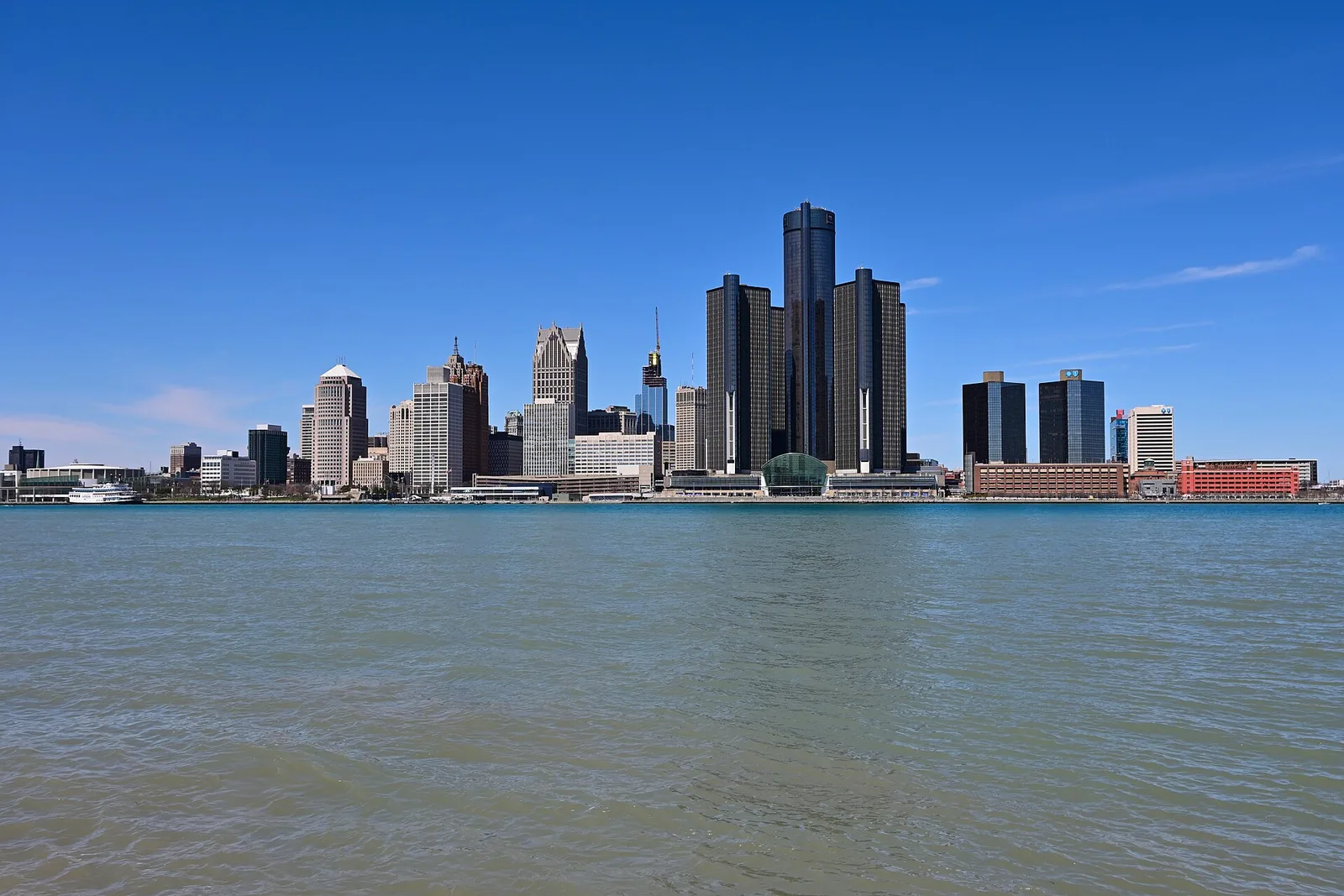
Detroit is most rewarding when you give its different districts room to tell their own stories. Downtown brings the river, a striking skyline and large entertainment venues. Midtown offers substantial museums; Corktown pairs neighbourhood streets with the restored Michigan Central station. A Saturday at Eastern Market adds another perspective. The distances between those experiences matter, so plan each day around a connected area rather than treating the entire city as one walking circuit.
For prospective residents, that same geography is the starting point. A home needs to work with the actual workplace, school and essential errands, not simply have a Detroit postal address. Detroit is a Michigan city on the Detroit River. Dearborn, Hamtramck and Highland Park are separate municipalities, while Windsor, Ontario, is across an international border. A central hotel stay is useful reconnaissance, but it provides only a partial picture of daily life in the wider region.
History beyond the Motor City label
The Detroit Historical Society’s founding account dates the French settlement to July 24, 1701, under Antoine de la Mothe Cadillac. Anishinaabe peoples lived in and cared for the region long before that arrival. Beginning the story with those communities, rather than with automobile factories, helps explain Detroit’s older relationship with the waterway and trade.
The city’s historical overview connects that river settlement with the growth of automobile manufacturing and its influential musical culture. These are reasons to explore more than preserved buildings: museums can reveal the people, work and cultural exchanges behind the familiar names. Detroit’s industrial identity is especially visible in Diego Rivera’s murals at the DIA. Read those alongside African American history and neighbourhood histories instead of compressing the city into either a manufacturing success story or a simple account of decline and revival.
Choosing districts that fit your interests
Use the official Detroit destination directory to distinguish central neighbourhoods from the wider metropolitan counties. Downtown works for a riverfront-focused break and entertainment bookings; Midtown suits visitors who expect to spend considerable time in cultural institutions. Corktown is an alternative for dining and neighbourhood exploration. Eastern Market deserves a visit of its own, especially when the public market is operating.
Midtown’s cultural centre includes the Detroit Institute of Arts and the Charles H. Wright Museum of African American History, with Wayne State University part of the surrounding district. Choose a museum as the day’s main commitment rather than assuming you can absorb every collection in a few hours. For accommodation or relocation, calculate the journey between your exact addresses. A location within a familiar district can still require a meaningful walk, a bus connection or a different return plan after an evening event.
Corktown and the restored Michigan Central
Corktown lies west of downtown and retains a historical association with Irish immigration. Michigan Avenue offers a route for exploring cafés, restaurants and shops. Give the neighbourhood more time than a single station photograph, but avoid assuming every business shares the same hours. Pair a chosen meal with a walk that fits the weather and your onward transport.
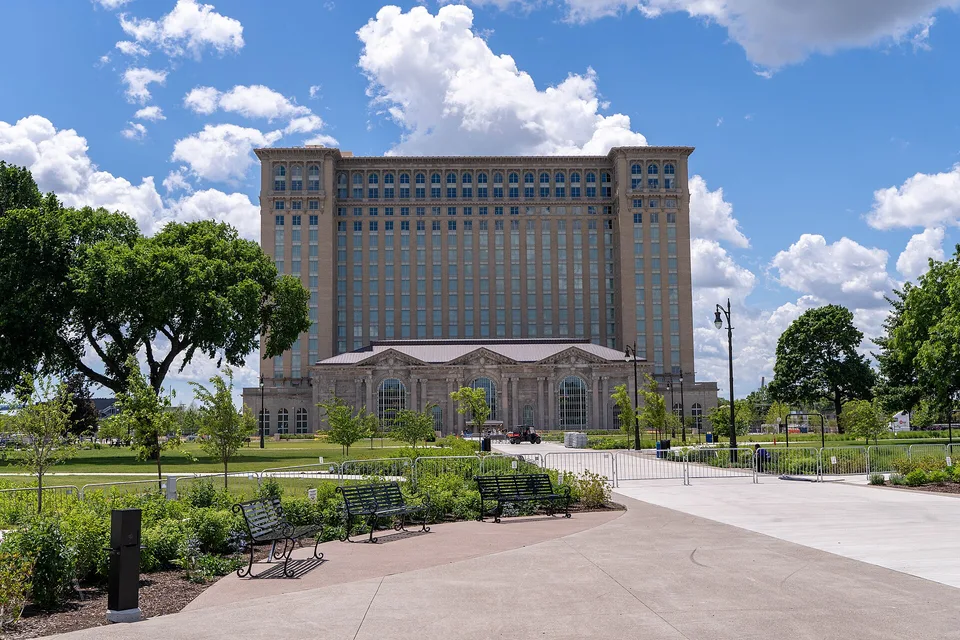
Michigan Central has a restored public lobby, currently listed as open daily from 8 a.m. to 5 p.m., subject to closures and access changes. Guided tours, retail premises and other areas have separate arrangements. Check the operator’s visit page before travelling and book the appropriate tour if you want that experience. This is a restored historic station and contemporary campus, not Detroit’s current Amtrak boarding point. Photography inside also has restrictions, including limitations on professional equipment and portrait sessions; an ordinary visit does not authorise a commercial shoot.
Eastern Market: go for the market you mean to visit
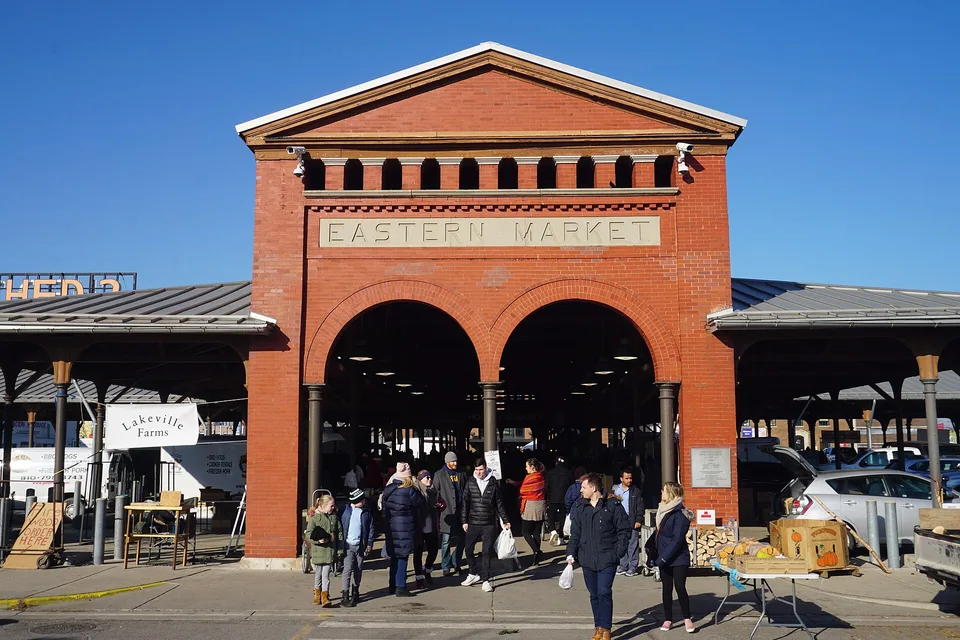
Eastern Market’s Saturday public market runs year-round, with published hours of 6 a.m.–4 p.m. Its sheds and surrounding businesses make a good morning of food shopping and browsing. Arriving with time to look around is more useful than rushing in shortly before the advertised closing time, when your preferred vendor’s selection may already be limited.
The Tuesday and Sunday summer markets run from June through September, so they should not be treated as weekly October options. Holiday markets have their own calendar. Shops in the wider district also keep individual hours, distinct from the public-market timetable. Use the operator’s vendor directory and map to choose a practical route. Ask vendors before photographing them or their stalls, and check permissions if you intend to use mural imagery commercially. Bring a bag and consider how purchases will travel, particularly if food needs refrigeration before a flight.
The DIA: allow time for art and check gallery access
The Detroit Institute of Arts is a substantial reason to spend a day in Midtown. Diego Rivera’s Detroit Industry Murals, created in 1932–33, surround Rivera Court and provide a particularly relevant connection between art, industry and labour. Let that be a starting point for exploration rather than a reason to hurry past the rest of the collection.
At the October 2026 check, standard adult general admission is $20. Members and residents of Macomb, Oakland and Wayne counties receive free general admission with the required identification; special exhibitions have separate pricing. Regular opening is Tuesday–Thursday, 9 a.m.–4 p.m.; Friday until 9 p.m.; and weekends, 10 a.m.–5 p.m. Monday is closed. Several galleries remain temporarily closed during improvements, with Modern and Contemporary galleries scheduled to reopen November 15, 2026. Confirm the current list before booking around a particular collection.
African American history and the city's wider story
The Charles H. Wright Museum of African American History offers another important cultural visit close to the DIA. Standard adult admission for ages 18–61 is $15; premiere exhibitions add $10, including for members, with the stated young-child exemption. It closes on Mondays, and Thursday has extended hours. Check the specific exhibition and visit arrangements rather than assuming one ticket covers every programme.
The Detroit Historical Museum provides a further option for understanding the city itself. Choose between these experiences according to your interests and available time, or spread them over different days. A museum district makes several venues accessible to one another, but proximity is not the same as having enough time to engage with them. At the Wright, photography in exhibition spaces is prohibited. Keep that restriction in mind if photography is a major part of your travel plans.
Music: distinguish an active programme from a future reopening
Detroit’s musical history makes music an obvious thread for a visit, but the dates need attention. Motown Museum’s Hitsville U.S.A. guided tours paused on January 20, 2026, for construction. The operator plans reopening in spring 2027; that is a plan, not a confirmed opportunity to tour during an October 2026 stay. The separate Psychedelic Soul exhibition also advertised an end date of September 27, 2026.
For a live performance, explore the Detroit Symphony Orchestra’s current events and tickets. Choose the programme first, then check the venue, start time, ticket terms and transport home. Evening entertainment should shape the rest of that day: a long museum afternoon, an early dinner and a concert need realistic intervals. Avoid booking on the assumption that an advertised musical heritage guarantees a particular performance every night or that a historic attraction is currently open.
Belle Isle: an island outing with separate opening days
Belle Isle Park is a large island within Detroit, with different attractions and enough ground to justify a planned outing. The Anna Scripps Whitcomb Conservatory currently opens Wednesday–Sunday, 10 a.m.–5 p.m.; the aquarium opens Thursday–Sunday, 10 a.m.–4 p.m. Choose your day accordingly. The James Scott Memorial Fountain’s surrounding plaza has reopened, but water operations are planned to resume in spring 2027.
Vehicle entry generally requires a Michigan Recreation Passport. For a vehicle registered outside Michigan, the checked daily price is $12; the annual pass is $42 and expires December 31. These categories concern vehicle registration, not your nationality. Entry on foot or by bicycle, and travel on a public transit authority bus, do not require that passport. The DNR lists DDOT bus access to the island. Check the actual bus timetable and attraction hours together, leaving time for the return rather than assuming every island facility is open daily.

Getting from the airport or passenger station
Detroit Metropolitan Airport is a separate journey from the central city. The airport’s public-transport page identifies the pickup points for Detroit Air Xpress, or DAX: McNamara Terminal’s Departures Level near Door 1, and the Evans Terminal’s Ground Transportation Center. Follow current signs and confirm the terminal for the return flight. Do not apply one terminal’s pickup instructions to the other.
DAX’s checked standard fare is $6 booked online in advance or $8 when boarding. Its downtown stop is near 1119 Washington Boulevard, between Michigan Avenue and State Street. Check the published departure that fits your flight and leave time for your hotel connection. SMART’s FAST Michigan Route 261 is another airport option, with its own stops and timetable. Rail arrivals use Amtrak’s Detroit station at 11 West Baltimore Avenue in New Center. Arrange onward transport from there rather than travelling to Michigan Central expecting to board a train.
Local transport: useful corridors, different products
The QLINE streetcar is free and follows the Woodward corridor between Congress Street and Grand Boulevard. Its current published hours are Monday–Saturday, 8 a.m.–midnight, and Sunday until 9 p.m. It can help with central cultural visits, but does not provide airport service or cover every neighbourhood. Match the stop to the place you intend to visit.
The city’s fare table distinguishes regional Dart passes, accepted on DDOT and SMART buses, from DDOT-only products. Standard regional prices are $2 for four hours, $5 for 24 hours, $22 for seven days and $70 for 31 days. A cheaper DDOT-only pass will not cover the same regional travel. Token Transit is the current mobile-ticketing platform; check its activation instructions. The People Mover offers free downtown-loop rides. Check service announcements and accessible station access; the Water Square elevator is currently out of service.
Where to stay: location before the headline rate
The official accommodation directory covers metro Detroit as well as central hotels, so read each address carefully. Downtown is a practical starting point for riverfront and entertainment plans; Midtown may reduce journeys on a museum-focused trip. Corktown provides another neighbourhood base. Airport hotels and properties in separate suburbs can be useful for particular work or travel needs, but should not be described as central Detroit accommodation.
Compare the final payable total, including taxes, parking and mandatory charges. Confirm room layout, step-free access and whether a kitchen or laundry is actually included. For a short break, savings on the room can be offset by repeated transport costs. For a relocation scouting trip, flexible cancellation and access to prospective workplaces may be more valuable than a landmark view. Ask about the late-arrival process if your flight lands after the last convenient public-transport connection.
Food and shopping with a local focus
Detroit-style pizza and coney dogs are recognisable local food traditions, but they need not define every meal. The official food directory can help you choose restaurants in the district you are already exploring. Browse current menus and opening times before making a special journey, and ask directly about dietary needs or allergens rather than assuming a dish is suitable from its name.
Eastern Market is useful for food purchases, while Corktown and Midtown offer different browsing opportunities among shops and cafés. Leave some time unassigned so an interesting store does not become an interruption to a rigid schedule. If shopping for a future household, compare delivery, installation and return conditions as well as prices. Visitors buying food or plant products to take abroad should check the destination’s import rules before purchasing; something sold openly in Detroit is not automatically permitted across a border.
A budget based on decisions rather than averages
At the checked adult prices, a general-admission visit to the DIA and the Wright totals $35 before special exhibitions. Two advance DAX journeys add $12. Three separately purchased standard 24-hour regional Dart passes add $15. Together those choices total $62, excluding accommodation, food, other tickets and any parking or island vehicle pass. This is a transparent example, not a claim about what every visitor will spend.
Use current menus and hotel quotes for the remaining items. Decide whether a rental car is needed for a specific excursion, then compare its full cost with the actual alternative journeys. For relocation, add health cover, household utilities, insurance, deposits and furnishing to the housing calculation. A lower advertised rent does not by itself establish a cheaper household once commuting and other bills are included. Keep one-off move-in costs separate from a sustainable monthly budget.
Weather: summer outings and a workable winter plan
Detroit has four distinct seasons, with hot summers and cold winters. Late spring through early autumn gives more opportunities for riverfront and island outings, although heat, thunderstorms and changing conditions still require flexibility. Autumn can suit a combination of museums and outdoor walks. Winter rewards a plan with substantial indoor time and realistic allowances for snow, ice and cold journeys between venues.
Pack according to the forecast for your dates, rather than treating a seasonal description as a promise. Winter footwear, gloves and layers matter if you intend to wait for buses or walk several blocks after a concert. Summer visitors should consider how a hot afternoon changes a long outdoor route. Prospective residents need a more practical inspection: ask about heating, cooling, insulation and snow-clearance responsibilities at the property. A neighbourhood seen on a comfortable holiday afternoon should also work during the season in which you will commute.
A realistic three-day itinerary
Day one: explore downtown and part of the Riverwalk, then choose a meal and an evening event if one fits your dates. The Riverfront Conservancy lists daily access from 6 a.m. to 10 p.m.; after 6 p.m., under-18s must be accompanied by a parent or legal guardian aged at least 21. Check that policy when planning with teenagers.
Day two: make Midtown the main destination. Choose the DIA or the Wright as the substantial museum visit, with another venue only if your energy and timetable allow. Monday closures require rearranging this plan. Day three: spend a Saturday morning at Eastern Market, followed by Corktown and Michigan Central. On another weekday, substitute Belle Isle when the desired attractions are open. Do not add Windsor as a casual last-minute extension. For a relocation visit, replace a sightseeing block with property appointments and a commute trial at the hour you would actually travel.
Housing: inspect the address and the complete commute
Start with the places your household must reach regularly, then shortlist homes using actual travel routes. A central apartment, a house elsewhere in Detroit and a home in a separate municipality offer different arrangements. Test the outward and return journeys, including evening service, transfers, parking or childcare stops. A straight line on a map does not show how the trip will work.
Before paying, verify the owner or authorised agent and request a written breakdown of rent, fees and utility responsibilities. Inspect heating, cooling, windows, plumbing, damp, appliances and access to laundry. Check storage, deliveries and the complete step-free route if needed. The city’s tenant resources and rental-compliance map help you investigate registration and inspection information for a Detroit property. Ask about the current compliance documentation and unresolved repairs. If a problem arises, obtain advice through the formal tenant resources rather than improvising a rent-withholding arrangement.
Deposits and the paperwork that protects a tenancy
Michigan’s court guidance on residential security deposits explains a maximum of one-and-a-half months’ rent. Inventory checklists, written notices and response deadlines are part of the process, not optional details to remember only during a dispute. At move-in, record the condition carefully and return the inventory checklist within the applicable deadline, normally seven days unless a shorter period was agreed.
For move-out, preserve correspondence and follow the forwarding-address requirements, including the four-day timing explained in the guidance. The landlord’s itemised claim and unclaimed balance generally fall under a 30-day notice process after occupancy ends, with tenant responses and particular circumstances also relevant. Do not translate that into a promise of an unconditional full refund. Keep photographs, payment records and the signed lease together, and seek qualified help promptly if a notice arrives.
Utilities, schools and a household routine
Check DTE Energy’s service resources for the property’s electricity or gas arrangements and confirm what the lease includes. The Detroit Water and Sewerage Department has separate instructions for owners and tenants; a tenant establishing an account needs a lease stating responsibility for water at that address. Arrange account dates and closing readings when appropriate so billing responsibilities are clear.
Families can use Detroit Public Schools Community District’s enrolment instructions to compare options and prepare documents. Exam and application schools require acceptance before enrolment; do not assume admission follows automatically from choosing a nearby home. Arrange medical coverage and identify participating providers and pharmacies before the move. Detroit also has a city income tax, with published individual rates of 2.4% for residents and 1.2% for nonresidents, subject to the relevant rules. Check your position with the official resources when comparing jobs or municipal addresses.
Tourism, work, study and permanent immigration
VisaWand’s United States country guide provides wider context, while official immigration sources determine the applicable route. A visitor visa is for permitted temporary purposes. The Visa Waiver Program has separate nationality, eligibility and ESTA conditions, normally allowing qualifying visits of up to 90 days. Neither should be presented as permission to settle in Detroit and take local employment.
Temporary work visas, student visas and permanent immigration each have their own requirements. An employment offer or university admission must be matched to the appropriate process; neither gives unrestricted permission by itself. Buying or renting housing does not create immigration status. Check the authorised stay after entry rather than substituting the visa’s expiry date for a departure deadline. Use the USA destination page and consultant listings to find support, then verify qualifications, written scope and advice against official requirements before making commitments.
Nearby options, including an international border
The Henry Ford is in Dearborn, a separate city, and offers distinct experiences including the Museum of American Innovation and Greenfield Village. Check individual opening dates and tickets rather than assuming one booking covers every attraction. Dearborn can also be a housing alternative when its location fits the household’s needs. For another substantial Midwest city break, compare VisaWand’s completed Chicago guide. The US location directory offers more destination pages, which should be distinguished from completed editorial guides.
Windsor is in Canada. The Gordie Howe International Bridge opened to vehicular traffic on July 27, 2026, but an available crossing does not establish your eligibility to enter either country. Check Canada’s requirements for your nationality and travel method and the US rules for returning after a short overseas trip. Confirm rental-vehicle permission and insurance if driving. Allow for border formalities, and do not assume a brief Canadian visit resets the time authorised for your US stay.
Official planning resources
Reviewed 13 October 2026. Use the official resources linked throughout this guide for admission, transport, housing and immigration decisions. Prices, services and rules can change; confirm the details relevant to your dates. Photography illustrates the locations and is not a live view.
View all official resources
- Detroit Historical Society founding account
- City of Detroit historical overview
- Official Detroit neighbourhood and destination directory
- Midtown cultural district visitor information
- Corktown visitor information
- Michigan Central public access, tours and photography rules
- Eastern Market schedules, vendors and map
- Detroit Institute of Arts hours and visitor information
- DIA Rivera Court and Detroit Industry Murals
- DIA general admission and exhibition tickets
- Current DIA gallery closures and scheduled reinstallations
- Wright Museum admission, hours and visitor rules
- Detroit Historical Museum visit resource
- Motown Museum tour suspension and reopening plans
- Motown Psychedelic Soul exhibition dates
- Detroit Symphony Orchestra current performances and tickets
- DNR Belle Isle attractions, hours and current closures
- Michigan Recreation Passport prices and entry exemptions
- Detroit Metro Airport public transport and terminal pickup points
- Detroit Air Xpress tickets, downtown stop and timetable
- Amtrak Detroit New Center station
- QLINE route, current hours and free fares
- DDOT and regional Dart fare products
- People Mover service status and station-access announcements
- Official metro Detroit accommodation directory
- Official Detroit food and restaurant directory
- Official Detroit seasonal weather planning
- Riverfront Conservancy hours and visitor policies
- Detroit tenant resources and rental-compliance map
- Michigan courts security-deposit law and tenant notice duties
- DTE Energy residential service resources
- Detroit water and sewer account instructions
- Detroit Public Schools Community District enrolment
- City of Detroit individual income-tax information
- Official US visitor visa purposes and applications
- Official Visa Waiver Program and ESTA requirements
- Official US temporary worker visa categories
- Official US student visa requirements
- Official US permanent immigration resources
- The Henry Ford Dearborn visitor and ticket information
- Gordie Howe International Bridge opening and travel information
- Canadian entry documents by nationality and travel method
- CBP short trips abroad during a US visitor stay
Plan the next part of your journey
Explore the United States guide, browse other cities or compare consultants for your travel and relocation questions.