Visa
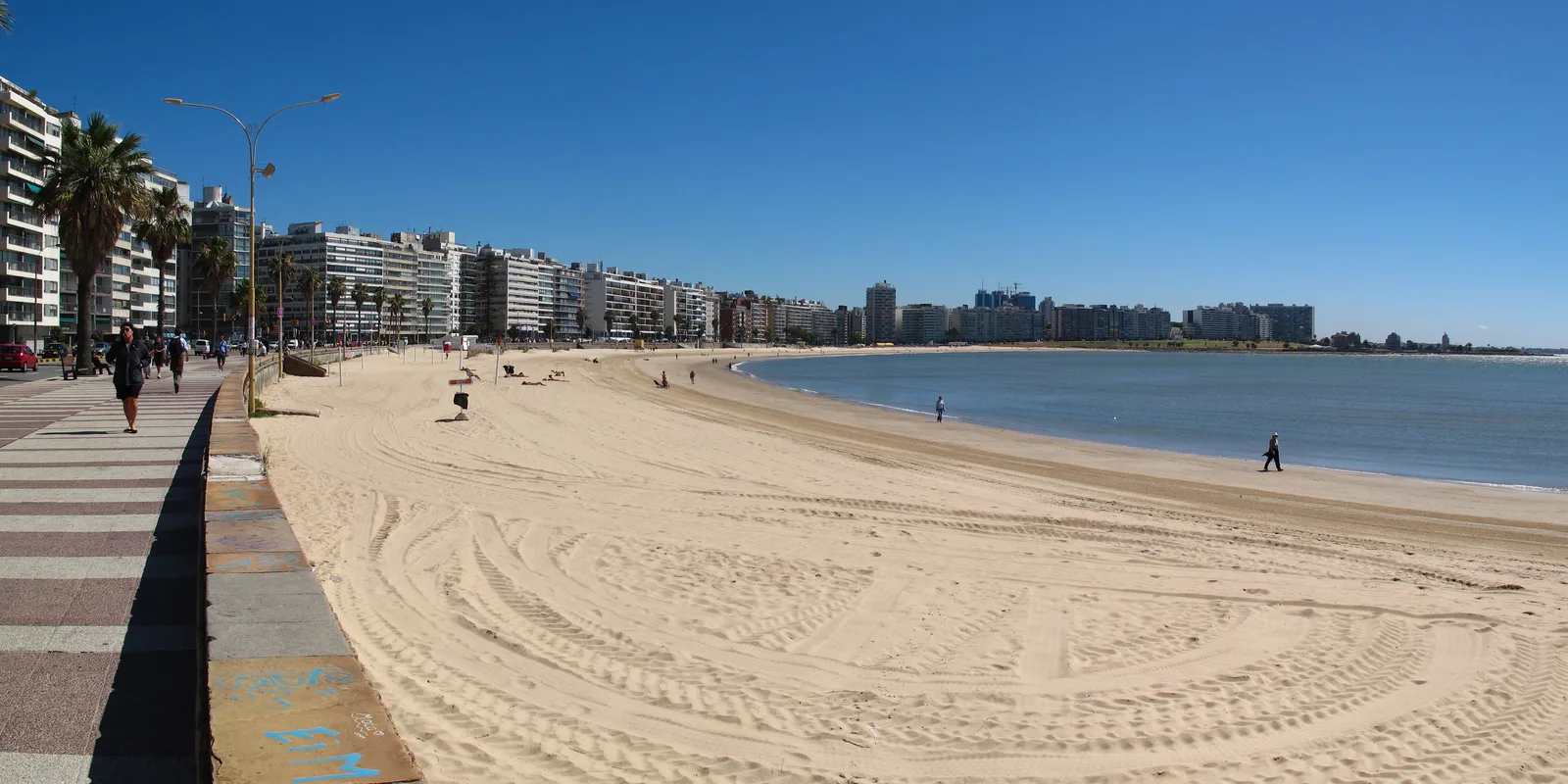
A capital best explored between the old city and the water
Montevideo’s appeal comes from the way a working capital meets the Río de la Plata. Historic streets, neighbourhood cafés, museums and a long waterfront give a visit several different rhythms. A morning can begin among the buildings of Ciudad Vieja and finish with a walk beside the water, without needing a succession of elaborate excursions.
Come for urban culture and the pleasure of spending time in neighbourhoods, rather than expecting a resort organised around a single attraction. The beaches belong to the Río de la Plata, not the open Atlantic coast. Their setting is part of everyday city life, with the rambla providing space to walk, run, cycle or simply sit.
Allow three full days for an introduction, adding time for a winery, a performance or another Uruguayan destination. VisaWand’s Uruguay location directory helps place the capital within a wider trip. Anyone considering a move should reserve separate days for viewing homes, testing commutes and meeting service providers; holiday sightseeing cannot answer those questions on its own.
Read Ciudad Vieja as more than a preserved quarter
The official historic-centre guide describes Ciudad Vieja’s origins as a Spanish military stronghold. The surviving gateway near Plaza Independencia and pedestrian Sarandí marks a useful transition into the older city. Its streets bring together heritage buildings, museums, bookshops, design businesses, cafés and the continuing activity of a port-side district.
Begin around Plaza Independencia, then follow a manageable route into the older streets and squares. Look up as well as along the pavement: façades and changing building scales reveal how the district developed. Select one museum or interior for a proper visit, leaving time for a meal rather than treating every landmark as a stop on a timed circuit.
Check the opening arrangements of individual places, especially when planning a weekend or evening. A district that is lively during business hours may have a different atmosphere after offices close. Ask your accommodation about a sensible return route and transport if a performance or dinner will finish late. Heritage interest does not remove ordinary urban judgement.
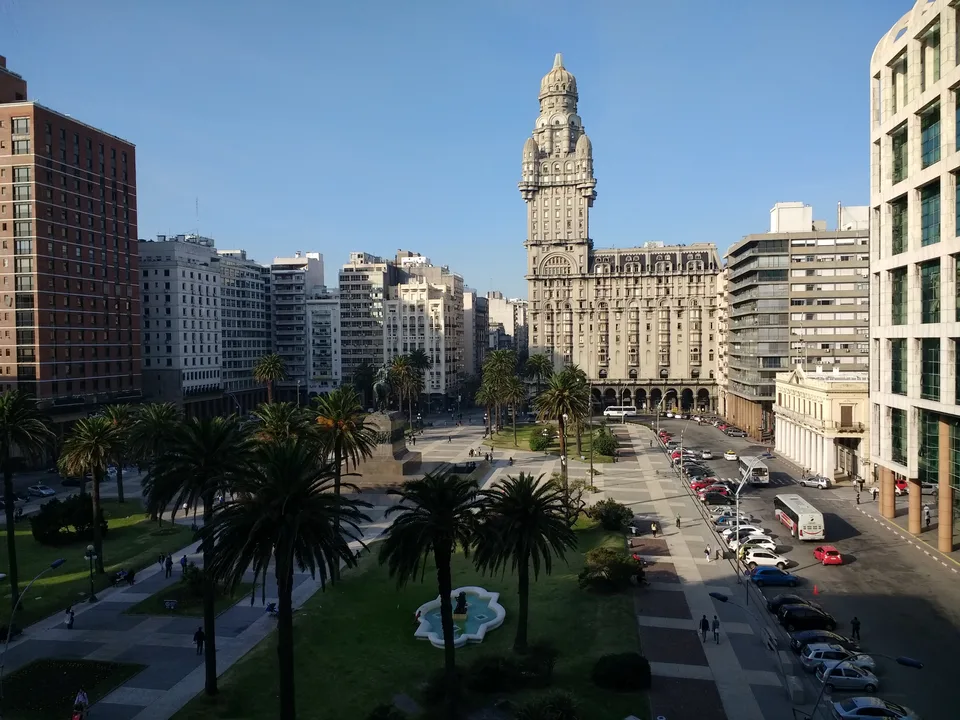
Compare central addresses with the coastal neighbourhoods
Centro and Cordón extend eastward along Avenida 18 de Julio, a major commercial and administrative spine. They suit visitors who value central appointments, shopping and access to different parts of the city. Compare the exact block, room orientation and transport connections: a central location can also mean traffic or a busier street outside the window.
The tourism guide to Parque Rodó, Punta Carretas and Pocitos introduces another set of choices. These neighbourhoods combine access to the coastal corridor with parks, dining and accommodation. They can suit a stay organised around walks and everyday routines, while requiring transport for repeated visits to Ciudad Vieja. Check the real door-to-door journey before deciding.
Farther east, Carrasco offers a different residential and coastal setting, but is not interchangeable with a central base. Avoid selecting a hotel solely because its name includes Montevideo or an attractive waterfront photograph. List the places you will visit most often, then compare the time, cost and convenience of reaching them from each prospective address.
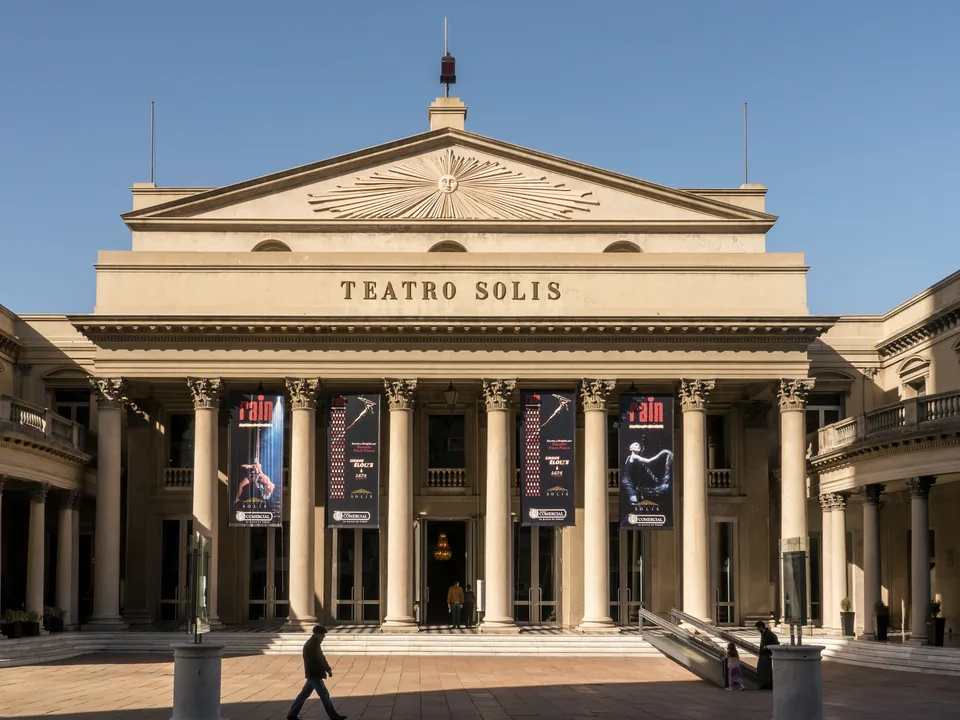
Book Teatro Solís around its actual programme
A visit to Teatro Solís adds an interior and an institutional story to a walk through the centre. A guided tour and an evening performance are different experiences, so choose according to your interests. The theatre warns that artistic or technical work can close spaces normally included in a visit or change the timetable.
Its published guided-tour schedule is Wednesday to Friday at 4pm, and Saturday and Sunday at 3pm and 4pm. The listed charge is UYU200 with a national identity document and UYU400 for foreigners; Wednesday tours are free. Foreign visitors presenting the digital receipt for the tourist charge receive a stated 50% discount. Confirm availability and applicable conditions before arriving.
For a performance, check language, running time, seating and any interval when booking. Families should look at the specific production rather than assuming all events suit every age. Visitors needing step-free access should describe their requirements to the venue directly. Leave time around the visit for the surrounding streets instead of booking another activity immediately afterwards.
Let the rambla shape a slower afternoon
The official beaches and rambla guide describes a coastal promenade extending for almost 30 kilometres. That is an invitation to choose a section, not a challenge to cover it all. Pocitos offers a recognisable sweep of sand and buildings, while other stretches bring different views of the city and water.
Pick a route with a clear beginning, a place to pause and a practical way back. Walking out and taking a bus or taxi back can be more enjoyable than discovering you have used all your energy halfway through a return journey. For cycling, establish where to ride and how the rental arrangement handles collection, breakdowns and weather.
Use sun protection and carry an extra layer when conditions call for it. Keep belongings close when sitting near the water or stopping for photographs. Sunset can be a rewarding time for a walk, but plan the return before darkness changes the route. The rambla is an urban public space; its openness does not mean every stretch feels identical at every hour.
Treat swimming conditions as a daily question
Before entering the water, consult the municipality’s beach information and live-condition links. Montevideo monitors bathing conditions and uses warning flags, including a sanitary flag indicating that swimming is unsuitable. A beach’s environmental-management certification is not a promise that water and weather conditions are suitable on the day you arrive.
The municipality advises against swimming during the 24 hours after rainfall and where cyanobacterial accumulations are visible. Follow the current notices and lifeguards’ instructions. For families, choose a supervised area and establish clear boundaries before children enter the water. Do not assume a broad sandy shoreline has no currents or sudden changes in depth.
Accessibility also requires a specific enquiry. Ask where a usable ramp, adapted toilet or assisted bathing service is operating, and at what times. A facility listed in a general visitor guide may depend on seasonal staffing or equipment. If swimming is unsuitable, a promenade walk or park visit still makes good use of a coastal afternoon.
Balance museums with Parque Rodó and living culture
The Museo Nacional de Artes Visuales provides a useful cultural anchor near Parque Rodó. Its official contact page gives the address as Tomás Giribaldi 2283, at Julio Herrera y Reissig, and lists free admission Tuesday to Sunday, 1pm–8pm. Check exhibition changes and holiday exceptions before a dedicated visit. Monday needs a different plan.
Choose a manageable amount of art to look at closely, then leave time for the surrounding park. This combination works well for travellers who want more than historic architecture without spending the whole day indoors. Children may enjoy alternating a short museum visit with open space rather than being expected to follow an adult gallery itinerary uninterrupted.
For another perspective, Barrio Sur and Palermo’s official cultural introduction explains their importance to Afro-Uruguayan history and candombe. Explore with respect for residents and performers. Check the current programme for an organised event or guided interpretation; street rehearsals are not guaranteed visitor performances at a fixed hour. Ask before photographing people, and allow cultural activity to continue without obstruction.
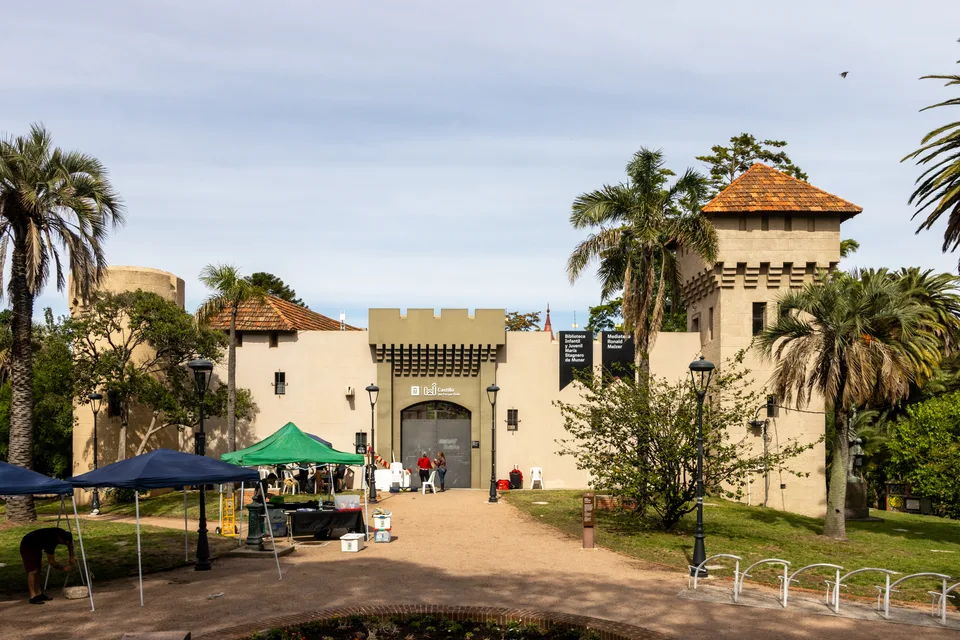
Arriving by air and planning the final connection
Carrasco Airport’s transport information presents taxi, bus and shuttle options. Choose between them using your actual arrival time, luggage and destination. Request the complete price for a private transfer, including waiting and any late-arrival conditions, and confirm where you will meet the driver. Keep the accommodation’s full address and contact details available offline.
The airport’s bus-information page links to operators including COPSA, COT and CUTCSA. Confirm the route, stop, timetable and fare directly with the relevant company. An operator appearing in the airport directory does not mean every one of its services enters the terminal or goes to your accommodation. Establish any onward city connection before boarding.
For a late arrival, compare the total journey rather than just the first ticket price. A cheaper bus can require another paid trip and a walk with luggage at the far end. Leave a generous margin on departure day, particularly if returning from elsewhere in Uruguay. An intercity arrival and an international flight should not be linked by an optimistic transfer estimate.
Learn the bus system before building a daily routine
Montevideo’s Sistema de Transporte Metropolitano information explains the role of the STM card in integrated journeys and lower fares. The city’s 2026 urban fare table lists a one-hour journey at UYU52 with electronic STM payment, compared with UYU64 in cash. Two-hour fares are UYU78 and UYU97 respectively. These are urban fares, not universal airport or interdepartmental prices.
The same table states that a first ordinary STM card is free and the minimum ordinary-card top-up is UYU100. Confirm where to obtain and load a card, and tell the driver which ticket you need. Check transfer conditions before assuming a timed ticket covers any sequence of buses you choose.
Use current route information for your actual origin and destination, checking the direction as well as the line number. For relocation, test the service at commuting times and inspect the walk to each stop. A home that looks close to work on a map may involve an awkward connection, while a more distant address on a useful route may function better.
Eat widely rather than judging the city by one grill
The official food guide describes a culinary mix shaped by immigration and local habits. Grilled meat is prominent, but so are pasta, sandwiches, cafés and other restaurant traditions. A chivito is a substantial sandwich centred on griddled meat, with accompaniments varying by kitchen. Check the composition and portion size rather than ordering from the name alone.
Try a few different formats: a proper lunch, a café break and an evening meal need not become three large restaurant sittings. The guide notes Italian influences, including pasta and the custom of eating gnocchi on the 29th of the month. Ask what is actually available, and explain allergies or dietary restrictions clearly.
Compare menus before committing to a table, including drinks, service arrangements and any extras. For a longer stay, visit a supermarket and produce shops near the prospective home, rather than calculating household costs from restaurant bills. The ability to shop and cook comfortably matters more to a monthly budget than finding a single inexpensive lunch on holiday.
Make room for a market and check the total accommodation cost
The municipal Tristán Narvaja fair page places the market on Sunday mornings. Its varied stalls make it worthwhile for browsing books, second-hand goods and everyday objects. Go with time to look, protect your belongings in crowds and inspect an item before paying. For substantial purchases, ask about receipts and practical transport back to your accommodation.
The official accommodation directory covers different districts and categories, providing a starting point for comparing hotels and other stays. Ask about breakfast, room access, heating, cancellation and the final payable total. A room described as accessible needs a more detailed conversation about entrances, bathrooms and the specific equipment you require.
Montevideo introduced a tourist charge from October 2025. Ask whether it applies to your booking and whether it is included in the quote, and retain the receipt for relevant benefits. Do not assume every advertised tax reduction or visitor discount applies to every passport, payment method or type of accommodation. Use written current terms when comparing offers.
Choose the season around the trip you want
The official climate guide identifies summer as the main beach and outdoor-event period, with winter bringing cooler conditions and a greater emphasis on indoor activities. Spring and autumn can suit walking, parks and a mixed cultural itinerary. None of those seasonal descriptions replaces a forecast for the dates you will actually be travelling.
For a summer stay, compare accommodation availability early if your plans depend on an event or specific weekend. Arrange beach time around current conditions and leave space for shade and breaks. For winter, check how a room is heated and whether the arrangement is included in the price; a photograph taken on a sunny afternoon tells you little about evening comfort.
Pack for changing conditions rather than a single expected temperature. Comfortable walking shoes, a waterproof layer and clothing that can be added or removed are useful for a trip moving between museums, buses and the waterfront. Keep one flexible part of the itinerary so a wet afternoon can become gallery time without disrupting the whole visit.
A realistic three-day introduction
Spend the first day around Plaza Independencia and Ciudad Vieja, choosing one museum or interior and a relaxed lunch. Fit a Teatro Solís tour only if the published schedule works. Leave the evening open for a performance or dinner, with a clear return plan. There is no need to extend the first walk merely to complete a checklist.
On day two, combine the visual-arts museum with Parque Rodó, then choose a section of the rambla around Punta Carretas or Pocitos. If swimming conditions are suitable, allow a separate block of time rather than treating a beach visit as a quick stop between appointments. Otherwise, use the afternoon for the coastal neighbourhoods and a café.
Make day three responsive to the calendar: Tristán Narvaja on a Sunday, a guided cultural walk, or a prebooked winery visit with transport arranged. People considering a move can replace this day with housing and commuting checks. Add a fourth day for another destination only after checking the journey; Montevideo deserves more than the hours left between intercity transfers.
Look at housing through a working week
Shortlist homes around your real routine: employment, study, school, healthcare and shopping. Compare Centro or Cordón with coastal districts using actual journeys, not broad claims about which neighbourhood is best. Visit the approach after dark as well as during the day, and ask about street noise, building access and the surrounding services.
At viewings, inspect natural light, ventilation, heating, hot water and signs of damp. Test taps and ask how the building handles repairs. Separate the rent from common expenses, utilities, parking and any agency charge. Ask whether an advertised price is in Uruguayan pesos or another currency, and what conditions govern adjustments during the agreement.
Establish the guarantee or deposit arrangement before paying, and have unfamiliar contractual terms explained independently. Request an inventory for a furnished property and written conditions for ending the tenancy. Temporary accommodation can give you time to compare current homes without committing from abroad. A citywide rent average would conceal the differences that matter most to an individual household.
Set up utilities, connectivity and healthcare deliberately
UTE’s service directory includes account-holder changes and other electricity procedures, while OSE’s customer-service directory covers water accounts, billing and supply problems. Ask the landlord to show recent bills and explain which services are individual or shared. Agree who pays each charge, how you receive statements and how accounts are handled when you leave.
Check internet availability at the exact apartment, installation time and cancellation terms. People working online should test their workspace, mobile reception and a backup option before relying on a connection for income. Families should contact prospective schools directly about admission, language, documents, places and fees, then test the school journey before choosing a home.
Arrange healthcare according to your status and insurance. Hospital Británico’s emergency-service information describes 24-hour medical coverage and triage by urgency. Confirm payment, cover and access to the services you need directly with a provider. Do not assume that buying travel insurance, filing a residence application or renting an apartment automatically establishes the same healthcare entitlements as an enrolled local patient.
Separate a tourist visit from work and residence
Start with the Interior Ministry’s admission-visa table, which distinguishes nationalities and passport types. Some travellers need advance consular permission; others do not. Check the row and notes for your actual document, including any special travel-document conditions. VisaWand’s Uruguay destination page is another planning starting point, with the passport selection checked carefully.
For example, UK government guidance for British-citizen passport holders describes visa-free visits of up to 90 days. That is a nationality-specific example, not a universal rule. Confirm permitted stay, passport requirements and arrangements for any extension before travelling. For a visa application, use the consulate responsible for your place of residence and obtain its current checklist.
For employment, study or settlement, use the government’s residence-application guidance to identify the appropriate route. MERCOSUR eligibility, family links and other circumstances can change the process. Ask which documents need authentication or translation and which must be obtained before departure. Permanent residence is a separate legal decision from entering as a tourist, and immigration residence does not by itself settle tax questions.
Remote work and everyday safety need clear expectations
Uruguay offers a specific digital-nomad permission route for qualifying remote workers. Official guidance describes an initial six months with a possible additional six months, and makes clear that this permission does not replace an entry visa where one is required. Confirm current requirements with migration authorities, especially if your plans include local employment or a longer-term move.
For daily travel, the UK government’s safety advice highlights street theft and robbery in Montevideo and cautions against isolated or poorly lit areas. Plan evening transport, keep spare funds separate and avoid leaving valuables visible in a car. Check conditions at the actual address rather than treating a whole neighbourhood as uniformly safe or unsafe.
VisaWand’s consultant listings can help locate professional advice for a proposed move. Check credentials, responsibilities and written fees. A useful consultation should clarify your route and documents; it cannot guarantee an application outcome. Keep practical household planning alongside immigration planning so an approved stay has a workable address, budget, commute and access to essential services.
Choose an onward destination that adds something different
UNESCO’s Colonia del Sacramento listing describes a historic quarter shaped by Portuguese, Spanish and later influences. It offers a different scale and streetscape from Montevideo. VisaWand’s Colonia del Sacramento location page helps place it geographically; check transport and allow enough time for the visit rather than organising the day around a hurried return.
Punta del Este’s location page provides another option for extending a Uruguay trip. Compare the extra journey, season and accommodation cost against what you want from the coast. It is a separate destination, not simply another Montevideo neighbourhood. Confirm onward connections and protect time before an international departure from Carrasco.
A winery in the capital’s wider region can be a smaller addition if you prefer to stay in one base. Arrange the visit and transport directly, checking meal arrangements and return timing. Montevideo works well when the itinerary leaves room for ordinary pleasures: a museum explored properly, an unhurried lunch and a walk beside the Río de la Plata.
Official planning resources
Reviewed 17 October 2026. Use the official resources linked throughout this guide for admission, transport, housing and immigration decisions. Prices, services and rules can change; confirm the details relevant to your dates. Photography illustrates the locations and is not a live view.
View all official resources
- Discover Montevideo: historic centre
- Discover Montevideo: Centro and Cordon
- Discover Montevideo: Parque Rodo, Punta Carretas and Pocitos
- Teatro Solis: guided visits
- Discover Montevideo: beaches and rambla
- Montevideo municipality: beach conditions and precautions
- National Museum of Visual Arts: visitor information
- Discover Montevideo: Barrio Sur and Palermo
- Carrasco Airport: ground transport
- Carrasco Airport: bus operators
- Montevideo municipality: metropolitan transport system
- Montevideo municipality: 2026 urban bus fares
- Discover Montevideo: food and dining
- Montevideo municipality: Tristan Narvaja fair
- Discover Montevideo: accommodation directory
- Discover Montevideo: tourist charge
- Discover Montevideo: climate and seasons
- UTE: electricity service procedures
- OSE: water customer services
- Hospital Britanico: emergency service
- Uruguay Interior Ministry: admission visa regime
- UK government: Uruguay entry requirements
- Uruguay government: applying for residence
- Live in Uruguay: digital nomad permission
- UK government: Uruguay safety and security
- UNESCO: Historic Quarter of Colonia del Sacramento
Plan the next part of your journey
Explore the Uruguay guide, browse other cities or compare consultants for your travel and relocation questions.