Visa
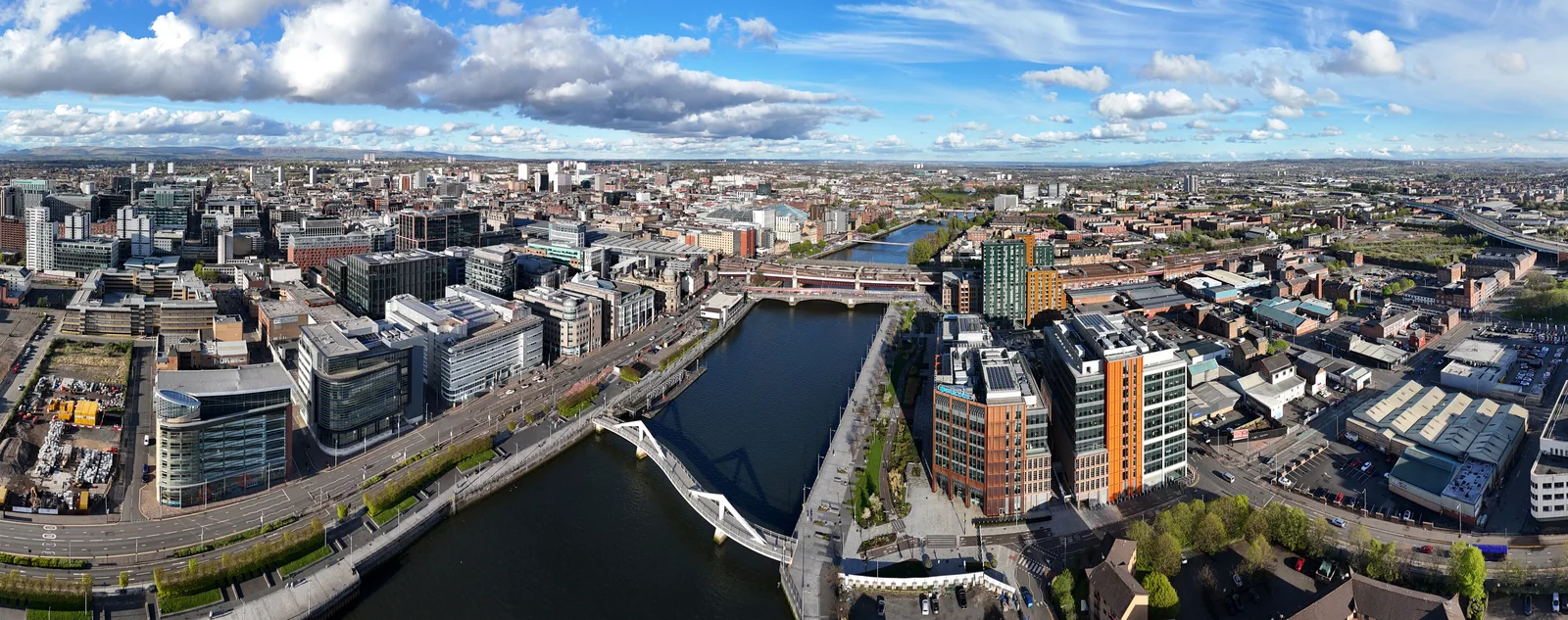
Give Glasgow time beyond a quick stop
Glasgow rewards a visit built around museums, neighbourhood walks and an evening out. The Clyde provides a geographical thread, but the medieval cathedral, West End galleries and Southside parks belong to different outings. Three nights give a first visit room for those contrasts.
The appeal is particularly strong if you enjoy looking at how a city works. Transport collections, preserved domestic rooms and substantial sandstone streets connect grand architecture with ordinary lives. Glasgow also makes sense as a base for exploring west central Scotland, provided excursions leave time for the city itself. For anyone considering a move, use part of the visit to test daily journeys and housing choices. A good concert weekend reveals different things from a wet Tuesday commute. VisaWand’s United Kingdom country guide provides the wider national context.
Read the city through its changing fortunes
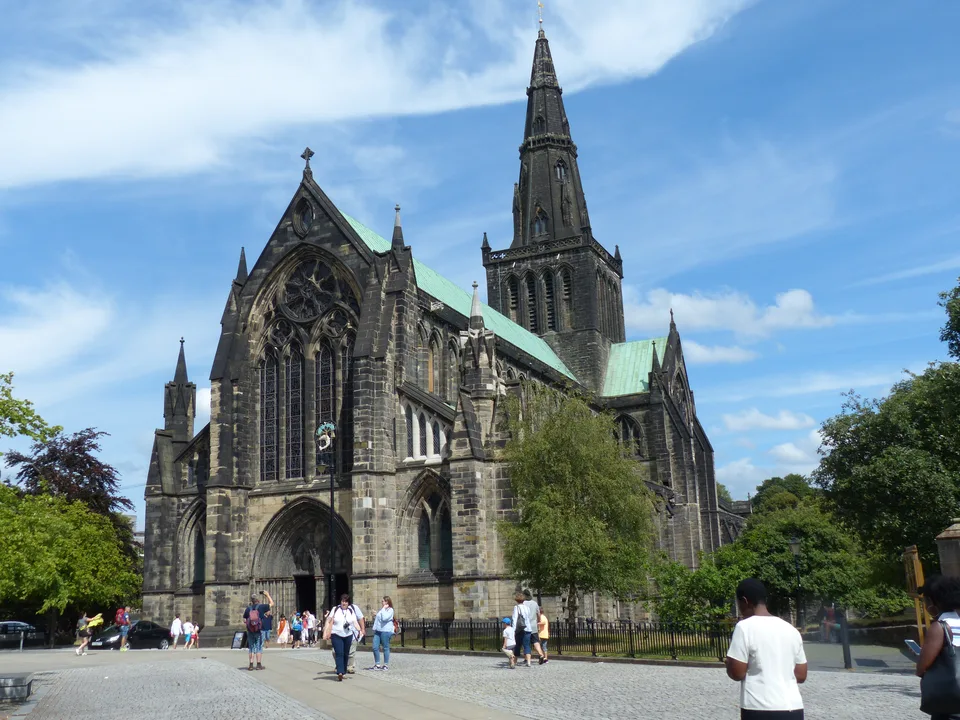
The cathedral anchors Glasgow’s medieval story. Historic Environment Scotland’s historical account explains its unusual survival: it is the only medieval cathedral on mainland Scotland to have survived the Reformation virtually intact. That makes it a substantial historical building to explore, rather than simply a scenic ruin.
Later prosperity requires a more questioning eye. Glasgow Life’s Legacies of Slavery and Empire research examines the city’s connections with transatlantic slavery and colonial power through its museum collections. Keep that context alongside the attractive commercial streets and wealthy patrons’ names. The industrial story then becomes tangible in the transport museum’s engineering and shipbuilding displays. These are related histories, but they should not collapse into a single nostalgic account of merchant success. Read labels, notice whose work is represented and leave space for the difficult parts of the city’s development as well as its architectural achievements.
Choose neighbourhoods around your interests
Start with Visit Glasgow’s neighbourhood overview rather than assuming that every district fits into one walking circuit. The centre works for shopping and transport connections; the West End combines museums, parkland and streets worth exploring slowly. Southside destinations need their own transport plan.
Merchant City is a useful choice for an evening of restaurants and historic streets close to the centre. Finnieston can suit a trip focused on the riverside entertainment area, while a West End base puts more of a museum day nearby. These are itinerary choices, not promises about every block. For accommodation or a prospective home, inspect the actual street, station approach and evening activity. A neighbourhood name on a booking page can cover a much wider area than the streets pictured. Prioritise the places you will use repeatedly, then compare the journeys between them.
Start centrally and allow for George Square works
Buchanan Street gives a first walk an obvious spine. Add the surrounding streets and a meal in Merchant City, resisting the temptation to turn an arrival afternoon into a cross-city endurance test. The official city-centre overview is useful for choosing shopping and cultural stops. Check the hours of any particular gallery separately.
George Square needs a qualification. A September 2026 redevelopment update reported work continuing within the square and on its southern side, with some road sections already reopened. A forecast completion date does not establish that every approach is now clear. Follow signs and check current access before arranging a meeting or taxi pickup there. For a nearby hotel, ask about the room’s outlook and construction disturbance. Keep the square in your understanding of central Glasgow, while allowing the walk to adapt to the routes actually available.
Make Kelvingrove the anchor of a West End day
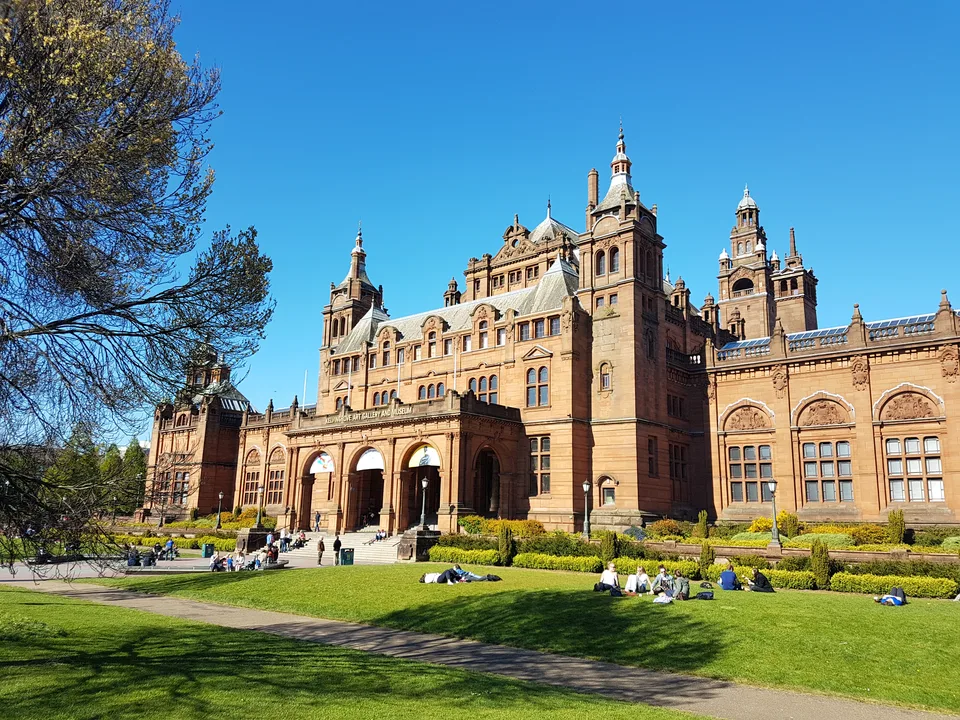
Kelvingrove Art Gallery and Museum brings art, natural history and other collections together in a building opened in 1901. Its 22 galleries make selective visiting sensible: choose a few subjects that interest you, then leave time for the surrounding area. Entry is free, with donations welcomed.
At the October 2026 review, restoration work was continuing, but the museum remained open. Scaffolding and reduced parking are reasons to plan the approach, rather than to assume the galleries are closed. Published hours are 10am–5pm Monday to Thursday and Saturday, and 11am–5pm Friday and Sunday. Check for changes before a special journey. Pair the visit with a park break and an unhurried West End meal; trying to absorb every gallery can make the rest of the day feel like recovery. Families can agree on a small number of rooms and let curiosity determine the rest.
Visit the cathedral around worship and daylight
The cathedral’s official visitor page lists free entry and an option to reserve a visiting slot; an audio guide costs extra. This remains a working church, so services and special events take priority over sightseeing. In October–March, normal opening is 10am–4pm Monday–Saturday and 1pm–4pm Sunday, with last entry 45 minutes before closing.
Specific exceptions matter for an autumn visit: the quire is closed throughout 30 October 2026, and the cathedral closes at 2.30pm on 7 November. Check the live notice for your date. Outside, allow time to appreciate the building’s position and neighbouring streets before returning towards the centre. If steps, gradients or standing are difficult, ask about the areas you want to reach rather than assuming a medieval interior offers unrestricted access. A shorter, well-timed visit will be more rewarding than arriving close to the last admission.
See domestic Glasgow at the Tenement House
The Tenement House’s history centres on Agnes Toward, a shorthand typist who lived here from 1911 to 1965. Four preserved rooms offer a different scale of experience from Glasgow’s large public galleries. Household fittings and possessions make the relationship between architecture and everyday routine easier to understand.
Plan carefully around the National Trust for Scotland’s visiting information. Standard adult admission is £10; the £11 option includes a voluntary donation. The house, café and shop are scheduled to close from 5–18 November 2026 for window conservation. The café and shop also close from 19 October–2 November, which is a separate restriction. There are 15 steps to reception, making advance access enquiries essential for some visitors. This is a compact domestic attraction: give it attention, but do not structure an entire day around an assumed all-weather, step-free museum experience.
Follow transport history down to the Clyde
Riverside Museum makes Glasgow’s industrial and transport history accessible through vehicles, engineering displays and a recreated street. Entry is free without advance booking. It is a strong choice when travelling with people whose interests range beyond painting, and it also provides useful context for looking at the working river and its changing banks.
The museum now describes an approach from Govan Subway across the Govan–Partick Bridge to the north bank, about 0.3 miles from the station. Partick interchange is another option, around 0.6 miles away. Check the route against your walking needs and weather. Public museum areas have lift access, although that does not settle the accessibility of every journey outside. Opening follows the same 10am or 11am start pattern as Kelvingrove. Paid parking is separate from free admission. Leave a little time beside the river before the next appointment, rather than treating the museum as an isolated building.

Save the Southside for a separate outing
The Southside visitor overview introduces parks, tenement streets and cultural venues across a broad part of Glasgow. Queen’s Park and Pollok Country Park should not be mistaken for adjacent stops. Select one main outing, then add something nearby if time and energy allow.
The Burrell Collection is the substantial museum choice in Pollok Country Park, with Chinese ceramics, medieval stained glass and Impressionist painting among its collections. Admission is free. Its electric park shuttle currently operates daily, 10am–6.15pm, on a loop from the park entrance at 2060 Pollokshaws Road via the museum and Pollok House. The stated loop interval is 20–30 minutes; it is not a guaranteed immediate connection from a railway platform. Allow for the walk to the pickup and the return journey. Pollok House itself is closed for conservation at the review date, so do not assume the shuttle stop means an interior visit is available.
Build an evening around music
Glasgow’s music appeal extends from large concerts to smaller venues and pub sessions. The official music visitor pages bring together venue information, walking tours, classical music and event listings. Use them to choose the kind of evening you actually want, rather than buying a ticket solely because a venue is famous.
Check the performer, age restrictions, standing or seated arrangements and final admission details with the venue. For accessibility, ask about the entrance, viewing position and toilets. Work out the return journey before doors open: the end of a performance and the last convenient train are separate times. If music is the main reason for coming, book that event first, then choose accommodation around its location.
Choose a room for the journeys you will make
The official accommodation overview covers hotels, guesthouses, hostels and serviced apartments. A central hotel is a practical first choice for a short visit using several parts of Glasgow. A West End guesthouse can suit a museum-focused break; an aparthotel with a kitchen may make family meals or an extended stay easier to organise.
Compare the complete booking: breakfast, cancellation terms, luggage storage, parking and any deposit can change the value of the headline rate. Ask whether there is a lift to the specific room and whether access includes steps before reception. For a quiet stay, request information about nearby venues and the room’s position. An apartment’s kitchen does not necessarily include a washing machine or weekly cleaning. For dates from 25 January 2027, VisitScotland’s visitor-levy information confirms Glasgow plans a 5% levy on overnight accommodation. Check the applicable booking terms; it is a future charge at this guide’s October 2026 review.
Match the airport to the transfer
Glasgow Airport, Glasgow Prestwick and Edinburgh Airport are different arrival points. The official getting-here overview distinguishes them and explains the city’s two main railway stations: Central broadly serves routes south, while Queen Street is important for Edinburgh and northern Scotland. Check the station on your actual ticket before choosing a hotel or onward connection.
For Glasgow Airport, the airport’s Express 500 information identifies the bus connection to Buchanan Bus Station. The service operates around the clock, with frequency varying through the day. Do not interpret a fastest advertised journey as a guarantee through traffic or to your hotel door. Allow time to collect bags and complete the final walk. A cheaper flight into a different airport may still be worthwhile, but compare its entire transfer and last service against your arrival time. Avoid booking a tight rail connection solely around the scheduled landing time.
Understand bus and Subway payments
A significant change for autumn 2026 is the £2 First Bus single fare cap, introduced on 7 September and explicitly including Airport Express 500. Eligible singles are bought onboard or through Tap On Tap Off; single tickets under this arrangement are not sold in the First Bus app. Ask the driver if unsure which ticket or tap procedure applies. The cap does not create one ticket for every operator and transport mode.
For the Subway, SPT’s contactless instructions require tapping in and out with the same card or device. A physical bank card and its phone-wallet version count separately. Current adult contactless prices are £1.80 for a single, capped at £3.40 daily and £15.50 for a Monday–Sunday week. Keep that payment method consistent. These caps cover Subway travel, not an unrestricted Glasgow transport network. When comparing accommodation, calculate the actual mix of bus, rail and Subway trips you will need.
Eat locally without making every meal an event
The tourism board’s Scottish restaurant overview points to dishes such as Cullen skink, steak pie, seafood, and haggis with neeps and tatties. It also gives a route into restaurants’ own menus. Use those current menus to compare prices and dietary options before reserving; a tourism listing is not evidence that a particular dish is available every day.
Keep one meal flexible between activities. A café lunch or food bought for a serviced apartment can leave more of the budget for a concert or special dinner. Discuss allergies directly and ask about ingredients rather than assuming a familiar dish has a standard recipe. For shopping, Buchanan Street is a straightforward central starting point, while Merchant City and the West End offer different streets to browse. Check sizes, return policies and transport home before buying bulky items. Grocery access matters more than souvenir shopping if you are assessing an extended stay.
Budget from verified components
Glasgow’s free museums allow an absorbing cultural visit without a paid attraction every day. Costs still accumulate around accommodation, meals, performances and transport. Compare actual room quotes for your dates rather than treating a citywide average as a promise. A concert or major event can also make a particular location worth more to you than a cheaper room farther away.
As a transparent calculation, two £2 eligible First Bus singles total £4, while a day reaching the adult Subway contactless cap adds £3.40. Together those components are £7.40 per adult, before rail, meals or admission elsewhere. This is arithmetic using the separate fares, not an all-day pass or complete daily budget. Add the Tenement House’s standard £10 adult ticket only if you choose that visit and it is open. Keep discretionary spending separate from essentials so a shopping afternoon does not obscure the cost of staying another night.
Plan for Glasgow’s seasons and changing skies
The Met Office’s Glasgow Springburn climate averages offer a more useful baseline than a promise of a dry season. For 1991–2020, January’s mean daily maximum was about 6.3°C and July’s about 19.2°C. Average rainfall was lower in April and May than October, but rain remains possible throughout the year. These are historical station averages, not a forecast for your travel dates.
Pack layers and a waterproof outer layer even for a summer museum-and-park itinerary. In colder months, arrange outdoor walks around available daylight and use a gallery or café break to warm up. Spring or early autumn can work well for combining city streets with a day trip, subject to the actual forecast. If a concert determines your dates, adjust the daytime programme around the weather rather than trying to force a seasonal ideal. Check transport disruption notices when conditions deteriorate.
A realistic three-day first visit
Day one: settle in, walk the central shopping streets and explore Merchant City. Add the cathedral only if arrival time and its opening arrangements fit; on Sunday, it opens in the afternoon. Choose dinner nearby and keep the first evening easy after travel.
Day two: make Kelvingrove the morning anchor, then spend time in the West End. Choose either a longer neighbourhood afternoon or Riverside Museum, depending on energy and interests. If attending a concert, leave a proper break before heading to the venue.
Day three: take the Southside option with the Burrell Collection and parkland, allowing for the approach and shuttle. Alternatively, choose the Tenement House when open and more central exploration. Do not squeeze both alternatives around an early departure. For a two-day stay, drop one area rather than shorten every stop. Families and visitors needing a slower pace can treat each museum as a half-day with food and transport included.
Test housing with an ordinary working week
For a possible move, shortlist homes against your actual workplace or campus. Test the journey at the relevant hour, including the walk at both ends and any change of mode. An attractive West End or Southside address may be a good fit, but the useful question is how it connects with your daily obligations. Check evening and weekend services if your schedule requires them.
Before paying for a tenancy, follow Scotland’s new-tenant guidance and check the landlord’s registration details. Inspect heating, ventilation, signs of damp, storage, laundry arrangements and the condition of shared entrances. Ask which furnishings and appliances are included, and document the inventory. Rental advertisements change too quickly to support a dependable universal Glasgow rent figure here. Compare several current properties of the same size and condition, including their bills and commute, before deciding what is affordable. Temporary accommodation can provide time to view homes in person.
Set up the household and essential services
Scottish tenancy rules deserve specific attention. A deposit cannot exceed two months’ rent. Under official deposit-protection guidance, a landlord must normally place it in an approved scheme within 30 working days of the tenancy starting, unless an exemption applies. Request the written scheme information and keep payment records.
Build a household budget beyond rent: energy, council tax, internet, contents insurance and transport all need consideration. Scottish Water explains that unmetered household water and wastewater charges are collected through the council-tax bill on its behalf. Check the property’s bill rather than assuming water is included in the advertised rent. Record meter readings and clarify who opens utility accounts. For healthcare, use NHS Inform’s overseas-visitor guidance to establish the position for your circumstances and arrange GP registration when appropriate. A visitor should not assume that every treatment is free. Check internet availability at the exact address if working or studying from home.
Separate visiting from work, study and relocation
Glasgow uses UK immigration rules. Begin with the official visa checker, entering your nationality and purpose of travel. Depending on circumstances, you may need a visa, an ETA or neither. The government ETA page currently lists a £20 application fee; authorisation is not a guarantee of entry.
Standard Visitor rules normally allow visits of up to six months, with restrictions on employment and on making the UK your home through frequent or successive visits. A sightseeing trip does not automatically provide permission to take a local job. Investigate the Skilled Worker route for eligible sponsored employment and the Student route for qualifying study; each has its own conditions. Permanent relocation needs a suitable immigration basis and cannot be assumed from renting a flat. VisaWand’s consultant listings can help you identify professional assistance, while official government requirements remain the starting point. Keep immigration eligibility separate from a decision that Glasgow suits your lifestyle.
Choose nearby trips without losing the city
Visit Glasgow’s day-trip information identifies Balloch for Loch Lomond, Ayr for the coast and Stirling for historic sights. Choose one according to weather and interests, then use ScotRail’s journey planner and disruption information for the exact date. A station-to-station train time does not include reaching a castle, lakeside path or boat departure.
Balloch is a manageable introduction to the loch rather than access to every part of its shoreline. Stirling suits a history-focused outing; Ayr offers a change of setting by the sea. Check the return before leaving and avoid attaching a distant excursion to a tight flight. For a longer Scottish itinerary, compare VisaWand’s Edinburgh guide with Glasgow’s appeal, and use the UK location directory to explore other places. The United Kingdom destination page brings together broader planning options. Let the trip’s purpose determine the balance between cities, coast and countryside.
Official planning resources
Reviewed 17 October 2026. Use the official resources linked throughout this guide for admission, transport, housing and immigration decisions. Prices, services and rules can change; confirm the details relevant to your dates. Photography illustrates the locations and is not a live view.
View all official resources
- Historic Environment Scotland: cathedral history
- Glasgow Life: Legacies of Slavery and Empire
- Visit Glasgow: neighbourhoods
- Visit Glasgow: Merchant City
- Visit Glasgow: city centre
- Glasgow Chamber of Commerce: September 2026 George Square update
- Glasgow Life: Kelvingrove
- Historic Environment Scotland: cathedral visit
- National Trust for Scotland: Tenement House history
- National Trust for Scotland: Tenement House
- Glasgow Life: Riverside Museum
- Visit Glasgow: southside
- Glasgow Life: Burrell Collection
- Visit Glasgow: music
- Visit Glasgow: accommodation
- VisitScotland: visitor levy implementation information
- Visit Glasgow: getting here
- Glasgow Airport: Express 500
- First Bus: £2 single fare cap and eligible services
- SPT: Subway contactless help
- Visit Glasgow: Scottish restaurants
- Met Office: Glasgow Springburn long-term climate averages
- mygov.scot: checks before signing a private tenancy
- mygov.scot: tenancy deposit protection
- Scottish Water: household charges
- NHS Inform: healthcare for overseas visitors
- GOV.UK: check if you need a UK visa
- GOV.UK: Electronic Travel Authorisation
- GOV.UK: Standard Visitor rules
- GOV.UK: Skilled Worker visa
- GOV.UK: Student visa
- Visit Glasgow: day trips
- ScotRail: journey planning and service information
Plan the next part of your journey
Explore the United Kingdom guide, browse other cities or compare consultants for your travel and relocation questions.