Visa

A city best understood on foot
Edinburgh’s first impression is vertical: a castle above the roofs, streets layered across a ridge and a dark volcanic landscape beyond the eastern end of the Old Town. Scotland’s capital rewards walking, but its hills, steps and cobbles mean that a short distance on a map is not always an easy journey with luggage or a pushchair.
Allow three days for a useful introduction to the historic centre and one neighbourhood beyond it. Come for architecture, museums and performance; stay longer for riverside walks, coastal outings or a closer look at everyday life. For anyone considering a move, the important question changes from which landmark to see first to whether housing, commuting and household costs work together.
Old Town and New Town explain the city
UNESCO’s account of the Old and New Towns describes two distinct approaches to urban life. The Old Town developed along the ridge between the castle and Holyrood, with narrow lanes, or closes, branching from its main spine. Tall buildings and sudden changes of level give a walk here its enclosed, occasionally disorientating character.
The New Town’s planned development began in the eighteenth century, producing ordered streets, Georgian architecture and a different sense of space north of the valley. Seeing both is more revealing than spending an entire visit on the Royal Mile. Cross between them, notice how the land shapes the streets and resist treating every old-looking building as medieval. Edinburgh’s architectural story includes successive periods of change.
Choose a base around the journeys you need
The Old Town puts a first-time visitor close to the Royal Mile and castle approach. It can also mean slopes, stairs and busy streets, so inspect the precise entrance and room location. The New Town and West End are useful alternatives for travellers who want a different street layout or convenient access to the tram corridor.
South of the centre, Southside and Newington combine residential streets with university activity, shops and cultural venues. They merit consideration for a longer stay, but confirm the campus or workplace address: an institution’s name alone does not establish where your daily journey ends. Compare a realistic return trip after an evening out as carefully as the morning route to a museum or meeting.
Book the castle before shaping the day
Edinburgh Castle’s official ticket page is the place to check availability and prices. At review, standard adult admission for ages 16–64 was £23.50 online or £26 at the gate. Online sell-outs mean no further tickets are available at the castle, so arriving early without a reservation does not solve a sold-out date.
Allow at least two hours, as the operator recommends, rather than fitting the visit into a hurried gap. The castle opening calendar distinguishes closing time from last admission and includes Christmas and New Year exceptions. The One o’Clock Gun does not fire on Sundays, Good Friday or Christmas Day. Check access information before booking if steep surfaces or steps would limit your visit, and leave time for the approach itself.

Follow the Royal Mile towards Holyrood
Walk the Royal Mile as a route through the city, with time for a few closes and pauses, rather than as a continuous souvenir-shopping exercise. Begin at the castle end if a gradual descent suits your plans. Look at entrances, courtyards and the changing scale of the buildings; a guided walk can be worthwhile when you want the history interpreted rather than simply a list of photo stops.
At the other end, the Palace of Holyroodhouse offers a separate paid visit associated with royal history, including Mary, Queen of Scots. It remains a working royal residence. Check its actual opening calendar and any closures before combining it with the castle: two substantial interiors can overwhelm a short sightseeing day. Compare standard admission with special tours carefully.
Keep a museum day in reserve
The National Museum of Scotland on Chambers Street is a particularly useful indoor anchor. General admission is free, while some special exhibitions carry charges. Its ordinary opening hours are 10am–5pm, with holiday exceptions. This makes it possible to include a substantial cultural visit without buying another general-entry ticket.
Choose a few galleries according to your interests instead of trying to absorb the whole collection. Families can plan a shorter visit and return later; anyone travelling alone can give one subject more attention. Check the museum’s accessibility and facilities information when a lift route, quiet space or particular exhibition matters. A museum visit is also a sensible alternative when the forecast makes an exposed hill walk unattractive.
Treat Arthur’s Seat as a hill walk
Holyrood Park gives Edinburgh an unusual connection between city streets and open, rocky ground. Arthur’s Seat is an outdoor undertaking, not a paved viewing platform reached without preparation. Check the weather, daylight and your group’s footwear and ability before choosing a route. Turning back can be the right decision when wind, slippery ground or visibility changes.
Historic Environment Scotland’s park-management guidance currently identifies the northern Radical Road along Salisbury Crags as closed and fenced off for safety reasons. Do not follow an old walking itinerary through a closure. The operator distinguishes that northern closure from the southern section and Hutton’s Section. Check the latest information and signs on arrival, and keep a lower-level alternative rather than making a summit compulsory.
Stockbridge and Dean Village reward a slower pace
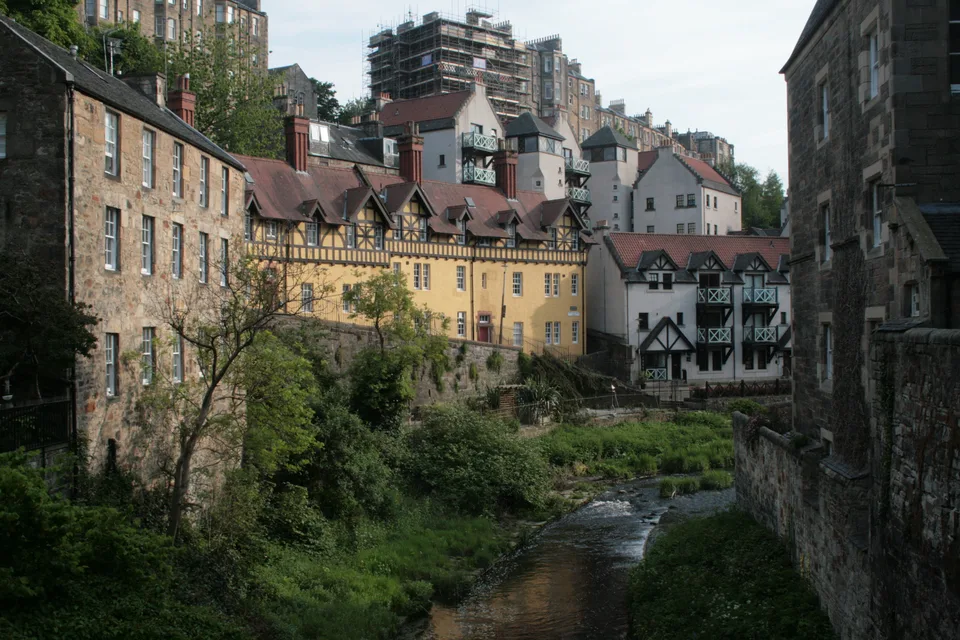
Stockbridge’s official neighbourhood guide highlights independent shops, a market and Georgian streets. It works well when you want browsing and a meal to be the activity, rather than another timed attraction. Circus Lane is residential: keep entrances clear and avoid turning a photograph into an obstruction for the people who live there.
For a greener route, consult the Water of Leith Walkway information. The river path links areas including Dean Village and Stockbridge, but the full walkway is a much larger undertaking than a short central stroll. Choose a section, check closure notices and identify where to leave the path. Its accessibility varies. River views and attractive houses do not establish that every approach is step-free or suitable for every mobility aid.
Give Leith its own time
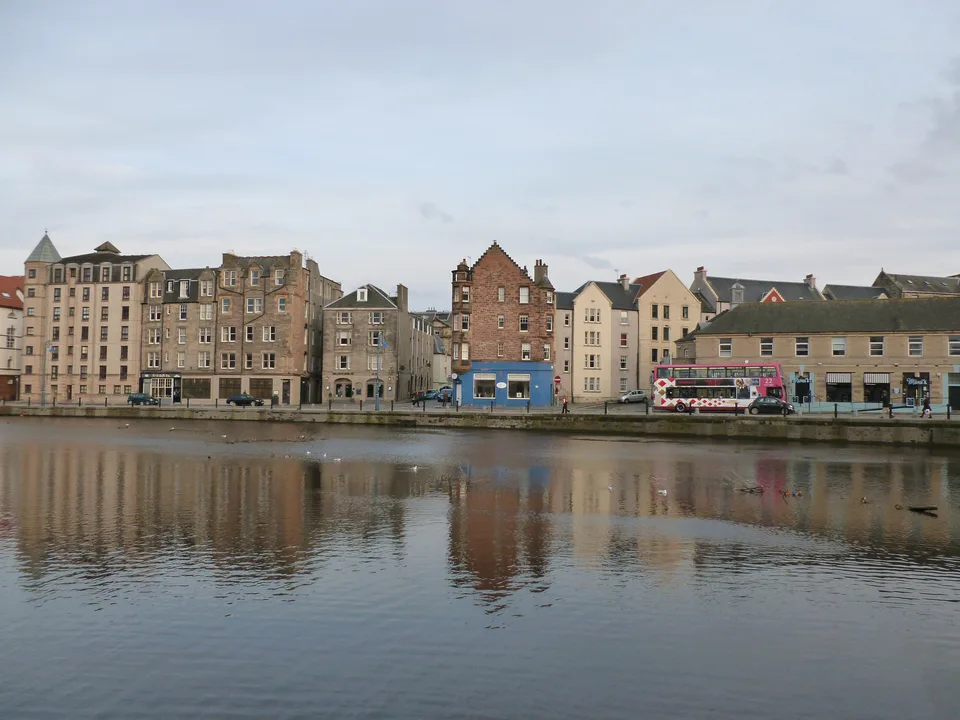
Leith offers a different perspective from the castle ridge: a historic port district with waterside streets, everyday shops and a varied food scene. The Shore makes a useful focus for a visit. Come with time for a walk and a meal instead of travelling out merely to take one photograph before returning immediately.
The tram now provides a connection through Leith towards Newhaven, but check the stop nearest your actual destination. Leith is an area, not a single arrival point. For accommodation, compare the benefit of spending evenings here with journeys back to the Old Town. For a possible home, test grocery access and the commute as well as the appeal of a waterfront address; individual streets and buildings deserve separate assessment.
Accommodation choices and the visitor levy
Compare hotels, guest houses, hostels and serviced apartments against the length and purpose of the stay. For a short visit, paying for a convenient location can reduce repeated transfers. For several weeks, a usable kitchen and laundry may matter more. In older buildings, ask about lifts, stairs and luggage access before assuming a room is suitable.
Light sleepers should ask whether the bedroom faces a busy street, courtyard or entertainment venue. Check the cancellation deadline and the full sleeping arrangement for children, including any extra-bed charge. For an accessible room, describe the facilities you need and obtain confirmation from the property; a general accessibility label may not answer questions about its entrance, bathroom or lift dimensions.
Edinburgh’s official visitor-levy guidance now describes a charge already in force: 5% of the accommodation cost before VAT, on the first five nights. It applies to stays from 24 July 2026, with an exemption for qualifying bookings made and paid for in part or full before 1 October 2025. Meals, parking and similar extras are excluded from its calculation. Confirm whether the quoted total includes the levy and when payment is collected.
From the airport to the right part of town
The airport’s tram information explains the connection from outside the terminal through the city centre and Leith to Newhaven. Choose the stop that fits your accommodation, then inspect the final walk. Waverley is reached on foot from the central tram corridor; the tram does not deliver passengers onto its railway platforms.
The official tram fare finder distinguishes airport tickets from city-zone travel. At review, an adult airport single from the ticket machine was £7.90 and an airport open return £9.50. Online pre-purchase prices can differ. A return product can cost less than two singles, and tapping for separate journeys does not automatically create that particular return ticket. Follow the instructions for the payment method you choose before boarding.
Airlink and arrival after tram hours
Airlink 100 is another airport option, described by Lothian as a 24-hour service. Its current fare table lists an adult airport single at £6 and an open return at £8.50. These airport fares are separate from an ordinary city bus single; compare the route and drop-off point with the tram rather than choosing solely on headline price.
Late arrivals should check the actual timetable, disruptions and walking connection for their date. Keep a practical alternative if a delayed flight changes the journey. Prearrange any assistance needed with luggage or boarding, and confirm how reception works if the accommodation has limited check-in hours. An advertised airport connection is useful only when its operating time matches your arrival.
Local transport without ticket confusion
An adult Lothian city bus single currently costs £2.40. The £6 City DAY ticket covers specified bus services and city tram travel but excludes the airport tram zone and Airlink. For eligible contactless journeys, the city daily cap is £5.70. Read the coverage before buying a pass; similarly named products do not necessarily cover the same services.
Use the same card or device consistently when relying on capping. On trams, contactless travel requires tapping on and off at the platform validators. Ticket and app users should follow the relevant purchase or activation instructions. Walking can cover much of a central visit, but save your energy for the places you want to explore rather than treating transport as a failure to see the city properly.
Arriving by train and deciding about a car
Check whether your train serves Waverley, Haymarket or both. Pick accommodation and onward travel against the station actually printed on the journey plan. For regional connections, ScotRail’s timetables provide the starting point; check travel dates, engineering work and ticket conditions before committing to a tightly arranged day trip.
A car is often unnecessary for a visit concentrated on the centre, Leith and public-transport outings. If bringing one, obtain the accommodation’s parking arrangements and full price beforehand. For a move, do not infer a parking entitlement from the presence of on-street spaces outside a viewing. Check the address-specific rules and compare total running costs with the public transport your household would really use.
Food and shopping beyond a souvenir checklist
For an accessible introduction to Scottish food, consider haggis with neeps and tatties. The city’s food guide identifies The Haggis Box at the Scottish Storytelling Centre on the Royal Mile as one example, with plant-based options also described. Check the current menu and opening hours; this is a tourism-board example, not a personal dining experience or a promise of a particular price.
Leave room for the city’s broader food scene, especially when exploring Southside, Stockbridge or Leith. Compare lunch menus with evening dining and check dietary requirements directly with the kitchen. For shopping, decide whether you want locally made work, books, clothing or simply a small memento. Ask about materials and provenance instead of assuming every tartan-patterned item was made locally.
Budget for the dates and the whole party
Build the budget in pounds sterling from actual accommodation quotes, including the levy where applicable. Add arrival transfers, meals and selected paid attractions, then compare the total for everyone travelling. A castle ticket and an airport fare are useful reference costs; they are not a reliable substitute for pricing an entire trip.
Balance paid interiors with the free general museum collection, streets and public outdoor spaces. Consider a pass only after identifying the included attractions you would otherwise buy. Check reservation requirements and exclusions: a pass does not always remove the need for a timed booking. For self-catering, include food shopping and the kitchen equipment actually supplied, and keep enough flexibility for a changed journey or an additional night.
Seasons, festivals and the weather
The Met Office’s Gogarbank climate record gives a useful local reference, rather than a forecast: 1991–2020 average daytime maxima were about 19°C in July and 7°C in January. Rain occurs throughout the year. Pack layers and a waterproof outer layer, and arrange outdoor visits around the current conditions rather than a seasonal promise.
August suits people who actively want performance and busy streets. The Fringe’s official information currently announces 6–30 August 2027 for its next edition. Check each festival separately; different events do not necessarily share dates or ticket arrangements. If your priority is architecture and relaxed browsing, compare dates outside the busiest programmes. Winter requires a more compact outdoor plan and careful checking of holiday opening hours.
A workable three-day introduction
Day one: orient yourself around the Old and New Towns, then visit the castle if you have a suitable reservation. Keep the remainder of the Royal Mile flexible, with time to stop rather than another major timed interior. Choose an evening meal near your accommodation if you have arrived that morning.
Day two: give the National Museum a focused visit, then choose Holyroodhouse or a weather-appropriate park walk. Fit the palace to its actual opening day. Avoid scheduling a hill climb simply because there is a gap before dinner.
Day three: choose a river walk around Dean Village and Stockbridge, or spend longer in Leith. Combine them only if the pace suits your group. With a fourth day, consider an outing beyond the centre; with two days, remove a neighbourhood rather than rushing the same programme.
Moving here means testing an ordinary week
Start a housing search with the workplace, campus and essential household journeys. A city-centre flat can simplify some routines while adding stairs, noise or a longer trip to a particular job. Test routes at the times you expect to use them, including evenings and weekends, and check the return journey before choosing an area.
Inspect the building as well as the room. Ask about heating, ventilation, signs of damp, appliances, broadband installation and responsibility for repairs. Check storage for bicycles or pushchairs and how deliveries reach the entrance. Keep temporary accommodation separate from the long-term decision, so an attractive holiday setting does not force a rushed tenancy choice before you understand the property and its running costs.
Scottish renting rules and household bills
Use Scottish guidance for a Scottish tenancy. The government’s deposit-protection information says a landlord must normally protect a tenancy deposit in an approved scheme within 30 working days of the tenancy starting, with specified exemptions. Ask for the scheme details and keep the inventory, payment records and dated condition photographs.
For an applicable private residential tenancy, current rent-increase guidance describes a maximum frequency of once in twelve months and at least three months’ written notice. Establish your tenancy type and read the full current rules before acting on a notice. Notify the council through its moving-house service when responsible for Council Tax. Record energy meter readings, clarify what the rent includes and price internet, transport and essential furnishings separately from the headline rent.
Schools and healthcare need early checks
Edinburgh’s school-place guidance advises checking catchment schools and available places before moving. Living in the catchment does not guarantee an in-year vacancy. Match the application process to the child’s year group, and allow time for a response during school holidays. Confirm the practical school journey before signing for a home chosen around a particular school.
Use NHS Scotland’s GP-registration guidance to find a practice and establish the registration process. Check whether it serves your address and is accepting patients. Bring a clear record of ongoing medicines and relevant medical history, since records from overseas may not be traced automatically. GP registration, hospital-treatment entitlement, immigration health charges and travel insurance are different issues; confirm the arrangements relevant to your status and needs.
Visitor permission is not permission to relocate
Use the official UK ETA portal and nationality checker to establish whether you need an ETA, a visa or neither. The ETA currently costs £20, and eligible children need their own permission. It allows travel for specified purposes and does not guarantee entry. Applying through an intermediary does not create additional immigration rights.
The Standard Visitor rules cover tourism and other permitted activities, including some short study and business visits. They do not permit using repeated visits to make the UK your main home, and ordinary employment is restricted. Passport validity, intended activities and your circumstances matter. Scotland is part of the UK immigration system; there is no separate Edinburgh tourist visa. The UK country guide supplies wider planning context.
Work, study and longer-term plans
People who need immigration permission for employment should assess the appropriate route before moving. The Skilled Worker overview requires an eligible role with an approved employer and sponsorship, alongside the applicable requirements. A job advertisement or interview invitation alone is not approval to begin work.
For a course requiring it, the Student visa guidance explains the licensed-sponsor and financial requirements. Check work conditions and dependant eligibility individually. Neither university admission nor a rental contract grants permanent residence. Settlement depends on the route and the rules in force, so avoid planning around an assumed automatic outcome. For individual help, compare a suitably qualified consultant’s scope and fees, and use the UK destination page to explore relevant listings.
Beyond the centre and other city choices
South Queensferry’s official visitor information offers a nearby coastal contrast, with a harbour setting and views associated with the Forth bridges. Plan the outward and return journey, and check individual operators for any boat trip. A waterfront outing is a worthwhile choice in its own right, not a compulsory addition to an already full weekend.
For a different scale of UK visit, compare VisaWand’s London city guide and the extra travel it entails. Browse the UK location directory for other towns and cities, remembering that a location listing may not yet contain a completed guide. Decide according to your interests, budget and available time; Edinburgh is rewarding enough without turning every spare day into a long-distance excursion.
Official planning resources
Reviewed 15 October 2026. Use the official resources linked throughout this guide for admission, transport, housing and immigration decisions. Prices, services and rules can change; confirm the details relevant to your dates. Photography illustrates the locations and is not a live view.
View all official resources
- Old and New Towns of Edinburgh — UNESCO
- Southside and Newington — Forever Edinburgh
- Edinburgh Castle: official tickets and prices
- Edinburgh Castle: opening times and closures
- Palace of Holyroodhouse: official visit planning
- National Museum of Scotland: visitor information
- Holyrood Park: management and access restrictions
- Stockbridge — Forever Edinburgh
- Water of Leith Walkway: route and closures
- Leith — Forever Edinburgh
- Edinburgh visitor levy — City Council
- Edinburgh Airport: tram connections
- Edinburgh Trams: official fare finder
- Lothian Buses: current fares and ticket coverage
- ScotRail: current timetables and journey planning
- Food and drink examples — Forever Edinburgh
- Edinburgh Gogarbank climate averages — Met Office
- Edinburgh Festival Fringe: official dates and information
- Scottish tenancy deposit protection — mygov.scot
- Private residential tenancy rent increases — mygov.scot
- Moving house and Council Tax — City Council
- Applying for a school place — City Council
- Registering with a GP practice — NHS inform
- UK electronic travel authorisation: official portal
- UK Standard Visitor: permitted activities and requirements
- UK Skilled Worker visa: official requirements
- UK Student visa: official requirements
- South Queensferry — Forever Edinburgh
Plan the next part of your journey
Explore the United Kingdom guide, browse other cities or compare consultants for your travel and relocation questions.