Visa
Choose Kampala for the city as well as the onward journey
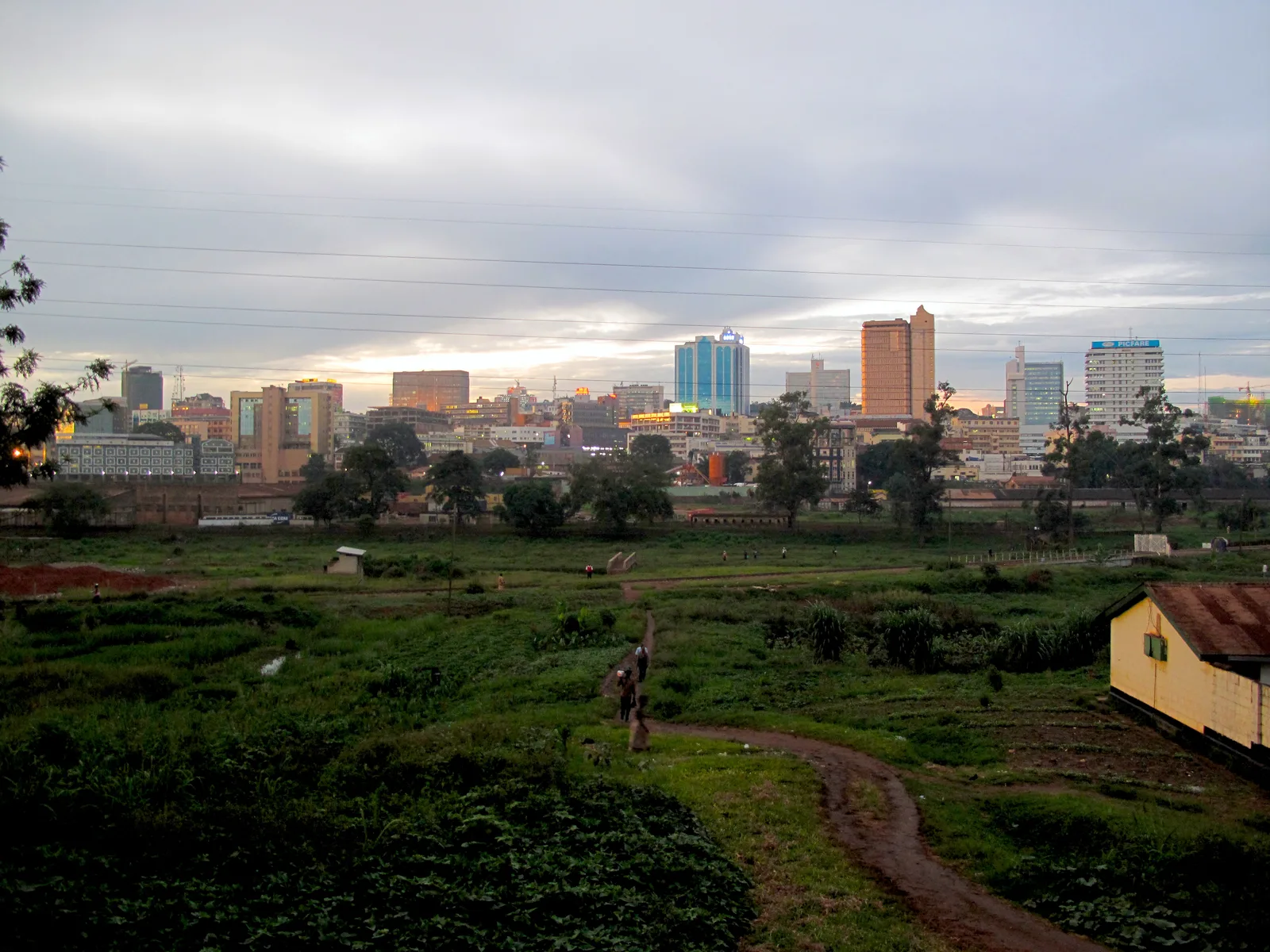
Kampala rewards travellers who give it time beyond an airport transfer or safari briefing. Uganda’s capital brings royal heritage, religious landmarks, markets and contemporary urban life into the same visit. The useful question is how to connect those experiences without spending most of your stay crossing town. Choose a base around your priorities, group nearby stops and leave an afternoon flexible.
Three full days make a sensible introduction: one for Buganda heritage, another for central Kampala and a third for a quieter religious site or an excursion. That is a suggested pace, not a minimum needed to appreciate the city. If you have only one day, choose a coherent route with a guide rather than trying to collect every landmark before dinner.
For a possible move, extend the visit and change the programme. Travel to your prospective workplace, inspect homes and buy ordinary household supplies. A comfortable hotel can show you one version of Kampala while concealing the practical costs of a daily commute. Keep leisure impressions and relocation evidence in separate columns as you compare options.
Understand the geography before choosing a neighbourhood
Kampala’s hills are useful for orientation, but neighbourhood names alone cannot tell you how an address will work. The city authority identifies five administrative divisions: Central, Kawempe, Makindye, Nakawa and Rubaga. These are administrative areas rather than five interchangeable visitor districts. Ask for the exact street, entrance and map location whenever booking accommodation or arranging a meeting.
Nakasero is worth considering for a central base, particularly when your programme includes business appointments and city sightseeing. Kisementi provides a different reference point: Acacia Mall’s own directions place it on Sturrock Road, connected with the surrounding Acacia Avenue, Cooper Road, Bukoto Street and Kira Road network. Check the actual walking route from a proposed hotel; proximity on a booking map does not guarantee a pleasant pavement journey.
For heritage days, examine the route to Kasubi, Old Kampala and Lubaga before choosing your starting point. For a stay focused on the lake or a conference at Munyonyo, compare accommodation there with a central hotel. A property advertised as being in Kampala can still create a very different daily schedule. Select the address after deciding which journeys you will make repeatedly.
Read Kampala through its royal and religious landmarks
The Tombs of Buganda Kings at Kasubi provide essential context for the city. The former royal palace was built in 1882 and became a royal burial place in 1884. UNESCO recognises the site’s architecture and its continuing spiritual importance to the Baganda people. Visit for an explanation of kingship, construction traditions and living cultural practice, giving the guide’s interpretation more attention than the number of photographs you take.
The site’s recent history matters too. A fire devastated its principal funeral building in 2010. UNESCO confirmed the reconstruction programme’s completion in 2023, when Kasubi was removed from the List of World Heritage in Danger. Older photographs and descriptions can therefore be misleading. Confirm current visitor access, charges and photography arrangements with the site before travelling; a World Heritage listing does not establish today’s admission conditions.
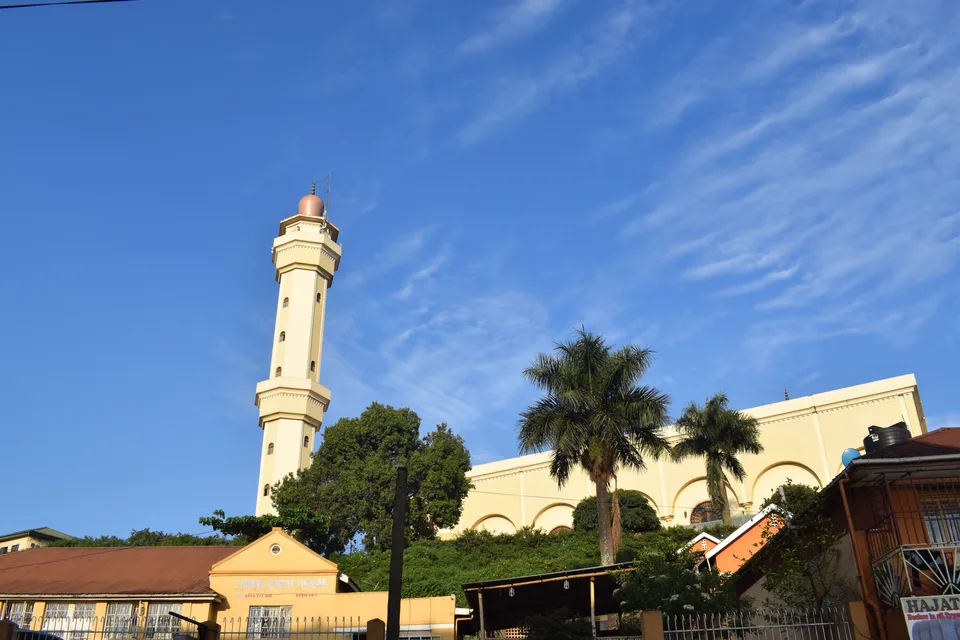
On Old Kampala Hill, the Uganda National Mosque, also called Gaddafi National Mosque, offers another perspective on the capital. The council visitor portal describes guided visits and access to the minaret. Ask which areas are available around prayers, whether the climb suits your mobility and what the current ticket includes. The Uganda Muslim Supreme Council website provides an official contact route. Dress respectfully, and do not assume that a sightseeing visit gives unrestricted access to a working religious building.
Lubaga Cathedral adds a further strand to this history. The Catholic archdiocese traces the cathedral’s construction to 1914–1925, following the donation of land by Kabaka Mwanga II in 1889. Allow room for worship and ceremonies when visiting. These sites are best approached as institutions with their own communities and rhythms, rather than interchangeable viewpoints on a city tour.
Check the museum closure and plan a calmer alternative
The Uganda National Museum’s official visitor page currently announces a temporary renovation closure. That notice takes precedence over the normal opening hours still displayed farther down the same page. Do not build an itinerary around walking into the galleries until the institution confirms reopening. A directory listing, or an older account describing an enjoyable visit, cannot settle the question of present access.
For a quieter outing, consider the Bahá’í House of Worship on Kikaaya Hill, which opened in 1961. Its published visiting schedule is Tuesday to Sunday, 8am–6.30pm, with Monday closure; Sunday devotionals are listed for 10.30–11.30am. Choose the visit according to whether you want time for quiet reflection or to attend the devotional programme respectfully.
Read the temple’s visitor guidelines before setting out. Entry is free, visitors need valid identification, and modest dress is requested. Photography inside the auditorium and drone use are prohibited. Keep the atmosphere peaceful and ask staff about any uncertainty. For families, this is a chance to build a less crowded day around a single substantial visit rather than add another distant stop merely because the afternoon is available.
Where to stay: match the property to the purpose
Kampala has full-service hotels, smaller guesthouses and apartment-style stays, but the useful comparison is the complete arrangement. Check late arrival procedures, breakfast, transfer options, cancellation terms and how evening meals will work. A cheaper room can become an expensive choice if every meal and meeting requires an extra car journey. Ask about building work or event noise affecting the room you will actually receive.
For a central hotel example, Kampala Serena publishes accommodation and conference information for its Kintu Road property. At Munyonyo, the Commonwealth Resort’s practical information illustrates a resort and conference alternative. These are starting points for checking facilities and location, not personal endorsements or evidence that either suits every budget. Compare dated quotations with the same meals, taxes and cancellation conditions included.
Apartment bookings need additional questions. Is cleaning included, who handles repairs, and is there a usable kitchen rather than only a kettle? Request recent photographs of the specific unit and establish how keys are collected after a delayed flight. Travellers needing step-free access should confirm the entire route from vehicle drop-off to bedroom and bathroom, including lifts, thresholds and backup arrangements.
Entebbe arrival and the transfer into Kampala
International air arrivals use Entebbe International Airport, outside Kampala. Start with the Uganda Civil Aviation Authority’s airport information and your accommodation’s exact address. The authority describes identifiable Airport Taxis with yellow markings and vehicle identification numbers. Agree the destination and total fare before departure, including any route charges, waiting time and late-night arrangements. Treat old online fare conversions as historical rather than a current quotation.
Prearrange the first transfer if arriving tired, travelling with children or carrying substantial luggage. Save the driver’s contact details and the hotel’s telephone number before boarding your flight. If the flight changes, establish who tracks the arrival and how long the driver waits. Give the accommodation your expected arrival window so that a late journey does not end at an unstaffed entrance.
Avoid a fixed promise about the airport drive. Ask the driver to assess conditions for your travel time, and leave generous contingency before a departing flight. An Entebbe overnight can be worth comparing when an early departure would otherwise require an uncomfortable transfer. Calculate that decision using the full cost of the extra room and transfers, alongside the value of sleep and reduced scheduling pressure.
Getting around without letting traffic run the visit
Build each sightseeing day around one side of the city, with a meal break and a flexible final stop. Ask your hotel or guide to review the sequence before you leave. Walking can work for short sections, but inspect crossings, gradients and the return route instead of treating straight-line distance as a walking recommendation. Choose arranged transport for the evening.
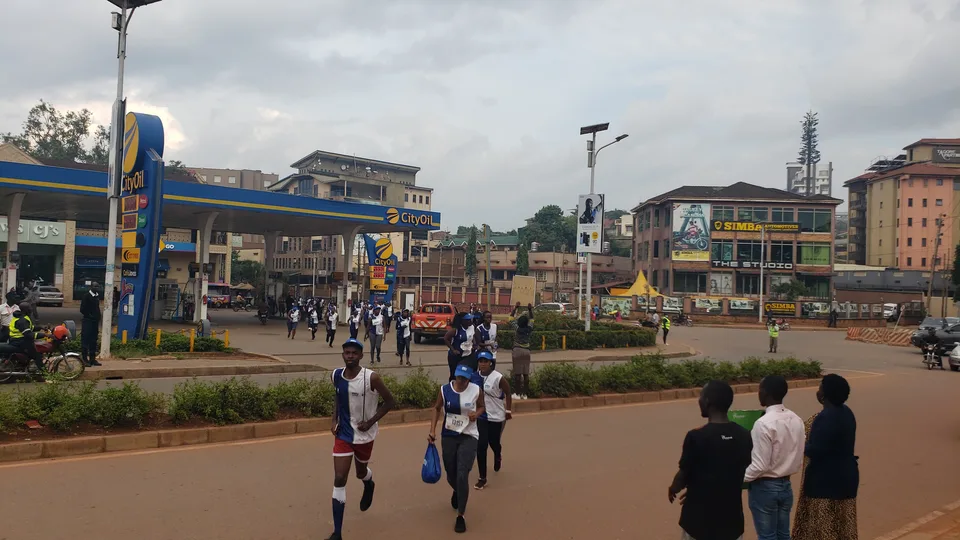
SafeBoda’s Uganda service includes car and motorcycle options. Confirm the vehicle category, collection point and fare in the app; a brand name is not a guarantee about every journey. Minibus taxis, known as matatus, and motorcycle taxis, or boda-bodas, are part of the transport landscape. However, UK government travel advice warns about both modes and recommends avoiding them. A prearranged car is the more cautious planning choice.
For several stops, compare separate rides with a driver hired for an agreed period. Put the itinerary, waiting arrangement and finishing point in writing. Families should request suitable child restraints rather than assume they will be available. Anyone inspecting homes should repeat the likely commute at a normal working time; an unusually clear Sunday journey is poor evidence for a weekday routine.
Markets, meals and an honest daily budget
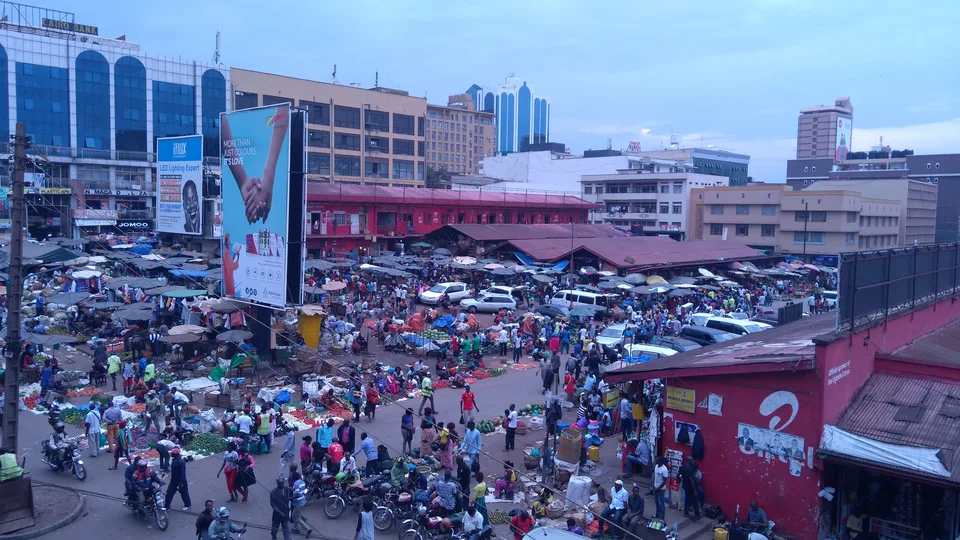
Nakasero and St Balikuddembe, commonly called Owino, are established Kampala markets. Choose a market visit for an introduction to commerce and everyday shopping, with a guide if you want help understanding what you see. Ask before photographing traders, keep space clear for customers and agree quantities and prices before purchasing. A busy market deserves attention rather than a hurried walk while checking your phone.
Build food exploration around questions: what is being cooked today, what accompanies the main dish, and can ingredients be explained if you have allergies? Choose freshly prepared food from premises you are comfortable using. If a dietary restriction is medically important, explain it directly and confirm the kitchen can accommodate it; a familiar-looking dish name is insufficient assurance.
Budget in Ugandan shillings for ordinary spending, keeping accommodation and any foreign-currency quotations clearly separated. Obtain current room and transport prices for your dates, then add meals, attraction admissions, data and a contingency. No dependable single daily figure covers a guesthouse visitor using local meals and a conference guest hiring a car. A transparent personal budget is more useful than an unsupported citywide average.
One published reference point is MTN’s tourist SIM offer: the operator lists a 30-day bundle with 10GB and 150 minutes for UGX30,000. Recheck the offer when purchasing. For shopping, use the Acacia Mall operator’s directions to check whether it fits your route, rather than making a separate cross-city trip for an item available nearer your accommodation.
Rain, seasons and choosing your dates
The city authority’s 2025 climate assessment describes two main rainfall peaks, March–May and September–November. June–August and December–February are relatively drier, with rain still possible. Choose dates around your complete Uganda programme, then keep Kampala’s outdoor plans adjustable. A drier season improves the odds of convenient outings; it cannot promise a rain-free market walk or an uninterrupted road journey.
Carry rain protection and footwear suitable for wet surfaces. Put the most important outdoor stop earlier in your available schedule so that another day remains if conditions deteriorate. During heavy rain, reassess routes rather than pressing ahead to preserve a timetable. For accommodation searches, ask specifically about drainage, access roads and what happens at the entrance after a downpour.
A realistic three-day introduction
Day one: arrange a heritage-focused visit to Kasubi, with current access confirmed beforehand. Add Lubaga Cathedral only if the route and religious schedule work comfortably. Ask your guide to explain the relationship between royal history, faith and the modern city. Leave the evening near your accommodation instead of adding a distant restaurant that turns dinner into another expedition.
Day two: visit the Uganda National Mosque at a suitable time for tours, then choose a manageable central walk and a market visit. Plan lunch as an actual break, with time to sit and review the afternoon. If shopping is a priority, reduce the sightseeing list. Do not substitute the closed National Museum without checking its reopening announcement.
Day three: visit the Bahá’í temple on an opening day, or use the day for an Entebbe outing. Travellers considering relocation can replace this programme with two housing viewings and a commute trial. Book only what you can realistically use, and retain a buffer before an onward safari, regional transfer or international flight. A spare hour often improves the visit more than an additional landmark.
Housing and the commute that decides your week
Start a possible move with temporary accommodation and a shortlist based on work, school and essential appointments. Inspect several homes rather than judging a neighbourhood from a single listing. Request the exact unit, check ventilation and security arrangements, and visit at different times. Listen for traffic, generators and nearby events. Ask neighbours about access after rain and how deliveries reach the property.
Make the monthly comparison complete: rent, deposit, service charges, electricity, water, internet, transport and any security or parking charges. Confirm the payment currency, billing period, repair responsibilities and notice requirements in the written agreement. Check the identity and authority of the person offering the property before transferring a deposit. Take independent local advice on the agreement where necessary; a viewing agent’s reassurance cannot replace documentation.
For a furnished home, agree an inventory and photograph its condition at handover. Test taps, sockets, locks and appliances, and check where meters are located. Ask who pays outstanding utility balances and how shared bills are calculated. Parents should investigate school availability and the school-run route before selecting a long lease. The attractive house that creates two difficult daily journeys may be the wrong household choice.
Give each viewing a practical test: leave the building with the bags, pushchair or equipment you would normally carry, reach the collection point and make the journey to your next appointment. Check whether a driver can find the entrance without repeated calls. If the address is inside a compound, establish who admits visitors and deliveries, whether access changes at night and how emergency assistance would reach the door.
Utilities, connectivity and essential services
Use National Water and Sewerage Corporation’s customer services to investigate water accounts, faults and connections. At the property, establish whether water is individually metered, how storage is maintained and whether sanitation uses a sewer connection or another system. Ask the landlord to demonstrate the arrangement. A utility’s presence in the city does not prove that a particular house has the connection advertised.
For electricity, consult UEDCL’s current customer portal and check the property’s meter, payment method and responsibility for faults. Test any advertised backup power and establish what it can actually run. Internet deserves the same scrutiny: check reception inside the rooms where you will work, the package allowance and the alternative if a connection fails. Run a real video call before relying on a home for remote meetings.
MTN says tourist SIM registration requires travel documents, including a passport and visa, with service available at the airport centre. Ask which product and validity fit your immigration status. Identify a suitable clinic and pharmacy near your chosen home, confirm insurance acceptance and keep payment arrangements clear. Review official Uganda health advice and obtain individual travel-health guidance before departure, particularly for an extended stay.
For a household visit, keep a record of the nearest grocery shop, pharmacy, laundry option and reliable vehicle collection point around each shortlisted address. Test a small shopping trip rather than relying on an estate description such as “near all amenities”. Check opening arrangements when you would normally shop, including evenings and weekends. These observations turn a general impression of the neighbourhood into evidence you can compare after returning home.
Before leaving temporary accommodation, retain copies of meter readings, account contacts and the agreed handover record. Arrange a clear channel for reporting faults and distinguish the landlord’s responsibilities from those of the building manager or utility. Resolving that division early is easier than discovering it during an interruption to an essential household service.
Entry permission, work and study are different decisions
Check nationality-specific eligibility through Uganda immigration and apply through the official portal linked from its single-entry tourist visa page. The published visa fee is US$50 plus bank charges. The category can be granted for up to three months; the approval authorisation’s 90-day travel window is a separate issue. Follow the actual permission granted, rather than assuming an approval email entitles you to an identical stay in every case.
Documents include a passport with at least six months’ validity, photograph, itinerary and accommodation details. A 2 October 2026 immigration notice states that a yellow-fever vaccination certificate is no longer mandatory for entry. Older official pages still contain the previous requirement. This change concerns entry documentation, not whether vaccination is medically appropriate; check clinical advice and the rules of any onward country.
For regional tourism, the East African Tourist Visa covers Uganda, Kenya and Rwanda, costs US$100 and prohibits employment. Its published 90-day validity and restrictions need checking against the complete route, including the first country of entry. It does not cover every East African country. Avoid buying it solely because the name appears to match a wider regional itinerary.
Employment, volunteering and longer residence require separate consideration of Uganda’s entry-permit categories. The official list distinguishes salaried employment, NGO volunteering and ordinary residence supported by external income without employment. Do not infer permission for remote work from a visitor visa. Formal study has a student-pass process involving the institution. Neither repeated tourist visits nor a rental agreement establishes permanent residence.
Safety, local rules and places to consider nearby
Read current security advice before booking. It warns of terrorism, protests and theft, and advises against walking after dark. LGBT+ travellers should examine the serious legal risks: same-sex sexual activity is illegal and can carry severe penalties. These considerations can materially affect both a visit and a relocation decision.
The same advice describes final-Saturday morning cleaning restrictions, with tourist and international-traveller exemptions but uncertain enforcement. Confirm arrangements with your provider if travelling then. Ask before photographing people, and respect restrictions at official or security sites. Keep an accessible passport copy and accommodation contacts while protecting the original document.
Compare Entebbe’s city page for an airport-side stay or an outing to the Uganda Wildlife Conservation Education Centre. Jinja offers another direction for a separate visit; its district authority identifies Bujagali as a lake at the former falls, so avoid expectations based on old waterfall descriptions. Allow appropriate travel time rather than forcing either excursion into an already full city day.
Use VisaWand’s Uganda location directory to explore other places and its Uganda destination page with the appropriate passport selected for your situation. The consultant listings can help identify professional support for an application, while the official immigration decision remains authoritative. Choose Kampala with a clear programme, realistic journeys and enough time to discover how the city works for you.
Official planning resources
Reviewed 17 October 2026. Use the official resources linked throughout this guide for admission, transport, housing and immigration decisions. Prices, services and rules can change; confirm the details relevant to your dates. Photography illustrates the locations and is not a live view.
View all official resources
- KCCA: city authority and divisions
- Acacia Mall: getting here
- UNESCO: Tombs of Buganda Kings at Kasubi
- UNESCO: Kasubi restoration completed in 2023
- Uganda Muslim Supreme Council: official contact and institutional website
- Kampala Archdiocese: institutional history
- Uganda museums: plan your visit
- Bahá’ís of Uganda: House of Worship
- Bahá’ís of Uganda: visitor guidelines
- Kampala Serena Hotel: official accommodation information
- Munyonyo Commonwealth Resort: practical information
- Uganda Civil Aviation Authority: Entebbe airport
- SafeBoda Uganda: ride services
- UK government: Uganda safety and local laws
- KCCA: Nakasero and Owino markets
- MTN Uganda: tourist SIM registration
- KCCA: 2025 climate vulnerability assessment
- National Water and Sewerage Corporation: customer services
- UEDCL: customer services
- UK government: Uganda health planning
- Uganda immigration: single-entry tourist visa
- Uganda immigration: yellow-fever entry notice, 2 October 2026
- Uganda immigration: East African Tourist Visa
- Uganda immigration: entry permits
- Uganda immigration: student pass
- Uganda Wildlife Conservation Education Centre
- Jinja District: Bujagali Lake
Plan the next part of your journey
Explore the Uganda guide, browse other cities or compare consultants for your travel and relocation questions.