Visa
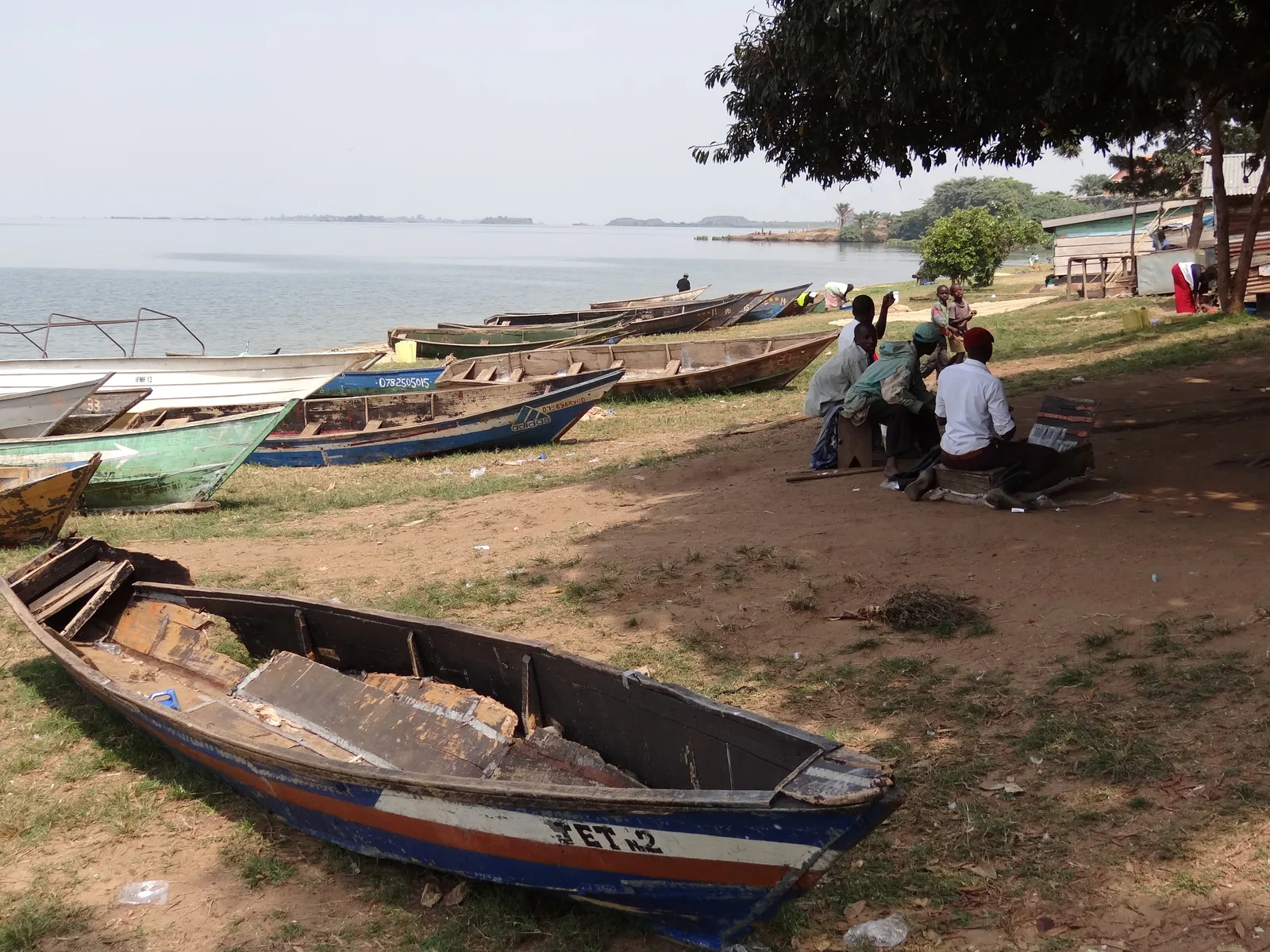
Entebbe offers more than an airport overnight
Entebbe occupies a peninsula on Lake Victoria, southwest of Kampala. Its appeal is the combination of a lakeside setting, gardens, conservation visits and a manageable introduction to Uganda before or after a longer journey. It works particularly well when you want an unhurried arrival, a final night near the airport or several days focused on birds and the lake.
This is a town with government institutions, residential areas and working landing sites, not simply a resort attached to an airport. A lake-facing room can provide a pleasant outlook, but it does not establish safe swimming, convenient access to every attraction or a quick daily commute to Kampala.
Allow two full days for a useful first visit, adding another if both Mabamba and Ngamba Island are priorities. For relocation, extend the reconnaissance beyond sightseeing: test transport, household services and the journey to work or school before deciding where to settle.
Check the latest health measures before booking
Uganda’s 25 October 2026 health-minister update requires arriving travellers to complete a Passenger Locator Form and undergo screening. Use the Ministry of Health’s traveller-declaration links and confirm instructions before departure. Allow time for these procedures rather than planning a tightly timed onward connection after landing.
The same notice restricts travel involving the Democratic Republic of Congo. It states that travellers with DRC travel history may not transit through Uganda, including on chartered flights, and describes separate rules for essential travellers, DRC nationals and returning Ugandans. If that history applies to you, obtain current instructions from the authorities and airline before buying an Entebbe itinerary; do not assume a tourist visa overrides public-health restrictions.
These measures are time-sensitive. Check them again close to travel, and check the rules of countries you will visit after Uganda. Neither an older outbreak announcement nor a social-media assurance establishes your eligibility to travel today.
Understand the town before choosing a neighbourhood
The municipal council’s information is a useful starting point for Entebbe’s local context, while its physical development plan explains the lakeshore settlement and later administrative role. Entebbe’s history includes Buganda authority, lake transport and British colonial administration; it did not begin as a stop for modern safari tourists.
For accommodation, distinguish the airport side of town, the established central streets and a property marketed for its waterfront setting. Compare actual entrances with your intended activities. A short distance on a map can still involve an indirect road, a difficult final approach or a ride whenever you want groceries.
Kampala is a separate city, not a central district of Entebbe. Staying here can be convenient for the airport and local outings while being inconvenient for repeated meetings in the capital. Anyone comparing homes should evaluate the specific workplace journey, not simply whether an advert says “Entebbe Road”.
Use the heritage map for a thoughtful walk
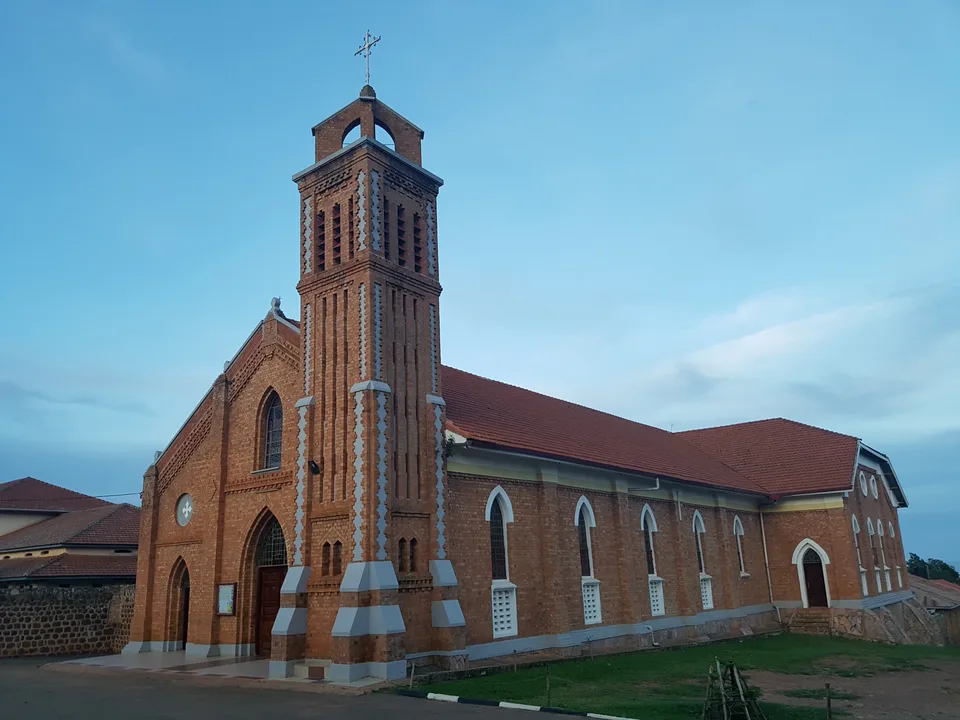
The Cross-Cultural Foundation of Uganda’s Entebbe heritage map documents buildings and places that connect the town with its administrative, religious and community history. They include Bugonga Church, the old post office, the Secretariat and the Independence Tree. The latter became associated with rallies before independence, giving a walk a political and social dimension beyond architectural styles.
Choose a few accessible stops and ask a local guide to explain their significance. The map identifies historical properties; it does not guarantee current interior access, visitor hours or permission to photograph. Some buildings remain workplaces or religious spaces. Government and airport sites require particular care, and a historic association is not an invitation to walk into a restricted area.
Keep the route comfortable in the weather, with water and time for a break. A short, well-explained walk usually provides more understanding than trying to collect every marked building in one afternoon.
Give the Botanical Gardens an unhurried visit
Entebbe Botanical Gardens offers a change of pace from flights and road travel. The heritage map records its establishment in 1898, originally for botanical research. Today, approach a visit as a chance to look closely at trees, birds and the lakeside environment, rather than rushing through to another attraction.
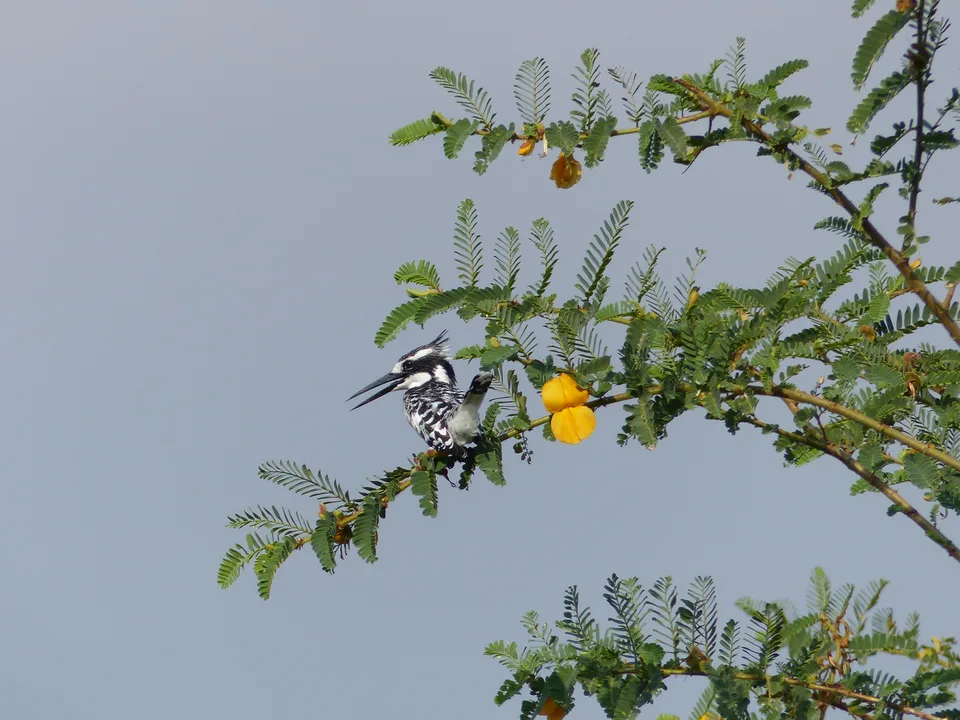
Ask at the entrance about the current fee, available guiding and which paths are suitable for the time you have. Wear shoes that can handle uneven or damp ground. Birdwatchers should bring binoculars and tell a guide whether they want a general introduction or a more focused outing; species recorded in a garden are not guaranteed sightings.
Keep food away from wildlife and avoid touching or feeding animals. Travellers with limited mobility should ask about the actual surface, gradients and resting places before arranging a visit. A green area on a map does not establish that every route is paved or step-free.
Understand what UWEC offers
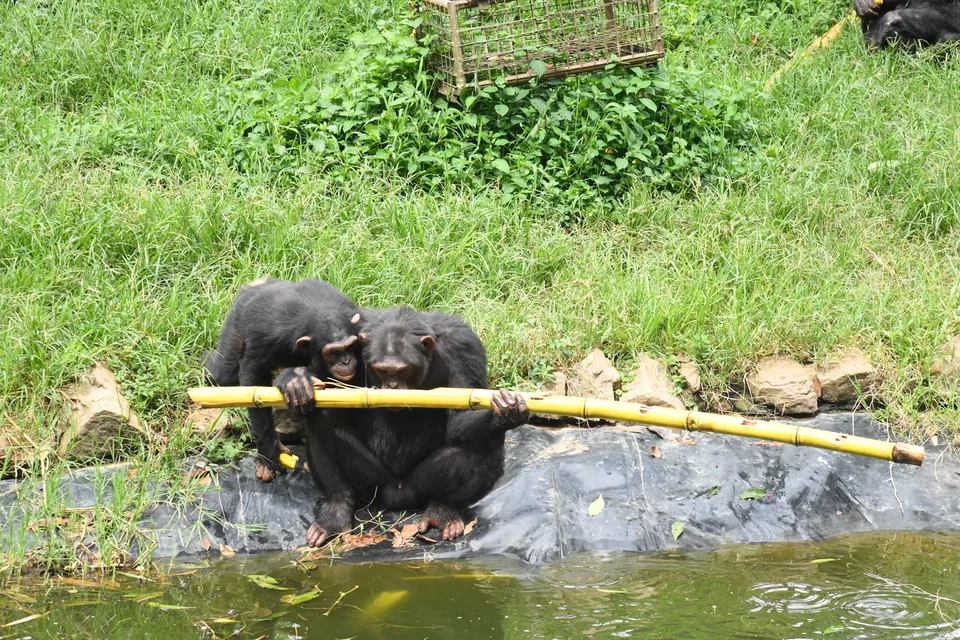
The Uganda Wildlife Conservation Education Centre, commonly called Entebbe Zoo, is a conservation and education visit. It provides an introduction to animals in managed care and the work associated with wildlife protection. It is different from tracking animals in a national park or visiting the separate sanctuary on Ngamba Island.
Choose the programme before comparing prices. A normal day visit, a behind-the-scenes activity and a specialist chimpanzee experience are separate products with different conditions. Ask what is operating on your date, the minimum ages and any health requirements. A website listing is not a guarantee that an animal-contact activity is currently available.
For families, leave enough time to explore without expecting every animal to be visible or active. Follow staff instructions, keep to visitor areas and do not feed animals independently. Visitors arriving unwell should seek advice about rescheduling rather than assuming an activity involving primates can proceed as planned.
Check admission categories and paid activities
UWEC’s published rate page lists a non-resident adult day visit at USD 15, a foreign-resident adult at USD 10 and an East African adult at UGX 20,000. The listed non-resident child rate for ages three to fourteen is USD 10. Confirm the applicable category, current amount and accepted documents before paying; these are published figures, not a personal quotation for a future date.
The same page lists a non-resident behind-the-scenes experience at USD 70. Do not assume that a basic admission includes that programme, or add charges together without asking whether the quoted activity price already includes entry.
Keep a receipt and clarify any separate guiding or parking charges. If you are comparing a hotel-arranged excursion with an independent visit, ask for transport and admission to be itemised. That makes it possible to judge the complete service rather than choosing the lowest headline figure.
Book Ngamba as a separate island excursion
Ngamba Island Chimpanzee Sanctuary is an excursion on Lake Victoria, with rescued chimpanzees and organised visitor programmes. It is not another name for UWEC, and a visit should not be described as wild chimpanzee tracking. The operator arranges transfers and publishes viewing sessions, so choose a package that explains the visit as well as the crossing.
The Trust’s current getting-there page names Pelican Lodge and Marina in Entebbe as its departure point, with an approximate speedboat crossing of forty-five to fifty minutes. Confirm the actual meeting place and reporting time when booking: older descriptions may name different departure arrangements, and weather can affect the journey.
Ask about lifejackets, boarding, children, cancellation and any medical conditions attached to your programme. Obtain a current complete price rather than using an old per-person figure that may assume a larger group. Keep the excursion away from a tight international-flight connection.
Make Mabamba a patient birding outing
The Mabamba Bay Wetland System is a Ramsar-listed wetland west of Entebbe’s airport, known for its papyrus habitat and importance to birds including the shoebill. Its international designation recognises wetland value; it is not a promise of a shoebill appearance on every tour.
NatureUganda’s community-conservation work at Mabamba explains the relationship between local livelihoods, guiding and protecting the wetland. Choose an outing that respects that setting. Agree the road or lake transfer, local boat arrangements, guiding, duration and return plan before departure. Tell the provider about mobility needs and swimming ability so boarding and flotation equipment can be discussed properly.
Leave space in the schedule to wait and observe. Ask guides to keep an appropriate distance rather than pushing boats close to birds for photographs. A quieter, patient encounter is more worthwhile than an itinerary built around a guaranteed sighting or an implausibly short stop between flights.
Enjoy the lake without assuming it is a swimming beach
Lake Victoria gives Entebbe much of its visual appeal, from working landing places to hotel gardens and boat departures. Those uses are different. A fishing landing is a workplace, a marina is a transport point, and an attractive shore is not evidence of supervised swimming or safe water.
NaTHNaC’s Uganda health guidance identifies schistosomiasis risk and advises avoiding swimming, wading or bathing in freshwater. Adequately chlorinated swimming pools provide a different option. Seek individual travel-health advice, particularly if an excursion’s advertising includes entering the lake; neither towel drying nor insect repellent reliably prevents this infection.
For a boat trip, establish the vessel, weather decision, flotation equipment and return arrangements before paying. Keep children supervised at the water’s edge and do not board an informal vessel simply because it is offered at a landing. A waterfront meal or walk can be a satisfying lake experience without going into the water.
Choose accommodation for the night you actually need
A single airport overnight calls for reliable collection, a confirmed check-in arrangement and food available at your arrival time. A longer visit may make a garden, pool, laundry service or practical access to local outings more important. Compare those requirements before ranking properties by photographs or room size.
For a documented example, The Boma Hotel’s own website describes a garden property based around an original 1940s house and advertises a double room at USD 200 per night. Treat that as a published starting reference: request your dates, occupancy, taxes, meals and transfer terms in writing. It is not evidence of a typical Entebbe room price.
Ask whether a day room, late checkout or luggage storage is possible if your flight leaves well after normal checkout. Travellers needing accessible rooms should request entrance and bathroom details, and separately check whether the transfer vehicle accommodates their requirements.
Arrange the airport transfer before arrival
Entebbe International Airport, code EBB, serves both Entebbe and the wider Kampala area. They are different destinations for a driver. Provide the property name, actual entrance, flight number and passenger count, and establish how you will recognise the person meeting you after arrival.
The Civil Aviation Authority’s airport information lists taxis and car-hire options. Its page also gives a Kampala taxi price, but an undated published figure should not replace a current quotation for your own journey. Ask whether the price includes waiting after a delayed flight, road charges, luggage and a child seat if required.
On departure, work backwards from your airline’s reporting time and allow for road travel, airport access and screening. A nearby hotel reduces the road leg without eliminating check-in requirements. If you are connecting onwards by a separate flight, confirm baggage handling and the consequence of a delayed international arrival before choosing the connection.
Plan local transport around safety and reliability
For a short visit, a prearranged driver or accommodation transfer can make the first journeys straightforward. Agree the destination, fare, waiting time and return arrangements before setting off. Keep the driver’s details and arrange a clear collection point, particularly after a lake excursion or when carrying luggage.
Read the current Uganda transport and safety guidance before choosing other services. UK advice warns against using matatus and boda-bodas because of the risks involved. Their availability does not make them suitable for every visitor, and a lower fare alone is a poor basis for choosing a vehicle after a long flight.
For repeated Kampala journeys, test the route at the times you would actually travel. Include the final approach to your workplace and the return trip, rather than comparing only an uncongested main-road estimate. For relocation, that trial can change which home makes sense more than a modest difference in rent.
Build a budget without invented daily averages
Put accommodation, airport transfers, food and the outings you genuinely want into separate lines. Then establish which services are included in each quotation. A sanctuary package might include a boat and admission, while a basic wildlife-centre ticket does not automatically include specialist activities. Group size can materially change a private transfer or excursion price.
Use the published UWEC admission figures as category-specific references and request a complete Ngamba or Mabamba quotation for your date. Avoid adding a historical boat fare to a current admission fee and presenting the result as an authoritative total. The same discipline applies to hotel prices advertised without dates.
Keep everyday spending in Ugandan shillings where quoted, and confirm the currency before payment. Ask how card fees or conversions affect a larger bill. Retain a reserve for a postponed outing, a changed flight or another night, rather than spending the entire budget on a tightly packed programme.
Pick a season, then check the actual forecast
Entebbe’s lakeside setting calls for adaptable plans. Uganda generally has wetter periods around March to May and September to December, while January to February and June to August are often chosen for comparatively drier travel. Rain can still interrupt an outing, and seasonal shorthand should not be treated as a guarantee of a dry morning or calm lake.
Use the Ugandan meteorological service’s forecasts and warnings close to your visit. Lake crossings need a local weather decision from the operator, while a garden walk needs footwear and a plan for shelter. A warmer layer for an evening or early boat departure can be useful even when the day feels warm.
If your main aim is birding, discuss timing with a guide rather than choosing dates solely from a generic tourism calendar. Leave an alternative day for the lake outing and keep the hottest or wettest part of a day less demanding.
A realistic two-day introduction
On the first morning, visit the Botanical Gardens with time for trees and birds, then take a relaxed lunch. Use the afternoon for a few accessible heritage stops or a waterfront break. Confirm the following day’s departure point, equipment and return arrangements rather than trying to solve those details just before leaving.
Choose one substantial outing for day two: Mabamba for a guided wetland visit, or Ngamba for an organised sanctuary experience. UWEC is a useful alternative when you prefer a land-based conservation visit. Trying to combine all three creates a schedule in which transport can consume the day and a small delay becomes a problem.
With a third day, add the option you missed and leave time for ordinary shopping or rest. Keep departure day simple. For an evening flight, confirm checkout and luggage storage, then choose an activity whose finish does not depend on a lake crossing or unpredictable road journey.
Separate medical advice from entry paperwork
Arrange travel-health advice before departure, including malaria prevention and vaccinations appropriate to your itinerary. Government healthcare guidance gives 999 as the ambulance number and notes limitations in emergency assistance. Save your insurer’s help details and identify suitable care for any existing condition before travelling; a convenient hotel is not a substitute for an emergency plan.
Uganda Immigration’s notice of 2 October 2026 says a yellow-fever vaccination certificate is no longer mandatory for entry into Uganda. That administrative change does not mean vaccination has no medical value, or that another country will waive its requirements after a stay in Uganda. Discuss protection with a clinician and check every onward destination.
Keep medicines in their original packaging with supporting prescriptions where needed. Check insurance for your actual activities and any evacuation needs. If you become unwell, follow medical and public-health instructions rather than continuing a primate visit or flight simply because it has already been paid for.
Use the right permission for tourism, work or study
Check your nationality and purpose against Uganda Immigration’s tourist-visa guidance. The published single-entry fee is USD 50 plus bank charges, with permission potentially granted for up to three months. Apply through the official visa and permit portal where required, and distinguish the approval letter’s validity from the stay actually authorised at entry.
The East African Tourist Visa is a separate option for eligible tourism involving Uganda, Kenya and Rwanda; it does not cover Tanzania. Confirm the first-entry procedure and each country’s current health rules before relying on it for a regional journey.
A visitor permission does not replace the employment or residence permit required for your activity. Salaried work, volunteering and investment have different categories. Foreign students should check the student-pass requirements with their institution and immigration authorities. Resolve that status before starting the activity or assuming a short visit can become permanent residence through a property rental.
Investigate household needs before moving
Begin with temporary accommodation and test the weekly routine: work, school, shopping and healthcare. Inspect a proposed home’s water storage, drainage, electricity meter, cooling and internet performance inside the rooms. Get the inventory, deposit, repairs, service charges and termination terms in writing, with meter readings recorded at handover.
Use National Water and Sewerage Corporation’s account guidance and UEDCL’s electricity-support contacts to establish how the actual property’s services are managed. Do not assume a furnished rental includes every bill or uninterrupted supply. LGBT+ travellers and prospective residents should also read the current legal and safety guidance: same-sex sexual activity is illegal, with severe penalties and risks of harassment.
Compare the Kampala destination page for a different working base and the Jinja destination page for another location to consider. VisaWand’s Uganda country guide, destination directory and consultation listings support different planning tasks; a directory listing or consultation does not guarantee a completed guide or immigration approval.
Official planning resources
Reviewed 26 October 2026. Use the official resources linked throughout this guide for admission, transport, housing and immigration decisions. Prices, services and rules can change; confirm the details relevant to your dates. Photography illustrates the locations and is not a live view.
View all official resources
- Uganda Media Centre: health minister update of 25 October 2026
- Uganda Ministry of Health: traveller declaration links
- Entebbe Municipal Council: local information
- National Physical Planning Board: Entebbe development plan
- Cross-Cultural Foundation of Uganda: Entebbe heritage map
- Uganda Wildlife Conservation Education Centre: visitor information
- UWEC: published day-visit and activity rates
- Chimpanzee Trust: visiting Ngamba Island
- Chimpanzee Trust: Ngamba departures and transfers
- Ramsar Sites Information Service: Mabamba Bay Wetland System
- NatureUganda: Mabamba community conservation work
- NaTHNaC: Uganda travel health and freshwater risks
- The Boma Hotel Entebbe: rooms and facilities
- Uganda Civil Aviation Authority: Entebbe airport services
- UK government: Uganda safety, laws and transport risks
- The Boma: restaurant access and dining
- Uganda Department of Meteorological Services: forecasts and warnings
- UK government: Uganda healthcare and emergencies
- Uganda Immigration: yellow-fever certificate notice, 2 October 2026
- Uganda Immigration: single-entry tourist visa
- Uganda Immigration: official visa and permit application
- Uganda Immigration: East African Tourist Visa
- Uganda Immigration: entry and employment permit classes
- Uganda Immigration: student pass
- National Water and Sewerage Corporation: customer account help
- Uganda Electricity Distribution Company: customer support
Plan the next part of your journey
Explore the Uganda guide, browse other cities or compare consultants for your travel and relocation questions.