Visa
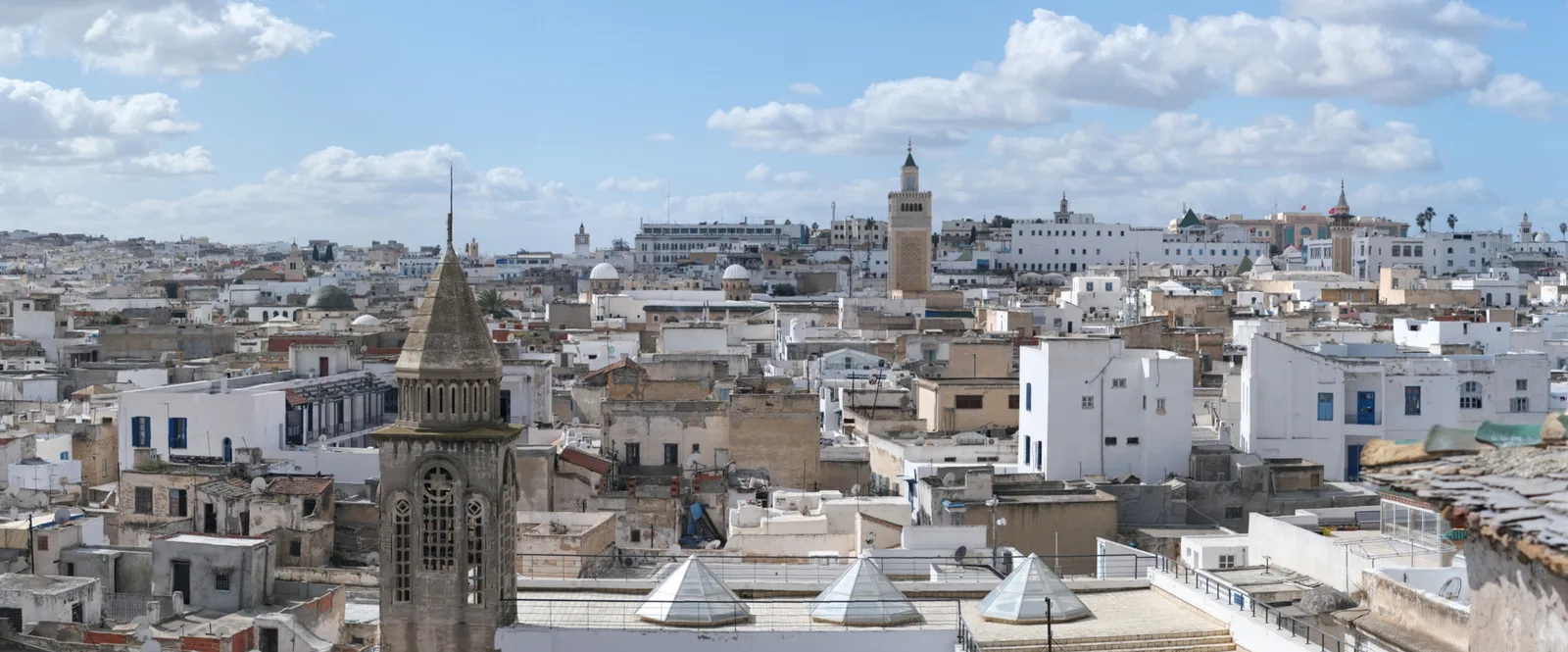
Tunis is a city break with several different centres
Tunis offers a compelling combination: a historic medina, a major archaeological museum, the remains of Carthage and coastal towns that make a longer stay attractive. The planning challenge is geographical. A room in the old city, an office near the lake and a seaside hotel can each suit a different trip. They should not be treated as interchangeable versions of the same central address.
Allow three full days for an introduction, keeping one for Carthage and the coast. Two days can work if you choose between collections and excursions rather than attempting everything. Prospective residents should add ordinary weekdays for testing a commute and inspecting housing. VisaWand’s Tunisia country guide and Tunisia destination page provide the wider context for entry arrangements and professional support.
Read the medina as a living city
The UNESCO account of the Medina of Tunis explains its importance through urban form as well as individual monuments. The central medina and its historic northern and southern suburbs preserve a pattern of commerce, homes, worship and civic life. Under the Almohads and Hafsids, especially between the twelfth and sixteenth centuries, Tunis became a wealthy and influential city.
UNESCO identifies roughly 700 historic monuments within the property. That figure is not a list of 700 visitor attractions with open doors. The interest lies in how mosques, houses, schools, markets and passageways fit together. Walk with time to notice a threshold, a shaded route or a change in building materials. Remember that the district also contains homes and workplaces; an attractive doorway is not an invitation to enter.
Choose between the medina, downtown and the lake
The official Tunis visitor overview distinguishes historic quarters from the modern city and Berges du Lac. Choose the medina for traditional architecture and a stay centred on walking through the old streets. Downtown offers a different experience, with larger roads and easier vehicle access. Berges du Lac can be more relevant when work appointments or a particular business address shape the visit.
Before booking, put your accommodation, main appointments and evening plans on the same map. A hotel that looks close to the airport may not be convenient for repeated medina visits. Conversely, a beautiful guesthouse deep in the old quarter may involve carrying bags from a vehicle drop-off. Ask for the actual entrance and arrival instructions, especially for a late check-in or anyone who needs step-free access.
Walk the markets around Zitouna with a clear starting point
Use Bab Bhar as one useful reference point when orienting yourself between downtown and the medina. The Zitouna Mosque is a major landmark within the historic fabric, with market streets and quieter lanes creating very different walking experiences. Start with a manageable loop and retain an offline map rather than trying to memorise every turn.
Treat religious buildings according to their present rules. A monument’s appearance in a heritage list or admission decree does not establish unrestricted access to its prayer hall. Ask about permitted visitor areas and the day’s arrangements; dress respectfully and avoid interrupting worship. For a first visit, a properly identified local guide can help interpret architecture and trade history. Establish the duration, language and total price before setting off, including whether shopping stops are part of the service.
Let covered passages and houses slow the pace
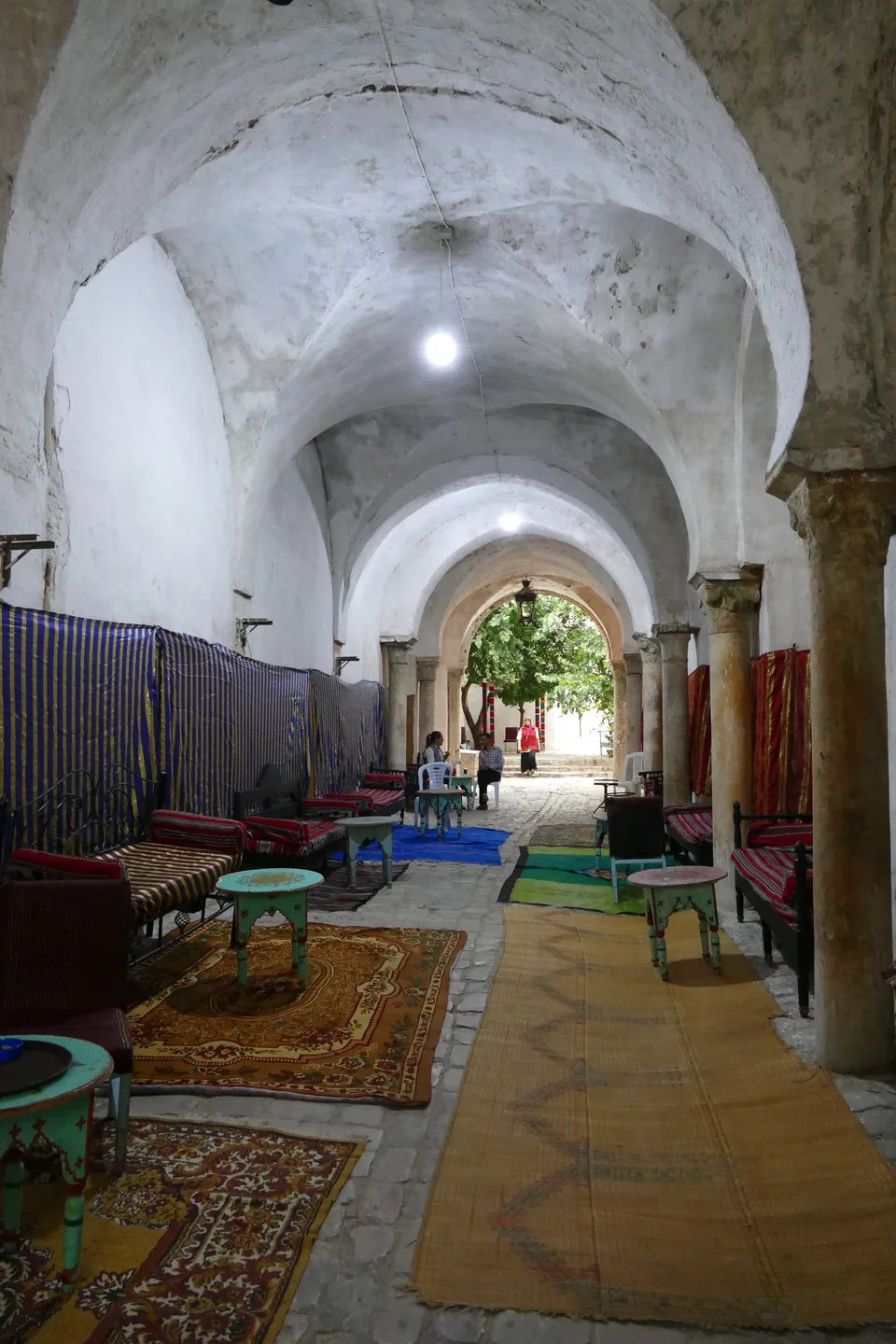
The medina’s interest often sits between its headline landmarks. Covered routes, decorated doors and enclosed courtyards offer a different scale from the avenues outside. When a historic building operates as a café, cultural venue or guesthouse, the activity can be as informative as its decoration. Decide whether you are visiting a business, attending an event or simply viewing an exterior.
Ask before photographing people or entering a furnished space. A rooftop view offered through a shop should come with a clear understanding of access charges and any expectations about purchases. Travellers who dislike commercial pressure can keep the walk focused on public streets and a preselected venue. There is no requirement to buy something in order to appreciate the medina’s architecture, and no reason to hurry past an interesting detail just to complete a route.
Give the Bardo Museum an unhurried morning
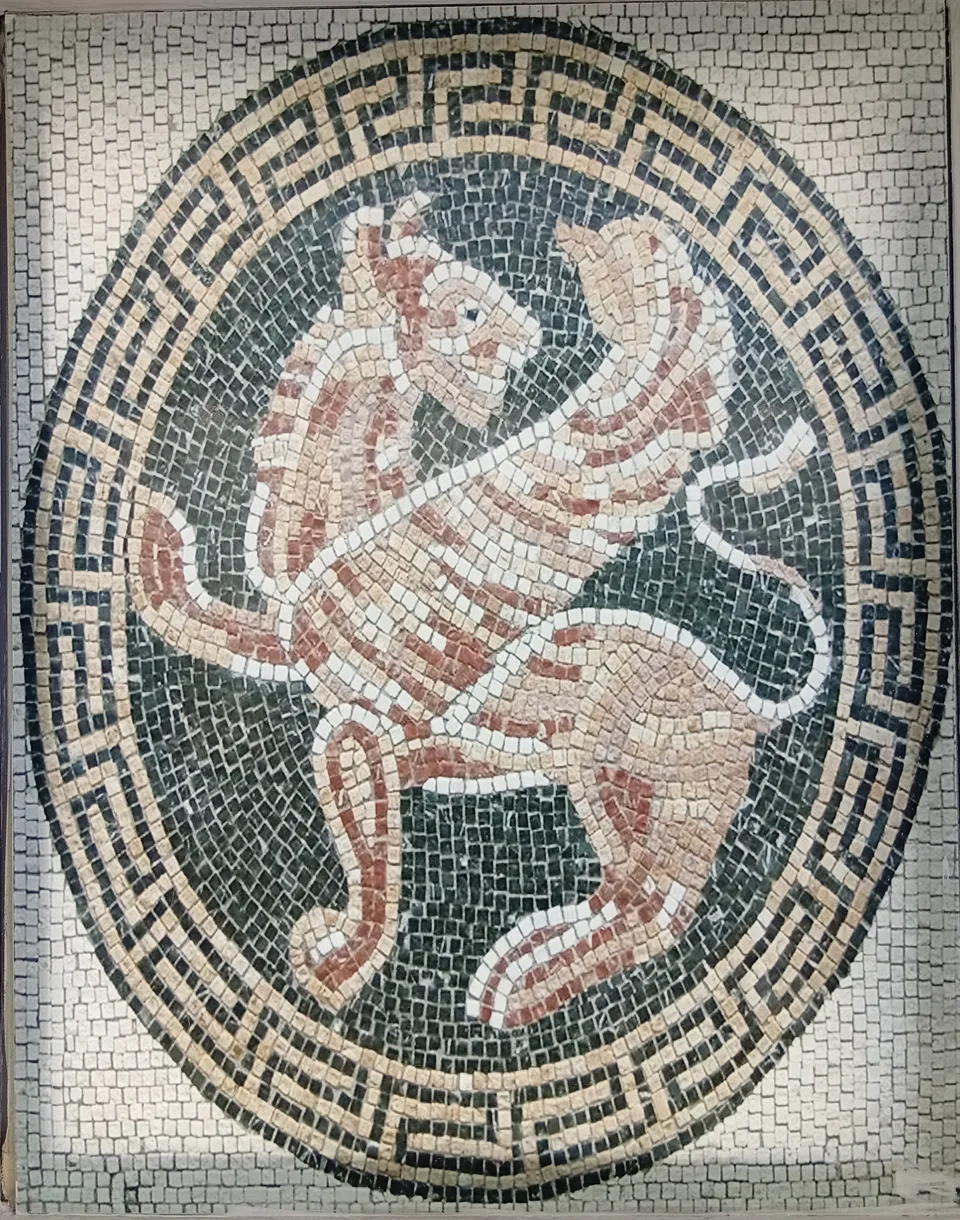
The National Bardo Museum’s collection overview describes a museum housed in a nineteenth-century beylical palace, with a substantial modern extension. Its celebrated mosaics are only part of the story: Punic material, sculpture and Islamic collections broaden the experience. Look at the architecture as well as the objects, and choose a few works to examine closely instead of treating every room as a checklist.
The museum’s published schedule closes on Mondays, with winter hours of 09:30–16:30 and summer hours of 09:00–17:00. Ramadan arrangements are separately listed. Confirm access to any particular collection that matters to you, because refurbishment can affect individual rooms. The mosaic of Virgil and the Muses and the large Neptune composition are useful reference points in the museum’s account, but the visit should leave room for discoveries beyond the best-known images.
Use the new museum prices when building your budget
Older visitor pages still display superseded admission figures. The Official Gazette decree of 27 March 2026 sets the standard Bardo rate at 30 Tunisian dinars from 1 April 2026, rising to 45 from 1 January 2027. Carthage’s grouped ticket is 20 dinars in 2026, rising to 30 in January 2027. A combined Bardo–Carthage ticket is 45 dinars in 2026 and 70 from January 2027.
The dinar is commonly written TND or DT. Prefer the current decree and ticket office over an older price repeated online. Reduced and resident categories require qualifying evidence; free first-Sunday access does not apply indiscriminately to every foreign tourist. Confirm the conditions and validity of a combined ticket before purchase. Your museum-and-archaeology subtotal can therefore be calculated transparently, without inventing a single daily budget for everyone.
Spend time outside the medina as well
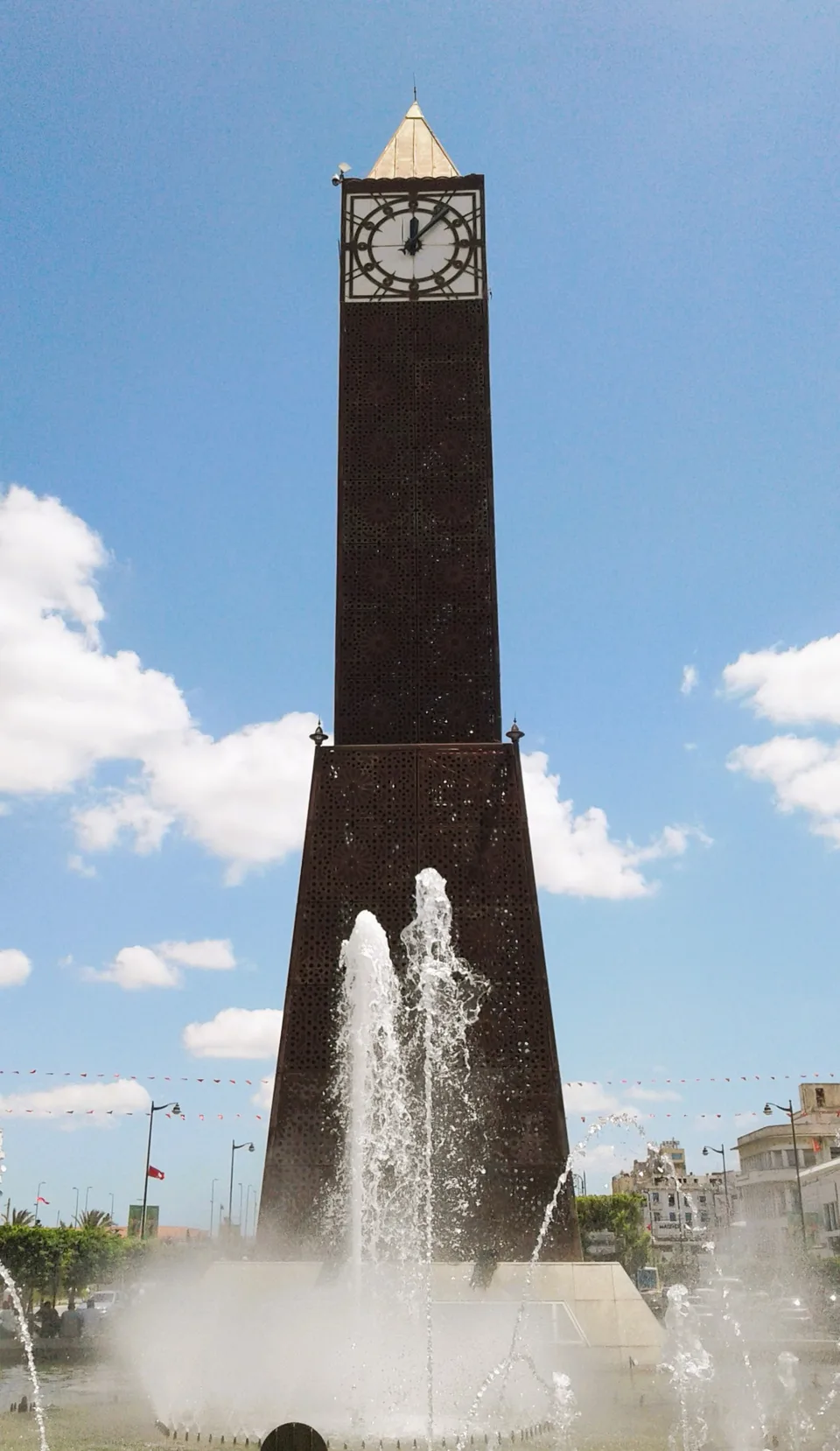
Downtown changes the scale of a Tunis walk. Around Avenue Habib Bourguiba, take time for the street scene and the transition between larger public spaces and the narrower approaches to the old city. The clocktower provides a visual landmark; it does not mean that every point along the avenue is equally convenient for a meeting or taxi pickup.
Build a pause into this part of the day. A café stop, an appointment or a return to your hotel can make the avenue part of an enjoyable route instead of a compulsory march after a long museum visit. Central streets also serve government and commercial functions. Follow security instructions and keep photography away from sensitive buildings. When arranging to meet someone, specify an exact public location rather than simply naming the whole avenue.
Look for contemporary culture through the current programme
Tunis has an artistic life that extends beyond its museums. L’Art Rue’s current agenda offers a direct way to investigate creative work connected with the medina and the wider city. Consult the organiser’s programme for the dates you will actually be there, then check language, venue, booking arrangements and whether a performance requires moving between locations.
Its Dream City festival is a biennial initiative, not an event to assume happens every October. An archived programme may explain the organisation’s work without representing the current season. A performance or exhibition can offer a valuable alternative to another monument, particularly during a longer stay. Leave space in the itinerary for something chosen after reading the programme, rather than relying on a generic promise of nightly entertainment.
Choose a coastal day for Carthage and Sidi Bou Said
UNESCO’s Carthage record describes a Phoenician foundation, a powerful trading centre and a later Roman city built after the destruction of Punic Carthage in 146 BC. The remains are distributed across a modern urban area. You are visiting a group of archaeological places, not a single compact ruin entered through one gate and completed in an hour.
Select a coherent set of sites, such as the Antonine Baths and Punic ports, according to your interests and the day’s access. Then decide whether you have enough time and energy for Sidi Bou Said. The tourism board’s coastal guide presents its blue-and-white hillside streets, with La Marsa and Gammarth offering different seaside settings. A short village walk can complement archaeology, but combining every coastal stop usually reduces the time available to enjoy any one of them.
Accommodation means choosing an arrival and a daily routine
Compare medina guesthouses, city hotels and coastal accommodation according to what you expect to do each day. A seaside stay suits a trip where the coast is central; it can make repeated journeys into Tunis less convenient. A business hotel may solve a practical need even when its immediate setting is less atmospheric than a historic house.
Ask about stairs, lifts, air conditioning, winter heating and room noise. For family travel, confirm beds and bathroom arrangements rather than relying on a room-category name. For a longer visit, check laundry and kitchen facilities. Request a total quote that includes applicable accommodation taxes, breakfast and other mandatory charges. Keep cancellation terms and transfer costs in the comparison: a lower room rate can be offset by frequent vehicle journeys or an awkward arrival with luggage.
Arrive through Tunis-Carthage with the final leg planned
Use OACA’s official airport transport information to distinguish the city connection from the airport’s inter-terminal shuttle. The airport lists Transtu bus 635 on an airport–Ariana–Tunis Marine circuit, with a published fare of 0.500 DT. It advertises hourly departures from the airport beginning at 06:40 and from Tunis Marine beginning at 05:40. Check current operation and the last departure before depending on it.
Tunis Marine is a connection point, not every visitor’s final destination. Compare the onward journey with a licensed metered taxi or a booked transfer, especially for a late arrival or a medina address. Ask airport information about the applicable taxi charges rather than accepting an unexplained total. For a booked car, confirm the terminal, meeting point, luggage allowance and arrangements after a delayed flight. Build the return journey around your airline’s check-in requirements.
Distinguish buses, light metro and the TGM
Transtu operates different forms of urban transport, with fares that depend on mode and coverage. Its bus and light-metro fare table should be checked for the journey you intend to make. Do not assume that a low bus fare covers every rail journey or that changing vehicles is always included. Buy the appropriate ticket and retain it through the journey.
The TGM serves the coastal corridor associated with Tunis, La Goulette and La Marsa. Its published second-class ticket table lists 0.500 DT for one section and 0.800 for two; the return ticket is 1.500 DT. Use the winter 2026–27 schedules rather than an old account promising very frequent trains: the published TGM peak interval is 45 minutes. Confirm the service on the day and keep an alternative for a timed museum booking or an evening return.
Eat Tunisian dishes without confusing familiar names
The capital’s food can make a short break distinctive. The tourism board highlights brik with egg, lablabi, a chickpea soup, and kaftaji, a vegetable-and-egg preparation. These offer different ways into the local repertoire, rather than a requirement to eat a large restaurant meal at every stop. Ask how a dish is prepared and explain allergies before ordering.
On the coast, kabkabou combines fish with olives and preserved lemon. Tunisian tajine is an egg-based dish, quite different from what many visitors expect from the Moroccan use of that name. Choose by the menu description rather than the name alone. Ask whether fish is priced by weight, whether a serving is intended for sharing and what accompaniments cost. For a simple tea or pastry break, clear displayed prices can make the stop pleasantly uncomplicated.
Handle money and shopping with the departure in mind
The current entry and customs guidance highlights Tunisia’s currency controls: keep official exchange receipts and do not plan to take Tunisian dinars out of the country. Check declaration requirements for any foreign currency you bring. Budget a little time before departure for dealing with remaining cash, rather than discovering the rules at the final boarding stage.
In the souks, compare materials, workmanship and price before choosing a textile, ceramic or other gift. Ask whether an object is recently made and request a receipt for a significant purchase. A persuasive story about an item’s age is a reason to investigate export rules, not a substitute for permission. In ordinary budgeting, keep separate totals for rooms, meals, admissions, local journeys and excursions; this is more useful than treating all visitors as if they buy the same holiday.
Choose the season around walking, heat and the coast
For a trip focused on walking and archaeology, spring or autumn is a sensible starting point. Summer calls for earlier outdoor visits and a proper midday break. The national weather service’s climate monitoring recorded particularly intense and prolonged heatwaves during summer 2026; that observation underlines the need to prepare for heat rather than assuming sea breezes will solve it.
Use the meteorological institute’s climate resources alongside the forecast for your dates. Historical normals describe a reference period, not a guarantee for a particular week. Outside summer, pack layers and allow for rain or wind changing a coastal outing. An indoor museum day provides flexibility, provided it does not fall on Monday at the Bardo. Accommodation comfort matters too: confirm cooling or heating rather than inferring it from photographs of a sunny terrace.
A three-day itinerary with room to enjoy the city
Day one: begin around Bab Bhar, walk a manageable section of the medina and pause for lunch. Continue through another part of the old quarter or a confirmed cultural venue, then spend time downtown. This gives a first day a coherent geographical focus without immediately committing to a cross-city excursion.
Day two: visit the Bardo on an open day, allowing the collection to hold your attention. Use the afternoon for a shorter city walk, a contemporary event or simply a slower meal. Day three: choose your Carthage sites and, if time allows, add Sidi Bou Said before returning. These are editorial suggestions. Change the order for opening days, weather and current transport. If you have only two days, decide whether archaeology or the museum is the priority instead of squeezing both into a rushed coastal day.
Plan for security checks and essential healthcare
Read current Tunisia travel advice before committing to an itinerary. Warnings affecting particular border and mountain areas should not be turned into a blanket description of Tunis, but security arrangements within the capital still matter. Follow local instructions, avoid demonstrations and keep enough flexibility for strikes or other transport disruption.
The safety guidance also notes possible summer electricity interruptions that can affect air conditioning, internet and payment systems. Carry sensible cash reserves and ask your accommodation about relevant local arrangements. For medical emergencies, official health guidance lists 190 for an ambulance. Private treatment may require immediate payment, so carry suitable insurance and accessible funds. If ongoing medication or a health condition shapes your needs, identify appropriate care before choosing a longer stay and keep prescriptions with medicines in their original packaging.
Moving to Tunis starts with a test of everyday geography
A comfortable holiday address can be a poor workday base. Test the route between a prospective home and the actual office, university or school at the relevant time. Include waiting, changes and the final walk. Compare a central location, a lake-area address and a coastal option through real journeys, rather than assuming that the most attractive weekend neighbourhood will suit every weekday.
Inspect a rental for ventilation, damp, cooling, heating, window condition and street noise. Ask which furniture and appliances stay, who handles repairs and how the deposit is returned. Get written terms you understand. Before paying, verify the landlord or agent’s authority and the exact property. A lease should settle practical obligations clearly; it does not establish permission to work or live indefinitely in Tunisia.
Set up household services before treating rent as the whole cost
For water, SONEDE’s bill explanation distinguishes water supply from the ONAS sanitation component and describes fixed and consumption-related charges. Ordinary household billing is quarterly. Ask to see recent bills and meter readings, establish who holds the account and clarify how shared charges are divided. This provides a firmer basis for budgeting than an unsupported citywide utilities average.
SONEDE’s customer guidance also distinguishes a new connection from ordinary payment arrangements. Confirm what your property already has before accepting responsibility for connection work. Check electricity, internet coverage and mobile reception inside the apartment. Families should establish school availability and fees before settling on a neighbourhood. For anyone working online, test the connection and consider how a temporary interruption would affect the working day; a fast advertised package does not prove performance at the desk you will use.
Keep visitor entry, employment and residence separate
Visa requirements depend on nationality and travel documents. Use the Tunisian mission responsible for your place of residence; the London embassy’s visa instructions illustrate why local procedures matter, including specific accommodation evidence and advance processing. They should not be treated as a universal checklist for every applicant worldwide. Visa-free visitor entry, where available, does not settle employment rights.
For applicants using London, the embassy currently advises allowing at least eight to twelve working weeks and recommends starting three to four months ahead. Its accommodation requirements specify a hotel reservation or a notarised host invitation and exclude Airbnb bookings. That is a material consideration before paying for accommodation to support an application. Check the responsible mission’s own instructions early enough to choose evidence it will accept.
The Employment Ministry’s foreign-worker guidance distinguishes approved employment contracts from category-specific certificates of exemption from contract approval. Have an employer establish which route applies before work begins. The Interior Ministry’s residence-card guidance separately covers employment, study and other circumstances, with supporting evidence. Students should confirm enrolment and residence arrangements with their institution. Remote work, dependants and long-term plans need case-specific checks. VisaWand’s consultant directory can help identify support; verify the provider’s Tunisia experience and written scope.
Decide whether another place better fits the rest of the trip
Tunis is a strong base for history and urban life. For a holiday dominated by the sea, consider whether a coastal stay would reduce travel rather than adding repeated returns to the capital. For a longer cultural itinerary, choose fewer places and allow time for their collections and streets, instead of counting a drive-through as a visit.
Use VisaWand’s Carthage location page, La Marsa location page and Hammamet location page to explore the directory, and the Tunisia location directory for other options. These are location records, not claims that each has a completed travel guide. A well-planned Tunis visit gives the medina, museum and coastal archaeology their own space while leaving the rest of the journey realistic.
Official planning resources
Reviewed 15 October 2026. Use the official resources linked throughout this guide for admission, transport, housing and immigration decisions. Prices, services and rules can change; confirm the details relevant to your dates. Photography illustrates the locations and is not a live view.
View all official resources
- Tunisia Tourism: Tunis districts, food and stays
- Tunisia Tourism: Carthage, Sidi Bou Said and coastal stays
- UNESCO: Medina of Tunis
- Heritage Agency: Bardo Museum visitor information
- Transtu: TGM ticket fares
- Transtu: bus and light-metro ticket fares
- Transtu: winter 2026–27 schedules
- OACA: leaving Tunis-Carthage Airport
- UK government: Tunisian entry, hotel tax and customs
- Tunisian Embassy in London: visa services
- Employment Ministry: foreign workers in Tunisia
- Interior Ministry: residence cards for foreigners
- UK government: current Tunisian travel warnings
- UK government: Tunisian safety and local rules
- UK government: Tunisian healthcare
- National Meteorological Institute: climate normals
- National Meteorological Institute: climate monitoring
- SONEDE: understanding and paying a water bill
- SONEDE: household water service questions
- UNESCO: Archaeological Site of Carthage
- Official Gazette: 27 March 2026 museum and site entrance decree
- L’Art Rue: Tunis arts programmes and current agenda
- L’Art Rue: Dream City festival
Plan the next part of your journey
Explore the Tunisia guide, browse other cities or compare consultants for your travel and relocation questions.