Visa
Choose the Hammamet holiday you actually want
Hammamet combines a small historic seaside town with a much larger holiday landscape. Its medina and citadel sit beside the sea, while hotels, apartments and resort developments extend the range of possible stays. The most useful first decision is whether you want everyday access to the old town or a holiday organised mainly around a particular beach hotel. Both can work, but they produce different transport costs and evenings.
Allow three days to see the town at a comfortable pace, or a week if swimming, relaxation and an occasional excursion are the priority. Start with VisaWand's Tunisia country guide for the national context, then compare the practical choices here against the actual address and dates of your stay.
Understand the old town and the modern resort
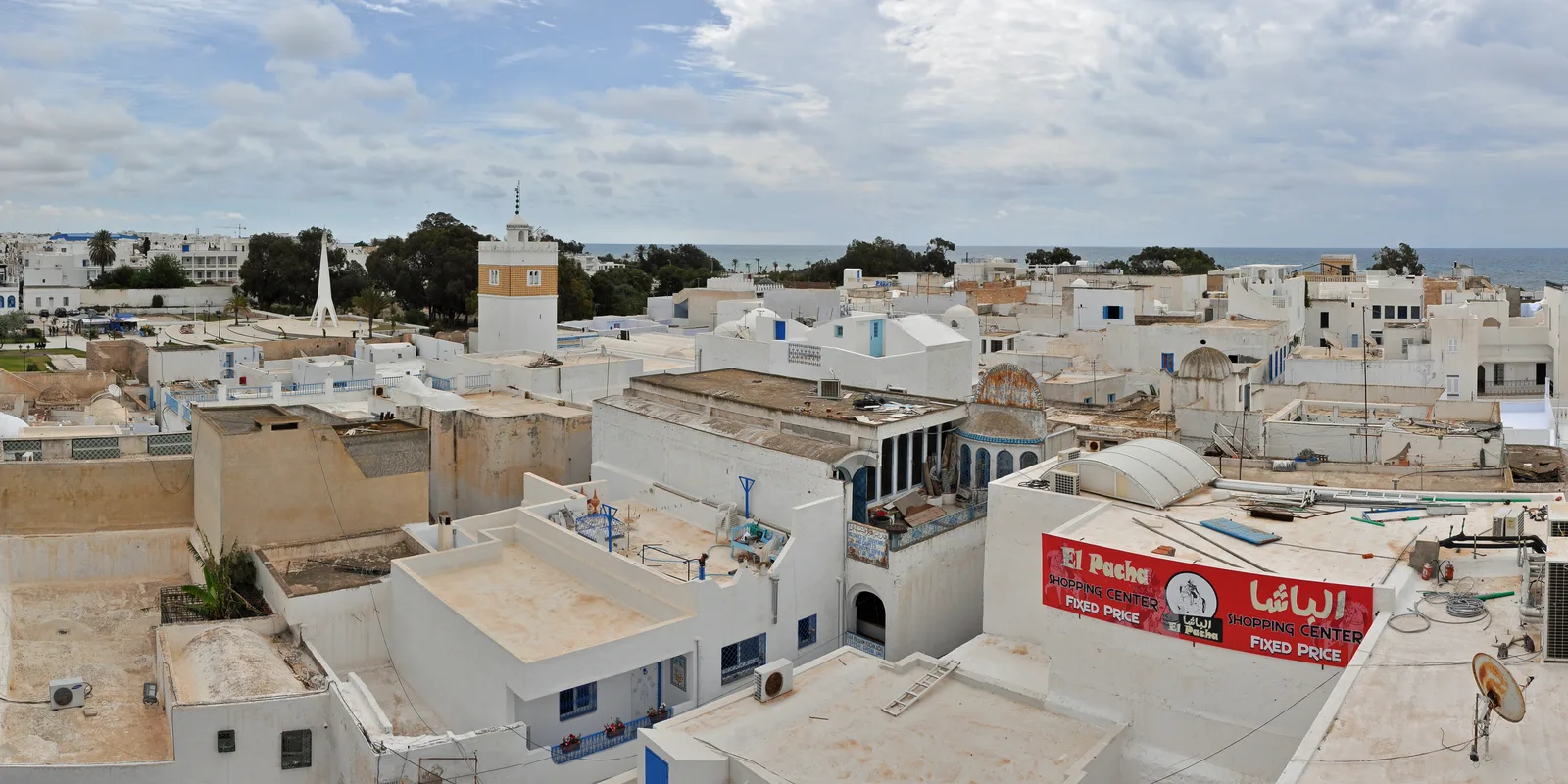
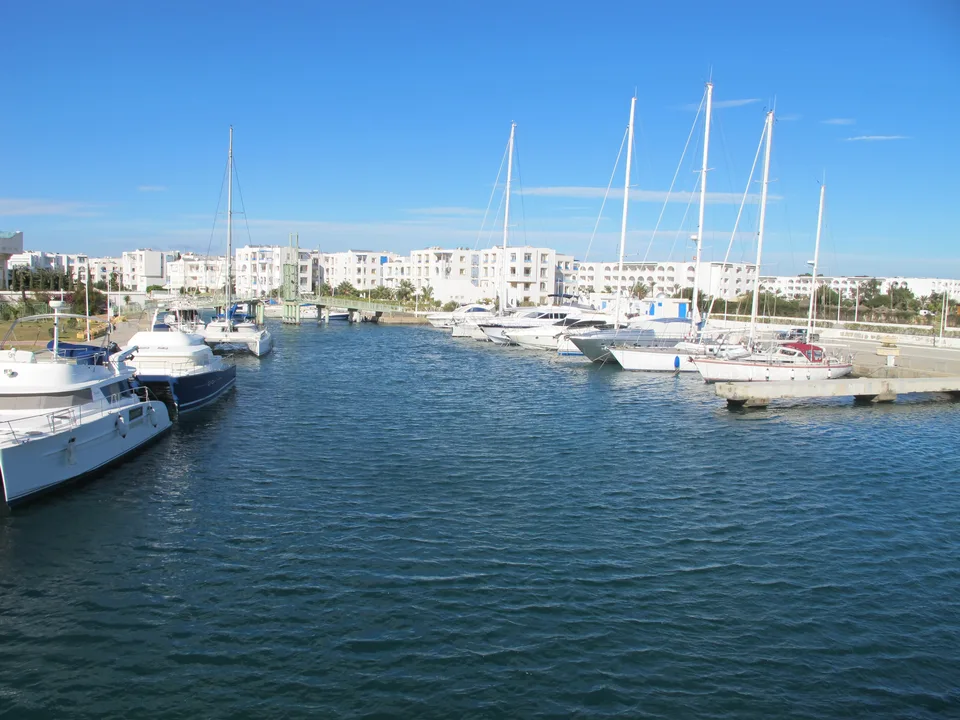
The historic medina belongs to Hammamet itself. Yasmine Hammamet is the more modern resort area to the south, with a marina, larger avenues and purpose-built leisure facilities. The national tourism board's Hammamet visitor overview explicitly distinguishes these settings. In particular, Medina Mediterranea in Yasmine is a themed development inspired by an old town; it should not be confused with the historic medina.
Use that distinction when reading hotel descriptions and excursion listings. “Hammamet” can identify a broad holiday area, not a promise that the medina is outside your door. Save each property's map location and compare the journeys to the places you care about. VisaWand's Yasmine Hammamet destination directory provides a separate location reference.
Walk the medina with time to look around
Make the medina an unhurried visit rather than a quick stop between hotel transfers. Its narrow streets and white buildings reward a slower walk, with the seafront providing a useful point of orientation. Keep your route manageable and return to a recognisable entrance if you want to continue exploring elsewhere. Shopping, a café stop and a citadel visit can share one morning without filling every minute.
For purchases, compare workmanship, materials and the price before committing. Decline unwanted assistance clearly and choose a guide deliberately if you want one. Travellers with limited mobility should ask about the specific approach, steps and surfaces before planning a route through the old town. If staying in a medina property, establish where a vehicle can stop and how luggage reaches the entrance; proximity on a map does not necessarily mean door-to-door access.
Read the citadel as a layered monument
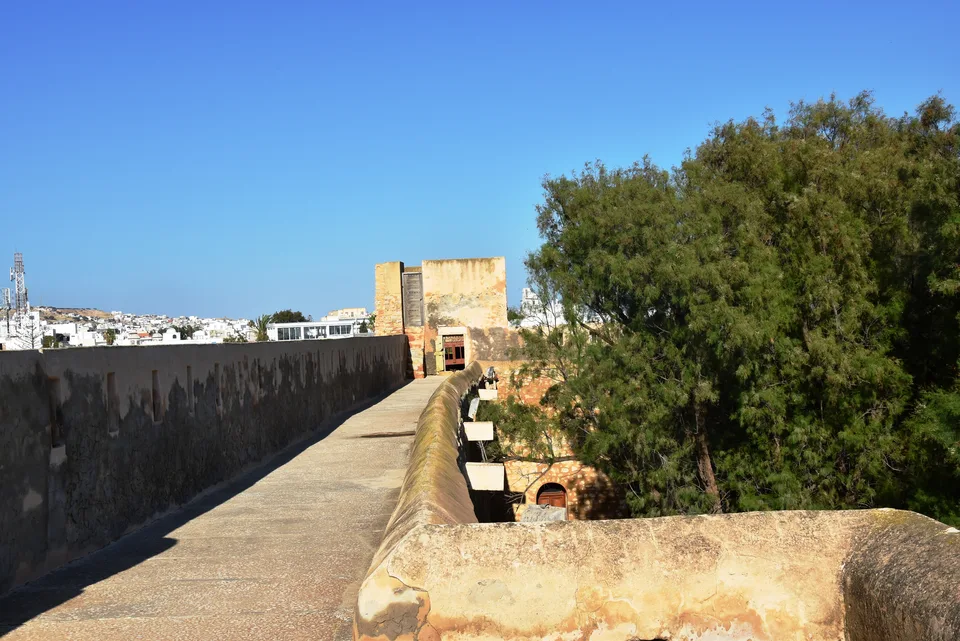
The heritage agency's citadel account traces the fortress's origins to 893, describes substantial enlargement under the Hafsids around 1463, and explains later changes for firearm defence in the sixteenth and seventeenth centuries. This layered history is more informative than assigning the entire structure a single construction date. The town developed around the defensive site, making the monument a useful starting point for understanding the old centre.
When checked on 21 October 2026, the agency listed admission at 8 Tunisian dinars for non-residents and 5 dinars for residents. It publishes different summer, winter and Ramadan hours, so verify the applicable arrangements before a dedicated visit. Allow time to look outward over the town as well as at the walls. Ask about access restrictions and steps if these affect you; an admission ticket should not be taken as a guarantee of access to every terrace or passage.
Pick a hotel for its location and conditions
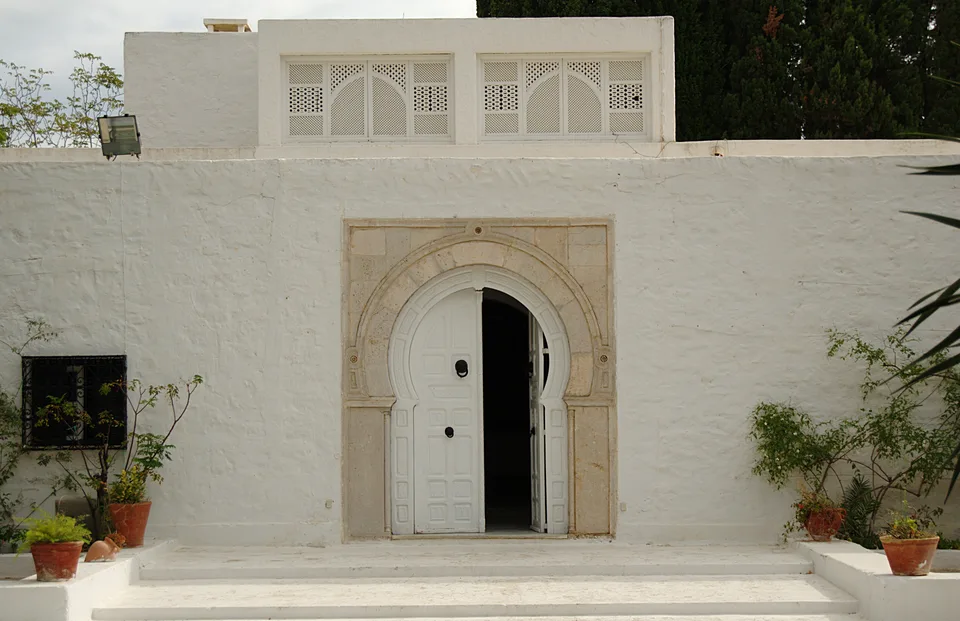
Compare an old-town guesthouse, a beach hotel within the wider Hammamet area and a Yasmine resort against the same questions: where will you eat, how will you travel and which facilities are available on your dates? A low room price can lose its appeal if every meal or outing needs a transfer. An inclusive package can be convenient, provided you understand what it covers.
For an adult-focused example, La Badira's own website states that it is reserved for adults over 16. Confirm the eligibility of everyone in your party directly, particularly around an age boundary. That policy cannot be assumed to apply to other hotels. Families should check sleeping arrangements, children's facilities, pool rules and supervision requirements at the property they choose. Neither a star rating nor a familiar resort photograph establishes the suitability of the actual room and package on offer.
Look beyond the room photograph
Before booking, ask whether heating or cooling will operate when you need it, whether a pool is heated, and which restaurants or activities are seasonal. Check stairs, lifts, bathrooms and the route to the beach if access matters. A sea-view room, direct beach access and a room near a lift are separate features that may require separate confirmation.
Read the cancellation deadline and compare the complete payable amount, including hotel taxes, supplements and transfers. For apartments, establish the cleaning arrangements, electricity charges, inventory and handover process. For a long stay, request photographs or a viewing of the exact unit rather than relying on a building's shared promotional images. Keep written confirmation of any facility that is central to your decision, such as usable workspace, a particular bed arrangement or an accessible shower.
Give Dar Sebastian its own part of the day
Dar Sebastian offers a different perspective from the medina's defensive architecture. The Nabeul governorate's cultural-centre page describes a house and extensive gardens associated with the International Cultural Centre of Hammamet, together with its theatre and cultural activities. Plan this as a visit to a particular property and programme, rather than assuming that every part of the grounds is always accessible.
Confirm current admission, opening arrangements and any event restrictions before travelling there. A daytime house or garden visit and an evening performance are different experiences with potentially different tickets. If the summer festival is your reason for coming, use the actual programme for your year and book around the performance you want. General references to a recurring festival do not establish next season's dates, artists or ticket availability. Leave space afterwards for a meal or a quiet return rather than squeezing another distant outing into the same afternoon.
Plan a beach day around the conditions
Choose a beach access point that suits the way you want to spend the day. Ask what a hotel or beach establishment includes for guests and visitors, whether seating needs reserving, and where toilets, shade and drinking water are available. A beachfront address says little about the exact swimming conditions or facilities at a particular section of coast.
Follow local warnings and assess the water before entering. Children and less confident swimmers need an arrangement suited to their abilities, even when other people are already in the sea. For a boat trip or water sport, ask about the operator, equipment, supervision, insurance and weather cancellation terms. Keep an alternative activity available for an unsettled day. Avoid making a paid excursion essential to the success of a short visit when its operation depends on conditions you cannot control.
Treat Yasmine as a separate outing
The governorate's description of Yasmine Hammamet identifies a planned resort setting with a marina, shopping and leisure areas. It can suit an afternoon promenade or an overnight base for a resort-led holiday. Compare it with the historic town by the experience you want, rather than expecting the two places to feel identical.
For Carthage Land or other ticketed attractions, check the correct venue, current season, opening day and package inclusions directly before paying. No current admission price is quoted here because the booking information available during research showed an expired validity period. A water attraction should not be assumed to operate throughout winter simply because an adjacent leisure complex remains open. Families should confirm the restrictions for the rides their children want to use and whether tickets include every part of the complex pictured in an advertisement.
Arrive through the airport on your ticket
Tunis-Carthage and Enfidha-Hammamet both serve visitors staying in the Hammamet area. Compare flight arrival times and the complete transfer when choosing between them. Airport names are not hotel addresses: the final journey still needs planning, and a package transfer may involve several property stops. Ask your organiser what happens if the flight is delayed and where to meet the driver.
Enfidha airport's official public-transport page identifies STS services linking the airport with places including Yasmine Hammamet. It specifically advises passengers to contact the operator for accurate schedules. Do that before building a connection around your flight, and check how you will complete the journey from the bus stop to your accommodation. A listed destination does not establish that a service runs late at night, meets every arrival or stops beside the old town.
Settle the transfer price and meeting point
The Enfidha airport taxi page states that tourist taxis are available around the clock and that journeys use a meter or an agreed fixed price. Establish the complete arrangement before starting, including luggage and any applicable supplements. No guaranteed airport-to-hotel total is asserted here: the destination, timing and terms need checking for the actual trip.
For a prebooked transfer, retain the confirmation, contact number and exact pickup instructions offline. Confirm whether the price covers your whole party and a suitable vehicle, including any child-seat requirements. At departure, allow for the hotel-to-airport journey as well as check-in and border formalities. If you are staying inside the medina, agree an accessible vehicle meeting point in advance.
Check buses and trains against the actual journey
The official visitor information describes coach connections with Tunis, but a current departure schedule needs checking separately. Ask your accommodation to help confirm the route, departure point and timetable relevant to your dates before setting out. Do not assume that all Tunis-bound coaches share the same stop, or that an airport connection and a town-centre connection are interchangeable.
Rail travel also needs a specific route check. Use SNCFT's official timetable information to establish whether a suitable service operates, the station you must use and any onward transfer. Reliable current local departure times were not established for this guide, so none are quoted. For a short holiday, a straightforward booked transfer may justify its higher cost. For a longer stay, test the public-transport journey at the times you expect to use it, including the return after dinner or work.
Eat locally without organising every meal around a tour
Brik and ojja provide two approachable starting points in the national tourism board's account of Hammamet food. Brik is a crisp pastry preparation often made with egg, while ojja combines eggs with a spicy sauce and may include ingredients such as seafood or merguez. Ask about preparation and ingredients rather than relying on the name alone if you have dietary requirements.
Compare a meal near the old town with dining around Yasmine's marina, keeping transport in the comparison. Check how fish is priced, what accompanies a shared dish and whether drinks are included in a set menu. If cooking during a longer stay, inspect the kitchen equipment and locate groceries early; a kitchenette description does not establish that you can comfortably prepare the meals you have planned.
Buy crafts with their intended use in mind
Nearby Nabeul is a worthwhile focus for travellers interested in ceramics. The governorate's account of pottery traditions connects regional production with a long history and later influences from different artisan communities. Look at the object itself: finish, decoration, origin and intended use are more useful purchasing criteria than a generic claim that every souvenir is handmade locally.
Ask whether a ceramic piece is intended for food use or display, and consider how it will travel home. Check packaging, baggage allowances and any shipping arrangements before paying for something fragile or bulky. For textiles and other souvenirs, compare materials and dimensions so you are comparing like with like.
Build the budget around complete daily costs
Separate accommodation, ordinary meals, local journeys and optional activities. Keep the citadel's dated admission figure as one small reference rather than treating it as a proxy for the whole holiday. A resort package, self-catering apartment and guesthouse produce different food and transport spending. Compare them over the complete stay, including the evenings you intend to spend elsewhere.
Ask the accommodation provider for the hotel tax applicable to your booking and whether it is included or payable locally. Keep a modest cash reserve for practical needs and check your bank's overseas costs. Current UK entry advice says Tunisian dinars cannot be taken out of the country and recommends retaining official exchange receipts. Plan currency exchanges with that in mind, particularly near departure. Keep receipts and declaration documents relevant to any foreign currency you bring, and obtain official advice before moving substantial sums.
Match the season to swimming or sightseeing
The governorate's Cap Bon climate description identifies a Mediterranean climate with irregular rainfall, January as the coldest month and August as the warmest. It is regional guidance, not a set of precise Hammamet monthly averages. Use the national meteorological institute alongside the forecast for your dates when making decisions about outdoor plans.
Summer can suit a beach-led holiday, but heat changes how much walking feels comfortable. Place longer outdoor visits earlier and allow time for shade and rest. Spring and autumn are options to compare for sightseeing, while a winter stay needs realistic expectations about swimming and seasonal facilities. Ask whether your hotel heats the pool and which activities remain available. Wind or rain can alter a planned coastal day; a house visit or a relaxed town outing is easier to rearrange when you have left some flexibility.
Use three days as a realistic starting point
On day one, settle into your accommodation and explore the historic medina and seafront if your arrival time permits. Add the citadel within its current opening arrangements, then keep dinner convenient. If you arrive late, move this visit to the following morning rather than treating a delayed flight as a reason to rush through the town.
Use day two for Dar Sebastian or a selected cultural activity, with a beach interval if conditions suit. Reserve day three for Yasmine and its marina, or choose a Nabeul outing if crafts interest you more. A family planning a ticketed attraction may prefer to give it that day instead. With a week, alternate excursions with quieter days. Check the actual opening dates before assigning an activity to a particular weekday, and avoid stacking a long regional journey immediately before your flight home.
Trial everyday life before signing a long lease
Someone considering a move should test Hammamet outside the pattern of a package holiday. Begin with temporary accommodation and compare the journeys to work, study, groceries, healthcare and regular appointments. Check the return trip at the time you will actually travel. A pleasant afternoon transfer says little about the daily cost and effort of commuting.
Inspect the exact apartment, including cooling, heating, ventilation, water pressure, internet and street noise. Ask what changes in peak season and whether an advertised monthly arrangement covers the whole period you need. Get a written explanation of rent, deposits, utility charges, maintenance and departure terms. Record the inventory and condition, verify the person authorised to let the property, and seek local advice before paying a substantial sum if the terms or documents are unclear.
Understand household services and practical resilience
SONEDE's customer information explains metered water billing and its consumption-based tariff structure. STEG's customer resources provide the electricity and gas account starting point. Establish who holds each account, how bills are divided and whether any shared-building charges apply. Check the actual arrangements instead of assuming that utilities are included in a quoted rent.
Current government safety advice notes that summer heat can put pressure on the electricity grid, with temporary cuts potentially affecting cooling, internet, water and payments. Ask the accommodation provider about practical backup arrangements relevant to you. For remote work, test the connection in the room you will use and establish an alternative. Families should confirm school vacancies, language support and required records directly before choosing housing around an assumed place.
Arrange healthcare for the stay you are making
Check insurance and access to the care you may need before travelling. The UK government's Tunisia health advice warns that foreign visitors should be prepared to pay for medical care, including charges at private clinics, and should have insurance and accessible funds. Establish how your insurer directs you to treatment and whether you may need to pay first and claim afterwards.
For ongoing medication, carry it in appropriate packaging with supporting documentation and check any restrictions before departure. Prospective residents should identify a suitable provider for routine care and ask about referrals and continuing prescriptions. A nearby pharmacy or clinic on a map does not establish the specialist services, language support or opening hours you require. Consider these needs alongside housing and transport, especially if your household includes children, an older person or someone with a continuing condition.
Check visitor entry for your own nationality
Entry conditions depend on the passport and purpose. Current UK entry guidance describes visa-free visits of up to 90 days for eligible British citizen passport holders, with exceptions noted for some Crown Dependency passports. This is not a universal allowance for every nationality. Retain your accommodation and onward-travel evidence, obtain the required entry stamp and keep track of the stay authorised to you.
The Tunisian foreign ministry's visa-application guidance directs people who need visas to the consulate covering their place of residence. Check that mission's document requirements and apply with enough time for processing. A consular information website should not be treated as proof that every visitor can obtain an instant online visa. Resolve any proposed extension or change of purpose with the authorities before relying on it; paying rent for longer does not extend immigration permission.
Separate employment, study and settlement plans
The employment ministry's guidance for foreign workers distinguishes an approved employment contract from an attestation that a category is exempt from that approval. This is separate from permission to enter as a visitor. A hotel or tourism-related opportunity should be assessed under the relevant work rules, not assumed to be covered because it takes place in a resort.
The Interior Ministry's residence-card guidance sets out different supporting documents for work, study, retirement and other circumstances, including evidence of accommodation and resources where relevant. Confirm the current process locally for your case. Remote contracts, retirement income and property plans need their own assessment; no automatic permanent status is promised. VisaWand's Tunisia consultant directory offers a starting point for finding assistance, with qualifications, fees and the written scope to be confirmed directly.
Compare nearby places before extending the trip
Nabeul's destination directory introduces a separate town to investigate for a craft-focused visit. Zaghouan's destination directory provides another regional option, while Tunis's destination page can help with a longer journey through the capital. Check what each location adds to your own interests before turning it into a day trip.
Use the broader Tunisia destination directory to connect onward plans, then price the actual transfers and accommodation. Keep national travel advisories in mind for any route beyond the coastal area; warnings about restricted border regions should be checked against your itinerary. Hammamet can support a relaxed longer stay, but it is also satisfying on its own terms when you leave room for the old town, a cultural visit and time beside the sea without constant departures.
Official planning resources
Reviewed 21 October 2026. Use the official resources linked throughout this guide for admission, transport, housing and immigration decisions. Prices, services and rules can change; confirm the details relevant to your dates. Photography illustrates the locations and is not a live view.
View all official resources
- Discover Tunisia: Hammamet and surroundings
- AMVPPC: Hammamet citadel history and admission
- La Badira: hotel concept and age policy
- Nabeul governorate: Dar Sebastian cultural centre
- Nabeul governorate: Yasmine Hammamet
- Enfidha Airport: public bus connections
- Enfidha Airport: tourist taxis
- SNCFT: train timetable information
- Nabeul governorate: pottery traditions
- Nabeul governorate: Cap Bon climate
- National meteorological institute: climate monitoring
- SONEDE: water billing and customer services
- STEG: customer accounts
- UK government: Tunisia safety and security
- UK government: healthcare in Tunisia
- UK government: Tunisia entry requirements
- Tunisia foreign ministry: visa applications
- Employment ministry: employment of foreigners
- Interior ministry: residence cards for foreigners
Plan the next part of your journey
Explore the Tunisia guide, browse other cities or compare consultants for your travel and relocation questions.