Visa
Choose Sousse for a city-and-coast visit
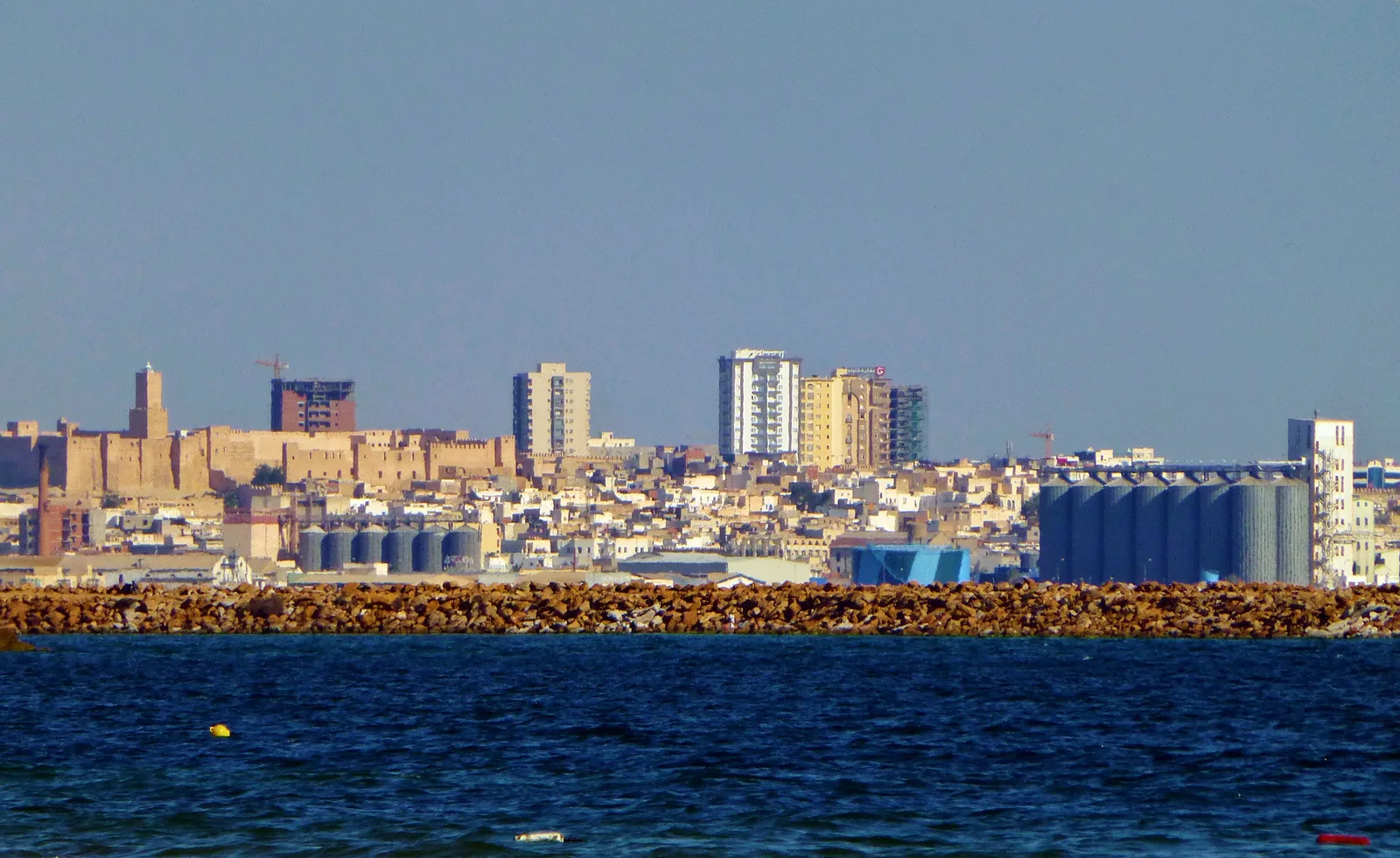
Sousse rewards travellers who want a beach holiday with somewhere substantial to explore beyond their hotel. Its historic medina, modern shopping streets and seafront offer different ways to spend a day. The useful first decision is how often you want to move between them. A waterfront hotel can make swimming easy; a place near the old town can make an early museum visit and an evening walk simpler. Neither address automatically gives you the other experience on your doorstep.
This is a working coastal city in Tunisia’s Sahel, with a UNESCO-listed medina and a separate resort landscape extending towards Port El Kantaoui. Treat the marina resort as a distinct accommodation choice when comparing listings. Check the actual property address, its entrance and the route to the places you expect to visit, rather than relying on “Sousse” in a booking title. VisaWand’s Tunisia country information provides the wider destination context.
For a first visit, allow enough time to combine the old town with the coast instead of treating the monuments as a quick interruption to a transfer. For a possible move, add ordinary tasks to your reconnaissance: a grocery shop, a journey to the intended workplace or campus, and a return to the neighbourhood after dark. A holiday’s convenience and a household’s convenience can be quite different.
Read the medina as a coastal stronghold
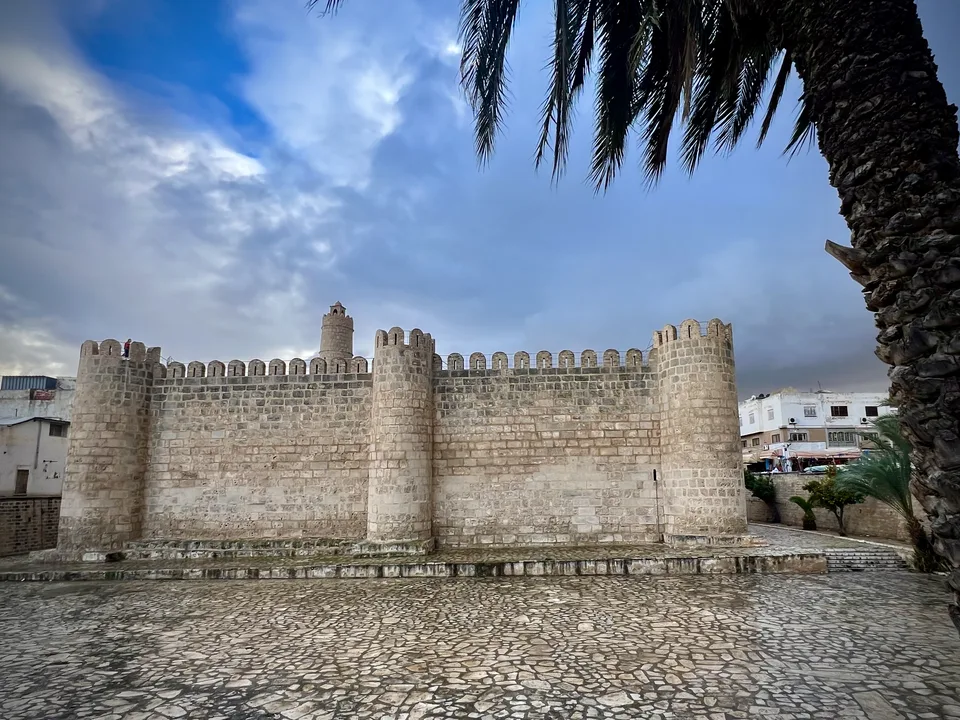
The UNESCO description of the Medina of Sousse explains its importance as a commercial and military port during the Aghlabid period, from 800 to 909. Its ramparts, kasbah, mosques and ribat belong to a history in which maritime trade and coastal defence were closely connected. The medina entered the World Heritage List in 1988. That designation applies to the historic property; it does not mean that every district or beach hotel is part of it.
The ribat helps make this history visible. It combined religious and defensive functions, rather than serving simply as a palace or a picturesque lookout. Give the courtyard and surrounding rooms some attention before looking for a view. The relationship between walls, entrances and enclosed spaces is part of what makes these buildings worth visiting.
Keep your sightseeing attentive to present-day use as well. Streets contain homes and businesses; a doorway is not an invitation into a courtyard. Ask before photographing people or entering a private space. A guided walk can be useful if you want architectural and historical interpretation, but agree its duration, price and stops before starting. Do not accept an unsolicited promise of access as evidence that a building is open.
Give the archaeological museum a separate visit
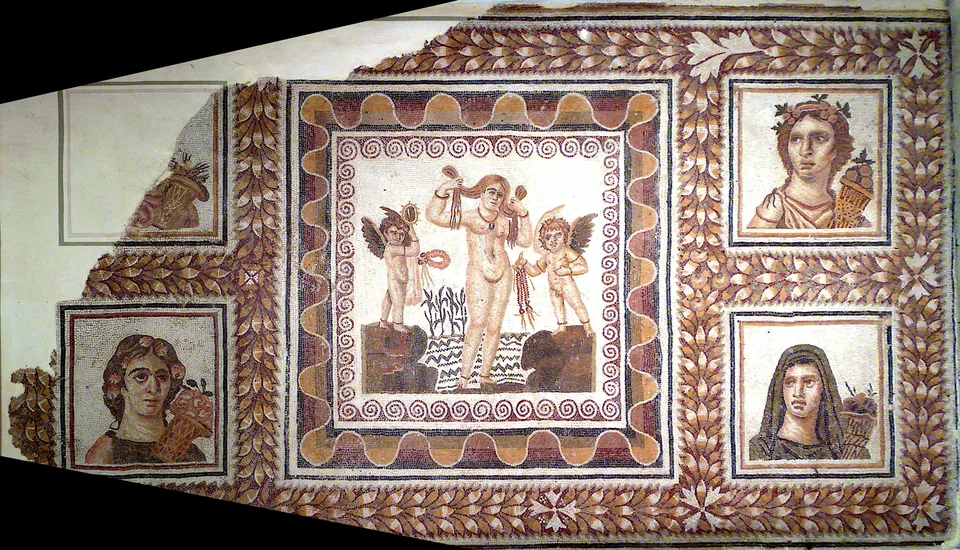
The Sousse Archaeological Museum occupies the kasbah and offers a different perspective from the medina’s Islamic monuments. Its collections include Roman mosaics, sculpture and Punic material. Look beyond the visual impact of a mosaic to the activities, beliefs and mythological subjects represented. The museum’s own account connects these finds with ancient Hadrumetum and other sites in the surrounding coastal region. The kasbah garden also gives views over the medina and port.
The heritage agency’s posted information lists opening from 9am to 5pm in winter and until 6pm in summer, with Ramadan hours of 9am to 4pm. It lists Monday closure and admission of 10 Tunisian dinars for non-residents, or 5 for residents. These are the agency’s published terms, checked during research; confirm the applicable seasonal timetable and ticket category before visiting. Do not assume a residence-based concession follows automatically from nationality.
Put this visit on a day when it is open, then arrange your less time-sensitive walking around it. If Monday is your only full day, change the itinerary rather than planning around an unavailable museum.
Visit the ribat and mosque with different expectations
The Ribat of Sousse visitor information lists opening throughout the week, with winter hours of 8am–5:30pm, summer hours until 7pm and Ramadan hours until 5pm. Its posted non-resident admission is 8 dinars; the resident rate is 5. Check the ticket office’s current arrangements before committing to a late arrival. Inside, the central courtyard, vaulted rooms and upper prayer hall explain the building more effectively than a hurried photograph of its tower.
Nearby, the Great Mosque’s official listing dates its construction to 851. Its substantial exterior and courtyard porticoes deserve attention in their own right. The published visiting window is shorter: 8am–1pm in winter and until 3pm in summer, with Friday hours of 8am–noon. The agency posts non-resident admission of 5 dinars and free resident admission. Follow staff directions about visitor areas, clothing and photography; an admission listing does not establish unrestricted access to prayer spaces.
For travellers who find stairs difficult, ask specifically which parts of each monument can be reached without climbing. A photograph showing a courtyard cannot establish a step-free route from the street. Allow yourself to enjoy what is accessible rather than making a tower ascent the condition of a worthwhile visit.
Choose a base before choosing a room
A medina address suits travellers who value old-town surroundings, but check how luggage reaches the door and whether stairs separate reception from the bedroom. Ask for recent room photographs, the bathroom arrangement and the nearest vehicle drop-off point. Light sleepers should request a description of the room’s position rather than assuming a courtyard address guarantees silence.
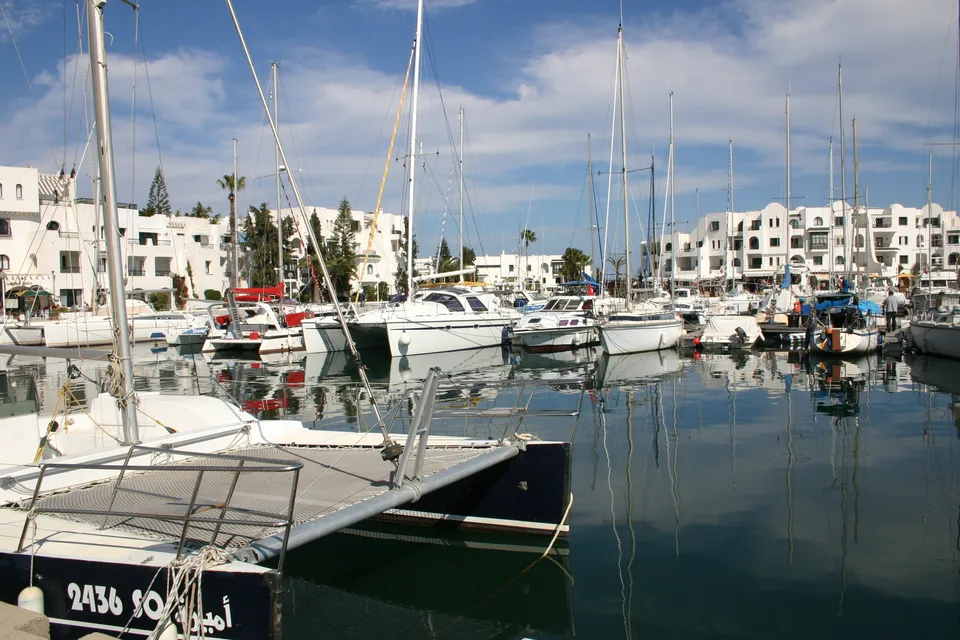
For a coastal stay, compare the route to the actual swimming area, the pool’s operating dates and the meal plan. A large resort and a small guesthouse solve different problems. An aparthotel may offer independence, but establish what the kitchen contains and whether cleaning, linen and electricity are included. At Port El Kantaoui and along the Sousse coast, the tourism board describes coastal hotels, marina apartments and smaller guesthouses; those categories are a starting point, not an endorsement of any individual property.
Before paying, obtain the total for your dates and household, including taxes, supplements and cancellation conditions. Families should confirm bedding and children’s charges explicitly. For a late flight, ask whether reception and room access remain available after midnight. For a winter trip, check heating as carefully as summer travellers check air conditioning.
Match the airport connection to your arrival
Compare flights to Monastir Habib Bourguiba and Enfidha-Hammamet by the complete door-to-door journey. Include luggage collection, the transfer to your particular accommodation and the consequences of a delayed arrival. A cheaper flight can lose its advantage if the remaining connection requires a costly private transfer.
Monastir Airport’s rail information identifies the Sahel line connecting Sousse Bab Jedid with Mahdia and serving Habib Bourguiba Airport and Monastir. This makes rail worth considering, but check the day’s departures, the walking route to the station and the final journey from Bab Jedid to your hotel. The airport’s general description of average frequency is not a guarantee that a train will meet your flight. Keep a transfer alternative for late arrivals or substantial luggage.
Enfidha Airport’s ground-transport page confirms STS bus links with Sousse and other coastal destinations. It explicitly directs passengers to the transport company for accurate schedules. Confirm the stop, fare and departure appropriate to your arrival rather than building a connection around an old timetable image. If using a booked transfer, get the meeting point, destination, luggage allowance and total price in writing.
Keep local and intercity journeys distinct
For travel from Tunis or onward to other cities, consult SNCFT’s intercity timetable page. Read the direction and operating notes carefully, and establish the departure station before buying onward transport. For journeys south towards Monastir and Mahdia, check the Sahel service separately. “Sousse station” is too vague an instruction when arranging a taxi or meeting someone.
Within the old town, a walking plan can be more useful than a succession of short vehicle rides. Save the accommodation entrance and an agreed meeting point on an offline map. Build in pauses, particularly when carrying shopping or returning uphill towards the kasbah. For journeys between a resort and the centre, ask the accommodation about current public transport and compare it with the total taxi cost for your party.
Agree how a taxi journey will be charged before setting off and clarify whether waiting is included. For an excursion, a quote should specify the route, duration and return destination. Avoid scheduling a tightly timed train connection immediately after a sightseeing trip whose return depends on traffic.
Food and shopping beyond the hotel
Sousse’s coastal setting makes seafood a natural starting point. The tourism board also highlights olive oil and borghol sahli, a wheat dish served with meat and vegetables. Ask what is available that day and what accompanies the quoted price. A fish displayed for selection may be priced differently from a fixed menu dish; settle that before ordering.
Use the first meal to learn practical details: portion sizes, whether bread and drinks are additional, and how the bill is presented. If you have an allergy, explain the ingredient rather than relying only on a dish name. Ask about sauces and shared preparation equipment. Travellers with strict dietary requirements should choose somewhere able to answer those questions clearly.
For shopping, set a spending limit before browsing and compare material, workmanship and transportability. Ask where an item was made instead of assuming every object sold in a historic market is locally produced. Check whether ceramics, oil or other purchases can travel safely in your baggage. Keep receipts for more expensive items and leave room in the suitcase before buying them.
Build a budget from actual bookings
Use Tunisian dinars when comparing local prices, and separate fixed commitments from spending you can adjust. The first group includes accommodation, airport transfers and prebooked activities. Food, shopping and optional excursions belong in the second. A package with meals can be convenient, but compare the total against how often you expect to eat elsewhere.
Allow for the hotel tax as well. The UK government’s Tunisia entry guidance lists 8 dinars per person per night for three-star hotels and 12 for four- and five-star hotels, charged for up to ten nights. Confirm your property’s applicable charge and whether the booking total already includes it. Avoid adding a second allowance for something already paid.
Currency rules also affect the final day. Keep official exchange receipts and check current customs requirements before bringing substantial foreign currency. Tunisian dinars cannot be taken out of the country. Plan purchases and any permitted exchange back accordingly. There is no useful universal daily budget for a resort guest, a self-catering family and someone inspecting long-term housing; record the costs of your own itinerary instead.
Choose the season for your priorities
The national tourism board’s climate information places Tunisia’s east coast in its Mediterranean climatic zone, with hot, dry summers and cooler, wetter winters. Use that broad pattern for planning, then check the local forecast close to departure. Countrywide temperature averages are not reliable substitutes for a Sousse forecast or a promise of comfortable swimming.
For a sightseeing-led trip, consider spring or autumn and leave flexibility for the weather. In summer, place exposed walking early in the day, carry drinking water and allow a substantial indoor or shaded break. A sea breeze does not remove the need for sun protection. In winter, check the accommodation’s heating and which leisure facilities actually operate.
Ramadan deserves its own practical check because monument schedules can differ from both winter and summer hours. Confirm opening and meal arrangements for your dates. If a particular restaurant, pool or excursion is central to the trip, establish its availability before choosing a non-refundable room.
A workable three-day introduction
On day one, concentrate on the medina. Begin with the mosque during its shorter visitor window, subject to current access, then visit the ribat. Leave the afternoon for a slower street walk and a break rather than adding another distant attraction. Finish by finding a convenient dinner option near your accommodation.
On day two, give the archaeological museum an unhurried morning, choosing a day other than Monday. Leave time for the kasbah surroundings before returning towards the coast. Make the afternoon optional: swimming if conditions suit, a promenade walk, or simply time to rest. A successful short visit does not require every hour to be assigned.
On day three, choose one additional experience. Port El Kantaoui offers a different resort setting; Monastir provides an alternative historic coastal outing. Check both outward and return transport before leaving. If the timetable is inconvenient, keep the day in Sousse rather than spending it chasing connections. Prospective residents can replace this excursion with property viewings and an actual commute trial.
Test a home through ordinary household needs
A longer stay needs a written housing agreement that matches the intended duration. Ask whether the quoted amount is monthly or seasonal, what is furnished, who holds the deposit and which conditions govern its return. Confirm responsibility for repairs, building charges, internet and utilities. Inspect the property before making a substantial commitment, and verify that the person receiving money can legitimately let it.
Test water pressure, hot water, ventilation, locks and the equipment you will use daily. Check the bedroom at a relevant time of day, the route to groceries and the return journey from work or study. An attractive holiday location can become inconvenient if every ordinary errand requires another paid ride. Ask about mobile reception and test an actual video call if reliable connectivity is essential.
For water, SONEDE’s customer FAQ distinguishes connection requirements for owners and lawful occupants. Its tenant documentation includes evidence of legal occupation and owner authorisation; do not assume a new connection is a simple name change. Establish the existing account status with the landlord. STEG’s customer service page provides electricity and gas billing and service-request facilities. Record meter readings and clarify how bills will reach you before moving in.
Arrange study, healthcare and services before settling
Students should begin with their actual institution and programme. The Higher Institute of Music of Sousse’s international-student information, for example, directs applicants to the higher-education ministry’s official international portal. That is a programme-specific starting point, not evidence that all courses share its admissions process. Obtain written confirmation of admission, teaching language, fees, campus location and the documents required for your status.
Households should establish healthcare arrangements before an urgent need arises: insurance acceptance, prescription continuity and how to reach appropriate care. Ask an insurer about payment and reimbursement rather than assuming a clinic will bill it directly. Families also need to check school admissions and the actual daily journey before choosing housing. If services are decisive, evaluate them alongside the property rather than after signing a lease.
Keep copies of the lease, entry stamp, insurance and institutional or employment correspondence securely accessible. Use a private record of renewal dates and appointment requirements. The practical objective is a household that works on an ordinary weekday, with enough flexibility to resolve administrative delays.
Separate a visit from permission to work or reside
Entry conditions depend on passport, nationality, residence and purpose. Tunisia’s official consular visa instructions direct people who need a visa to the consulate covering their place of residence. They list application documents, accommodation or invitation evidence and a minimum processing interval of twenty days. Treat that as a minimum, not a guaranteed decision date. Ask your consulate which requirements apply to your case before committing to travel.
As one nationality-specific example, the UK guidance permits visits of up to ninety days for full British citizen passport holders, with an exception noted for Crown Dependency passports. Do not apply that rule to every passport. Carry the accommodation and return-travel evidence relevant to your entry, and check that the admission recorded on arrival matches your plans.
For employment, the Tunisian employment ministry’s foreign-worker guidance distinguishes approved employment contracts from certificates of exemption from contract approval, according to the worker’s category. Visiting as a tourist does not settle those requirements. Discuss the appropriate process with the employer and competent authorities before starting work. For study, family residence or another longer-term basis, obtain the current residence instructions separately; a hotel booking, university offer or property purchase should not be treated as automatic permission to settle permanently.
Compare another coastal base or a Roman excursion
If the question is where to spend a holiday rather than what to add to one day, compare Sousse with Mahdia’s peninsula setting. The tourism board describes a medina entered through the Skifa Kahla gateway, a fishing harbour and a tradition of silk weaving. Those features offer a different focus from a marina resort. Compare the accommodation’s relationship to the historic centre, rather than choosing between cities purely from beach photographs.
For archaeology, El Jem’s Roman amphitheatre gives the regional mosaics a wider architectural context. UNESCO dates this substantial freestanding monument to the third century and describes its surviving arena, seating supports and underground passages. Make it a dedicated excursion with a verified transport plan. Do not assume that every area described in a heritage account is open on your visit, or that a timetable suitable for a local journey also works for a full sightseeing day.
The better choice depends on what you want more of: another coastal town, a major Roman monument or additional time in Sousse itself. Leave a return margin, especially before a flight. For a longer Tunisian journey, compare VisaWand’s Monastir location page and Mahdia location page alongside your actual transport options. Location directories help establish alternatives; they should not be mistaken for a completed itinerary or a guarantee of current attraction access.
Make health arrangements part of the plan
The UK government’s Tunisia health guidance advises travellers to arrange suitable insurance and accessible funds for treatment and possible repatriation. It notes that private care can require payment before treatment. Ask the insurer how to obtain assistance and retain its contact details somewhere accessible without an internet connection. An excursion or longer stay may need different cover from a short hotel holiday.
If you carry prescription medicine, check its legal status before departure, keep it in original packaging and carry the relevant medical documentation. Do not assume that a familiar medicine will be sold locally under the same name or supplied on identical terms. For an ongoing condition, organise continuity of care before settling on a departure date. The same guidance gives 190 for an ambulance; confirm your accommodation’s address so help can be directed to the correct entrance.
If you need help understanding a visa category or preparing questions for an adviser, start with VisaWand’s consultant listings. Check the adviser’s relevant experience, services and fees, while keeping official Tunisian authorities as the source of immigration decisions.
Official planning resources
Reviewed 17 October 2026. Use the official resources linked throughout this guide for admission, transport, housing and immigration decisions. Prices, services and rules can change; confirm the details relevant to your dates. Photography illustrates the locations and is not a live view.
View all official resources
- UNESCO Medina of Sousse
- Sousse Archaeological Museum visitor information
- Ribat of Sousse visitor information
- Great Mosque of Sousse visitor information
- Official Sousse and Port El Kantaoui visitor information
- Monastir Airport rail connections
- Enfidha Airport bus connections
- SNCFT intercity timetables
- UK government Tunisia entry and customs guidance
- Official Tunisia climate information
- SONEDE customer FAQ
- STEG customer services
- ISMS international-student applications
- Official Tunisian consular visa applications
- Employment ministry foreign-worker authorisations
- Official Mahdia visitor information
- UNESCO Amphitheatre of El Jem
- Official Tunisia travel health guidance
Plan the next part of your journey
Explore the Tunisia guide, browse other cities or compare consultants for your travel and relocation questions.