Visa
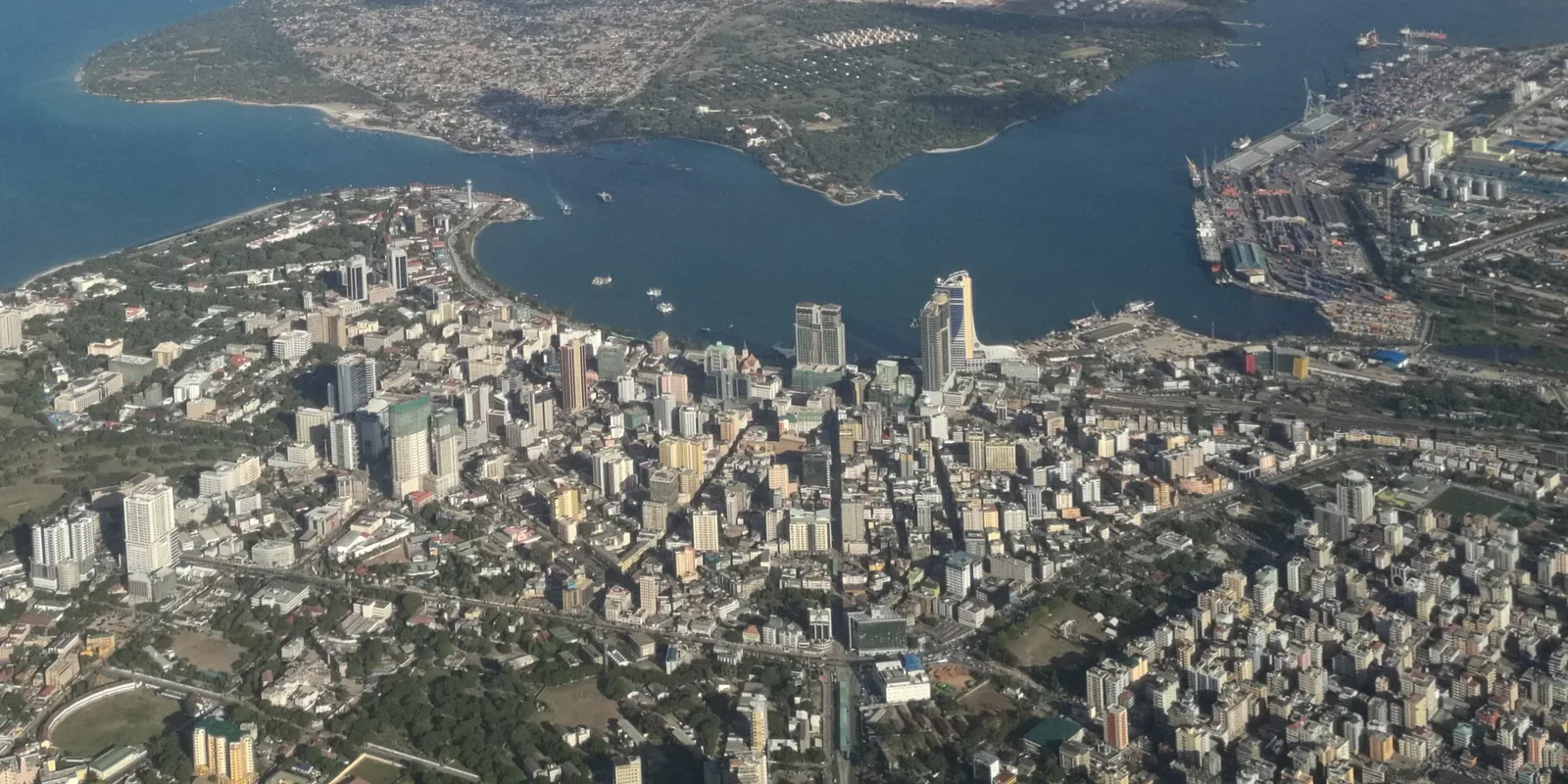
Give Dar es Salaam time beyond the connection
Dar es Salaam is a working Indian Ocean city where harbour activity, trade, museums and coastal leisure share the same urban landscape. It deserves consideration as a destination, rather than simply the place between an international flight and Zanzibar. Two full days allow a useful introduction; three make room for an island outing without turning every transfer into a deadline.
Choose it for an urban stay with Tanzanian history, waterfront life and everyday commerce. Choose accommodation carefully if your main aim is uninterrupted beach relaxation: a hotel overlooking the sea is not automatically a swimming resort. The distances between activities, and the journeys they require, shape a visit as much as the attraction list.
For a possible move, the question changes again. A pleasant waterfront evening reveals little about a weekday commute, a school journey or maintaining a household. Use an initial stay to investigate those routines before deciding where to live.
Follow the harbour’s layers of history
Dar’s development grew around Mzizima, an existing fishing settlement, and Sultan Majid’s plans for a new port in the 1860s. A Tanzanian architectural conference paper on the city’s development describes its early layout and the later German, British and post-independence periods. Reading those layers makes central streets more intelligible than treating every old building as a remnant of one colonial era.
The harbour remains essential to the city’s character. Commercial infrastructure, fishing activity and passenger transport serve different purposes; a waterfront walk does not grant access to operational port areas. Keep that distinction when planning photography or asking a driver for the ferry terminal.
Use the Museum and House of Culture to connect the city with Tanzania’s wider history, then explore nearby streets with that context. Dar’s story is larger than a collection of European buildings, and the lives and labour behind the port deserve equal attention.
Choose a base around your actual journeys
Central Dar is the practical starting point for the Museum and House of Culture, the Askari Monument and the harbour-side part of a city visit. A central hotel can also suit business meetings nearby. Check the exact address and entrance: a booking platform’s broad area label does not establish walking distance to your appointment or departure terminal.
The Msasani Peninsula offers a different kind of stay. Slipway’s own visitor information documents its waterfront restaurants, retail facilities and jetty, making it a useful reference point when comparing coastal accommodation. Staying there means planning transport for a central-city day rather than assuming all the principal sights are close together.
For a late arrival followed by an early flight, compare an airport-oriented overnight with a city stay. For longer visits, avoid changing hotels solely to save a small fare: packing, checkout and storing luggage also consume time you could spend exploring.
Start with the Museum and House of Culture
The Museum and House of Culture stands on Shaaban Robert Street in the city centre. Its collections and exhibitions span human evolution, history, ethnography, biology and contemporary art. It is a useful first stop because it puts the city within a national story, giving later visits to streets, markets and monuments more context.
Allow a couple of unhurried hours as a planning estimate, adjusting to the galleries open that day. Ask which displays are accessible, what a guided visit adds and whether there are temporary exhibitions or events. A collection held by the institution is not necessarily on ordinary public display; do not book around seeing a particular original fossil without confirmation.
The museum authority’s published fee table lists TZS 12,000 for foreign adults and TZS 2,500 for Tanzanian and East African adults. Confirm the current tax-inclusive amount and any guiding supplement; the downloadable table is an older publication, not a dated quotation for your visit.
Make a short history walk around the centre
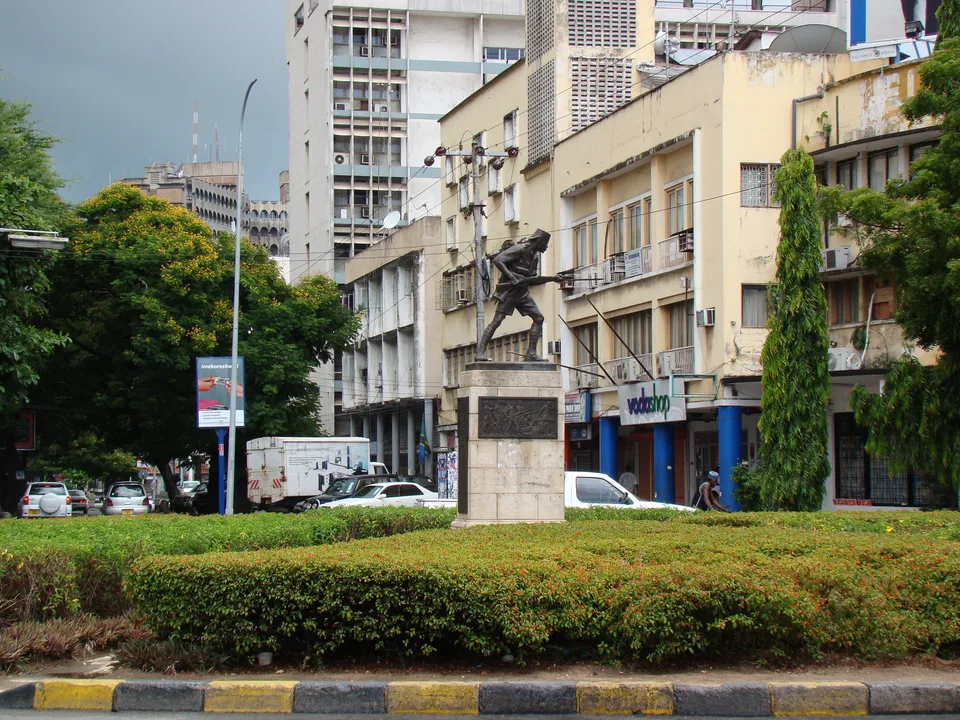
The Askari Monument is a compact stop on a central-city walk, rather than an attraction requiring a long separate excursion. Its bronze soldier brings the African experience of the First World War into the streetscape. The National Museum’s heritage magazine places it at Samora Avenue and Azikiwe Street and describes the statue facing towards the harbour.
Read the setting as well as the monument. Offices, traffic and ordinary errands continue around these historical landmarks. Look from a suitable pedestrian position and avoid stepping into moving traffic for a photograph. If a nearby religious building interests you, ask about visitor access, services and photography rather than assuming an open door means unrestricted touring.
Keep the walk manageable in the heat. Combine a few nearby stops with the museum and a meal instead of attempting every landmark before lunch. A knowledgeable guide can explain the city’s changing uses and communities, not simply recite construction dates.
Visit Kivukoni as a working waterfront
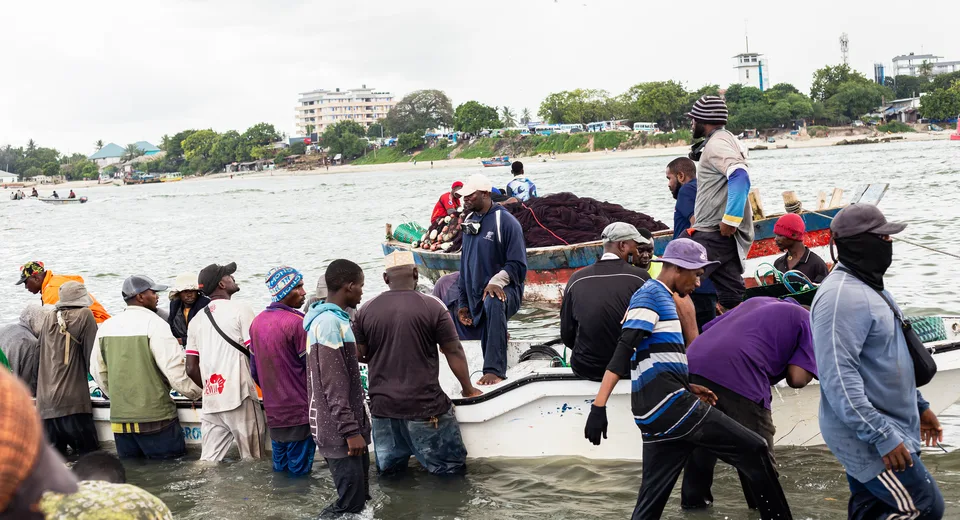
Kivukoni’s fish market and landing activity provide a more immediate encounter with the city’s relationship to the sea. The museum’s visitor magazine describes fishing boats bringing catches in the morning, followed by sales to restaurants and other buyers. Go with an interest in the work taking place, allowing space for crews, traders and customers to move.
Ask before taking close photographs of people. Keep footwear suitable for wet or uneven surfaces, and let a local guide explain how the market works if you want more than a brief look. A waterfront visit need not involve buying fish or joining an informal excursion offered nearby.
If you decide to eat, establish the fish or portion, cooking charge and complete price before ordering. Keep the landing area distinct from your passenger departure: a fishing boat and a scheduled ferry are different services with different safety, ticketing and terminal arrangements.
Add the Village Museum for building traditions
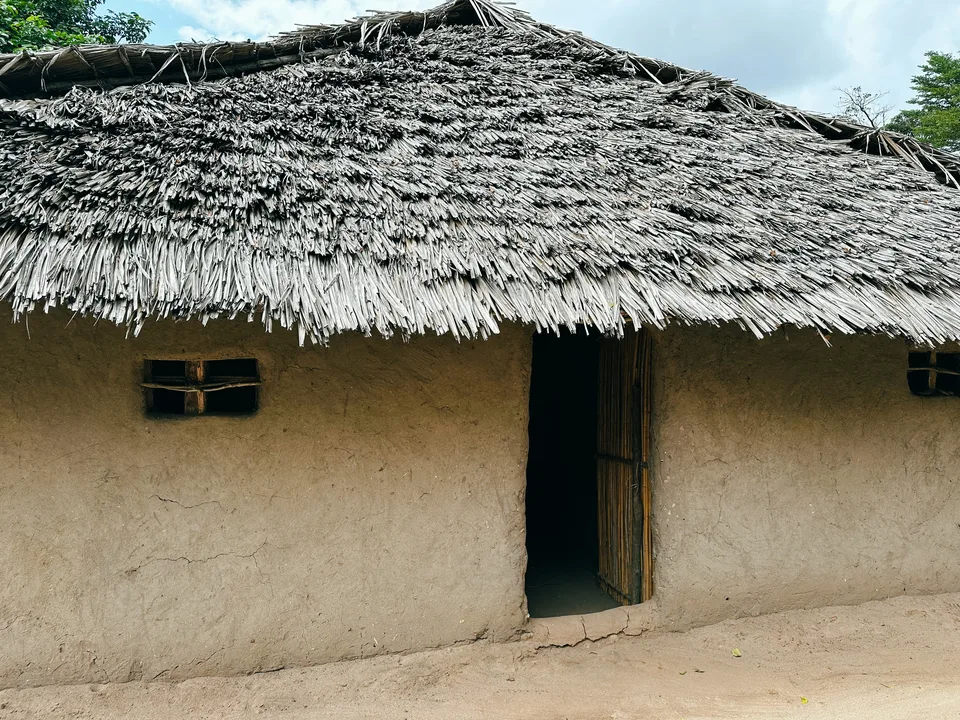
The Village Museum gives a different kind of historical introduction from the galleries downtown. Its open-air displays interpret building traditions from Tanzania’s communities. The National Museum’s visitor publication describes traditional houses and cultural activities, making it a worthwhile choice for travellers interested in materials, domestic spaces and how buildings respond to different environments.
Treat the structures as museum exhibits. They illustrate selected traditions rather than providing a complete picture of how every member of a community lives today. A guide can explain construction and use while helping you understand the limits of such a display.
Confirm the day’s access, admission and any performance programme with the museum. Do not rely on an old timetable promising a dance at a fixed hour. Allow for the journey from the centre, wear comfortable shoes and carry water. Families may prefer this change of format after an indoor museum visit, with a less crowded schedule afterwards.
Shop with a purpose in Kariakoo
Kariakoo is a commercial district to explore with a little preparation. The market organisation’s introduction locates the market among Mkunguni, Nyamwezi, Tandamti and Sikukuu streets. Start with a clear meeting point and an idea of what you want to compare, whether household goods, clothing or ordinary supplies. A busy shopping district is easier to navigate when you are not simultaneously managing luggage or an imminent airport departure.
Ask permission before photographing stalls or people, and establish the unit, quantity and total price before agreeing to a purchase. For higher-value items, check the receipt, warranty and practical arrangements for returning a faulty product. Souvenirs involving wildlife materials need particular care because export rules may apply.
If you prefer a more contained browsing stop, compare Slipway’s retail facilities with a market visit. They serve different shopping experiences; neither should be described as the single place where everyone in Dar shops.
Reserve an island day for suitable conditions
Bongoyo and Mbudya belong to the Dar es Salaam marine reserves system. They offer a possible change from the city’s streets, with a boat crossing and time by the sea. Decide whether your priority is swimming, snorkelling or simply a relaxed outing before choosing a provider, and discuss swimming ability, children and boarding arrangements in advance.
The Slipway operator page lists departures subject to minimum passenger numbers: four for Bongoyo and six for Mbudya. Confirm current operation and the return plan rather than treating the published timetable as a guaranteed departure. Weather and sea conditions can also change a trip.
Obtain a quotation separating the boat, reserve admission, equipment and food. The operator’s displayed prices explicitly refer to information available in mid-2024, while the reserve authority’s published regulation uses different categories and base charges. Ask for today’s complete, tax-inclusive cost instead of combining old figures into an apparently precise total.
Compare hotel facilities and the complete bill
Accommodation choices range from a short practical overnight to a hotel intended for spending substantial time on site. Compare breakfast, cooling, Wi-Fi, luggage storage, checkout time and cancellation terms alongside the room price. Confirm whether an airport transfer is included, available for a charge or entirely your responsibility.
For a documented central option, Dar es Salaam Serena’s own accommodation information lists a pool, air conditioning and family arrangements such as interconnecting rooms on request. Its website advertises a standard city-view room from USD 202. Treat that as an advertised starting figure, not an assured rate for your dates or proof that every tax and meal is included.
For apartments, request recent photographs of the actual unit and establish cleaning, cooking equipment and water arrangements. Travellers needing step-free access should obtain details of the entrance, lift and bathroom, then check transport access separately. A broad accessibility label cannot answer those individual questions.
Arrive through Julius Nyerere International Airport
Check the airport code DAR and the terminal on your airline documents. Julius Nyerere International Airport serves Dar es Salaam; it is not Kilimanjaro Airport, which belongs to a different itinerary. Arrange collection with your flight number, terminal and hotel entrance, agreeing how the driver will contact you after arrival.
Consult Tanzania Airports Authority and your airlines about airport arrangements. A connection can involve obtaining an onward boarding pass, security screening and baggage procedures that differ between tickets. Separate bookings may require collecting and checking bags again, so confirm the procedure with the carriers before choosing a tight connection.
For a city visit, budget road travel as a real part of arrival and departure. Ask your accommodation for a sensible departure time for that day’s flight and traffic conditions. An optimistic map estimate is not a promise that immigration, baggage collection or the road journey will be quick.
Learn the bus system and verify rail separately
Dar’s Mwendokasi bus system can be useful when the route fits your journey. Check the nearest station, destination and current service before boarding rather than assuming every coastal neighbourhood or airport connection is served. Leave room for learning the payment process on your first trip, especially when travelling with luggage.
A DART notice issued in May 2025 reduced the Mwendokasi card price to TZS 1,000 and announced the end of ordinary paper tickets. That is a card cost, not a universal journey fare; confirm the required balance and fare at the station. Older material quoting a TZS 5,000 card should not be treated as the latest notice.
For onward rail travel, consult Tanzania Railways Corporation and its official SGR ticket service. Check the selected train, station, seat class and reporting time. A construction announcement or an old timetable does not establish that a particular service will run on your date.
Plan the Zanzibar ferry as a separate journey
Use Azam Marine’s official booking channels to check a sailing, passenger category and ticket conditions. Its published fare page shows a non-resident adult economy price of USD 35. Confirm the amount for your chosen crossing before paying; the page is not a date-specific quotation, and resident and non-resident categories differ.
The operator’s passenger terms require reporting at the terminal at least one hour before departure. Add the road journey and time to find the correct entrance rather than arriving in the area at the last minute. Families with children under five should contact the operator about booking procedures, since the online fare page restricts bookings for that age group.
Keep your passport, entry and insurance documents available. Avoid pairing an uncertain sea arrival with a tightly timed international flight. Zanzibar can justify several nights of its own, and the crossing should be planned as part of that stay rather than a casual extension of a city walk.
Build a budget from the journeys and activities
Start with your room’s final bill, airport collection, meals and the activities you genuinely intend to do. Then add the city journeys between them. Staying farther from your main appointments can turn a cheaper room into a more expensive daily routine. Island excursions also need their own allowance for admission, boats, equipment and food.
Keep published examples in their proper categories: the DART card is not a ride fare, a museum admission need not include guiding, and an advertised room rate is not a guaranteed total. Obtain a written price for the larger bookings and retain a reserve for changed plans.
Use Tanzanian shillings for everyday budgeting and check payment methods before ordering. The Bank of Tanzania’s clarification on tourist payments distinguishes transactions involving non-resident tourists from payments between residents. Avoid a blanket assumption that every bill must be settled in US-dollar cash; confirm the currency, conversion and receipt with the provider.
Choose dates for coastal heat and rainfall
Dar is warm throughout the year, so cooling and shade remain practical considerations even during the relatively cooler months. The WMO city climate table supplied by Tanzania’s meteorological service gives mean daily maxima of about 29°C in July and 32°C in February. Its averages cover 1971–2000: they describe a historical seasonal pattern, not a forecast or a current climate guarantee.
April and May have particularly high rainfall totals in that table, while July through September are comparatively dry. Rain can affect a walking day, an unpaved approach to accommodation or the time you need for transport. Sea outings require their own local weather assessment regardless of the calendar.
If your dates are fixed, make the schedule adaptable. Put museums and other indoor options alongside outdoor plans, and keep an island day movable. Earlier walks and a quieter middle of the day are often easier to manage than a continuous schedule in the heat.
A realistic three-day city introduction
On day one, visit the Museum and House of Culture, then make a short central walk including the Askari Monument and the harbour-side area. Take time for lunch rather than trying to cover every historic building. Confirm the following day’s transport and opening arrangements before returning to your accommodation.
Use day two for Kivukoni in the morning and a carefully planned Kariakoo visit, or choose the Village Museum if architecture and cultural interpretation are your priorities. Group activities according to where you are staying and avoid repeatedly crossing the city for minor stops. A late-afternoon waterfront meal can be enough to finish the day.
Reserve day three for Bongoyo or Mbudya only if the operator confirms suitable conditions and a workable departure. Otherwise use the museum or shopping option left from day two. Keep departure day simple, with luggage, documents and the airport or ferry transfer already arranged.
Check current health and disruption notices
Read current Tanzania safety advice before finalising your movements. As checked on 26 October 2026, UK guidance reports calls for demonstrations around the 29 October anniversary of the previous year’s election. Avoid gatherings and monitor local instructions; a planned city walk or transfer may need changing if disruption develops.
Arrange travel-health advice appropriate to your itinerary, including malaria prevention and vaccination requirements. Government healthcare guidance gives 112 as the ambulance number. Save your insurer’s assistance details and identify suitable care for any existing condition before travelling. Carry prescribed medicines with their documentation.
Current entry guidance also reports heightened health screening and directs travellers to the Ministry of Health traveller-surveillance form. Check the latest instructions before departure. These national measures should not be interpreted as evidence of a particular illness at your hotel or in a specific Dar neighbourhood, but they do affect the documents and time needed for travel.
Separate visitor entry from a relocation plan
Check Tanzania Immigration’s visa guidelines for your nationality and purpose. The ordinary visa is generally listed at USD 50, but exemptions, referral procedures and nationality-specific arrangements matter. US tourists use the USD 100 multiple-entry category; its validity does not permit an uninterrupted year’s stay. Tourism permission does not authorise employment.
For eligible mainland arrivals, NIC’s inbound-insurance guidance quotes the shilling equivalent of USD 44 for up to 92 days, subject to exemptions. Current entry guidance distinguishes NIC for mainland-first arrivals from Zanzibar’s provider for Zanzibar-first arrivals. Check your complete route and status; do not automatically buy two policies or assume existing overseas cover replaces the requirement.
Anyone moving for employment or study must examine the relevant residence-permit rules and, where applicable, separate work-permit requirements. Arrange the appropriate permissions before starting the activity. A property rental, business meeting or extended holiday is not an alternative route to work authorisation or permanent residence.
Test ordinary life before choosing a long-term home
Begin with temporary accommodation and test the journeys that will structure your week. Visit candidate homes at realistic commuting times, check the route to school or work, and investigate healthcare and shopping you can actually use. Compare central areas with peninsula addresses using that routine, not simply proximity to a holiday restaurant.
Inspect water storage, drainage, bedroom cooling and internet performance inside the property. Establish who handles DAWASA water-service enquiries and how electricity is metered, billed and reported through TANESCO’s service channels. Ask for an inventory, meter readings, maintenance responsibilities and clear deposit and termination terms in writing. Current property-specific quotations are more useful than an unsupported citywide rent average.
Compare VisaWand’s Zanzibar destination page and Arusha destination page for a different base, and use the Tanzania country guide for wider planning. The destination directory and consultation listings serve separate purposes: locating places and advisers, rather than guaranteeing a completed guide or an immigration outcome.
Official planning resources
Reviewed 26 October 2026. Use the official resources linked throughout this guide for admission, transport, housing and immigration decisions. Prices, services and rules can change; confirm the details relevant to your dates. Photography illustrates the locations and is not a live view.
View all official resources
- Architects and Quantity Surveyors Registration Board: Dar urban history
- Hotel Slipway: waterfront facilities and island departures
- National Museum of Tanzania: Museum and House of Culture
- National Museum of Tanzania: published admission and service fees
- National Museum of Tanzania: heritage visitor magazine
- Kariakoo market organisation: visitor introduction
- Marine Parks and Reserves Unit: Dar es Salaam island reserves
- Marine Parks and Reserves Unit: published fees regulation
- Dar es Salaam Serena: rooms, services and location
- Tanzania Airports Authority: official airport information
- DART: Mwendokasi card price and ticketing notice
- Tanzania Railways Corporation: official rail information
- TRC: official SGR ticket booking
- Azam Marine: official ferry booking
- Azam Marine: published ferry fares
- Azam Marine: passenger terms and check-in
- Hotel Slipway: Waterfront Restaurant
- Bank of Tanzania: clarification on tourist foreign-currency payments
- WMO and Tanzania Meteorological Agency: Dar es Salaam climate
- UK government: Tanzania safety and current demonstrations
- UK government: Tanzania healthcare and emergency information
- UK government: current Tanzania entry requirements
- Tanzania Ministry of Health: traveller health surveillance form
- Tanzania Immigration: visa guidelines
- National Insurance Corporation: inbound insurance questions
- Tanzania Immigration: residence permit guidelines
- Tanzania labour authority: work-permit guidelines
- DAWASA: water and sewerage connections
- TANESCO: Nikonekt electricity service portal
Plan the next part of your journey
Explore the Tanzania guide, browse other cities or compare consultants for your travel and relocation questions.