Visa
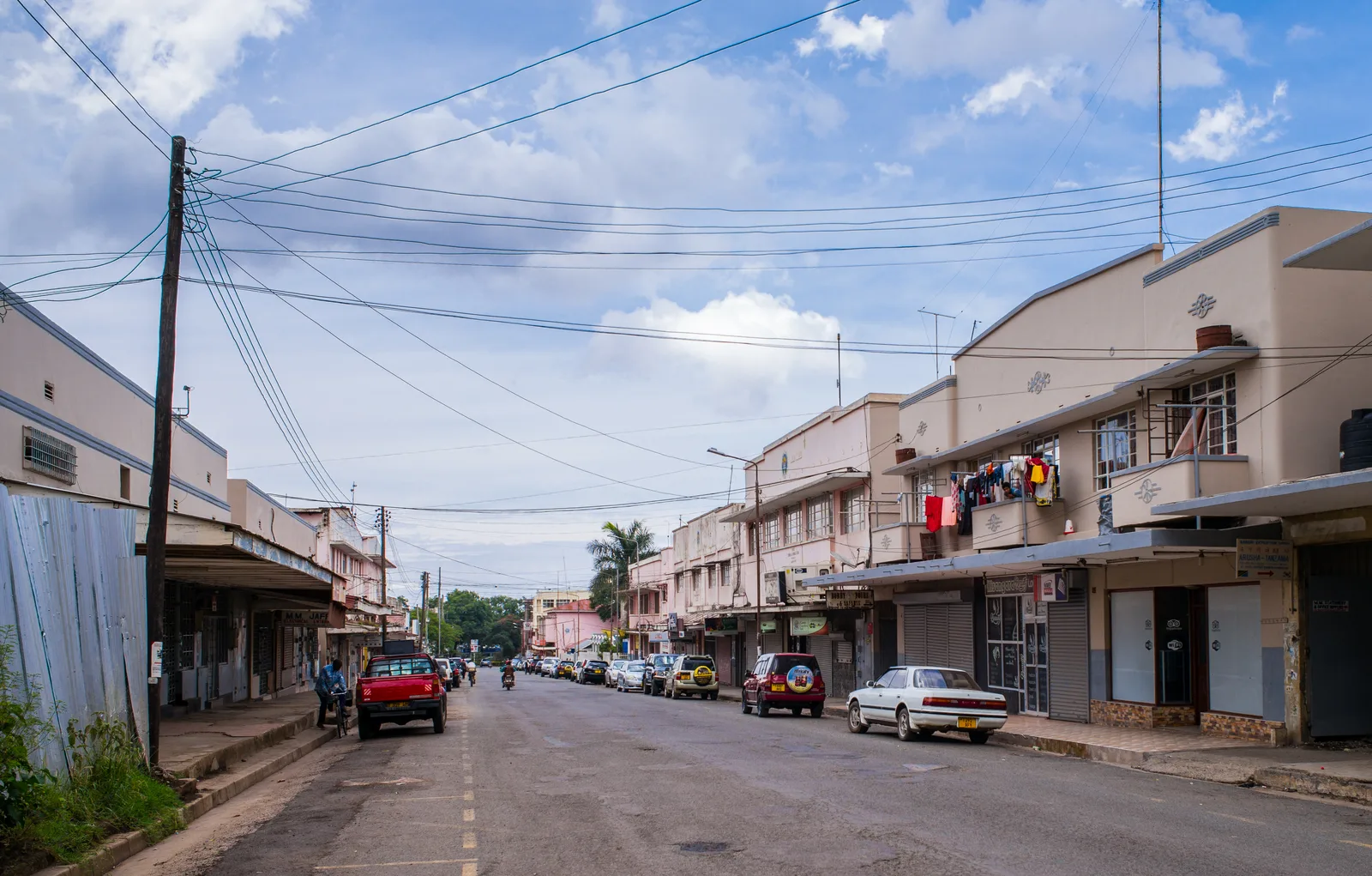
Give Arusha time beyond the safari handover
Arusha is more useful when you allow it to be a city in its own right. A stay can include museums, an introduction to contemporary art and a day in a nearby national park, but the practical details matter just as much: which airport you are using, where tomorrow’s driver will collect you and whether your accommodation suits a walk into town or a quiet evening on site.
For a visitor arriving before a safari, the first task is to leave room for delays and rest. Avoid treating arrival afternoon as the only opportunity to buy essentials, change money and attend a detailed briefing. For someone considering a move, use the city differently: make ordinary journeys, inspect homes and investigate services at the times you would actually need them. A pleasant lodge stay cannot answer every question about everyday life.
Choose two full days if your main aim is an introduction to the city and one substantial outing. Add time for art, a community-run experience or further appointments, and allow a separate programme for a mountain climb. The distinction matters: visiting Arusha, taking a national-park day trip and climbing Mount Meru are different commitments, with different costs, equipment and physical demands.
Start with the centre and two distinct museums
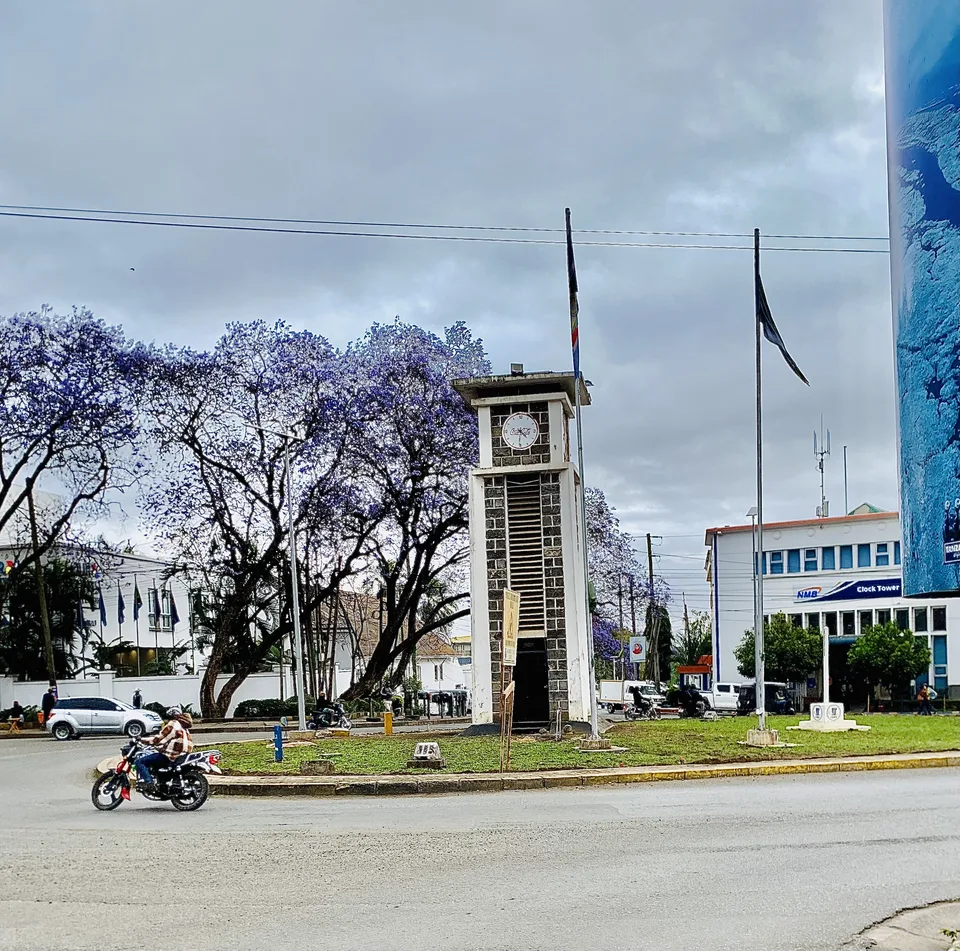
Use the Clock Tower as an orientation point rather than a claim that everything worth seeing lies around one junction. Walk a manageable route in daylight, allowing for traffic at crossings and breaks between stops. Ask before photographing people, businesses or interiors. A guide who explains what you are passing can make an introductory walk more rewarding than following a long list of map pins.
The National Museum of Tanzania’s institutional overview identifies two separate museums in Arusha: the Natural History Museum and the Arusha Declaration Museum. Choose them for different reasons, and confirm their opening arrangements directly before committing the day. Reliable current admission prices and complete gallery schedules were not established during this review; a museum name on a directory should not be treated as proof that every exhibition is available.
The Arusha Declaration Museum offers a way into the political history associated with the city’s name. The museum’s account of the 1967 TANU meeting describes the January gathering and the surviving chairs used by its participants. Ask about interpretation of the declaration and the wider political context. This is an opportunity to understand a consequential episode in Tanzania’s history rather than simply photographing another exterior.
Give the Natural History Museum its own time if its subject interests you. Ask which displays are open and whether a guided explanation is available. Families should choose the visit length around attention and energy rather than assume that two museums make an automatic half-day package. Keep a flexible alternative if a gallery is closed or a visit takes longer than expected.
Make space for working artists
Swahili Art Group describes its base at Themi Living Garden and an outdoor display where visitors can see and buy work directly from artists. Its members work in several styles and materials. Contact the group before making a special journey, particularly if you want a lesson, a conversation with a particular artist or enough time to discuss a commission.
The group’s page gives differing weekday and Saturday details in different sections, so confirm the appointment instead of relying on an unqualified opening-time claim. Ask what a lesson includes, how long it lasts and whether materials are supplied. Watching someone work can be valuable in itself; there is no need to turn every cultural stop into a purchase.
If you buy a painting, ask for the artist’s name, the medium, a receipt and advice on packing. Establish the total cost of framing or shipping before paying. For a commission, agree the dimensions, completion date and what happens if you leave before it is ready. Allowing time for those details is more practical than choosing something hurriedly on the way to the airport.
Pick a base around the journeys that matter
A central hotel can simplify museum visits, meals and meeting an operator. Compare its exact entrance and the routes you will walk, not only its description as a city-centre property. Ask about noise, room position and access after dark. For an early safari departure, establish whether breakfast is available at the required time or can be packed, and whether luggage storage is included.
A garden lodge farther from the centre may suit someone who wants to rest, dine on site and spend time outdoors between journeys. Assess the cost of taxis and transfers alongside the room rate. A quiet setting can be a sound choice without being convenient for several daily appointments. Request the actual map pin before deciding how it fits your programme.
For a prospective resident, compare a central base with properties around the specific workplace or school you are investigating. Neighbourhood labels cover varied streets and buildings. Visit the access road, examine the walk to transport and test the return journey. Ask how heavy rain affects the entrance and whether a vehicle can reach the building comfortably when conditions deteriorate.
Before booking any short stay, confirm the bathroom, hot water, ventilation, power backup and payment terms. Where accessibility matters, request details from the pavement or vehicle drop-off to the room and dining area. A lift does not establish that the entire route is step-free. Compare the complete price, including compulsory charges and the meals or transfers you expect to use.
Keep the national park separate from the city
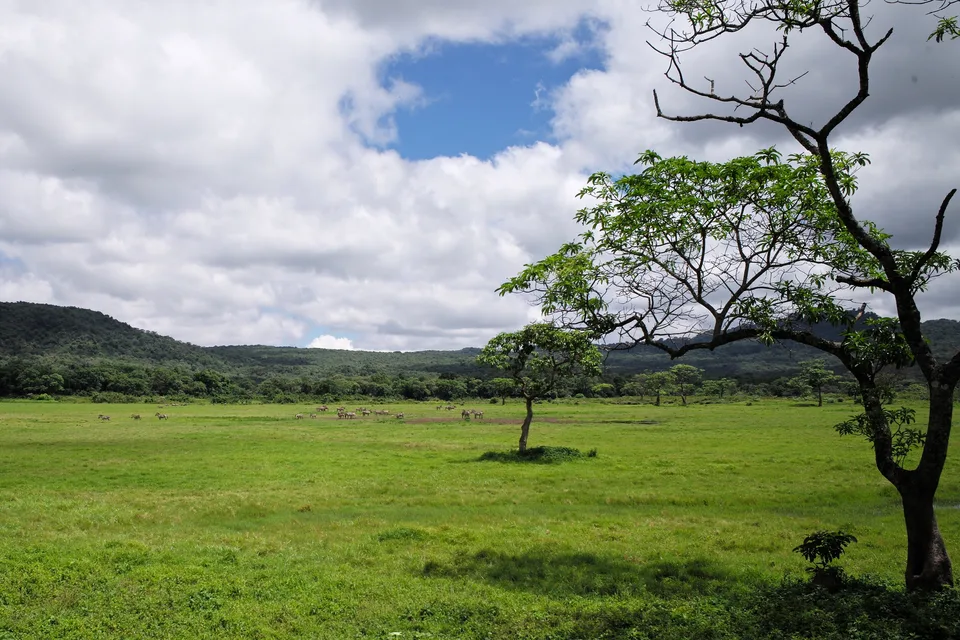
The TANAPA brochure for Arusha National Park describes a landscape of forest, open grassland, lakes and volcanic features, with Mount Meru forming a major part of the setting. It is an excursion outside the city, not an urban park you can casually add between museums. Choose it for those habitats and landscapes rather than assuming that a shorter visit must reproduce a longer safari elsewhere.
Ask an operator to describe the proposed route, the time inside the park and the activities actually included. Establish whether a walking component is permitted and arranged, who guides it and what fitness is needed. If canoeing or another specialist activity is advertised, confirm that it is operating on your date. A general brochure can identify possibilities without guaranteeing availability.
Request a written total separating admission, vehicle, guiding, meals and any additional activity. Older official brochures still circulate with expired tariff periods; they should not be used as a current price quotation. Check the latest charges with TANAPA and the operator before paying, including the identification needed for your nationality or residence category. A quoted park entry fee is not the total cost of a day out.
For Mount Meru, plan a multi-day mountain itinerary rather than an ambitious extension of a city walk. The park brochure recommends allowing four days for the summit programme and acclimatisation. Discuss fitness, equipment, guiding and insurance with qualified providers, and seek individual medical advice where needed. Keep a separate day-trip option for companions who do not want to climb; sharing a hotel does not require sharing every activity.
Understand the city’s international role
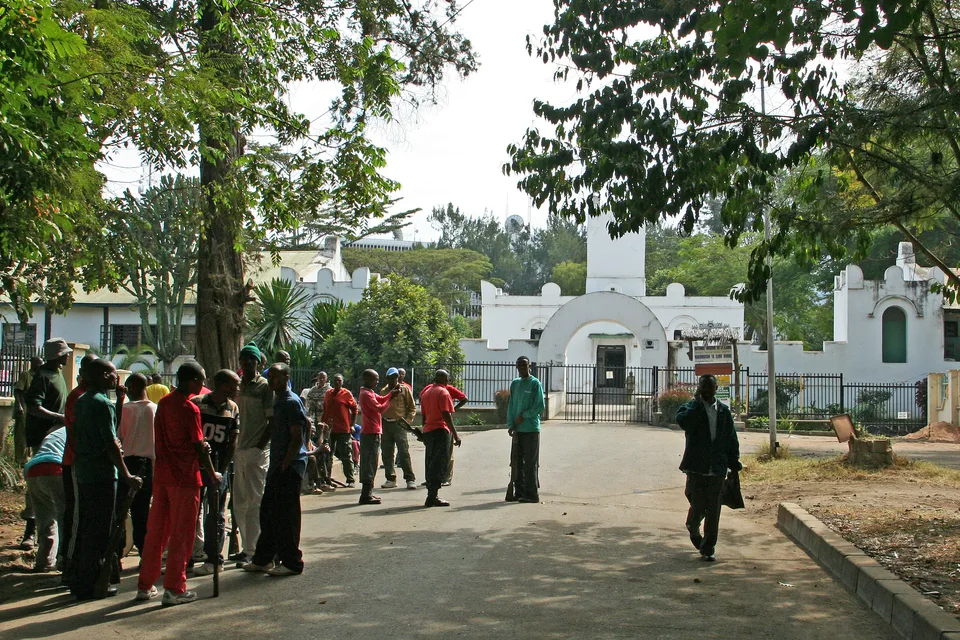
Arusha is also a place of regional institutions and professional travel. The East African Community’s headquarters offers individual and group visits that explain its work, including the Secretariat, court and assembly. This gives interested visitors a different perspective on the city from the safari briefing room. It is an organised institutional visit, with an approved programme and security procedures, rather than a casual walk-in attraction.
The EAC requires written confirmation before visitors travel to the headquarters. Its published arrangements exclude visits between 15 December and 10 January and on its public holidays; under-fives are not admitted. Read the current dress and identification requirements, and keep the approved time clear. If the subject interests you, request arrangements well ahead of your stay and retain an alternative if approval is unavailable.
Business travellers should make the same distinction between an address and access. Confirm the building, contact person and appointment rather than assuming a public reception can resolve everything on arrival. Choose accommodation around the actual meeting location and allow time for security checks. A conference or institutional stay may favour a different base from a short holiday centred on museums and a park trip.
Check the airport name before the transfer
Kilimanjaro International Airport and Arusha Airport are separate airports. Check the code on every flight booking and make sure your accommodation or driver has the same information. A transfer described only as “Arusha airport pickup” leaves unnecessary room for confusion. Send the flight number and arrival time through the booking channel and agree how delays will be handled.
Kilimanjaro airport’s official transport page advertises taxis on the forecourt and a shared shuttle outside the terminal to Arusha or Moshi at TSh10,000. Confirm whether a departure is available for your arrival, its drop-off point and how you will complete the journey to your accommodation. The advertised shuttle price is not a private door-to-door transfer quotation, and the page does not establish a frequency you can rely on.
For a late arrival, several bags or a party needing assistance, compare a prearranged vehicle with the entire shared-transport journey. Agree the total price and passenger capacity before paying. If connecting onward by air, ask about the check-in deadline, baggage rules and protection when flights are delayed. A same-day connection between different airports needs time for the road journey as well as baggage collection.
Within the city, choose transport according to the journey, luggage and time of day. For a taxi or prearranged car, agree the fare, exact destination and collection point. Ask your accommodation to explain a local public-transport route before using it for a time-critical appointment. Carry a saved address and contact number, and keep an alternative for the return rather than depending on an unfamiliar connection late in the evening.
Choose dates with rain and mountain plans in mind
The park brochure identifies March–May as the heavier rainy period and October–November as a shorter rainy period, with June–September and December–early March suggested for visits. Use those patterns to investigate dates, not as a guarantee of conditions in the city or on the mountain. Check Tanzania Meteorological Authority forecasts shortly before travel and again before an outdoor excursion.
Pack a layer for cooler parts of the day and a practical rain shell rather than planning only for hot safari afternoons. Footwear with grip helps when surfaces are wet. For a mountain itinerary, get a specific equipment list and weather briefing from the provider; everyday city clothing is not a substitute for the clothing needed at altitude. Ask how a changed forecast affects the route and cancellation arrangements.
Keep an indoor option available when planning a short stay. Museum visits, a confirmed art appointment or a slower meal can take the pressure off a wet afternoon. If mobility is limited, ask about the actual paths and entrances under wet conditions. A route manageable on a dry day may involve a different level of effort after rain.
A three-day introduction with room to change plans
Use day one for a daylight orientation around the centre and one museum, with lunch and rest between activities. Choose the Arusha Declaration Museum for political history or the Natural History Museum according to your interests and confirmed openings. Leave the evening close to your accommodation, especially after a long arrival journey. Confirm the next day’s departure rather than trying to arrange an entire excursion late at night.
Make day two the national-park outing if that is a priority. Agree the route and any guided activity in advance, and keep the evening flexible. Someone continuing to a longer safari may prefer a second city day instead, with an art visit and time to meet the operator. The point is to choose experiences that add something to the rest of your trip rather than repeat a checklist.
On day three, take the second museum or a confirmed art lesson, or an approved EAC visit if it fits the schedule. A prospective resident can use part of the day for an ordinary commute and appointments, but housing investigation deserves additional time. Keep departure-day plans modest enough that a traffic delay or a changed collection point will not put a flight at risk.
Consider Usa River’s location page when comparing a base outside the centre, and Moshi’s city page for a separate stay farther east. These choices should follow your onward route and interests. Check exact transfers with the provider rather than treating towns, park gates and airports as interchangeable points on a northern-Tanzania itinerary. VisaWand’s directory pages help locate alternatives; inspect the editorial coverage available on each.
Test a possible home through an ordinary week
Start with temporary accommodation and inspect homes before committing to a longer lease. Make the journey to the workplace, school or regular appointments at the relevant times, including the return. Check the access road, lighting and where a vehicle can stop. If a property is marketed by a broad area name, ask for the exact entrance and assess the surrounding street yourself.
At a viewing, examine water pressure, hot water, ventilation, locks, drainage and the condition of appliances. Arusha Water Supply and Sanitation Authority publishes service information, while its new-connection procedure explains applications and individual cost estimates. Establish whether the specific property has an active connection, who pays the account and how storage or pumps are maintained. Do not turn a provider’s service-area description into a guarantee of supply at every address.
Ask how electricity is metered and paid, and what any backup actually powers. TANESCO is the official electricity-service starting point. Test mobile reception and the installed internet connection with the tasks you need to perform. A package advertised as fast does not establish dependable video calls in a particular room, and backup lighting does not necessarily keep a router or water pump running.
Compare the full move-in cost: rent, advance payments, deposit, agency charges and recurring services. Put the furniture inventory, maintenance responsibility and deposit terms in writing. No reliable comparable rental average was established for this guide; inspected properties and current written offers are a better basis for a household budget. Verify the landlord or authorised agent before transferring money and retain documentation.
Map healthcare, a pharmacy and grocery options from each candidate home. The Health Ministry record for AICC Hospital identifies one provider to investigate, with suitability and payment arrangements confirmed for your needs. Ask your insurer about authorisation, referrals and emergencies before treatment is required. Families should confirm school places, language, fees and transport directly. These practical details can outweigh an attractive garden or a shorter-looking distance on a map.
Separate a holiday from work, study and residence
Use Tanzania Immigration’s visa guidelines to check your nationality and purpose. Exemptions, visa-on-arrival eligibility and referral procedures differ. The published ordinary visa fee is US$50; US passport holders visiting for tourism are directed to a US$100 multiple visa. Its longer validity does not mean permission for an uninterrupted year’s stay. Check the permitted stay and entry conditions actually granted.
Referral applicants are advised to apply at least two months ahead and await approval before making travel reservations. The guidelines require a passport with at least six months’ validity and an unused visa page, and visitors must be ready to show a return ticket. An ordinary visa does not authorise work or business activity. Apply through the official portal and keep the approval available for the journey.
Mainland Tanzania introduced mandatory inbound insurance on 1 October 2026. NIC’s official FAQ gives a price equivalent to US$44 in Tanzanian shillings and cover for up to 92 days, with exemptions including residents of EAC or SADC partner states. Confirm eligibility and the certificate’s dates. The UK government’s entry guidance explains the first-port-of-entry distinction between mainland NIC and Zanzibar ZIC cover; check the applicable arrangement if combining both destinations.
For a move, read the separate residence-permit guidelines. Classes A, B and C cover different activities, including investment, employment and other qualifying purposes. Work permission and residence permission have related but distinct requirements; study, research and volunteering need the appropriate route. Resolve the process with the relevant employer, institution and authorities before travelling. A lease or repeated tourist visits does not establish permanent residence.
Use VisaWand’s Tanzania location directory and Tanzania destination page for further planning, and its consultant listings to identify an adviser for a defined question. Explain your nationality, residence, activity and intended duration precisely. A useful consultation clarifies requirements and evidence; it cannot guarantee the immigration decision.
Official planning resources
Reviewed 17 October 2026. Use the official resources linked throughout this guide for admission, transport, housing and immigration decisions. Prices, services and rules can change; confirm the details relevant to your dates. Photography illustrates the locations and is not a live view.
View all official resources
- National Museum of Tanzania: museums
- NMT: Arusha Declaration meeting
- Swahili Art Group: working artists and visits
- TANAPA: Arusha National Park brochure
- TANAPA: tourism
- East African Community: headquarters visits
- Kilimanjaro International Airport
- Tanzania Airports Authority: Arusha Airport
- Kilimanjaro Airport: rides and transfers
- AfriFOODlinks: Arusha food-system study
- Tanzania Meteorological Authority: current forecasts
- AUWSA: Arusha water services
- AUWSA: new water connections
- TANESCO: electricity services
- Health Ministry: AICC Hospital registry record
- Tanzania Immigration: visa guidelines
- NIC Tanzania: inbound insurance FAQ
- UK government: Tanzania entry requirements
- Tanzania Immigration: residence permits
Plan the next part of your journey
Explore the Tanzania guide, browse other cities or compare consultants for your travel and relocation questions.