Visa
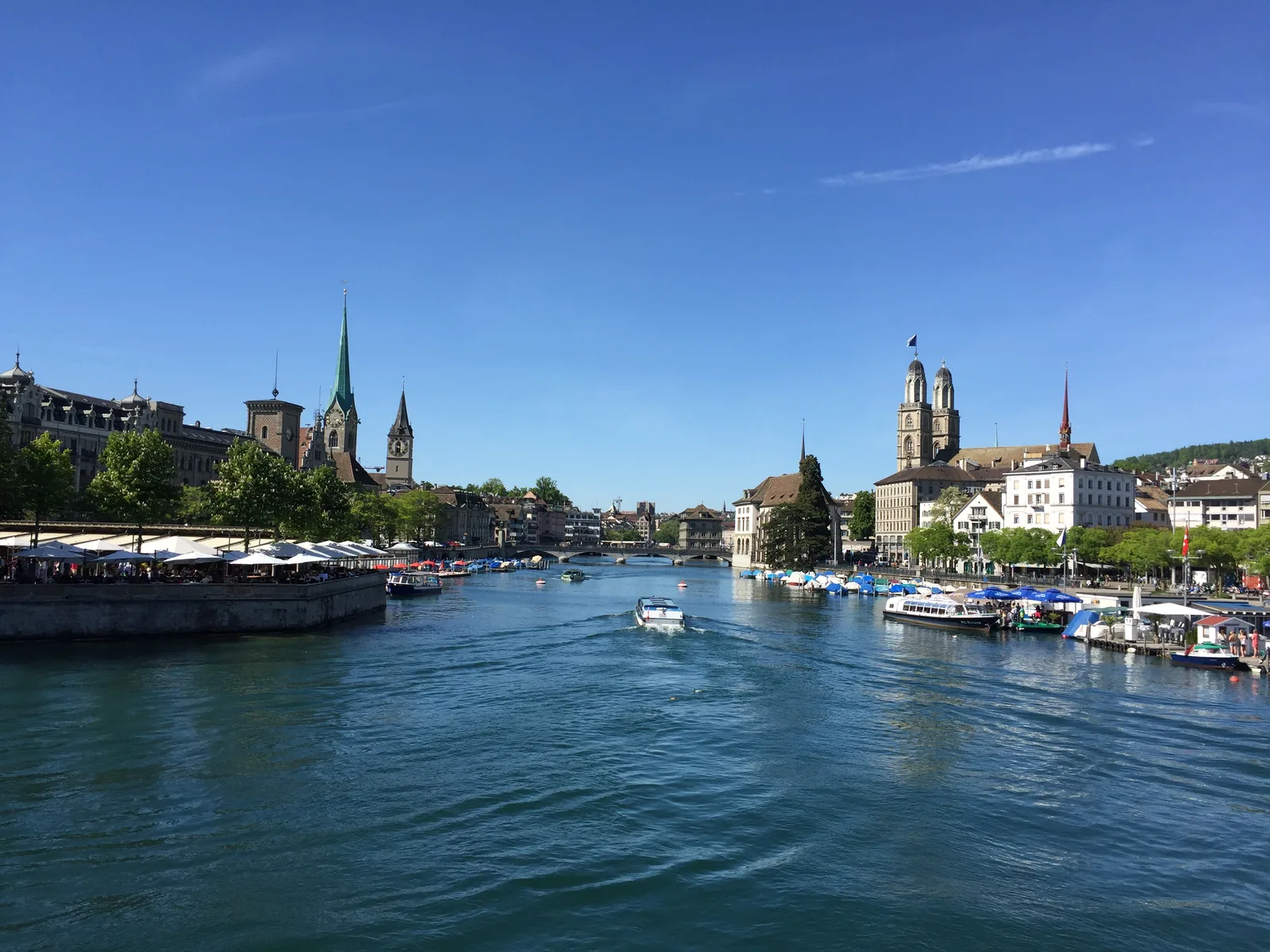
Let the river, lake and railway shape your stay
Zürich rewards a visit that moves between different scales: narrow old-town streets, a substantial art collection, then open water and a longer view. The Limmat provides a useful line through the centre, while the railway makes the city a practical starting point for a wider Swiss journey. The best reason to stay is the combination, rather than a race through landmarks between trains.
Allow three days for an introduction with time to pause. A short stay can combine the old town, one or two museums and the lake; a longer visit can test neighbourhoods against ordinary working life. Start with VisaWand’s Switzerland country guide, then choose accommodation around your actual plans. Prices and operating information in this guide were reviewed on 15 October 2026. Several services have announced changes, so the date of travel matters.
Begin with the old town on both banks
The official old-town overview places Zürich’s historic heart on both sides of the Limmat. Guild houses, churches and squares make more sense as parts of a walk than as isolated photo stops. Niederdorf lies on the river’s right bank; Augustinergasse and Schipfe offer other ways to explore the older centre. Cross the river during the day so that the city’s shape becomes familiar.
The history is not confined to medieval buildings. Cabaret Voltaire connects the old town with the Dada movement that began here in 1916. A church visit, a guild-house facade and a performance venue represent different periods and different kinds of access. Read the current programme or visitor information before treating any of them as an attraction open whenever you pass. Leave room for the streets themselves between paid appointments.
Use Lindenhof for perspective and a slower moment
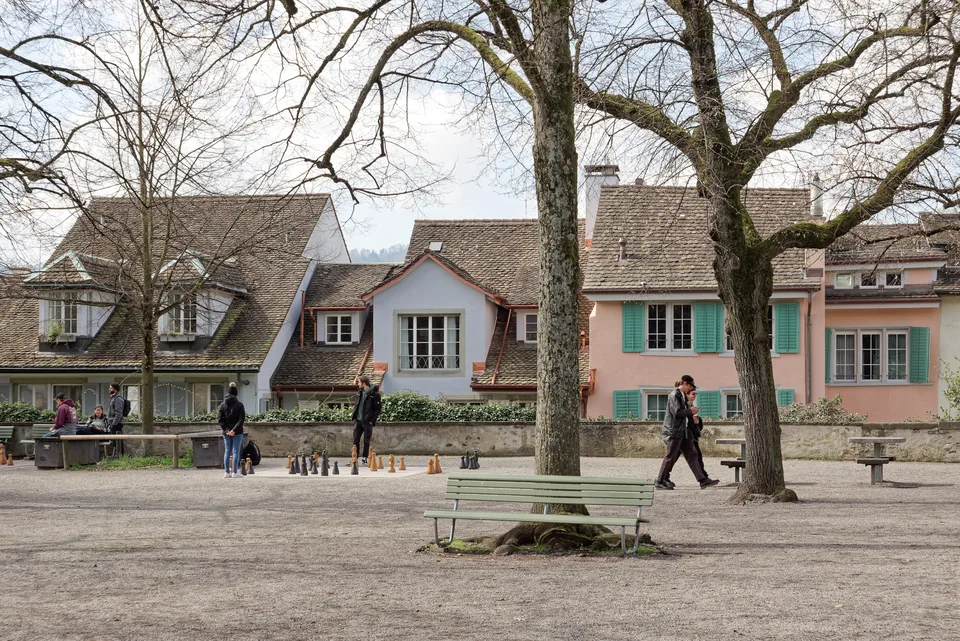
Lindenhof combines a view across the old town with a much older story. A Roman fort stood here in the fourth century, followed by a royal palace in the ninth. The tourism office also records the oath to the Helvetic Constitution taken here in 1798. Today, the trees, benches and outdoor chess give the space a role beyond sightseeing.
Include it in a central walk when you have time to stop, rather than making the ascent only for a quick photograph. The viewpoint helps connect the river, churches and university area you may already have seen from below. Check a suitable approach if changes of level are difficult: the published accessibility information describes partial access for wheelchair users. A terrace overlooking the city does not imply that every route to it is equally manageable.
Choose a central base for a brief visit
For a first stay concentrated on the old town and museums, compare addresses near your planned walking routes and useful transport stops. A hotel near the main station can simplify an arrival or an onward train, but check the actual exit and walk with luggage. The name Hauptbahnhof is often shortened to HB.
Within the old town, inspect room details as carefully as the map. Ask whether windows face a busy street or an internal courtyard, whether the bedroom has cooling and how stairs or lift access work. Historic character does not establish quiet or easy access. A staffed reception can be useful for an uncertain arrival time; an apartment may suit laundry and cooking. The tourism office’s accommodation information helps compare hotels, guesthouses and other options without assuming that one category always offers the best value.
Look beyond the centre for a different daily rhythm
The district guide distinguishes the historic centre from areas with different cultural and residential roles. Zürich-West is useful to compare for design, contemporary culture and an evening programme. Wiedikon offers another food-focused area to explore, while lakeside districts can suit a stay organised around walking and recreation.
For accommodation, judge the particular street and connection rather than the district’s reputation. An evening venue nearby may be an attraction for one visitor and a sleep problem for another. Include the late return journey when comparing a cheaper room farther from your daytime plans. If moving, test the route to the actual office, school or campus. A district that suits a weekend of restaurants may not be the most convenient place for your regular working week. Visit at different times before making that decision.
Check the Grossmünster restoration before planning views
The twin towers of the Grossmünster are among the city’s familiar landmarks, but current photographs and access conditions need care. The cantonal restoration project describes extensive scaffolding during 2026–2027. Artist Shirana Shahbazi’s installation forms part of the project, so the exterior experience differs from older postcard views.
Do not make an unobstructed facade or tower panorama the condition on which the whole day depends. Check the current church and project notices for access. Tourism information describes 187 steps to the Karlsturm viewing area and says the terraces are closed for safety; a listed tower product should not be read as confirmation that every part is available during works.
Visit the Fraumünster for its art and earlier power
The Fraumünster visitor information links the former convent’s foundation in 853 with its later influence in the city. Its artistic appeal includes stained glass by Marc Chagall and Augusto Giacometti. That gives the visit a different emphasis from looking at the church spire across the river.
Check current admission, worship times and visitor arrangements through the linked church information before fixing your schedule. A tourism pass benefit does not remove the need to respect the building’s programme. Take time to look at the windows rather than combining the visit with a rushed crossing between two reservations. Ask about suitable access if necessary and follow photography rules on site. If the interior is unavailable when you pass, use the surrounding old-town walk and return only when the opening arrangements fit the rest of your day.
Choose the right Kunsthaus ticket
The Kunsthaus Zürich visitor page distinguishes several products. Collection and designated small-exhibition admission is listed at CHF24 for adults; the All in One product covering all exhibitions and collections is CHF36. Compare what you want to see before selecting a ticket. A headline museum price does not describe every exhibition combination.
The normal schedule is Tuesday–Wednesday and Friday–Sunday, 10am–6pm, with Thursday opening until 8pm and Mondays closed. Galleries begin closing shortly before the building. The collection is free on Wednesdays, while Zürich Card holders receive collection entry with special exhibitions subject to an additional charge.
The collection audio guide is free with an online ticket purchase and costs CHF4 at the ticket counter; exhibition audio guides have separate arrangements. Leave a substantial block of time for the museum, and check locker requirements before bringing large bags into your cultural day.
Give the National Museum its own appointment
The National Museum is a useful choice when you want a Swiss historical context alongside an art-focused visit. Its position by the main-station area makes it practical to consider on an arrival or departure day, provided luggage and the train schedule leave enough time.
The official ticket page lists adult admission at CHF13, with reduced categories and free entry for children and young people up to sixteen. Zürich Card admission is also listed. Check the relevant proof and selected visit before buying.
Use the current opening-hours page rather than an older brochure: from 1 October 2026, the museum closes at 5pm on Thursdays. Its standard schedule is now Tuesday–Sunday, 10am–5pm, with Mondays normally closed and holiday exceptions. Do not plan a late Thursday visit using the previous evening opening. Public tours and events have their own reservation arrangements.
Spend an afternoon around the lake
The lake gives a city itinerary room to breathe. A shoreline walk can stand alone, with a café or a pause on a bench, instead of requiring another paid activity. Choose a route appropriate to the weather and the time available before a later booking.
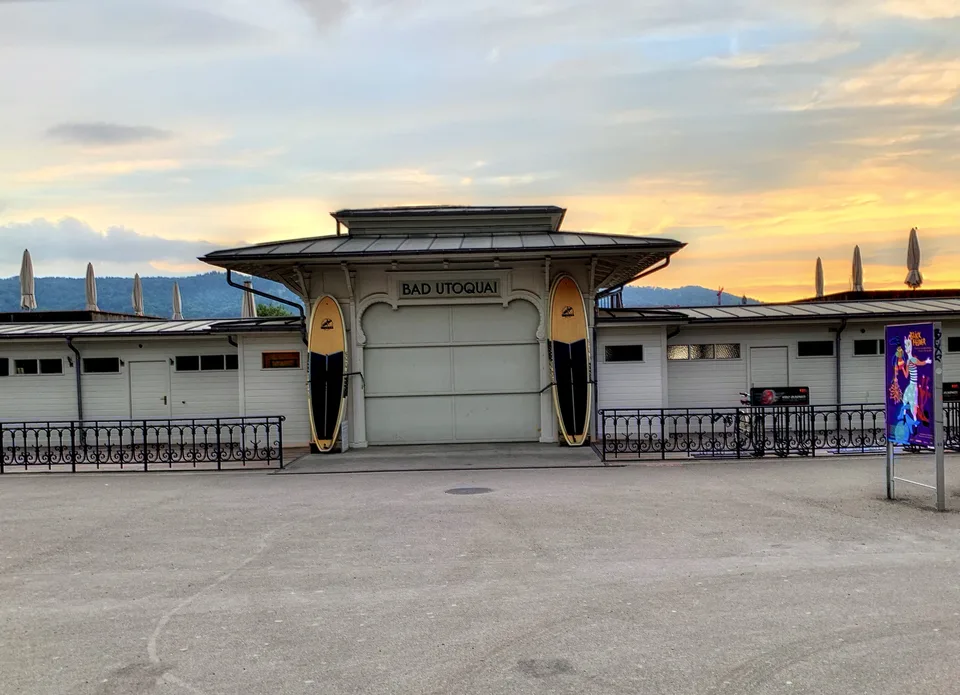
Swimming is a separate decision. Check the opening dates, facilities and current conditions of a specific bathing place; a lakefront photograph does not establish safe access to the water. Take particular care around boats and follow local instructions. If travelling with children, select a setting for their needs rather than assuming every part of the shore functions as a supervised beach.
Select a boat trip by route and season
The ZSG boat operator distinguishes mini, short and long lake cruises from the Limmat river trip. The advertised durations differ substantially: a short lake cruise is about ninety minutes, while a long circuit can occupy four and a half hours. Pick the journey that fits the day before comparing tickets or pass benefits.
Check the timetable for your date, departure pier and return, especially around seasonal changes. An itinerary shown for summer should not be carried into winter unchanged. The operator warns that a selected landing place may have no departure at a particular time.
A Zürich Card includes specified shorter lake and river services within its validity area; it is not a blanket ticket for every cruise, class or special dining event. Reserve a meal separately when required, and keep a shoreline alternative available if the chosen sailing does not work.
Explore the changed industrial landscape of Zürich-West
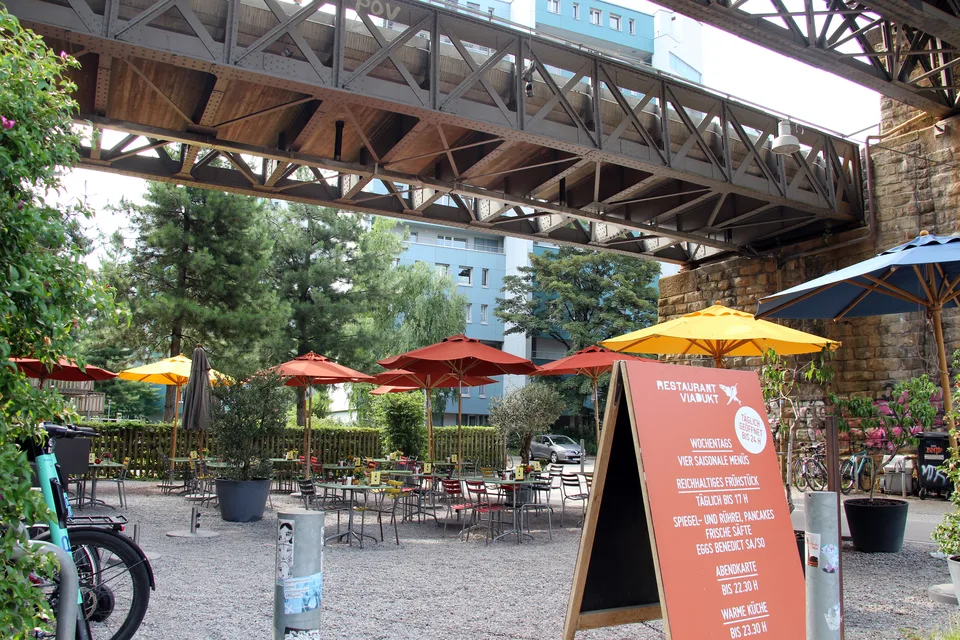
Zürich-West adds a different built environment to the old town. Former industrial spaces, railway structures and cultural venues offer an afternoon organised around design, shopping or a performance. The Viadukt area is a useful place to compare with the city-centre streets rather than expecting another sequence of historic churches.
Choose one reason to go and leave time for the surroundings. If attending a concert or theatre performance, check the programme, location and return connection first. Shops and food businesses have individual hours; the district’s reputation does not guarantee that every venue is operating when you arrive.
Arrive from the airport with the final walk in mind
The airport’s public-transport information describes SBB trains to Zürich’s main station at roughly ten-minute intervals, with a journey of about fifteen minutes. Those are operator planning figures, not a guarantee for every hour or during disruption. Check the timetable for your flight date and allow for immigration, baggage and reaching the station.
Compare the final address with the main station and any onward tram or bus. A slightly different connection may suit the accommodation better than automatically travelling to HB. For an early flight, verify the first usable service; the advertised weekend early-morning trains do not establish a daily overnight service.
If considering a taxi or private transfer, obtain the full group price and clarify luggage and child-seat needs. An airport hotel can suit an early departure, but compare the actual terminal connection before booking.
Understand the zones before buying local transport
ZVV’s ticket information explains that travel is covered within purchased zones and a defined validity period, allowing changes between transport modes. Zürich’s city zone 110 counts double when calculating the fare. A map showing one numbered zone therefore does not necessarily imply a one-zone price.
Buy for the complete route and check the date and time of validity before travel. Compare individual journeys, a twenty-four-hour ticket and a visitor pass against the trips you will actually make. Regular commuters should investigate subscriptions rather than repeatedly buying a sightseeing product.
Keep a usable ticket available for inspection and check service notices when travelling farther afield. For onward national or international rail, read the conditions of the chosen ticket separately. A local zone ticket and a longer-distance train booking answer different questions, even when both journeys begin at the same station.
Calculate the Zürich Card against your itinerary
The official Zürich Card page currently lists adult prices of CHF29 for twenty-four hours and CHF56 for seventy-two hours. It explicitly announces new prices from 13 December 2026, based on the selected start date rather than the purchase date. Check your dates before treating the displayed current amount as a future quote.
The transport-validity information includes second-class travel within specified city and surrounding zones, airport transfers, Uetliberg and selected lake and river services. Travel beyond the area or in another class needs the appropriate supplement. Physical cards require validation before the first journey; digital tickets use their QR code for inspection.
For value, add the journeys and qualifying admissions you want. A pass is less useful when purchased for attractions you would otherwise skip. Check museum benefits carefully: free collection access is not always free access to every special exhibition.
Try local dishes and keep food spending deliberate
The tourism office’s traditional-food overview identifies Zürich Geschnetzeltes, a veal dish usually served with rösti, alongside Bircher muesli, Luxemburgerli and honey-spiced Tirggel biscuits. Fondue and raclette provide other Swiss options, but there is no need to make every meal a national-food checklist.
Choose one restaurant meal that matters to you, then compare simpler meals and grocery shopping around the rest of the day. Read menus before sitting down and establish the price of drinks and additional orders. If you have dietary restrictions, discuss the actual preparation rather than assuming a familiar dish name establishes its ingredients.
Make shopping serve the trip
Bahnhofstrasse offers one shopping setting; the old-town lanes and Viadukt area offer others. Start with the product you want and the time available, rather than allowing shopping to displace a reserved visit. For a substantial purchase, compare the final price, warranty, packing and return arrangements.
Build a budget from choices you can price
Two adult Kunsthaus collection tickets at the published CHF24 rate total CHF48; two National Museum adult tickets at CHF13 total CHF26. Together, those admissions amount to CHF74 before transport or other expenses. Two current twenty-four-hour Zürich Cards total CHF58, so their qualifying museum benefits and transport can be worth comparing with separate purchases. The dates and exact exhibition choices remain decisive.
Keep accommodation, meals and discretionary spending outside that example. Obtain dated room quotes with the same occupancy, cancellation terms and included services, then add transport and a reserve for changes. A citywide daily figure would conceal the difference between a modest room and a lakeside hotel.
Let the season change the plan
The tourism office’s climate guidance describes four distinct seasons, with winter temperatures sometimes below freezing and hot summer days above 30°C. Pack for the forecast rather than relying on a single image of Switzerland. A lakeside summer visit, an autumn museum break and a December market trip produce different daily routines.
In warm weather, leave time for shade and water and check bathing conditions separately. In winter, account for cold, shorter outdoor days and potentially slippery approaches. Snow in a mountain photograph does not establish snow in the city or suitable conditions for an excursion.
Check event dates and accommodation terms before booking around a festival or market. For a move, inspect heating, insulation, shading and ventilation. A home that looks bright in an advertisement still needs to work through the season in which you will spend the most time indoors.
A three-day itinerary without unnecessary backtracking
Day one: explore the old town on both banks of the Limmat, including Lindenhof and a church interior when access allows. Keep the Grossmünster restoration in mind and avoid making a tower climb essential. Leave the evening for a meal or a programme you have chosen in advance.
Day two: give the Kunsthaus a proper visit, selecting the ticket for your interests. Add lake time afterwards if the weather suits. A shorter boat trip can fit when its timetable works, but does not need to be squeezed between two fixed reservations.
Day three: visit the National Museum and use the remaining time for Zürich-West or a slower neighbourhood outing. Adjust the sequence for museum closing days. If the trip includes a Monday, place the outdoor and old-town portions there rather than assuming normal museum access. Keep the departure buffer before adding a final stop.
Find housing through verified contacts and tested journeys
Begin with temporary accommodation while you inspect homes and test the commute. The UZH/ETH housing office warns about unusually attractive advertisements, landlords supposedly abroad and demands for advance payment to obtain keys. Its own housing portal serves university members; it is not a general public allocation service.
Establish the counterparty’s identity and authority, view the property and obtain clear written terms before risking a substantial payment. Compare the deposit, notice, repairs, utilities and any additional charges. Record the condition and inventory at handover.
Check heating, damp, noise, storage, laundry arrangements and internet at the exact address. Test the complete work or study journey at the relevant hours, including the return. For children, confirm school arrangements before choosing housing around an assumed place. A short rail journey alone does not describe the daily routine from the front door.
Arrange registration and healthcare alongside the home
The city’s registration instructions for arrivals from abroad require an appointment and registration within fourteen days. They specify personal attendance, including all family members when registering a family. If the earliest appointment falls after the deadline, the city instructs applicants to book it and request an extension through its contact form. Registration requires actual residence in the city.
Check the document list and charges: the published adult registration fee is CHF40, with migration charges separate. Do not use municipal registration as evidence of permission to work.
The city’s compulsory-health-insurance information explains the normal requirement for Swiss residents to hold basic insurance, with limited exemptions determined by the competent authority. Confirm your obligations and compare premiums through the official resources. For utilities and internet, establish account responsibility and activation dates before moving in. Keep the lease, insurance evidence and handover records accessible.
Distinguish visitor entry, study, employment and settlement
The State Secretariat for Migration’s entry information makes nationality, duration and purpose central to the rules. EU/EFTA citizens and third-country nationals follow different arrangements. A visa valid for a visit does not itself authorise employment, and municipal address registration does not replace the relevant immigration process.
The official work overview explains the different employment routes, including employer requirements and restrictions for third-country applicants. Study and longer residence need their own assessment. Do not assume that overseas income creates a general remote-working right or that buying property grants permanent residence.
Use the responsible Swiss authority or representation for your circumstances before committing to work, enrolment or a long lease. VisaWand’s Switzerland destination page and consultant listings can help organise professional questions. For tourism, check the current entry checklist and official travel-authorisation status rather than paying a similarly named unofficial website.
Add another Swiss stop only when it fits
For a wider itinerary, compare separate stays using VisaWand’s Basel and Bern location pages. These provide destination-directory information, rather than a promise of completed travel guides. Check the transport, accommodation and attraction arrangements independently before adding another city.
A day away should have enough time at the destination and a comfortable return margin. Avoid a fragile connection immediately before a flight. With only a short Zürich stay, an extra museum, a shoreline walk or a different neighbourhood may offer more than another long journey. The same principle applies to relocation research: ordinary days in the place you might live can be more revealing than a succession of excursions.
Official planning resources
Reviewed 15 October 2026. Use the official resources linked throughout this guide for admission, transport, housing and immigration decisions. Prices, services and rules can change; confirm the details relevant to your dates. Photography illustrates the locations and is not a live view.
View all official resources
- Zürich Card: official benefits and current prices
- Kunsthaus Zürich: plan your visit
- Zürich Card public-transport validity
- Zürich Airport trains, trams and buses
- Registering after a move from abroad: City of Zürich
- Entering Switzerland: SEM
- Working in Switzerland: SEM
- Compulsory health insurance: City of Zürich
- Seasons and climate: Zürich Tourism
- Zürich Old Town: tourism information
- Traditional Zürich food
- Accommodation: Zürich Tourism
- Zürich district guide
- Lindenhof: history and viewpoint
- Housing search and fraud precautions: UZH/ETH housing office
- National Museum Zürich: current opening hours
- National Museum Zürich: admission
- Lake and river trips: ZSG operator
- ZVV tickets and fare zones
- Grossmünster visitor information
- Fraumünster visitor information
- Grossmünster restoration: Canton of Zürich
Plan the next part of your journey
Explore the Switzerland guide, browse other cities or compare consultants for your travel and relocation questions.