Visa
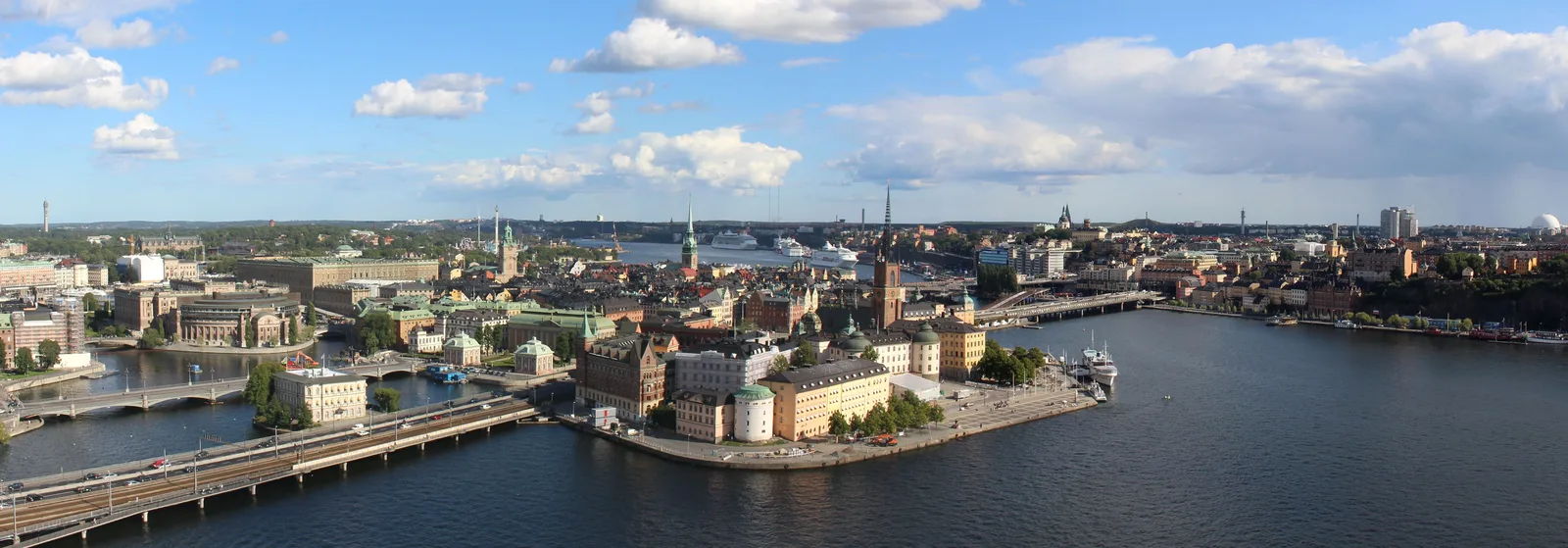
A capital best understood from the water
Stockholm’s appeal comes from the way the city keeps opening onto water. A walk can move from a medieval lane to a broad quay, then continue by ferry towards museums and wooded paths. Sweden’s capital offers enough for a substantial cultural break, but its pleasures also include leaving time between attractions: coffee, a neighbourhood shop and a view across the next channel.
Allow three full days for a first introduction, adding another if the archipelago is a priority. For anyone considering a move, reserve a weekday for housing and commuting research. A summer waterfront afternoon reveals one side of Stockholm; securing a suitable rental and managing the darker months require a different set of decisions. VisaWand’s Sweden country guide supplies the national context.
Understand the islands before planning distances
The official introduction to Stockholm’s islands explains the city’s water-based geography and the archipelago beyond. Central Stockholm spreads across islands connected by bridges, ferries and public transport. Destinations that appear close across a channel may involve a longer route on foot, so group activities geographically rather than selecting scattered landmarks for each day.
Gamla Stan, the Old Town, originated in the thirteenth century. Its streets around the Royal Palace remain a useful starting point for understanding Stockholm’s older core. Beyond it, the modern urban area extends across municipal boundaries. Check the actual municipality of a prospective home when investigating schools and services; a property advertised as being in Stockholm need not be administered by the City of Stockholm.
Give Gamla Stan time beyond the main lane
Begin with Stortorget and the surrounding streets, then make space for the waterfront edges and quieter turns between shops. Gamla Stan works well as an arrival-day walk because you can shorten it without losing a reserved ticket. Its attraction is the relationship between buildings, lanes and water, rather than a single viewpoint that requires a long queue.
The Royal Palace visitor information is the place to check which interiors and exhibitions are open on your dates. This remains a working royal site, so room closures can affect a visit. Choose a palace visit if the collections interest you, and leave enough time for admission and security. Walking around the area and entering a ticketed interior are separate experiences with different time commitments.
Make Vasa a substantial museum visit
Vasa is compelling because it is an actual seventeenth-century ship with an extraordinary history of failure and recovery. The museum’s historical timeline records its sinking on its maiden voyage on 10 August 1628 and its emergence from the water on 24 April 1961. Allow time to study the ship from different levels and understand the people and technology behind it.
Current Vasa Museum admission is SEK195 for adults in January–April and October–December, or SEK240 in May–September. Visitors aged 18 and under enter free; children aged 12 and under need an adult throughout. The museum takes card payments, and advance tickets do not give queue priority. Choose a comfortable arrival time instead of assuming pre-booking guarantees immediate entry.

Choose Skansen for a different kind of history
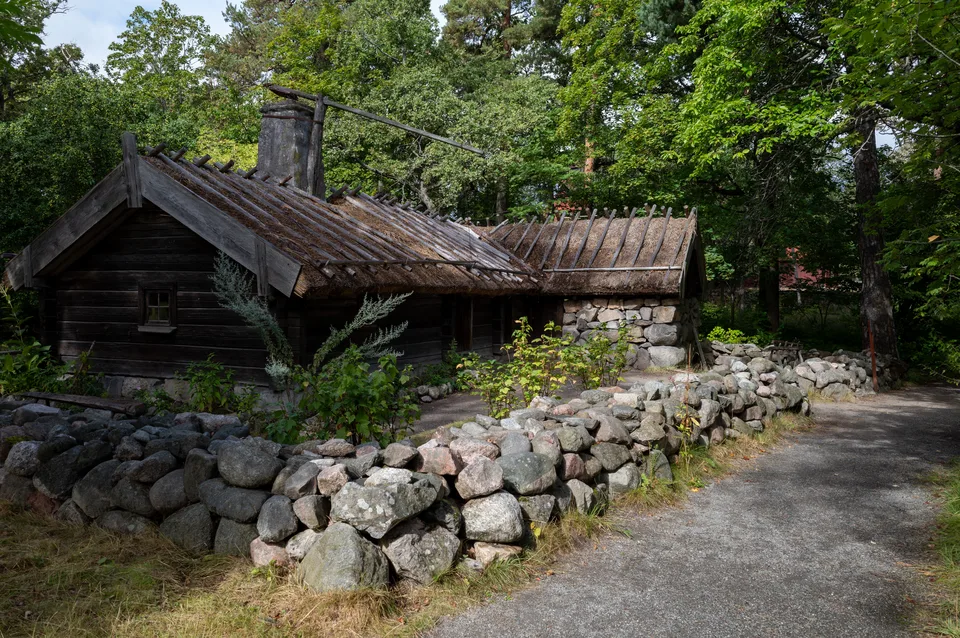
Skansen combines historic environments and living collections in a large outdoor setting on Djurgården. It needs a different pace from Vasa: walking, weather and the day’s programme shape the visit. With children, select a few areas rather than trying to cover every attraction. Check individual activities and interiors, since opening the main gate does not mean everything operates for the same hours.
The live Skansen calendar showed adult admission of SEK240 for 15 October 2026, with seasonal and purchase-channel differences. Children aged 0–15 enter free but still need a complimentary ticket. Online tickets are normally cheaper than entrance purchases. Use your own date in the calendar, particularly for holidays or evening events, and establish whether an additional attraction requires separate admission.
See City Hall through its guided route
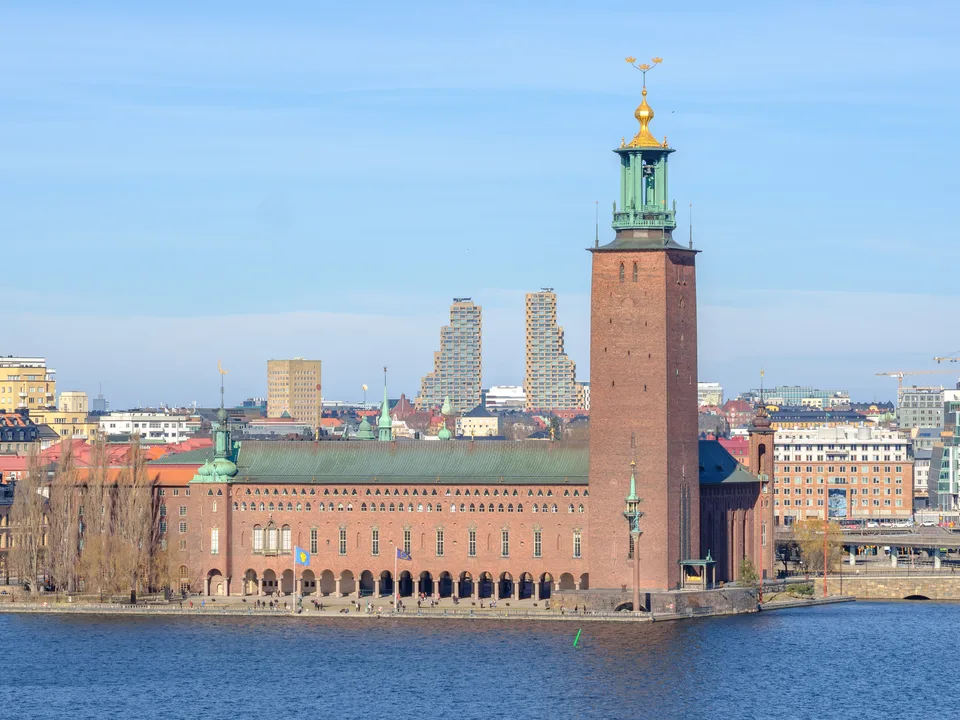
Stockholm City Hall is more than its recognisable brick tower across the water. Its public interiors are visited on a City Hall guided tour, currently SEK150 for an adult. Online tickets are released one week ahead, with same-day purchases also possible subject to availability. Choose an offered language and time before organising the rest of that morning.
The building accommodates municipal work and events, so tours or rooms can change at short notice. A tower visit is a separate planning question; do not assume a hall tour includes it. Consult the City Hall practical information for bags, strollers and access arrangements. Afterwards, the waterfront setting provides a natural pause before continuing towards a neighbourhood or another museum.
Pick a base for the journeys you expect
Norrmalm is practical for access around the main rail and transport hub. It suits a short stay with airport connections or onward trains, though the precise street and room position will affect noise and atmosphere. Gamla Stan offers historic surroundings but deserves careful questions about stairs, luggage access and the space available in an older building.
Södermalm is worth comparing for cafés, shopping and evenings outside the central business district. Östermalm and the approaches to Djurgården can suit visitors giving museums and waterfront walks more time. The official district guide also covers Vasastan and Kungsholmen. These are useful area descriptions, not substitutes for checking the final walk from a station to your accommodation.
Compare hotels, hostels and apartments realistically
For two or three nights, a well-connected hotel can be worth a higher room price if it reduces transfers and luggage handling. Hostels offer another price point, while an apartment or serviced stay may be useful for cooking and laundry. Compare the final charge for your dates, including cleaning, bedding, cancellation and the actual sleeping arrangement for every traveller.
Ask whether breakfast is included and what time it starts if you have an early train. Check lifts and step-free access from the street, not simply the presence of an accessible transport stop nearby. For a longer exploratory stay, prioritise a usable workspace, internet and cooking facilities. A short-stay booking should not be assumed to satisfy the address requirements of a permanent move.
Choose the right Arlanda rail service
The airport’s train guide distinguishes Arlanda Express from commuter and regional trains. Arlanda Express runs between its airport stations and Stockholm Central in about 18 minutes; that is the train ride, not the full time from aircraft to hotel. It has its own tickets and airport stops, which differ from Arlanda Central in SkyCity.
SL commuter trains use Arlanda Central and take roughly 38 minutes to the central Stockholm rail hub. The SL airport ticket rules currently give an adult single including station passage as SEK200. If you already hold an SL ticket, the passage supplement is SEK157 for travellers aged 18 and over. SL tickets do not cover Arlanda Express. Compare the complete ticket cost and final destination before heading downstairs.
Check bus stops and the final connection
The airport bus directory lists the operators, departure points and ticket links. Airport coaches and SL buses serve different markets and stops; a ticket for one operator is not a general airport-bus pass. Check the displayed terminal, departure stop and city destination, then include any connecting Metro or bus ride in the comparison.
A cheaper connection can be worthwhile when you have time, while a faster direct train may suit a short visit or heavy luggage. For taxis, establish the fare arrangement and destination before departure. Always use the airport named on your booking: an airport marketed with Stockholm in its name should not be assumed to have Arlanda’s transport options or journey times.
Use SL tickets for city travel
SL single-journey tickets currently cost SEK43 at the adult fare and permit travel for 75 minutes. Make the final interchange before the validity expires. Buy and activate the appropriate ticket before travel, and keep the same ticket or payment device available for inspection. You cannot buy a cash single ticket aboard the services.
For repeated journeys, SL travelcards cost SEK180 for 24 hours or SEK360 for 72 hours at the adult fare. A new physical SL card adds SEK50; mobile tickets avoid that card purchase. Compare a pass with your likely journeys rather than buying automatically on arrival. Discount eligibility has specific age or documentation conditions, and a visitor’s overseas student card should not be assumed sufficient. Each traveller needs their own valid ticket while travelling together: a transferable travelcard is usable by only one person at a time. Start a short pass when its hours will be most useful.
Distinguish city ferries from archipelago travel
The SL travelcard includes commuter ferry 82 between Slussen and Djurgården, a useful connection for a museum day. Check the actual stop and timetable, and allow time to board comfortably. A working public ferry can provide a different view of the city without buying a narrated sightseeing cruise; the two services offer different experiences.
Further out, consult Waxholmsbolaget’s ticket coverage and current sailing timetables. SL validity exists on specified routes and under particular conditions, but it does not mean every short city pass covers every archipelago journey. Choose an island, establish the outward and return sailings, and then price the correct ticket. Seasonal changes and limited departures matter more than a destination’s apparent distance on a map.
Explore Södermalm between the landmarks
Södermalm offers a useful change of scale after royal buildings and large museums. Make a walk around its cafés and independent shops part of a morning or afternoon, choosing a route that leaves time to stop. If shopping interests you, browse by purpose: vintage clothing, a design purchase or simply seeing how an everyday commercial street works.
For a possible move, repeat the exercise with more practical questions. Where would you buy groceries, collect a parcel or reach your workplace? Would the final walk home be comfortable with shopping or a stroller? An appealing district contains many different streets and buildings. Inspect the specific address and its connections before deciding that the neighbourhood’s general reputation answers those questions.
Eat Swedish food without prescribing every meal
Stockholm offers traditional Swedish dishes alongside a broad international restaurant scene. Meatballs and a café break can be part of the trip without turning every meal into a reservation. Use the official restaurant directory to compare menus and districts, then check the restaurant’s own opening times and current prices. A listed lunch offer may have limited hours or exclusions.
Leave room for fika, a coffee break that can make a long walking day more sociable and manageable. Mix restaurant meals with simpler breakfasts or supermarket purchases if that suits your budget. For allergies or other dietary requirements, ask about ingredients and preparation at the actual venue. A food hall offers choice, but its setting alone does not establish value or suitability.
Build a budget with a few verified anchors
Compare spending in Swedish kronor. As an illustration, an adult paying for a 72-hour SL ticket, City Hall tour and October Vasa admission would spend SEK705 on those three items. In May–September the same combination would be SEK750. These totals exclude airport transfers, accommodation, food, Skansen and other purchases; they are a planning example, not a daily cost estimate.
Add your actual room quote and selected meals, then leave a reserve for changes. Vasa’s card-only policy also makes a working payment card important. Check payment options at other venues rather than assuming cash will always solve a problem. For shopping, compare the item’s final price and return conditions, especially if you will have left Sweden before discovering a fault.
Let the season shape the programme
Summer gives waterfront walks and island outings more scope, while winter rewards a shorter outdoor circuit between substantial indoor stops. The official weather and packing guide emphasises variable winters and the possibility of summer rain. Snow is not guaranteed for a particular holiday, and the city should not be presented as an Arctic destination with predictable conditions.
Bring layers and footwear suitable for the forecast, allowing for wet surfaces, slush or cold wind when relevant. Plan outdoor views for daylight and keep an indoor alternative for an exposed afternoon. Spring and autumn can work well for a museum-focused trip, but seasonal transport and attraction schedules still need checking. Confirm a Christmas market or special event’s exact dates before buying non-refundable travel around it.
Day one: the Old Town and a waterfront walk
Start in Gamla Stan with Stortorget and nearby lanes, allowing a relaxed morning to establish your bearings. If the Royal Palace interests you, choose it as the day’s main ticketed activity and check the rooms open that day. Otherwise, continue around the waterfront and spend the saved time on a longer lunch or a neighbourhood walk.
Cross towards Södermalm when the weather suits, returning by public transport if the walking becomes tiring. Keep the evening near your accommodation on an arrival day. This programme can absorb a late flight without sacrificing several prepaid visits, and it gives you an early sense of how bridges and stations connect the central islands.
Day two: Djurgården at a comfortable pace
Give Vasa the morning, leaving time to understand the ship rather than treating it as a quick photograph. After lunch, choose between Skansen and a slower outdoor exploration of Djurgården. Combining both museums is possible for energetic visitors, but short autumn opening hours or young children can make separate days a better choice.
Use the ferry or another suitable SL connection for one leg if the timetable works. Check the last admission and the closing time of the activities you want, not only the main entrance hours. Return for dinner without attaching another distant reservation. A museum day is more enjoyable when there is room for a delayed lunch or an unexpectedly absorbing exhibition.
Day three: City Hall and a personal priority
Book a City Hall tour at an available time, then leave space for the waterfront and lunch. Spend the afternoon on the part of Stockholm that most interests you: another district, further cultural visits or a longer shopping circuit. Someone considering relocation could instead test a commute and arrange a property viewing.
For an archipelago outing, add a fourth day or replace much of this programme. Avoid combining a long sailing with a fixed late-afternoon tour back in town. Establish the return service before leaving and keep departure-day transport simple. Three well-paced days can introduce Stockholm; they cannot fairly represent every island, museum and residential area.
Treat housing as an early relocation task
The Stockholm Rental Agency allocates apartments through a queue system, with waiting time and landlord conditions affecting offers. Registration is available from age 18 with a Swedish personal identity or coordination number. A place in the queue is not an immediate housing solution, and the waiting time for one property should not be used to promise availability elsewhere.
Compare temporary accommodation, a room and a permitted sublet while investigating longer-term options. Expand the search by transport connection rather than drawing a simple circle around the centre. Ask about lease duration, termination, furnishing and the total monthly charge. Visit the building and surroundings where possible, and verify the person offering the home before sending funds or identity documents.
Check the permission behind a sublet
Swedish Courts explains that subletting a rented apartment generally needs the landlord’s approval or permission from the Rent Tribunal. For a cooperative apartment sublet, the relevant approval comes from the association or tribunal. The tenure matters; taking a room while the main tenant still lives there is a different arrangement from independently occupying the whole apartment.
Ask to see the applicable permission and ensure its dates match the proposed contract. Record the rent, deposit, included services and handover condition in writing. Check who handles repairs and how the deposit is returned. A furnished short agreement can be useful, but it should not disguise uncertainty about whether you can remain for the period you need.
Test the commute and set up the household
Travel from a proposed home to work or campus at the hour you would normally use. Count transfers, the station walk and the return journey after evening activities. A lower rent may be worthwhile with a reliable connection; it loses some appeal if everyday tasks require repeated long detours. Check the service pattern on weekends as well as weekdays.
Before moving in, establish what the rent includes: heating, water, electricity, broadband and furniture can be handled differently between contracts. Ask about meter readings, laundry arrangements, storage, recycling and receiving post. Compare household insurance and verify any required individual utility contracts. Keep money available for overlapping accommodation and essential purchases while the permanent arrangements are settled.
Register and arrange essential services
Skatteverket’s moving guidance says population registration is generally appropriate when moving to Sweden for at least one year. The first registration assigns a personal identity number. Follow the notification and identity-check instructions for your nationality and situation; tax registration and the underlying right to live in Sweden are separate matters.
Use Region Stockholm’s healthcare guidance to understand health centres, entitlement and patient charges. Do not assume all care is free or that visitor insurance replaces resident arrangements. For children without a school place, the city directs eligible newly arrived pupils to START Stockholm for reception and placement. Investigate school language, assessment and commuting early rather than assuming a preferred English-language place is immediately available.
Separate visiting, employment and study permission
The Swedish Migration Agency’s visitor guidance explains nationality-based visa requirements and the usual Schengen limit of 90 days in any 180-day period. Count relevant days across the participating area, including earlier trips. For a move, use the work routes or higher education permit guidance, checking the conditions before committing to travel or employment.
Bachelor’s and master’s students whose permits were granted on or after 11 June 2026 normally face a 15-hour weekly work limit, with exceptions explained in the official rules. EU/EEA and Nordic routes follow separate provisions. Permanent residence has route-specific requirements; a home or personal identity number does not create it automatically. VisaWand’s consultant listings can help you identify professional support for your circumstances.
Choose another destination for the right reason
The archipelago is the natural extension when you want more time on the water. Choose a realistic destination and a seasonal service rather than treating all islands as interchangeable day trips. A traveller prioritising urban culture might instead spend the extra day in Stockholm, avoiding another transfer and gaining time for a collection or district previously passed over.
For a wider northern European comparison, VisaWand’s completed Copenhagen city guide sets out another capital’s attractions, transport and practical living considerations. Browse the Sweden location directory and Sweden destination page for further options. The directory identifies places and consultant availability; check whether a completed article exists before using an individual location page as a detailed travel guide.
Official planning resources
Reviewed 15 October 2026. Use the official resources linked throughout this guide for admission, transport, housing and immigration decisions. Prices, services and rules can change; confirm the details relevant to your dates. Photography illustrates the locations and is not a live view.
View all official resources
- Visit Stockholm: the city and its islands
- Official guide to Stockholm districts
- Gamla Stan visitor guide
- Vasa Museum historical timeline
- Vasa Museum admission and opening hours
- Royal Palace visitor information
- Stockholm City Hall guided tours
- City Hall practical access information
- Skansen live date calendar and admission
- Arlanda Airport train connections
- Arlanda Airport bus connections
- SL single journey fares
- SL travelcard prices and validity
- SL airport station supplement
- Waxholmsbolaget ticket coverage
- Waxholmsbolaget timetables
- Official Stockholm restaurant directory
- Official seasonal clothing and weather guide
- Stockholm Rental Agency: how the queue works
- Swedish Courts: subletting a rental home
- Swedish Courts: subletting a cooperative apartment
- Skatteverket: moving and population registration
- Region Stockholm healthcare guidance
- START Stockholm school reception
- Swedish Migration Agency: short visits
- Swedish work and residence routes
- Swedish higher education residence permits
- EU/EEA and Nordic residence routes
- Swedish permanent residence requirements
Plan the next part of your journey
Explore the Sweden guide, browse other cities or compare consultants for your travel and relocation questions.