Visa
Copenhagen rewards a neighbourhood-sized plan
Copenhagen combines royal collections and a working harbour with residential streets where a bakery, playground and cycle route can be as memorable as a landmark. Denmark’s capital suits a short cultural visit, but it also rewards travellers who leave room for ordinary routines. Three days give you a useful introduction; a longer stay makes space for neighbourhoods beyond the postcard waterfront. Start with a few clear priorities and leave the remaining hours open for discoveries, meals and rest.
Choose your base around the journeys you expect to make. A station near your hotel matters more than a promise that everything is central. For a possible move, judge the city through a weekday commute, a supermarket shop and the cost of securing a home. VisaWand’s Denmark country guide provides the wider national context.
A harbour city with an older story
The familiar story places Copenhagen’s foundation in 1167, associated with Bishop Absalon’s castle. Archaeology complicates that neat beginning: the Museum of Copenhagen’s account of the city’s origins describes evidence of settlement, trade and crafts in the middle of the eleventh century. Treat the medieval foundation date as one stage in an evolving place.
Today, harbour edges, palace precincts and newer residential developments reveal different chapters of that evolution. Copenhagen’s tourist geography also exceeds its administrative boundary. Frederiksberg is a separate municipality within the continuous urban area, while excursions across the Øresund take you into Sweden. Those distinctions become practical when comparing addresses, resident services and transport coverage.
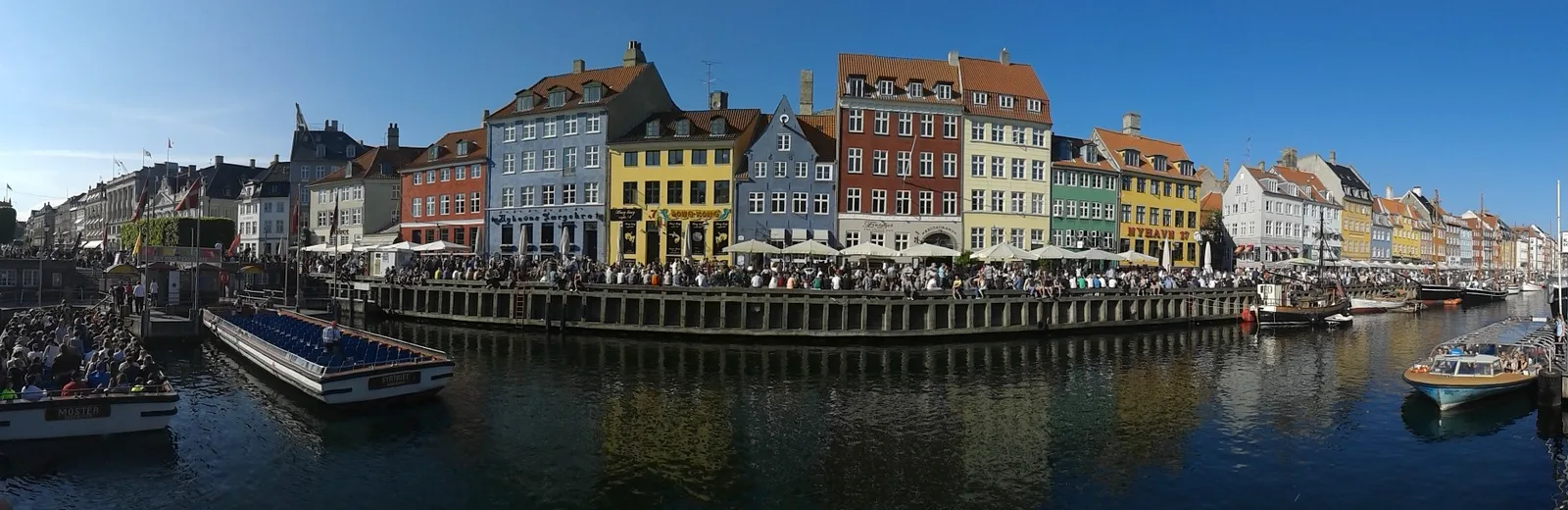
Start with Nyhavn, then walk beyond it
Nyhavn’s colourful harbour houses make an accessible first orientation point near Kongens Nytorv Metro. Walk the quay, look across the moored boats and decide whether a canal excursion would add something to your stay. Compare the actual departure point, route and weather protection before buying; different operators need not offer identical experiences.
The waterfront is enjoyable without purchasing a meal or tour. Continue towards the harbour for a broader impression of the city rather than spending the whole morning looking for one photograph. If you want lunch here, read a displayed menu first. A waterside table is a choice about setting as well as food, and should fit the day’s budget.
Book Rosenborg around its access conditions
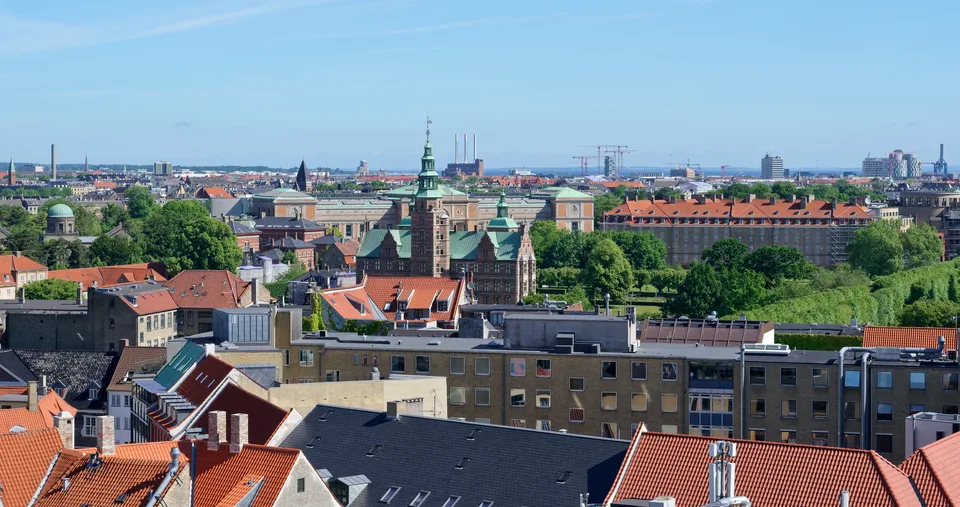
Rosenborg offers a concentrated encounter with royal interiors and treasures beside the King’s Garden. Current Rosenborg admission and access information lists adult tickets at DKK140 online or DKK150 at the door. Admission uses timed slots, so reserve a suitable opening before arranging the rest of that morning. Copenhagen Card holders follow the castle’s ticket-desk procedure rather than assuming an online reservation is included.
The building has no lift, and stairs and narrow passages matter for visitors with limited mobility. Check the detailed arrangements before booking. Backpacks cannot accompany you inside, and the lockers are unsuitable for large suitcases. Visit after leaving luggage at your accommodation, then use the garden for a break instead of scheduling another demanding interior immediately afterwards.
Treat Tivoli as a separate outing
Tivoli is both a landscaped amusement garden and a collection of rides and entertainment. Decide which experience you want before buying. The official Tivoli ticket explanation distinguishes entrance to the grounds from a Ride Pass; a combined package supplies both. Some special experiences, including Halloween haunted houses, can involve additional admission.
The current Tivoli ticket shop advertises adult entrance from DKK200 and entrance with rides from DKK389. These are starting prices, not a quote for every date. Consult the seasonal opening calendar before building a trip around it: Tivoli has defined seasons and closures between them. Allow several hours, with food and rides budgeted separately where necessary, rather than squeezing a visit into the gap before an airport transfer.

Choose a district for the stay you want
For a first visit, the inner city makes historic sights and several transport connections straightforward. The tradeoff is that a central address may sit on a busy shopping street or beside evening activity. Read recent accommodation descriptions for the specific room, and ask whether windows face a street, courtyard or service area.
Vesterbro is worth considering for access around Central Station and a more neighbourhood-based evening. Nørrebro suits visitors interested in street life, cafés and public space beyond the royal sights. Christianshavn offers a canal setting. Use the official Copenhagen neighbourhood guide to compare areas, then check a route from the actual property rather than relying on the district name alone.
See public design at Superkilen
In Nørrebro, Superkilen’s public spaces give a different perspective from palace interiors. Its Red Square, Black Market and Green Park combine recreation with objects and references from different countries. The project opened in 2012 and was designed by Bjarke Ingels Group, Superflex and Topotek1.
Go as part of a neighbourhood walk, allowing people to use the space around you. It is a park and meeting place, so a photograph should not obstruct play equipment or a cycle route. Pair the outing with an unhurried café stop and a look at nearby everyday shopping streets. This is especially useful when assessing whether you would enjoy living beyond the centre.

Compare accommodation on the full bill
Hotels, hostels, apartments and serviced accommodation meet different needs. A hostel can reduce the room bill, while a kitchen may help a family manage breakfast and laundry. Compare the final price for your dates, including compulsory charges, cancellation terms, bedding arrangements and any cleaning fee. A headline nightly rate is only the beginning of the calculation.
For a short stay, paying for a convenient station can be worthwhile if it removes repeated transfers with children or luggage. For a longer exploratory visit, prioritise a desk, reliable internet and practical cooking facilities. Ask about lifts and the route from the street to the room; an accessible station does not establish that an older accommodation building is accessible too.
Match the airport connection to your destination
Copenhagen Airport’s main public transport connections are reached through Terminal 3. The Metro M2 is useful for places including Kongens Nytorv, Christianshavn and Nørreport, while trains serve Central Station. The official airport-to-city transport guide describes the principal journeys; allow extra time for walking, waiting and reaching the final address.
Check your specific journey and ticket before boarding. The advertised rail or Metro ride is not your total arrival time, especially with checked luggage or a connection. If considering a taxi, confirm the destination and fare basis before departure. For an early flight, plan the service operating at that hour rather than assuming a daytime timetable applies overnight.
Buy transport for the journeys you will make
DOT single tickets start at DKK24 for an adult two-zone journey. That minimum is not an airport fare. Use the operator’s journey-based purchase information to establish the required zones and validity, and have a valid ticket before boarding a train or Metro. Keep the ticket available throughout the journey.
For repeated travel, City Pass Small covers zones 1–4, including the airport, and starts at DKK100 for 24 hours. City Pass Large covers zones 1–99 and starts at DKK200 for 24 hours. Compare the actual trips you plan with the pass’s area and duration. A regional excursion can require coverage beyond a product that works for the central city.
Separate a sightseeing card from a transport pass
Copenhagen Card transport coverage depends on the product. DISCOVER includes public transport in zones 1–99, including the airport, while the card is active. HOP covers specified sightseeing buses and does not include airport transport. Neither includes the journey to Malmö in Sweden.
Make a short list of attractions you genuinely expect to enter, then compare their separate prices with the relevant card. Include travel only once in your arithmetic. Check each attraction’s reservation procedure, and activate the card at a useful time. Buying a large bundle offers little value if it pushes you towards a rushed itinerary or duplicates transport already purchased.
Walk first and cycle when it suits you
Walking works well when you group activities into one area, and public transport can bridge the longer distances. Leave comfortable margins between reservations. A map’s direct distance can obscure a lengthy walk around a harbour edge, and wet weather changes how far a family is willing to walk between stops.
Cycling can extend your range, but hire a bicycle only if you are comfortable sharing an active urban network. Ask the rental operator to explain local signalling, junction behaviour, parking and the equipment supplied. Check current conditions for carrying a bicycle on public transport; permissions, additional tickets and peak-hour restrictions vary by service. A bicycle should simplify the outing rather than create an extra transfer problem.
Eat well without making every meal an event
Smørrebrød, the open-faced sandwich associated with Danish lunch, is a useful starting point for exploring traditional food. The official guide to Danish dishes and smørrebrød links to places and menus you can investigate. Choose a meal by ingredients, portion size and price rather than assuming a familiar dish will cost the same everywhere.
Combine a planned restaurant meal with simpler breakfasts or supermarket purchases if that suits your budget. For dietary requirements, ask about the actual preparation and cross-contact arrangements. A market or food hall offers choices, but it does not automatically provide a cheap meal. Check opening days, seating and the final order cost before committing a group to eat there.
Build a budget from decisions, not averages
Use Danish kroner when comparing costs, and separate accommodation, transport, food and paid attractions. A workable daily budget begins with your room quote and your chosen activities. Rosenborg and Tivoli, for example, represent different spending decisions; a quiet garden walk and a ride-heavy amusement visit cannot sensibly share one assumed sightseeing allowance.
For shopping, decide whether you want groceries, practical clothing or a design purchase before setting aside time. Keep receipts and read return conditions, especially for expensive items. Add a reserve for weather-driven changes and unexpected transport. Visitors considering a move should also record what ordinary household purchases cost during the visit, rather than judging affordability entirely from restaurant bills.
Choose the season around your priorities
The tourism board’s seasonal overview describes long, light summer evenings, a wetter and windier autumn, and short winter days. Summer favours extended outdoor wandering; winter rewards a programme that alternates short walks with museums, cafés and other indoor stops. A seasonal atmosphere is appealing only if the daylight and weather suit your plans.
Pack layers and rain protection, and consult the forecast shortly before travelling. Keep an indoor alternative for an exposed waterfront afternoon. Christmas activities and Tivoli’s seasonal openings depend on specific dates, while spring conditions can shift between outings. If a particular event is the reason for visiting, secure its dates and admission before choosing non-refundable travel.
Day one: the harbour and historic centre
Begin around Kongens Nytorv and Nyhavn, using the first morning to orient yourself. Walk towards the waterfront and stop for lunch without a demanding reservation on either side. If a canal trip appeals, choose a departure that leaves enough time to reach it comfortably and dress for the conditions on the water.
Spend the afternoon exploring the inner city at walking pace, with a café or accommodation break if needed. This is a sensible arrival-day programme because it can shrink if a flight is late. Choose dinner near your base, then check the following morning’s Rosenborg booking and transport. Avoid making the first evening responsible for recovering every missed attraction.
Day two: royal collections and an optional Tivoli evening
Arrange Rosenborg for a time when your group is rested, leaving backpacks and bulky luggage behind. Give the visit room to unfold, then take a break in the King’s Garden. Lunch nearby and a slower afternoon make the day manageable for visitors who prefer not to move straight from one interior to another.
If Tivoli is open, use it as the day’s substantial second activity. Decide beforehand whether you want gardens and atmosphere or a combined entrance-and-rides ticket. Families may prefer an earlier arrival to an evening programme. If access needs or energy levels make two major visits unrealistic, move Tivoli to another day and keep the afternoon free.
Day three: neighbourhood life and a useful comparison
Take public transport towards Nørrebro and explore Superkilen with nearby streets, allowing time for a meal rather than treating the district as a quick photographic stop. Afterwards, choose another neighbourhood that interests you. A visitor considering relocation could replace a second sightseeing outing with a journey to a potential workplace or school area.
Keep the final afternoon flexible for weather, a missed attraction or departure preparations. With only three days, an international excursion is optional rather than essential. Leaving a little Copenhagen unexplored usually makes for a better visit than attaching a distant destination to an already full schedule. On a longer stay, add one regional trip with its own transport and admission budget.
Find housing before judging the moving budget
The city’s renting guidance highlights a competitive search and the importance of a suitable registered address. Consider the wider commuting area, but test the actual route before accepting a cheaper property. A home further from the centre may work well if its station, service pattern and final walk fit your daily schedule.
View the property, verify who is entitled to rent it out and obtain a written lease before transferring money. Confirm whether the address can support your required CPR registration. Ask what is furnished, which bills are separate, how repairs are reported and what happens when the tenancy ends. Photographs alone cannot establish noise, damp, storage or the condition of shared facilities.
Allow for a substantial rental deposit
Denmark’s housing ministry explains that private landlords may request up to three months’ deposit and three months’ prepaid rent. With the first month’s rent, the initial requirement can therefore reach seven months of base rent before other charges. This legal maximum is not a claim that every landlord requests the maximum.
Deposit and prepaid rent serve different purposes. Ask for each amount to be identified in the agreement, and understand when prepaid rent can be used. Photograph the condition at handover and follow the lease’s reporting procedure for defects. Keep a separate cash reserve for moving, furniture, utility settlements and the period before regular income arrives; the rental payment is only part of establishing a household.
Plan the commute and household services together
Before signing, travel from the proposed home to work at the time you would normally commute. Include transfers, walking and the return journey. Check practical needs around the address: groceries, laundry, bicycle storage and a place to receive post. A convenient weekend viewing does not reveal how the same route feels on a wet weekday morning.
Use the municipal utilities information directory to investigate electricity, heating, water and gas arrangements where relevant. Ask the landlord which charges are included, which are advances subject to reconciliation and which require your own contract. Families should consult the school information directory early and verify admission, language provision and travel, without assuming an immediate place at a preferred school.
Register through the correct resident service
International Citizen Service East explains nationality-specific steps and documentation, with appointments required for CPR registration. Your qualifying address, identity documents and immigration position matter. Registration is an administrative process with its own evidence requirements; a rental agreement does not by itself supply permission to reside or work.
After CPR registration, the yellow health card records details including your doctor. Put your name clearly on the mailbox and follow up through the relevant service if documents do not arrive as expected. Check healthcare entitlement and any insurance needed for your circumstances rather than assuming every treatment is free. If your address is in Frederiksberg municipality, use the instructions applicable to that municipality.
Keep visitor entry separate from a move
Consult the Danish short-stay visa guidance before booking. Visa requirements depend on nationality and circumstances, and the usual Schengen short-stay limit is 90 days in any 180-day period across participating countries, not a fresh allowance for each city. Check your own permission and remaining days, including earlier journeys elsewhere in the area.
For employment, use the official work and residence routes; for education, consult the study routes and the conditions of the particular permission. Nordic and EU residence rules follow different nationality-based provisions. Tourism, employment, study and permanent relocation are separate decisions. A CPR number, lease or property purchase does not automatically create a right to permanent residence. VisaWand’s consultant listings can help you identify professional support for an individual case.
Check practical details before paying
For each important booking, record the date, arrival point, cancellation deadline and what the ticket actually includes. Save confirmations somewhere you can retrieve without relying on a single phone connection. A small travelling group benefits from agreeing on priorities before purchasing several timed attractions: one person’s essential museum may be another person’s ideal free afternoon.
If you have mobility or sensory requirements, contact the venue with specific questions about the route you will use. Ask about steps, seating, toilets and alternative entrances rather than relying on a general accessibility label. With children, allow a food and toilet stop between activities and check the age conditions on the selected ticket product. These details often determine whether a programme feels comfortable.
For a relocation visit, make a separate appointment list before arrival. Arrange property viewings where possible and bring questions about the lease, household charges and registration eligibility. Keep copies of relevant correspondence, but provide identity documents only through a verified recipient and appropriate channel. A pressured request for an immediate payment should prompt careful verification of the property and agreement.
Finally, compare the city you experienced with the routine you would actually have. A summer weekend beside the harbour gives limited evidence about a winter commute, and a central hotel says little about a family’s housing search. Write down unresolved questions while they are fresh, then investigate them through the relevant official service or a qualified adviser before making commitments.
Extend the trip with a clear purpose
Roskilde and Helsingør are possible regional outings, and Copenhagen Card DISCOVER’s transport information identifies both within its covered area. Check the attraction you want to visit and the relevant journey before setting out. Regional coverage does not guarantee that every museum is open on your chosen day or that an admission reservation is unnecessary.
Malmö offers a cross-border comparison, with separate transport and appropriate travel documents required. If Copenhagen is one option in a wider European search, VisaWand’s completed Berlin city guide offers another capital to compare. Use the Denmark location directory and Denmark destination page to explore the country further, checking whether each location has a full guide before relying on it for detailed planning.
Official planning resources
Reviewed 15 October 2026. Use the official resources linked throughout this guide for admission, transport, housing and immigration decisions. Prices, services and rules can change; confirm the details relevant to your dates. Photography illustrates the locations and is not a live view.
View all official resources
- Museum of Copenhagen: the city’s early history
- Visit Copenhagen neighbourhood guide
- Visit Copenhagen: Nyhavn
- Rosenborg Castle visitor information
- Tivoli ticket and practical questions
- Tivoli opening calendar
- Tivoli official ticket shop
- Visit Copenhagen: Superkilen
- DOT single tickets
- DOT City Pass coverage and prices
- Airport connections from Visit Copenhagen
- Copenhagen Card transport coverage
- Visit Copenhagen: traditional Danish food
- Visit Copenhagen seasonal planning
- Municipal guidance on renting
- Housing ministry: deposit and prepaid rent
- International Citizen Service East
- Copenhagen yellow health card
- Copenhagen utilities information directory
- Copenhagen school information directory
- Danish Immigration Service: short visits
- SIRI work residence routes
- SIRI study residence routes
- Nordic and EU residence rules
- Frederiksberg international citizen service
Plan the next part of your journey
Explore the Denmark guide, browse other cities or compare consultants for your travel and relocation questions.