Visa
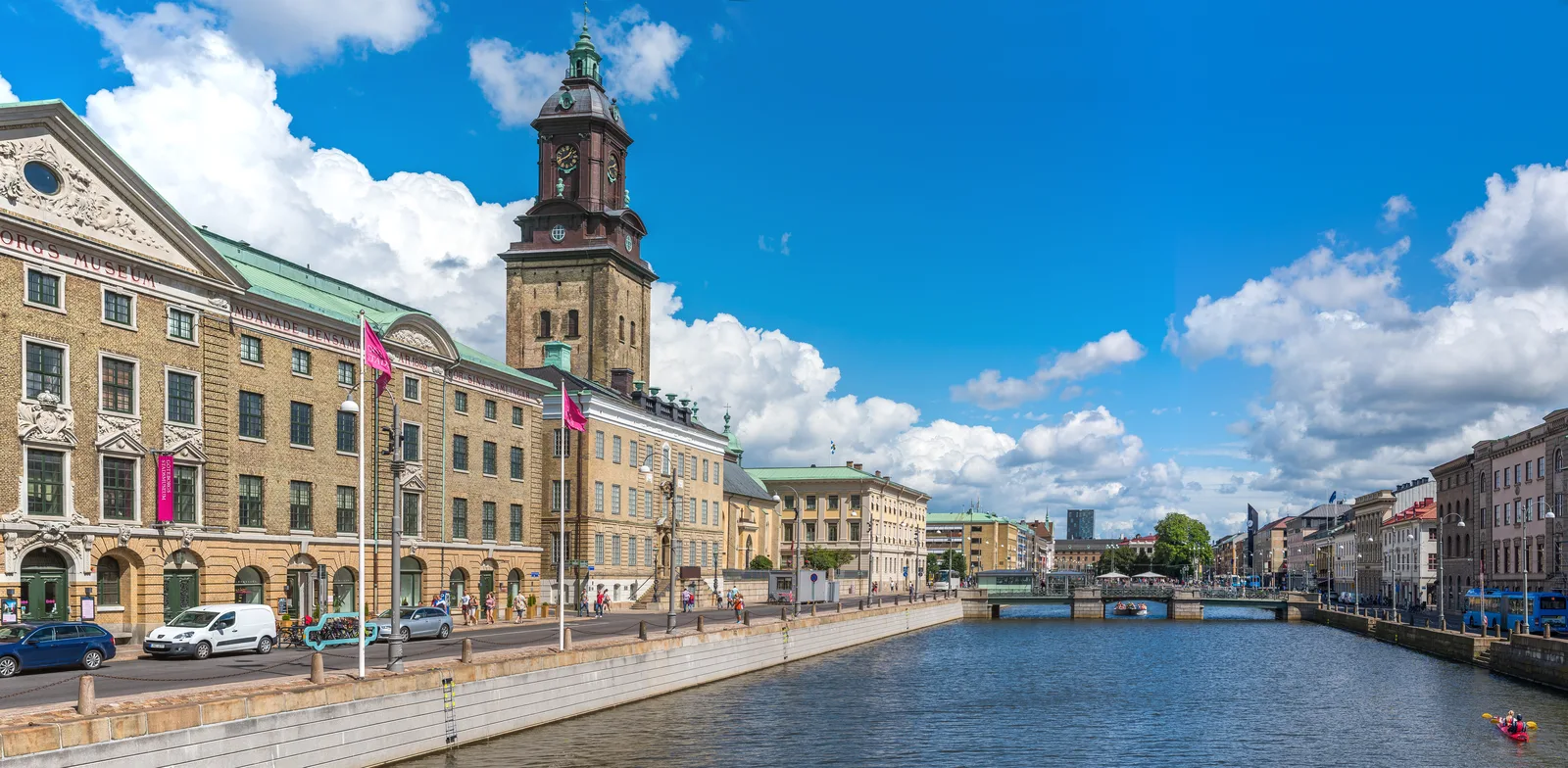
Gothenburg rewards a city break with room for the coast
Gothenburg offers a particularly useful combination for a first visit to Sweden: substantial museums, neighbourhoods that invite walking, and islands reachable through the public transport network. The central canal gives the city a recognisable starting point, but a good trip also leaves its banks. Haga, the museum district and the southern archipelago each deserve a different pace.
Allow three full days for an introduction, with the best weather reserved for the coast. Two days can work if you choose between a substantial museum visit and an island excursion. Families planning Liseberg or Universeum should give those attractions proper space rather than squeezing them between unrelated stops.
For a prospective move, the decisive questions are housing availability and the journey to your actual workplace or campus. A pleasant central weekend cannot answer either. This guide uses official information checked in October 2026; quoted prices are in Swedish kronor, abbreviated SEK.
Read the trading city through its streets
The present city dates to 1621, although settlement around the Göta älv river predates it. The Museum of Gothenburg’s historical introduction explains how the fortified trading town attracted merchants from abroad, then grew through trade, industry and shipbuilding. Those successive roles make sense of the contrast between canals, nineteenth-century boulevards and the much broader riverfront.
Start with a walk beside Stora Hamnkanalen rather than racing between isolated landmarks. Look at the relationship between the water, bridges and building fronts. The former East India House, now home to the city museum, makes a useful connection between the streetscape and the commercial history behind it.
This is an introduction to a working city as well as a collection of visitor sights. Allow time to notice changes in scale as you move from the older centre towards wider streets and transport interchanges.
Choose neighbourhoods for the days you want
The official neighbourhood overview helps divide the city into manageable areas. The central station and canal district suit an arrival day with luggage. Avenyn and Götaplatsen organise a different outing around the boulevard and cultural institutions. Korsvägen is useful when your plans concentrate on the attractions nearby.
Haga and the streets towards Järntorget are a good choice for slower browsing and an evening meal. Majorna adds another neighbourhood outing: the tourism board’s Majorna guide describes the areas around Stigbergstorget, Mariaplan and historic Klippan, with shops, venues and restaurants spread across a sizeable district.
Choose a few connected streets instead of treating every neighbourhood name as a separate destination. For accommodation, compare the route from the exact address to your evening plans. A place that looks close across the river can involve a different journey from one on the same side as your appointments.
Give Haga more than a hurried coffee stop
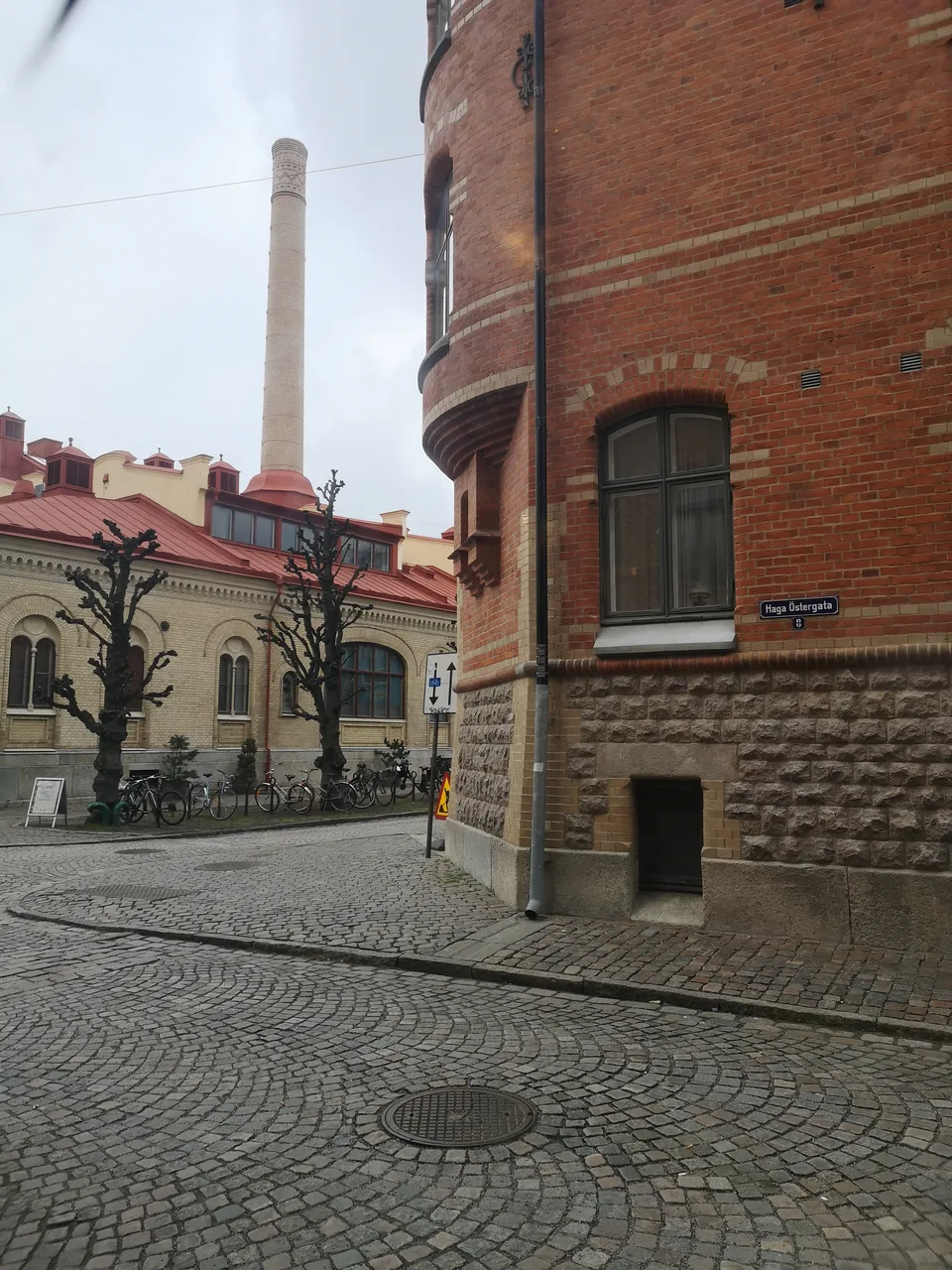
Haga lies southwest of the old centre and rewards an unhurried walk along Haga Nygata and its side streets. The official Haga guide explains its origins outside the city walls and the distinctive landshövdingehus, with a masonry ground floor below wooden upper storeys. Cafés and small shops now share the streets with everyday residential life.
Make time for fika, the Swedish coffee break, without turning it into another timed attraction. Browse first, compare what is available, then choose somewhere with room to sit. The climb towards Skansen Kronan adds a viewpoint if the weather and your mobility allow; it is an optional extension rather than a necessary test of having seen the neighbourhood.
Cobblestones and changes in level matter when travelling with a wheelchair, pushchair or heavy luggage. Check an accessible route to a particular venue instead of assuming that a short distance on the map means an easy approach.
Use the city museum to understand what you are seeing
The Museum of Gothenburg’s visitor page lists adult single admission at SEK 75. Its four-museum card costs SEK 150 and runs for the calendar year, rather than twelve months from purchase. Under-20s and students enter free under the published conditions; bring evidence of eligibility. Online purchases can attract an additional fee.
The card covers the city museum, Museum of Art, Maritime Museum and Aquarium, and Röhsska Museum, with conditions for exhibitions carrying an increased entrance fee. It is worth comparing against the museums you will actually visit, especially late in the year. Buying a card does not create time for four substantial visits.
The museum normally closes on Mondays, with holiday exceptions to check. Its visitor page also flags a lift interruption affecting the third floor. Because the notice does not clearly establish the year, confirm current access directly if reaching every floor is important to your visit.
Make a deliberate choice between art, science and rides
At Götaplatsen, the Gothenburg Museum of Art offers a focused cultural visit. Published adult single admission is SEK 75; under-20s and students have free entry under its conditions. Hasselblad Center is included, while some exhibitions or events can involve an extra charge. The museum’s usual Monday closure should influence the order of a short stay.
Universeum suits a different day, with science exhibits, rainforest environments and aquariums. Book against the date and admission time you intend to use. Its ticket information distinguishes general entry from Wisdome dome performances, which require their own tickets. Children under three need a free entry ticket too. Check current aquarium access before booking around a particular exhibit: the website carries a North Sea aquarium renovation notice without a clear year.
For Liseberg, check the operating calendar and product carefully. The current Halloween listing advertises admission from SEK 125 and admission with a Ride Pass from SEK 425. These are starting prices for specified products, not a promise that every date or ride costs the same.
Plan one island well before trying several
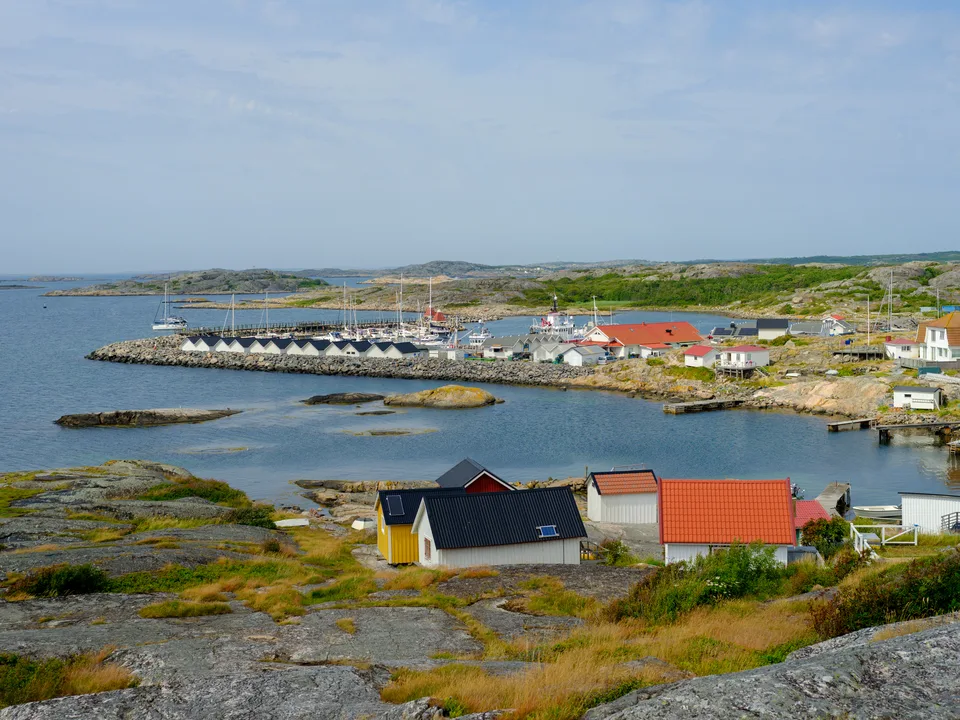
The official archipelago transport guide distinguishes two useful approaches. Southern islands including Styrsö, Donsö, Brännö and Vrångö are reached by passenger ferries, principally from Saltholmen, with some services from Stenpiren. These car-free islands are part of the zone A public transport network; choose a ticket that remains valid for your actual journeys.
For a first excursion, choose one island and a return departure before boarding. A village walk, time beside the water and lunch can easily occupy the useful part of a day. Several ferry stops on a map do not necessarily make a convenient sightseeing circuit. In cooler months, check food opening hours and carry something to eat.
The northern approach uses road ferries from Lilla Varholmen towards Hönö or Björkö. The road ferry crossing is free, which does not mean your entire journey from central Gothenburg is free. Private excursions, including some trips to Vinga, should not be confused with regular public transport services.
Leave space for parks and outdoor hours
Slottsskogen’s municipal visitor information describes a year-round park with open lawns, paths and recreation areas. It is a useful counterweight to indoor sightseeing, especially when a family needs an afternoon without another ticketed programme. Choose a short walk or picnic rather than feeling obliged to cover the whole park.
The Gothenburg Botanical Garden is another outdoor choice. Its October 2026 visitor update asks individual visitors for a voluntary SEK 30 contribution; organised tour groups must pay that amount per person. The garden is open throughout the year, but visitor facilities have their own hours.
The new greenhouses are under construction, with completion projected for 2030. Do not plan this as a guaranteed indoor escape from rain. Wear footwear suited to damp paths, allow daylight for the route you choose, and respect any signs around construction or restricted areas. Dogs are excluded from the garden from March through September.
Pick accommodation around arrivals and evenings
For a short first visit, a central hotel can simplify arrival, luggage storage and the departure day. Accommodation around the station is practical when rail is part of the trip; a room nearer Korsvägen may suit families concentrating on the attractions there. Check the actual entrance location, not simply the district in a listing.
Haga is appealing for time on foot, but its tourism guide points visitors towards hotels in surrounding areas such as Vasastaden, Grönsakstorget and Esperantoplatsen. Being near Haga can be more useful than searching for a hotel within its small historic streets.
Compare the total booking cost: breakfast, cancellation terms, extra beds, parking and the route home after dinner. For a longer stay, a kitchen and laundry access may matter more than a prominent address. Confirm accessibility with the property, including the entrance and bathroom, rather than relying solely on a general facilities icon.
Separate the airport journey from city transport
Göteborg Landvetter Airport is outside the central city. Swedavia’s official bus information lists airport coaches and the local Västtrafik 612 service. The important distinction is that route 612 connects the airport with Landvetter resecentrum; it is not a direct central-Gothenburg bus. Use the journey planner to establish the onward connection and correct zones.
Airport coaches may be simpler with luggage, particularly if a stop suits your hotel. Compare the whole journey, the departure available after your flight and the operator’s baggage conditions. Swedavia advises buying online in advance because onboard purchases are not always possible. Budget airport travel separately from ordinary city rides.
When arriving by rail or intercity coach, check the precise station or terminal on the ticket and your onward route. Leave a practical margin before a departing flight or train: a hotel’s distance from the centre says little about disruption, walking between stops or the time needed with luggage.
Buy a ticket for the journey you are making
Västtrafik operates the network used for many city journeys. Its contactless payment guidance lists an adult zone A single at SEK 38, valid for 90 minutes. Tap with the same card or device when changing vehicles. A physical bank card and its phone-wallet version count as different payment tokens, and one card buys travel for one person.
Contactless purchase is available on suitably equipped buses, trams and boats. You cannot buy by tapping aboard Västtågen trains, although a valid ticket already purchased by tapping can cover a transfer within zone A under the published rules. Groups should arrange separate cards or buy suitable tickets in the app.
The 24-hour and 72-hour products run from activation. In Västtrafik To Go, purchase activates them immediately, so do not buy several days too early. Check the live app price against your planned separate journeys; an attractive ticket name does not establish that every operator or destination is included.
Eat for the coast and your own budget
Feskekörka’s own website describes a working fish hall alongside restaurants and bars. It is a useful place to compare a seafood meal with food bought over the counter. Read the particular menu before sitting down: a snack, takeaway dish and full restaurant dinner are different purchases, even when offered within the same landmark.
You do not need a seafood meal at every stop. Build a food budget around the meals that matter to you, leaving simpler breakfasts or supermarket purchases for other occasions. If self-catering, confirm that the accommodation has the equipment you need rather than assuming that a kitchenette permits every kind of cooking.
For shopping, Haga’s smaller shops and Majorna’s vintage and design outlets offer alternatives to a conventional shopping trip. Check condition, provenance and luggage limits before buying larger pieces. Food allergies and dietary requirements should be discussed with the business preparing the meal; a destination’s general reputation cannot establish an individual kitchen’s arrangements.
Build a budget from identifiable costs
Start with the actual room quote, then add airport transfers, local travel, meals and the attractions selected for your dates. Admission prices in this guide are reference points checked in October 2026, with eligibility and product differences that matter. Keep the calculation in kronor until you have a complete total.
A museum day and an amusement-park day can have very different costs. Decide which experiences justify paying more, then preserve some inexpensive time for walking and outdoor visits. Avoid buying a bundle simply because it contains many things: calculate the admissions you would otherwise purchase and the time available to use them.
Check payment instructions before arriving. The city museum and Universeum publish cash-free arrangements. Have a working payment method and a backup, and check your bank’s foreign-transaction terms. For island days, include food and the return journey in the plan before spending the remaining budget on optional activities.
Match the season to your priorities
Choose travel dates around the activities you most want to do. Longer summer daylight gives more flexibility for an island outing and an evening walk. The cooler part of the year favours a programme with indoor alternatives and less reliance on outdoor dining. Neither choice guarantees particular weather.
Keep one day movable for the coast, and check SMHI’s forecasts and warnings close to departure. Wind, rain and visibility matter more to a ferry outing than whether the afternoon temperature appears comfortable. Carry a waterproof outer layer and allow somewhere dry to pause between activities.
Winter visitors should plan outdoor walks within the daylight available and check seasonal attraction calendars before booking a non-refundable trip. For families, school holidays and event dates can change the atmosphere of a visit as well as the room quote. Compare the dates you can actually travel rather than relying on a general claim about the cheapest month.
A realistic three-day introduction
Day one: begin at the central canal, visit the city museum if its opening day fits, then continue towards Haga for browsing and a coffee break. Add the Skansen Kronan viewpoint only if you have the energy and suitable conditions. Keep dinner nearby instead of crossing the city for another short stop.
Day two: reserve the better weather for one southern island, allowing for the journey to the ferry terminal as well as the sailing. Choose a return departure with some flexibility and make the day about the island rather than a checklist of ports. In poor weather, swap this for the art museum and a shorter neighbourhood walk.
Day three: follow your main interest. Families might devote it to Universeum or an operating day at Liseberg; other visitors could combine art with outdoor time in Slottsskogen. This is a framework, not three days of compulsory bookings. Arrange it around opening calendars and your departure time.
Assess housing before treating a move as settled
Gothenburg’s municipal housing page explicitly warns of a shortage and recommends starting early and searching broadly, including outside the city. Treat housing as an early practical task, not something guaranteed once a job or university place is confirmed. A weekend hotel quote is not evidence of an achievable monthly rent.
Compare written offers by total cost, contract length and the permission behind any sublet. Ask what is included for heating, electricity, water, internet and laundry. Inspect the property or arrange a reliable viewing before making a major commitment, and verify the person or company offering it.
Keep temporary accommodation in the initial budget if your permanent home is unresolved. Students should follow their institution’s housing instructions and eligibility rules; an admission letter should not be read as an accommodation guarantee. Search options in neighbouring municipalities can be worth considering, but assess the real journey before treating a cheaper listing as a saving.
Test the commute and ordinary household routine
Use the exact prospective address and the start time of your work or study day when comparing homes. Count walking to stops, transfers, the final approach and the return journey after a late finish. A ferry connection that is pleasant during a visit may feel different when it determines every weekday appointment.
Before signing, establish access to groceries, a pharmacy, laundry and any school or childcare arrangements your household needs. Ask about storage, bicycle parking and responsibilities in shared buildings. These details can change the suitability of a home without appearing prominently in an advertisement.
Move to Gothenburg provides regional orientation for prospective residents and workers. Use it alongside the relevant employer, university and municipal services, particularly for questions that depend on an individual household. Separate a reassuring account of regional opportunities from confirmed arrangements for your own salary, accommodation and daily travel.
Arrange registration and healthcare deliberately
Skatteverket’s moving-to-Sweden guidance says people intending to live in Sweden for at least a year normally need population registration. First registration leads to a personal identity number. The process includes notifying the agency and an identity check; each moving household member needs their own notification. Follow the documents and appointment instructions for your circumstances.
Registration is an administrative step, not permission to immigrate. Keep accommodation and contact details accurate, including the name on your mailbox so official correspondence can reach you. Allow time for practical administration rather than assuming everything is available immediately on arrival.
The 1177 guidance for people arriving from another country explains that healthcare charges and entitlement depend on insurance and circumstances. Eligible European visitors should bring the appropriate health-insurance card; others need to establish their cover before travelling. New residents should check the arrangements for the period before registration is complete, including ongoing medicines and access to a healthcare centre.
Keep tourism, work, study and settlement distinct
For many non-EU visitors, the relevant short-stay framework is up to 90 days in any 180-day period across Schengen. Nationality, documents and circumstances determine whether a visa is needed. Use the Swedish Migration Agency’s short-visit instructions for the application route and supporting requirements. Entry permission does not guarantee permission to work or settle.
The employee work-permit route has its own conditions for a signed contract, employment terms, insurance and salary, with exceptions that must be checked individually. A first application normally needs to be made from outside Sweden. EU/EEA right-of-residence rules are a separate framework, rather than a reason to apply the same work-permit checklist to everyone.
For a course or degree, follow the current study-permit guidance, including the 2026 changes and any rules for accompanying family. A tourist stay, a temporary work permit and permanent residence are different legal positions. Confirm your route before making commitments that depend on permission being granted.
Consider the surrounding region and other Swedish bases
The official nearby-excursions guide suggests alternatives including Gunnebo’s gardens, the café town of Alingsås and coastal Marstrand. Choose according to the experience missing from your city stay. Gardens, a small town and a fortress island are different outings; doing all of them usually means replacing something else in a short itinerary.
Check the current connection, ticket zones and opening arrangements before leaving. A short promotional journey time may describe only one leg, while your day also includes reaching the departure point and the final walk. Allow a full day when that makes the outing more comfortable.
For a wider decision, consult VisaWand’s Sweden guide, Sweden destination page and Swedish city directory. The Stockholm city page and Malmö city page offer other location records to explore. If your immigration circumstances need individual advice, use the consultant directory and verify the adviser’s qualifications and scope of service.
Official planning resources
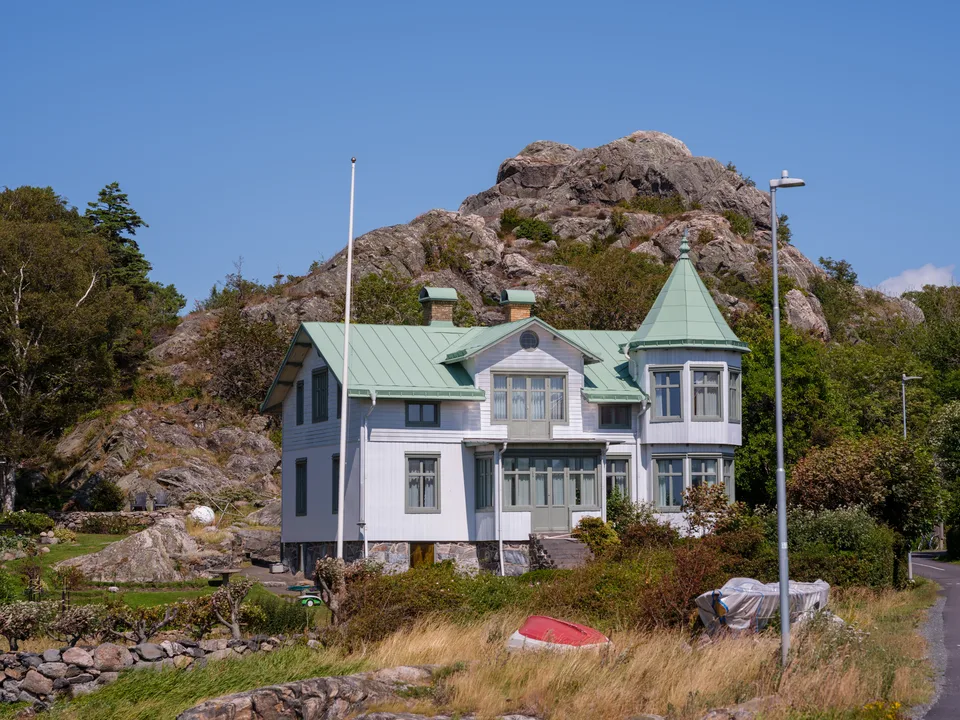
Reviewed 17 October 2026. Use the official resources linked throughout this guide for admission, transport, housing and immigration decisions. Prices, services and rules can change; confirm the details relevant to your dates. Photography illustrates the locations and is not a live view.
View all official resources
- Museum of Gothenburg historical introduction
- Official Gothenburg neighbourhood overview
- Official Majorna neighbourhood guide
- Official Haga visitor information
- Museum of Gothenburg visit information
- Gothenburg Museum of Art admission and access
- Universeum official visitor overview
- Universeum ticket products and booking conditions
- Liseberg official park tickets and prices
- Official archipelago transport information
- City of Gothenburg Slottsskogen visitor information
- Botanical Garden visitor rules and greenhouse project
- Landvetter Airport official bus services
- Västtrafik tap-to-pay rules and price
- Västtrafik 24-hour and 72-hour tickets
- Feskekörka official fish hall and restaurant information
- SMHI weather forecasts and warnings
- City of Gothenburg housing search information
- Regional Move to Gothenburg information
- Swedish Tax Agency moving and population registration
- 1177 healthcare for people arriving from another country
- Swedish Migration Agency short visits and Schengen visas
- Swedish Migration Agency employee work permits
- Swedish Migration Agency study permit routes
- Official excursions near Gothenburg
Plan the next part of your journey
Explore the Sweden guide, browse other cities or compare consultants for your travel and relocation questions.