Visa

Galle rewards a stay beyond the afternoon excursion
Galle offers something different from a beach resort: a coastal city with a lived-in fortified quarter, where a short walk can connect a sea wall, a religious building, a courtyard and a place to eat. The Fort is the main reason many visitors come, but the wider city matters for transport, shopping and everyday services. Choosing between those settings is the first useful decision when booking.
Two nights allow time for the Fort without making every stop part of a rushed circuit. Add another if you want a beach outing or a slower visit to museums and galleries. If swimming is the main purpose, compare a coastal base outside the Fort with a heritage stay inside it. For someone considering a move, use the visit to investigate normal journeys and household needs as carefully as the historic streets.
Understand why the Fort is significant
UNESCO's account of Galle's old town and fortifications places it on a rocky promontory on Sri Lanka's southwest coast. Portuguese fortification began in the sixteenth century, while the town reached its principal development under Dutch rule in the eighteenth. Its interest lies in the interaction of European planning and South Asian building traditions, rather than a collection of buildings belonging to one unchanging colonial moment.
Notice the relationship between narrow streets, shaded verandas and courtyards, then compare that domestic scale with the ramparts. UNESCO inscribed the property in 1988 and recognises its continuing residential and public uses. That makes it a living neighbourhood as well as a heritage site. Look into an open business when invited, but do not assume that an appealing doorway or courtyard is public space. Conservation and ordinary life share the same limited area.
Choose between the Fort, the city and the nearby coast
Staying inside the Fort puts its streets and sea-facing walks close at hand. It suits travellers who want to explore early, pause indoors and return outside later without arranging another transfer. Compare the exact entrance and room position: a converted historic property may have stairs, internal rooms or limited vehicle access that a broad “heritage hotel” description does not explain.
Outside the walls, a city hotel may work better for a transport connection or practical errand. A beach property near Unawatuna answers a different brief, with a journey back to the Fort when you want to explore it. Do not compare these options on room price alone. Include the transfers you will repeat, access to meals and how comfortable the property would be on a wet afternoon. For a family, laundry and usable indoor space can outweigh an atmospheric address.
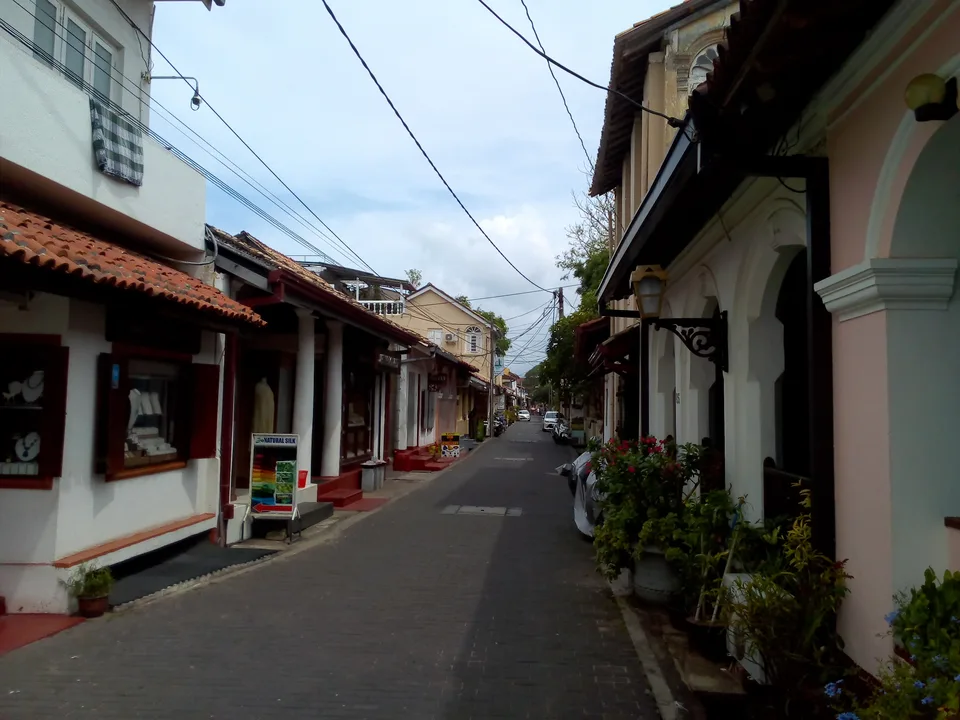
Build a walk around the ramparts and lighthouse
Sri Lanka Tourism's Fort overview identifies the lighthouse, clock tower, Dutch Reformed Church, All Saints' Church and Old Dutch Hospital among the main landmarks. Use them to give a walk shape rather than treating the streets as a maze to hurry through. Begin with one part of the perimeter, move into the lanes and leave another section for the cooler end of the day.
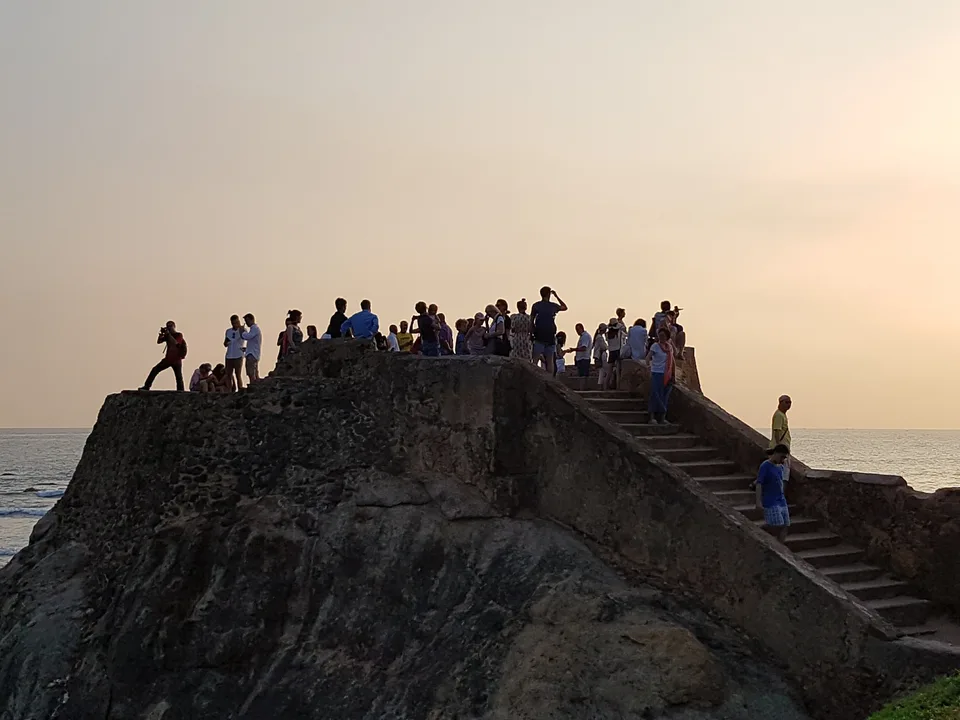
The lighthouse is a useful meeting point and photographic subject, but a view of the tower should not be confused with a confirmed opportunity to climb it. Similarly, a religious building's exterior can be appreciated without assuming its interior is open throughout the day. Respect services, dress requirements and photography notices. Along the walls, watch your footing and supervise children closely; the appeal of a sea view does not remove exposed edges or uneven surfaces.
Start with local interpretation when you want context
The Galle Heritage Foundation's Information Center is on Baladaksha Mawatha. Its published hours are 09:00–16:30 on weekdays, excluding government holidays. Displays, publications and reference material can help turn a pleasant walk into a more informed visit, and guide services may be arranged on request. There are also visitor toilet facilities at the building.
Make this an early stop if you want interpretation or current advice about a particular heritage space. A weekend arrival requires a different plan, so do not leave all your questions until an office is closed. When engaging a guide, agree the route, duration, language and price before beginning. A good brief might focus on the town's defensive design, domestic architecture or maritime connections, rather than promising every possible landmark within a single short tour.
Compare Black Fort with Moon Gallery
Black Fort, or Zwart Bastion, is described by the Heritage Foundation as the Fort's oldest surviving construction. Portuguese origins and later Dutch development can be read through a defensive site with two terraces and former military working spaces. The name has more than one proposed explanation; there is no need to present an attractive origin story as settled fact.
Moon Gallery offers a different approach, using paintings and statues in a former dungeon within Moon Bastion to interpret Galle's history. Choose it when an explanatory indoor stop would add something to the walk. Check access, opening arrangements and any admission charge directly before making either site the day's fixed appointment. They are distinct places, and information about one does not establish that another gallery or underground space will be available at the same time.
Choose a museum by its collection and operator
The Central Cultural Fund's Galle museum page describes maritime archaeology in a Dutch warehouse by the Old Gate, including shipwreck material, trade objects and models of coastal life. This is a useful complement to the streets: the city's maritime connections become easier to understand when you can compare objects with the harbour setting outside.
Names used online for Galle's maritime museums overlap, so check the actual entrance and institution before buying a ticket. The Department of National Museums' price schedule separately lists Galle National Museum at US$5 for foreign adults and US$3 for foreign children, with local adult and child rates of LKR 100 and LKR 50. Those figures should not be assumed to cover every maritime exhibition, CCF attraction or Heritage Foundation gallery. Confirm the category, opening day and any photography conditions for the specific museum you choose.
Give the lanes time between monuments
Galle's streets are worth exploring without a new attraction every few minutes. Look at roof overhangs, doorways, the transition from street to veranda and the small practical adaptations of occupied buildings. Pause where there is room rather than in a doorway, and ask before making close photographs of residents or staff. The built setting is interesting because it continues to be used.
Browsing shops can fit naturally into this part of the day. Compare materials, origin and price instead of assuming that an item sold in a historic district was made locally. For jewellery or other substantial purchases, seek written specifications and independent advice appropriate to the value. Leave time for the purchase you actually want rather than allowing a sales conversation to consume a museum booking or an onward connection. A shorter, attentive walk can reveal more than completing every street on a map.
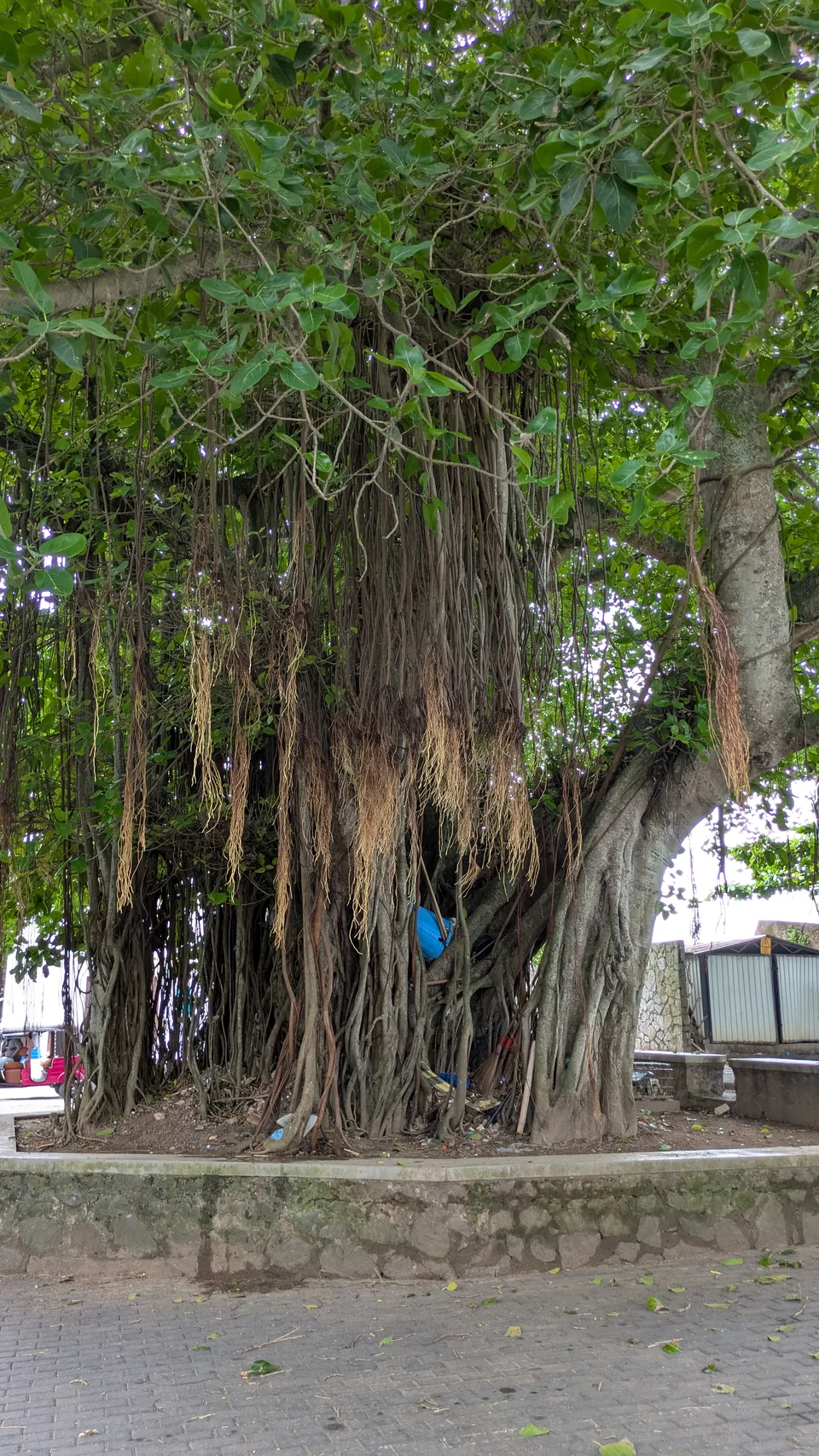
Treat beach time as a separate outing
The official Galle visitor listing includes Unawatuna, Jungle Beach and the Japanese Peace Pagoda among the area's attractions. These belong to a wider coastal plan rather than the assumption that every named sight is inside the Fort. Choose one area, establish the transfer and decide whether you want a brief look or enough time to settle into a beach day.
Check conditions locally before entering the sea. The official Sri Lanka safety advice highlights swimming risks; a sheltered-looking bay or the presence of other swimmers is not a guarantee. For a beach visit with children or someone needing easier access, ask about the approach, shade, toilets and the journey back. Avoid combining a long heritage walk with several beaches merely because the map looks compact. Keep a change of clothes and protect belongings from both rain and seawater.
Book accommodation around heat, rain and access
A guesthouse, small hotel, apartment or resort can each suit Galle, but for different reasons. Establish cooling, ventilation, bathroom arrangements and the room's natural light before comparing decorative details. In an older property, ask whether there is a lift and how many steps separate the entrance, bedroom and dining area. A photograph of a ground-floor reception does not establish accessible accommodation.
Compare the final bill, including taxes, deposits, breakfast, extra beds and transfer charges. Confirm late check-in if arriving after a flight, and establish where a vehicle can stop with luggage. If quiet matters, ask about the room's position and surrounding activity. A property outside your preferred neighbourhood can still be good value when it supports the journeys you need; equally, a more expensive central room may reduce several daily transfers. Match the accommodation to the whole stay.
Plan the airport connection as its own journey
For an international arrival through Bandaranaike International Airport at Katunayake, allow for the onward trip to Galle rather than treating arrival in the Colombo region as arrival on the south coast. The airport's ground-transport page identifies taxi counters in the arrival areas and separate public-transport options. Compare a through transfer with a journey involving a bus or train, including luggage and the final hotel connection.
The BIA–Makumbura bus page lists air-conditioned service boarding at the arrival outer porch opposite the Buddha statue. The stated fare is LKR 410 per passenger, with an additional LKR 410 for baggage exceeding 23 kilograms. This is an airport–Makumbura fare, not a through ticket to Galle. Establish the onward service and current departure arrangements before relying on it, particularly after a late flight. Leave a realistic margin for immigration and baggage collection.
Use the railway's current timetable and reservation rules
Use the official railway timetable page to identify coastal services, then confirm the departure for your date with the railway or station. A train passing through a coastal corridor does not automatically provide a reservable seat for every station pair. Compare the departure, stops, class and final arrival with your hotel plans rather than choosing solely from a scenic photograph.
The railway's current reservation FAQ allows advance reservations up to 30 days before travel and says online bookings can be made until two hours before departure, subject to availability. It requires identification details for each passenger and currently lists a five-percent convenience fee. Electronic tickets or home-printed copies are accepted; the FAQ does not require collecting a separate physical ticket at the station. Use the official reservation portal and retain confirmation. A search with no seats may reflect availability or the selected service, so distinguish a failed reservation search from proof that no train runs.
Keep local journeys proportionate to the day
Walking works well for exploring a particular part of the Fort, with breaks for heat and rain. For the station, a beach or a city errand, consider the actual pickup and destination rather than stretching a sightseeing walk around luggage. Agree the fare and any waiting time for an arranged vehicle before setting off, and keep the property's address and map pin available offline.
If booking a driver for several stops, specify where the hire ends and whether the driver waits while you visit. A low initial quote means little if the arrangement is unclear. For a possible move, repeat the journey to work, school or an essential service at the hour you would normally travel. Your experience on a quiet excursion should not be the only evidence behind a decision about daily commuting or the need for a household vehicle.
Make meals and shopping part of the route
Food can give the day structure without turning it into a restaurant checklist. Choose a breakfast that fits an early walk, leave a proper indoor pause around the hottest part of your day and decide whether dinner belongs near your accommodation. Ask how a dish is prepared and what accompanies it; dietary needs are better resolved through clear questions than assumptions about a familiar menu name.
Sri Lanka Tourism's eating-place directory can help identify registered premises, including addresses in Galle Fort, but a listing is not an independent recommendation or a promise of current opening hours. Confirm a particular business directly if it is central to your plans. For seafood sold by weight, agree the portion and total before ordering. When buying tea, spices or packaged food, check ingredients, storage and transport requirements so that a gift survives the rest of the journey.
Build a budget from the choices that change it
Keep accommodation, the airport transfer and substantial excursions separate from ordinary meals and local transport. The museum category you qualify for matters, as does whether a booking includes breakfast or a return transfer. Compare actual room quotes for your dates and current transport prices rather than adopting a universal daily allowance that ignores where you stay.
For a family, calculate shared vehicle costs separately from per-person fares. An inexpensive public-transport segment may still require another paid transfer at either end, while a private car may cost more without saving useful time. Carry a payment backup and confirm card acceptance before a substantial order or purchase. Keep refundable deposits distinct from final spending, and allow a contingency for changing plans in wet weather. The result should be a budget you can explain from real bookings, not a persuasive-looking total built on guessed prices.
Choose the season for the activities you want
Sri Lanka Tourism's climate guide places the southwest monsoon in May–September, with heavier rain on the southwest coast, followed by the October–November inter-monsoon. It identifies December–February as the southwest coast's peak visitor season. These are planning patterns rather than promises about a particular afternoon; a national average is also not a measured forecast for Galle.
A heritage-focused visit can adapt more readily to showers than a stay built around several sea outings. Keep museums, meals and rest periods available as alternatives, and check forecasts and warnings before travel. Begin exposed walks when conditions are comfortable, carry water and use appropriate sun protection. During thunderstorms, move into proper shelter rather than waiting on an exposed rampart for a photograph. If beach conditions are poor, enjoy the town instead of treating a prepaid plan as a reason to take an avoidable risk.
A realistic three-day introduction
Use day one for arrival and a short orientation walk. If timing and conditions suit, explore one section of the walls and have dinner nearby. On day two, start early in the Fort, visit the Information Center when open, and choose a museum or gallery that interests you. Leave a substantial break, then return to another part of the perimeter later rather than trying to keep walking continuously.
On day three, choose a nearby coastal outing or more time in the city, with the return journey already arranged. A two-night visit can combine the Fort with one wider excursion; a single day is better spent selectively than divided between every listed attraction. Keep departure day lighter. A final meal and a short walk can be shortened if needed, whereas a distant outing may leave little room when a train, driver or flight connection changes.
Investigate housing through ordinary weekday needs
For a longer stay, start with work, study or family commitments and compare the journeys from potential homes. A beautiful Fort room can be an excellent introduction to Galle without establishing that it is the best household base. Inspect groceries, transport and other essential services around a property independently before committing to its address.
Check drainage, signs of damp, cooling, ventilation, water pressure, laundry provision and the condition of appliances. Establish who pays for repairs, utility accounts, internet installation and building charges. The electricity board's customer applications include account-name changes; agree the actual account arrangements with the landlord and relevant supplier rather than assuming a furnished rental settles everything. Record meter readings and inventory, keep receipts and read deposit-return and notice terms. Verify the owner's or agent's authority before payment, and seek independent advice before a property purchase or a proposed alteration to a protected building.
Arrange communications and healthcare before settling
For a local SIM, Dialog's tourist activation guidance calls for passport verification through its customer-service process. Use a legitimate provider channel and compare the current plan with the length of your stay. In a potential home, test the actual connection where you would work, including indoor mobile reception; a listing that says Wi-Fi does not establish reliability for your own needs.
Official health advice for Sri Lanka gives 1990 as the ambulance number and recommends appropriate medical and evacuation cover. Check continuing prescriptions and identify suitable treatment before arrival, especially where a household member needs specialist care. Families should confirm school availability and the school run before signing a lease. A realistic monthly budget includes these needs, services and transport alongside rent. Do not assume that arrangements adequate for a short hotel stay will support a household through an extended residence.
Match immigration permission to the purpose of the stay
The official ETA notice says that, from 25 May 2026, nationals of 40 listed countries qualify for a free 30-day tourist ETA, while still needing approval before arrival. Check the official nationality and fee table for your passport. Free permission does not mean there is no application, and a second entry under that scheme uses the remaining original 30-day period rather than restarting it.
The tourist-visa rules prohibit paid or unpaid employment, self-employment and using repeated visits for long-term residence. Work and study require the appropriate residence category. For eligible overseas remote workers, the Digital Nomad Visa document describes a one-year route, a minimum US$2,000 monthly remittance for the main applicant and a US$500 annual fee per applicant, spouse or dependant, with further conditions. It does not permit local employment. Read the complete requirements and obtain approval before making a move; none of these routes is an automatic promise of permanent settlement.
Compare Galle with the rest of your route
For more beach time, compare the Unawatuna location page with Hikkaduwa. For city services or an onward travel connection, consider Colombo. Use the Sri Lanka location directory to place alternatives on the map, while distinguishing location listings from completed editorial guides. Changing bases can be sensible when the main purpose of your days changes, but account for packing and transfers rather than treating every move as free time.
Check current official travel updates and your operator's notices before departure, including any disruption affecting flights or ground transport. VisaWand's Sri Lanka guide, destination page and consultant directory can help prepare broader questions about visiting or relocating. Keep the immediate decision concrete: choose a base that serves your activities, allow time to enjoy the Fort, and verify the permissions and services required for anything beyond a holiday.
Official planning resources
Reviewed 17 October 2026. Use the official resources linked throughout this guide for admission, transport, housing and immigration decisions. Prices, services and rules can change; confirm the details relevant to your dates. Photography illustrates the locations and is not a live view.
View all official resources
- UNESCO: Old Town of Galle and its Fortifications
- Sri Lanka Tourism: Galle Fort monuments
- Galle Heritage Foundation: Heritage Information Center
- Galle Heritage Foundation: Black Fort
- Galle Heritage Foundation: Moon Gallery
- Central Cultural Fund: Galle maritime archaeology museum
- Department of National Museums: admission prices
- Sri Lanka Tourism: Galle and coastal visitor sites
- FCDO: swimming, road travel and local restrictions
- Airport and Aviation Services: Bandaranaike ground transport
- Airport and Aviation Services: BIA–Makumbura bus
- Sri Lanka Railways: official line timetable page
- Sri Lanka Railways: online reservation FAQ
- Sri Lanka Railways: official seat reservation
- Sri Lanka Tourism: registered eating-place directory
- Sri Lanka Tourism: climate seasons
- Ceylon Electricity Board: existing-customer applications
- Dialog Axiata: tourist SIM activation
- FCDO: Sri Lanka healthcare and medical planning
- Immigration Department: current ETA policy
- Immigration Department: ETA nationality list and fees
- Immigration Department: tourist visa permitted activities
- Immigration Department: residence visa categories
- Immigration Department: Digital Nomad Visa requirements
- FCDO: current Sri Lanka travel updates
Plan the next part of your journey
Explore the Sri Lanka guide, browse other cities or compare consultants for your travel and relocation questions.