Visa
Decide whether Donostia fits your trip
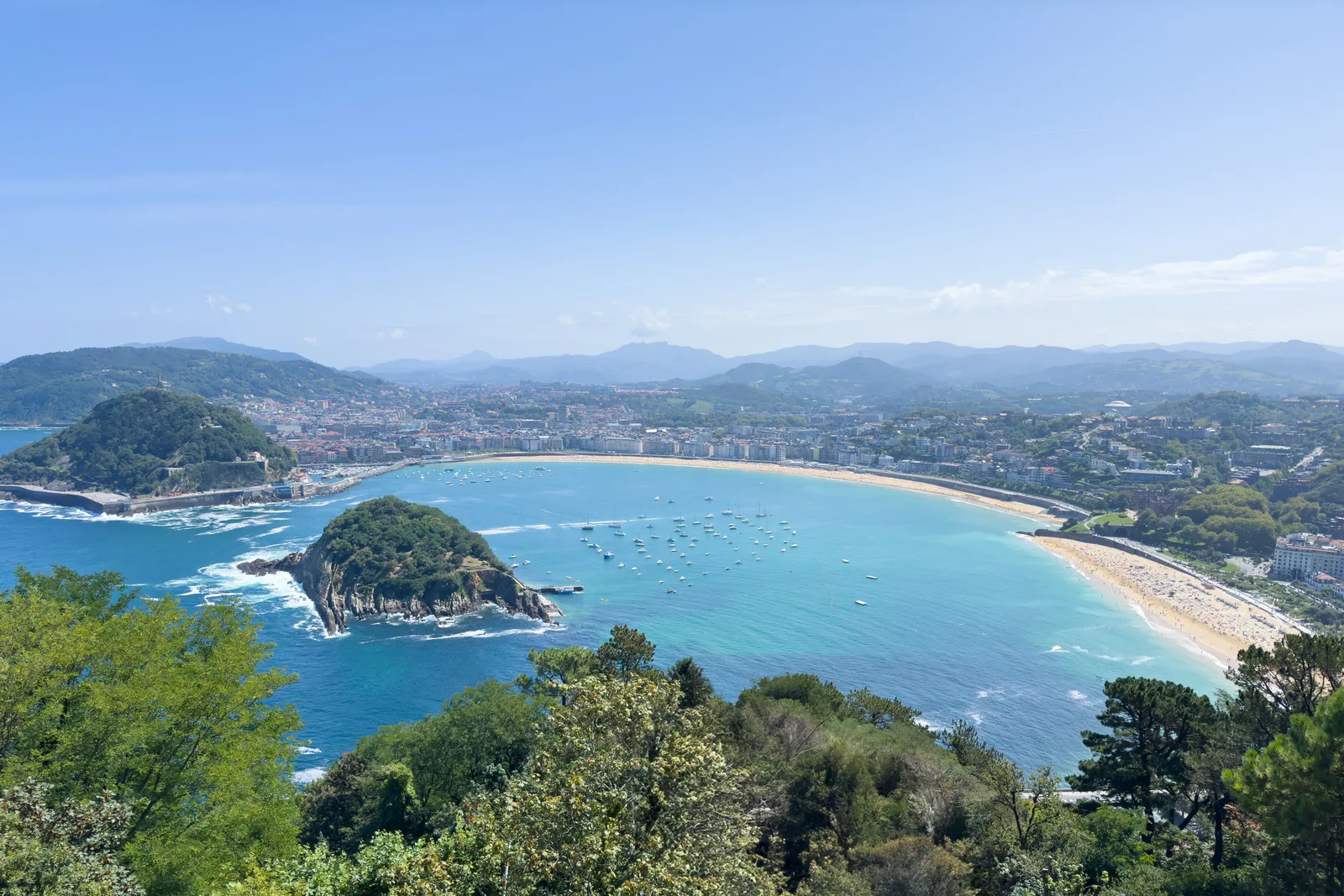
San Sebastián rewards a visit organised around a bay rather than a checklist. You can spend the morning beside La Concha, cross the Urumea for a different beach, and build dinner from several small orders in the Parte Vieja. The appeal is that these experiences belong to the same working city: coastal scenery does not require abandoning museums, shops or public transport.
Donostia is the Basque name you will encounter alongside San Sebastián. This is the coastal city in Gipuzkoa, in Spain’s Basque Country. For a first visit, allow three nights if possible: that leaves room for a museum, two distinct waterfronts and a change of plan when rain arrives. A longer stay deserves a separate assessment of housing, employment permission and everyday journeys.
Read the city through its changing shoreline
The official holiday guide’s chronology places the founding charter in 1180, the near-destruction of the city by Anglo-Portuguese troops in 1813, and the demolition of its walls in 1863. Those events help explain why an old street pattern and an elegant expansion coexist so closely. Historic character here includes rebuilding, rather than an untouched medieval townscape.
Royal seaside visits helped shape the resort city; the court’s summer residence at Miramar dates to 1893. The Igueldo funicular, Victoria Eugenia Theatre and Hotel María Cristina opened in 1912. The film festival began in 1953. Look for these overlapping identities as you walk: port, fortified town, fashionable resort and cultural venue. They give the waterfront more substance than its familiar postcard view suggests.
Choose your base by the evening you want
The official neighbourhood overview is useful before booking because the districts offer different compromises. Parte Vieja puts bars and historic streets immediately outside your door. That proximity is attractive for short visits, but ask about the room’s orientation, glazing and late-night street noise before assuming a central address guarantees restful sleep.
The Centre suits visitors who want shops and straightforward access between the bay and the old quarter. Gros makes sense if Zurriola and surf lessons matter most. Antiguo puts the western end of the bay within your daily routine. Amara, Egia and other residential areas deserve consideration for longer stays, provided the actual connection works for your destination.
Compare the complete address on a map. A property described as “near the beach” may still involve a hill, an awkward luggage route or a substantial walk to your preferred swimming spot.
For a hotel or guesthouse, ask whether the lift reaches your room without intervening steps and whether reception can store luggage around check-in. Apartment guests should establish the key-collection arrangements, cleaning charges and procedure for a delayed arrival. If you need a cot, accessible bathroom or separate sleeping space, request confirmation of the specific feature rather than relying on a broad property category.
Explore the Parte Vieja beyond its bar counters
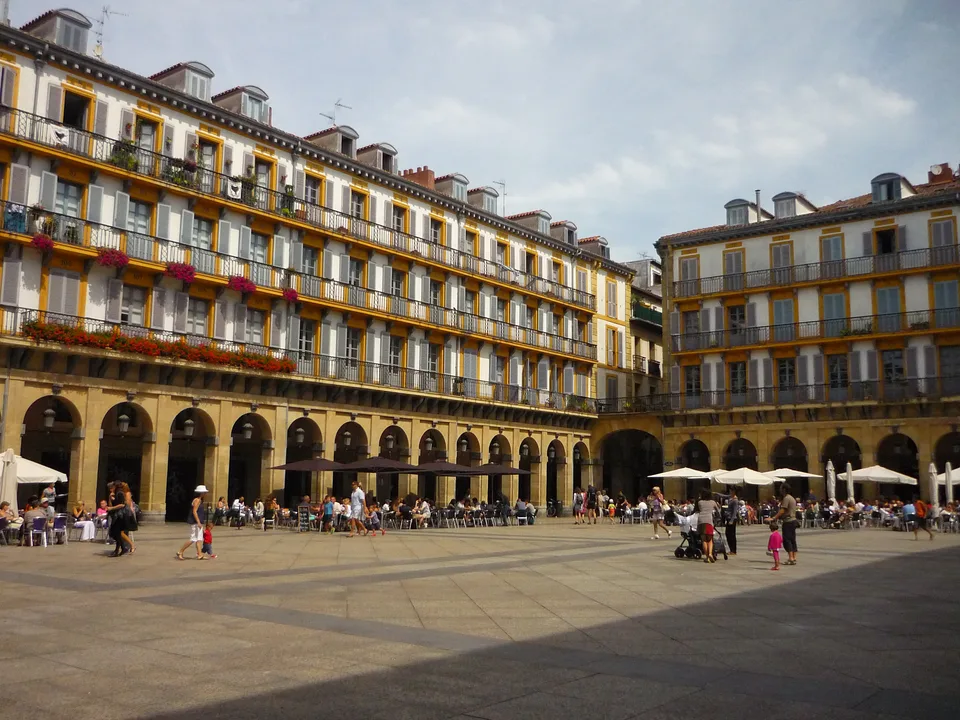
Start around Plaza de la Constitución, then explore the streets connecting San Vicente and Santa María del Coro. The tourism board’s centre and old-town guide locates this district below Mount Urgull, between the port and the Urumea. That compact geography makes it easy to alternate busy lanes with a quieter look towards the water.
Go at least once before the main eating crowds arrive. Architecture, church façades and the square are easier to appreciate without simultaneously choosing a bar. Later, return for food with a modest plan rather than trying to sample every counter you pass.
Urgull offers a different perspective above the old quarter. Treat the ascent as a hill walk: choose footwear for the surface, allow extra time after rain and check access before setting out. A central location does not make every route suitable for wheelchairs or pushchairs.
Give La Concha time rather than a quick photograph
The bay is a useful organising feature for your first day. Walk a section of its promenade, pause near Alderdi Eder, and decide whether to continue west or spend time on the sand. Official beach information distinguishes La Concha, Ondarreta, Zurriola and the small island beach; they should not be treated as interchangeable swimming locations.
Tides can substantially change the space available at La Concha. Consult the tourism board’s tide information and municipal tide link before planning a long beach session, especially with children or bulky equipment. The width of sand in a photograph is not a promise about conditions at your arrival.
Follow on-site restrictions, warning flags and staff instructions. For a swimming day, assess the actual sea rather than assuming the sheltered appearance of the bay removes risk. Keep a dry-land alternative available when conditions deteriorate.
Cross the river for Gros and Zurriola
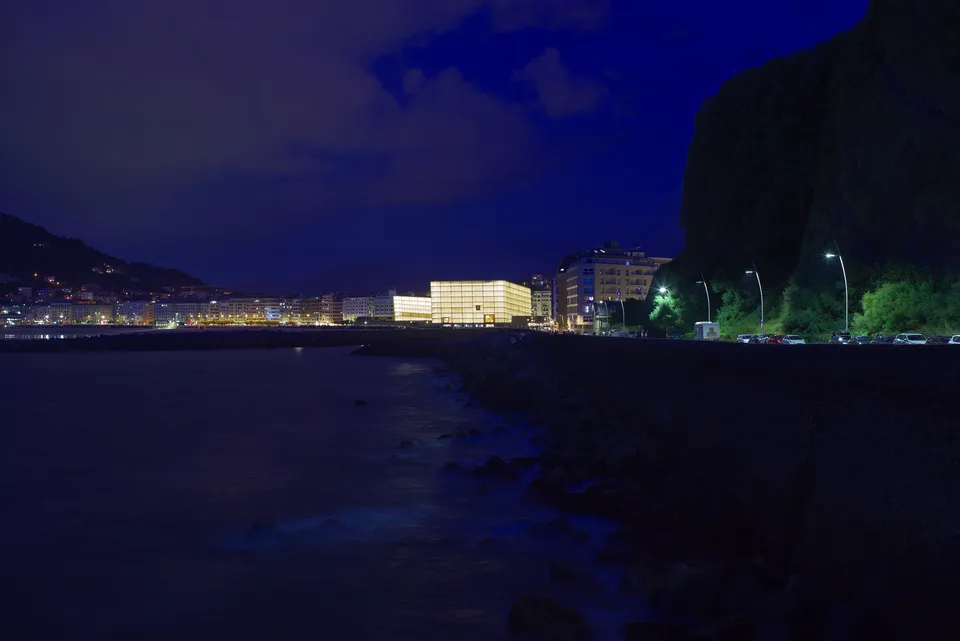
Gros brings a different rhythm: the open beach, surf activity and the Kursaal’s contemporary architecture shift attention away from the bay’s resort frontage. The official Gros guide identifies the Kursaal with architect Rafael Moneo and points to Zurriola, Sagüés and Mount Ulia as defining features of the area.
Walk through the neighbourhood as well as beside the beach. Streets around Peña y Goñi and Zabaleta let you combine cafés, food and ordinary shopping without returning immediately to the old quarter. For accommodation comparisons, make the journey back after dinner once before committing to a long stay.
Beginners interested in surfing should arrange instruction suited to the day’s conditions and their ability. Ask what equipment, insurance and cancellation terms are included. Watching experienced surfers from shore is no evidence that the same water is appropriate for a first lesson.
Use San Telmo for context and a wet-weather plan
San Telmo gives the visit a useful Basque cultural dimension alongside the waterfront. Make it a deliberate stop rather than the place you enter only after getting soaked. Allow enough time to engage with the displays instead of squeezing a museum between lunch and a departure train.
The museum’s current opening and admission page lists general admission at €10 and free entry on Tuesdays. It lists Tuesday–Sunday opening, with seasonal hours and exceptions; check the date you intend to visit rather than relying on a generic daily schedule. Reduced and free categories have eligibility conditions.
A free Tuesday can help a budget, but it should fit the rest of your journey. Travelling at an awkward time or paying for an extra night solely to avoid admission may cost more overall. Keep a second indoor option in mind when your stay coincides with museum closures.
Understand what the Igueldo ticket buys
Monte Igueldo is the obvious choice for a broad view across the bay. The operator’s current ticket information prices the adult return funicular journey at €5.50, including admission to the enclosure and viewpoint. Amusement rides are charged separately. Arriving by road or on foot has a separate per-person admission arrangement and does not include the funicular.
Check the operating calendar before making the journey, particularly outside the busiest months. Visibility also matters: a clear interval can be more valuable than a rigid afternoon reservation elsewhere in your itinerary. Leave enough flexibility to move the viewpoint visit when cloud obscures the bay.
The operator’s practical questions explain that the funicular is not adapted for wheelchair use and that station access involves steps. Visitors with mobility needs should discuss the complete visit directly with the operator before purchasing transport or making assumptions from the viewpoint photographs.
Walk west for Peine del Viento
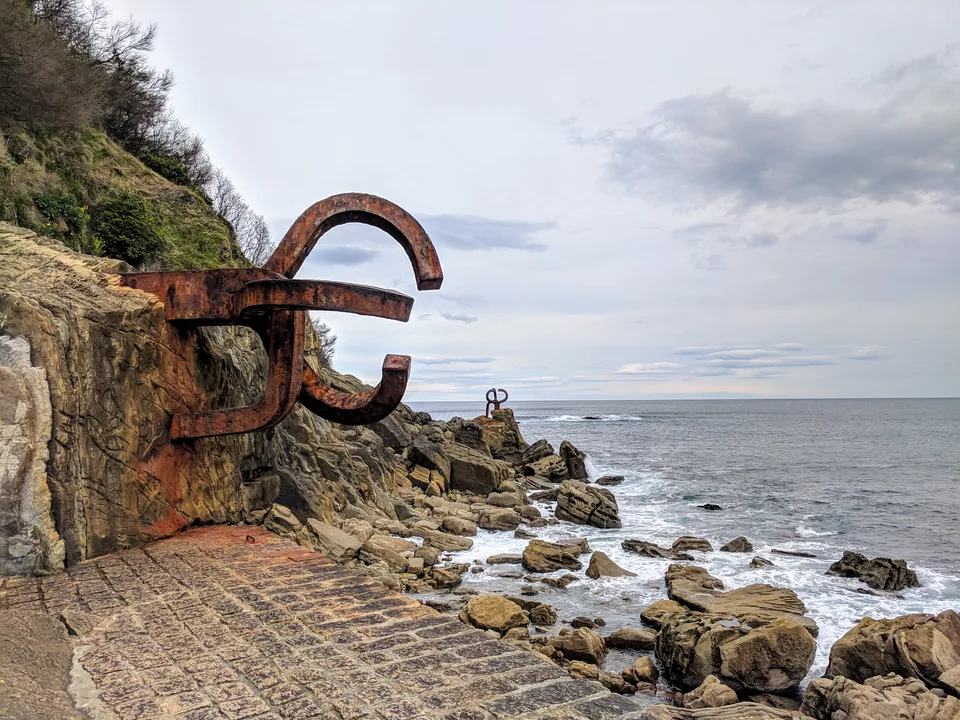
At the western end of Ondarreta, Peine del Viento joins sculpture to the exposed coastline. The Basque Government’s account describes three steel pieces by Eduardo Chillida, installed in 1977 with architect Luis Peña Ganchegui, who designed the setting. Notice the relationship between the metal, rock and paved terraces rather than looking for a single ideal photograph.
Combine this walk with Ondarreta or Igueldo when conditions allow, avoiding an unnecessary cross-city return. Allow time to stop: the attraction works through its setting and the movement of the sea, rather than a sequence of rooms or exhibits.
Rough weather changes the decision. Respect barriers and closures, keep away from wave-exposed edges and do not approach for a dramatic image. Descriptions celebrating storm waves are not access instructions. If the area is restricted, use the time elsewhere and return only when it is safe and permitted.
Eat pintxos with a plan for appetite and spending
Pintxos work well as a progressive meal. The official pintxo guide suggests taking one or two at a time across several bars. That approach lets you assess how hungry you remain before ordering again. Check both the counter and the board; ask which dishes are prepared hot and how you should order them.
Small portions do not automatically produce a small bill. Set a food-and-drink allowance, look at prices before choosing, and distinguish a tasting round from a full evening meal. Do not assume every drink comes with a complimentary snack. For a seated restaurant, check booking requirements and the menu’s actual format.
Discuss allergies directly with staff. A directory’s dietary filter is a starting point, not confirmation about shared preparation surfaces or an individual dish. If communication is difficult, show your requirements clearly and choose a place that can answer confidently.
Shop and budget around real purchases
The Centre’s shopping streets include Urbieta, Getaria and Fuenterrabía. Combine browsing with errands rather than devoting a separate journey to every purchase. When buying food to take home, check storage, packaging and the rules at your destination; a product being sold locally does not establish that you may import it.
For a practical daily budget, separate your room, meals, transport and paid visits. As a verified illustration, one €10 San Telmo admission, a €5.50 adult return funicular ticket and two €1.95 daytime Dbus journeys total €19.40, before food and accommodation. Free museum access or a walking day changes that subtotal; airport transfers and amusement rides are additional.
Accommodation needs a date-specific quote. Compare the final total, cancellation deadline and included facilities rather than an attractive nightly headline. For families, kitchen access and laundry may matter more than a marginally shorter walk to the beach.
Keep an allowance for one disrupted journey or unexpected indoor afternoon. A budget with no flexibility can turn a small weather change into a difficult choice between overspending and missing the experience you came for. Conversely, several waterfront walks and neighbourhood visits can fill a satisfying day without multiple attraction tickets.
Compare airports before comparing headline airfares
San Sebastián Airport is not in the city centre. The official arrival guide places it about 20 kilometres away and identifies Bilbao and Biarritz as other airport options. Compare the complete arrival journey, including transfer availability at your landing time and the consequences of a delayed flight.
Aena’s airport bus page links the airport with the Lurraldebus network serving Donostia and surrounding towns. These services use their own fare arrangements; the local Dbus single price does not automatically cover an airport journey. Check the operator’s timetable for your date, especially when a route or stop is described as seasonal.
For an early flight, establish the first workable connection before booking the final night. A cheaper distant airport can lose its advantage when it requires an extra hotel stay, a taxi or a connection with little recovery time.
Check luggage limits on the transfer as well as the flight. If travelling with a bicycle, surfboard or several large bags, obtain the operator’s current carriage conditions before choosing a connection. Leave more time when the journey requires separate tickets, since a delay on the first service may not protect your next booking.
Save the final connection details offline, including the departure stop and your accommodation’s arrival instructions, before leaving the airport.
Keep local buses and regional journeys distinct
Central walks can cover much of a short visit, but buses help when your accommodation, weather or mobility needs make repeated walking unattractive. Dbus lists 2026 fares of €1.95 for an ordinary daytime cash or contactless journey and €2.65 at night. Cash tickets do not include free transfers. Discount cards have separate conditions.
Do not confuse a discounted single ride with an unlimited day pass. Check the product’s scope and whether it applies to the operator you need. Regional buses, airport connections and trains require their own journey checks, even where payment systems overlap.
The city has different rail networks: confirm whether your service uses the main ADIF/Renfe station or Euskotren’s Amara station. For connections towards France, check the actual service through Hendaye and the onward timetable. A map showing connected networks does not guarantee a through train or a protected connection.
Check vehicle access before driving to your hotel
The city-centre low-emission-zone information requires registration for foreign-plated vehicles entering the zone, including electric and hybrid vehicles. This concerns the designated zone, rather than every road in the municipality. Check current eligibility, the boundary and the official procedure before driving in; a hotel reservation does not establish permission.
Ask your accommodation for a legal arrival route and the exact parking arrangement. Establish whether “parking available” means a reserved space, a paid public garage or simply somewhere nearby where spaces may be found. Include overnight charges in your comparison with public transport.
If a vehicle is unnecessary during your stay, consider leaving it outside the central area and continuing by another means. Confirm the car park’s access hours and conditions before relying on it for a very early departure or late return.
Plan for coastal weather and changing seasons
Pack for a visit that can move between the waterfront and indoors. A waterproof outer layer, shoes comfortable on wet surfaces and a small bag for damp clothing are practical even when the forecast looks promising. Check AEMET’s Donostia forecast close to departure and again before weather-dependent outings.
Choose summer if your priority is organising the trip around beach time, while accepting that individual days can change. A quieter-season visit can focus more on food, museums and long walks, with daylight and attraction calendars shaping the schedule. Do not assume resort facilities operate identically throughout the year.
For a short break, flexibility is more useful than a precise month-by-month promise. Keep the viewpoint for a clear period, the museum for unsettled weather and the waterfront for conditions that make walking pleasant. The official rainy-day suggestions provide additional indoor leads.
Spend three days without rushing across the city
On day one, settle into your accommodation, walk part of La Concha and explore the Parte Vieja. Leave time for the square and port before starting a modest pintxo round. This first circuit also tests the walking distance between your room and the places you expect to revisit.
On day two, use the clearest suitable period for Ondarreta, Peine del Viento and Monte Igueldo. Check the funicular calendar first. If weather disrupts that plan, move San Telmo forward and return west later. Avoid booking a non-refundable activity immediately after a visit whose timing depends on visibility.
On day three, cross to Gros, see the Kursaal setting and spend time around Zurriola. Add a surf lesson only if arranged appropriately. Otherwise, choose an unhurried neighbourhood meal and allow a generous departure buffer. A day trip is better added to a longer stay than forced into this outline.
Test an ordinary week before moving
A relocation visit should include grocery shopping, laundry, a workday commute and an evening at the prospective address. Repeat journeys at the hours you would actually travel. Check the last useful connection home rather than judging a residential area solely by a sunny weekend walk.
Inspect housing for ventilation, heating, damp, usable storage and the practical condition of the kitchen and bathroom. Confirm internet availability at the exact address and who pays utilities, building charges and connection costs. Ask how repairs are reported and whether an inventory records the property’s condition.
The Basque Government’s rental-deposit guidance distinguishes habitual-residence contracts from seasonal and other uses: the statutory deposit for a habitual home is one month’s rent. That is not a complete moving budget. Identify the contract type, additional guarantees, first rent and other lawful costs before transferring money, and verify the landlord’s authority to let the property.
Arrange registration, healthcare and household essentials
The municipal resident-registration procedure sets out identification and housing documents for the padrón. Arrange the appropriate Udalinfo visit and bring the evidence relevant to your occupancy. Registering an address is an administrative step; it does not itself grant immigration status or permission to work.
For healthcare, consult the Basque health-card guidance and the health centre serving your address. Establish your entitlement and required documentation rather than assuming a rental contract automatically gives comprehensive public coverage. Keep appropriate insurance arrangements while your circumstances are being assessed.
Before signing a long lease, list other household needs: school or childcare arrangements, accessible routes, medication supply, a bank account and utility billing. Ask providers what identification and payment details they require. For children, confirm the actual placement process and language arrangements with the relevant institution before choosing a neighbourhood around an assumed school place.
Separate a holiday from work, study and residence
Start with Spain’s official entry conditions and the EU explanation of short-stay visas. For affected non-EU travellers, the limit is generally up to 90 days in any 180-day period across Schengen, subject to the permission granted. Visa requirements depend on nationality. Visiting France during a stay does not restart that allowance.
Employment, study and relocation require their own assessment. The Ministry explains initial employer-sponsored work authorization, while consular guidance covers qualifying longer study stays. Spain also has a telework visa route with specific foreign-employment and professional-activity conditions. A laptop, a job offer or a university application alone does not establish eligibility. EU, EEA and Swiss citizens follow a different framework.
Use the consulate responsible for your residence and current official requirements. Temporary permission is not a promise of permanent residence. VisaWand’s Spain country guide, Spain destination page and consultant listings can support planning alongside those official resources.
Extend the trip selectively
The official surrounding-area guide identifies Hondarribia, Getaria, Zarautz and Zumaia as possible additions, as well as the French Basque coast. Choose one outing by what you want to do, then check its transport and return options. Combining several coastal towns can leave little time in any of them.
For a broader comparison, explore VisaWand’s Bilbao destination page and Madrid destination page, or browse the Spain location directory. These are useful routes into other locations; the directory itself is not a completed travel guide. If San Sebastián is your main destination, protect enough time for its ordinary pleasures: a second waterfront walk, an unhurried museum visit and a meal chosen without watching the departure clock.
Official planning resources
Reviewed 28 October 2026. Use the official resources linked throughout this guide for admission, transport, housing and immigration decisions. Prices, services and rules can change; confirm the details relevant to your dates. Photography illustrates the locations and is not a live view.
View all official resources
- Official holiday guide history
- Official Donostia San Sebastian neighbourhood information
- Parte Vieja and city centre
- Donostia official beaches
- Beach tides
- Gros neighbourhood
- San Telmo opening and prices
- Monte Igueldo tickets
- Monte Igueldo practical questions
- Basque Government Peine del Viento
- Donostia official pintxos guide
- Donostia official arrival information
- Aena EAS airport buses
- Dbus2026 tariffs
- City-centre low-emission zone
- AEMET Donostia forecast
- Official rainy-day suggestions
- Basque rental deposits
- Municipal resident registration
- Basque health card
- Spanish entry conditions
- EU Schengen visa information
- Spain initial employment authorization
- Spanish study visa
- Spain telework visa
- Official nearby destinations
Plan the next part of your journey
Explore the Spain guide, browse other cities or compare consultants for your travel and relocation questions.