Visa
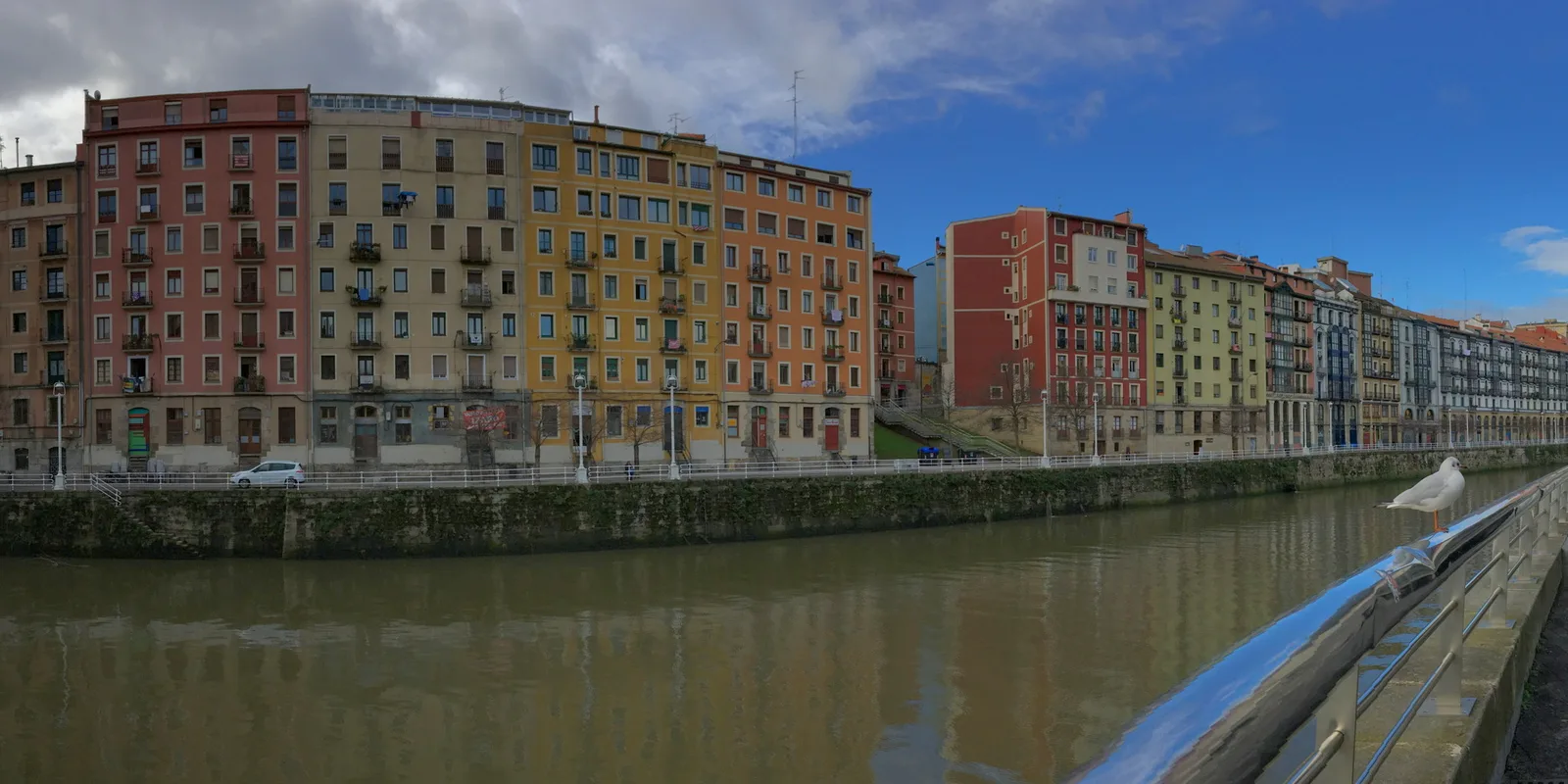
Follow the estuary, then look beyond the museum
Bilbao makes most sense when you give the estuary a role in your plans. Its banks connect the historic centre, commercial streets and conspicuous cultural buildings, while residential districts rise behind them. The Guggenheim is a strong reason to come, but a stay built around that single stop misses the contrast that makes the city rewarding: old streets and market shopping, nineteenth-century prosperity, reused industrial land and everyday Basque urban life.
For a first visit, allow three days if you want a museum session, unhurried meals and an excursion beyond the centre. A shorter stay can work with fewer commitments. For a possible move, reserve additional weekday time for commuting, housing viewings and appointments. Bilbao is a city within a wider metropolitan area; an address advertised as convenient for Bilbao may be in another municipality, with different journeys and administrative arrangements.
Read a longer history in the streets
The Basque Government account of medieval Bilbao explains that settlement beside the estuary preceded the town's founding charter in 1300. Its early streets developed into the historic centre associated with the Siete Calles, or Seven Streets. That is a useful starting point for understanding the city's scale before later expansion. Walk slowly enough to notice how the compact streets meet the waterfront rather than using the old town only as somewhere to eat after a museum.
The official industrial history describes commercial and industrial growth extending beyond the municipality along both banks. Banking, trade and industry belong in the story alongside contemporary architecture. The city's account of its urban transformation puts rehabilitation into a broader programme of change. Treat the Guggenheim as part of that landscape, rather than assuming one building explains everything that happened to the city or its economy.
Choose a neighbourhood for the trip you intend
The Basque tourism walking route through the Ensanche provide a useful framework: Casco Viejo for the older streets, the Ensanche for the commercial city, and the estuary for the more recent waterfront. A visitor concentrating on museums and central walks can compare accommodation around Abando, the Ensanche and Abandoibarra. Put the actual entrance on a map with your arrival point and evening plans; a district name alone does not show the final walk.
Casco Viejo offers a different setting, with lanes, squares and food stops close together. Compare the appeal of that atmosphere with the room's position over a street, terrace or internal courtyard. Ask about lift access and luggage before choosing an older building. Deusto and other residential areas deserve consideration for a longer stay when they suit the workplace or campus, but a residential label does not establish a quiet room or an easy commute.
Give the Guggenheim a proper block of time
Use the Guggenheim's visit planner to choose exhibitions and collection highlights before arrival. Seeing the building from the waterfront is worthwhile, but it is a different experience from spending time with the art inside. Choose an interior visit because the programme interests you, and leave some time afterwards to look at the exterior from the public approaches. A photograph outside does not substitute for understanding the museum's collections.
At the October 2026 review, the museum's admission page listed adult entry at €12, with an audio guide included. Its usual opening was Tuesday to Sunday, 10am–7pm, with selected Monday openings and seasonal extensions. Check your date: Monday opening is not universal. Tickets already issued were non-refundable; admission desks closed thirty minutes before closing and galleries began clearing fifteen minutes before it. Those cut-offs make a last-minute arrival a poor plan for a substantial visit.
Compare the Fine Arts Museum's current offering
The Bilbao Fine Arts Museum's live visit page listed €12 general admission at the October 2026 review, replacing older information about free entry during expansion works. Tuesday admission was free for the collection, while temporary exhibitions were closed that day. Its timetable distinguished collection and exhibition hours on other days, with a shorter Sunday opening. Check the actual programme and accessible entrance before setting off.
It offers a useful companion to a Guggenheim visit for travellers who want more time with art. The live page advertised a €16 general combined ticket for the two museums, explicitly dated fourteen October to eleven November. Treat that as a dated comparison, not a permanent price. Check both institutions' conditions for your party and dates. One considered visit, lunch and a walk can still be more satisfying than a second collection visited simply because a combined product is available.
Look inside Azkuna Zentroa
Azkuna Zentroa's building visits explain the conversion of Bilbao's former warehouse for wine, oil and other goods into a cultural centre. Its atrium's forty-three columns make an immediate visual impression, but the building's previous use and present programme give the visit more substance. Check exhibitions and activities rather than assuming that entering the public space includes every event or facility.
The centre advertised free individual building tours in Basque and Spanish with advance registration. English and French group tours were separate paid arrangements requiring earlier booking. This distinction matters if a guided explanation is central to your visit: a free-tour listing does not establish a walk-in English service. It is also a practical indoor option when the weather interrupts an outdoor programme, provided you check what is actually available that day.
Make Casco Viejo and the market more than a meal stop
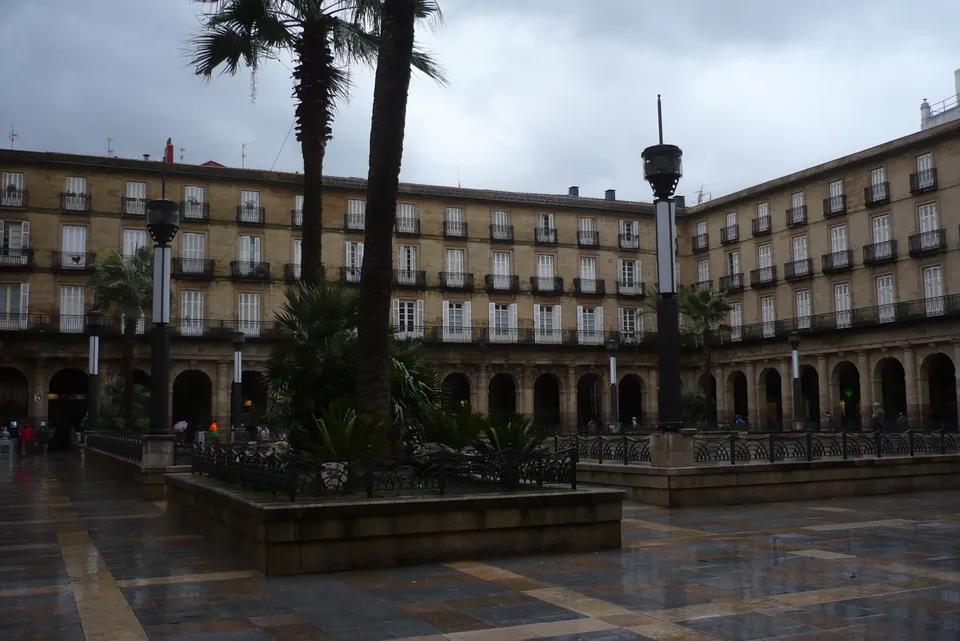
Give the Seven Streets and their surrounding squares a session of their own. Compare the older street pattern with the broader commercial streets across the estuary, and allow time for shops rather than treating the whole area as a route between attractions. Plaza Nueva can be part of that walk without requiring a reservation at a particular bar. Choose places from the menus and conditions you find, rather than treating an unfamiliar recommendation as a guarantee.
The Ribera Market sits beside the estuary and offers another way to understand the city through food shopping. Separate the fresh-food market from its dining businesses: their hours, service and reasons for visiting can differ. Arrive with a shopping or eating plan, and confirm the opening of the traders you need. For a longer stay, a market visit can help you compare everyday groceries with what is available near a prospective home.
For a historic interior, consider Santiago Cathedral's visitor arrangements. The published general visitor ticket for adults aged eighteen to sixty-four was €10 at the review. Sightseeing hours can change for worship, and the site contains differing closing-time tables, so confirm your session before making a tight plan. Its stated final admission is forty-five minutes before closing. Leave time for the cloister and interior rather than assuming you can enter at the last moment.
Connect the waterfront with its maritime past
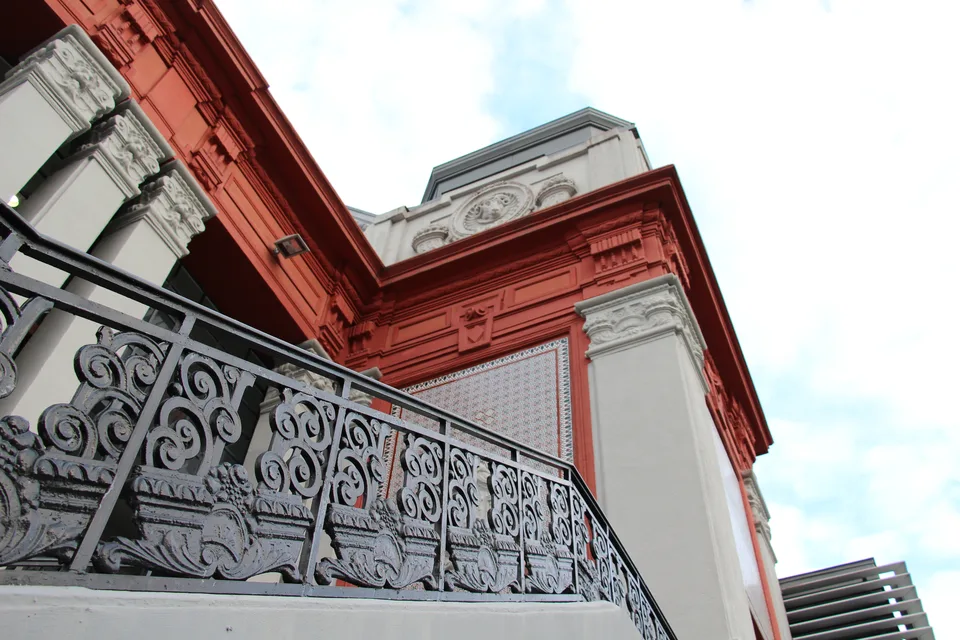
Itsasmuseum's visitor information gives an alternative to another art collection. The museum focuses on the maritime world of Bilbao and Bizkaia; the Basque tourism description places it on the former Euskalduna shipyard site. That setting helps connect the waterfront you walk today with the activities that shaped it. Choose it if ships, working waterfronts and regional history interest you, rather than adding it only because it is another museum nearby.
At the review, general admission was €10. The museum distinguished free Tuesday admission for people registered in Bizkaia from free Sunday entry after 5pm for the general public, with its own ticket-office conditions. Visitors cannot assume that every advertised free period applies equally to them. Check the day, closing time and required documentation before planning around a concession. Its access information identifies San Mamés station's Sabino Arana exit and the Euskalduna tram stop; use whichever fits your approach. Allow time for the museum itself instead of judging the experience from an exterior photograph.
Take Artxanda as a viewpoint outing
The Artxanda funicular's operator provides the timetable and fares for reaching the hillside viewpoint. At the October 2026 review, ordinary tickets were €3.50 one way or €6 return; Barik validation had separate conditions and pricing. The ride itself takes about three minutes. Waiting, reaching the lower station and time at the top make the outing longer than that headline journey time.
The published winter schedule, October through May, ended at 10pm, with later opening on Sundays and public holidays than on other days. Check service notices before travelling, especially if planning the return after dinner. Choose a clear-weather opportunity for the view and keep a museum or cultural visit available as an alternative. An elevated photograph cannot promise the visibility you will have, and the short funicular ride does not establish that every onward hillside walk suits your mobility.
Arrive by the airport connection that serves your address
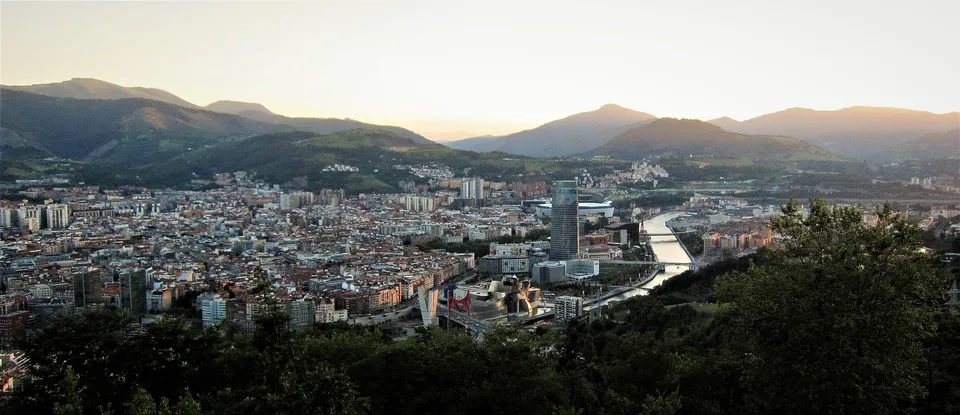
Bilbao Airport is at Loiu rather than inside the central street network. Bizkaibus's airport information identifies the A3247 connection and listed its ordinary, non-Barik ticket at €5 at the review. The airport ticket office accepted bank-card payment. Compare that product with your wider transport needs before assuming an ordinary ticket and a stored-value fare are equivalent.
Aena's bus information lists the city connection and stops serving Gran Vía, Plaza Moyúa and Alameda Recalde, as well as the bus terminal. Choose the stop that helps with your accommodation rather than staying aboard automatically to the terminus. Check the operator's timetable for the actual day and direction, particularly for an early departure or late flight. Include the walk with luggage and any onward connection when comparing the bus with a taxi quote.
Understand Barik before loading it
The transport consortium's Barik explanation describes a contactless card rather than a single unlimited-travel ticket. The card cost €3, with a minimum €5 initial recharge at the October 2026 review. Stored credit pays for journeys; eligible personalised products have their own rules. An anonymous card can serve people travelling together, while a personalised card is for its holder. Check the instructions for your party and transport mode before relying on one card for everyone.
Bizkaibus's fare guidance requires Barik validation both when boarding and when leaving its buses. Fares depend on zones and products, with a specific airport exception for ordinary tickets. Keep enough balance for the planned travel and do not assume that a successful tap on one service establishes coverage on another. For a regular commute, compare the actual operators, zones and eligible passes; the cheapest visitor purchase may differ from the right monthly arrangement after moving.
Plan regional journeys around the correct service
Write down the full departure point when booking onward transport. An airport-bus stop, an intercity bus terminal and a railway station are different places, even when all appear under Bilbao in a search. Allow time to find the correct entrance and platform or bay. A short map distance between them can become less convenient with luggage, children or rain.
For metropolitan outings, use the journey planner for the actual destination and return time rather than extrapolating from a line on a tourist map. A service useful for one side of the estuary may create an unnecessary transfer for another. Prospective residents should repeat the intended commute during a normal weekday and after evening commitments. The final walk from the station, including any slope, is part of the journey you will live with.
Eat pintxos with a realistic budget
The Basque tourism guide to old-town pintxos introduce a useful way to explore Basque food through several small choices. Read prices before ordering and ask how food is ordered and paid for at that particular counter. A collection of small plates and drinks can become a substantial bill. Decide whether you want a tasting-style evening or a full seated meal rather than assuming the former is automatically cheaper.
Build variety into the stay: market shopping, a simple lunch and one planned restaurant meal can answer different needs. Check ingredients for allergies and dietary requirements, including sauces and preparation, rather than judging only by appearance. For self-catering, confirm actual cooking equipment and nearby shopping hours. For gifts, compare locally identified food products with their storage requirements and your destination's import rules; a tempting purchase may be inconvenient to transport.
Choose dates for an Atlantic city
Euskalmet's regional climate description places Bizkaia in the Atlantic-influenced part of the Basque Country, with moderate temperatures and considerable rainfall. Plan for a city where rain can affect outdoor time rather than expecting a reliably dry Mediterranean holiday. A waterproof layer and footwear suitable for walking are useful across different seasons; a coastal excursion needs its own conditions check.
Spring and early autumn are sensible periods to compare for a walking-focused trip, while summer may suit a longer programme with outdoor time. Neither choice guarantees comfortable weather every day. Winter can work for art and food interests if you accept shorter outdoor sessions. Consult Euskalmet's current forecasts and warnings before a viewpoint or exposed outing. Check accommodation for heating in cooler months and cooling or ventilation for warmer stays, especially when a room photograph tells you little about either.
Consult the official Aste Nagusia information when choosing accommodation dates. Aste Nagusia brings a different programme and atmosphere from an ordinary sightseeing week; the published 2026 dates have already passed and should not be reused for a future year. Check the next confirmed programme, event locations and your room's proximity before assuming a familiar address will offer the same evening routine.
Give three days a workable sequence
On day one, explore Casco Viejo, Plaza Nueva and the market area, allowing lunch to fit the opening of the businesses you choose. Walk part of the estuary afterwards if energy and weather allow. Keep the first evening close to your base if you have travelled that morning. On day two, make the Guggenheim the principal booking and add the surrounding waterfront rather than another distant attraction.
Use day three for Artxanda and Azkuna Zentroa, or replace one with the Fine Arts Museum's current programme. An excursion towards the estuary mouth can take this day's place if that is more appealing; it should not simply be added to an already full schedule. Check museum closure days before assigning the dates. Anyone assessing relocation should exchange a leisure session for a commute trial, neighbourhood shopping and an appointment rather than trying to fit those into exhausted evenings.
Separate holiday costs from the cost of a household
Price accommodation for your exact dates and party, then add airport transfers, the attractions you actually intend to enter and a realistic food allowance. The dated fares in this guide help compare choices, but they are not a complete future quote. Ask for the total accommodation charge, including parking, cleaning and any other compulsory extras, and read cancellation conditions before paying.
A longer stay requires another calculation. Put deposits, temporary accommodation and initial household purchases in one column; rent, utilities, internet, transport and food belong in the recurring budget. Compare homes against that total rather than the rent alone. A cheaper address can cost more in travel and time. Use live property offers for your requirements instead of treating an unsupported citywide average as a price at which you can definitely secure a suitable home.
Test a home against work or study
Choose the workplace entrance or exact teaching location before choosing a residential district. The University of the Basque Country's Bilbao guidance points incoming students towards its International Welcome Centre and accommodation resources, including flats, host families and residences. Those resources help a search; they do not guarantee an available room or establish that every university course is taught in central Bilbao.
View the home and verify the letting party's authority before transferring a substantial payment. Check noise with windows both open and closed, stairs, lift access, heating, damp signs, laundry and internet availability. Ask which building charges and utilities are included and how others are billed. Record meter readings and condition at handover. For families, investigate the relevant school-enrolment process and actual journey before assuming the nearest building offers the place or teaching arrangement you need.
Match housing paperwork to the kind of tenancy
The Basque Government's deposit guidance distinguishes a principal-home tenancy from other uses, including seasonal accommodation. It describes a one-month-rent statutory deposit for an ordinary principal home, with different rules for other contracts. Ask how the applicable deposit is lodged and obtain evidence. Do not apply a residential rule indiscriminately to a holiday booking or accept a seasonal label without understanding the contract you are signing.
Use Kontsumobide's housing guidance when checking contractual charges and consumer questions. Municipal registration on Bilbao's padrón is a separate process requiring identity and actual residence evidence; it does not confer immigration permission. For healthcare, the Basque health-card information directs residents to the health centre and supporting documentation. Confirm your entitlement and interim insurance arrangements rather than assuming a signed lease automatically activates healthcare. Keep copies of contracts, receipts and appointment confirmations together.
Keep entry, work and study permissions distinct
The Spanish Interior Ministry's entry guidance explains short-stay conditions for third-country nationals, including the relevant ninety-days-in-any-180-days limit. The allowance concerns the Schengen area collectively, not a new allowance in each city. Visa requirements, travel-document validity, purpose and resources still need checking for your circumstances. A hotel reservation or return ticket does not independently establish the right to enter or remain.
Longer study follows the Migration Ministry's study-authorisation framework, while employment and residence require the applicable route. Its international remote-worker guidance concerns a specific qualifying category, not permission automatically attached to tourist entry. EU, EEA and Swiss residence arrangements are different again. Identify the correct procedure before committing to a long tenancy, and confirm documents and appointment responsibilities with the competent authority. None of these temporary arrangements should be presented as a promise of permanent residence.
Follow the estuary beyond the municipal boundary
The UNESCO-listed Vizcaya Bridge connects Getxo and Portugalete near the estuary mouth. Completed in 1893, its transporter design allowed people and vehicles to cross while preserving passage for ships. It gives the region's industrial engineering a tangible form beyond the central museum district. Check the current operator's arrangements if planning a crossing or high-level visit; those are distinct experiences with their own conditions.
The bridge operator's notices also matter: technical or weather restrictions can affect the lift and walkway independently of a simple crossing. Check the service you intend to use, rather than interpreting an open bridge as unrestricted access to every visitor experience.
Use Getxo's destination page and Portugalete's destination page as location references when comparing an excursion or a different base. Both are separate municipalities, not neighbourhoods of central Bilbao. For the wider trip, consult VisaWand's Spain destination directory and Spain country guide. If a possible move calls for individual help, review relevant consultant listings, check professional qualifications and explain your nationality, intended activity and timescale so that advice addresses the route you actually need.
Official planning resources
Reviewed 21 October 2026. Use the official resources linked throughout this guide for admission, transport, housing and immigration decisions. Prices, services and rules can change; confirm the details relevant to your dates. Photography illustrates the locations and is not a live view.
View all official resources
- Basque Government: Casco Viejo heritage
- Bilbao City Council: industrial history
- Bilbao City Council: urban transformation
- Basque tourism: walking the Ensanche
- Guggenheim Museum Bilbao: plan your visit
- Guggenheim Museum Bilbao: hours and admission
- Bilbao Fine Arts Museum: plan your visit
- Azkuna Zentroa: building guided visits
- Spain official tourism: Ribera Market
- Bilbao Cathedral: visiting information
- Itsasmuseum Bilbao: tickets and visiting
- Basque tourism: Itsasmuseum and former shipyard
- Artxanda Funicular: hours and fares
- Bizkaibus: airport bus
- Aena Bilbao Airport: bus connection and city stops
- Bizkaia Transport Consortium: how Barik works
- Bizkaibus: current fares
- Basque tourism: pintxos in the old town
- Euskalmet: regional climate
- Euskalmet: current forecasts and warnings
- Bilbao City Council: Aste Nagusia
- University of the Basque Country: staying in Bilbao
- Basque Government: rental deposits
- Kontsumobide: housing consumer guidance
- Bilbao City Council: municipal resident registration
- Basque Government: individual health card
- Spanish Interior Ministry: entering Spain
- Spanish Migration Ministry: long-stay study authorisation
- Spanish Migration Ministry: international remote workers
- Spanish Interior Ministry: EU and EEA residence
- UNESCO: Vizcaya Bridge
- Vizcaya Bridge operator: fares, schedules and notices
Plan the next part of your journey
Explore the Spain guide, browse other cities or compare consultants for your travel and relocation questions.