Visa
A Mediterranean city before it is a beach base
Palma works particularly well for travellers who want the sea nearby without giving up a substantial city break. Gothic architecture, galleries, food markets and waterfront walks can fill several days before an island excursion enters the plan. Its appeal is the combination: a cathedral morning, a market lunch and a late afternoon beside the bay are all plausible within one stay.
The city is on Mallorca, in Spain’s Balearic Islands. It is distinct from La Palma in the Canary Islands and from resorts elsewhere on Mallorca. Start with Palma’s official visitor information, then choose accommodation for the part of the city you expect to use most, rather than treating every hotel advertising “Palma” as a central address.
Read the city through its historic waterfront
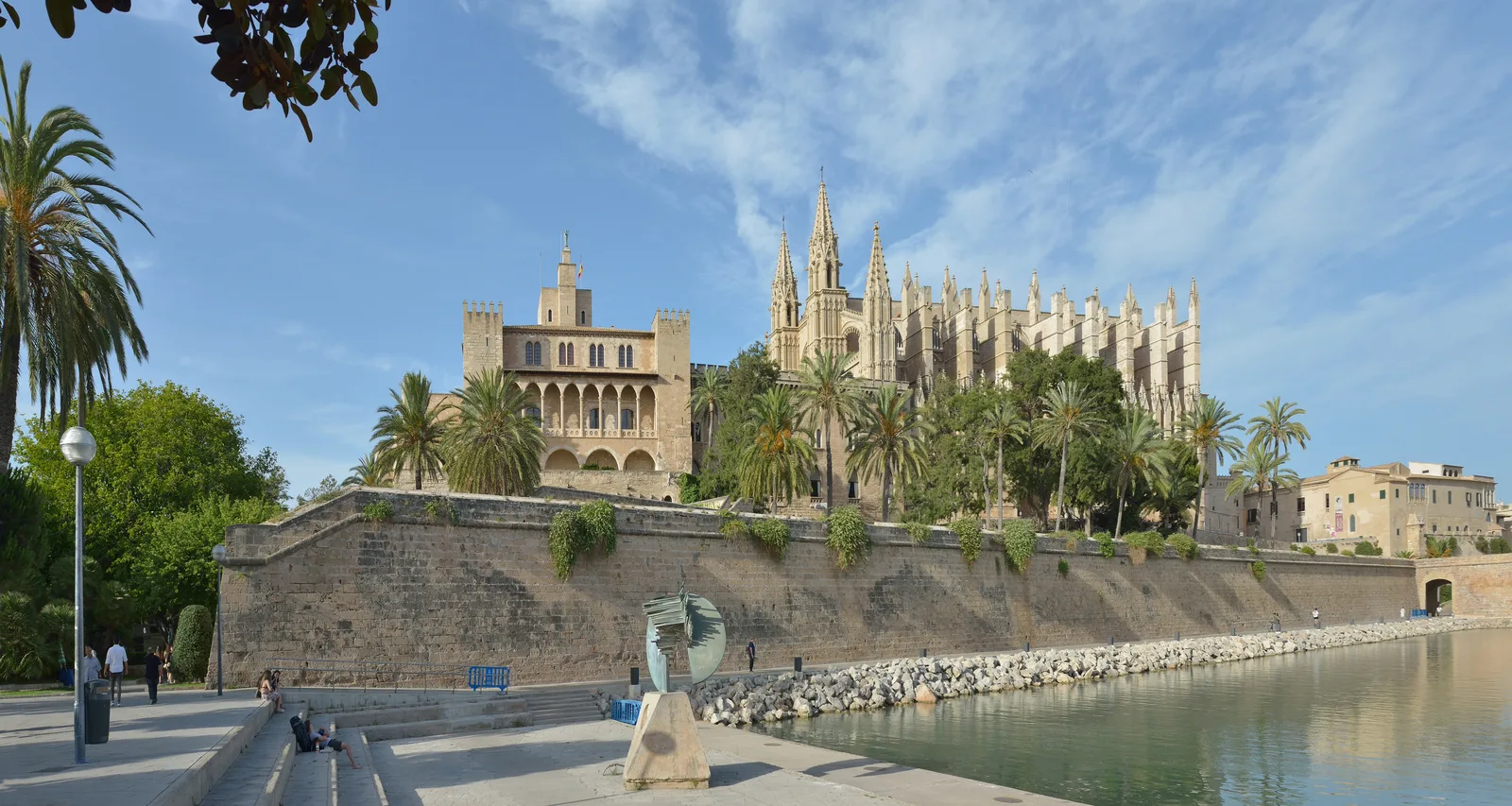
The cathedral and La Almudaina dominate the view above Parc de la Mar, but Palma’s history is broader than one skyline. Islamic Mallorca, the Christian conquest of 1229 and the subsequent development of Gothic religious and royal buildings help explain why different periods sit so closely together. The former mosque site and later cathedral express a particularly significant change in the city’s history.
The Royal Palace of La Almudaina remains an official royal residence, rather than simply a picturesque ruin. Modern and contemporary artistic interventions add further layers inside the cathedral and in the city’s museums. Look for those connections as you walk: Palma becomes more interesting when its monuments are understood as buildings repeatedly adapted, restored and used.
The Old Town rewards short, connected walks
Base an initial route around the cathedral, the palace, Parc de la Mar and the adjoining historic streets. Then give yourself permission to slow down. Courtyards, small squares, stone doorways and the changing light between narrow lanes are part of the visit, even when they do not involve a ticket or a named attraction.
For accommodation, inspect the route as carefully as the address. A central position may come with stairs, restricted vehicle access or a longer luggage walk than the map suggests. Travellers needing easier movement should consult Palma’s accessible routes and visitor information and ask properties for specific entrance and lift details. Historic character and practical accessibility need to be assessed together.
Choose the cathedral visit that suits you
La Seu is the principal architectural landmark, with a Gothic interior and later contributions associated with Antoni Gaudí and Miquel Barceló. The cathedral’s official visitor routes distinguish several products. At review, standard adult admission is €11 and includes the Museum of Sacred Art of Mallorca, known as MASM. The cathedral, museum and audioguide package is €16; the terrace-inclusive package is €25.
Choose the experience before comparing prices. Terrace access is seasonal and involves age, mobility and health restrictions; it is not an interchangeable upgrade for every visitor. The cathedral’s access guidance also explains appropriate clothing and the difference between accessible main visiting spaces and the terraces. Confirm the route’s actual times and entrance instructions, especially around worship and special events.
During checks, the cathedral’s main website was intermittently unavailable. Its official ticket service is another place to check availability; contact the cathedral if no visits appear.
La Almudaina deserves its own attention
The palace stands beside the cathedral, making the pair an obvious geographical combination. Its royal rooms, courtyards and relationship to the waterfront offer a different perspective from the religious building next door. Allow time to read the interpretation rather than using the palace solely as a background for exterior photographs.
Patrimonio Nacional publishes Tuesday–Sunday opening, with Mondays closed. The main schedule runs 10am–6pm in October–March and 10am–7pm in April–September, with last access an hour before closing. Official functions can affect access. Confirm the price and available visit through the live booking information: the main visitor page and ticket references did not agree during research, so a single admission figure would be misleading here.
Bellver changes the view of the city
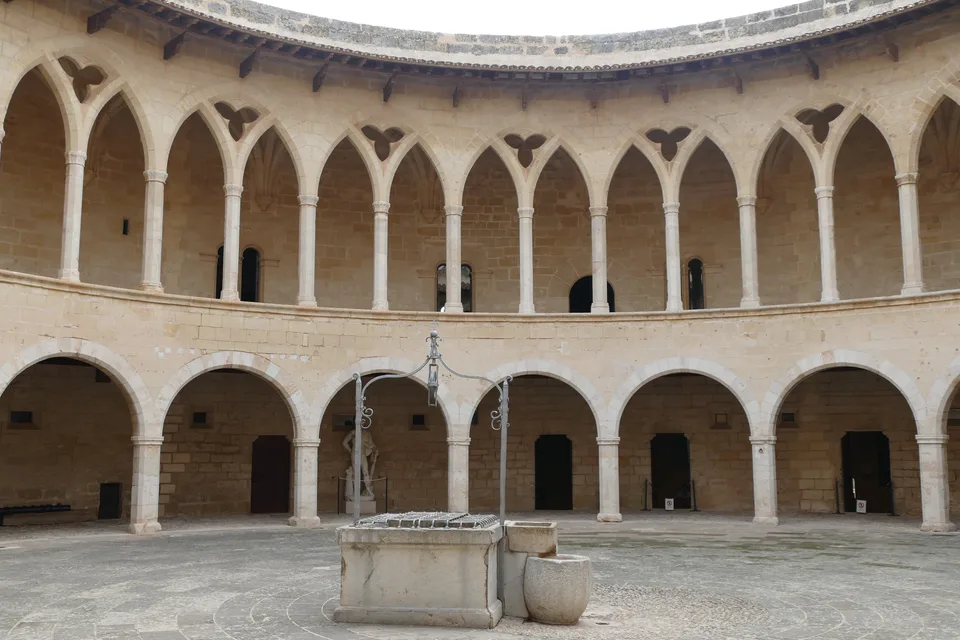
Bellver Castle sits above Palma in a wooded setting, trading the Old Town’s enclosed streets for a wider view of the bay. Its circular Gothic plan is a major part of the interest: the courtyard and surrounding galleries make the geometry legible once you are inside. It is worth choosing for architecture as well as the panorama.
Think through the approach before leaving. A hilltop visit means an uphill journey or a transport arrangement, not merely another level stroll along the waterfront. Take water, avoid the hottest part of a summer day and confirm current admission and opening arrangements with the city’s visitor service. Do not plan around an unverified free-entry day or assume every route is suitable for limited mobility.
Es Baluard adds contemporary Palma
Es Baluard places modern and contemporary art within the setting of the old Renaissance walls. Its exhibitions and outdoor viewpoints offer a useful counterbalance to the cathedral and palace. You can connect a visit with the western side of the centre rather than making a separate cross-city excursion.
The current general ticket is €8. Published museum hours are Tuesday–Saturday, 10am–8pm, and Sunday, 10am–3pm; Monday is closed, and ticket sales end thirty minutes before closing. Friday admission operates on a pay-what-you-decide basis from €0.10. Check the conditions of reductions and special arrangements directly. The museum describes ramps and lifts, making its detailed access information useful when planning a less physically demanding cultural day.
Visit Miró as a place of work, not just a famous name
The Fundació Miró Mallorca connects Joan Miró’s art with the spaces in which he worked, including the Sert studio, Son Boter and the later museum building. It gives an art-focused stay a different rhythm from monument-hopping in the centre. Allow a dedicated visit and the journey to its Saridakis address.
General admission is €10 and the foundation is cashless. Mondays are closed, and tickets stop forty-five minutes before closing. Summer and winter afternoon hours differ. Its current transport notice reports diversions affecting EMT routes 46 and 47 because of works on the Saridakis viaduct. Use the live directions rather than an old screenshot promising a particular bus approach, and confirm the walking section if slopes are an issue.
Santa Catalina and the markets reward an earlier start
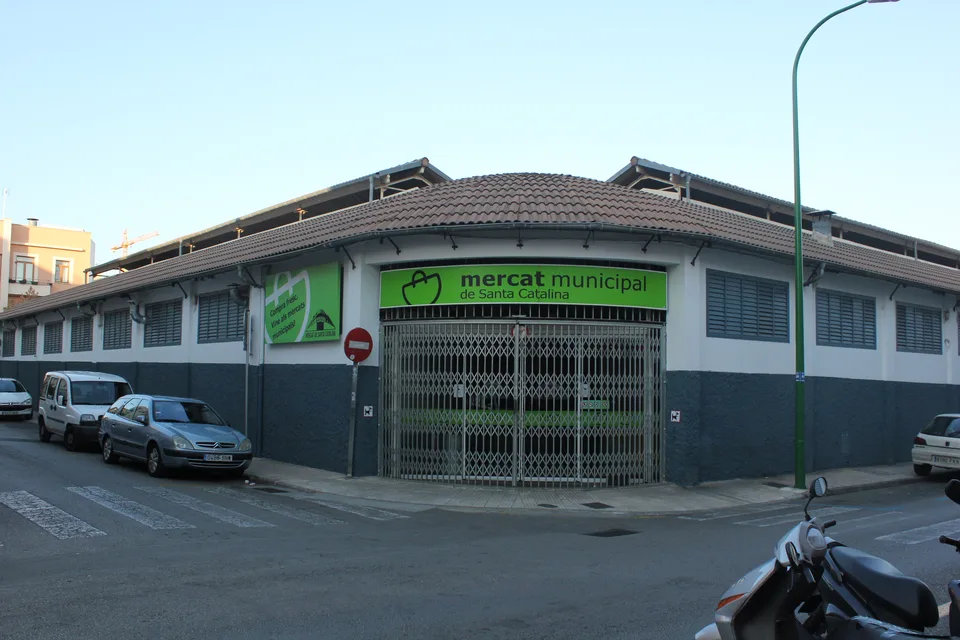
Santa Catalina’s market and surrounding streets offer a change from the monumental centre. Food shopping, prepared dishes and cafés coexist in a district with maritime roots. Visit with an appetite and a little time, rather than expecting every stall to remain open for a late afternoon sightseeing round.
The official market directory is also useful for comparing other food-shopping stops, including Mercat de l’Olivar and Pere Garau. Different markets suit different routes and shopping needs. Ask about individual traders’ hours, seasonal produce and preparation before ordering. If you are considering living here, a market visit is an opportunity to test practical shopping rather than simply to buy an expensive souvenir lunch.
Follow the waterfront towards Portixol and Es Molinar
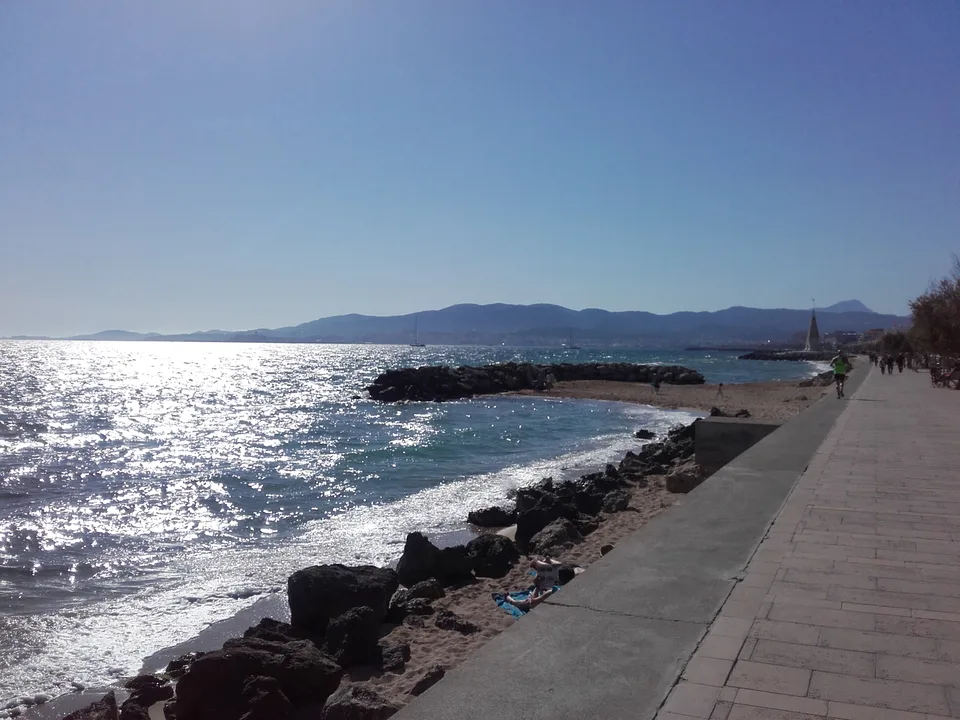
East of the historic centre, Portixol and Es Molinar make the bay feel like part of everyday life. The promenade, small harbour setting and stretches of waterfront invite a walk with breaks rather than a complicated sightseeing programme. Decide how far to go before setting out, particularly if the return would fall in the hottest hours.
The official Es Molinar promenade information describes small coves and a cycle connection. It also notes that the natural bathing area lacks dedicated lifeguard provision and access for people with reduced mobility. A pleasant promenade should therefore not be mistaken for a fully accessible, supervised swimming facility. Check sea conditions and the particular entry point before deciding to bathe.
Match the neighbourhood to the holiday
For a first cultural visit, the Old Town or adjoining centre keeps many outings straightforward. Around the central shopping streets and Plaça d’Espanya, transport and ordinary errands may be easier than in a particularly secluded historic lane. Santa Catalina suits travellers who value food and independent evenings, provided the specific room is compatible with their tolerance for street activity.
Portixol and Es Molinar favour a seafront routine, while western hotels can work well for Bellver or Miró plans. These choices involve different walking and bus journeys. Can Pastilla and Playa de Palma offer a different beach-oriented stay farther along the bay. Check the actual address, not just the destination label, and compare the cost of repeated evening journeys.
Book accommodation with the full price visible
A hotel, guesthouse and apartment can produce quite different versions of the same trip. Ask whether breakfast, cooling, cleaning, parking and late arrival are included. For an apartment, inspect the kitchen equipment and the terms for luggage storage; for an older building, check the stairs, lift and room layout rather than assuming photographs show every access issue.
Holiday-rental regulation also matters. The Balearic government restricts new tourist accommodation in multi-unit residential buildings. This does not mean every existing authorised stay is prohibited, but a marketplace listing alone is insufficient evidence of legal status. Request the appropriate registration details and check doubtful arrangements with the tourism authority before paying. A holiday booking and a residential tenancy are different arrangements.
Airport buses: distinguish cash fares from discounts
Palma’s airport is PMI. Aena lists the A1 connection to Palma centre, the A2 towards s’Arenal and separate island airport services. Choose the route for your accommodation, then verify the stop and operating hours for the arrival date. The airport is not a station on the island railway, so a rail-based onward journey requires a transfer.
On EMT’s current fare page, a cash single is €5 for the airport and €2 for ordinary urban or port travel, without a transfer included. Cash payments onboard are limited to €10. Contactless bank-card travel has separate discounts, including group arrangements; do not assume the cash price is the only option. Airport routes A1 and A2 are for journeys to or from the airport, not intermediate local trips.
Learn the difference between EMT and TIB
EMT covers urban journeys; TIB is the wider public-transport network for island buses, trains and metro services. The distinction affects both route planning and how you validate payment. A familiar-looking card reader does not establish identical rules across operators, and resident concessions should not be mistaken for a visitor entitlement.
For TIB bank-card travel, use the same card and device when tapping in and out. On its buses, groups tap in for each traveller and tap out once for the group; train and metro station validation differs. Read the current instructions before travelling. Choose a realistic final return for an excursion and allow time to locate the correct station or stop instead of planning around a tight connection between unrelated services.
Arriving by sea and deciding whether to drive
When comparing a ferry with a flight, verify the destination port as well as “Mallorca”. Baleària’s route information distinguishes island connections; Palma and Alcúdia are separate ports with different implications for reaching the city. Check the actual berth, check-in deadline, baggage arrangements and any vehicle booking before arranging onward transport.
For a central stay, a car can introduce parking and access complications without improving a cathedral-and-market day. Compare hiring for selected island outings with keeping a vehicle throughout. Ask the property about lawful access and parking, and read the rental company’s licence, insurance and fuel conditions. Never assume that a navigation app’s route into a narrow historic street is permission to drive there.
Eat Palma through its bakeries and everyday food
An ensaïmada is an obvious introduction to Mallorcan baking, but fillings and sizes vary. Choose what you can comfortably eat and ask about ingredients rather than treating every version as suitable for the same diet. For something savoury, the llonguet bread roll can become a simple sandwich with tomato and oil or fillings such as cheese, tuna or cured meats.
At markets and restaurants, compare the menu, portion size and final charge before ordering. Fish sold by weight needs an agreed weight and preparation cost. A bakery breakfast and straightforward lunch can leave room for a more considered dinner. When taking food home, check storage needs, airline baggage conditions and the destination’s import rules, especially for meat or dairy products.
Make the budget personal rather than imaginary
Standard adult cathedral entry, Es Baluard and the Miró foundation total €29 at the verified prices above. That is a cultural benchmark, not a recommended compulsory package. Terrace access, guided visits, transport and eligibility for reductions can change the calculation. Hotel and restaurant prices need date-specific comparisons; a single generic daily budget would obscure substantial differences in travel style.
Add the Balearic Sustainable Tourism Tax. The official calculator lists a standard four-star hotel’s May–October rate as €3 per eligible person per night, plus ten per cent VAT: €3.30. Two adults staying four nights would therefore pay €26.40 at that rate. Category, season, age exemptions and longer-stay rules affect other cases. Ask whether the booking quote includes the applicable amount.
Choose a season for the activities you want
AEMET’s Palma airport climate normals provide useful context: in the 1981–2010 reference period, average daily highs were 15.2°C in January and 31.2°C in July. The same station recorded much lower average rainfall in July than October. These historical airport figures are not a forecast or an exact description of every Old Town street.
Spring and autumn can suit a walking-and-culture programme, with weather flexibility still necessary. Summer favours earlier starts, shaded breaks and careful planning for exposed castle or waterfront walks. Winter can be rewarding for galleries and the city itself, but should not be sold to your group as a guaranteed swimming holiday. Check forecasts and transport schedules close to departure, especially before an island excursion.
Four days give the city room to breathe
On day one, orient yourself around Parc de la Mar, the cathedral exterior and adjoining Old Town streets. Keep the afternoon flexible after travelling. Day two can focus on the booked cathedral route and La Almudaina, subject to their opening arrangements, with time for a slower meal and a return through the centre.
Use day three for an early market visit and Es Baluard, then a waterfront walk if conditions suit. Day four can centre on Bellver or the Miró foundation, rather than racing through both to satisfy a checklist. Swap days around Monday closures. If choosing an excursion instead, leave one substantial cultural visit for another trip: Palma works better with time to stop than with every hour committed.
Sóller is an excursion with its own transport system
The Tren de Sóller is a heritage railway experience, distinct from the ordinary TIB network. The operator publishes a €30 Palma–Sóller return and a €40 combined train-and-tram return package extending to Port de Sóller. Confirm the product, day and departures before buying; the town of Sóller and its port are different stops.
Allow time ashore rather than immediately joining the next vehicle. If the purpose is principally to reach a village or the coast, compare the ordinary island transport alternatives with the heritage journey. Do not assume a resident public-transport entitlement covers this private railway. For any mountain or coastal outing, leave a workable return margin before a separately booked flight or sailing.
A possible move needs a different kind of visit
Spend part of a reconnaissance stay doing normal errands: groceries, pharmacy visits, laundry and the journey to a prospective workplace. A central hotel can conceal the practical costs of a home elsewhere. Test routes at the hours you would actually travel and consider what changes outside the visitor season.
Compare the historic centre, adjoining residential streets and seafront districts using your daily needs, not only their appeal on holiday. For children, establish school availability, teaching language, enrolment requirements and transport before selecting a home. For remote work, test calls and uploads from inside the unit. Ask which connection is actually available there, rather than relying on an area-wide promise of fast internet.
Understand the rental term before paying a deposit
Clarify whether the offer is for a habitual home, a seasonal tenancy or tourist accommodation. Ask whether you can stay for the whole intended period and whether another arrangement begins when the holiday season returns. Obtain written terms for rent, deposit, repairs, furnishings, notice and shared building costs, and verify who is entitled to let the property.
Inspect cooling, heating, ventilation, moisture, plumbing and noise from both the street and adjoining units. Request representative bills and confirm which utility accounts you must transfer. Record meter readings and the inventory at handover. Check what happens to the deposit if you leave early or a promised repair is not completed. A lower headline rent can be offset by cooling costs, repeated paid journeys or an unreliable working connection. Keep a temporary base while investigating if the alternatives have not been properly inspected.
Address registration and healthcare are separate tasks
The municipal information on empadronamiento explains registering your usual address with Palma’s population register. This local registration is distinct from immigration permission and does not itself authorise work or a longer stay. Ask which documents apply to your housing arrangement and keep copies of the tenancy and identification used.
IB-SALUT’s Son Espases information provides an official starting point for understanding the public hospital within the regional health system. Confirm entitlement, primary-care registration, specialist continuity and prescriptions before moving. A public hospital’s presence does not guarantee free treatment for every visitor or resident. Check insurance, dependants and any ongoing care needs separately from the housing decision, and arrange language assistance when a reliable explanation is essential.
Tourism uses Spain’s and Schengen’s entry framework
For relevant non-EU visitors, the European Commission’s short-stay guidance explains the Schengen limit of up to ninety days in any 180-day period. Days in other Schengen countries count too, and a visa may authorise less time. Check nationality, passport and application conditions with the Spanish consulate responsible for your legal residence rather than assuming another traveller’s experience applies.
ETIAS is separate from a visa. At review, the official EU ETIAS website says the system is not operating and is not collecting applications. Recheck its live status before departure instead of relying on a projected launch date. VisaWand’s Spain country guide and consultant directory can support preparation without replacing official eligibility decisions.
Work, study and residence require the appropriate status
Consult Spain’s consular information for the activity and duration you intend. Employment, study and a permanent move need their own assessment; a tourist stay or a booked apartment does not create permission to work. The digital-nomad route has specific conditions and should not be treated as a universal entitlement for anyone carrying a laptop.
EU, EEA and Swiss citizens use a different framework. The National Police residence-registration page explains the process for stays exceeding three months. An identification number and local address registration are not substitutes for the relevant rights or permissions. For alternative city bases, compare Barcelona and Madrid, or browse the Spain location directory and destination page. Choose Palma when its island setting and practical everyday arrangements fit the life or trip you actually want.
Official planning resources
Reviewed 15 October 2026. Use the official resources linked throughout this guide for admission, transport, housing and immigration decisions. Prices, services and rules can change; confirm the details relevant to your dates. Photography illustrates the locations and is not a live view.
View all official resources
- Palma tourism foundation: official destination information
- Mallorca Cathedral: visitor routes and prices
- Mallorca Cathedral: access, dress and terrace restrictions
- Patrimonio Nacional: Royal Palace of La Almudaina
- Palma tourism foundation: Bellver Castle
- Es Baluard: current admission and access
- Fundació Miró Mallorca: visits, fares and transport notices
- Palma tourism foundation: market directory
- Palma tourism foundation: Es Molinar promenade
- Aena: Palma airport bus connections
- EMT Palma: current urban and airport fares
- TIB: bank-card travel and validation
- Tren de Sóller: official trains, trams and tickets
- Balearic tourism agency: tourism-tax calculator
- AEMET: Palma airport historical climate normals
- Palma tourism foundation: ensaïmada
- Palma tourism foundation: llonguet rolls
- Balearic government: restrictions on new holiday lets
- IB-SALUT: Son Espases hospital management and services
- Palma municipal electronic office: address registration
- European Commission: short-stay Schengen applications
- Spanish Foreign Ministry: consular visa and residence information
- Spanish National Police: EU residence registration
- Spanish Foreign Ministry: digital-nomad visa information
- European Union: live ETIAS status
- Palma tourism foundation: accessible routes
- Baleària: Barcelona and Balearic ferry routes
- Mallorca Cathedral: officially linked ticket service
Plan the next part of your journey
Explore the Spain guide, browse other cities or compare consultants for your travel and relocation questions.