Visa
Seoul at a glance: palaces, collections and contemporary streets
Seoul combines palace history, traditional-house streets, major museum collections and contemporary café and shopping districts. Plan a few connected areas each day; otherwise cross-city transfers can consume time better spent at the places that brought you here.
Airport arrival, accommodation and the activities you expect to repeat belong on the same map. A room can work well for one itinerary and be less convenient for another, even when both are described as central. For a possible move, make a separate map of the workplace or campus, candidate homes and household services. The visitor's experience provides an introduction; the ordinary daily route determines whether an address is a practical residential choice. See VisaWand's South Korea guide, destination page, location directory and consultant listings for wider planning.
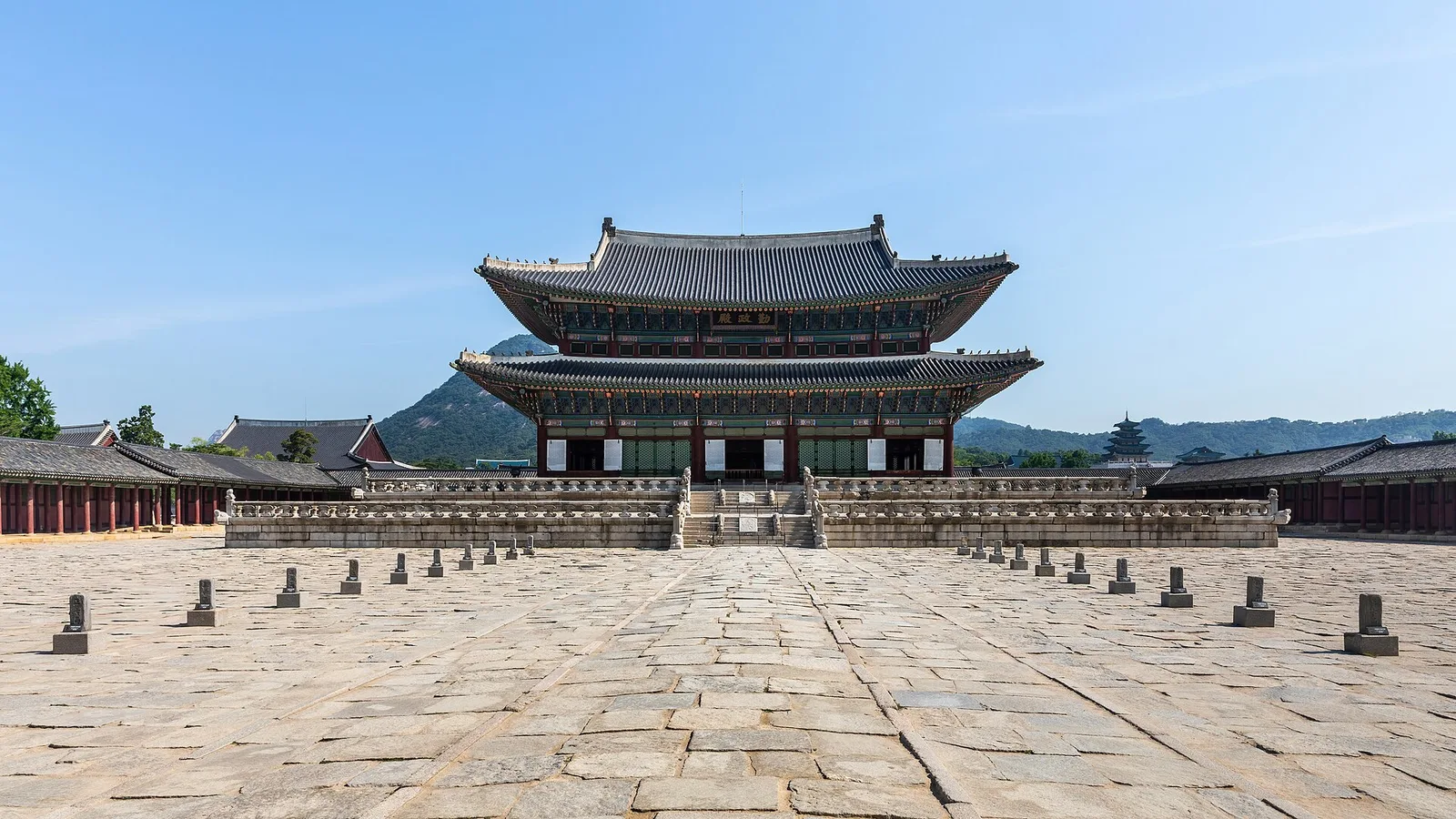
Gyeongbokgung and the history of Hanyang
Seoul's official visitor page for Gyeongbokgung (source unavailable) dates the palace to 1395 and identifies it as the main Joseon palace in the new capital then known as Hanyang. Its account also describes subsequent rebuilding and restoration. That history is useful when looking at the buildings: the site tells a story of royal authority and later reconstruction, rather than presenting every structure as an untouched survival from one date.
The visitor page lists Tuesday as the usual closure day, with a public-holiday exception that shifts the closure to the first following non-holiday. Check the actual calendar before fixing a short itinerary. It publishes a ₩3,000 admission price for foreign adults aged 19–64 and directs readers to the operator for other categories and discounts. Choose whether a guided visit suits you, and confirm the available language and departure. Allow the palace its own time rather than squeezing it between two distant bookings.
Bukchon: traditional houses and residential restrictions
The city's Bukchon special-management notice identifies the red zone around Bukchon-ro 11-gil as a residential area with restricted tourist visiting hours. Tourist visits there are prohibited from 17:00 until 10:00 the following morning, with enforcement from March 2025 and a published ₩100,000 fine. The restriction concerns the marked zone; it should not be extended indiscriminately to every street described broadly as Bukchon.
Follow the current zone signs; the city also describes Sunday as an alleyway rest day. A photograph of a traditional house does not turn its doorway or interior into a public attraction. Keep the walk quiet, avoid blocking entrances and use designated public facilities. The notice distinguishes orange and yellow management zones from the red zone, so consult the actual boundaries before selecting a route. A late arrival at the restricted streets is a reason to choose another activity, rather than treating the rule as a suggestion.
Ikseon-dong’s cafés and hanok alleyways
The official Ikseon-dong visitor page describes traditional-house alleyways used by fusion cafés, restaurants and shops, in contrast with the neighbouring Insadong area's more traditional character. It identifies Jongno 3-ga Station, served by lines 1, 3 and 5, as the nearest subway reference point. That combination makes the area useful to consider for a food or shopping stop within a wider historical-centre itinerary.
Treat it as an area to explore selectively rather than assuming every business is a destination in itself. Choose a menu or shop that interests you and check its own opening arrangements; a district’s appeal does not establish an individual kitchen’s ingredients, price or availability. The narrow alleyways also call for a realistic walking plan when travelling with luggage or needing more space. Ikseon-dong’s commercial activity and Bukchon’s marked residential restrictions are different contexts. Do not infer that the rules or access arrangements of one apply unchanged to the other.
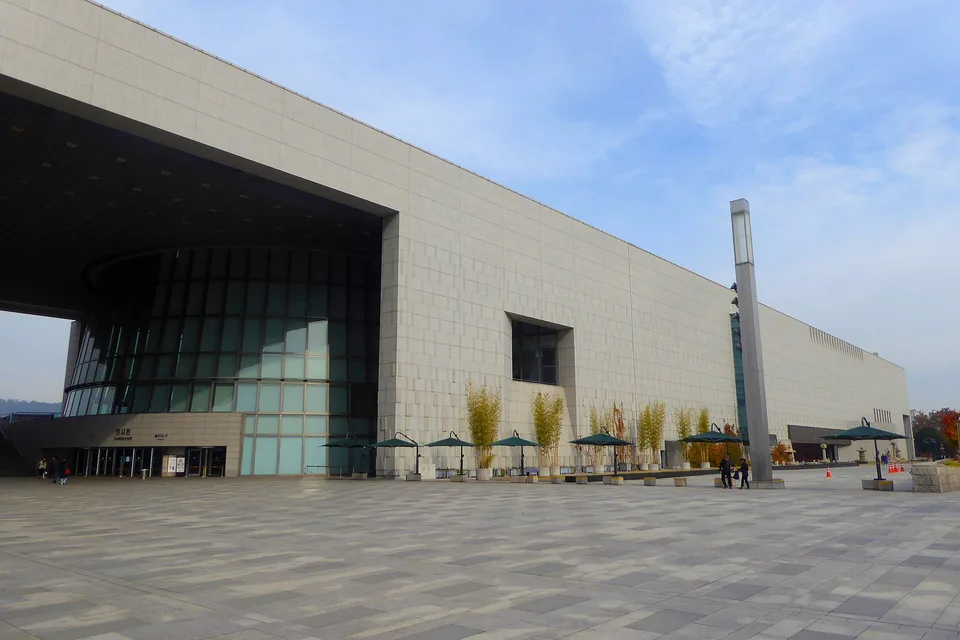
National Museum of Korea: what to see and how to visit
The National Museum of Korea's own visitor information distinguishes free permanent exhibition halls from charged special exhibitions. Its regular hours are 09:30–17:30 on Monday, Tuesday, Thursday, Friday and Sunday, with Wednesday and Saturday opening until 21:00; last admission is half an hour before closing. It also publishes holiday and gallery-maintenance closures, which matter more than a general assumption that a major museum opens every day.
The Room of Quiet Contemplation provides a specific focus: two pensive bodhisattva statues, designated National Treasures, dating respectively from the late sixth and early seventh centuries. Their crossed-leg posture and fingers touching the cheek invite close attention to form rather than a rapid tour past display cases. The museum asks visitors, including guided groups, to remain silent in this room. Families using the Children’s Museum need its reserved sessions. Wheelchairs and strollers are available in the Great Hall, with strollers limited to children up to 15 kilograms; lockers and a first-floor lactation room provide other practical support.
Hongdae’s contemporary shops and evenings
The Korea Tourism Organization's Hongdae introduction places its appeal in a youthful mix of clothing, cosmetics, books, household goods, cafés and restaurants. It also describes street performances and the area's artistic associations. Use that mix to select an outing that differs from a palace visit or museum afternoon, rather than expecting the entire city to offer one uniform experience.
Choose the shops or type of evening that interest you, with time to explore a manageable area. A description of busking does not promise a performance at the hour you arrive, and a lively district does not establish a particular venue's programme or entry conditions. For accommodation, compare the specific street and room with your sleep preferences and onward journeys. The airport railway's all-stop service includes Hongik University Station, but its usefulness still depends on the property's final walk. Keep the transport connection and the district's atmosphere as separate parts of the room decision.
Where to stay for the journeys you will repeat
For a short stay focused on Gyeongbokgung, Ikseon-dong and the historical streets, compare addresses that make those repeated journeys straightforward. If Hongdae's contemporary shops and evenings are the main interest, assess its individual properties and transport connections. A district name can narrow the search, but the actual entrance, street and station route determine how the room works for you.
Compare hotels, guesthouses, hostel rooms and any self-catering option using the same dates and occupancy. Establish bathroom arrangements, lift access, room size, windows, heating or cooling, arrival instructions and cancellation terms. A very small room may suit one traveller and become inconvenient for a household carrying more luggage. For a longer visit, cooking, laundry and reliable internet can outweigh a striking lobby. Temporary accommodation can also give someone considering a move time to inspect homes before taking on a residential deposit and contract.
Incheon Airport: express or all-stop railway?
AREX's operator information distinguishes the express train from the all-stop service. The express connects Seoul Station with Incheon Airport terminals 1 and 2, with published running times of 43 and 51 minutes respectively. Its page currently quotes an adult price of ₩13,000 alongside higher standard-tariff figures; verify the price and conditions offered for the departure before paying. Express boarding requires its own ticket.
The all-stop route includes Hongik University, Gongdeok and Gimpo Airport among its stations. That route can suit a different accommodation address from one best reached through Seoul Station. Compare the complete journey, including station exits, transfers and the walk with luggage, rather than selecting solely on the express running time. A quoted railway journey does not include immigration, baggage collection or the final trip to the room. For departure, confirm the airport terminal and protect the airline's required arrival time with an appropriate earlier connection.
Subway fares, refundable deposits and transit cards
Seoul's published subway fare table lists an adult base fare of ₩1,550 with a transit card and ₩1,650 for a cash single-ride ticket, following the June 2025 adjustment. It describes distance-related additions, so the base figure is a starting point rather than a promise that every cross-city journey costs the same. Its commuter-pass material includes separate dated information, which should be checked before choosing a long-term product.
For a single-journey subway ticket, pay the fare plus a ₩500 deposit at the station machine. Return the card to the deposit-refund device at the destination to recover that amount. These tickets are for subway travel; they cannot be used on buses. A reusable transit card serves a different routine, particularly when combining modes. On buses, the city’s instructions are to board at the front, tap the card, press the stop bell and tap again before leaving through the rear. Choose the route and payment method together, with the station exit and any accessibility requirement included in the plan.
Gwangjang Market: food and everyday trade
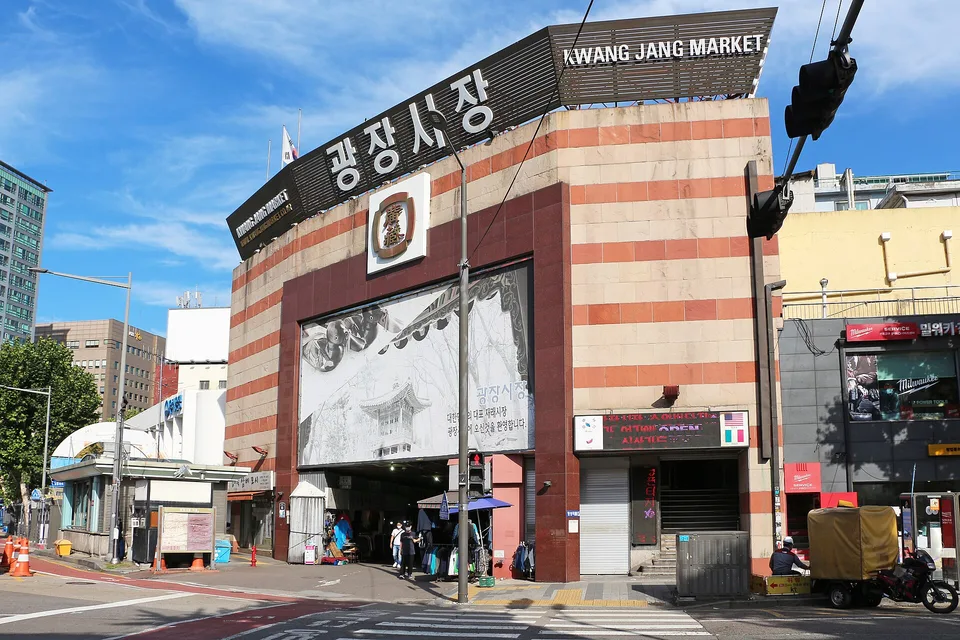
KTO's Gwangjang Market information describes a wholesale market with textiles, clothing, groceries, dried fish, bedding and crafts as well as its food street. Its food-area reference points include the East Gate, North Gate 2 and South Gate 1. Those details give the visit a clearer purpose than simply following the busiest aisle.
Decide whether you are coming for a meal, a particular purchase or a look at trading activity. Read the menu and displayed price before ordering, and ask about ingredients when dietary restrictions matter. A general market listing cannot establish what every individual stall serves or charges. The tourism page distinguishes the food street's opening arrangements from the wider market's Sunday closure, so confirm the business you need rather than treating every section as interchangeable. Leave enough room to browse without blocking working stalls. If shopping for something to take home, include its size, care and luggage implications in the decision.
A budget built from verified fares
At the quoted AREX adult price, one ₩13,000 express journey and two ₩1,550 subway base fares total ₩16,100. This is a sample calculation, subject to the applicable railway price and distance additions; it is not an integrated ticket or a complete daily allowance. Put the return airport trip and any separately ticketed exhibition on their own lines.
Compare rooms for the actual dates, occupancy and cancellation terms. Use current menus for meals, and separate shopping from essentials so discretionary purchases remain visible. Free permanent-gallery admission can make the National Museum useful within a budget, while still leaving food and travel costs. For a resident, calculate the repeated commute, deposit commitment and household bills separately from the visitor itinerary. A short trip's spending pattern is insufficient evidence for a sustainable monthly budget.
Four seasons and when to visit
Seoul's climate overview describes four distinct seasons: spring can have sharply cooler evenings, summer is hot and humid with monsoon rain, autumn brings changing colours, and winter is very cold. That seasonal contrast affects a palace courtyard, an alley walk and a long evening outdoors differently from a museum visit.
Choose spring or autumn when milder walking conditions are a priority, while allowing for the forecast on the actual dates. A general description of flowers or foliage does not guarantee a particular display during your stay. In summer, put indoor breaks into the route and retain an alternative for a longer outdoor activity. Winter calls for clothing suited to the cold and a plan that does not depend on spending the entire day outside. Use current weather and air-quality information for daily decisions. Historic festival references in the overview are background, not confirmation of this year's event dates or special palace access.
A realistic three-day Seoul itinerary
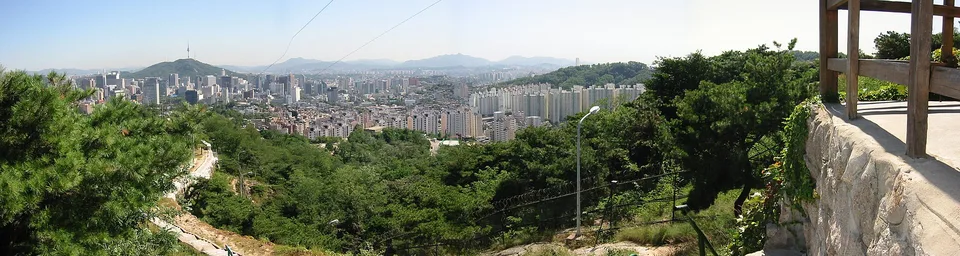
Use this suggested itinerary as a sequence of experiences, then adapt it to confirmed opening dates and weather.
Day one centres on Gyeongbokgung and the historical streets. Give the palace the main visit, arranging the date around its actual closure calendar. If Bukchon's marked red zone is included, visit within permitted hours and keep the residential boundaries clear. Choose an evening meal elsewhere rather than extending that restricted walk after 17:00.
Day two gives the National Museum of Korea a substantial allocation of time. Select the collections or exhibition that interest you and follow the separate reservation process if using the Children's Museum. Keep the evening flexible after a longer indoor visit.
On day three, combine a market visit with time in Ikseon-dong, or choose Hongdae for a different shopping and café experience. Avoid trying to fit every district into one afternoon. A fourth day can accommodate Suwon; for a shorter stay, compare the excursion with the Seoul experience it would replace. Protect departure day from a distant outing that leaves no margin for the airport journey.
Suwon Hwaseong: a separate fortress excursion
KTO's Suwon Hwaseong introduction connects the fortress with King Jeongjo and the relocation of his father Crown Prince Sado's tomb. It records World Heritage designation in 1997 and describes the wider visitor area around Paldalsan, Jangan Park, Yeonmudae and Paldalmun Market. Suwon is a separate destination to assess, rather than another neighbourhood in a Seoul city walk. Compare VisaWand's Suwon location page.
Choose a manageable portion of the fortress experience and identify which interiors or associated attractions you intend to enter. The tourism listing distinguishes the fortress from Hwaseong Haenggung's opening arrangements, so use the linked operator for the selected visit's current conditions. Compare the outward and return routes and allow time for walking and a meal. A complete excursion may be more satisfying than a hurried stop added between two Seoul bookings. For a possible residential move, compare Suwon through the actual workplace and household route instead of assuming that shared metropolitan connections make every commute equivalent.
Jeonse, wolse and the residential deposit
Seoul's official housing introduction distinguishes jeonse, where a substantial deposit is central to the rental arrangement, from wolse, where a deposit is combined with monthly rent. These are different cash commitments. A comparison based only on the monthly figure can therefore miss the amount tied up at the start and the terms governing its eventual return.
Before signing, obtain a clear explanation of ownership, existing rights affecting the property, the proposed contract and the deposit protection appropriate to the case. The city's page links foreign-language real-estate agencies and describes transaction consultation for international residents. Use those resources when the documents or risks need qualified interpretation, and confirm the current service arrangements before attending. Do not treat an advertised deposit return as automatic protection against a dispute or default. Compare the full housing commitment with income, available savings and the commute, and retain an adequate margin for household setup and an unexpected change of plan.
Choosing a home around the commute
Use a candidate address to test the routine you will repeat: leaving home, reaching the station, transferring if necessary and arriving at work or class. Make that journey at a relevant time before deciding the commute is comfortable. The attraction of a lively evening district may matter less than an awkward connection made twice each weekday.
Inspect the actual room layout and establish heating, cooling, ventilation, storage and laundry arrangements. Ask which furnishings and appliances remain, and record their condition at handover. Compare the proposed building charges with rent and the deposit, including what is fixed and what depends on use. A larger financial commitment needs a correspondingly clear contract and understanding of the property. Temporary accommodation gives you time to resolve these questions without assuming that a pleasant sightseeing base will also meet long-term household needs.
Household services and the first week
Ask how electricity, gas, water and building charges are billed for the particular home, and who manages each account. Keep the account details and any handover readings with the contract. An advertised furnished room does not establish that all consumption is included or that internet will be ready for the day you intend to work.
Check the provider's installation availability, mobile reception and the space available for work or study. For a household, put healthcare coverage, medicines, schools and childcare alongside the housing decision, with arrangements confirmed through the relevant provider or institution. The requirements will differ between a short visitor stay and someone arriving for an approved job or course. Plan the first week's essentials, then distinguish one-off setup costs from recurring bills. An organised arrival depends on the services actually arranged, rather than a general expectation that a large city makes every household requirement immediate.
K-ETA: check the passport and travel date
The official K-ETA temporary-exemption notice extends the existing exemption for the specified countries and regions through 31 December 2026, using Korean Standard Time. The notice says the extension applies to countries and regions already covered; it does not announce an exemption for every passport holder. A plan for travel after that date needs a fresh check rather than an assumption that the temporary arrangement continues.
Establish the applicable entry route from the passport, purpose and responsible authority before relying on the notice. It also explains that an exempt traveller may still choose to apply for K-ETA to obtain its associated benefits, including arrival-card exemption, with a fee in that case. Keep optional application and mandatory requirements distinct. A K-ETA arrangement concerns the relevant entry process; it is not a substitute for assessing employment, study or a longer residence objective through the appropriate rules and supporting documents.
Korea’s free electronic arrival card
Korea's official e-Arrival Card guide says filing becomes available three days before arrival, calculated in Korean Standard Time, and that the electronic card is free. It provides a check-and-edit process for changed purpose, stay information or departure details before immigration inspection. Prepare those details from the actual itinerary and accommodation rather than a provisional plan you no longer intend to follow.
Consult the site's declaration-eligibility guide alongside the K-ETA information to determine whether the card applies to your circumstances. Keep this form separate from a visa application or permission to work. Submission does not establish that an unrelated residence objective is approved. If plans change, use the official process to correct the record before arrival and retain the information needed to retrieve the submission. The guide includes validity limits and re-entry instructions, so a form submitted for one journey should not simply be reused for a later trip.
Employment and study through their own routes
Use Korea Immigration Service’s official resources to find visa categories, the Korea Visa Portal, HiKorea applications and residence guidance. The authority also provides the Immigration Contact Center at 1345 within Korea, with international contact numbers on its website. Establish the category appropriate to the actual proposed work, employer and duties before signing a lease around a job. Keep the offer and household budget together, and clarify the required permissions with the responsible authority and diplomatic mission.
The government-run Study in Korea visa page distinguishes D-2 degree programmes from D-4 non-degree training, with qualifications for activities that require another category. It identifies admission documents and a mission-specific application process; admission itself does not guarantee entry. Confirm the institution, actual campus and timetable before selecting accommodation. Include tuition, transport and household expenses in the calculation, and establish the payments required before a decision. Employment, education and an eventual permanent-residence objective need their own assessment. A visitor trip can help you explore Seoul, but a room reservation or enthusiasm for staying longer does not establish the permission appropriate to a new purpose.
Official planning resources
Reviewed 14 October 2026. Use the official resources linked throughout this guide for admission, transport, housing and immigration decisions. Prices, services and rules can change; confirm the details relevant to your dates. Photography illustrates the locations and is not a live view.
View all official resources
- Seoul official Gyeongbokgung history and access (source unavailable)
- Seoul Bukchon special-management visitor restrictions
- Official Ikseon-dong area description
- National Museum of Korea visiting hours and tickets
- AREX express and all-stop service information
- Seoul subway base fares and transfer calculation
- KTO Hongdae district character and shopping
- KTO Gwangjang Market products and food area
- Seoul four-season climate overview
- Seoul jeonse and wolse introduction and consultation
- Official K-ETA temporary-exemption extension
- Official Korean electronic arrival-card guidance
- Korea Immigration Service visa categories, applications and residence resources
- Government Study in Korea visa and stay overview
- KTO Suwon Hwaseong fortress and visitor area
- National Museum of Korea: Room of Quiet Contemplation
- Seoul public transport: single-journey deposits and card use
Plan the next part of your journey
Explore the South Korea guide, browse other cities or compare consultants for your travel and relocation questions.