Visa
A former capital best explored at two speeds
Gyeongju rewards a different rhythm from Seoul or Busan. Around the centre, grass-covered royal tombs sit beside streets of cafés and small shops; farther out, temple terraces, wooded hills and a resort lake pull the visitor in different directions. The attraction is the relationship between them: objects in a museum, an excavated burial, a palace pond and a Buddhist sanctuary gradually make the ancient capital intelligible.
Come for Silla history, architecture and walking, with enough time to stay after dark. Two nights give a first visit room for the central sites and a temple excursion. For a potential move, the question changes: a pleasant sightseeing base may be inconvenient for your workplace or university. Start with VisaWand’s South Korea location directory and destination information, then compare actual addresses and journeys rather than treating the whole municipality as one compact neighbourhood.
Understand what survives from Silla
The UNESCO account of Gyeongju Historic Areas describes a collection of places rather than one enclosed monument. Its five components bring together royal burials, palace remains, temple sites, mountain monuments and defensive works. Buddhist sculpture and architecture are central to the story, especially the cultural flowering between the seventh and tenth centuries.
That distinction changes how you look. A grassy expanse can mark the footprint of a lost institution; a carved stone may remain where it was made, while an excavated treasure is displayed elsewhere. Do not expect every stop to deliver an intact palace or a furnished royal interior. Reading a site plan before walking across the ground often reveals more than another photograph. Gyeongju also has a modern life around these remains. Shops and accommodation in traditional-looking buildings belong to different periods, and a tiled roof alone does not establish an ancient date.
Choose between the centre, Bomun and the temple area
For a first visit without a car, examine accommodation around the central tombs and Hwangnam-dong. Hwangnidan Street, also written Hwangridan-gil, concentrates restaurants, cafés, shops and photo studios near major central sights. It is convenient for returning after dinner, but ask about your room’s position relative to busy streets and shared courtyards. A location attractive for an afternoon browse may be less appealing when you want an early night.
Bomunho Lake lies east of the centre in a recreation and hotel district. It suits a stay built around lake walks, resort facilities or a particular property; allow for journeys back to the archaeological area. The Bulguksa side makes sense when the temple and surrounding hills are your priority. Before booking, plot the station, your doorway and your two main activities. Compare the final walk as well as the advertised district, especially with luggage or limited mobility.
Walk among the tombs at Daereungwon
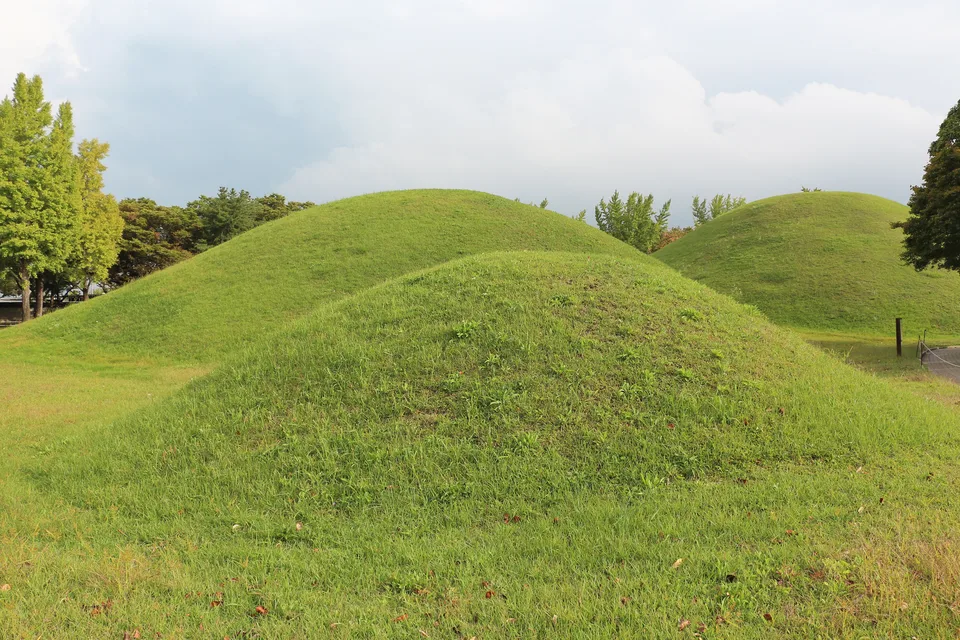
Daereungwon Ancient Tomb Complex makes the city’s unusual landscape immediately understandable. The rounded green forms are burial mounds, not small hills provided for recreation. Follow the paths, leave the mounds undisturbed and allow time to notice their shapes and the spaces between them.
There is an important distinction at the entrance: the city’s admission table lists the Daereungwon grounds as free, while the Cheonmachong interior costs ₩3,000 for a standard adult ticket. Decide whether you want the landscape alone or the added explanation offered by entering the excavated tomb. The latter helps turn a beautiful park-like setting into something more specific. Do not assume that buying one ticket gives access to the interiors of every mound. Explain the burial sites to children before exploring.
Give the National Museum a substantial visit
The Gyeongju National Museum helps connect the outdoor remains with the people and institutions that created them. Its displays cover Silla history and art, material associated with Wolji, and stone works outdoors. Put it early in the itinerary if archaeological sites otherwise tend to feel like unexplained foundations. Choose a few displays to examine closely instead of trying to absorb every label.
The museum’s visitor information lists free permanent admission, with some special exhibitions requiring tickets. Its core visiting hours are 10:00–18:00; check current notices for any evening opening before planning around it. Holiday closures include New Year’s Day, Seollal and Chuseok. Leave photography equipment that conflicts with the rules out of the galleries: flash, tripods and selfie sticks are prohibited. Make this your main indoor visit rather than squeezing it into the final hour before departure.
See Cheomseongdae as part of a longer walk
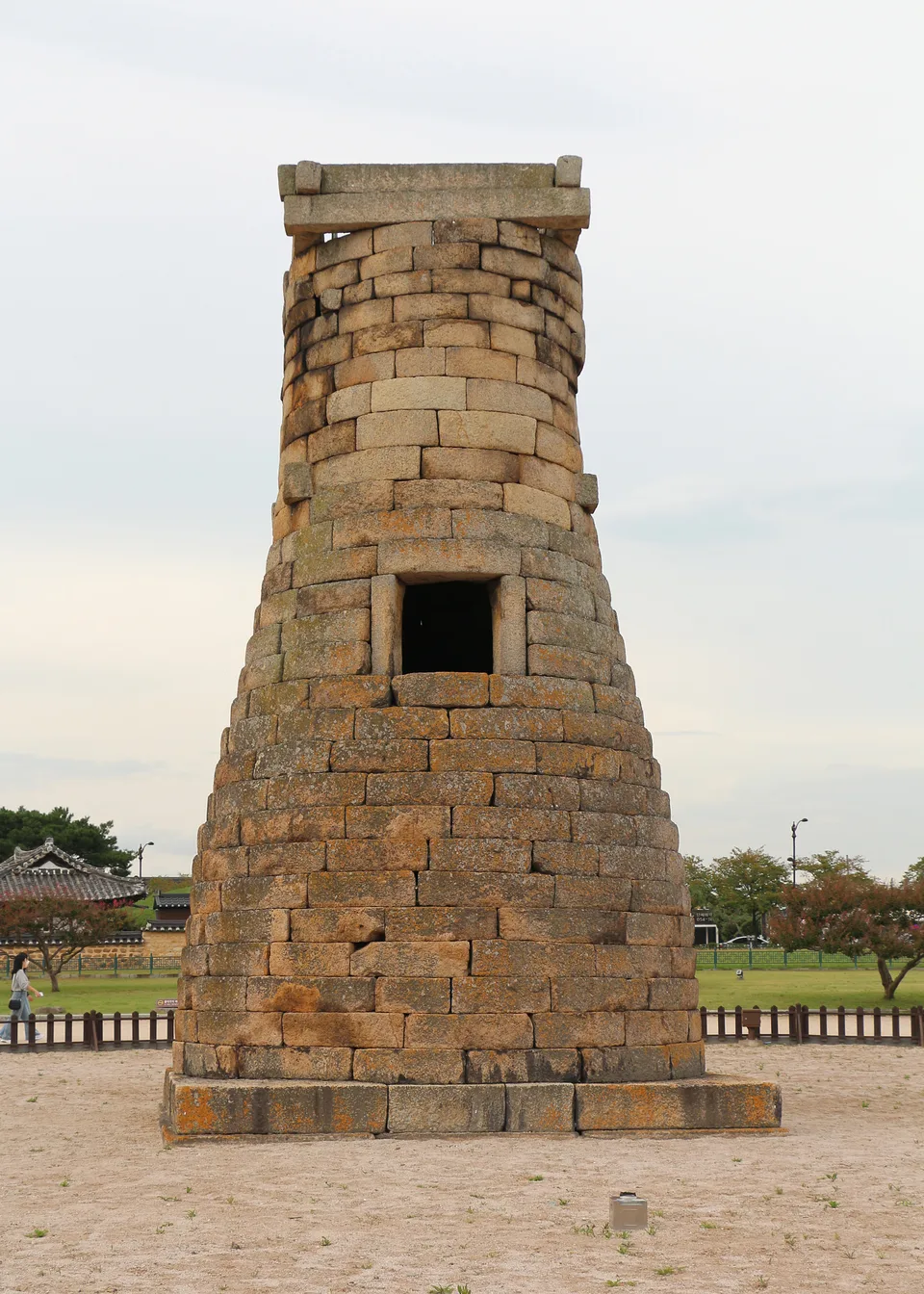
Cheomseongdae’s compact stone form is a useful counterpoint to the larger landscapes around it. It belongs to the Wolseong component of the historic areas, which also contains palace remains and Gyerim woodland. The interest is not just the individual tower but the way the surrounding sites suggest the organisation of a royal capital.
The city lists Cheomseongdae access as free. Combine it with a measured walk rather than treating it as a separate excursion requiring another transfer. Daylight makes the masonry easier to examine, while an evening circuit offers a different atmosphere. Stay on the permitted routes and follow barriers around archaeological work. If walking distance is becoming a problem, shorten the circuit here; adding every nearby name can turn an otherwise enjoyable afternoon into a long march with little time to understand what you are seeing.
Reserve an evening for Donggung and Wolji
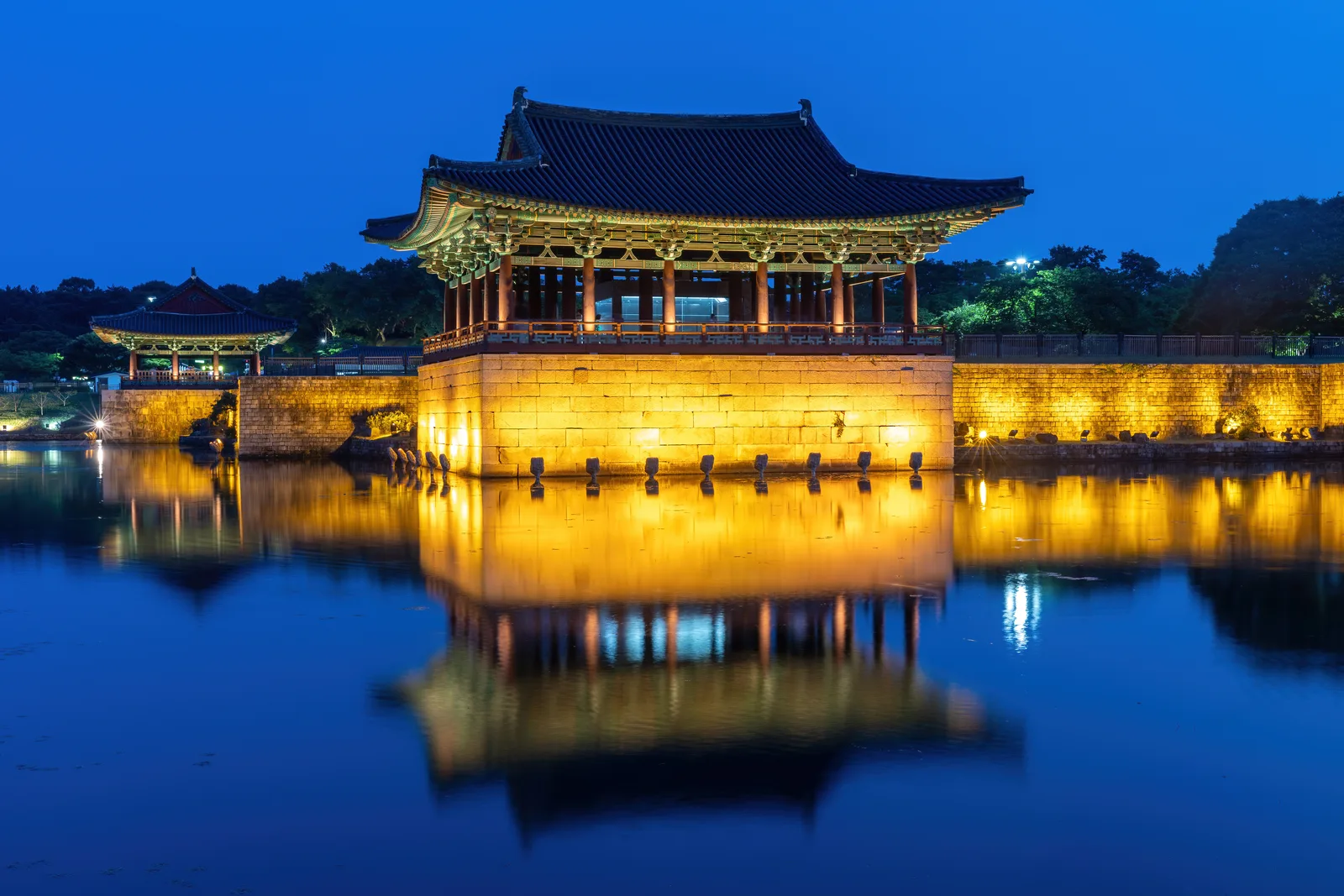
Donggung Palace and Wolji Pond occupies the site of a Silla secondary palace complex associated with royal life and entertaining guests. The pond and illuminated pavilions make this an especially appealing evening visit, but it is better understood as a historic site with reconstructed elements than as a complete surviving palace.
The published hours are 09:00–22:00, with ticketing and admission ending at 21:30. Standard adult admission is ₩3,000. Arrive with a margin: the city warns that crowds seeking the night view can make arrival close to the cutoff unsuccessful. Eat earlier or leave dinner flexible, and establish how you will return to your accommodation. If photography matters, allow time for people to move through the viewpoints rather than expecting a clear reflection immediately. Keep the paths usable for other visitors while choosing a position.
Make Bulguksa a deliberate excursion
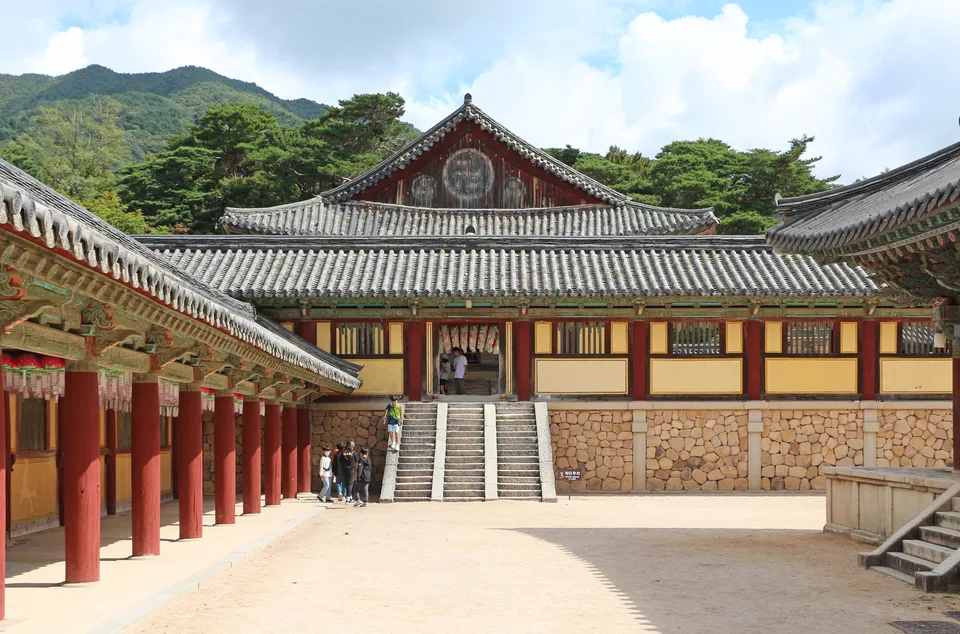
Bulguksa Temple is a different commitment from the central walking circuit. Its terraces, courtyards and decorated buildings deserve attention, and the setting makes the journey part of the visit. Along with Seokguram, it forms a separate UNESCO World Heritage property from Gyeongju Historic Areas. Seeing one does not mean you have covered the other inscription.
The Korea Tourism Organization currently lists temple admission as free. Parking, transport and optional activities remain separate costs. Check the visiting hours for your date rather than arriving at the end of a long afternoon on the assumption that the grounds stay open indefinitely. Wear shoes for steps and uneven surfaces, and establish the accessible approach if needed. This is a religious place as well as a visitor attraction: respect worship, follow photography signs and keep conversations considerate. Look at the relationship between stonework, buildings and hillside, rather than making the visit a search for a single famous viewpoint.
Decide separately whether to add Seokguram
Seokguram Grotto is associated with a seated Buddha and a carefully conceived stone sanctuary. It is not another hall immediately behind Bulguksa. The tourism organisation describes a separation of about three kilometres by hiking trail or nine kilometres by road, an important distinction when estimating the effort involved.
Admission is currently listed as free, but the connection and the approach still require planning. Check the available outward and return transport before leaving Bulguksa, and do not treat a trail distance as a promise of an easy stroll. Weather, footing and your party’s pace matter. Follow the site’s viewing and photography instructions; access to a sacred artwork does not imply permission to approach or photograph every part of it. If the additional journey would leave everyone rushed or exhausted, give Bulguksa more time and leave the grotto for another visit. The combined excursion should serve your interest in Buddhist art, not merely complete a checklist.
Find a quieter change of pace around Gyochon
Gyochon Traditional Village offers a smaller-scale encounter with traditional architecture around the historic Choi clan residence and a Confucian school. It is a useful change from large archaeological landscapes, particularly when you want to look at buildings and pause for tea. The area also contains restaurants and cafés, so a visit can sit naturally between sightseeing and a meal.
Choose what to enter rather than assuming that every doorway is a public attraction. Respect private areas and any ceremonies or organised activities, and check the arrangements for specific experiences before travelling for them. A traditional setting can be enjoyed without booking a costume session or buying a packaged activity. For a short visit, combine Gyochon with a nearby central walk and leave the mountain sites to another day. That keeps the journey coherent and gives room for a break instead of another hurried transfer.
Use Namsan for a walking day, not a spare hour
The city’s Namsan walking introduction describes routes through a landscape of valleys, temple remains and Buddhist monuments. This is an excursion for people who want the physical experience of reaching heritage on foot. It requires a different plan from the central tomb and café circuit, even when both appear under the same destination name.
Choose a marked route that matches your ability and the available daylight. Establish the starting point, exit and return transport, then check weather and trail notices. Carry water and food, and use footwear appropriate for the surface. Avoid building a day around an ambitious hike followed by several distant admissions. If rain or poor footing changes the calculation, move the museum or a shorter urban walk into that slot. You do not need to reach a summit to have a worthwhile day in Gyeongju.
Compare the complete journey into Gyeongju
For rail arrivals, use KORAIL’s reservation service to compare trains to Gyeongju and the fare for your date. The city lists its KTX station information office at 80 Gyeongjuyeok-ro in Geoncheon-eup. The station is outside the central sightseeing circuit: include the onward bus or taxi and the final walk when comparing arrivals. Keep your accommodation’s Korean address available.
From Incheon Airport, one rail option is AREX to Seoul Station, followed by a separately planned KTX journey. Allow time for immigration, baggage, movement between services and a missed connection. If flying into Gimhae, consult the airport’s transport information and verify any Gyeongju coach with the reservation service before relying on its departure. Compare the whole trip with alternatives through Busan or Daegu. An attractive flight fare can lose its advantage if it requires an expensive late transfer or an additional night en route.
Get around by grouping places geographically
The city’s transport overview distinguishes local buses from intercity and express coaches, and links to Bustago reservations and KOBUS. Those longer-distance tickets do not replace the local journey from an arrival point to your hotel. For sightseeing, work with the geography: central sites together, the temple excursion together, and a separate lake or mountain outing if time allows.
Check the actual stop, direction and final return before setting out. A taxi can be useful for a difficult connection, but obtain a fare estimate and clarify the destination rather than assuming a short-looking map distance is cheap. For buses, confirm the payment method and card compatibility; an overseas bank card is not automatically a Korean transport card. Keep a charged phone, an address screenshot and enough flexibility to change the sequence. Visitors who dislike organising connections may find a guided excursion useful, provided its route and time at each stop match their priorities.
Choose a room for sleeping as well as atmosphere
A hanok stay can be part of the appeal, but compare the actual room rather than booking from a courtyard photograph alone. Ask whether sleeping is on a bed or floor bedding, whether the bathroom is private, and how heating and cooling work. Establish luggage storage and arrival arrangements if you reach the city before check-in or after reception hours.
For a hotel or lake resort, examine the facilities you will really use and any separate charges. A pool photograph does not establish seasonal availability, admission conditions or inclusion in the room rate. Compare the full price for your party, breakfast, parking and cancellation terms. With children or limited mobility, request details of steps and the route from a taxi to the room. For a longer stay, laundry and a usable kitchen may matter more than a decorative interior. A central base usually makes the evening simpler when most of your plans are around the historic core.
Eat locally and shop with a little curiosity
The tourism organisation’s Gyeongju food walk highlights ssambap near Daereungwon: rice wrapped in leafy vegetables, accompanied by dishes that can include meat, fish, seasoned vegetables and soybean-paste stew. It is an appealing meal to build a sightseeing break around. Check the set’s contents and any minimum order before sitting down, particularly when eating alone or managing dietary restrictions.
Red-bean-filled Gyeongju bread makes a practical souvenir, but compare freshness, ingredients and the amount you can use rather than buying solely for attractive packaging. Hwangnidan Street supplies opportunities to browse small shops as well as cafés. Ask about the maker and materials if you want something produced locally. Food and craft purchases are more satisfying when you understand what you are buying; neither a traditional façade nor a tourism listing independently establishes quality. For allergies, ask directly about ingredients and shared preparation instead of inferring safety from a translated menu heading.
Budget around the decisions that change the bill
The free tomb grounds, observatory access, permanent museum collection and currently free temple entries let you build substantial days without accumulating admission charges. The main variables are often accommodation and movement between areas. Compare a central room plus a temple journey with a lake property plus repeated journeys into town. Price the version you will actually use.
Separate the train or coach, local connections, meals and selected paid admissions in your notes. Add a reserve for a taxi when a connection fails or your party tires. Do not buy a pass simply because a long list of included places looks impressive: check whether it covers your intended visits, transport and travel dates. Request dated room quotes and read conditions rather than treating an undated nightly average as a promise. A modest plan with enough time at each site can offer better value than an ambitious itinerary that adds transfers and rushed meals.
Choose a season, then plan for the weather
Spring blossom and autumn foliage can make a walking trip especially appealing, but neither follows a guaranteed date. Avoid booking a very short visit around a promised peak day. Summer calls for water, shade and a midday indoor break; winter needs warm clothing, particularly if you intend to remain outside for an evening pond visit.
Use the Korea Meteorological Administration’s forecasts and warnings close to departure and again before a hill walk. Rain changes the comfort of temple steps and trails as well as the attractiveness of a photograph. Keep a museum session available as a flexible part of the programme. Pack footwear you can walk in for several hours and a layer for the return after dark. Weekend and holiday demand can also affect rooms and trains, so establish the major bookings before designing smaller details.
A realistic three-day first visit
On the first day, arrive, leave luggage and walk the central tomb landscape. Add Cheomseongdae if the arrival time allows, then have dinner without committing to a tight sequence. On the second day, give the museum a substantial morning and leave time for a slower central afternoon before the palace pond after dark. Arrange the evening return before heading out.
Use the third day for Bulguksa, adding Seokguram only when the connection and your departure leave a comfortable margin. If you have an early train, reverse the temple and museum days. With one full day, stay in the central area and choose one major interior visit. With a fourth day, consider a marked Namsan walk or a Bomun break, according to your interests. Potential residents should replace an excursion with weekday viewings and a trial commute.
Test an ordinary working week before moving
The city’s housing introduction explains options including apartments, officetels, one-room units and serviced residences. Compare monthly rent and its deposit with any proposed jeonse arrangement, which places much more money into a deposit. Obtain independent advice about the contract, title and deposit protection; a description of how a system normally works is not a guarantee that money will be recovered.
Inspect heating, cooling, damp, noise, storage and laundry. Ask which utilities and building charges are included, how bills arrive, and who handles repairs. Test the journey to the actual workplace or campus on a working day, including the final walk and evening return. A convenient holiday address may add repeated transfers to daily life. Use the city’s telecommunications information as a starting point, then confirm address-specific internet and mobile-contract requirements with the provider. Check grocery access and waste arrangements at the building before accepting a lease.
Arrange healthcare and immigration for your purpose
Check National Health Insurance Service guidance for foreign residents against your own employment and residence status. Workplace enrolment and other resident arrangements follow different rules; do not assume that everyone waits six months or that a visitor is automatically covered. Establish insurance, prescriptions and access to continuing care before arrival.
For entry, use the Korea Visa Portal by nationality, purpose and duration. The official K-ETA notice extends the temporary exemption for the countries and regions already covered through 31 December 2026; it is not an exemption for every passport. Tourism, local employment and study require different permissions. A university admission or job offer does not itself settle the required status, and part-time work should be checked separately. Consult HiKorea for residence procedures and appointments. Renting a home does not create permanent residence. VisaWand’s consultant directory can help identify advisers for questions that depend on your circumstances.
Leave room for a different nearby experience
Yangdong village’s UNESCO inscription belongs to a different strand of Korean history, associated with Confucian village life rather than the Silla court. Treat it as a separate outing with transport planned, and respect the boundaries of occupied homes. It adds more when you have time to appreciate that difference than when squeezed between two central admissions.
For a wider trip, compare VisaWand’s Busan, Pohang and Ulsan location pages, or continue to Seoul. These pages help distinguish destinations and available directory information; they are not all necessarily completed travel guides. Choose the next stop for a change you actually want, such as a larger urban base or a different regional focus, rather than proximity alone. Gyeongju is strongest when given time for both its open landscapes and the evidence that explains them. Leave with a few places understood, rather than a longer list barely seen.
Official planning resources
Reviewed 16 October 2026. Use the official resources linked throughout this guide for admission, transport, housing and immigration decisions. Prices, services and rules can change; confirm the details relevant to your dates. Photography illustrates the locations and is not a live view.
View all official resources
- UNESCO Gyeongju Historic Areas
- KTO Hwangnidan Street
- KTO Bomunho Lake
- KTO Daereungwon
- Gyeongju official attraction fees
- Gyeongju National Museum
- Museum visitor information
- KTO Cheomseongdae
- KTO Donggung and Wolji
- KTO Bulguksa Temple
- UNESCO Bulguksa and Seokguram
- KTO Seokguram Grotto
- KTO Gyochon Traditional Village
- City Namsan walks
- KORAIL reservations
- City tourist information offices
- Seoul Tourism airport rail
- Gimhae Airport public transport
- City transportation overview
- Bustago intercity reservations
- KTO Gyeongju food walk
- Korea Meteorological Administration
- City housing introduction
- City telecommunications
- NHIS foreign resident guidance
- Korea Visa Portal
- K-ETA temporary exemption extension
- HiKorea residence services
- UNESCO Hahoe and Yangdong
Plan the next part of your journey
Explore the South Korea guide, browse other cities or compare consultants for your travel and relocation questions.