Visa
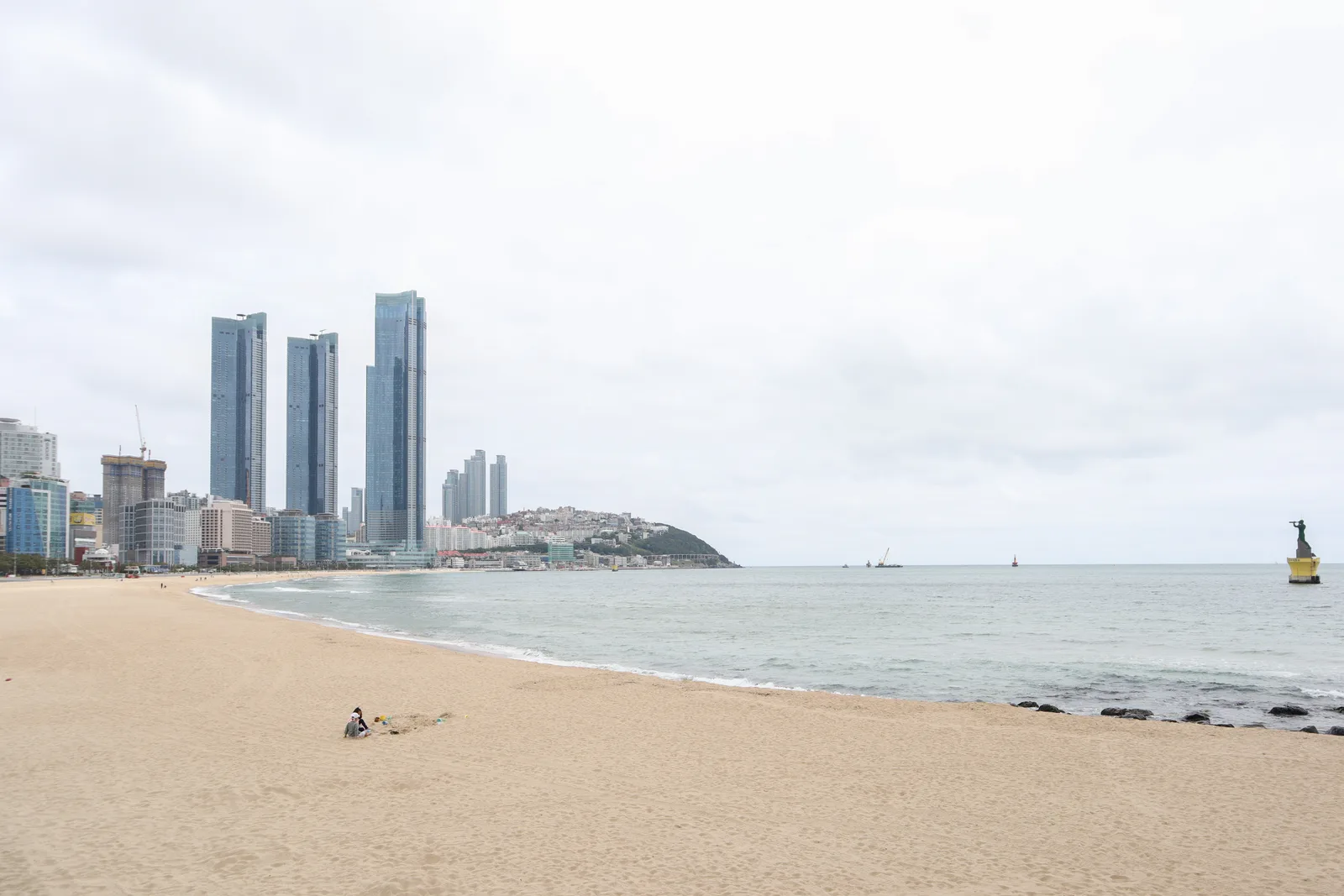
Busan is a coastal city with several centres
Busan’s appeal lies in the contrast between its working harbour, steep residential hills and broad urban beaches. A morning among fish sellers can lead to an afternoon beside glass towers and an evening watching an illuminated bridge across the water. The city occupies South Korea’s southeastern coast, with mountains and waterways shaping the journeys between districts. Choosing a useful base matters more here than collecting a long list of sights.
Three full days give a first visit breathing room; four make an excursion or a slower beach day easier. Busan also deserves consideration as a place to live, provided the actual workplace or campus fits the commute. Use VisaWand’s South Korea country guide for national context and its South Korea location directory to compare destinations. A holiday by the sea and a sustainable weekly routine require different decisions.
Look beyond the postcard history
Busan’s port explains its outward-looking character, but the Korean War is essential to understanding the hillside neighbourhoods and markets. The city’s wartime-capital history describes the arrival of government institutions, international relief and displaced people. Busan became the wartime capital in August 1950 and fulfilled that role during much of the conflict; it should not be described as South Korea’s permanent capital.
That history gives places such as Gamcheon more significance than their colours alone suggest. A house overlooking the port may represent a response to difficult terrain and displacement rather than a picturesque planning exercise. Allow the city’s working life into the visit: ordinary streets, neighbourhood meals and the movement of people between coast and hills reveal as much as a viewing platform. Avoid treating residential districts as scenery arranged exclusively for visitors.
Choose between Seomyeon, Nampo and the beaches
For an itinerary spanning both sides of the city, look first around Seomyeon and compare accommodation against the metro interchange. Its inland setting trades an immediate beach view for connections. Nampo suits a stay centred on the older port districts, Jagalchi and nearby markets. The area around Busan Station can be practical for a train arrival or departure, but check the hotel’s exact walking route rather than relying on the station name.
Haeundae makes sense when beach time is a principal reason for coming. Gwangalli offers a different waterfront setting, with its curved beach facing Gwangandaegyo Bridge. Neither coastal choice makes every western attraction close. Before booking, map two representative days from the actual address: one towards the older city and one towards your chosen coast. Include transfers and the final walk, especially if travelling with a pushchair, reduced mobility or luggage.
Visit Gamcheon as a living neighbourhood
The official Gamcheon visitor page traces its refugee settlement and the community art project begun in 2009. The terraced houses, narrow lanes and hillside outlook make this an absorbing morning, but the attraction remains a place where people live. Use the information centre and marked visitor routes, keep voices down and avoid photographing through windows or blocking doorways. The tourist board explicitly says not to use drones.
There is no general village admission charge, although parking, maps, workshops and purchases are separate. Toseong or Goejeong on metro Line 1 provides a starting point for a local bus connection; check the current service and stop before setting out. The approach and lanes can involve slopes and steps. Anyone who needs an easier route should ask the information centre about a suitable section rather than assuming the entire village is accessible.
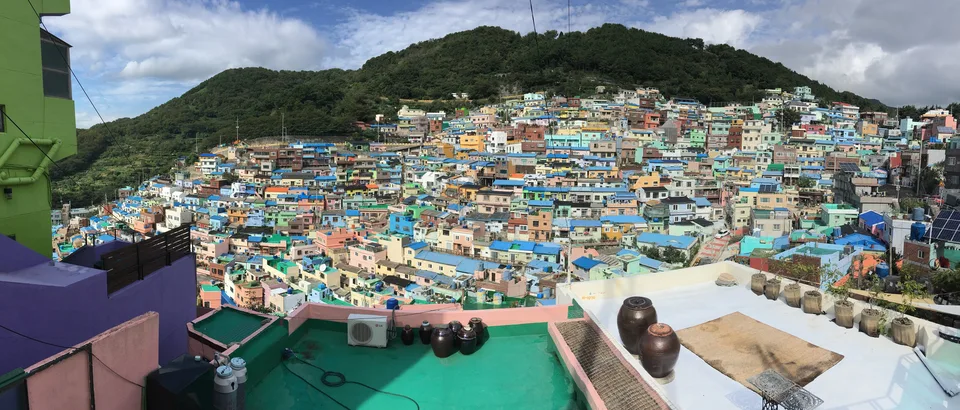
Check Gamcheon’s new visitor map before entering the lanes
The residents’ official special-management notice and map distinguish residential, mixed commercial and monitoring areas. Designation was announced for 1 August 2026, while the general notice gives 1 January 2027 as its effective date. The residential-area visitor window is 09:00–18:00. Plan a daytime visit now, follow signs and staff guidance, and avoid interpreting commercial activity as permission to enter every adjoining residential lane.
The details also matter for organised groups and drivers. Official visitor maps became mandatory for organised groups of ten or more from August 2026. The mapped section of Gamnae 2-ro has tourist-vehicle restrictions, including taxis; the vehicle map specifies a phased guidance period and a January 2028 fine-enforcement date. These are area-specific measures, not evidence that the whole village already has one blanket closure or that every penalty began in August 2026.
Spend an unhurried half-day around Jagalchi and Nampo
Jung-gu’s Jagalchi information describes a market district with seafood stores and restaurants in the modern building, plus neighbouring live-fish and dried-seafood markets. Walking between them gives a better sense of the port’s food culture than treating one hall as the entire attraction. Allow time to look before deciding whether to eat, and respect traders who are serving customers or moving goods.
For a seafood meal, establish what the quoted price covers before agreeing: the fish, preparation, seating and additional dishes may need separate clarification. Ask for a total for your group, with the quantity and cooking style understood. Browsing does not oblige you to purchase. Combine the market with nearby shopping streets rather than scheduling a distant eastern attraction immediately afterwards. Individual businesses keep their own hours, so do not assume every stall operates throughout a broad market-opening window.
Let Haeundae be more than a photograph stop
The city’s Haeundae Beach page lists free beach access and directions from Haeundae Station on Line 2. A stroll along the sand or waterfront can be worthwhile outside swimming season, with cafés and accommodation making it a useful place to slow the trip down. It also gives families an alternative to another sequence of stairs, tickets and transport changes.
Free access is not the same as free equipment, parking or organised activities. Nor does an open beach establish that swimming is supervised or permitted in current conditions. Follow seasonal notices, lifeguards and weather warnings. For accommodation, check whether “Haeundae” means the beach frontage, a station-area street or somewhere farther away. A high-floor view, an openable window, a lift and a quiet night are separate features; confirm the ones that determine whether a room suits you.
Book the Beach Train and Sky Capsule as different products
Haeundae Blueline Park’s current fare page prices a one-way Sky Capsule per vehicle: ₩50,000 for two people, ₩55,000 for three or ₩60,000 for four. These are not per-person fares. Older pages showing ₩40,000 for two should not set the budget. Choose the departure point, direction and passenger count before paying, and plan how to continue afterwards rather than assuming a capsule returns you to the starting station.
The Beach Train is priced separately per person. One ride from Mipo or Songjeong is ₩10,000; from Cheongsapo or an intermediate station it is ₩8,000. Two rides cost ₩14,000, while the all-stations ticket is ₩16,000 with restrictions on repeat boarding at the same station. It is not unlimited metro transport. Decide whether the scenery, a particular coastal stop or the capsule itself is your priority before purchasing multiple products.
Check coastal-ride access and payment arrangements
The operator’s Blueline Park FAQ explains restrictions that photographs do not reveal. Manual wheelchairs can travel on the Beach Train but must be folded in the Sky Capsule; powered wheelchairs are not accepted on either product under the published rules. Pushchairs must also be folded. Contact the operator before booking if transferring from a mobility aid would be difficult, and ask about the complete station-to-vehicle route.
The FAQ also warns that some overseas credit cards may fail authentication. Leave time to resolve payment and retain your booking confirmation. The first boarding is tied to the reservation arrangements; arrive with a margin rather than counting on immediate access after a cross-city journey. Late arrival and cancellation can bring restrictions or charges. A cheaper ticket is poor value if its time, boarding point or access conditions make it unusable for your group.
Keep Haedong Yonggungsa within an eastern day
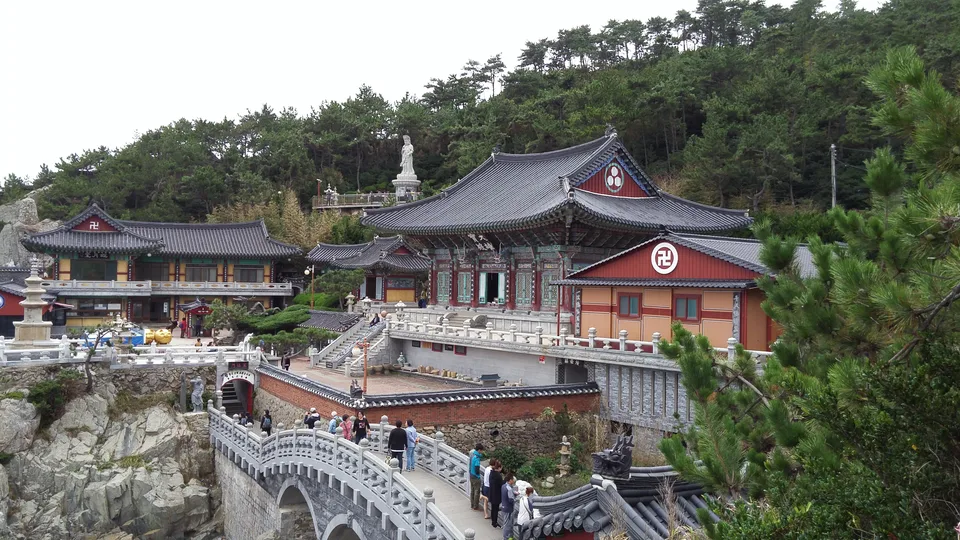
The Korea Tourism Organization’s temple information places Haedong Yonggungsa on the northeastern coast in Gijang. Admission is free, with published hours of 04:30–19:20 and last entry at 18:50. The setting of temple buildings beside rocks and open water is the principal draw. Its history includes destruction and rebuilding, so do not assume every structure visible today dates from the original foundation.
Treat it as a religious site: lower your voice, follow signs at sanctuary entrances and respect worshippers. Steps and exposed coastal sections make footwear and the weather relevant. Combine the temple with an eastern coastal outing rather than adding it after Gamcheon on the opposite side of the city. Check the current bus connection or agree a suitable road transfer, and allow for the walk from the drop-off point. Sunrise plans require checking transport as carefully as the opening time.
Arrive through Gimhae Airport or Busan Station
Gimhae Airport’s transport information confirms light-rail connections to metro Line 2 at Sasang and Line 3 at Daejeo. That means the airport journey normally involves choosing the appropriate interchange, not boarding a direct metro service to every visitor district. Check your final station and accommodation address before arrival; an airport near the western side of the city does not put the eastern beaches a short walk away.
For intercity rail, use KORAIL’s official booking site to compare the services available for your dates. Check the departure and arrival stations, train category and seat details shown on the ticket. Do not assume a city name establishes one universal journey time or fare. If flying internationally through another Korean airport, price and schedule the onward journey separately, allowing a realistic buffer for immigration, luggage and the transfer between transport systems.
Understand metro fares and pass limits
Busan Transportation Corporation’s fare table lists adult transit-card fares of ₩1,600 for section one and ₩1,800 for section two. Single-use QR tickets are ₩1,700 and ₩1,900 respectively. The appropriate fare depends on the journey; a figure quoted for the shortest metro section should not be presented as the complete airport-to-hotel cost. Keep enough balance or buy the correct ticket before travelling.
Its app-based adult day pass costs ₩6,000, but excludes buses, the Donghae Line and Busan–Gimhae light rail. This is a significant distinction for visitors arriving by air or travelling beyond the core metro. Compare the journeys you actually intend to make. Use the network map for interchange planning and a current journey search for the final service of the evening. A taxi can solve a particular connection without making repeated cross-city transfers efficient.
Eat according to appetite, ingredients and location
Busan’s food can anchor the day as effectively as its sights. The city’s Taste of Busan 2026 introduction identifies dishes including milmyeon, cold wheat noodles, and dwaejigukbap, pork soup. The KTO guide to pork-and-rice soup explains variations in broth and the choice of meat, offal or mixed bowls. Knowing those distinctions is more useful when ordering than assuming every restaurant serves one identical version.
Seafood is another obvious focus, but it need not dominate every meal. Read menus for ingredients and portions, and ask directly when avoiding pork, shellfish, wheat or other allergens. A clear broth is not evidence that a dish is vegetarian. Choose meals near the district you are exploring, leaving one or two deliberate food outings for places you have independently checked.
Build a budget around choices you can price
Start with accommodation for the actual dates, then add airport or intercity travel, local journeys, meals and the paid attractions you have selected. The contrast between free beaches or temple admission and a private capsule is useful: a rewarding coastal day does not require buying every available ride. For a pair, the published ₩50,000 capsule price alone is a substantial, identifiable addition to the day's spending.
Compare the final room price, cancellation terms and breakfast arrangements. Festival periods, weekends and summer demand deserve their own price check; an undated citywide average is a weak basis for a booking. Shopping can fit into Nampo’s market outing or a Seomyeon evening, rather than requiring another journey. Check merchant acceptance where a specific card is essential.
Choose a season for your intended activities
Busan’s municipal climate overview describes four seasons, a summer rainy period and a windy coastal setting. Spring and autumn are useful candidates for a trip built around walking and sightseeing. Summer suits a beach-focused visit if you accept heat, humidity, rain and busy periods. Winter still allows city exploration, but exposed waterfront time can feel very different from a mild afternoon photograph.
Use a short-range forecast and current advisories to adjust outdoor plans. Severe weather can affect coastal access, marine activities and transport, so leave one day flexible rather than paying for several tightly connected outdoor experiences. Beach swimming, a temple visit and a skyline photograph each depend on different conditions. Check the current programme before travelling for a film event, fireworks or drone show; the presence of a famous event in past coverage does not establish its date or operation during your stay.
A three-day itinerary that respects the geography
On day one, concentrate on the western visitor circuit: Gamcheon during daylight, followed by Jagalchi and the Nampo area. Allow for the hill connection, lunch and time to look around rather than rushing between photo stops. Keep the evening nearby or return to your base. If arriving that morning, shorten the plan instead of trying to recover lost hours through hurried transfers.
Use day two for Haeundae and a carefully chosen Blueline Park experience. Add Haedong Yonggungsa only if the timetable leaves comfortable travelling and visiting time; otherwise give it the next morning. On day three, explore a district you have missed and finish by Gwangalli if weather permits. This sequence leaves room for meals and rests. For a two-day visit, remove an area rather than compressing the entire route, and protect the final airport or train connection.
Leave an evening for Gwangalli
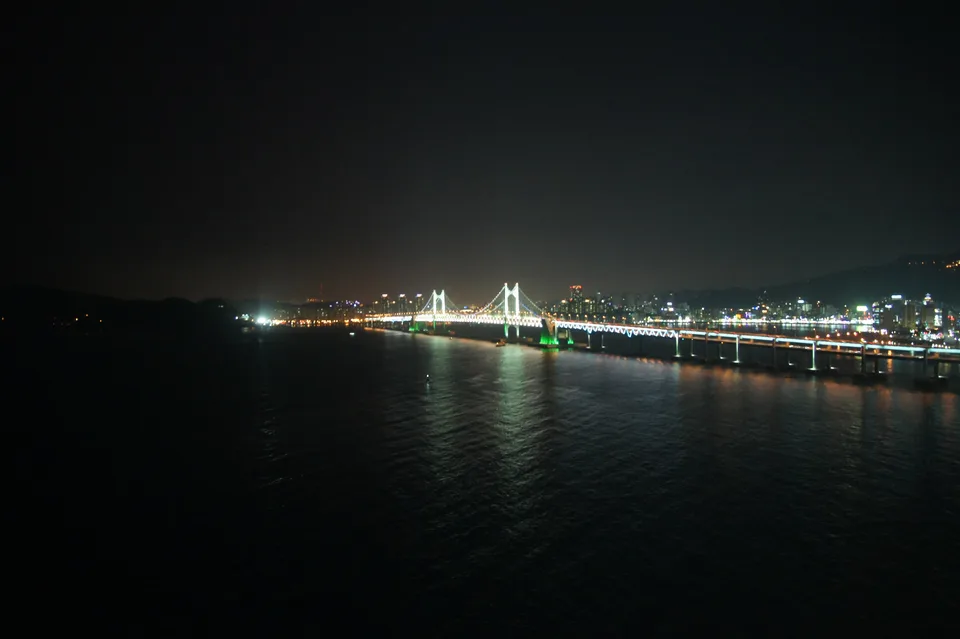
Busan’s Gwangalli Beach information describes a crescent of sand facing Gwangandaegyo Bridge, with restaurants and cafés along the shore. Free beach access makes this a straightforward place to spend time without another attraction ticket. Take the waterfront as the destination, then choose dinner according to the menu and the setting you want rather than assuming every front-row table offers the same value.
The bridge view can be the highlight even without a scheduled show. If a performance is central to your plans, verify its current announcement and weather status before travelling across the city. A waterfront hotel may make the evening convenient, but inspect its distance from the station and likely noise exposure. For families or anyone returning late, establish the route home beforehand so that an enjoyable final walk does not depend on a transport connection that has already finished.
Moving means understanding deposits as well as rent
The My Busan housing overview distinguishes wolse, combining a deposit with monthly rent, from jeonse, involving a much larger deposit and normally no monthly rent. Mixed arrangements also exist. The examples on an information page are illustrations, not verified current offers for your preferred district. Compare deposits, recurring charges, utilities and the cost of temporary accommodation while searching.
Use the portal’s viewing and lease checklist to examine the actual property, landlord identity, ownership records and written terms. Confirm whether the address can support your required residence reporting. Ask a qualified professional about deposit protection and any insurance or registration steps relevant to the contract; a promised refund at lease end is not the same as a guarantee that the money is secure. Obtain an explanation you understand before transferring a large deposit or signing.
Test the ordinary week before choosing a home
For employment or study, map the exact workplace or campus rather than the institution’s general Busan address. Check the commute at the hours you will travel, including the last uphill walk. A sea view may be worth paying for, but it cannot compensate for a daily route that makes shifts, lectures or childcare impractical. Temporary accommodation can provide time for viewings without turning the first appealing listing into a binding decision.
Inspect heating, cooling, ventilation, appliances and mobile reception, and establish who arranges internet and utilities. Ask the building manager about waste separation, collection arrangements and management charges. Keep photographs of condition and meter readings at handover. The city’s multilingual resident-support services provide a useful route to administrative and settlement help. English assistance is not available during every listed language-service period, so check the current timetable before calling with a complex question.
Arrange healthcare and residence administration separately
The National Health Insurance Service’s foreign-resident guidance distinguishes employment-based enrolment from other eligible resident arrangements. A six-month rule appears in its regional coverage guidance, but should not be treated as a universal waiting period for every worker, student or family member. Confirm the start date and contributions for your status, with appropriate cover for any gap. Short-term visitors should arrange suitable travel insurance independently.
The city’s medical-service guide links hospital, clinic and pharmacy information and identifies 119 for urgent medical assistance. For routine needs, check provider availability and language support before attending. Residence paperwork is another task: eligible longer-term arrivals generally need foreigner registration, and a later move can require an address-change report. Keep accommodation documents, appointments and permission-to-stay deadlines organised; insurance enrolment or a tenancy agreement does not itself grant immigration status.
Separate tourism, study, work and permanent residence
Check nationality and purpose through the Korea Visa Portal. Do not assume everyone receives the same visitor allowance. The official K-ETA exemption notice extends the temporary exemption for already eligible countries and regions through 31 December 2026, Korean time; it does not exempt every nationality. Where required, the electronic arrival card is free and can be filed from three days before arrival. It is a separate system from K-ETA.
For study, the government’s student visa guidance distinguishes degree study under D-2 from non-degree training under D-4 and explains registration for stays exceeding 90 days. Employment needs the appropriate authorisation; student status does not justify assuming unrestricted work rights. Permanent residence has additional conditions. Use VisaWand’s consultant listings to identify professional help when needed, verifying credentials and scope, while confirming the application requirements with the responsible Korean authority.
Compare an excursion with a longer Korean journey
Gyeongju is a location to investigate if historical sites would broaden your trip, while VisaWand’s Seoul city guide helps compare Busan with a much larger capital-city visit. Check current intercity connections and the onward journey from the arrival station before treating an excursion as easy. A fast train leg alone does not establish that every attraction is close to the station.
For relocation comparisons, use the South Korea destination overview alongside an actual housing and commuting search. Busan’s coastal setting can improve an ordinary week if you have time to use it, while its dispersed districts can complicate an unsuitable commute. Give the city enough time to reveal both sides. The strongest choice is the one that works for your purpose, budget and everyday needs, whether that means three nights near a beach or a longer home near work.
Official planning resources
Reviewed 15 October 2026. Use the official resources linked throughout this guide for admission, transport, housing and immigration decisions. Prices, services and rules can change; confirm the details relevant to your dates. Photography illustrates the locations and is not a live view.
View all official resources
- Busan geography and seasonal climate
- Busan as Korea’s wartime capital
- Visit Busan: Gamcheon history and access
- Gamcheon residents’ visitor rules and area map
- Haeundae Blueline Park: current fares
- Haeundae Blueline Park: booking and accessibility FAQ
- KTO: Haedong Yonggungsa visiting information
- Busan City: Gwangalli Beach
- Busan City: Haeundae Beach
- Jung-gu: Jagalchi Market and neighbouring markets
- Gimhae Airport: public transport connections
- Busan Transportation Corporation: fares and pass exclusions
- My Busan: rental arrangements
- My Busan: viewing, lease checks and moving
- Busan’s multilingual resident and immigration call centres
- NHIS: foreign-resident health insurance
- K-ETA: temporary exemption through 2026
- Korean electronic arrival-card guidance
- Korea Visa Portal: visa categories and applications
- Study in Korea: student visas and residence registration
- KTO: understanding Busan pork-and-rice soup
- KORAIL: official intercity train booking
- Busan City: Taste of Busan 2026
- Busan’s emergency medical service guide
Plan the next part of your journey
Explore the South Korea guide, browse other cities or compare consultants for your travel and relocation questions.