Visa
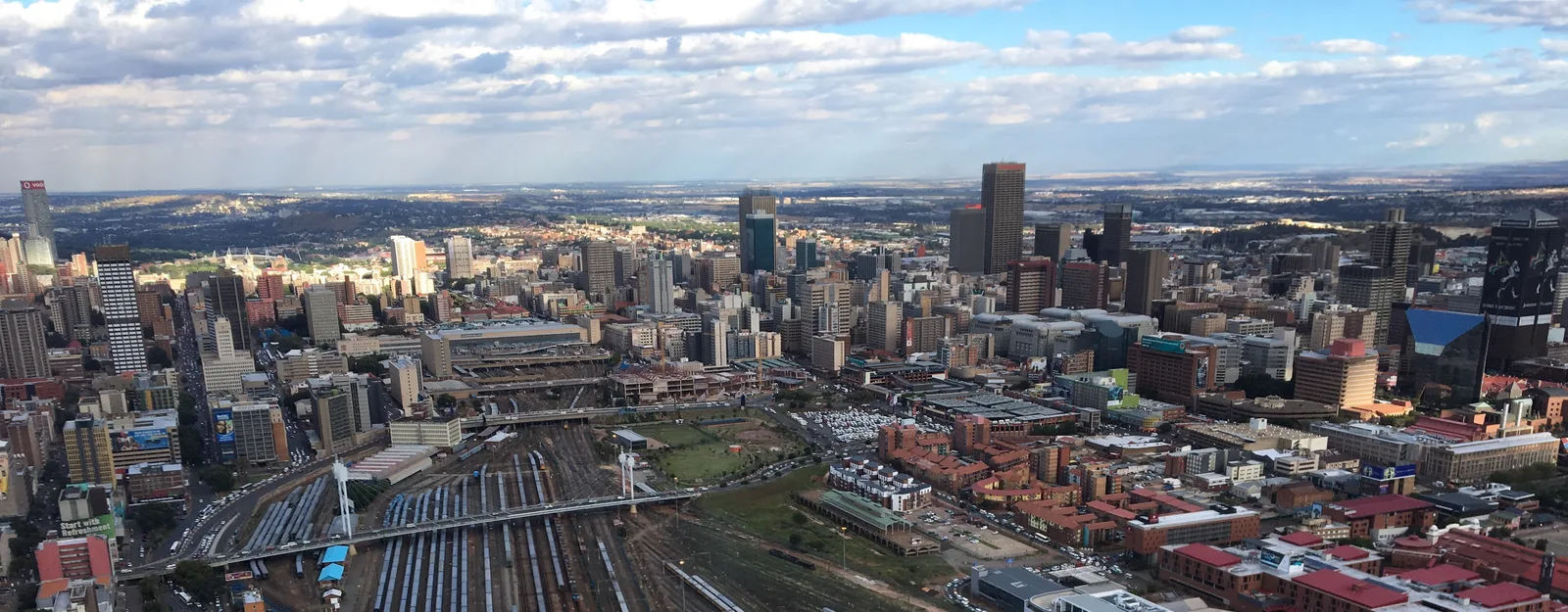
Johannesburg rewards a considered visit
Johannesburg makes most sense when you give it time beyond an airport connection. Its strongest experiences concern how South Africa was made: mining wealth, forced separation, resistance, constitutional democracy and the everyday energy of a city still negotiating those legacies. Add contemporary African art, neighbourhood restaurants and a day in Soweto, and three days become a rewarding beginning.
The practical challenge is distance. Attractions sit across a large urban area, and a convenient hotel does not place every museum within walking distance. Choose a base around the journeys you will actually make. Rosebank suits many first visits; Sandton works well for business commitments. Arrange transport deliberately, allow time between appointments, and avoid treating the map as a promise of easy pedestrian connections.
This Gauteng Tourism introduction to Johannesburg provides the regional overview. Use this guide to decide how much time to allow, where to stay and which costs to check before booking. Prices below were checked on 15 October 2026 and can change.
Understand the city of gold
Johannesburg expanded rapidly after the 1886 gold discoveries on the Witwatersrand. Mining brought capital and workers, but the resulting prosperity was profoundly unequal. Labour compounds, segregation and later apartheid shaped where people could live, work and travel. The city did not begin on empty land: its modern foundation belongs within a longer history of people and settlement in the region.
That history remains visible in its geography. The historic commercial centre, the former prison complex at Constitution Hill, Soweto to the southwest and the corporate districts to the north tell connected stories. South African Tourism’s history of Joburg offers a useful introduction before the museums. Johannesburg is in Gauteng; nearby Pretoria is a separate city, rather than another name for Johannesburg or its centre.
Choose Rosebank or Sandton with your itinerary in mind
Rosebank combines a Gautrain station, hotels, shopping and access to the art galleries around Jan Smuts Avenue. It is a practical compromise for a visitor mixing museums, meals and airport rail. Compare the actual hotel entrance with the station and your evening destinations: a neighbourhood name alone says little about the final walk with luggage.
Sandton suits travellers attending meetings there, and its Gautrain station makes the airport journey straightforward during operating hours. Large hotels and shopping facilities offer convenience, although staying here does not remove the need for transport to Soweto or the southern museums. Check whether accommodation advertises a genuine station transfer, what it costs and whether it operates for your arrival time.
Make room for Braamfontein and Maboneng
Braamfontein has a university and arts character, with Wits Art Museum providing a clear reason to visit. Constitution Hill fits naturally into the same day, provided its tour schedule governs your timing. Plan the connection between sites instead of assuming every nearby street offers the same walking conditions. Ask your accommodation or venue about the route and current circumstances.
Maboneng, east of the historic centre, grew through the reuse of industrial buildings for creative activity. It is worth considering for exhibitions or a specific event, rather than arriving with an outdated list of restaurants and markets. Verify the venue itself and arrange the return journey. Changes within a district can be substantial from one block or year to the next.
Start the historical journey at Constitution Hill
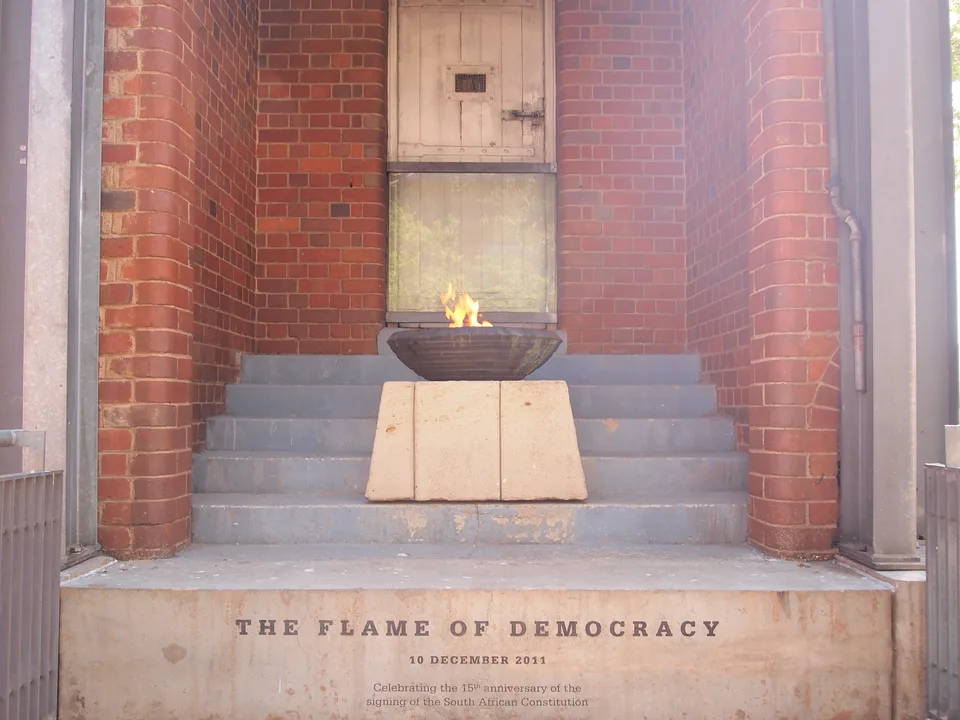
The former prison complex at Constitution Hill makes an unusually powerful introduction to Johannesburg. Its significance lies in the relationship between incarceration and the democratic legal order represented by the Constitutional Court. Allow enough attention for the site’s difficult history; trying to squeeze it between shopping stops diminishes the experience.
The official tour and admission page lists an adult Highlights Tour at R150 for one hour, with hourly departures from 09:00 to 16:00. The fuller two-hour tour costs R200 and runs at 10:00 and 13:00. Choose between those experiences when planning the day. The visitor centre opens at 08:45, and ticket sales end at 16:00; payment is cashless.
Check concessions and holiday exceptions directly. The accessibility information describes ramps and lifts serving most museum areas, alongside places where assistance or a different route may be necessary. Visitors with mobility needs should discuss the actual tour route before paying, rather than interpreting the presence of a lift as access to every historic space.
Give the Apartheid Museum time and attention
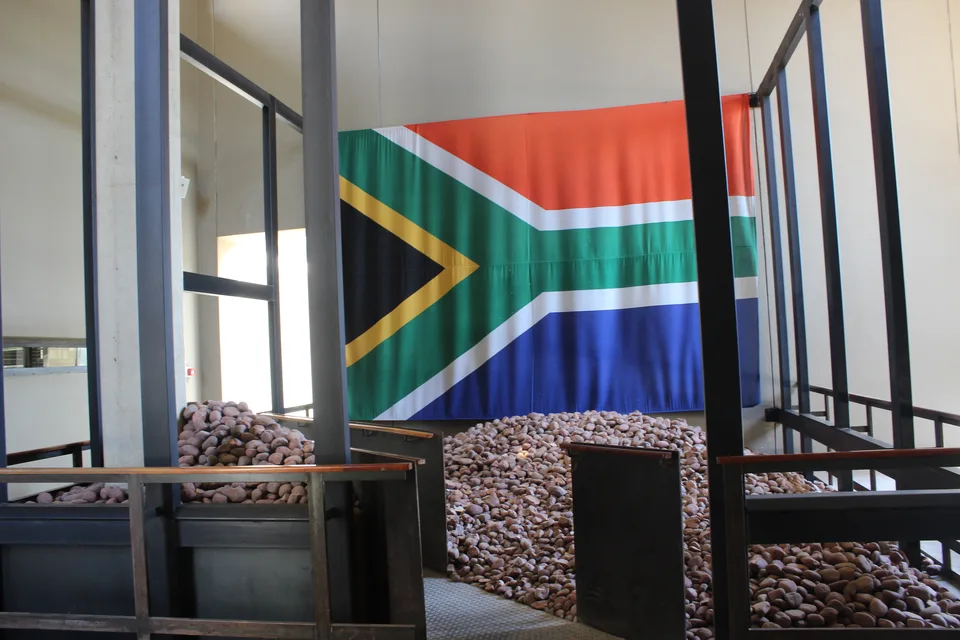
The Apartheid Museum in Ormonde requires a purposeful journey and an unhurried visit. Its permanent exhibition examines racial classification, repression, resistance, political violence and the transition to democracy. This is substantial historical material, not a brief photographic stop. Leave room afterwards for a quieter meal or conversation rather than immediately scheduling another demanding museum.
The museum’s visitor information lists opening Tuesday to Sunday, 09:00–17:00, with Monday closure. International adult admission, including visitors from SADC countries, is R240 under the rates effective from 1 May 2026; the stated South African citizen adult rate is R170 with ID. The international rate includes audio. Do not build a visitor budget around the lower citizen price.
The museum warns that graphic material is not considered suitable for children under 11. Families should make that decision before booking transport, even though concession ticket categories also appear on the page. Confirm any guided arrangements separately: a general admission ticket does not automatically mean a personal guided visit.
Visit Soweto as a living community
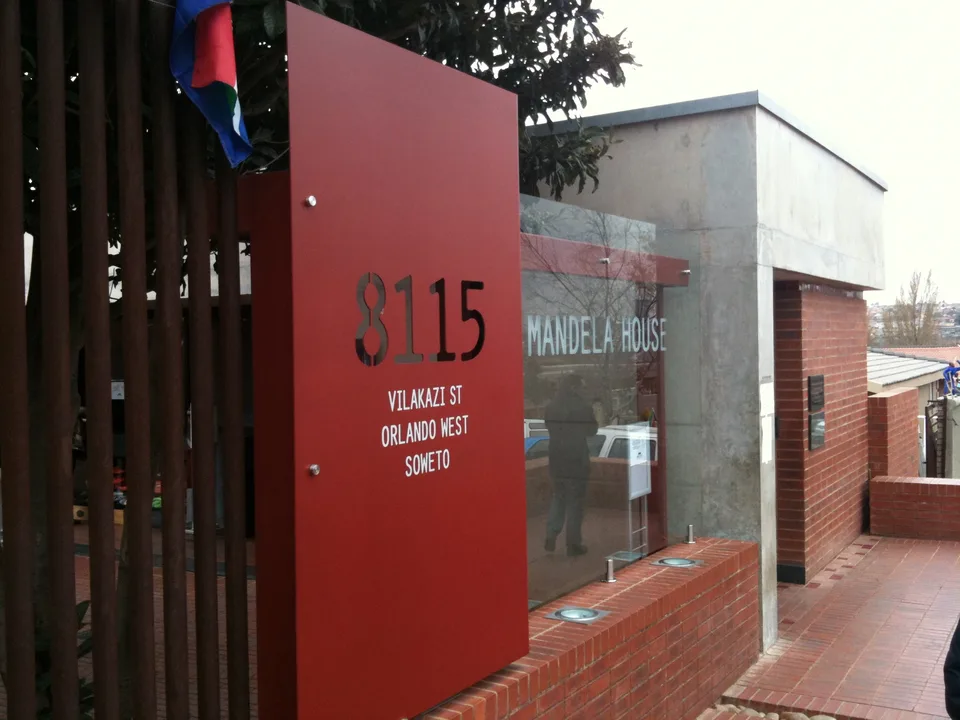
Soweto deserves more than a rushed detour for a famous address. The story of the 1976 student uprising, commemorated around the Hector Pieterson memorial and museum, is central to understanding resistance to apartheid. Vilakazi Street and Mandela House connect that broader history with an individual life and a residential neighbourhood.
Use Gauteng Tourism’s Soweto overview to orient yourself, then select a community-based guide or operator who explains the route, time at each stop and what admission includes. Ask how much walking is involved and whether the experience includes lunch. A low headline price can conceal a short drive with little interpretation.
Soweto is also people’s home. Ask before photographing residents, support businesses on their own terms and avoid tours whose main appeal is photographing hardship. Do not assume the historic Mandela House photograph in this guide establishes today’s opening hours or entrance arrangements; confirm these for your intended date.
Add contemporary art and a green interval
Wits Art Museum’s visitor page lists free admission, Tuesday to Saturday from 10:00 to 16:00, with donations welcome. It offers a useful counterpoint to the historical museums and can anchor a Braamfontein visit. Check the current exhibition programme, particularly around university holidays. Its stated facilities include ramps, lifts and accessible toilets; arrange any particular assistance in advance.
For a different pace, consider the Johannesburg Botanical Gardens and surrounding park time rather than another ticketed attraction. Read the municipal park visitor rules first: open fires and braais are not permitted at the Botanical Gardens. Plan transport, weather protection and the return journey as carefully as you would for a museum. A green space is not an assurance that all paths suit every mobility need.
Plan walking, accessibility and evenings deliberately
Johannesburg is easiest to navigate when you separate a pleasant local walk from a cross-city journey. Ask about the specific streets between your hotel and dinner, rather than accepting a broad description of an entire neighbourhood. Keep valuables discreet, use a secure place for documents and avoid displaying a phone for extended navigation beside traffic. These habits support a visit without turning every outing into an anxious exercise.
Agree on an evening pickup location while you still have mobile data and battery. If a venue closes before your transport arrives, ask staff where to wait. When plans change, tell your travelling companions and accommodation where appropriate. Download the hotel address and booking details for offline access; an unfamiliar street is a poor place to discover that your connection has stopped working.
Travellers using wheelchairs or with limited walking stamina should check the entire chain: station access, the vehicle, the hotel entrance and the attraction route. Request room and bathroom details that matter to you, including steps, shower arrangement and lift dimensions where needed. Historic buildings and outdoor surfaces vary. A property describing itself as accessible should still explain how your particular requirements will be met.
Choose accommodation beyond the room rate
For two or three nights, prioritise location, reliable arrival arrangements and recent evidence about the property. A cheaper room farther from your intended activities can produce higher daily transport costs. Compare breakfast, parking, luggage storage and cancellation conditions as actual line items, not assumptions attached to a hotel category.
An apartment becomes more attractive when you need laundry or several weeks of living space, but verify reception hours, cooking equipment and the building entrance. Ask what happens during electricity or water interruptions: does backup supply cover lifts, room sockets and internet, or only communal areas? Confirm the answer for the specific unit. For a late flight, arrange a documented pickup and check-in plan before leaving home.
Reach Johannesburg through the right airport connection
OR Tambo International Airport serves the region from Ekurhuleni, east of Johannesburg. Gautrain connects the airport with Sandton, where onward rail journeys can be planned. The Gautrain fare calculator returned R228 for an adult pay-as-you-go journey from OR Tambo to Sandton when checked for this guide. This is an airport journey price, not a general city rail fare.
Use the operator’s journey planning to check operating hours and your actual route. Rail does not provide a round-the-clock arrival solution. Compare the final station-to-hotel connection with a prearranged road transfer, especially with luggage, children or an arrival near the last service. Road journey times depend on traffic; avoid tight dinner reservations immediately after an international landing.
Travel locally with a complete route
Gautrain is useful when both ends of the journey fit its network. The fare calculator explains payment using a Gautrain card or contactless bank card; check the accepted method and keep the same payment card for the journey. Airport prices, ordinary rail fares, parking and connecting buses have different conditions. Do not assume every connection is free or that a minimum stored balance covers airport travel.
Johannesburg’s transport department describes the Rea Vaya bus system, including links involving the centre and Soweto. Check the specific service before depending on it for a timed museum booking. For occasional trips, a reputable arranged driver or app-booked ride can be easier to coordinate, but match the vehicle and driver details and choose a sensible pickup point. Keep a charged phone and an independent way to reach your accommodation.
Eat and shop around the neighbourhood you choose
Johannesburg’s food choices work best as part of a neighbourhood plan. Rosebank offers convenient options around its accommodation and shopping area; Parkhurst’s Fourth Avenue is another area to consider for restaurants and independent shops. Check current menus, opening times and bookings with the business itself. A tourism listing describes an area; it is not evidence that every restaurant named years ago still operates.
For a market visit, the district listing places the Rosebank Sunday Market on the mall rooftop, Sunday 09:00–16:00. Distinguish it from other Rosebank shopping and craft facilities. Leave space in the budget for purchases, and ask permission before photographing stallholders or their work. At restaurants, clarify service charges before deciding on a tip; do not assume every bill uses the same arrangement.
Build a budget from your actual choices
Use South African rand when comparing costs. For an international adult, the checked R240 Apartheid Museum ticket plus a R150 Constitution Hill Highlights Tour totals R390 before transport and meals. Choosing the R200 full Constitution Hill tour makes that R440. A R228 airport rail journey to Sandton is a separate cost, with the onward connection still to account for.
Accommodation varies substantially by district, dates and cancellation terms, so a single citywide nightly figure would mislead. Price your chosen room and three realistic journeys before comparing alternatives. Include mobile data, laundry for a longer stay and any paid guide. Keep more than one payment option, carry cash discreetly and confirm card acceptance with smaller businesses. Free Wits Art Museum admission can balance a day with substantial transport spending.
When comparing guided excursions, request the total for your party rather than multiplying a promotional starting price. Establish whether collection, museum tickets, lunch and the return drop-off are included. Check the cancellation deadline against your flight arrangements, and retain the agreed itinerary so both sides understand the booking.
Match the season to your plans
Johannesburg sits on the Highveld, where weather can surprise visitors expecting constant tropical heat. Gauteng Tourism’s weather guidance describes summer rainfall and afternoon thunderstorms, while winter brings drier conditions and cold mornings and evenings. Pack layers in any season and a warm outer layer for winter; sunshine during lunch does not predict the temperature after dinner.
April–May or September–October can suit visitors seeking a compromise between seasons, but no month guarantees a particular experience. In summer, leave flexibility for storms and take lightning seriously during outdoor plans. Book major indoor visits around their opening days, then place parks or neighbourhood walks in suitable weather windows. Check a current forecast close to departure rather than using seasonal averages as a daily prediction.
A realistic three-day itinerary
Day one: settle into Rosebank or Sandton, then visit Constitution Hill on a booked tour that fits your arrival. With a full morning available, choose the 10:00 two-hour tour and leave the afternoon for Wits Art Museum when its opening days align. Keep dinner near your accommodation. If the flight is late, move the historical programme to another day rather than rushing it.
Day two: dedicate the main part of the day to Soweto with a guide and an agreed route. Discuss Mandela House, the Hector Pieterson area, lunch and admission before departure. Leave the evening flexible. Treat the conversation and travel time as part of the visit, not as gaps to fill with additional attractions.
Day three: give the Apartheid Museum a substantial morning or afternoon, with transport booked around its Tuesday–Sunday schedule. Add a relaxed meal or shopping afterwards. A Sunday market works only if the geography and museum time remain sensible. With just two days, choose fewer experiences; with a Monday stay, rearrange the museum day rather than expecting an exception.
Consider a longer stay through housing and commuting
Before signing a lease, test the commute to your actual workplace or institution at relevant times. Rosebank and Sandton can simplify certain rail journeys, but neither is automatically convenient for every job. A lower rent farther away may add fuel, paid parking or several transfers. Short-term accommodation lets you compare a district with your daily routine before committing.
Inspect security arrangements, building access, noise, internet availability and the unit’s condition. Ask for written terms covering rent increases, deposit handling, maintenance, notice and included services. Record the inventory and meter readings. Clarify whether water and electricity are billed by the landlord, a managing agent, prepaid meters or the municipality. Avoid paying solely on the strength of photographs; verify the property and the person authorised to let it.
Check household services and healthcare
For a longer stay, use the municipal account guidance to understand the arrangement relevant to your property. Do not assume a previous occupant’s account can simply become yours. Establish who reports faults, keeps payment records and deals with the building manager. The city problem reporting service provides a route for municipal faults; keep reference numbers and distinguish a local building problem from a wider interruption.
Check mobile coverage and fixed internet at the actual address, including equipment and installation lead times. Find nearby groceries, a pharmacy and suitable healthcare before a problem arises. Johannesburg lists public clinic services, but eligibility, referral arrangements and private insurance cover need individual checking. Travellers and new residents should confirm what their policy covers, including planned treatment and emergency assistance, rather than assuming the nearest facility is covered.
Separate visiting from working, studying or relocating
Start with the government’s visa information and the Department of Home Affairs passport exemption list. Whether you need a visa, and how long you may stay, depends on nationality, purpose and the permission granted. Do not translate another traveller’s admission into a universal 90-day entitlement. Check passport requirements and any conditions affecting children or onward travel before booking.
Tourism permission does not automatically authorise employment, study or permanent residence. The official mission’s visa category information distinguishes work, study and remote-work routes, among others. Its appointment procedures relate to that mission’s jurisdiction; use the South African mission responsible for your own application. Remote work requires its own careful assessment rather than an assumption that foreign clients make visitor conditions irrelevant.
Permanent relocation involves a separate immigration decision as well as housing and daily logistics. Use the VisaWand South Africa country guide for wider planning and compare consultant listings when professional help is appropriate. Verify an adviser’s credentials and scope of service. A consultation, property lease or business invitation is not itself approval to enter, work or settle.
Put the final details in place before departure
Send your accommodation the expected arrival time and ask how delays affect check-in. Keep the address, telephone number and agreed transfer instructions together. Confirm which activities require advance reservations and which simply need arrival within opening hours. A ticket confirmation should identify the date, entry conditions and cancellation terms, especially if you are arranging transport around it.
For families or mixed-interest groups, agree which historical visits everyone wants to share. Build in meals and breaks, and choose an alternative for anyone who decides against intense museum material. Johannesburg becomes more rewarding when there is space to absorb what you have seen. The aim is a coherent visit, with enough flexibility for traffic, weather and a conversation that runs longer than expected.
Extend the trip without overloading Johannesburg
The Maropeng visitor centre in the Cradle of Humankind makes a worthwhile human-origins day trip. Treat it as a journey outside the city, with transport and enough visiting time. Maropeng and the Sterkfontein caves are distinct visits: verify separate operators, tickets and availability rather than assuming a single booking admits you to both.
For another urban perspective, consider Pretoria’s location page when planning the surrounding region. For a longer South African journey, the completed Cape Town city guide offers a different coastal base requiring its own travel planning. Explore the South Africa destination overview and country location directory for alternatives; the directory lists places and should not be mistaken for a completed guide to each one.
Official planning resources
Reviewed 15 October 2026. Use the official resources linked throughout this guide for admission, transport, housing and immigration decisions. Prices, services and rules can change; confirm the details relevant to your dates. Photography illustrates the locations and is not a live view.
View all official resources
- Johannesburg visitor information
- History of Johannesburg
- Rosebank neighbourhood
- Braamfontein neighbourhood
- Maboneng neighbourhood
- Constitution Hill opening hours and admission
- Constitution Hill accessibility
- Apartheid Museum visitor information
- Apartheid Museum permanent exhibition
- Soweto neighbourhood
- Wits Art Museum visitor information
- City parks: plan your visit
- Rosebank Sunday Market district listing
- Parkhurst shopping and dining
- Gauteng weather
- Gautrain fare calculator
- Gautrain journey planning
- Johannesburg transport department
- Johannesburg public clinics
- Opening a municipal account
- Report a city problem
- South African visa information
- Visa-exempt passports
- Official visa types and requirements
- Maropeng visitor centre
Plan the next part of your journey
Explore the South Africa guide, browse other cities or compare consultants for your travel and relocation questions.