Visa
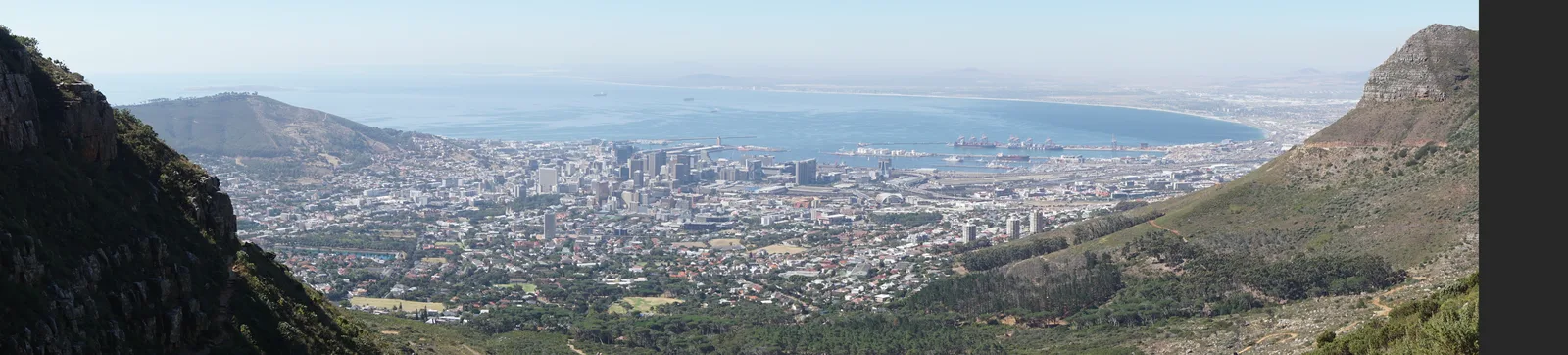
Cape Town rewards time and a flexible plan
Cape Town brings a working port, mountain landscapes, neighbourhood food traditions and coastal outings into the same trip. The challenge is choosing between them. A clear morning on Table Mountain can be more valuable than a rigid reservation sequence; a museum explaining forced removals deserves more attention than the gap between two scenic drives.
For a first visit, give the city several full days and keep one outdoor day movable. For relocation, allow an ordinary working week as well: holiday convenience does not establish a workable commute. Choose a base that connects your plans and lets you return comfortably after dinner.
Read the city through its communities
Cape Town’s history includes slavery, colonial rule, resistance and apartheid’s forced removals. Those histories remain visible in the location of communities and the distances people travel. Treat historic neighbourhoods as places where people live and work, rather than as scenery detached from that story.
The Iziko Bo-Kaap Museum explains the area’s Islamic heritage and its connections with enslaved people, freed slaves and political exiles. It also documents how racial classification and the Group Areas Act disrupted communities. District Six and Robben Island add different perspectives on displacement and imprisonment. Together, these visits make the city more understandable than a succession of viewpoints alone. Leave time to read, listen and ask informed questions, without expecting a guide to speak for every resident.
Choose between the City Bowl and the Atlantic Seaboard
The Central City visitor information identifies the concentration of restaurants, galleries and shopping around the urban centre. An address in the City Bowl can suit a visit with several museums and city activities. Check the actual block, street noise and transport arrangements; “central” is a description of position, not a guarantee about every walk at every hour.
Sea Point offers a different balance: its promenade faces the Atlantic, while Main and Regent roads provide shops and places to eat. It can suit people who want a neighbourhood routine alongside sightseeing. Compare the trip to your workplace, campus or booked activities before choosing it for a longer stay. An apartment high above the shore may add a steep final walk that a neighbourhood name does not reveal.
Give Bo-Kaap more than a photograph
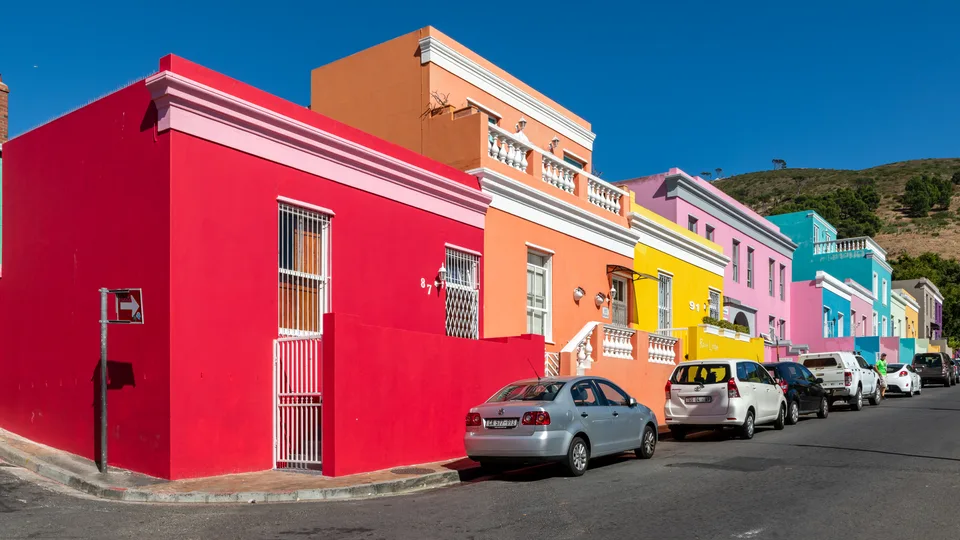
The brightly painted houses and sloping streets make Bo-Kaap visually distinctive, but the museum provides the context that a photograph cannot. Visit the institution before, or alongside, a considered walk. Look at the architecture and learn about the community’s history rather than treating someone’s doorway as an unrestricted set.
Ask before photographing people or entering a business for pictures, and avoid blocking entrances. If you book a food experience or guided walk, establish who provides it, what is included and how the money reaches the host. Allow time for a conversation, a museum and a meal.
Use the Waterfront as a practical meeting point
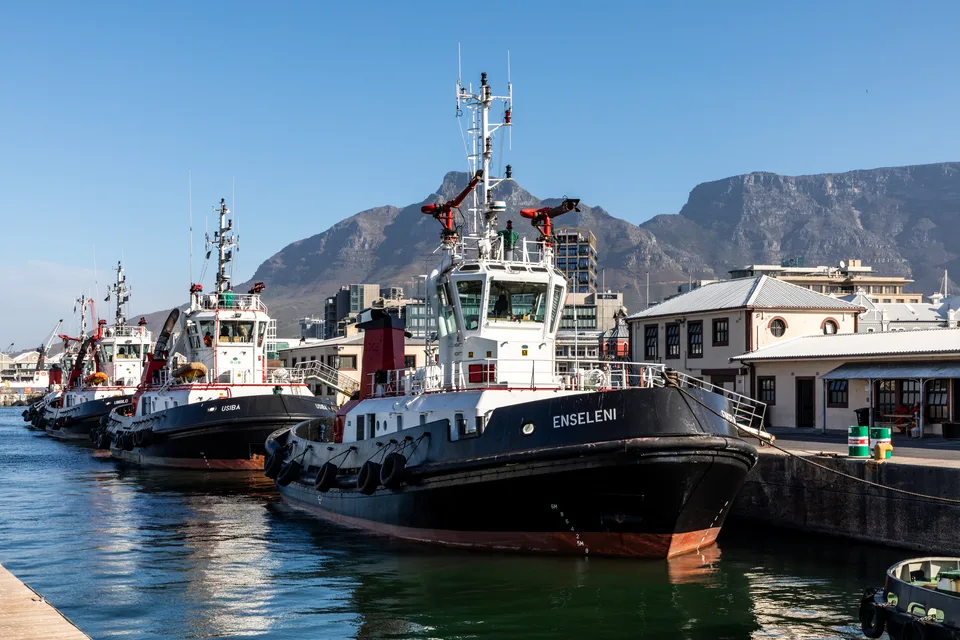
The V&A Waterfront combines a working harbour with shops, restaurants, accommodation and attractions. It makes a useful meeting point for a group with different interests, and the Nelson Mandela Gateway is the departure point for Robben Island tours. Check the precise destination within the complex rather than asking a driver for the Waterfront generally.
Browse the harbour and leave room for one chosen activity. The setting can absorb a considerable part of a day, particularly if you add shopping or a museum. For accommodation, compare the complete nightly price and the journeys you will make elsewhere. Being beside a cluster of visitor facilities is convenient, but it does not remove the need to plan transport beyond that cluster or check current roadworks before departure.
Take the first suitable opportunity for Table Mountain
Use a good weather window for the mountain instead of reserving it automatically for your final afternoon. The Cableway’s July 2026–June 2027 price list distinguishes an adult return bought online, R475, from the R530 ticket-office price. A normal online ticket still involves queuing on busy days; Fast Track is a separate product.
Check current operating status, last ascent and last descent before leaving. Wind can change the plan, and a cable car ticket should not become an assumption that transport down will always be available after a hike. Take a warm layer even when the city feels pleasant. Decide whether you want a summit visit or a demanding walk: they require different preparation, and combining them casually can turn a sightseeing day into a difficult mountain outing.
Book Robben Island as a substantial visit
The Robben Island Museum tour page lists departures from the Nelson Mandela Gateway, subject to weather and demand. At review, the general adult price is R400 for South Africans and R600 for non-South Africans. Check the applicable category, required identification and current booking conditions directly.
Allow roughly half a day, including ferries and boarding, rather than building a tight lunch reservation around a promised return minute. The museum describes several tour formats, including a longer walking option; make sure you have selected the experience intended. The standard visit includes the prison and other historical sites. Do not assume your guide will necessarily be a former political prisoner. Keep another activity available if the sailing is cancelled, and book early enough in your stay to retain some flexibility.
Put District Six into the itinerary
The District Six Museum tells the story of a community displaced by forced removals, with former residents central to its work. The published visiting hours are Monday–Saturday, 09:00–16:00, and the listed adult fees are R65 self-guided or R80 guided. The museum says bookings are essential.
Its current visitor-engagement notice states that former residents are no longer available for walk-in guided tours. Ask about specific arrangements in advance if that is important to your visit; a standard guided ticket does not promise it. Give the exhibitions enough time and avoid treating the surrounding area simply as an abandoned backdrop. The visit is particularly useful early in a stay, because it changes how you read neighbourhood geography and the housing decisions facing residents today.
Make Kirstenbosch a garden day, not a mountain shortcut
Kirstenbosch’s official visitor information lists the 2026–2027 standard adult fee for visitors from outside Africa and SADC as R270. South African and SADC categories have different rates, with proof required. Payments are cashless. The garden opens at 08:00, closing at 19:00 September–March and 18:00 April–August.
Plan a garden visit around plants, paths and a leisurely break rather than assuming it is a quick stop before crossing the mountain. Accessibility varies significantly: visitor facilities are accessible, but steep slopes and some paths are unsuitable for wheelchairs. Consult SANBI’s accessibility map for your route. With limited time, choose either this outing or a substantial peninsula excursion, leaving room to enjoy the landscape instead of spending the afternoon watching the clock.
Separate Cape Point from a quick city excursion
Cape Point and Boulders can justify a full peninsula day, especially if you include stops rather than merely driving between gates. The SANParks conservation-fee page lists international adult entry through 31 October 2026 at R515 for Cape Point and R245 for Boulders, with separate South African and SADC categories. Confirm prices for November onwards; do not carry this tariff into a later visit.
Both gates are cash-free, and documentation matters when claiming a reduced category. The fees are separate admissions, so check what an organised tour includes before comparing its headline price. At Boulders, allow space for wildlife and follow on-site instructions. Avoid adding a morning mountain ascent and an evening return deadline to the same day: the geography deserves more breathing room.
Pick a beach for conditions, not its photograph
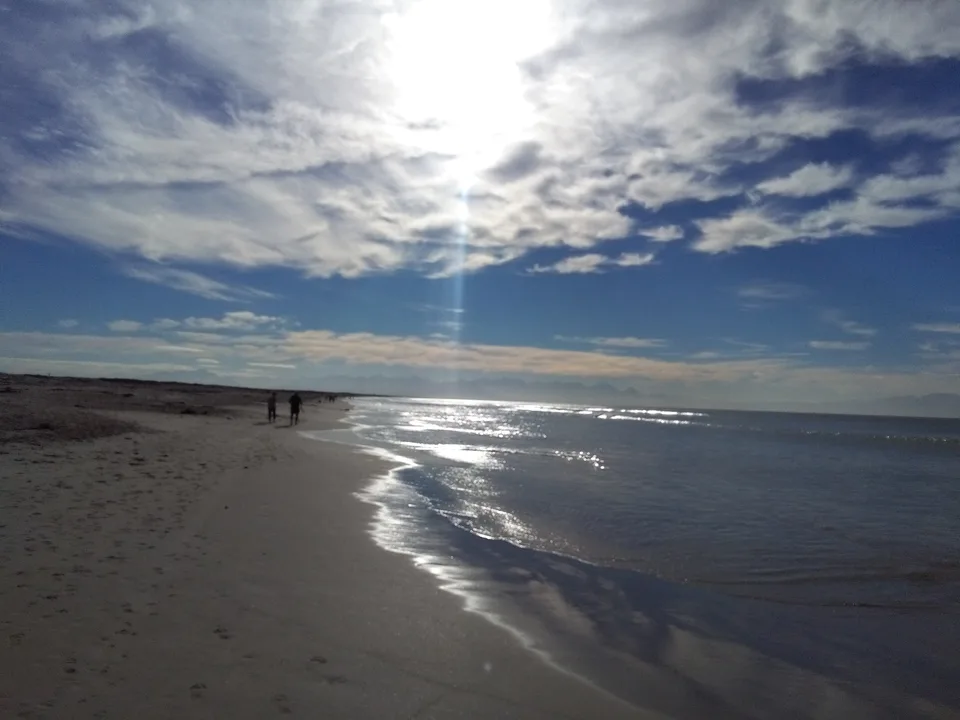
Muizenberg offers a different coastal setting from the Atlantic Seaboard, but assess the day’s conditions before deciding to swim or surf. Use the city’s beach-alert and sampling information alongside notices at the beach. A recent water sample is useful evidence, not a guarantee about conditions at the moment you arrive.
Muizenberg’s major beachfront upgrade began in 2025, so older images do not establish the current facilities or access. Check notices about work areas and temporary arrangements. For swimming, follow lifeguard instructions and marked bathing areas, and stay out if conditions are unclear. A beach walk and a supervised lesson are different commitments: confirm equipment, ability requirements and cancellation terms with a legitimate operator before paying for an activity.
Arrange the airport journey before landing
The airport operator’s transport information lists authorised taxis, shuttles and app-based services. Use the official kiosks or the service you have booked, and decline unsolicited offers from people approaching you. With an app booking, match the vehicle and driver to the booking before entering.
The MyCiTi airport page currently states that its airport service is suspended. Older descriptions of an A01 bus every twenty minutes remain online and should not be used to plan arrival. Obtain a current transfer quote for your address, passenger count and luggage. For self-driving, discuss the route with your accommodation or rental company in advance and use the current official airport-road advice. Do not assume the fastest suggested shortcut is the most suitable arrival route.
Learn MyCiTi’s card system for local journeys
MyCiTi can be useful for journeys within its network, but it does not cover every place a visitor or commuter might need. The current operator guidance says each passenger needs a myconnect card, priced at R40. Load travel value or an appropriate pass; the card purchase itself does not pay for your journey.
Fares depend on distance and travel period. Tap in when starting and tap out when leaving, and read the transfer rules before changing routes. Passes require the appropriate newer card introduced in 2026. Compare a day pass with your actual route pattern rather than buying one because you have several sightseeing days. Check the final service back, then budget separately for journeys the network cannot conveniently make.
Make safety part of the transport decision
The city’s visitor-safety guidance recommends avoiding deserted or dark areas, securing valuables and using accredited transport. It also warns that you do not need a paid permit to walk on public streets. Refuse attempts to escort you to an ATM or sell you such permission.
The FCDO’s current advice highlights targeted attacks on Cape Town airport roads and recommends planning the journey on main routes rather than following GPS shortcuts. Read that advice before driving yourself. In the city, arrange an evening return rather than deciding to walk an unfamiliar route after dinner. For hiking, seek current route guidance and a suitable group or registered guide. A busy-looking photograph and a daytime visit cannot establish that a particular route is appropriate after dark.
Let wind and winter rain influence the season
The national park’s climate information describes warm, dry summers and cool, wet winters on the Cape Peninsula, with strong winds possible in both seasons. December–February is summer here; June–August is winter. A northern-hemisphere holiday calendar can therefore imply a very different trip from the one you imagined.
For a mix of city exploration and outdoor outings, consider spring or autumn, then compare the forecast and availability for your dates. Summer needs shade, water and flexible mountain plans; winter needs rain alternatives and realistic daylight planning. Weather can differ between a sheltered street and an exposed viewpoint. Keep museum, shopping or food activities available when the mountain or sea is unsuitable, rather than treating a cancellation as a lost day.
Taste more than one Cape Town tradition
The city’s food should not be reduced to a single “South African” meal. The tourist office’s Bo-Kaap introduction discusses Cape Malay cooking and koesisters, the spiced sweet associated with that tradition. Look for an experience that explains the food as well as serving it, without assuming every business in the area offers the same menu.
Combine one planned meal with simpler breakfasts and lunches. Check current menus, dietary suitability and opening days directly; an old tourism feature is not proof that a restaurant still operates on the same terms. If you book a cooking experience, confirm the host, group size and inclusions. For a longer stay, also visit the food shops near a prospective home: carrying groceries and finding everyday ingredients are different tasks from choosing a special dinner.
Shop for makers and calculate the full cost
The Watershed’s official visitor page presents a concentration of design, craft, fashion and homeware at the Waterfront. Browse with time to speak to makers and compare materials or provenance. Ask about packing and delivery before buying an object that will be difficult to carry home.
Build a trip budget from accommodation, airport transfers, chosen admissions and local transport, then add food and a contingency. As an illustration, the R475 online Cableway return and R600 international Robben Island ticket already total R1,075 for one adult, before meals or transport. That is a calculation from the stated categories, not a daily spending estimate. Decide which paid experiences matter most, and balance them with unhurried neighbourhood time rather than purchasing every available attraction.
Choose accommodation for the hours you will spend there
Compare a City Bowl hotel, a Sea Point apartment and a Waterfront base using the same dates and cancellation conditions. Ask what parking, breakfast, cleaning and late check-in add to the total. For an apartment, confirm the actual bed configuration, kitchen equipment and building access rather than relying on wide-angle photographs.
Power arrangements deserve a specific question: what works during an outage, for how long, and does backup cover the lift, internet and essential appliances? “Backup power” can mean very different things. Verify the property and payment instructions through a trusted channel. The city warns about accommodation fraud; a last-minute request to transfer funds to an unfamiliar account needs checking before you send money. Keep arrival details available offline.
A three-day introduction with an optional fourth
Day one: choose District Six Museum and a considered Bo-Kaap visit, leaving time for lunch and the journey between them. Check opening days before fixing the sequence. Spend the evening close to your base with the return transport already arranged.
Day two: use a suitable weather window for Table Mountain, then explore the Waterfront without forcing another major attraction into the afternoon. Day three: choose Robben Island or Kirstenbosch. They offer different experiences and both deserve more than a spare hour. Add a fourth day for Cape Point and Boulders if the peninsula is a priority. Swap the outdoor day with an indoor plan when conditions require it. This is an introduction, not a claim that the whole city can be covered in three days.
Moving here means testing an ordinary week
A short visit can help you compare places to live, but only if you reserve time for everyday journeys. Travel from candidate addresses to the workplace or campus at the relevant hour, and repeat the return. Add the school run, shopping and evening transport before judging the location affordable.
Compare total household costs: rent, utilities, internet, parking, insurance and commuting. A lower advertised rent can be offset by a second vehicle or a difficult journey. Inspect the entrance, lighting, security arrangements and emergency access at the particular property. Avoid assigning a whole neighbourhood a simple safe-or-unsafe label. Ask several specific questions and obtain local advice about the streets you will actually use, including how the route changes after dark.
Put the lease and deposit in writing
The Western Cape tenant guidance recommends a written agreement setting out rent, increases, deposits, obligations and house rules. Check the start and end dates: a furnished seasonal arrangement may not match a year-round move. Obtain clarity about utilities, maintenance and any renewal or cancellation clauses before signing.
The guidance says deposits must be held in an interest-bearing account, or the relevant agent’s trust account, with deductions subject to the agreement and applicable rules. Do a joint condition inspection and retain a signed defects list and photographs. Keep receipts for payments. The Rental Housing Tribunal provides information and a route for disputes; it is not a property-finding service. Seek individual advice where the contract or proposed deduction is unclear rather than relying on a general guide to resolve it.
Check household services before choosing a home
Use the city’s electricity and outage information to identify the relevant supply arrangements and current notices. Do not assume the absence of recent load-shedding means every building has reliable power, or that a provider’s backup system runs every appliance. Check prepaid or billed electricity, who handles faults and which charges sit outside the rent.
The municipal online-services directory links billing, service reporting and tariff tools. Families should consult Western Cape school-transfer information early and ask about the process for their actual arrival date; a property address does not guarantee a preferred school place. For healthcare, identify suitable services near home and work, request information about fees and insurance acceptance, and arrange cover suited to your status. Keep initial setup funds separate from the monthly household budget.
Match entry permission to the purpose of the stay
Use the South African government’s visa starting point and Home Affairs exemption list to check nationality-specific requirements. Do not assume every visitor receives the same permitted stay. Where prior permission is required, establish the correct application route before booking an irreversible move.
The official South African ETA portal describes a digital route for eligible travellers and includes Cape Town among its entry airports. It explicitly says work is not permitted on an ETA; it is not a mechanism for repeated extended stays for other purposes. Check current eligibility rather than assuming online application is available to every nationality. Employment, study and remote work require examination of the relevant category and conditions. A foreign employer or online income does not by itself establish that tourism permission covers your activities.
Keep relocation and permanent residence separate
For study, start with your institution and the official study-visa guidance, then use the mission responsible for your own place of residence. A consulate’s appointment instructions are jurisdiction-specific. For work, resolve the appropriate visa and employer documentation before treating a job offer as permission to start.
Permanent residence is a separate application with qualifying categories; a holiday, lease or property purchase does not automatically lead to it. Use the VisaWand South Africa country guide and South Africa destination page for broader planning, alongside the official application resources. When seeking individual help, compare relevant consultant listings, scope and fees. Keep a written list of unresolved immigration questions so that housing and travel commitments do not outrun your permission to stay.
Consider a second base only when it improves the trip
The peninsula can be explored through selected day outings, but there is little benefit in changing accommodation every night. Decide whether your next priority is another coastal setting, wine-country visits or a different city, then compare the actual transfers before adding it.
For wine, food and architecture, compare Stellenbosch’s location page with the official Stellenbosch visitor information. Plan your transport before any wine tasting.
For a move, compare employment and family needs rather than the holiday image of a place. Use VisaWand’s South Africa location directory to identify other cities and settlements, recognising that a listing may not yet contain a completed guide. Choose an arrangement that fits your time, permitted activities and realistic budget.
Official planning resources
Reviewed 15 October 2026. Use the official resources linked throughout this guide for admission, transport, housing and immigration decisions. Prices, services and rules can change; confirm the details relevant to your dates. Photography illustrates the locations and is not a live view.
View all official resources
- Bo-Kaap Museum: community history — Iziko
- Central City neighbourhoods — Cape Town Tourism
- Sea Point — Cape Town Tourism
- V&A Waterfront: visitor information
- Table Mountain Cableway: current ticket prices
- Robben Island Museum: official tours and prices
- District Six Museum: visits and admission
- District Six Museum: current guided-visit notice
- Kirstenbosch: 2026–2027 fees and accessibility — SANBI
- Cape Point and Boulders: conservation fees — SANParks
- Beach alerts and current water sampling — City of Cape Town
- Muizenberg beachfront upgrade — City of Cape Town
- Cape Town Airport: authorised ground transport — ACSA
- MyCiTi: airport service suspension
- MyCiTi: current card, payment and validation guidance
- Practical visitor safety — City of Cape Town
- South Africa safety and airport road advice — UK FCDO
- Cape Peninsula climate — SANParks
- Bo-Kaap neighbourhood and food traditions — Cape Town Tourism
- Watershed design market: official visit information
- Tenant agreements and deposits — Western Cape Government
- Rental Housing Tribunal — Western Cape Government
- Electricity outages and load-shedding — City of Cape Town
- City services and municipal tariff tools
- School transfer applications — Western Cape Education
- South African visas: official government starting point
- South African ETA: official application portal
- Visa-exempt countries — Department of Home Affairs
- Study visa — South African High Commission, Ottawa
- Permanent residence categories — South African Government
- Stellenbosch: official visitor information
Plan the next part of your journey
Explore the South Africa guide, browse other cities or compare consultants for your travel and relocation questions.