Visa
A small capital with room for a longer stay
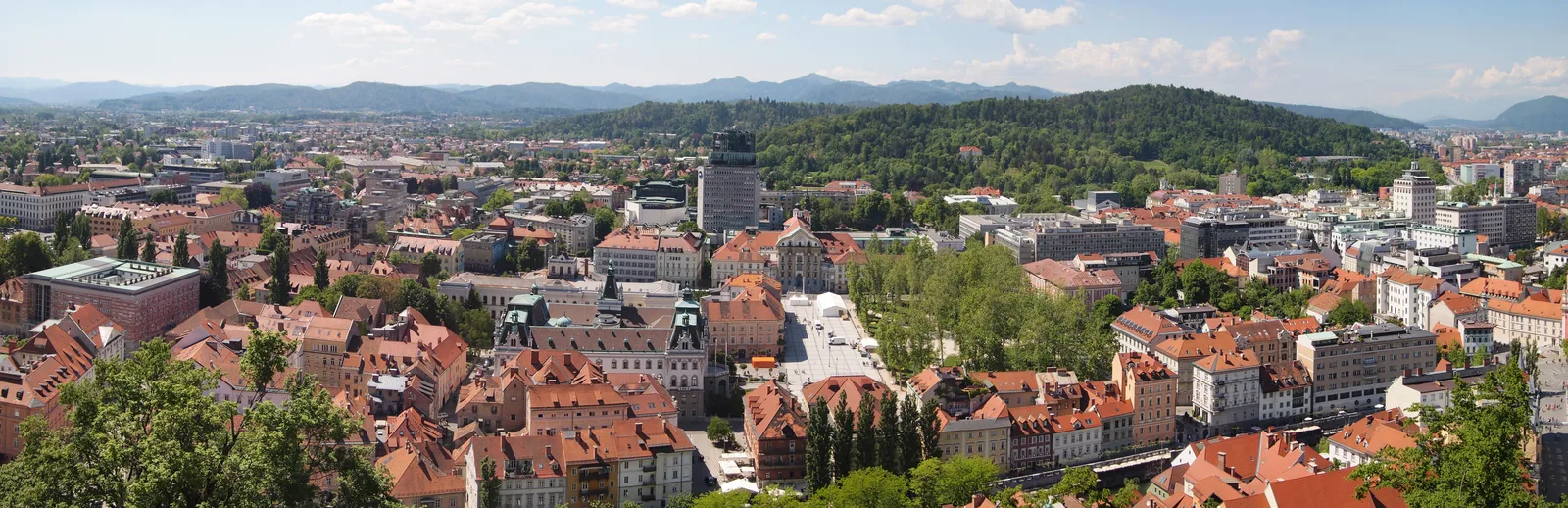
Ljubljana is easy to enjoy at walking pace. The Ljubljanica threads through a centre of bridges, market arcades and café terraces, with the castle above it and Tivoli’s green spaces within reach. The attraction is the way these places fit together: a morning market visit can become a riverside walk without a complicated transfer.
A prospective resident needs to examine housing, transport to the actual workplace or campus, and the administrative requirements behind a longer stay.
Allow three days for a first visit, then add excursions separately. VisaWand’s Slovenia country guide provides national context; the Slovenia destination page and location directory help with onward planning. A directory entry does not necessarily contain a completed city guide.
Follow the river to understand the centre
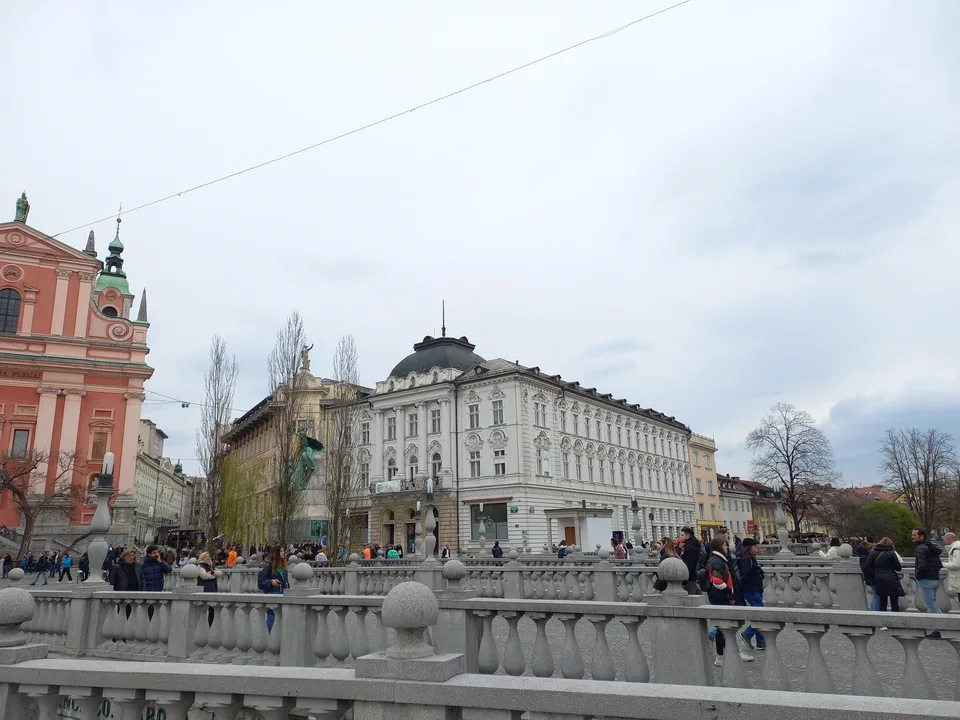
Start around Prešeren Square and the Triple Bridge, then follow the riverbanks towards the Central Market. Cross back when something catches your attention rather than treating each bridge as an isolated attraction. This is a good way to establish which streets connect and where the castle hill begins.
The official old-town introduction links these central spaces into a walk. Keep time for the smaller streets and squares away from the busiest bridge approaches. For an arrival afternoon, this gentle orientation is more useful than immediately booking several admissions.
When comparing accommodation, measure the walk to the places you expect to use, including the final approach with luggage. “Central” does not tell you whether the entrance has stairs or vehicle access.
Look for Plečnik’s contribution to everyday places
Architect Jože Plečnik’s work gives Ljubljana a coherent visual character without turning it into a single architectural set piece. His interventions connect places for meeting, learning, shopping and walking. Bridges, river embankments and public spaces become part of the visit rather than merely the spaces between museums.
The UNESCO-listed ensemble of Plečnik’s works was inscribed in 2021. It includes selected elements such as the Triple Bridge, Cobblers’ Bridge, market, Congress Square and the National and University Library surroundings. The designation applies to a defined series of works, not every building in Ljubljana.
Use Ljubljana Tourism’s Plečnik overview to choose a few connected sites. A short route studied closely can reveal more than a long list of façades. Pair the central walk with his home in Trnovo if you want to understand the person behind the city’s public architecture.
Buy the castle ticket that matches your plans
Ljubljana Castle is an obvious place to gain perspective on the city below, but first decide which experience you want. The operator’s castle price list distinguishes the Castle Ticket from a funicular-only ride and from guided or audio-guided packages.
An adult Castle Ticket costs €15, or €19 with the funicular. It covers the Viewing Tower, Slovenian History Exhibition, Museum of Puppetry and Virtual Castle. A regular guided visit with the Castle Ticket costs €19 without the funicular or €23 with it. Check the particular product before buying rather than assuming every ticket includes a guide.
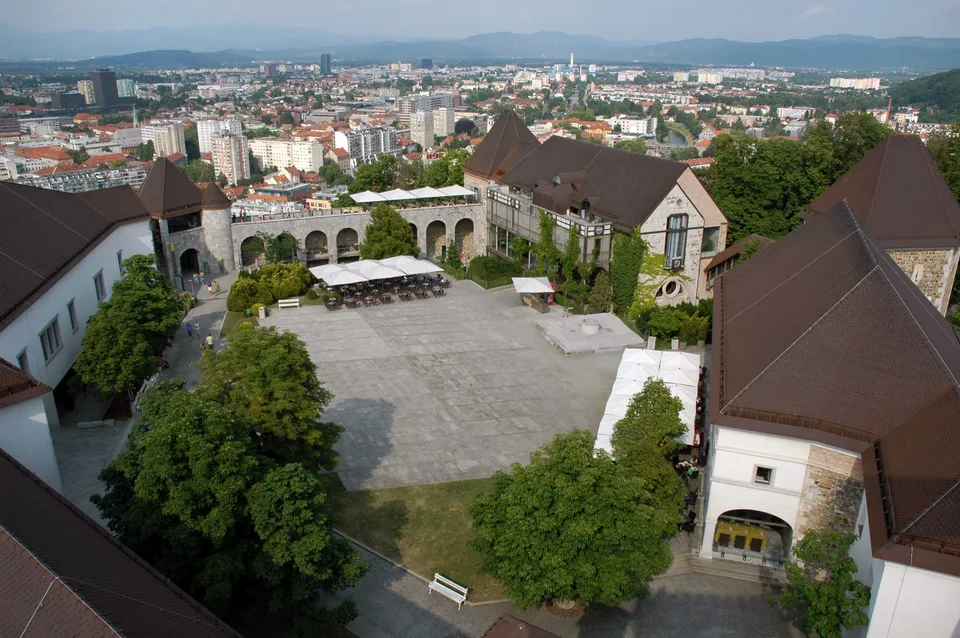
Leave time for the courtyard and views as well as the ticketed contents. Travellers who prefer walking can consider the hill approach; funicular passengers should allow for queuing and the onward walk through the site.
Separate funicular hours from castle hours
The funicular’s published adult fare is €3.30 one way or €6 return when bought on its own. Compare that with the combined castle ticket if you also want the paid attractions. The lower station is reached near Krekov trg and the Puppet Theatre, as explained in the castle access directions.
The seasonal opening table matters for evening plans. From October through April, the castle is listed as open 09:00–18:00 and the funicular 09:00–19:00. From May through September, those hours extend to 20:00 and 22:00 respectively. Ticket purchases stop one hour before the castle closes.
Check holiday notices and ask about mobility access through the individual attractions. A late funicular departure does not mean the exhibitions remain open equally late.
Visit Plečnik’s home with a reserved slot
The Plečnik House at Karunova 4–6 in Trnovo turns architectural history into something more intimate. It preserves the architect’s home alongside a permanent exhibition. This is a useful complement to the larger public spaces encountered in the centre.
The distinction between tickets is important. Adult admission including the guided visit to the original home costs €12; the permanent exhibition alone costs €8. Entry to the original home is possible only on a guided tour, starting on the hour. Tours involving visitors from different countries use Slovenian and English.
The museum recommends booking a date online. Normal hours are Tuesday–Sunday 10:00–18:00, with Monday closed; it also closes on 1 January, 1 November and 25 December. Plan around your confirmed slot, then leave time to walk in Trnovo.
Choose a gallery visit for a different view of Slovenia
The National Gallery of Slovenia provides an indoor counterpoint to the river and castle. It is worth considering even on a short visit, particularly if you prefer a collection to another panorama or need a weatherproof part of the day.
The permanent collection costs €10 for a regular ticket, temporary exhibitions €6, and a combined ticket €14. Permanent-collection admission is free on the first Sunday of each month. Decide which display interests you before choosing a product.
Normal opening is Tuesday–Sunday 10:00–18:00, with Thursday extended to 20:00. Monday and specified holidays are closed, and the last admission is half an hour before closing. Larger bags and luggage must go in the cloakroom. An evening visit can free daylight for outdoor exploration, but it still needs enough time to see the collection without rushing towards the exit.
Use the market as a morning destination
Ljubljana’s Central Market combines outdoor trading areas with covered spaces and Plečnik’s arcades. Come when you can browse rather than merely pass through. It offers a useful connection between the city’s architecture, food and everyday shopping.
The market operator’s schedules show why a single opening time is misleading. The covered market at Pogačarjev trg 1 and indoor arcades normally trade Monday–Friday 07:00–16:00 and Saturday 07:00–14:00. Outdoor areas follow different seasonal hours, and some spaces have additional Sunday or holiday arrangements.
For a broad selection, choose a weekday or Saturday morning. Confirm the relevant area’s schedule if visiting later. Ask about the origin, storage and price of fresh food you intend to carry home.
Give Tivoli and its surroundings an afternoon
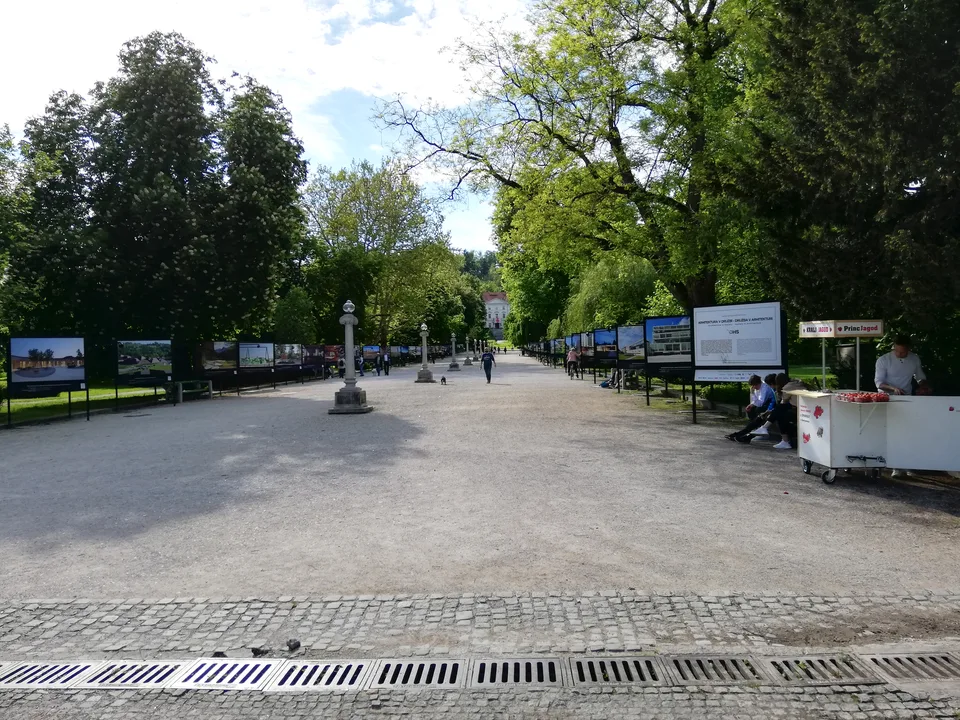
The Tivoli, Rožnik and Šiška Hill landscape park offers a change from the old centre’s riverbanks. Tivoli connects the city with wooded surroundings, making it possible to choose between a relatively gentle park visit and a more substantial walk.
Decide which kind of outing you want before setting off. A stroll through the park and an uphill woodland route require different amounts of time, footwear and energy. In poor weather, shorten the plan rather than assuming every path will be equally comfortable.
Šiška extends northwest from the Tivoli area, and addresses with that district name can have very different journeys to the centre. Combine an apartment viewing with an actual trip to work or university.
Choose a base for your kind of stay
For a short first visit, compare accommodation within a comfortable walk of the river and old centre. Hotels simplify reception and luggage arrangements; apartments can provide a kitchen or washing machine. Establish what is actually included rather than assuming every apartment offers both.
Trnovo deserves consideration if you prefer a base connected with the Plečnik House and a slower neighbourhood visit. Around the station, convenience for onward travel must be weighed against the current construction arrangements. Farther out, compare the precise bus route and the walk from the stop.
Ask about lifts, floor level, cooling, heating, late arrival and cancellation terms. In the pedestrian core, confirm where a taxi or transfer can leave you and how luggage reaches the entrance. For driving holidays, obtain the parking instructions and full charge before booking; a central address does not establish that you can drive to the door.
Arrive from the airport with a separate transport plan
Ljubljana Airport’s public-bus information links to Arriva timetables for the journey between the airport and Ljubljana. Use the travel date and direction you need; do not build an early flight connection around an undated timetable copied elsewhere.
The airport lists several ticket options: the DUJPP portal issues a mobile QR ticket, tickets can be bought on the bus, and a machine is available at the airport bus station. The published onboard payment methods include cash and Visa, Mastercard and Diners cards. Check the current fare separately from Ljubljana’s urban-bus price.
The airport currently identifies platform 28 for departures from Ljubljana towards the airport. Confirm the platform again while station works continue. There is no airport railway connection yet; a combined bus-and-train ticket uses a bus for the airport leg. Allow for waiting, traffic and the onward journey to your accommodation, not just time spent aboard.
Leave extra time at the railway and bus stations
Railway reconstruction changes the final walk to a train. The operator’s access notice effective from 13 September 2026 directs passengers approaching from the main building over a temporary wooden walkway to the island platform at tracks 2 and 3, then via stairs towards the underpass and other platforms.
For step-free access, read the linked reduced-mobility instructions. They direct passengers to the north side at Vilharjeva cesta and recommend arranging assistance 24 hours before departure. Check the current meeting point with the operator when planning your journey.
Bus departures need similar attention. The bus station’s temporary-platform notice concerns platforms 30–33 and identifies replacement stops for affected routes. It does not mean every bus departs from a single replacement location. Read the departure information for your service and allow time to find it. A short map distance between bus and railway facilities can conceal a less direct pedestrian route during works.
Understand what your bus payment buys
The LPP fare table lists a €1.50 single fare in one zone, €2.50 for two zones and €3.50 for three. The payment method changes the transfer entitlement: credit on an Urbana card includes transfers within 90 minutes, while Visa or Mastercard contactless payment does not.
An empty Urbana card costs €2. Compare that initial cost with the number of journeys and transfers you expect to make. For a longer stay, the listed adult one-zone monthly ticket costs €37. Confirm the correct zones and ticket conditions for your address and destination before purchasing.
Walking can cover much of a visitor’s central itinerary, so there is little reason to buy a longer product automatically. Conversely, an inexpensive room farther out may bring repeated bus journeys. Compare the whole arrangement, including evening services and the final walk. Airport and intercity journeys require their own fare checks.
Use Kavalir for access rather than sightseeing
The Kavalir electric vehicles provide free transport within the pedestrian old centre, primarily for older people and those with reduced mobility. Ljubljana Tourism explicitly says the service is not intended for sightseeing tours.
Its published daily operating period is 06:00–22:00. Open vehicles are seasonal, while enclosed, heated vehicles operate year-round; arrangements around 1 November can change when vehicles move to Žale cemetery. Call the service to discuss the actual journey and availability rather than treating those hours as a guaranteed immediate pickup.
Explain your assistance needs when arranging a ride, including whether you can transfer between seats or need to remain in a wheelchair. Also check whether your destination’s entrance has steps.
Compare the city card with a realistic itinerary
The Ljubljana Card costs €41 for 24 hours, €49 for 48 hours or €54 for 72 hours for adults. Child cards for ages 6–14 have different prices. The card starts with the first use of an included service, so consider timing as well as duration.
Included attractions normally allow one visit each; city buses can be used throughout the card’s validity, with validation every time you board. Check the current inclusion list and the precise services you want before comparing totals. A pass is valuable only when it covers visits you would actually make.
Reserve the included guided city tour in advance, and contact Plečnik House about a tour slot. Online purchase supplies a digital QR version. Keep the pass accessible on your phone and consider battery life. Do not assume that buying a city card removes separate booking requirements or pays for every journey beyond the urban network.
Build a budget from the things you will use
There is no single useful Ljubljana daily budget without specifying the room, season and paid visits. Obtain accommodation quotes for your actual dates and ask whether tourist and promotion taxes, breakfast and any cleaning charge are included.
As an admission example, a €19 castle-and-funicular ticket, €12 Plečnik House visit and €10 National Gallery permanent-collection ticket total €41 for a regular adult, before meals or accommodation. That does not establish that these visits fit into one day or that a city card covers every component on identical terms.
Use current menus and grocery prices, and keep a contingency for travel changes. Free river walks and park time can balance the cost of paid attractions.
Choose a season that suits your pace
The Slovenian Environment Agency’s Ljubljana Bežigrad climate tables show a real winter-to-summer contrast. In the 1991–2020 reference period, January’s mean temperature was about 1°C and July’s about 22°C. These are historical monthly averages, not a forecast for your travel dates.
Spring and early autumn are worth considering for a walking-led visit. Pack for rain and allow an indoor alternative rather than scheduling every hour outdoors. Summer calls for shade, water and a room whose cooling arrangements you have checked; winter calls for layers and a plan suited to shorter daylight.
For a relocation trial, ordinary weather matters too. A sunny riverside afternoon tells you little about a wet commute or the cost and comfort of heating a particular apartment. If possible, inspect housing at a time when its ventilation, daylight and temperature are easier to assess realistically.
Three days without turning the city into a checklist
On day one, orient yourself around Prešeren Square and the Triple Bridge, browse the Central Market in the morning, then follow the river. Use the afternoon for the castle, choosing the appropriate ticket and allowing time before the last ticket sale.
On day two, visit Plečnik House at your reserved time and explore the surrounding Trnovo area. Return through the centre at walking pace, looking for the architect’s public spaces encountered earlier. Leave the evening for a meal rather than another distant appointment.
On day three, visit the National Gallery and spend time in Tivoli if conditions suit. Reverse indoor and outdoor elements when the weather suggests it. This is an editorial itinerary, not a booked tour. Reorder museum visits for Monday closures and holidays, and add an extra day for an excursion instead of compressing the city to make room for one.
Test housing against an ordinary working week
For a move, begin with a temporary base and arrange several inspections. Test the journey to the actual workplace or campus at the relevant hour. Compare walking, bus transfers and evening returns, particularly when considering a district that extends well beyond the visitor centre.
The employment service’s housing guidance recommends a written rental agreement and describes searching through owners or letting agencies. Check the property description, rent, included costs, maintenance duties, deposit and notice conditions. Record the inventory and existing damage when taking possession.
Ask for recent utility bills, the heating method, internet options and arrangements for repairs. Establish whether you can register your address using the tenancy documents. Current government address-registration guidance should govern the applicable process and deadlines; address registration is a separate matter from permission to reside. Confirm your circumstances with the administrative unit instead of relying on older relocation booklets.
Set up services alongside the home search
Check healthcare arrangements before moving. The EU guidance on temporary health cover explains why an EHIC is not a replacement for travel insurance: it excludes private treatment, rescue and repatriation. Residence and employment can require a different insurance arrangement from a short visit.
Use the Health Insurance Institute of Slovenia for questions about the appropriate coverage and contracted providers. Confirm continuing treatment and prescriptions before choosing a neighbourhood around an assumed service.
Contact schools about places, documents, language support and the journey before signing a lease. Ask banks and communications providers about identification, address and contract requirements. Test mobile reception and internet at the apartment. Leave time for these appointments during your first week.
Separate a visit from work and long-term residence
The government’s entry and residence guidance distinguishes short Schengen visits from longer residence. Rules depend on nationality, documents and purpose; a short-stay allowance across the Schengen area does not restart simply because you arrive in Slovenia. EU citizens staying longer also need to consider residence-registration requirements.
For local employment, consult the official work-authorisation guidance. A third-country national may need the single residence and work permit; tourism is not a general permission to take a job. Study, family residence and permanent settlement require their own checks.
Slovenia also has a temporary residence route for qualifying digital nomads, introduced in November 2025. It concerns remote foreign work rather than entry to the Slovenian labour market, lasts up to one year and cannot be extended. Check the current financial and documentary conditions. VisaWand’s consultant listings can help identify professional support for an individual case.
Add excursions as separate days
Bled is a possible extension, but plan the journey and the time there as an outing in its own right. VisaWand’s Bled location page is a directory starting point. Check the actual service, arrival stop and return connection rather than relying on a generic travel time.
For a regional comparison, the completed Zagreb city guide offers another capital’s museum and neighbourhood options. Keep border requirements and the full transport day in view when combining countries.
Another Ljubljana gallery, a longer park walk or time in one neighbourhood may suit you better than another transfer. Prospective residents can use the extra time for ordinary errands and a second housing inspection.
Official planning resources
Reviewed 15 October 2026. Use the official resources linked throughout this guide for admission, transport, housing and immigration decisions. Prices, services and rules can change; confirm the details relevant to your dates. Photography illustrates the locations and is not a live view.
View all official resources
- Ljubljana Tourism: city card
- LPP: official city bus fares
- Ljubljana Castle: tickets
- Ljubljana Castle: funicular
- Ljubljana Castle: access
- Ljubljana Airport: public buses
- Slovenian Railways: current station access
- Slovenian Railways: step-free station approach
- Ljubljana Bus Station: temporary platforms
- MGML: Plecnik House
- National Gallery of Slovenia: admission
- Ljubljana market operator: Central Market
- Ljubljana Tourism: old town
- Ljubljana Tourism: Plecnik urban design
- UNESCO: Plecnik works in Ljubljana
- Ljubljana Tourism: Tivoli and wooded hills
- Ljubljana Tourism: local food
- ARSO: Ljubljana Bezigrad climate
- Slovenian Employment Service: everyday life and housing
- Slovenian government: address registration
- Slovenian government: entry and residence
- Slovenian government: work authorisation
- Slovenian government: digital nomad residence
- Health Insurance Institute of Slovenia
- European Union: EHIC temporary stays
- Ljubljana Tourism: Kavalir
- City of Ljubljana: Siska district
- Ljubljana Castle: seasonal opening hours
Plan the next part of your journey
Explore the Slovenia guide, browse other cities or compare consultants for your travel and relocation questions.