Visa
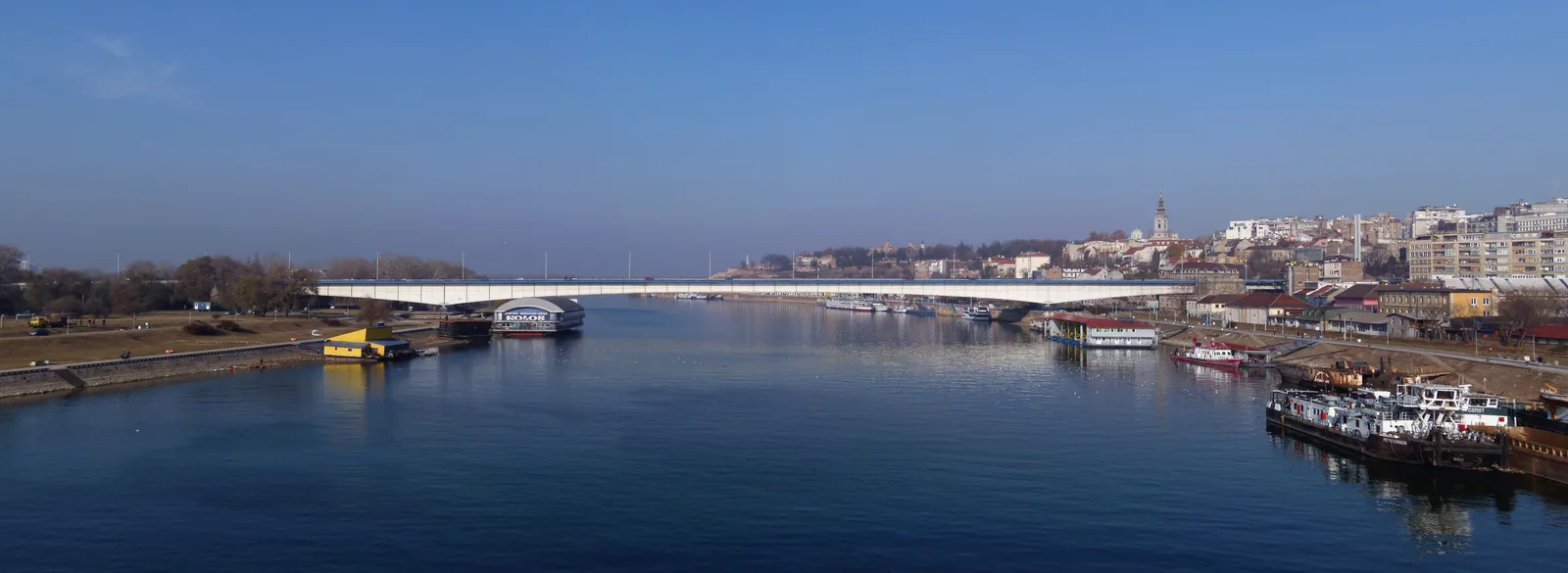
A capital best understood from both riverbanks
Belgrade rewards visitors who leave room between appointments. A fortress above two rivers, museum collections, neighbourhood cafés and the contrasting streets of Zemun make a more satisfying introduction than a hurried circuit of monuments. Serbia’s capital is also a working city: where you sleep, cross the river and connect with onward transport can shape the whole visit.
Allow three days for a first encounter, with another day for an excursion or more museums. Someone considering a move should add ordinary weekdays for apartment inspections and trial commutes. The same riverside location that appeals on holiday may be inconvenient for a daily journey elsewhere.
VisaWand’s Serbia country guide provides wider context. Use the Serbia destination page for destination information and the Serbia location directory to explore other places; directory entries should not be assumed to contain completed travel guides.
Read the city through its geography and history
Begin with the meeting of the Sava and Danube. The Belgrade Fortress overview explains the defensive complex above their confluence, its Upper and Lower Town areas and Kalemegdan park. Successive construction over many centuries helps explain why the site feels like a collection of layers rather than one intact castle.
Across the Sava, Novi Beograd’s history tells a different story. Construction began in 1948, and the municipality was established in 1953. Its broad spaces and large buildings express the ambitions of socialist Yugoslavia. Compare that planned landscape with the older streets around the fortress and Zemun.
These contrasts are useful orientation points. Belgrade’s historic sightseeing centre, modern business districts and residential neighbourhoods are connected, but they are not interchangeable bases. Read addresses carefully, including whether a destination is in Novi Beograd or the older central districts.
Start with Kalemegdan and the fortress
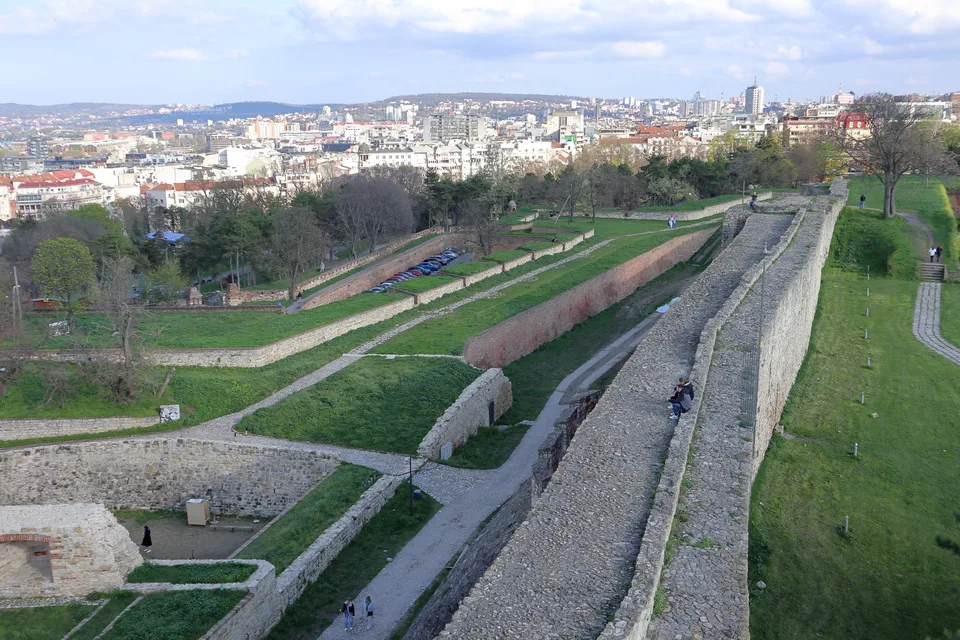
Give the fortress a generous morning or late afternoon. Walk through Kalemegdan towards the ramparts and the Pobednik, or Victor, monument, then pause over the river confluence. The view makes the relationship between the old centre, New Belgrade and Zemun much clearer than a street map alone.
The wider complex contains individual attractions, including the Roman Well, Clock Tower and museum spaces. Check the particular attraction’s arrangements before building a visit around its interior. Access to the surrounding grounds does not establish that every exhibition is open or included in one admission.
Choose a route suited to your mobility and footwear. Historic surfaces, slopes and changes of level call for more care than the central shopping streets. If steps are difficult, ask about the exact approach and entrance rather than accepting a general description of the fortress as accessible.
Give the National Museum a proper visit
At Republic Square, the National Museum’s visitor page gives an unusually practical reason to plan by weekday. It opens Tuesday, Wednesday, Friday and Sunday from 10:00 to 18:00, and Thursday and Saturday from noon to 20:00. Monday is closed.
The listed individual admission is RSD 300 for the permanent exhibition, RSD 500 for a thematic exhibition, or RSD 600 for both. Sunday admission is listed as free. Check the exhibition you actually want and any special arrangements before deciding which ticket makes sense.
Reserve time for the collection instead of treating the building as a photograph on the way to dinner. It also makes a useful indoor anchor during poor weather. An evening opening can free daylight for the fortress, while a Sunday visit can reduce spending without requiring a rushed museum schedule.
Plan the Tesla Museum around the tour language
The Nikola Tesla Museum’s visit planner places it at 51 Krunska Street in Vračar. Tours last around 45 minutes and generally begin on the hour, but the language varies by session. Consult the current schedule: an open museum does not mean an English tour starts whenever you arrive.
The individual English guided tour costs RSD 800; the Serbian tour costs RSD 400. Payment is in Serbian dinar cash, and cards are not accepted. Published opening hours are Monday 10:00–18:00 and Tuesday–Sunday 10:00–20:00. Leave time to obtain cash and confirm availability.
The museum’s house rules explain the limited baggage arrangements: there are no lockers, and luggage should be left elsewhere. Photography is restricted to designated areas without flash or tripods. Visitors with pacemakers must follow the guides’ instructions. Ask staff about individual access requirements before making a special journey.
Combine Saint Sava with time in Vračar
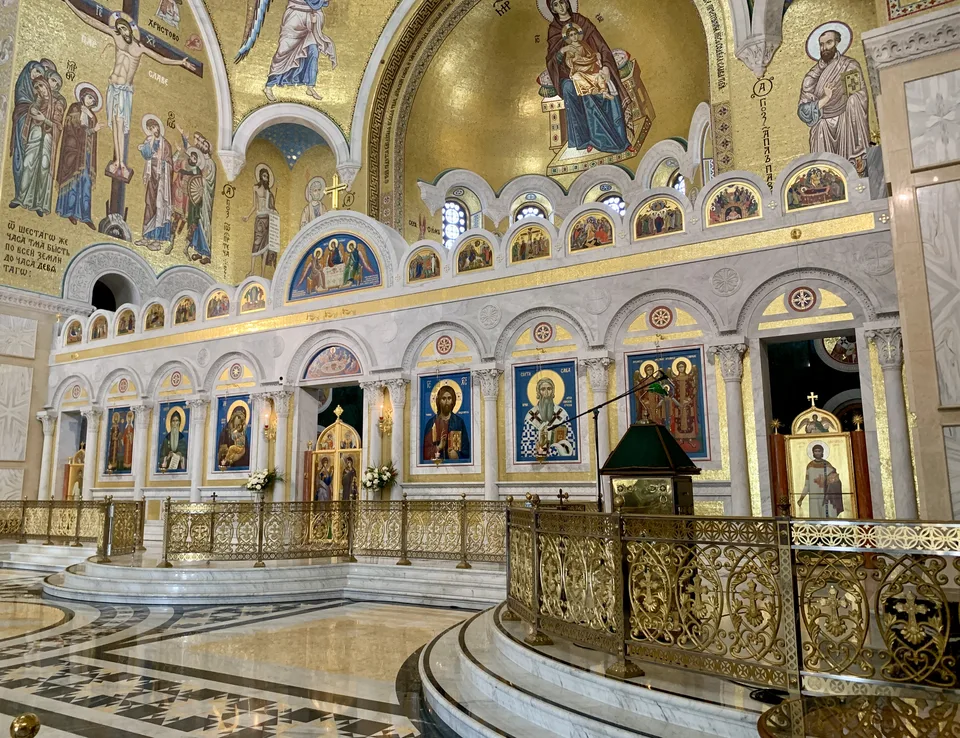
The Church of Saint Sava stands on Vračar hill, near the National Library of Serbia. Its scale and richly decorated interior deserve an unhurried visit, while the surrounding area gives you a reason to remain beyond the building itself.
Treat it as a working religious site. Follow instructions concerning services, dress and photography, and confirm access to any particular interior area you hope to see. An attraction photograph is not evidence that the same space will be available throughout your visit.
Pair this part of the city with the Tesla Museum if its tour schedule fits. Keep a lunch or café interval between them rather than building a day entirely from timed entries. For accommodation, compare the actual walking route to your chosen stop; a neighbourhood name alone does not tell you how convenient the address will be.
Make Yugoslav history a separate outing
The Museum of Yugoslavia offers another perspective on the city’s twentieth-century story. Its complex is at 6 Mihaila Mike Jankovića, outside the immediate Republic Square sightseeing circuit. Allocate travel time as well as time inside.
The regular ticket is RSD 800. Published visiting hours are Tuesday–Sunday 10:00–18:00, with Monday closed. Individual admission is free on the first Thursday of each month. The museum also lists a regular English guided tour on Saturdays at 11:00; check for programme changes before relying on it.
Accessibility needs particular attention. The museum specifically identifies wheelchair access to the May 25 Museum building, which should not be read as a guarantee covering every part of the complex. Contact it about the buildings, exhibitions and routes you intend to use. Combine this visit with a quieter afternoon rather than another distant, tightly timed attraction.
Spend half a day in Zemun
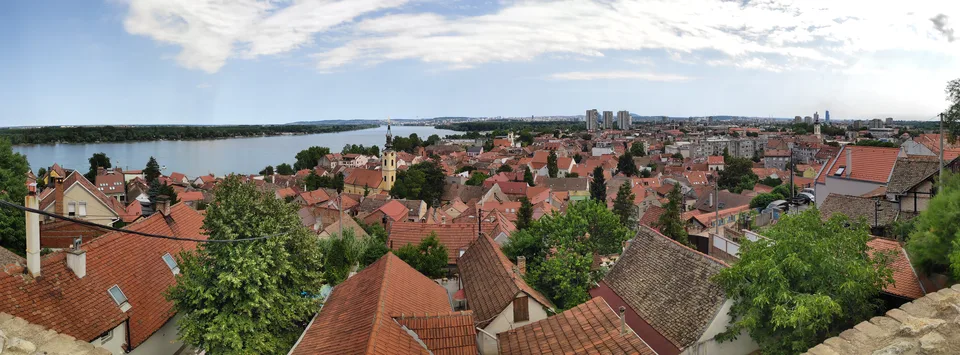
The tourism board’s Zemun introduction describes an older urban centre with narrow streets, historic buildings and a Danube promenade. Gardoš hill and its Millennium Tower provide a clear focus, but the riverbank and surrounding streets are equally good reasons to come.
Travel here as a distinct outing instead of assuming it is a short continuation of a fortress walk. Allow for your connection across the city, then explore on foot at a manageable pace. Confirm tower opening and admission separately if climbing it is essential to your plans.
For a meal, inspect menus along your route and compare the final price before ordering fish or other dishes sold by weight. A riverside setting can justify a longer stop, but it does not by itself establish value or quality. Keep enough time for the return journey, especially before an evening departure.
Explore Dorćol and an evening in Skadarlija
In Dorćol, the Bajrakli Mosque and Museum of Vuk and Dositej add historical depth to an area also known for cafés and bars. Choose a few adjoining streets and leave time to look around rather than attempting to cover the whole neighbourhood in one march.
Skadarlija has a different emphasis: its cobbled street and taverns are associated with the actors, writers and painters who gathered there around the turn of the twentieth century. It can be a worthwhile evening setting if traditional music and a lingering meal appeal.
Ask about the programme and menu before booking. For travellers who need an early night, the dining district is not automatically the best place to sleep. Those with limited mobility should check the actual approach over uneven paving before choosing a restaurant solely from its address.
Choose where to stay by the journeys you need
For a first visit centred on Republic Square, Knez Mihailova and the fortress, compare addresses in the old central area. A central hotel can reduce repeated transport journeys, while an apartment may provide kitchen and laundry facilities. Check whether those facilities are private and included.
Vračar is worth comparing when Saint Sava, the Tesla Museum or an appointment nearby is central to your plans. Novi Beograd deserves attention for business visits on that side of the river. Zemun suits travellers who actively want its riverside surroundings and accept the connection to central attractions.
Before booking, establish the floor, lift access, air conditioning, heating, luggage arrangements and cancellation terms. Ask whether the room faces a busy road or an evening venue. For an early flight, compare the complete airport journey from the address with an airport-area overnight stay.
Use the correct airport bus
Nikola Tesla Airport’s line 72 information lists a free city bus to Zeleni Venac, with a nominal journey of 30–40 minutes. That is vehicle travel time, not a promise covering the wait, traffic and walk to your accommodation.
The A1 minibus serves Slavija Square, at Kralja Milutina Street. Its tickets are bought from the driver in dinar cash. Do not assume that the regular city network’s free fares apply to this service; confirm its current price before boarding.
The airport transport overview also lists night line 72N to Republic Square and bus 600 towards Beograd Centar railway station. Check the relevant timetable and current airport stop before travelling. Allow extra time for access-road works and city traffic. For a prearranged transfer, agree the full charge, luggage allowance and meeting point in writing.
Separate the bus station from the railway station
The main BAS bus station is now in Novi Beograd. The operator lists Antifašističke borbe 46 as its address; do not navigate to an old city-centre bus-station address from a historic guide.
There is a further complication for rail connections. Srbijavoz’s station notice closes Novi Beograd station to boarding and alighting from 9 September through 31 December 2026. Check for newer notices and confirm the precise departure station printed on your ticket. Being near the bus station does not guarantee a usable train connection.
For online BAS tickets, read the operator’s platform-entry instructions. They require printing the ticket at a station machine using the electronic ticket’s QR code before entering the platform. Tickets already issued at the station ticket office do not need this extra printing step. Leave time for the machine and finding your platform.
Free transport still needs route planning
The official tourism transport information confirms that regular city and suburban transport has been free for all passengers since 1 January 2025, covering buses, trams, trolleybuses and BG Voz city trains. This is useful for visitors as well as residents.
It does not make intercity rail travel free, and separately priced minibuses need their own checks. Use the Transport Secretariat’s route information and current municipal transport notices when planning a journey. Roadworks can change stops and routes, particularly around Novi Beograd.
Do not plan journeys on an operational metro network: the government’s October 2026 metro update concerns construction. For a daily commute, test the actual route during the hours you would use it, including the walk at both ends. A free fare offers little comfort if repeated transfers make the journey impractical.
Budget in dinars and choose paid visits deliberately
Serbia uses the Serbian dinar, abbreviated RSD. Keep suitable cash for places such as the Tesla Museum, alongside your normal payment method. Use authorised exchange offices or banks and compare the rate and any commission before exchanging money.
Two museum visits can add up: an English tour at the Tesla Museum and the regular Museum of Yugoslavia ticket together total RSD 1,600, before food or accommodation. The National Museum’s permanent collection adds RSD 300 on a normal paid day. These are specific admission examples, not a complete daily allowance.
Obtain accommodation quotes for your actual dates, including taxes, cleaning and cancellation conditions. Reserve a separate contingency for taxis, luggage storage or a missed connection. Free regular public transport and walking can keep spending down, but they do not justify an invented citywide budget that ignores your room choice and interests.
Shop without losing a sightseeing day
The tourism board’s shopping overview identifies Knez Mihailova’s pedestrian area between Republic Square and Kalemegdan as a central shopping route. It fits naturally into a sightseeing day, while Terazije and larger malls provide alternatives.
For craft shops, the same overview points to Balkanska Street. Look at the maker, materials and price rather than assuming every souvenir is locally produced. If buying food or drink to take home, check your destination’s import and airline baggage rules before choosing quantities.
For a longer stay, everyday convenience matters more than a landmark shopping address. During an apartment visit, locate a practical grocery shop and pharmacy and check how you would carry purchases home. A kitchen is less useful if reaching basic supplies turns into a regular transport errand.
Choose your season around how you travel
Belgrade has a marked seasonal contrast. The hydrometeorological service’s Vračar station tables show cold winter conditions and warm summers, with precipitation across the year. Their historical climate averages describe a pattern, not the weather awaiting a particular booking.
For a walking-focused first visit, consider spring or early autumn, then check the forecast close to departure. In hot weather, place exposed fortress and river walks earlier or later in the day and use museums during the middle hours. Confirm that accommodation has effective cooling rather than relying on a photograph of an appliance.
Winter can suit museum-led travel, but allow for shorter daylight and slippery surfaces. Pack layers and rain protection in transitional seasons. A residential trial visit should ideally include weather in which you would need to commute, shop and heat or cool the apartment.
A realistic three-day introduction
On day one, start at Republic Square and visit the National Museum when open. Continue along Knez Mihailova, pause for lunch, then devote the afternoon to Kalemegdan and the fortress. Leave the evening flexible rather than committing to a distant timed event.
On day two, arrange the Tesla Museum around an appropriate language slot and carry dinar cash. Spend the remainder of the morning or afternoon around Vračar and Saint Sava. Add a neighbourhood meal instead of racing across the river immediately afterwards.
On day three, choose Zemun for riverbank walking and Gardoš, or the Museum of Yugoslavia for a history-focused outing. This is an editorial itinerary, not a packaged tour. Reorder it for museum closures, weather and personal interests. Travellers wanting both third-day options should add time instead of compressing everything into a checklist.
Rent for the life you will actually lead
Begin a relocation search with a short stay and several viewing appointments. Compare the commute to your workplace or campus, not just proximity to visitor attractions. Ask to see the building entrance, common areas and the route from the nearest practical stop.
The government’s housing guidance recommends a signed agreement specifying the rental period, payment and maintenance responsibilities. Clarify the deposit, agency commission, notice period and conditions for its return before paying. Photograph existing damage and record the inventory at handover.
For each apartment, ask for recent utility bills and establish the heating system, winter charges, cooling, internet availability and who manages faults. Test windows, water pressure and appliances during the viewing. Current rents vary substantially by property and location; obtain comparable live offers rather than treating an old expatriate budget as a dependable market average.
Arrange household services before committing
Healthcare needs a separate plan. The government’s health insurance guidance explains that arrangements for foreign citizens depend on circumstances and international agreements. Confirm what your insurance covers, where you can receive care and how ongoing prescriptions will be managed. Do not assume an EU health card alone resolves Serbian coverage.
Families should contact schools directly about documents, available places, teaching language, support and the daily journey, using the official school-enrolment information as a starting point. School suitability can change the best housing choice.
For finances, consult the bank-account guidance and ask the intended bank about identity and address documents, account eligibility and charges. Banking classifications and immigration or tax residence are different questions. Test mobile coverage and internet at the exact apartment, especially if dependable connectivity is central to your work or studies.
Keep tourism, work and residence distinct
Use the government’s visa-regime guide for your passport, travel document, purpose and intended duration. Serbia’s own entry conditions apply; do not assume another country’s visa or residence rights automatically permit an extended Serbian stay.
For employment, the residence and work guidance explains the relevant employment visa D and residence/work routes, including the single permit. Eligibility and application requirements depend on the circumstances. Study, family residence and permanent settlement require their own checks; a tourist admission is not a general work authorisation.
Ask your accommodation provider or host to confirm the required arrival registration, generally their obligation within 24 hours of providing accommodation or your arrival for a visit. This registration is separate from a residence permit. Remote workers should verify their own immigration and tax position. VisaWand’s consultant listings can help identify professional support for a specific case.
Add nearby time only after solving the connection
Ada Ciganlija offers a different pace, with paths and recreation around Sava lake. Choose walking or cycling according to conditions; swimming requires current operating and safety information rather than an assumption based on summer photographs.
For a separate city excursion, explore VisaWand’s Novi Sad location page and investigate transport for the intended day. Confirm the actual arrival station and onward connection, particularly while railway arrangements are changing. The directory page is a starting point, not a completed itinerary.
In its 15 October rail notice, Srbijavoz adds Petrovaradin stops for all Soko Inter City trains from 19 October 2026, alongside the continuing TPS Novi Sad stops. Match your chosen service and date to the current timetable before booking an onward connection.
If comparing regional capitals for a longer trip, the completed Sofia city guide explains a different museum, mountain and transport combination. Compare full travel days and entry requirements before adding another country. For Belgrade itself, a fourth day spent exploring one neighbourhood often offers more value than another border crossing squeezed between departures.
Official planning resources
Reviewed 15 October 2026. Use the official resources linked throughout this guide for admission, transport, housing and immigration decisions. Prices, services and rules can change; confirm the details relevant to your dates. Photography illustrates the locations and is not a live view.
View all official resources
- Belgrade tourism: fortress
- Belgrade tourism: Zemun
- Belgrade tourism: Saint Sava
- Belgrade tourism: Novi Beograd
- National Museum: visits
- Nikola Tesla Museum: visit planning
- Museum of Yugoslavia: visits
- Belgrade tourism: public transport
- Belgrade Airport: bus72
- Belgrade Airport: A1
- Belgrade Airport: transport options
- Transport Secretariat: line72
- BAS: station address
- BAS: online tickets and platform entry
- Srbijavoz: Novi Beograd station closure
- Serbian government: metro construction update
- Belgrade tourism: food
- Belgrade tourism: shopping
- Belgrade tourism: currency
- RHMZ: Belgrade Vracar climate normals
- Serbian government: renting a home
- Serbian government: arrival registration
- Serbian government: visa regime
- Serbian government: residence and work
- Serbian government: healthcare
- Serbian government: school enrolment
- Serbian government: banking
- Nikola Tesla Museum: house rules
- City of Belgrade: current transport notices
- Belgrade tourism: Skadarlija
- Belgrade tourism: Dorcol
- Srbijavoz: changes effective 19 October 2026
Plan the next part of your journey
Explore the Serbia guide, browse other cities or compare consultants for your travel and relocation questions.