Visa
Plan a Gulf city stay around the waterfront
Dammam offers a different introduction to Saudi Arabia from a trip built around desert scenery or monumental historic sites. Its appeal is urban and coastal: time beside the Gulf, seafood and regional cooking, family outings and access to the cultural institutions of neighbouring Dhahran. It can work as a short break, an arrival point for the Eastern Province or a base for someone assessing a move.
Allow two or three full days for Dammam and one substantial outing beyond it. The city is the Eastern Province's administrative capital, as Saudipedia's Dammam introduction explains, but it is not interchangeable with the whole province. Choose accommodation around the places you will actually use. A waterfront holiday, an industrial-site assignment and a family relocating for school require different addresses and different daily journeys.
Keep Dammam, Dhahran and Al Khobar distinct
Regional publicity often presents Dammam, Dhahran and Al Khobar together. That is useful for understanding the available experiences, but less helpful when it obscures the travel between them. In particular, Ithra is in Dhahran. A Dammam hotel does not place its museum, library or cinema within an old-town walking circuit.
For sightseeing, group stops by area and leave space for a road journey between them. For relocation, obtain the precise workplace or campus entrance before deciding where to live. The location of a company's headquarters may differ from the gate used for a particular assignment. Save the full address and map pin, and test the journey at the hours you expect to travel. Compare a Dammam base with Al Khobar when most planned activities are farther south.
Understand the coast and the oil economy
The region's history reaches much further back than the modern oil industry. Dammam's contemporary role, however, is closely connected to commerce, transport and the growth of that industry. The port, road network and rail connection help explain why this is a working regional capital as well as a leisure destination.
Aramco's historical account records commercial production from Dammam No. 7, the Prosperity Well, in 1938. The name is part of the wider Dhahran-area oil story; it should not be read as an invitation to visit an unrestricted attraction in central Dammam. For an accessible cultural introduction, plan around public institutions such as Ithra and their confirmed visitor arrangements. Keep industrial facilities and private company areas separate from ordinary sightseeing plans.
Choose a particular stretch of corniche
The Ministry of Media's Dammam Corniche overview describes a long waterfront with several recreation areas, rather than one compact attraction. Walking paths, lawns, sports areas and places to sit give it a useful role in an otherwise busy city visit. Choose a starting point and a manageable section instead of attempting to cover the coast in one outing.
An early walk or an evening stop can fit naturally around meals, subject to the day's weather. Check shade, toilets and return transport before taking young children or anyone who tires easily. A waterfront address also needs checking at street level: sea views from a room do not establish a convenient pedestrian crossing. Swimming requires separate judgement about the particular location and posted conditions; a promenade beside water is not automatically a designated bathing beach.
Al-Saif is another waterfront area within Dammam, described in the official overview as opening in 2021, with walking paths, children's play spaces and accessible parking. It illustrates why a precise map pin is more useful than the word corniche alone. Compare the section nearest your accommodation with the experience you want, and check current facilities instead of assuming that every stretch offers the same shade, play equipment or services.
Visit Al-Marjan Island for a different waterfront view
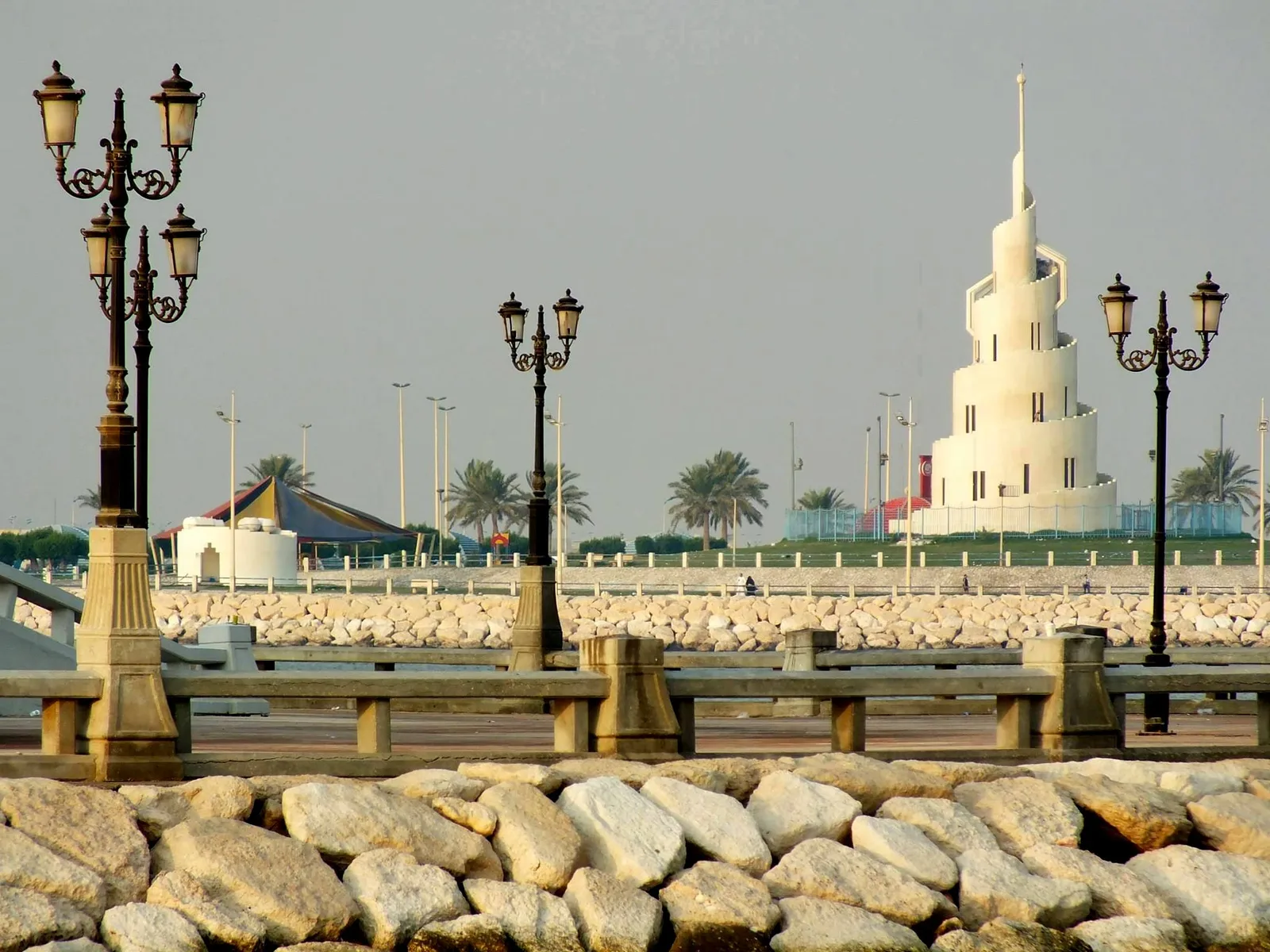
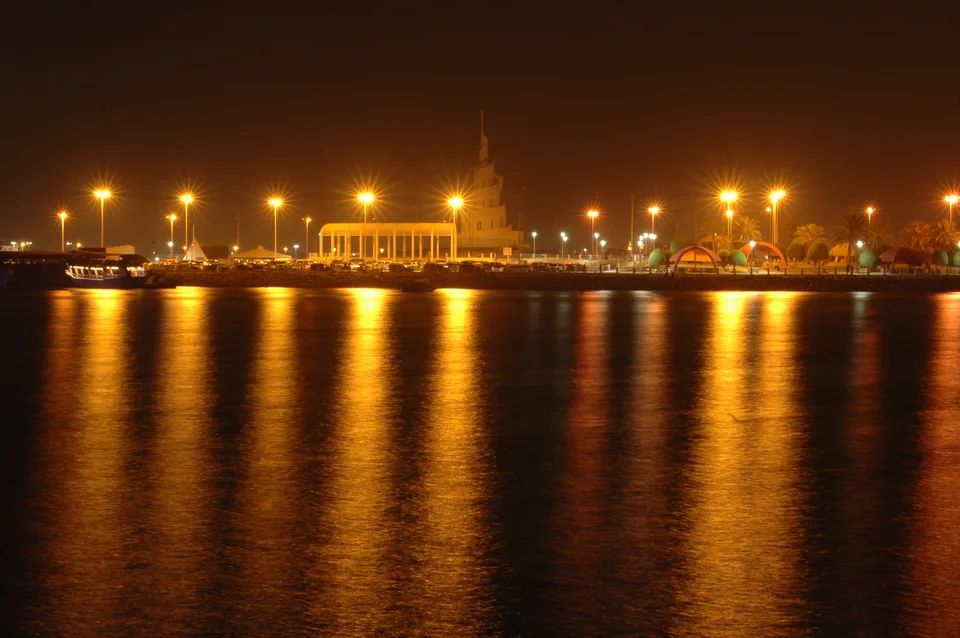
Al-Marjan Island is one of the corniche's recognisable landmarks, with a circular layout and a spiral tower. The waterfront account describes its picnic spaces and walking areas. It makes sense as a focused outdoor stop, particularly if your party prefers a modest stroll and somewhere to sit over another indoor attraction.
Plan the approach and return before setting off, and take current barriers or closure notices seriously. Do not assume that a tower visible in a photograph can be climbed during your visit. An evening photograph also gives no assurance about today's access or lighting. Keep the outing flexible when heat, wind or visibility makes lingering outside uncomfortable. Pair it with a meal in the same general part of Dammam rather than attaching a distant excursion to a short waterfront visit.
Make the Heritage Village a deliberate choice
The Saudi Tourism Authority's Heritage Village listing presents a Dammam attraction concerned with Saudi regional heritage. It can provide a useful change of pace from the waterfront, especially when your interests include traditional objects, interiors or regional cultural presentation. Check the actual visitor offer before deciding how much time to allocate.
At review, the tourism listing advertised entry from SAR 20 per person through a linked ticket seller. Treat that as a starting offer with its own conditions, rather than a universal tariff covering every service. Establish whether a meal, a particular museum area or any additional experience is included. Confirm current opening arrangements directly, particularly when planning an evening around food. A commercial heritage venue is also a different kind of experience from an archaeological site or a public museum.
Reserve proper time for Ithra in Dhahran
Ithra's visitor information identifies a complex containing a museum, library, Children's Museum, Energy Exhibit, cinema, theatre and other facilities. Decide which part matters most before leaving Dammam. An architecture stop and a family museum visit need different amounts of time and different bookings.
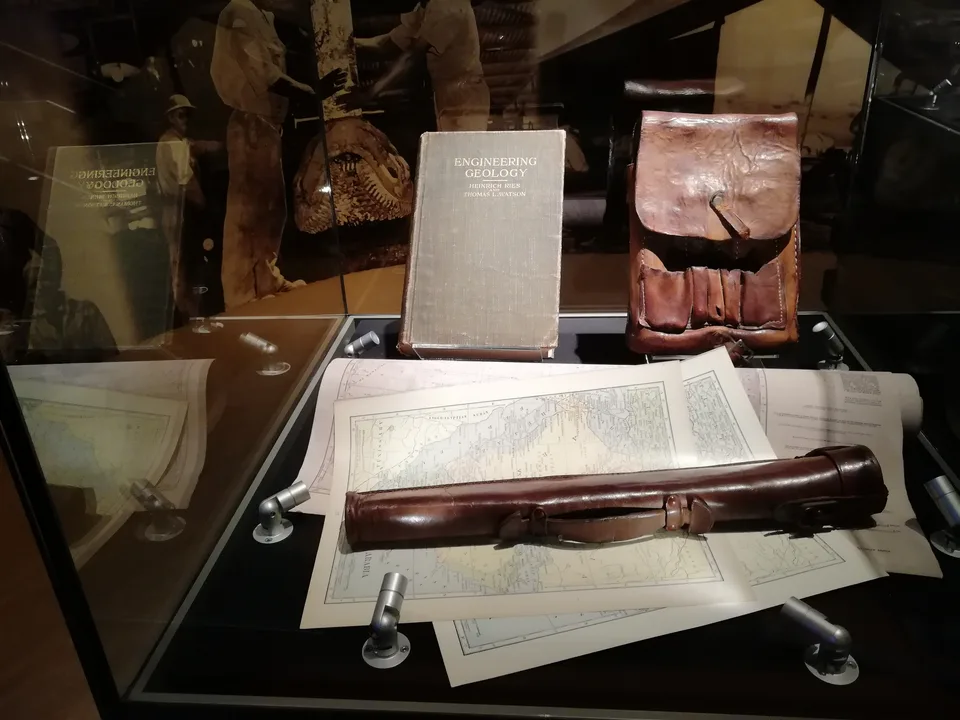
The Ithra Museum page lists five gallery themes, including Saudi culture, Islamic art, contemporary Middle Eastern art, natural history and archives. Its current museum offer starts at SAR 35 and names the exhibitions included. That price should not be treated as admission to every performance, workshop or separately ticketed facility. Check the dated option for your party and retain the booking confirmation. The photographs in this guide show a past display; use the programme pages to identify what is actually on during your visit.
Check Ithra's booked date rather than a copied timetable
Ithra's admissions and timing page is the appropriate starting point for planning, but its displayed opening information was inconsistent between the main timetable and footer when reviewed. Confirm the date with the operator or ticket calendar before organising transport. Avoid assuming that a late general closing time means every facility remains available until then.
The operator specifically says the Children's Museum and Energy Exhibit close two hours before general closing. For a family visit, establish the relevant session and age conditions first, then fit other activities around it. Check step-free access and any assistance needed for the spaces you intend to use. Ticket conditions are tied to the booked date and time, so leave a realistic margin for the journey. A rushed arrival can undermine an otherwise well-chosen outing.
Choose accommodation for the shape of your days
For a leisure stay, compare properties near the stretch of waterfront you want to use with accommodation closer to central Dammam's shops and services. Check the actual walk to food and supplies, including crossings. A hotel described as convenient for the Eastern Province may still require a car for nearly every activity.
Hotels can simplify a short arrival; furnished apartments can be useful when cooking, laundry and separate sleeping space matter. Confirm that the facilities shown belong to the specific unit. Ask about reception hours, lift access, parking, housekeeping and any charges beyond the headline room rate. With children, compare the whole arrangement rather than floor area alone. If most of the trip centres on Ithra or Al Khobar, price accommodation there too, including the transport saved by choosing a different base.
Arrive through King Fahd International Airport
King Fahd International Airport uses the code DMM. The airport's official transport information places Dammam approximately 35.6 kilometres away and lists more distant destinations separately. Actual transfer time depends on the address and traffic. Arrange the complete journey, including how to reach reception after a late arrival.
The airport's bus tab lists service from 05:30 to 23:30, departing every 30 minutes, with counters and boarding at arrivals level. It displays SAR 3.45 to central Dammam and a Khobar option via Dammam station. Confirm the current stop and onward connection before relying on that journey. Its prepaid taxi tariff lists Dammam at SAR 100, with some other districts priced separately. For Uber or Careem, follow the designated pickup instructions in the app and match the vehicle details before boarding.
Use Eastern Bus for journeys that fit its routes
SAPTCO's Eastern Bus information confirms a network serving Dammam, Al Khobar, Dhahran and Qatif. It publishes operation from 05:30 to 23:30 throughout the week and directs passengers to its app to identify routes and stops. The network offers an alternative to assuming every journey requires an individual car.
Check both ends of the trip, the direction of travel and the current payment process. General network hours are not a guarantee that the last bus on a particular route leaves your stop at closing time. Consider the walk from the stop to the actual entrance, especially in hot weather or with luggage. For a first visit, test a simple journey before building a tightly timed outing around several changes. Keep a separate return option when an evening activity finishes late.
Compare intercity rail before booking another flight
The official Dammam transport overview distinguishes the East passenger line linking Dammam and Riyadh through Abqaiq and Al-Ahsa. It is a different network from the western Haramain service. Use SAR’s current app or station booking process for your departure date, station and available class rather than an old seasonal timetable.
Compare door-to-door travel, including the station transfer and arrival arrangements at the other end. Check baggage conditions and the identification required for the ticket before paying. An advertised lowest fare may not be available on your chosen departure. For a visit to Al-Ahsa, confirm which station and onward road journey serve the places you want to see. A rail connection makes a regional trip possible; it does not make every attraction immediately accessible on arrival.
Explore seafood and the Eastern Province table
The official regional-food overview connects Eastern Province cooking with its Gulf coast. Fish and shrimp offer a useful starting point, alongside dishes such as muhammar and makbous. Hassawi miflaq uses cracked wheat with shrimp and vegetables, a useful distinction for anyone who assumes every accompanying grain is rice.
Ask how a dish is prepared and which ingredients it contains. Seafood, wheat, dairy products and nuts require particular attention where allergies or dietary restrictions apply. Compare whether a fish price covers the whole fish, a portion, preparation and side dishes. An ordinary lunch near the day's outing can be more useful than a long journey to an unverified recommendation. Restaurant photographs and descriptions help identify the setting, but do not establish today's menu, price or availability. Reserve when a particular meal is central to the evening.
Shop with a purpose and check the total price
For a short visit, decide whether the priority is household supplies, gifts, clothing or a sheltered break between outings. Central shopping areas and larger retail complexes serve different needs. Check opening arrangements for the actual store, especially around public holidays and religious occasions, rather than treating a mall's general hours as universal.
For food gifts, retain packaging and receipts and check the destination country's import conditions. For electronics or larger purchases, ask about warranty coverage, returns and delivery. Someone moving to Dammam should separate immediate needs from items better bought after inspecting the home: curtains, appliances and storage depend on dimensions and what the landlord supplies. Compare the final bill, including any delivery and installation, before deciding that a distant shop offers the best value.
Build a budget around the expensive decisions
The verified examples show why one daily-cost figure would be misleading: an airport bus listed at SAR 3.45, a prepaid Dammam taxi at SAR 100 and Ithra Museum admission starting at SAR 35 represent different choices. A museum visit and a one-way city taxi transfer would therefore start at SAR 135 before meals, accommodation and other journeys.
Use dated room quotations and include taxes, cancellation terms and any parking or breakfast charges. For apartments, ask whether electricity, water, internet, cleaning and laundry are included. Transport can change the comparison substantially when several members of a household travel separately. Keep a payment backup and some cash, and check your own bank's charges. A low attraction price cannot compensate for an accommodation choice that repeatedly sends you across the urban area.
For four people, four airport-bus tickets at the published fare total SAR 13.80. Compare that with the quoted vehicle transfer after adding any onward ride from the bus stop. The bus saving can be substantial, but luggage, arrival time and the hotel entrance still determine whether it is the practical choice for your group.
Choose cooler months for time outdoors
Dammam's coastal climate can make summer sightseeing demanding. The city overview describes a hot, humid period from May to August and cooler conditions from November to February. For a first visit focused on walking and waterfront time, the cooler period is a sensible starting point when comparing dates. It is still necessary to check the actual forecast.
The National Center for Meteorology's Dammam page provides weather, visibility information and warnings. Consult it before outdoor outings or longer drives; a seasonal description cannot predict a particular day's heat, wind, fog or rain. In warmer conditions, reduce exposed walking and allow indoor breaks rather than trying to preserve an overloaded schedule. For a waterfront evening, assess comfort again after arrival: being beside the sea does not ensure a cool or dry-feeling night.
A realistic three-day introduction
Spend day one in Dammam itself. Settle into the accommodation, explore a manageable stretch of corniche and choose a nearby meal. Add Al-Marjan Island if the weather and your party's energy allow. Avoid committing to a timed attraction immediately after an uncertain flight arrival.
On day two, organise the Heritage Village around confirmed access and combine it with central Dammam shopping or another waterfront stop. Reserve day three for a dated Ithra visit in Dhahran, choosing the museum, family activities or another programme deliberately. Add an Al Khobar meal or waterfront outing only if the transport and timing remain comfortable. Swap days to fit actual opening arrangements. With two days, combine a selective Dammam day and an Ithra outing, rather than attempting to reproduce every element at greater speed.
Test the commute before signing a lease
A relocation assessment needs ordinary weekdays as well as sightseeing. Test the journey to work or school at the relevant hours, and check parking and the final walk. An address advertised under Dammam may serve a different part of the wider urban area from the one your household needs.
Use Ejar's tenancy guidance to understand the rental framework and the terms being documented. Inspect the exact unit, record its condition and establish maintenance responsibilities, payment periods, deposit arrangements and termination conditions. Ask what furnishing includes: appliances, cooling equipment and cooking facilities should be listed clearly. Check water pressure, internet availability, emergency exits and noise. Families should establish school availability and the school journey before committing to a long lease. Obtain written answers and receipts rather than relying on a viewing conversation.
Set up household accounts carefully
Ejar's utility-transfer explanation describes a service connecting electricity and water accounts to the actual beneficiary, with both contracting parties' approval. It distinguishes this process from billing: the utility companies continue to issue the bills. Check which service has been requested and completed for your unit, including the meter identification and opening reading.
Saudi Energy's meter-declaration information provides another official account-management resource. Confirm whether a meter serves only your unit or a shared area, and how any common charges are allocated. Keep handover photographs and account records accessible. Before buying household equipment, check what is supplied, the available space and installation requirements. Cooling, laundry, drinking-water arrangements, groceries and reliable connectivity should form part of the housing comparison, not become expensive surprises after a deposit has been paid.
Plan healthcare for the permission and cover you hold
Identify suitable healthcare before a long stay, including routine appointments, essential medicines and access in an emergency. Ask an insurer about the actual hospital network, approval process, exclusions and charges. A policy connected with a visit is a different arrangement from employment-related household cover.
The Insurance Authority's health-insurance FAQs distinguish visitor policies from private-sector employment cover. Employers must insure their employees and family members covered by the rules, including eligible staff during probation. Confirm each dependant's eligibility and the date cover begins; a relative visiting on a visit visa has different arrangements. Check the actual policy's network, limits and exclusions before relying on it. Keep policy and prescription information accessible while travelling, and check medicine-import requirements before packing a substantial supply.
When comparing jobs, ask whether the offered policy includes the providers your household needs and how a change of employer affects continuity. A benefit described simply as medical insurance does not answer questions about ongoing treatment, specialist referrals or medicines.
Separate a tourist visit from work, study and residence
The official Saudi tourist eVisa terms describe a standard one-year, multiple-entry visa, with a maximum stay of three months and a passport valid for at least six months from entry. Eligibility and the specific permission granted matter. The terms prohibit paid employment on that tourist permission; a long hotel booking does not create a right to work or settle permanently.
For employment, consult the Ministry of Human Resources' employer visa service, which directs eligible businesses through Qiwa. Agree the actual process and responsibilities with the employer before relocating. For study, use the Education Ministry's international-student information and the admitting institution to establish the appropriate route. Tourism, a sponsored job, formal education and permanent residence are separate decisions. Confirm dependant arrangements and the conditions of the actual grant before paying substantial housing or course costs.
Prepare for local requirements and the next journey
The official public-decorum guidance requires modest clothing in public places and respect for local customs. Check the arrangements of particular venues and avoid photographing people without permission. For packing, consult ZATCA's prohibited and restricted passenger-goods guidance: alcohol is among the prohibited imports, and medicines or specialist equipment may need additional checking.
For onward travel, consider another Eastern Province base or a separate Riyadh visit. VisaWand's Riyadh city guide offers a different urban comparison. A Bahrain trip involves an international border, so verify entry permission and vehicle conditions separately. The Saudi Arabia country guide, location directory and destination page provide further context. Compare consultant listings by credentials, fees and written scope when seeking individual immigration support.
Official planning resources
Reviewed 15 October 2026. Use the official resources linked throughout this guide for admission, transport, housing and immigration decisions. Prices, services and rules can change; confirm the details relevant to your dates. Photography illustrates the locations and is not a live view.
View all official resources
- King Fahd International Airport: ground transport
- Ministry of Media Saudipedia: Dammam transport and passenger rail
- Saudi official tourist eVisa terms
- Ithra: visitor facilities
- Ithra: admissions and timing
- Ministry of Media Saudipedia: Dammam Corniche
- Ejar: tenancy frequently asked questions
- Ejar: financial liability transfer
- SAPTCO: Eastern Bus
- Saudipedia: Eastern Province traditional dishes
- Saudi tourist eVisa: public decorum
- Saudipedia: Dammam city
- National Center for Meteorology: Dammam weather and warnings
- Saudi Energy: meter declaration
- Ministry of Education: higher-education and international-student admissions
- Ministry of Human Resources: employer work-visa service
- Ithra Museum: galleries and current ticket
- Saudi Tourism Authority: Dammam Heritage Village
- ZATCA: prohibited and restricted passenger goods
- Insurance Authority: visitor and employment health-insurance FAQs
- Aramco: history
Plan the next part of your journey
Explore the Saudi Arabia guide, browse other cities or compare consultants for your travel and relocation questions.