Visa
A river city that rewards a slower route
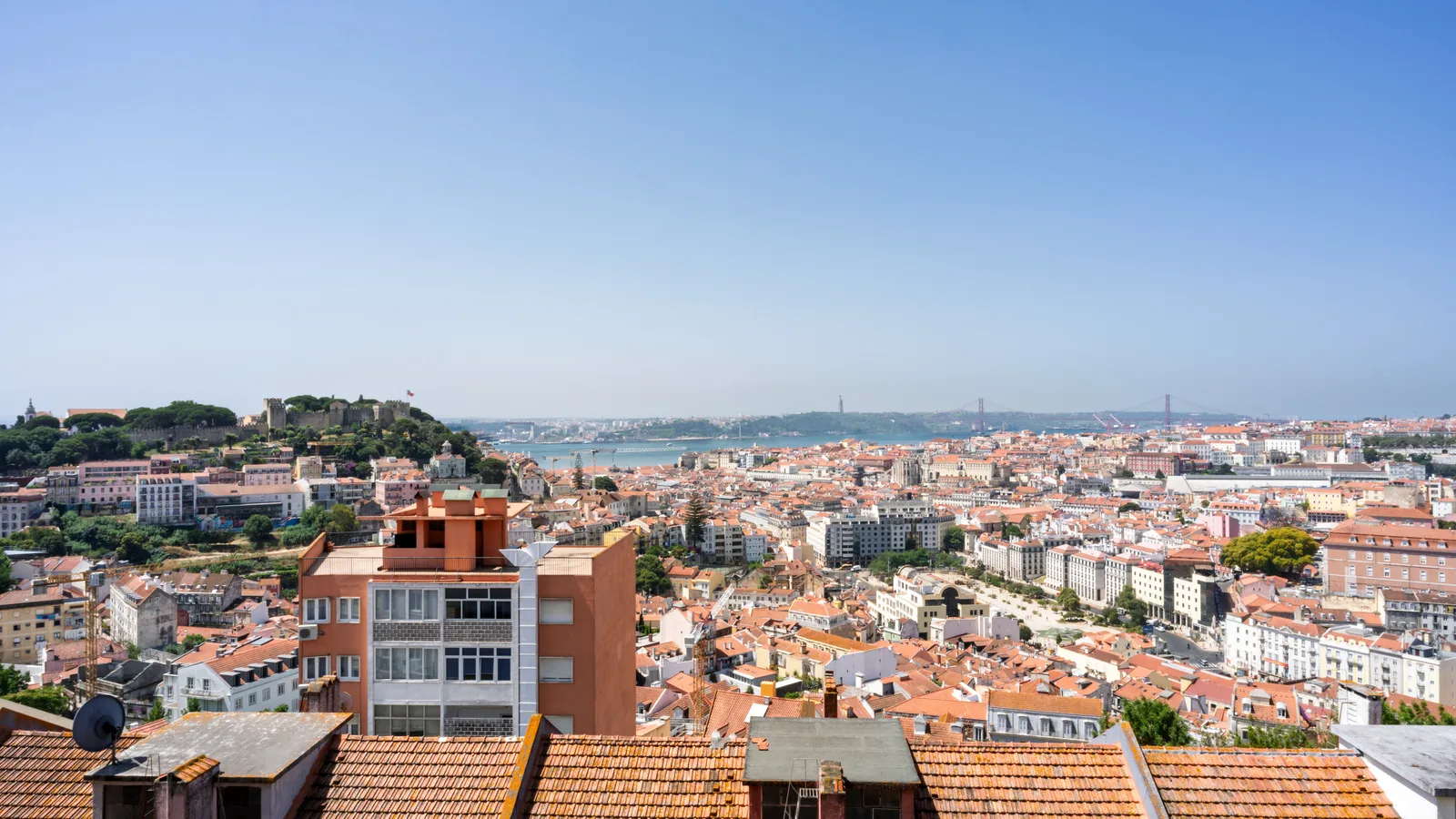
Lisbon’s appeal comes from the relationship between its hills and the Tagus. A morning can begin in a riverfront square, continue through the ordered streets of Baixa and end above tiled roofs with a view towards the castle. The distances may look modest on a map, but climbs, steps and queues change the pace. Plan around neighbourhoods rather than a long checklist of disconnected sights.
Portugal’s capital suits visitors interested in architecture, museums, food and live music. Three full days allow a useful introduction to the central neighbourhoods and Belém. Add time if you want Sintra, a coastal excursion or a quieter afternoon exploring shops. Giving every famous attraction a timed booking can leave surprisingly little room for enjoying the city between them.
For people considering a move, the same geography becomes a practical question. A beautiful hillside address may mean a demanding walk home with groceries. Use a scouting visit to test the commute and inspect housing, alongside sightseeing. The experience of a short holiday cannot establish whether a rental agreement, household budget or immigration route will work for you.
Understanding the city beneath the view
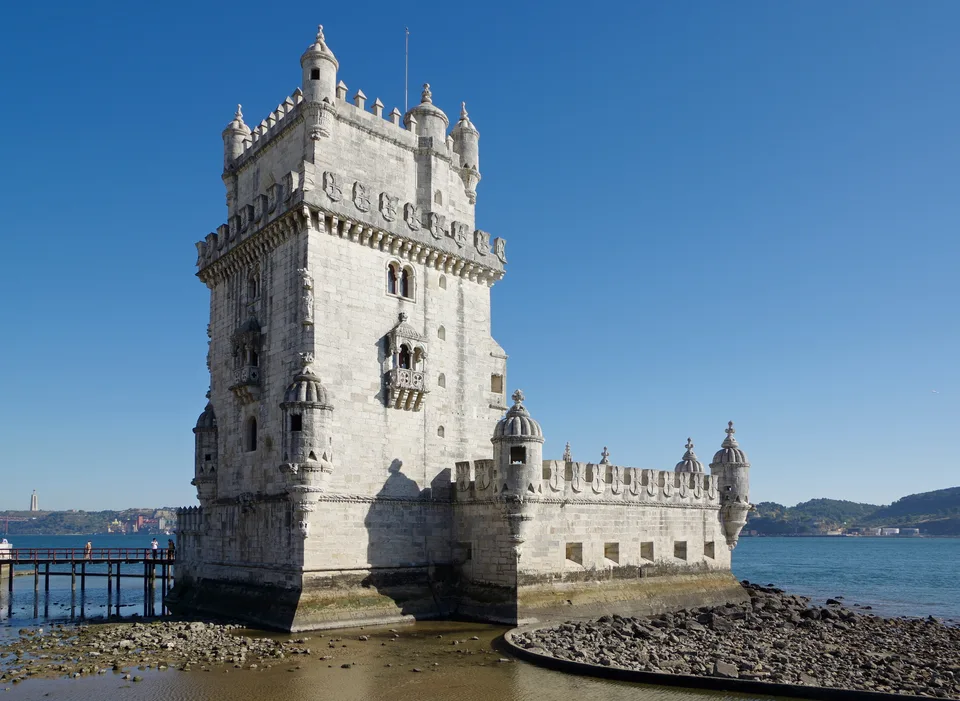
Lisbon’s castle archaeology records successive periods of settlement, including ancient housing remains and streets from the Islamic period. The river also shaped royal development and maritime activity. In Belém, King Manuel I commissioned Jerónimos Monastery, while the tower protected the port and estuary. Their elaborate architecture is a starting point for understanding that period, rather than the whole story of Portugal’s overseas expansion.
The earthquake of 1755 and the rebuilding that followed are another essential chapter. Visit Lisboa’s account of Praça do Comércio explains that the royal palace once stood here before the earthquake. The square’s river-facing setting helps connect the modern city to its earlier life. The Lisboa Story Centre interprets the earthquake, Pombal’s modernising vision and subsequent changes.
Further east, Parque das Nações presents a different chapter: the area redeveloped for Expo ’98. Looking at the historic centre, Belém and this modern waterfront together is more revealing than treating Lisbon as a single preserved old town. Its neighbourhoods offer different landscapes and different everyday rhythms.
Baixa, Chiado and the eastern hills
Baixa is a sensible starting point for a first visit. The visitor board identifies the Baixa Pombalina as the historic centre, with traditional shops and museums around streets such as Rua Augusta. Use it as an orientation point between the river and the higher neighbourhoods. Check the exact walking route to accommodation; the final few hundred metres can matter more than a central postcode.
Chiado and Bairro Alto suit a trip with browsing and evening plans, while Cais do Sodré provides another riverside base for restaurants and transport. A lively setting may be welcome for an evening out and less welcome outside a bedroom window. Ask about the room’s orientation and read recent comments about the specific property, rather than labelling an entire neighbourhood quiet or noisy.
Alfama and the castle area offer a more intricate street pattern and elevated views. Make the uphill leg deliberately, with breaks, rather than repeatedly crossing the same slope between bookings. An accessible route needs more research than a standard walking itinerary: consult the national visitor board’s accessible-tour information and confirm the actual entrances and transport options you intend to use.
Belém and Parque das Nações
Belém lies away from the compact central sightseeing cluster and deserves its own morning or day. The monastery, tower and riverfront can be combined, but leave time to move between them and attend any entry slot. Choosing one interior visit and a waterfront walk can be more satisfying than queuing for every monument.
Parque das Nações offers a contrasting eastern base around contemporary buildings, gardens and the Oceanário. Visit Lisboa’s garden information describes several green spaces and riverside walking areas. It is useful for a less hill-focused outing, although individual routes and attractions still need accessibility checks. Oriente’s connections are relevant when comparing accommodation here with the historic centre.
Neither waterfront area is automatically the best place to stay. Map the journeys to the places you care about and compare the total room price. A comfortable property outside the centre can work well when its transport links match your plans; an attractive map pin is less useful if it creates awkward daily transfers.
Choosing a place to stay
Compare hotels, hostels and serviced apartments according to what the trip requires. A short stay benefits from luggage storage and a straightforward arrival. A longer stay may put greater value on cooking space, laundry and somewhere to work. Confirm whether a hostel price means a shared dormitory bed and whether towels or storage bring additional charges.
In older buildings, ask specifically about lifts, steps at the entrance, cooling and the floor occupied by your room. Check the walking approach from the nearest usable station with luggage. For a late arrival, establish the check-in procedure before travelling. These details often make a bigger difference than an appealing photograph of the façade.
Lisbon’s municipal tourist-tax information lists €4 per person per night, capped at seven consecutive nights per stay. Confirm the applicable age rules and exemptions with the property and check whether the quoted total includes the tax. A holiday apartment’s willingness to accept a long reservation should not be taken as proof that its paperwork will suit a residence-permit application.
Arriving from the airport and beyond
Lisbon Airport’s transport page describes the normal Metro connection towards Saldanha as taking about twenty minutes. That is a station-to-station guide, not a promise of reaching a hotel in twenty minutes. Allow for baggage, buying a ticket, any interchange and the final walk. Check current service notices: on the review date, 14 October 2026, the airport warned that a Metro strike closed all stations, including the airport station.
Terminal 2 is dedicated to departures. The airport provides a free shuttle from Terminal 1, normally every twelve minutes between 3:30am and 12:30am the following day, with a ride of about three minutes. Leave a buffer for waiting and onward check-in, and verify the departure terminal with your airline.
For taxis, use the official queue, check the meter and request a receipt. App-booked pickups have a designated airport area; follow the current signage and booking instructions. City buses have luggage restrictions, so inspect those before choosing a bus with large bags. For a rail arrival, check the station named on the ticket and plan the onward connection rather than assuming every service uses the same terminal.
Metro fares and choosing a transport product
The Metro operator’s current fare page lists the Carris/Metro ticket at €1.90. It allows travel during sixty minutes after the first validation, but does not permit consecutive Metro journeys. The Carris/Metro 24-hour ticket costs €7.25, starting from first validation. Choose the product around your expected journeys; a sightseeing day with several transfers differs from a single airport arrival.
Other 24-hour products extend coverage: Carris/Metro/Transtejo for the Cacilhas connection is €10.35, while Carris/Metro/CP is €11.40 for the listed suburban rail lines, including Sintra and Cascais. These inclusions are specific. A pass covering the train to Sintra does not mean every bus or attraction there is included.
The reusable navegante occasional card costs €0.50 and is for one person per journey. The operator lists Metro zapping at €1.72 and contactless bank-card Metro travel at €1.92. Zapping deducts fares according to each operator’s rules; it is not the same as a universal transfer ticket. Keep the loading receipt and follow the validation instructions for the chosen product.
Historic transport without an unreliable promise
Trams form part of Lisbon’s transport and visual character, but a photograph of a famous vehicle does not establish its current route or frequency. Check CARRIS’s service notices before planning a particular ride. If a tram queue becomes the dominant activity of the morning, consider another connection and save the time for the neighbourhood itself.
The operator’s historic-equipment status page records ongoing work and restrictions following the 2025 Glória accident. It records the Graça funicular’s reopening in April 2026, while other equipment has separate technical processes. Do not build an essential transfer around Glória, Bica, Lavra or Santa Justa without verifying the individual service’s current operation.
CARRIS currently recommends route 22B as an alternative while Bica remains closed, connecting Rua de São Paulo with Largo do Calhariz. Check the timetable and stops for your date. Walking may be an option for some visitors, but the steepness that made these historic services useful also makes a walking substitute unsuitable for others.

Castelo de São Jorge: views and actual access
The castle is worth choosing for its hilltop setting, grounds and outlook over the city. Its official ticket page currently gives adult admission as €17, with concession categories requiring proof. Use the castle’s authorised ticket link; older tourism material can show a different price. Decide whether this visit matches your interests before adding it to an attraction-pass calculation.
The official hours page lists daily opening from 9am to 9pm between March and October, with last admission at 8:30pm; November to February closes at 6pm, with last admission at 5:30pm. Access to walls and towers has separate daylight-related closing arrangements. Arriving just before the final admission does not allow the same experience as an earlier visit.
At review, the castle museum was temporarily closed for works, and the operator warned of possible disruption on 17 October 2026. Check the live notice before buying. Some included activities and archaeological access depend on guided visits or conditions; an admission ticket should not be interpreted as unrestricted access to every part at any moment.
Jerónimos and Belém Tower
Jerónimos rewards attention to the carved architecture and cloister rather than a hurried exterior photograph. The heritage operator’s visitor page gives standard admission as €18. The cloister normally opens Tuesday to Sunday, 9:30am–5:30pm, with last entry at 5pm and the ticket office closing earlier. Monday and listed holiday closures should shape the itinerary.
The church has different visiting hours: Tuesday to Saturday from 10:30am to 5pm, and Sunday or religious holidays from 2pm to 5pm. Religious use and visitor access need to be considered separately. Do not assume the church and paid cloister operate on an identical schedule or that a ticket removes all waiting.
Belém Tower reopened to visitors on 27 May 2026 after restoration, following the previous day’s ceremony. The official reopening notice introduced timed entry, and the operator’s ticket table lists €15 standard admission. Use the current booking information for the applicable slot and access conditions. An exterior riverside view remains a different experience from entering the monument; choose which you want before arranging the rest of the day.
Fado and the modern waterfront
The Museu do Fado provides context for a musical tradition often encountered first through a restaurant performance. Its visitor page lists standard admission at €5 and Tuesday–Sunday opening from 10am to 6pm, with last admission at 5:30pm. It also describes wheelchair access and audioguides. This is a manageable indoor stop when exploring Alfama.
For live music, examine the venue’s own programme, reservation terms and menu. Establish whether a quoted charge includes dinner, a minimum spend or only admission. Leave space to listen, and respect the performance setting. A guide cannot promise that a particular singer will perform without a verified programme for the relevant evening.
The Oceanário in Parque das Nações is a substantial alternative for families or anyone interested in marine life. Current adult admission varies by entry time, from €25.50 for the listed late-afternoon slots to €29.90 for the listed morning slots. The operator normally opens daily, 10am–8pm, with last admission at 7pm. Compare your available time with the price rather than assuming every ticket offers the same terms.
Food, shops and keeping the budget honest
Build meals into the route instead of making food another sequence of cross-city appointments. Lisbon offers pastries, fish dishes and a range of other choices, but menus and dietary needs matter more than a claim that every restaurant serves authentic local food. Ask about ingredients, portion sizes and any items placed on the table before agreeing to pay for them.
Pastéis de Belém’s own history dates its pastry production to 1837. It is a relevant stop near the monastery, with a story connected to the area, rather than an invented personal recommendation. Check the current menu and queue before deciding whether to stop. There is no need to describe one bakery as universally better than every other pastry shop.
Visit Lisboa’s historic-shops route offers a way to browse long-established trades, including bookshops, hat shops, groceries and tinned-fish shops. Compare labels and prices before buying gifts. For a transparent planning example, the standard castle ticket plus a Carris/Metro 24-hour ticket totals €24.25, excluding a new card, meals, accommodation and tourist tax. Build the rest of your budget from actual bookings and menus instead of relying on a universal daily spending figure.
Seasons: dry summers and wetter months
IPMA’s 1991–2020 climate normals for its Lisbon Geofísico station show a pronounced seasonal rainfall pattern: July and August are much drier than autumn and winter months. These are historical averages, not a forecast. They support planning more outdoor time in summer while retaining flexibility for heat, wind and occasional rain.
For hill walking, spring or autumn can be attractive choices, but carry layers and check the short-range forecast. In hot weather, move strenuous climbs earlier, arrange shade and water breaks, and inspect the accommodation’s cooling facilities. Wet paving deserves extra care; shoes chosen for grip are more useful than footwear selected only for photographs.
Winter can suit museums and a less outdoor-focused trip, with shorter daylight to consider. Check opening hours for the actual month, particularly for viewpoints, castle walls and day trips. If beaches are part of the plan, research sea conditions separately from the city forecast. Lisbon’s riverside location does not guarantee warm or calm ocean swimming.
A realistic three-day introduction
Day one: begin around Praça do Comércio and Baixa, then choose Chiado or the eastern hill for the afternoon. If the castle is a priority, book and check its current notices before arranging another paid visit. End with dinner near the neighbourhood you have chosen, allowing a manageable return to accommodation.
Day two: devote the morning to Belém, with Jerónimos or a confirmed tower entry as the fixed commitment. Allow time for the waterfront and a pastry stop if wanted. Return to central Lisbon for the evening rather than filling the afternoon with several further timed attractions. Swap this day if a Monday or holiday closure affects your chosen visit.
Day three: explore Alfama and the Fado Museum, or choose Parque das Nações and the Oceanário for a different experience. Trying to fit both into a short day can create more travel than enjoyment. Add a fourth day for Sintra. This suggested pace leaves space for queues, weather and tired legs; it is not a guarantee that every attraction will be operating on every date.
Moving: the apartment and the commute
Start a housing search with the workplace or campus address, household size and full monthly budget. Compare a central property with alternatives along a useful transport route, then test that journey at the hour you would travel. Consider the final walk, stairs and groceries as part of the commute rather than measuring only train time.
Portugal’s government renting guide says a lease should be written and communicated to the tax authorities. Before signing, establish rent, deposit and repayment conditions, duration, termination provisions and responsibility for expenses. Inspect the condition and included equipment. Photograph existing damage and retain records of payments and communications. Obtain advice on contractual terms you do not understand.
Check whether water, electricity, gas, internet or building charges are included, and budget for setup costs where they are not. The official migrant-housing guidance identifies the NIF, or tax identification number, as relevant to signing a rental contract. Accommodation advertised for tourists is not interchangeable with a long-term tenancy, and the paperwork required for your immigration application needs a separate check.
At a viewing, look beyond decoration: assess storage, daylight, ventilation and a usable work area. Confirm the internet connection available at that address before relying on it for work. Compare the apartment in the conditions in which you will use it, including evenings, rather than judging only a bright midday appointment.
Services, entry permission and nearby choices
The government’s identification-number service allows eligible foreign residents with a Portuguese address to request NIF, NISS and SNS numbers together at designated Citizen Spaces. Eligibility conditions apply; other applicants must use the separate services. These numbers have different functions and do not themselves establish permission to reside or work. Confirm healthcare entitlement and arrange cover for any gap; eligible visitors can consult the European Commission’s Portugal EHIC guidance.
For household waste, follow Lisbon’s municipal sorting and collection guidance. Arrangements differ between buildings and areas, with shared bins and collection days in historic neighbourhoods. Ask the property manager which system applies to your address. Establish how to report repairs, how utility bills reach you and where everyday supplies are available before treating the household setup as complete.
For a longer stay, use Portugal’s national-visa guidance and AIMA’s current residence procedures. Employment, study and permanent relocation require their applicable routes. A tourist visit should not be treated as permission to begin work. The Foreign Ministry’s short-stay information explains the ninety-days-in-180 framework and border-document requirements. EU citizens have a different registration process. VisaWand’s Portugal country guide, Portugal location directory and destination information provide further context; browse consultant listings for individual help.
Permanent residence has its own eligibility conditions; a residence visa is an initial step, not an immediate grant of permanent status. Check the requirements relevant to your nationality and purpose before arranging an irreversible move.
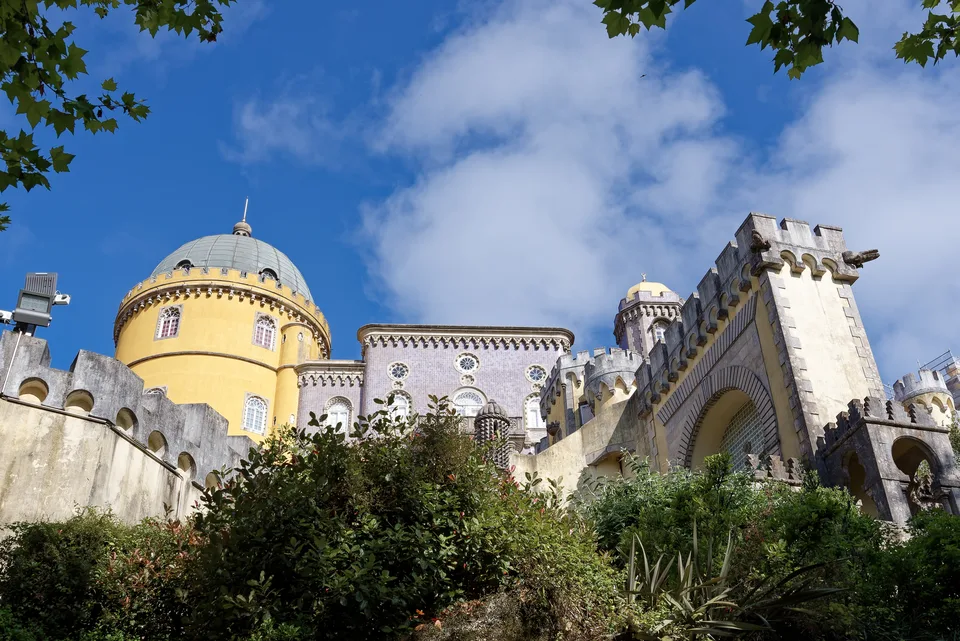
Sintra deserves a separate day. Parques de Sintra distinguishes Pena’s €20 Essential Visit from broader products; check the included palace route and reserve appropriately. The train journey and onward hill transport are separate stages, and private vehicles cannot simply drive to the monument. For a wider trip, compare the completed Madrid and Barcelona city guides. Research current connections and entry conditions before extending the itinerary.
Official planning resources
Reviewed 14 October 2026. Use the official resources linked throughout this guide for admission, transport, housing and immigration decisions. Prices, services and rules can change; confirm the details relevant to your dates. Photography illustrates the locations and is not a live view.
View all official resources
- Official castle archaeology and included activities
- Official Praça do Comércio history and visitor information
- Official Lisboa Story Centre exhibition overview
- National visitor board Lisbon neighbourhood overview
- Official Baixa Pombalina neighbourhood information
- National visitor board Lisbon accessible tour planning
- Official Parque das Nações gardens and riverfront walks
- Lisbon municipal tourist tax: official English information
- Official Lisbon Airport transport, luggage and service notices
- Official Terminal 2 departure and shuttle arrangements
- Metro Lisboa current fares, validity and product coverage
- Official navegante occasional card price and conditions
- CARRIS current transport notices and Bica alternative route
- CARRIS historic lift and funicular status and reopening milestones
- Castelo de São Jorge current ticket prices and authorised sales
- Castle hours, museum closure and date-specific notices
- Jerónimos Monastery official cloister and church hours and admission
- Belém Tower official May 2026 reopening and timed access
- Museus e Monumentos official monument admission prices
- Museu do Fado official tickets, opening hours and accessibility
- Oceanário official time-slot fares, admission and opening hours
- Pastéis de Belém bakery history
- Official Lisbon historic shops route
- IPMA Lisbon Geofísico 1991–2020 climate normals
- Portuguese government leases, deposits, rent receipts and household services
- Official migrant accommodation and NIF rental information
- Government NIF, NISS and SNS combined-service eligibility
- Official Portugal EHIC healthcare guidance for temporary stays
- Lisbon household recycling and collection guidance
- Portuguese Foreign Ministry national visa purposes and residence distinction
- Official AIMA residence procedures and current notices
- Official Schengen short-stay limits and border-document requirements
- Official Portugal residence and EU registration guidance
- Parques de Sintra current Pena visit products, hours and prices
- Official Pena Essential Visit: included palace route and park
- Official Sintra train, onward transport and vehicle restrictions
Plan the next part of your journey
Explore the Portugal guide, browse other cities or compare consultants for your travel and relocation questions.