Visa
Funchal rewards a stay that balances city and island
Funchal works best when you give it time between excursions. A morning can belong to a cathedral and a produce market, an afternoon to a hillside garden, and another day to the Atlantic. The decision is how much island travel you want around that city stay. Booking a different distant viewpoint every morning leaves little opportunity to discover the place where you are sleeping.
Madeira's capital suits visitors who want restaurants, cultural sights and transport connections alongside outdoor experiences. It also deserves a more demanding assessment from prospective residents: gradients, bus connections and the practical layout of a home matter as much as its sea view. Start with VisaWand's Portugal guide for national context, then use this guide to decide where Funchal fits your plans.
Understand the bay, the hills and the trading history
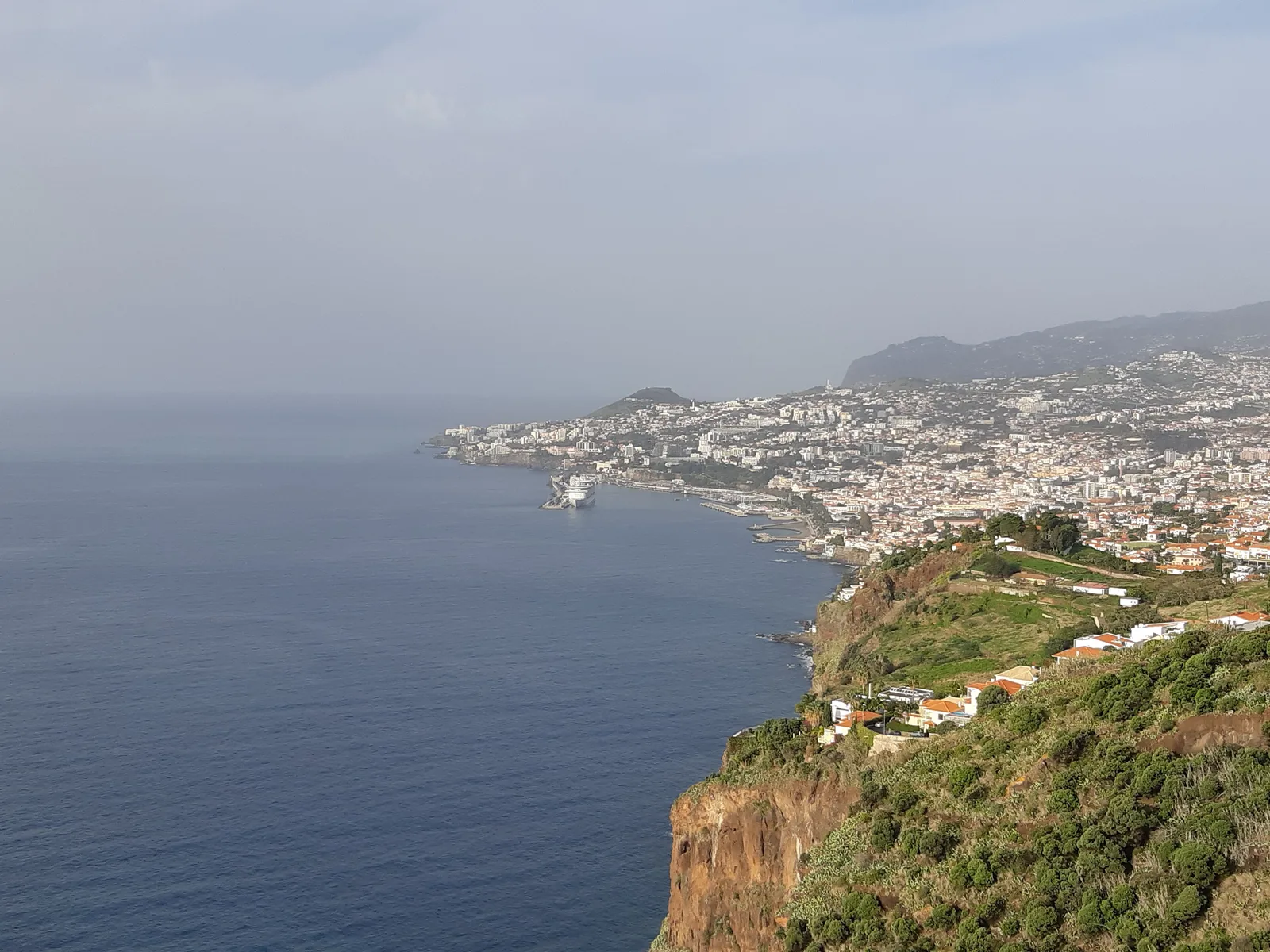
The Madeira tourism board's Funchal overview places the city on the island's south coast, rising around an Atlantic-facing bay. Its amphitheatre shape explains why an address that looks central on a map can involve a substantial climb. The waterfront, upper neighbourhoods and surrounding mountain destinations should never be treated as interchangeable walking territory.
Funchal received city status in 1508. Its name is associated with fennel growing at the settlement, while sugar and wine helped establish its importance in Atlantic trade. Those connections give the historic centre more substance than a collection of attractive façades. Look for the relationship between religious buildings, commerce and the harbour as you explore. The municipality extends beyond the compact visitor centre; a municipal statistic does not necessarily describe the area you will experience on foot.
When comparing accommodation addresses, keep a map of the actual entrance rather than only the property marker. A building can have access from a different street than the one its balcony overlooks. That distinction affects a taxi drop-off, a delivery and the first walk home with luggage.
Choose a neighbourhood around your daily journey
For a first visit, compare three arrangements. A room near the central waterfront and Sé puts historic sightseeing at the centre of the day. The Zona Velha, around Rua de Santa Maria, suits visitors drawn to old streets and evenings out. Western accommodation around Lido and Estrada Monumental merits consideration when hotel facilities and access to the seafront are priorities.
The tourism board describes the old town's cobbled streets and painted doors, alongside restaurants, bars and traditional businesses. That atmosphere comes with a practical accommodation question: whether your bedroom faces an evening gathering place. Ask about the actual room, rather than relying on a district's reputation. Higher properties can offer another perspective on the bay, but inspect the approach, steps and return transport. Calculate the journey carrying shopping or pushing a buggy, not only the downhill walk to breakfast.
Book the room and its access together
Compare a central guesthouse, an apartment and a hotel with the same checklist. Confirm usable lifts, street access, cooling or heating arrangements, luggage storage and the arrival procedure. A kitchen can make a longer stay easier, but check whether it includes equipment you will actually use. For families, establish sleeping arrangements and laundry access before paying for extra space that may not solve either need.
Ask the property to identify its nearest suitable bus stop and explain the walk from it. If mobility is limited, request photographs or a precise description of the route from the pavement to the room. Steps inside a building and steep streets outside it are separate problems. Compare the final payable total, including breakfast, parking and local charges. A cheaper room becomes a different proposition when every evening requires a paid ride home.
Before committing to a non-refundable booking, compare the room cancellation deadline with your flight arrangements. For a group arriving separately, establish who can collect keys and whether everyone needs to register in person. An apartment with self check-in can be convenient, but ask whom you can contact if the code fails. Save that contact separately from the booking app. These small arrangements matter most after a delayed journey, when the advantage of a central location can disappear behind an unclear entrance or inaccessible staircase.
Include the current tourist tax in accommodation costs
Under Funchal's published tourist-tax regulation, the overnight charge is €2 per liable guest per night, capped at seven consecutive nights. Children aged twelve or younger are exempt; other documented exemptions include Madeira residents and qualifying disability. Ask your accommodation how it records an applicable exemption and whether the charge appears in the booking total or is collected separately.
For two liable adults staying five nights, that means €20 under the current rate. The city published a proposal to raise the charge to €4 on 8 October 2026, opening public consultation. At this guide's review on 16 October, that proposal should not be mistaken for an enacted increase. Recheck the rule for your travel dates, particularly when booking well ahead, and keep the accommodation's explanation with your reservation.
Visit the cathedral with time to look up
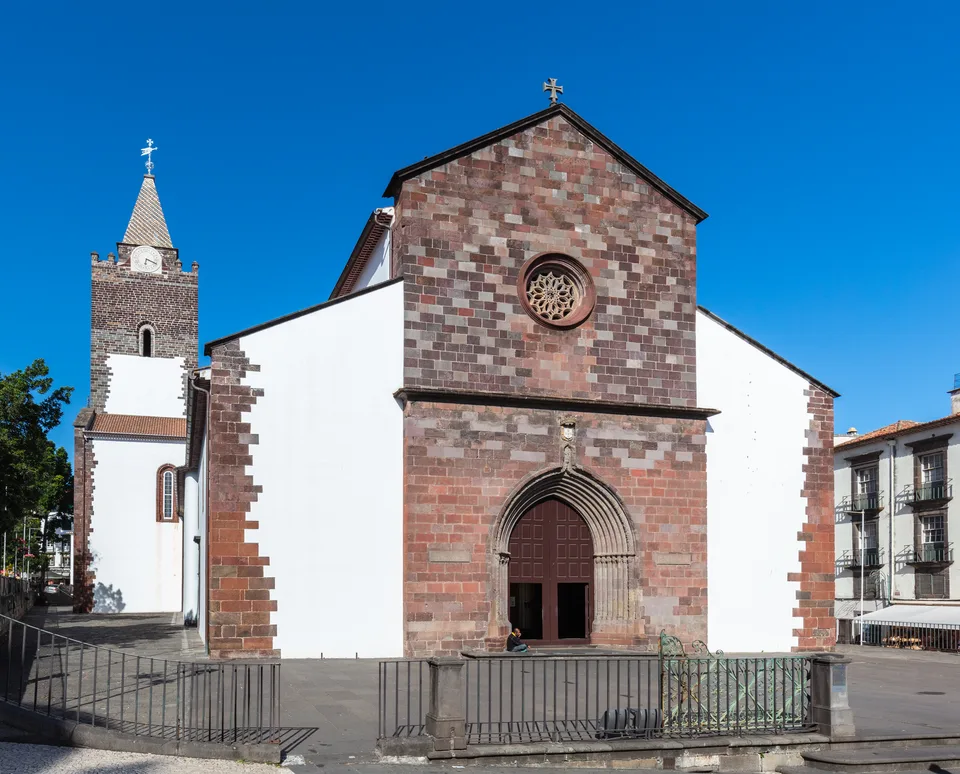
The Sé Cathedral is a useful starting point for understanding the historic centre. Its Gothic and Manueline features belong to the early sixteenth-century city, while the carved cedar ceiling displays Mudéjar craftsmanship. The exterior's pointed portal rewards attention before you step inside. This is a place to slow down and examine materials and detail, rather than collect a quick photograph from the entrance.
Treat the cathedral as an active religious building. Check visiting access around worship and follow instructions about movement and photography. Pair it with a short central walk instead of attaching it to an already crowded excursion day. Travellers with different interests can agree on a meeting point afterwards, leaving someone who wants a closer architectural visit enough time without committing the whole group to a lengthy stop.
Browse the market and the old streets thoughtfully
The Mercado dos Lavradores opened in 1940, with a design by Edmundo Tavares and regional tile panels. It remains a useful place to see produce and the commercial life surrounding it. The tourism board lists a Sunday closure and shorter Saturday hours, so build the visit around your actual arrival day. Check arrangements again near public holidays.
Before buying fruit, establish the unit price, weight and total. A tasting does not oblige you to buy, and a gift purchase deserves the same price comparison as an everyday grocery shop. Carry only what you can comfortably take back to your accommodation. Continue into nearby historic streets afterwards, leaving room for a café break or a shop that interests you. Avoid treating every doorway as a photo opportunity when people are entering homes or working businesses.
Give a central garden its own pause
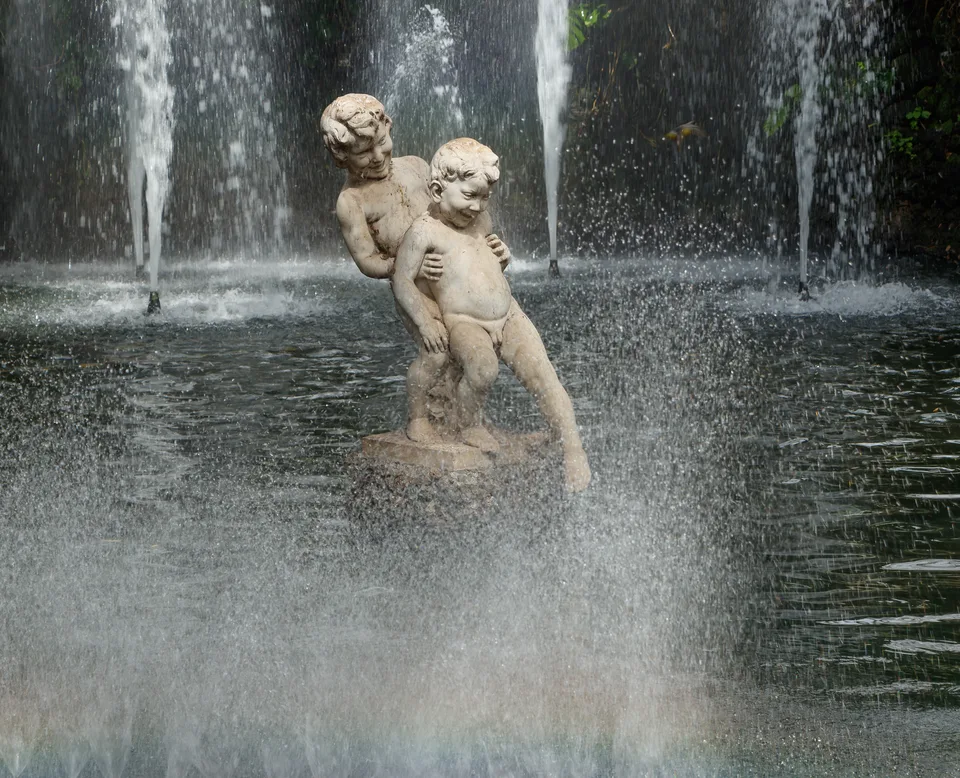
The Municipal Garden sits beside Avenida Arriaga, opposite the municipal theatre. Its trees, pond and planting offer a change of pace between streets and buildings. It is a useful choice when someone in the group needs a shorter outing, or when a full afternoon uphill would be too much. A garden break can also keep a family day enjoyable without another ticketed attraction.
Use that pause to decide what comes next. If the group is tired, a meal and a manageable return journey may be better than adding one more sight. Funchal is more rewarding when its public spaces become part of your stay rather than gaps to hurry through. For photography, give other visitors space and avoid blocking paths while waiting for an unobstructed view.
Separate Monte Palace from the two cable-car journeys
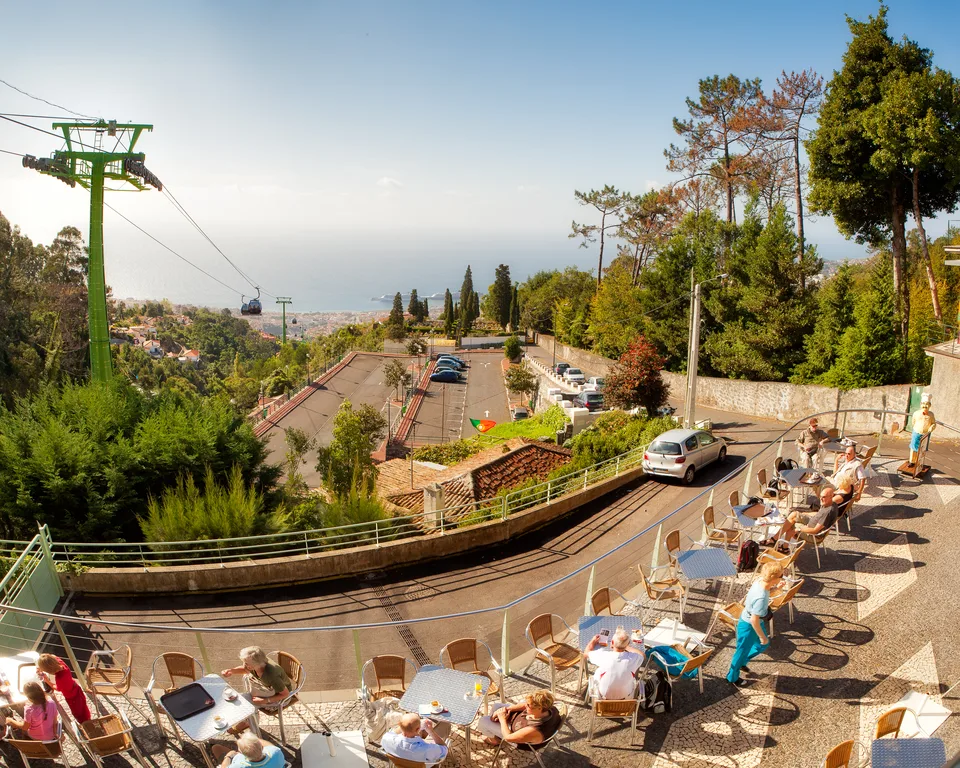
The Funchal–Monte cable car currently lists adult fares of €16 one way and €22 return. It links the lower city with Monte, making the ascent an experience in itself. Decide how you will return before selecting a ticket. A different downhill activity or another transport leg may leave an unused return fare, while a one-way booking needs an onward plan.
At Monte Palace Madeira, adult admission is €18, with free entry for accompanied children through age fourteen. Admission covers the garden and museum, not the palace interior. The operator suggests roughly one and a half to two and a half hours, and the sloping grounds require consideration for limited mobility. Ask about access and current photography rules. The Botanical Garden Cable Car is a separate line between the Monte area and the Botanical Garden; do not assume one cable-car ticket includes both journeys or either garden.
Choose swimming around the day's sea conditions
Funchal's Lido bathing complex combines saltwater pools with access to the ocean. It is worth considering when a swim is an important part of the holiday, but a photograph of calm water says nothing about conditions on your visit. Check opening arrangements, admission and which facilities are available before travelling across the city with swimming equipment.
Follow lifeguard instructions and closures. Ocean access and a pool session are different decisions, especially with children or inexperienced swimmers. Plan a change of clothes and a dry place for valuables rather than combining wet belongings with a long sightseeing afternoon. If conditions prevent swimming, keep the alternative simple: a meal, a short walk where access is permitted, or a return to the centre. There is no need to rescue every weather-affected afternoon with a distant excursion.
Arrange the airport transfer for your arrival time
Madeira Airport's official public-transport page identifies the Aerobus from arrivals towards Praia Formosa, serving stops useful for various hotels. The published full route takes approximately fifty minutes; your own journey depends on the stop, traffic and the final walk. The airport also identifies a taxi rank at arrivals on floor zero. Request the fare basis and relevant supplements before departure.
Use the current SIGA Aerobus timetable and stop list to match your accommodation, rather than assuming that a hotel name means a door-to-door drop-off. Check the return service against your airline's check-in requirements. For an early flight or late arrival outside a suitable departure, price another transfer before booking. Keep your accommodation address available offline and allow time for luggage collection before choosing a bus departure.
Use the current bus network and compare ticket types
SIGA's published tariff lists a municipal onboard adult ticket at €2.05, a prepaid municipal journey at €1.45, and a municipal one-day ticket at €4.95. A GIRO ticket card costs €0.50. The prepaid Aerobus fare is €5.55 and is a separate product for that service. Check the purchase method and coverage of the ticket you intend to use.
Four municipal onboard journeys total €8.20, making the day ticket worth comparing when your plans genuinely involve several rides. Do not buy a pass simply because a sightseeing itinerary mentions several places: some may fit into one walk. The SIGA passenger FAQ explains that route renumbering began in March 2026. Consult the current journey information and destination, particularly when an older hotel email or guide supplies a bus number. Verify the last useful return before setting out uphill or beyond the city.
Eat regionally and budget from real choices
The tourism board's Madeiran food overview offers useful menu vocabulary: espetada is associated with beef on bay-laurel skewers, bolo do caco with warm bread and garlic butter, and espada with black scabbardfish, often served with banana. Limpets are another regional speciality. These are starting points for choosing a meal, not guarantees about an individual restaurant's quality or ingredients.
Read the menu before sitting down, clarify the price of fish sold by weight, and ask about allergens directly. Vegetarian diners should establish what is in stocks, sauces and side dishes. For budgeting, combine your actual room quote, transport plan and chosen admissions with menus you can inspect. A self-catering breakfast and one substantial restaurant meal create a different daily budget from three meals out. Keep a reserve for a changed transfer or cancelled outdoor plan instead of relying on an unsupported citywide daily average.
For shopping, distinguish something you need during the stay from a souvenir you must carry home. Check quantities, packaging and your destination’s import restrictions before buying food or drink. Keep receipts for purchases where a warranty or return might matter later.
Match the season to what you want to do
The IPMA 1991–2020 climate normals for Funchal give a useful coastal baseline. Mean daily maximum temperatures are about 19.9°C in February and 26.8°C in August. July and August are much drier on average than late autumn and early winter. These are long-term observations from a low-altitude station, not a promise of sunshine or a forecast for the mountains.
For city walks and gardens, allow an indoor alternative and carry a light layer. If swimming drives the trip, investigate conditions and your accommodation's facilities for the intended month. If hiking drives it, leave flexible days rather than placing the only mountain outing immediately before departure. An apparently mild coastal morning is insufficient evidence for conditions higher up. Choose travel dates around your priorities, then check forecasts close to the visit rather than trying to eliminate weather uncertainty months ahead.
A realistic three-day first visit
Day one: settle into the centre, visit the cathedral when access permits, and make the market your morning anchor if it is open. Continue into the old streets, stopping for lunch rather than racing through a second district. Leave the late afternoon for the Municipal Garden or a rest. This is also the day to learn the route home before attempting a late return.
Day two: devote the main outing to Monte. Choose the cable-car and garden combination that suits your budget and mobility, with enough time for lunch and the descent. Avoid assuming you can fit every garden and attraction into the same ticket or afternoon.
Day three: choose a swimming session or one excursion beyond Funchal. Keep the choice weather-dependent. A longer stay can add hiking and another coast, but three days should establish a sense of the city without becoming a circuit of transfer vehicles.
Adjust this outline to the people travelling. With children, give each day one main commitment and a clear stopping point. With reduced mobility, replace an unsuitable ascent or long walk before buying tickets, rather than improvising at the entrance. If you arrive midway through the afternoon, begin with a simple orientation and move the first full day forward. On departure day, keep luggage collection and the airport journey as the fixed commitments; a final attraction should fit around them, not force an uncomfortable race back.
Assess a longer stay through housing and commuting
Use Funchal rental listings to compare available properties, while remembering that asking prices and advertised availability do not establish typical completed rents. Separate holiday lets, temporary contracts and homes offered for a longer tenancy. Request the total initial payment, deposit conditions, inventory and responsibilities for bills in writing. Verify the property and the person authorised to rent it before sending money.
Visit the approach at the time you would commute. Check grocery access, the uphill return from the stop, parking where relevant, and noise with windows open. Inside, inspect ventilation, signs of damp, hot water, laundry and the workspace you need. Test an internet connection rather than assuming a scenic apartment supports reliable calls. Families should confirm school availability and admission requirements directly before tying a housing decision to a particular school. A short exploratory stay can resolve these questions more effectively than choosing a lease from holiday photographs.
Compare the dwelling in two different ways: as a place to spend a free weekend and as a place to manage an ordinary working Tuesday. List the journeys you will repeat, including a late return, a large food shop and any school run. Put those journeys alongside the monthly rent before choosing between properties. Ask how repairs are reported and who can authorise them. If the tenancy starts before you arrive, agree how keys, inspections and the inventory will be handled so that an unresolved maintenance issue does not become your first task in a new city.
Organise household needs and healthcare before arrival
Portugal's official NIF information explains the tax number used for contracts and banking. Obtain the appropriate advice about your own registration and tax position; receiving a number does not grant residence permission. With a landlord, identify whose name each utility account uses, how meter readings are recorded and which charges are included. Confirm broadband installation arrangements and keep copies of the agreement and opening readings.
The SESARAM directory of Funchal health centres provides local contacts. Ask which centre serves your address and what documents are needed for registration and your circumstances. Visitors should confirm medical cover, prescriptions and any regular treatment before departure. A listed clinic is not evidence that every service is available immediately or covered without payment. For a longer stay, also check the practical route to appointments, pharmacy access and arrangements for dependants, rather than leaving essential care until the first urgent need.
Keep visiting, working and settling on separate tracks
Madeira is part of Portugal, so entry and residence planning follows the relevant Portuguese rules. Check the official short-stay visa service for your nationality and circumstances. A visa does not automatically guarantee admission, and border authorities may request further evidence. Tourism permission should not be treated as permission to take employment, undertake a long course or settle permanently.
For eligible European nationals, AIMA's registration guidance explains the municipal certificate for stays exceeding three months and the deadline after those initial months. Other nationals should consult AIMA's residence categories and the responsible Portuguese consulate before committing to a move. Remote workers have a specific route with its own residence requirements; an overseas employer does not remove immigration obligations. Use VisaWand's Portugal destination assessment and consultant directory to prepare questions, then verify the route, documents and current requirements with the official authority.
Consider nearby places without overloading the trip
Câmara de Lobos offers a nearby comparison with a fishing bay and a separate municipal identity. Curral das Freiras offers a different experience inland, in a deep valley surrounded by mountains. Choose one according to your interests and transport arrangements rather than squeezing both into spare hours. Check the return journey as carefully as the outward one.
For walks beyond the city, the official Madeira visitor FAQ explains current reservations for classified PR trails, generally €4.50 fees in 2026, and the need to check each route's conditions. Verify the specific charge, time booking and open or restricted status before leaving. A city pavement walk and a mountain trail require different preparation. For wider comparisons, VisaWand's Lisbon guide and Porto guide can help you weigh another Portuguese city against an island stay, with the relevant transport and housing questions kept distinct.
Official planning resources
Reviewed 16 October 2026. Use the official resources linked throughout this guide for admission, transport, housing and immigration decisions. Prices, services and rules can change; confirm the details relevant to your dates. Photography illustrates the locations and is not a live view.
View all official resources
- Funchal geography and history — Visit Madeira
- Funchal old town — Visit Madeira
- Funchal tourist-tax regulation 764/2024
- Funchal tourist-tax consultation — 8 October 2026
- Funchal Cathedral — Visit Madeira
- Mercado dos Lavradores — Visit Madeira
- Funchal Municipal Garden — Visit Madeira
- Madeira Cable Car tickets and opening hours
- Monte Palace visitor questions
- Botanical Garden Cable Car — Visit Madeira
- Swimming at the Lido Bathing Complex — Visit Madeira
- Madeira Airport public transport
- SIGA Aerobus stops and current timetable
- SIGA current ticket tariff
- SIGA passenger questions
- Madeiran dishes — Visit Madeira
- IPMA Funchal 1991–2020 climate normals
- Funchal rental listings — idealista
- Tax authority NIF guide for foreign non-residents (PDF)
- SESARAM Funchal health centres
- Portuguese foreign ministry short-stay visa documentation
- AIMA registration for EU nationals
- AIMA residence categories
- AIMA residence for remote professional activity
- Câmara de Lobos — Visit Madeira
- Curral das Freiras — Visit Madeira
- Madeira visitor questions and trail booking
Plan the next part of your journey
Explore the Portugal guide, browse other cities or compare consultants for your travel and relocation questions.