Visa
A river city best explored at walking pace
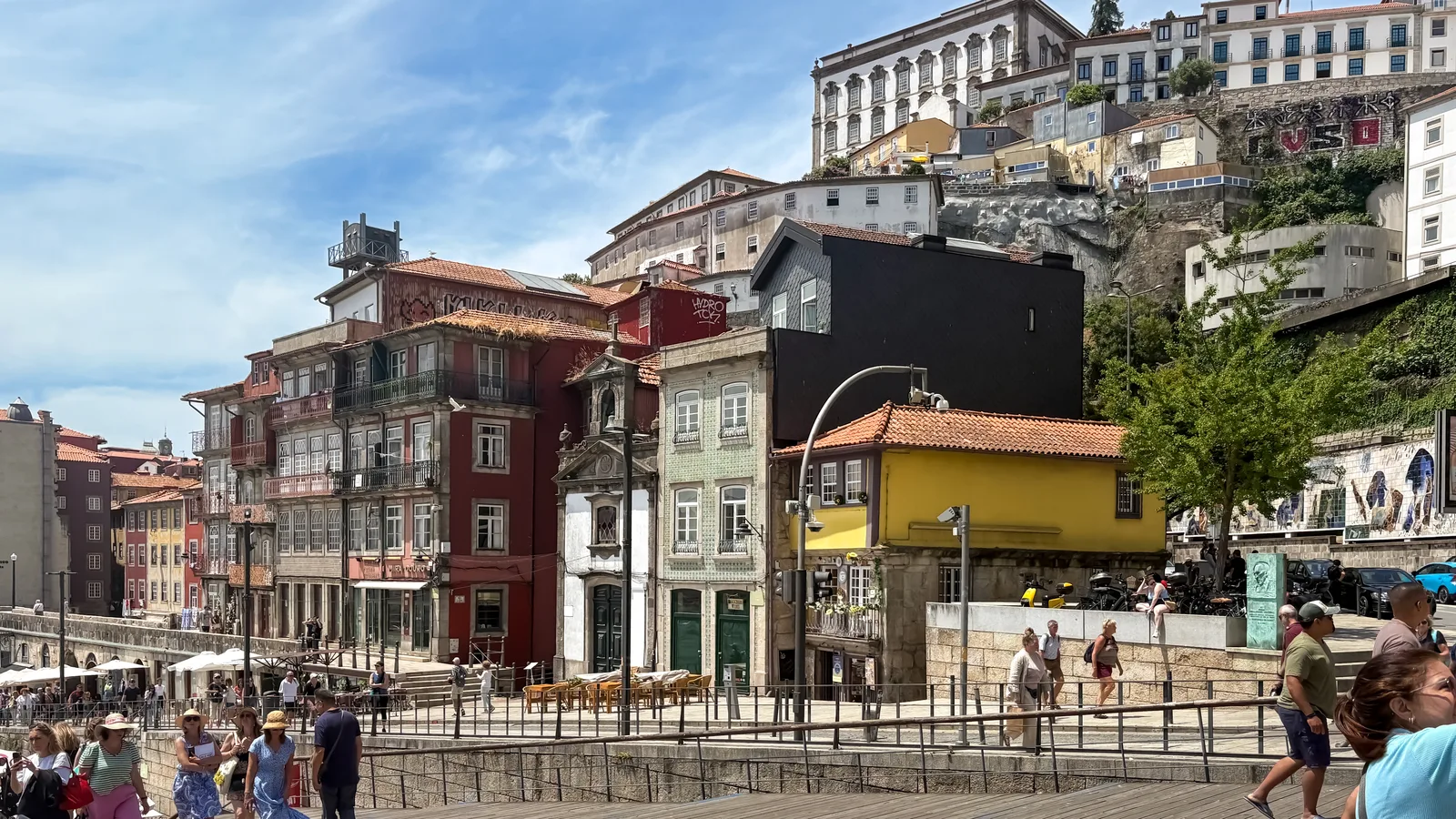
Porto rewards a visit that follows the shape of the city: down through old streets to the Douro, across to Gaia, then away from the busiest waterfront for a market, a gallery or the Atlantic. The views are memorable, but the climbs between them are part of the experience. A short distance on a map can involve a substantial change in level.
Three full days allow a useful introduction without making every meal a hurried interval between bookings. Add another day for a regional journey. If you are considering moving, use a separate part of the stay to test homes, commuting and everyday services. The northern Portuguese city described here is Porto on the Douro, rather than one of Portugal’s smaller settlements sharing its name.
Read the history in the streets and riverfront
The UNESCO World Heritage description explains a city shaped by maritime trade, hillside settlement and successive architectural periods. Its protected property includes the historic centre, Luís I Bridge and the Monastery of Serra do Pilar. The inscription dates to 1996; it does not designate every part of metropolitan Porto as a single heritage attraction.
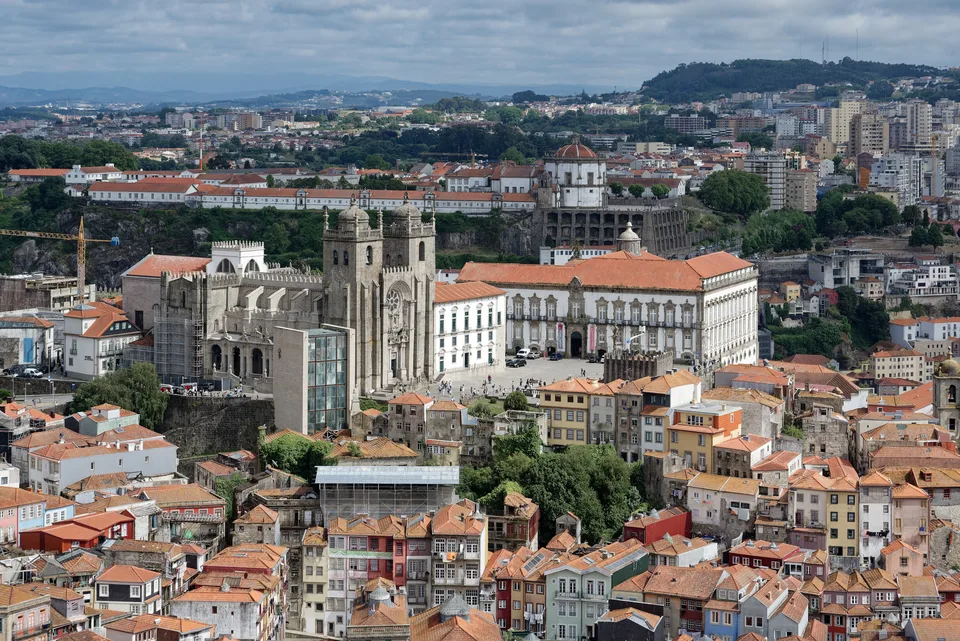
Look at the relationship between buildings rather than collecting isolated monuments. The cathedral, older lanes, commercial streets and Palácio da Bolsa reveal different phases of urban life. Portugal’s national tourism introduction contrasts the activity of Baixa with Serralves’ modern art and landscaped grounds. That contrast is useful when planning: Porto offers more than one atmosphere, and an entire stay beside the river would give only a partial view.
Choose a base by its final walk
For a first visit, compare accommodation around the central commercial streets, São Bento or Trindade against the places you intend to reach. A station nearby can simplify airport travel, while a riverside room may involve a more demanding final climb. Check the actual entrance, steps and luggage route before deciding that an address is convenient.
Cedofeita can suit an interest in shops and streets beyond the main river circuit. Boavista makes more sense for plans focused on western Porto than for repeated walks down to Ribeira. Foz is a deliberate coastal choice. Across the river, Vila Nova de Gaia offers another perspective, but its waterfront and hilltop addresses have different connections. Compare an evening return as carefully as the morning journey.
Give Ribeira and Gaia time on both banks
The official Historic District overview presents Porto and Gaia together as a visitor area. They remain distinct places. Ribeira is the Porto riverfront; the opposite bank belongs to Vila Nova de Gaia. Leave room to enjoy the change of viewpoint instead of treating the crossing as a quick detour before the next ticketed attraction.
Plan the bridge route and the return around your mobility and the time available. Different levels lead to different streets; the nearest visible riverbank is not necessarily the simplest destination from where you stand. Keep pedestrian routes clear, follow current signs around transport and works, and allow for crowded viewpoints. A waterfront drink can be a pleasant pause, but compare menus before ordering rather than assuming a river view comes at an ordinary neighbourhood price.
See São Bento as art and working infrastructure
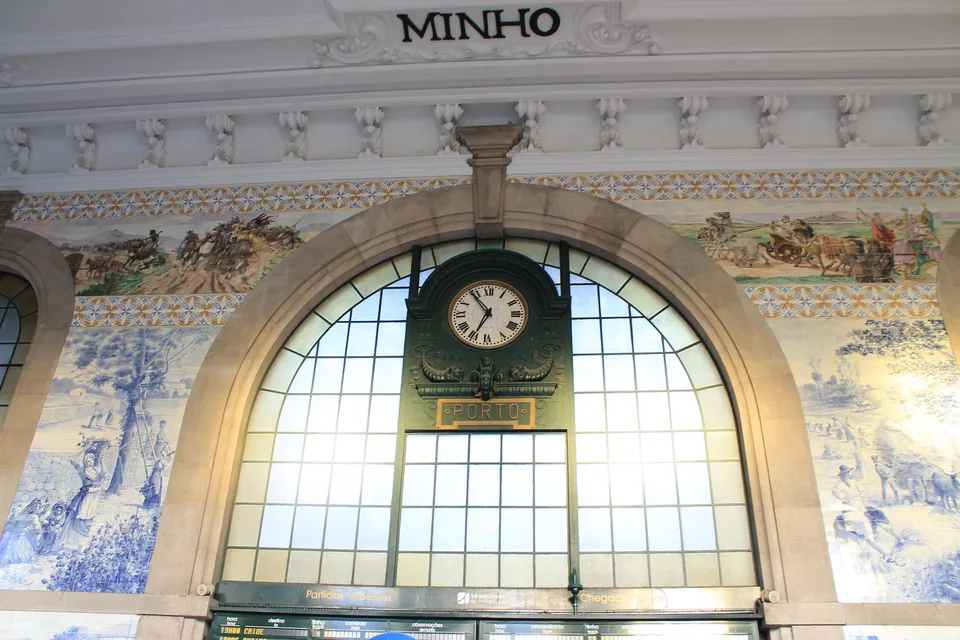
São Bento railway station offers a concentrated introduction to Porto’s azulejo tradition. The official visitor page attributes the building to architect Marques da Silva and the vestibule’s painted tiles to Jorge Colaço. The panels depict transport and episodes of Portuguese history and daily life, making a slower look more rewarding than a photograph taken from the doorway.
This is also a place where people catch trains. Stand away from entrances and circulation routes, keep bags close, and do not let a sightseeing stop interfere with boarding. If you have a departure, find the platform and check the service before returning to the decoration. Allow separate time for the interior and connections involving another station.
Decide whether Clérigos is a climb you want
The Clérigos visitor information lists a general daytime tower-and-museum ticket at €10. Normal visiting hours are 09:00–19:00, with last entry thirty minutes before closing and specific holiday exceptions. Evening visits are separate, seasonal arrangements, so an advertised night product should not be assumed available on every date.
The attraction suits visitors who want to understand the city from above as well as enter the historic complex. Consider the climb before booking and leave time to recover rather than immediately planning another uphill walk. The operator describes an accessible route and a multisensory space simulating the tower view. That is useful provision, but it should not be confused with a promise that every visitor reaches the same outdoor viewpoint. Discuss individual access needs directly.
Buy the right Livraria Lello ticket
Use Livraria Lello’s official ticket page to compare current products. At review, its standard ticket-voucher is €15.95 and describes a self-guided visit, with value redeemable towards a Livraria Lello Editions book. Check that restriction against the book you want; a voucher is not a general refund of the admission cost in cash.
Other products have different inclusions. In particular, the cheaper Ai Weiwei exhibition ticket explicitly excludes access to the historic bookshop building. The Foundation combination also involves a separate place and programme. Read the location, date and entry arrangements before paying, and retain the confirmation. If your main interest is buying books rather than visiting this particular interior, leave time to browse elsewhere too. Porto’s book and shopping culture extends beyond one famous doorway.
Fit Palácio da Bolsa around an actual tour
The Palácio da Bolsa tourism page lists general admission at €14 and describes a mandatory guided visit lasting thirty minutes. Portuguese, Spanish, French and English are offered, with language arrangements determined according to arrival order. Confirm availability and the tour you can actually join before making a tight restaurant or train connection.
The palace’s formal rooms include the Arabian Room and Hall of Nations. Allow time to organise entry beyond the tour’s duration. The commercial association’s office hours differ from visitor availability. For access questions, ask about the side entrance, ramp and lift. Keep the confirmation handy and check whether an event affects your date.
Reserve a substantial visit for Serralves
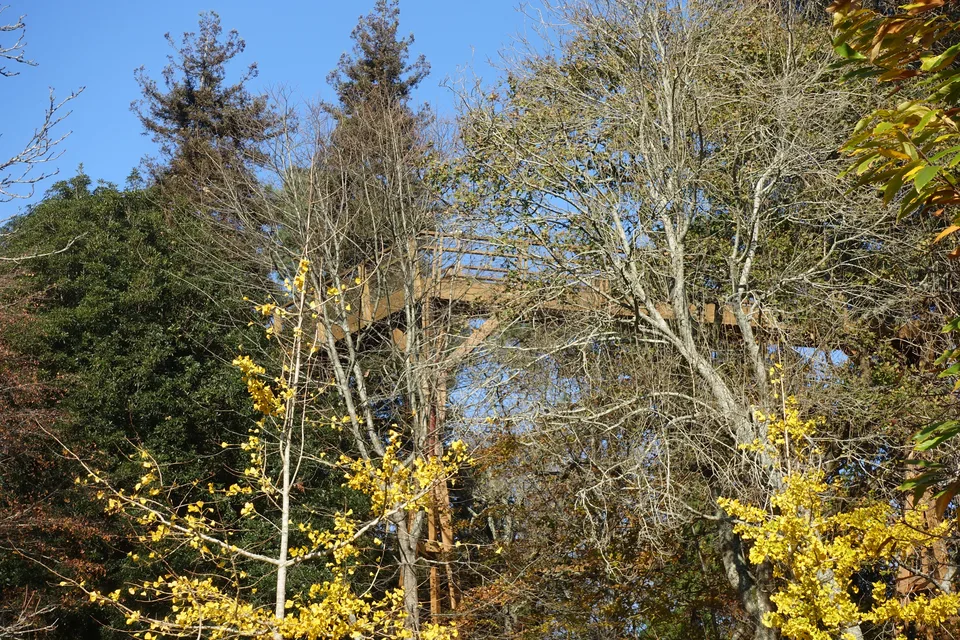
Serralves’ visiting information currently lists general admission to all its spaces at €24 and a park-only ticket at €15. The broader ticket includes the contemporary art museum, Álvaro Siza Wing, park, Treetop Walk, villa and House of Cinema. Compare the spaces you will use rather than buying a product solely because it sounds comprehensive.
Portugal-resident rates have documentation and sales-channel conditions. The first-Sunday concession is also presented under resident arrangements; do not assume every tourist receives free admission then. Exhibitions, guided activities and seasonal opening hours need their own check. Serralves deserves time for both art and landscape, with a practical transport plan from the centre. A park-only afternoon can be a coherent choice if your interests and the weather favour the grounds over another indoor collection.
Visit Bolhão while the market is trading
The Mercado do Bolhão FAQ distinguishes the market from its restaurants. Market hours are Monday–Friday 08:00–20:00 and Saturday 08:00–18:00; the site lists Sunday and holiday closure. Restaurants have a later operating window, which does not mean all food stalls remain open into the evening.
Use the market for browsing, ingredients and a meal rather than expecting a single attraction with one standard visit. Check individual traders if you want something specific, and ask how fresh purchases should be stored or packed. The market reports lifts for access between levels. For a possible move, notice what you would buy in an ordinary week and compare nearby grocery options. A visitor lunch and the household’s regular shopping basket answer different budgeting questions.
Explore Porto’s food traditions
Porto’s official Global Kitchen project highlights dishes including francesinha, tripas à moda do Porto and arroz de polvo. Let those names start a conversation about ingredients and preparation. A familiar dish name does not establish whether a particular version meets dietary, allergy or religious requirements; ask the restaurant about its actual recipe.
Choose a few meals around places you already plan to explore. Compare a market lunch, a simple café stop and a reserved evening meal rather than crossing the city repeatedly for an unverified recommendation. Read the menu and ask about anything placed on the table before consuming it if the charge is unclear. Check opening days and booking conditions directly. There is no useful universal meal budget without knowing whether you want snacks, wine, seafood or several courses.
Understand what a Port cellar visit includes
The Douro and Port Wines Institute identifies Port as a fortified wine produced in the Douro Demarcated Region. Visiting a cellar on Gaia’s riverfront is therefore different from travelling to the vineyards upriver. Either can be worthwhile, but they involve different amounts of time, transport and expense.
For a cellar experience, compare the language, length, tasting selection and provision for non-drinkers. Check children’s admission and age restrictions with the operator. If buying bottles, compare the style, storage and transport arrangements. Arrange a return that does not depend on driving after tasting, and leave the longer vineyard journey for another day.
Make shopping part of a neighbourhood outing
The official shopping overview identifies central streets including Santa Catarina and Cedofeita, alongside Rua da Senhora da Luz in Foz. They offer different settings, so choose a district that fits the rest of your day. Browse the side streets and compare traditional retailers with larger stores rather than expecting every shop to sell locally made goods.
For ceramics, textiles or other gifts, ask about origin, packaging and delivery before committing to a fragile purchase. Keep receipts and check return conditions. A future resident should also look beyond souvenirs: notice where you would buy household basics or collect a delivery.
Connect from the airport without assuming a timetable
The airport operator’s transport page identifies Line E, the purple metro line, as an airport connection and lists frequencies varying by day and time. Plan from Aeroporto station to the station serving your accommodation, including any change and the final street route. A central station arrival does not finish the journey at a hillside hotel.
Check the service for the actual flight time, particularly early departures and late arrivals. Allow for baggage collection, ticket-machine queues and disruption. Buses and road transfers are alternatives; compare complete routes and pickup arrangements. For several people with luggage, assess the total cost and convenience together. Keep the accommodation address and entrance instructions available offline.
Learn Andante before the first journey
The current Andante Azul guidance lists a €0.60 reusable paper card, with journeys purchased separately. Its 2026 table gives €1.40 for a simple Z2 ticket and €2.30 for Z4. The correct product depends on the journey’s zones, not simply the number of vehicles used. Ask at the sales point when unsure.
Each traveller needs their own card; loading several journeys does not make it a group ticket. Validate at the start and when changing line or transport, including within a ticket’s permitted time. Check for the successful validation signal instead of assuming that holding a card is enough. A Z4 ticket has a seventy-five-minute validity period, but that is a fare rule rather than a guarantee about how long any particular trip takes.
Check contactless coverage and resident benefits separately
Andante’s bank-card payment page describes specific participating metro boarding stations and STCP’s 500 bus route, using marked validators. Do not assume a contactless bank card works at every station or on every bus. Check the listed coverage for the complete itinerary and keep a supported alternative if travelling beyond it.
For relocation planning, the municipal resident-transport announcement describes free metropolitan travel through the activated Porto municipal card, with validation still required and annual renewal. Eligibility and activation matter; this is distinct from a visitor product carrying the Porto name. Confirm your address, documents and qualifying circumstances with the city before removing commuting costs from a household budget. Neither a hotel reservation nor an intention to move establishes the benefit by itself.
Compare accommodation totals and visitor taxes
A central hotel can simplify a short stay; an apartment may make meals and laundry easier over a longer visit. Compare the actual room, bathroom, lift, heating, cooling and kitchen equipment. In older buildings, ask about the entrance and floor reached by any lift, rather than assuming that “lift available” removes every step.
Request an itemised total for identical dates, including mandatory charges and the applicable Porto municipal visitor tax. Confirm the current rate, exemptions and chargeable nights with the property; a price from an older guide is a poor substitute for the current assessment. Properties in neighbouring municipalities follow their own arrangements. Check noise, late arrival and cancellation terms as well. For a scouting trip, temporary accommodation should leave time for inspections rather than forcing an immediate residential lease.
Choose the season for the trip you want
IPMA’s Porto/Pedras Rubras climate reference shows the contrast between a wetter late autumn and winter and a drier summer. This is a historical 1981–2010 station baseline, useful for context rather than a forecast for the city streets or your travel dates. Check current forecasts and warnings before outdoor plans.
Late spring or early autumn can be sensible periods to consider for a visit centred on walking, subject to your tolerance for rain, heat and crowds. Summer gives more daylight for combining neighbourhoods, while winter suits a programme with indoor alternatives and fewer outdoor commitments. Pack footwear with grip and a layer for an exposed river or coastal stop. In hot weather, move strenuous climbs away from the afternoon and allow a proper break rather than following the itinerary mechanically.
Three days that leave room to enjoy Porto
Day one: begin around São Bento, take time for the tiles, then explore the historic streets and cathedral area before descending towards Ribeira. Add a bridge crossing and a Gaia waterfront pause if the group has the energy; leave the return route flexible.
Day two: visit Bolhão on a trading day, then choose Clérigos or a pre-booked Lello visit. Leave the afternoon for central streets and shops, with Palácio da Bolsa fitted around a confirmed tour rather than assumed walk-in timing. Day three: give Serralves a substantial visit, then decide whether the weather and remaining time support Foz. If you prefer a wine experience, replace part of the programme with a booked Gaia cellar tour. These are choices, not a requirement to complete every paid attraction.
Build a budget from the admissions you will use
At the reviewed general rates, Clérigos at €10 and Palácio da Bolsa at €14 total €24 for one adult before transport or meals. Adding Serralves’ €24 general ticket brings that selected-admission total to €48. This is an illustration for three products, not a claim about the cost of an entire day or every visitor’s eligibility.
Add accommodation quotations, municipal charges, airport journeys and meals separately. Compare any transport or attraction pass against the actual programme, checking availability and inclusions. Keep flexibility for changing weather or a late return. A resident needs a second budget for rent, initial payments, utilities, furnishings, insurance and administrative costs.
Test an ordinary week before choosing a home
Map the actual workplace or campus before searching by an attractive neighbourhood name. Test a weekday journey at the relevant hour, including the return and the walk from the stop. Compare Porto addresses with Gaia or other metropolitan options using the same criteria; crossing a municipal boundary can change both services and eligibility for local benefits.
Inspect daylight, ventilation, heating, damp, noise and storage, then check the grocery and pharmacy routes you would use. Ask how faults are reported and which appliances are included. A picturesque street can be a difficult daily climb with shopping or a pushchair. Use the city’s accessible-planning resources alongside direct questions to each operator and property. No general description of a district proves that an individual home or journey meets your needs.
Put the lease and household services in writing
The government housing guide says rental agreements should be written and communicated to the tax authority. Check duration, termination, rent, deposit-return conditions and which bills you pay. Retain the agreement, inventory, photographs and payment evidence. Ask for the appropriate rent receipts and obtain advice on a clause you do not understand before signing.
For electricity, gas, water and communications, establish what remains with the property and what must be contracted in your name. Record opening meter readings and check connection dates. The tax authority’s NIF guidance explains the tax number used for contracts and other everyday activities. Obtaining a NIF does not grant residence or employment permission, and tax-residence status needs its own assessment. Verify the landlord’s authority and payment instructions before transferring a substantial sum.
Arrange health cover and schooling as real commitments
The Portuguese health regulator’s guidance for foreign nationals distinguishes healthcare registration from financial responsibility. Having an SNS user number does not mean the service automatically pays every charge. Check the documents and arrangements applying to your status, establish a local care route and maintain appropriate insurance for any gaps.
Families should read the government’s migrant-schooling guide before making a housing decision around a presumed place. Ask about enrolment, recognition of previous studies, required translations and Portuguese-language support. Confirm what the particular school can provide and include transport, meals and other household costs in the comparison. For higher education, verify the actual campus and timetable with the institution. A university acceptance, a child’s school arrangements and each family member’s immigration permission are separate matters that need to fit together.
Separate visiting Porto from moving to Portugal
Check Portugal’s official nationality-based visa information for a tourist visit. The European Commission’s short-stay calculator explains the usual ninety-days-in-any-180 rule across Schengen; previous stays elsewhere count, and a visa can authorise less time. Check your own document and conditions rather than assuming every arrival receives ninety days.
For employment, study, remote work or joining family, start with the Ministry of Foreign Affairs residence-visa requirements for that purpose. EU citizens staying longer should consult the official residence and registration guidance; their route differs from a third-country national’s application. Permanent residence requires its own qualifying conditions and process. Before flying, review official Entry/Exit System procedures. A lease, tax number or property purchase is not a substitute for the permission your situation requires. Use VisaWand’s Portugal country guide, Portugal destination page and relevant consultant listings to organise further questions.
Add another destination with a workable return
CP’s Porto urban-train information covers routes including Braga, Guimarães and Aveiro. Compare current schedules and any disruption before choosing one as an additional day. A regional excursion needs time beyond the train: account for the arrival station, the places you want to see and the last practical return.
The Douro wine region deserves a separate plan rather than being confused with Gaia’s cellars. Avoid compressing a long journey into the day of an important departure. If your wider Portugal trip includes the capital, compare the completed Lisbon city guide and the time needed to change bases. The Portugal location directory can identify further places, although a listing is not necessarily a completed guide. Choose an addition that deepens the trip rather than simply extending the checklist.
Official planning resources
Reviewed 15 October 2026. Use the official resources linked throughout this guide for admission, transport, housing and immigration decisions. Prices, services and rules can change; confirm the details relevant to your dates. Photography illustrates the locations and is not a live view.
View all official resources
- Historic Centre of Oporto: UNESCO World Heritage
- Porto: national tourism introduction
- Historic district: Porto and Gaia — Visit Porto
- Porto shopping streets — official visitor information
- São Bento railway station — Visit Porto
- Clérigos: hours, tickets and accessible experience
- Livraria Lello: official ticket-vouchers
- Palácio da Bolsa: tours, admission and access
- Serralves: admission and visiting information
- Mercado do Bolhão: hours and accessibility
- Porto Airport: official public transport information
- Andante Azul: current fares and validation
- Andante: bank-card contactless coverage
- Municipal Porto card: resident transport benefit
- Porto municipal visitor-tax information
- Porto/Pedras Rubras: IPMA 1981–2010 climate reference [PDF]
- Renting a home and household services — gov.pt
- Apply for a NIF — Portuguese Tax and Customs Authority
- Foreign nationals and SNS healthcare — Portuguese health regulator
- Schooling for migrant families — gov.pt
- Who needs a Schengen visa — Portugal MFA
- Schengen short-stay calculator — European Commission
- Residence visas by purpose — Portugal MFA
- Living in Portugal: EU registration and residence
- Entry/Exit System procedures — Portugal MFA
- Porto urban rail: routes and travel information — CP
- Porto food traditions — official Global Kitchen
- Port wine: origin and production — IVDP
- Accessible Porto — official planning resources
Plan the next part of your journey
Explore the Portugal guide, browse other cities or compare consultants for your travel and relocation questions.