Visa
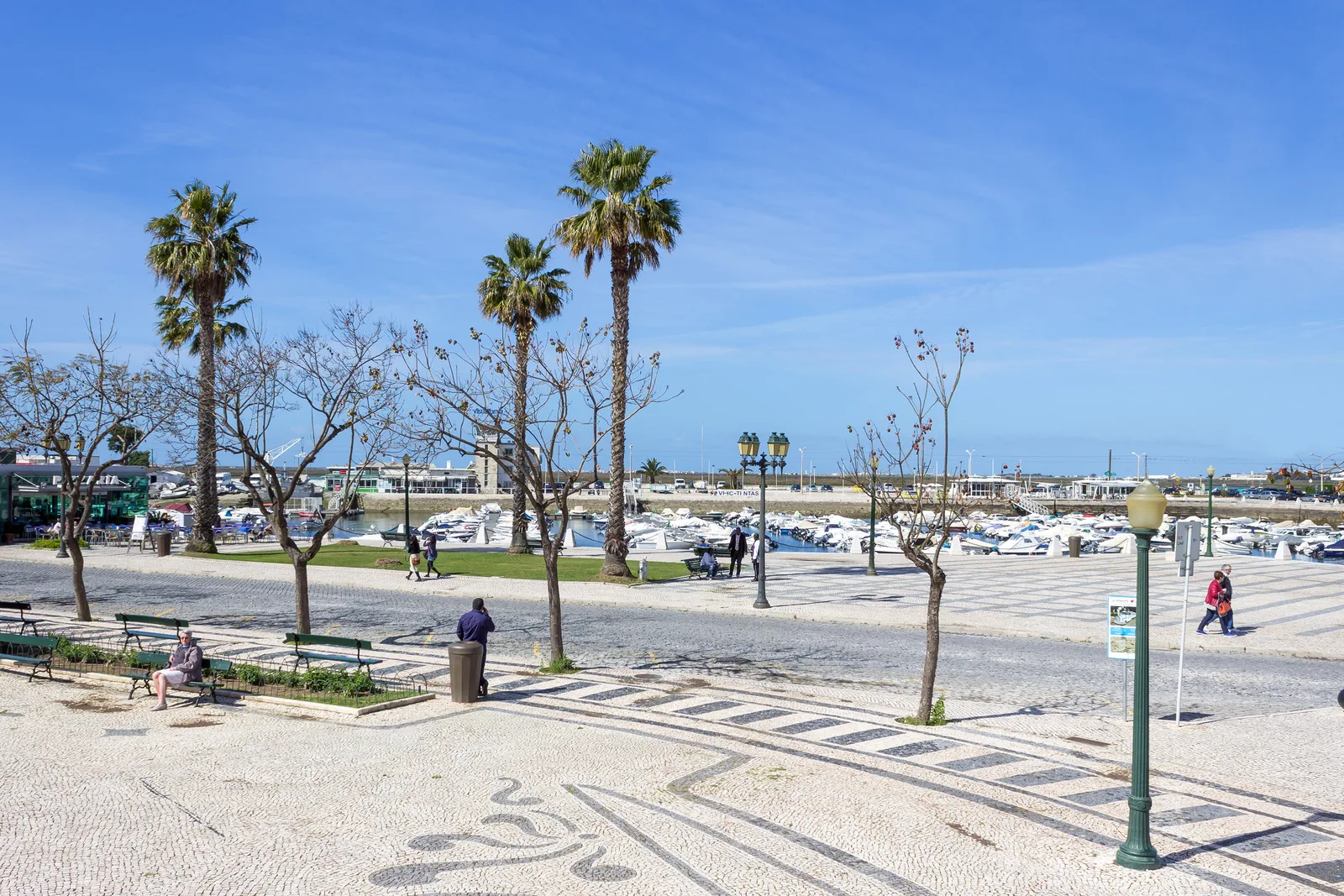
Choose Faro for a city stay beside the lagoon
Faro offers an Algarve holiday with a working city attached. The marina, old walls and church squares provide the urban setting; beyond them, the Ria Formosa separates the mainland from the ocean beaches. That geography matters when booking. A room overlooking the marina is not a room beside a swimming beach, and an island excursion requires a return journey as well as a sunny forecast.
The national tourism board’s Faro overview makes a useful starting point for understanding the relationship between the historic centre, waterfront and surrounding islands. Give the city two or three nights if you want time for both culture and the lagoon. A single overnight can work around a flight, but it leaves little room to change an outdoor plan. For a possible move, investigate an ordinary working week: a central address, a university commute and a beach-focused lifestyle involve different daily journeys.
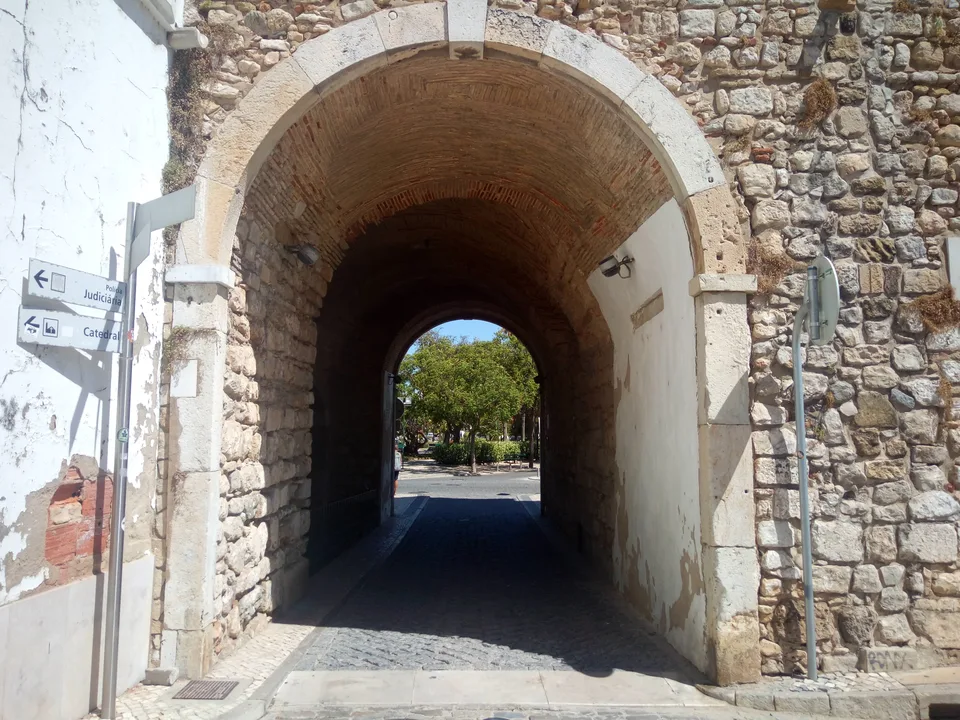
Read Faro’s history through its gates and walls
The historic nucleus is Vila-Adentro, the quarter within the walls. Visit Portugal’s historical account connects the city’s development with maritime trade, Islamic settlement and the Christian conquest of 1249. Rather than memorising a succession of dates, look for the physical relationship between the enclosed streets, the entrances and the water outside.
The official description of Faro’s walls explains how defensive structures changed, including later modifications and incorporation into buildings after the 1755 earthquake. Follow the surviving line where it is legible, then notice where streets and buildings interrupt it. Arco da Vila and Arco do Repouso are useful landmarks for navigating without turning every short journey into a map-reading exercise.
Build a first walk around Vila-Adentro
Begin around Jardim Manuel Bívar and the marina, then enter the old quarter through Arco da Vila and continue towards Largo da Sé. Choose a cathedral visit or museum as the main indoor stop, leaving time to walk between them.
Mobility needs deserve specific planning. Visit Portugal’s accessible itinerary identifies irregular paving and slopes around Rua do Município, stairs at the cathedral and restricted access within the Carmo chapel complex. It also describes the municipal museum’s accessible entrance and spacious ground floor. These details are a starting point for enquiries, not a guarantee that every route or exhibition is accessible today. Ask about your particular needs, including toilets, seating and the journey from a vehicle. Allow extra time if cobbles or steps make walking tiring.
Visit the cathedral as a church and an art collection
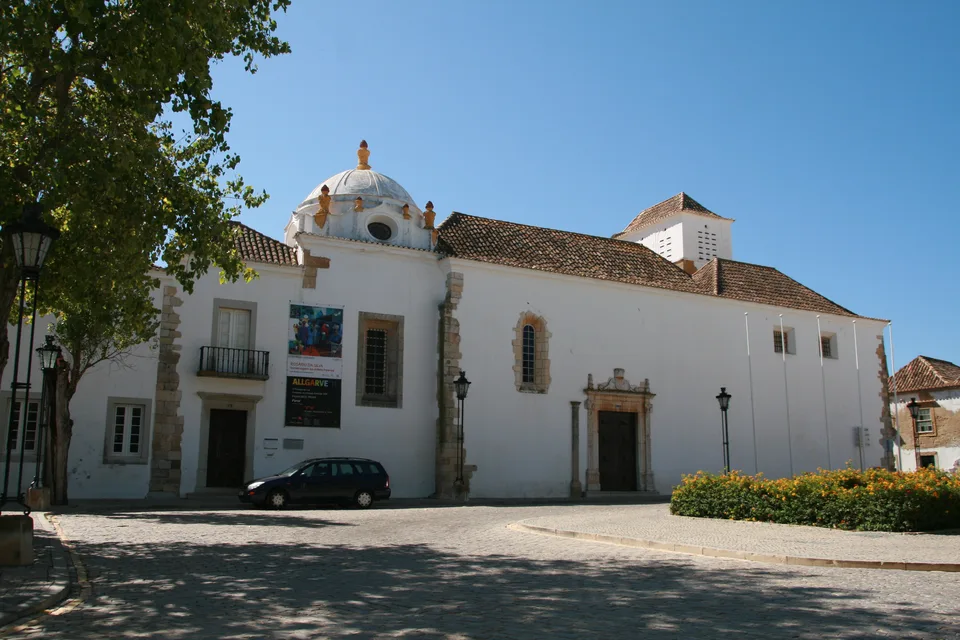
The Sé stands on Largo da Sé, giving the historic quarter a clear focal point. Its value is not confined to a tower view. The national tourism board’s cathedral description draws attention to gilded woodwork, seventeenth-century tiles and an organ dating from around 1715.
There is an important historical qualification: the same source describes the earlier basilica and mosque beneath the site as probable rather than established by documentary proof. Avoid treating that sequence as an archaeological certainty. For the visit itself, check the current ticket arrangements and what they include at the entrance. Religious services may affect access, and the tower involves stairs. Dress appropriately, keep conversation quiet around worshippers and follow photography instructions. If a climb is unsuitable, the square and lower-level architectural setting still merit time; a viewpoint need not determine whether the visit was worthwhile.
Give the municipal museum time beyond the cloister
The municipal visitor portal’s museum page places Museu Municipal de Faro at Largo D. Afonso III, 14, in the former Nossa Senhora da Assunção convent. Its cloister and exhibition rooms make it a natural companion to a walk through the old town.
The national museum listing identifies archaeological material from prehistoric, Roman and medieval periods, including a Roman mosaic and imperial busts, alongside later painting. Those collections help connect the streets outside with a much longer local history. Confirm current opening hours, admission and temporary exhibitions before travelling for a particular display. An exhibition advertised for an earlier season may already have finished. For families, one focused museum visit with a break afterwards is usually a more workable plan than several consecutive interiors.
Add Carmo or a science visit according to your interests
Outside Vila-Adentro, Igreja do Carmo and its Capela dos Ossos provide another perspective on Faro’s religious heritage. Visit Portugal’s city itinerary includes the church and chapel. Check visiting arrangements separately from service times. Human remains are part of the chapel’s presentation, so decide whether the subject suits everyone in your group and treat the space with respect rather than as a novelty photograph.
For a different kind of indoor visit, Centro Ciência Viva do Algarve offers science exhibitions, activities and aquariums connected with the Ria Formosa and other ecosystems. Its 2026 individual admission table lists adults at €5, children and students with a student card at €3, and seniors over sixty-five at €3; children up to three enter free. Workshops and special sessions can have separate prices or reservation requirements. Check the actual programme rather than assuming a general entry ticket includes every activity. The resident-only Sunday concession should not be treated as free admission for all visitors.
Understand the Ria Formosa before choosing an excursion
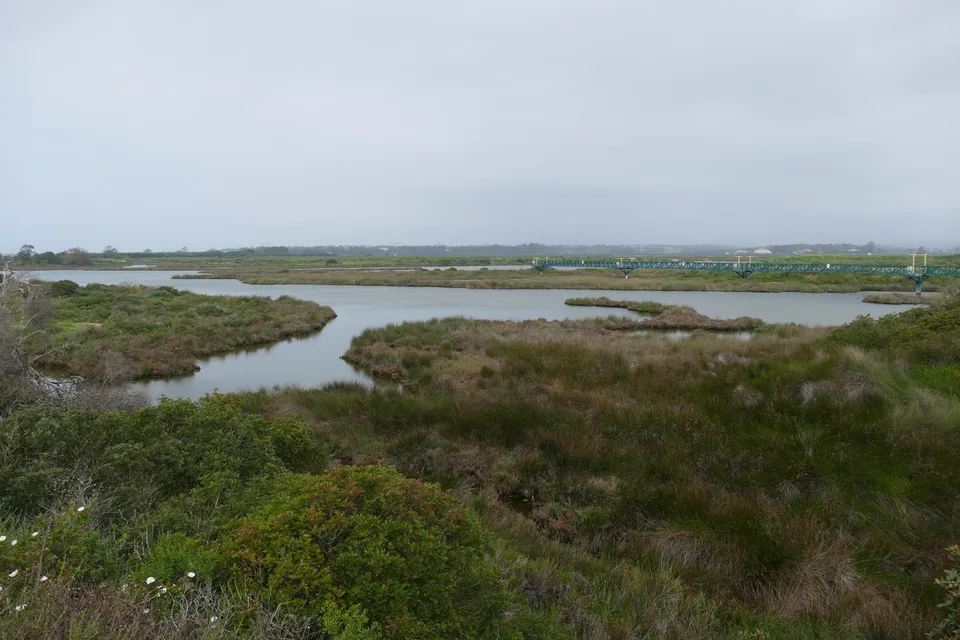
ICNF’s protected-area information describes Ria Formosa Natural Park as covering about 18,000 hectares, including submerged areas, across several municipalities. It extends beyond Faro, so a tour advertised with the park’s name may depart from somewhere else or explore a different section.
Choose an outing by its content. A beach transfer, a guided nature trip and a multi-stop excursion solve different problems. Ask where you embark, how much time is spent ashore and whether the return is tied to a particular sailing. For birdwatching, enquire about the guide, season and observation approach without expecting a guaranteed species list. Take binoculars if you have them and keep a respectful distance from birds and other wildlife. A saltmarsh photograph should not be mistaken for a bathing beach. Follow marked routes and current instructions, avoiding shortcuts across fragile vegetation or unfamiliar muddy ground.
Compare island boats by journey and ticket conditions
For Ilha Deserta, Animaris publishes ferry and speedboat options from Cais da Porta Nova. Its advertised ferry crossing takes about forty-five minutes, with prices from €5; the faster shuttle is described as approximately fifteen minutes, from €10. The operator also lists shuttles to Farol and Culatra. These are starting prices and reference crossing times, not a confirmed adult return quotation for your dates.
Before paying, establish both directions of travel, the departure point, the final return and what happens if weather changes the service. A quicker crossing can be useful, but compare the full day rather than the outbound minutes alone. Bring water, sun protection and whatever medication you may need until you return. Ask about boarding assistance before booking if steps or movement between boat and quay are difficult.
Choose accommodation for the journeys you expect
Start with the kind of stay you want. A central hotel or guesthouse suits a short cultural visit with meals and walks nearby. An apartment may be more useful when you want a kitchen or a longer trial stay, while a hostel requires closer attention to shared facilities and room arrangements. The municipal accommodation directory separates several lodging categories and provides a useful search starting point, rather than a quality guarantee.
Compare the exact address with the railway station, bus terminal and your intended boat departure. Accommodation near the airport can suit a difficult flight time but should be assessed against the rest of your plans. For a beach-based stay, check the distance to the beach itself rather than accepting “Faro” as a sufficiently precise location. Ask about luggage storage, late check-in, stairs and bedroom noise. For an apartment, establish whether cleaning, towels, air-conditioning and any electricity allowance are included in the quotation.
Include Faro’s tourist tax in the room total
The municipality’s tourist-tax FAQ explains a charge for guests aged sixteen and over, subject to exemptions, for a maximum of seven consecutive nights per stay. It lists €2 per person per night from March through October and €1 from November through February. Confirm the applicable amount and any documentary exemption with the accommodation when booking.
For example, two liable adults staying three nights in October would add €12 under those published rules. That is a tax calculation, not an accommodation-price estimate. Compare room quotations on the same basis: breakfast, cancellation conditions, cleaning fees, tax and the number of occupants. A lower headline rate can become less attractive if it requires an expensive late transfer or provides no flexibility when flight times change. Keep the written confirmation accessible during arrival so that any difference between the quotation and the requested payment can be resolved clearly.
Connect the airport with the correct part of Faro
Faro Airport is the arrival point for many visitors, but it is separate from the city’s rail station and central bus terminal. Próximo’s current airport-stop page lists routes 14, 15 and 16. Their destinations differ: route 16 links the terminal and Praia de Faro through Montenegro and the airport, while route 15 includes the hospital on its terminal–airport–Montenegro route. Check the direction and date-specific timetable, not just the bus number.
The operator’s website also describes onboard contactless bank-card payments and its PICK app. Check the fare product for your journey through the operator rather than assuming one flat airport price covers the whole network. Allow time for immigration and baggage before choosing a final connection. If arriving late, compare a booked transfer with the last usable bus. Give a driver the complete accommodation address; a central landmark can still leave an awkward final walk with luggage. Keep a backup payment method available.
Use the regional railway for a planned day out
The CP Algarve regional timetable connects Faro with places including Olhão and Tavira to the east, and towns towards Lagos to the west. It distinguishes services and operating-day conditions, so check the particular train rather than assuming every departure runs daily or continues across the entire line. The published timetable checked for this guide took effect on 19 July 2026.
Use CP’s current journey planner to check the travel date and the full station-to-station journey. Compare return options before setting out, especially when planning an evening meal away. A station name does not necessarily identify the beach or historic centre you intend to visit, so account for the final local connection. Long-distance rail travel and a short regional outing also have different booking considerations. If disruption is announced, leave enough flexibility to change the day’s plan instead of relying on a tight connection to an airport transfer.
Eat regionally and shop for an actual meal
The official Algarve food overview highlights seafood, cataplana preparations, xerém and açorda among the region’s traditions. Use that as an introduction to menus rather than a claim that every Faro restaurant serves the same version. Ask whether a dish is intended for one person or for sharing, and check accompaniments before comparing prices. Explain shellfish or other allergies directly.
For self-catering, the municipal market operator’s information is a practical place to check facilities and opening arrangements. Building opening hours do not guarantee that every fresh-food stall trades for the full period. Visit with a realistic shopping plan: buy quantities you can cook and refrigerate, and establish whether an apartment has the equipment you need. At restaurants, distinguish a price per portion from one based on weight, and clarify any unrequested items placed on the table before consuming them. A few menu prices checked near your accommodation will create a more useful personal food budget than a supposedly universal daily allowance.
Choose a season for your preferred activities
IPMA’s 1991–2020 Faro climate normal is based at the airport and provides a useful seasonal comparison. Average daily maximum temperatures were 29.4°C in July and 16.3°C in January, with average daily minima of 19.6°C and 8.3°C respectively. July averaged 0.9mm of rain, compared with 90mm in December. These are historical averages, not a promise about your week or the conditions at every coastal location.
For a walking-focused visit, consider the trade-off between warmth, daylight and the possibility of rain rather than choosing solely by a beach photograph. In summer, put exposed walking earlier in the day and retain time for shade and indoor visits. A winter stay needs an indoor alternative and attention to room heating, ventilation and damp. Check the forecast and boat conditions close to departure. Good city weather does not automatically establish comfortable sailing or suitable swimming conditions; follow local warnings and beach instructions.
Spend three days without making every day a transfer
On the first day, explore Vila-Adentro, choosing the cathedral and municipal museum according to your interests and current opening arrangements. Leave time for a waterfront pause and a meal. Keep arrival day flexible if it follows a flight, and establish where your boat would depart before the following morning.
Use the second day for one lagoon or island outing, with the return arranged in advance. Change the order if weather makes the water trip unsuitable. On day three, choose between a regional train excursion, Carmo and more city time, or a science-centre visit with children. A prospective student could instead use the day for a campus and housing reconnaissance. Avoid fitting both a distant outing and a final airport connection into a narrow margin. This is a suggested sequence, not a package with guaranteed admissions: use the actual operating days to decide the order, and leave one part of each day uncommitted.
Treat Estoi and Milreu as separate decisions
Estoi is an option for looking beyond the centre, but one important qualification applies. The official Milreu ticket page states that the Roman ruins are temporarily closed for works. Do not travel there expecting entry merely because the same page displays normal prices and seasonal opening hours. Confirm reopening directly before adding an interior visit to your plans.
The site’s Roman villa, baths and mosaics explain its historical interest, but that interest does not override the closure. If you travel towards Estoi for another reason, make a complete alternative plan and check the access arrangements of each property you intend to see. A palace operating as accommodation is not automatically a freely accessible public museum. Compare the journey with a day in Olhão or Tavira, or simply more time in Faro.
Match a longer stay to work or the right campus
For a move, identify the place you must reach regularly before searching for a home. The University of Algarve’s campus information places Penha centrally in Faro and Gambelas about six kilometres from the city. Portimão is a separate campus in another municipality. Check where your particular course, laboratory or job is based; the university’s name alone does not determine the commute.
Try that journey at the time you would normally travel, including the return after an evening class or shift. Compare walking, bus connections and the cost of a backup option. Students should investigate accommodation through the university’s own services, including eligibility and availability, before relying on a residence place. For other households, a temporary rental can provide time to assess grocery shopping, parking and the practical rhythm of the neighbourhood. Visit outside holiday hours too. An appealing weekend near the marina does not answer whether the address works for a normal working month.
Inspect the home and put household costs in writing
The government’s current housing guide explains that a rental agreement should be written and communicated to the tax authorities. It advises clarifying rent, deposit conditions, contract duration, termination and responsibility for utilities and other charges. Use those points to compare complete offers rather than treating a furnished holiday rate as a representative residential rent.
At a viewing, check window seals, ventilation, heating and cooling arrangements, water pressure and the condition of appliances. Test internet reception where you would work, and ask how faults are reported. Photograph the agreed inventory with permission and record meter readings at handover. Establish which services need a contract in your name and which remain included. Ask for recent bills to understand the specific property’s consumption; another household’s spending is only a comparison. Before transferring a deposit, verify the property, the person’s authority to let it and the written terms. Keep receipts and copies of the agreement.
Arrange healthcare and administration before they become urgent
For healthcare planning, distinguish emergency assistance from the arrangements for ongoing treatment. Portugal’s government health guide identifies 112 for serious emergencies and SNS 24, on 808 24 24 24, for health assessment and guidance when the situation is less urgent. Check the cover and registration relevant to your status, particularly if you need continuing medication, specialist care or treatment for children.
Ask a provider and insurer how consultations, prescriptions and any out-of-pocket charges would work. Carry relevant medical information in a form that is easy to retrieve. Administrative identification also deserves advance attention: use the tax authority’s NIF guidance (source unavailable) for your resident or non-resident circumstances. A tax number is not immigration permission. Create a realistic first-month plan covering appointments, household contracts, a working phone and copies of essential documents. Keep the accommodation address available offline, so that a flat battery or lost connection does not prevent you explaining where you need help.
Keep tourism, work, study and residence distinct
For non-EU visitors, European Commission visa guidance explains the short-stay framework of up to ninety days in any 180-day period, subject to nationality and visa conditions. Count relevant time across Schengen, not just nights in Portugal; a shorter authorised stay on a visa still matters. Use the official short-stay calculator when planning a longer European trip.
Working or relocating requires a separate assessment. The Portuguese foreign ministry’s residence-visa requirements distinguish employment, study and remote-work purposes. Check the appropriate route and consular documentation before accepting work or committing to a course or long lease. For covered European nationals, AIMA’s registration guidance explains the municipal certificate for stays exceeding three months. These rules should not be reduced to a general “move to Faro” permission. Border systems also differ: Portugal confirms EES implementation, while the EU’s ETIAS information says applications are not yet being collected at the review date. Recheck official instructions before travel.
Compare Faro with other Algarve bases
Use Faro as a base when its city facilities, rail connections and lagoon access suit the journeys you want. Compare other places on their own terms, including the address of the beach, railway station or accommodation rather than a destination label alone. VisaWand’s Tavira location page offers another geographical starting point, while the Lagos location page helps explore a western Algarve alternative.
For broader preparation, consult the Portugal country guide, Portugal destination page and Portugal location directory. Directory coverage does not mean every place already has a completed travel article. Use VisaWand’s consultant listings to compare relevant experience and service scope. If relocation remains appealing after a holiday, return for a practical trial stay, with housing viewings and everyday journeys taking priority alongside the waterfront that first drew you here.
Official planning resources
Reviewed 17 October 2026. Use the official resources linked throughout this guide for admission, transport, housing and immigration decisions. Prices, services and rules can change; confirm the details relevant to your dates. Photography illustrates the locations and is not a live view.
View all official resources
- Visit Portugal: a day out in Faro
- Visit Portugal: Faro
- Visit Portugal: Faro walls
- Visit Portugal: Faro accessible tour
- Visit Portugal: Faro Cathedral
- Visit Faro: municipal museum
- Visit Portugal: municipal museum
- Centro Ciencia Viva do Algarve: visits and activities
- Centro Ciencia Viva do Algarve: 2026 admission
- ICNF: Ria Formosa Natural Park
- Animaris: ferry and shuttle services
- Visit Faro: accommodation directory
- Faro municipality: tourist-tax FAQ
- Proximo: Faro Airport stop
- Proximo: Faro urban buses
- CP: Algarve regional timetable
- CP: current journey planner
- Visit Portugal: Algarve cuisine
- Ambifaro: Faro municipal market
- IPMA: Faro 1991–2020 climate normals
- Patrimonio Cultural: Milreu Roman ruins
- University of Algarve: campuses
- gov.pt: renting and buying a home
- gov.pt: health services and emergencies
- Tax authority: NIF registration questions (source unavailable)
- European Commission: applying for a Schengen visa
- European Commission: short-stay calculator
- Portuguese foreign ministry: residence-visa documentation
- AIMA: EU registration certificate
- Portuguese foreign ministry: EES implementation
- European Union: ETIAS questions
Plan the next part of your journey
Explore the Portugal guide, browse other cities or compare consultants for your travel and relocation questions.