Visa
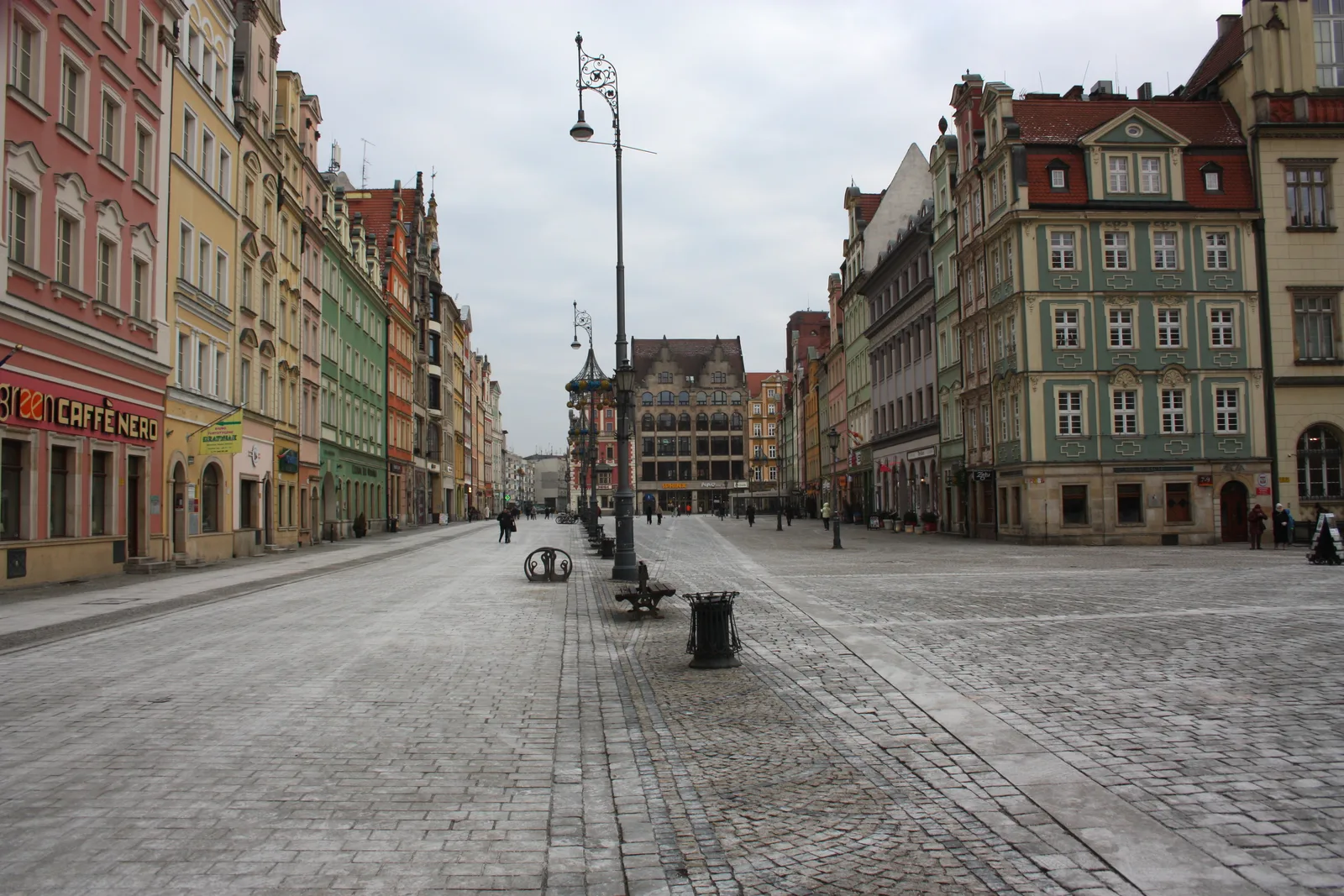
Wrocław is more than a colourful square
Wrocław’s Market Square is an inviting first impression, but the city makes a stronger trip when you follow the water away from it. Cathedral spires, small bronze dwarfs and the great concrete dome of Centennial Hall belong to different chapters of the same place. Allow time for those differences rather than expecting every worthwhile sight to sit beside the Town Hall.
The official city introduction places Wrocław on the Odra, also known as the Oder, in southwestern Poland. It is the capital of Lower Silesia and an important academic and cultural centre. For visitors, that creates a useful choice between a short break built around walking and museums, and a longer stay that includes performances or excursions into the region.
Two full days are a reasonable editorial starting point; add a third for the zoo, a major museum visit or a regional outing. If you are considering a move, reserve separate time for housing viewings and the commute. VisaWand’s Poland country guide provides the wider context.
Start at Rynek, then look beyond the postcard
The Market Square and Town Hall form the centre of a straightforward first walk. Rather than crossing Rynek once, circle the central buildings and compare the surrounding facades.
Arriving by tram and walking the final stretch is usually a more useful sightseeing plan than trying to drive to the Town Hall. The tourism office notes that private-car entry into the square itself is restricted to exceptional circumstances. If your accommodation is nearby, ask for its actual vehicle approach before following a navigation app to the map pin.
For a short visit, make Rynek the starting point and meeting place rather than the whole itinerary. Choose one direction for the rest of the morning. An unhurried route towards the river gives a different impression from a sequence of indoor admissions, and costs nothing in entrance tickets.
A history that includes destruction and new beginnings
Understanding Wrocław requires more than admiring older architecture. The Zajezdnia History Centre occupies a former bus depot on Grabiszyńska Street, associated with the city’s 1980 protests in support of striking coastal workers. Its main exhibition, “Wrocław 1945–2016”, explores wartime destruction, post-war resettlement and the creation of a new urban identity.
The earlier German name Breslau appears in historical accounts. Treat those layers as part of the city’s history, rather than using an old name as though the present-day community were incidental. The museum offers a way to investigate the lives and political circumstances behind the change.
Choose this visit if you want context for what you see elsewhere. Give it a separate block of time and check its current programme before travelling; a visit to a former depot should not be squeezed into the assumption that all museums are beside Rynek.
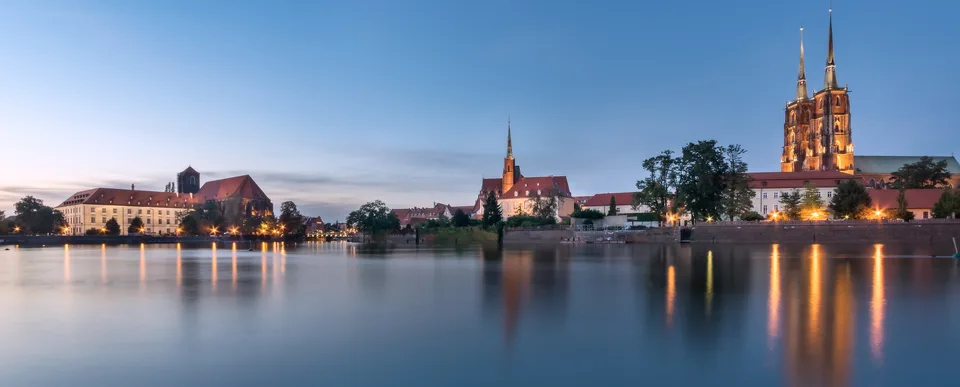
Ostrów Tumski: the cathedral and the river setting
Ostrów Tumski and Saint John the Baptist Cathedral provide a different walking focus. The cathedral is Gothic in character, but its appearance also reflects reconstruction after severe destruction in 1945. Nearby medieval churches include Saint Giles and Saint Martin. Appreciating the area means noticing how old fabric, rebuilding and religious use coexist.
Allow time to approach from the water and look back at the skyline. The area’s appeal does not depend on purchasing every available admission. If you want a tower, chapel or another ticketed component, confirm precisely what that ticket covers and when it operates. A church’s general opening arrangements are not automatically the same as access to every part of the building.
Keep worship in mind when planning photographs or entering with a group. For visitors with mobility needs, ask about the specific route, steps and toilets before booking.
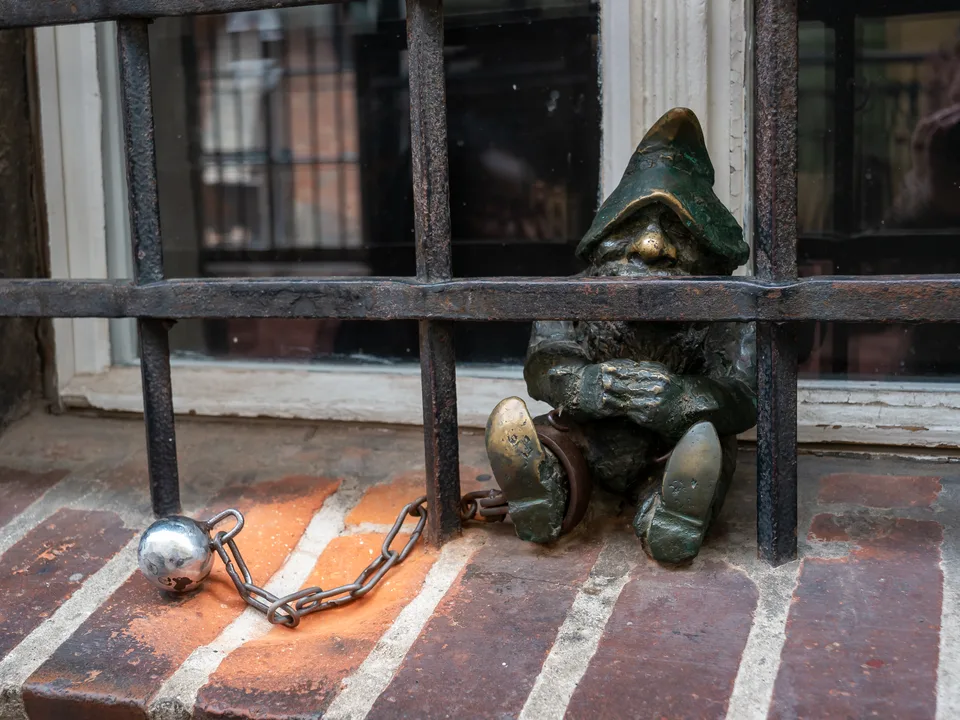
The dwarfs have a history as well as a map
The small sculptures are enjoyable to search for, especially when a family needs an alternative to another long museum visit. Their background is more interesting than a simple city mascot story. The City Museum’s account of Wrocław’s dwarfs connects them to the Orange Alternative’s peaceful, satirical anti-communist happenings of the 1980s. Papa Dwarf appeared on Świdnicka Street in 2001 as a monument to that movement.
Use the official dwarf directory and map to choose a manageable handful near your existing route. There is little value in chasing an exact total: the collection changes, and a long list can turn a pleasant walk into repeated detours. Look closely, but keep doorways and pavements clear while taking photographs.
For children, choose a small goal together, then stop for a break when you reach it.
The Panorama: book a time and keep the ticket
The Racławice Panorama is a visit to a monumental painting presented in a dedicated viewing setting. Its official practical information lists a thirty-minute session and a 50 zł standard ticket, with a 35 zł reduced tariff subject to eligibility. Book the session that fits the rest of your day, rather than arriving with another timed admission immediately afterwards.
There is a valuable inclusion: the ticket also gives access to the permanent exhibitions of the National Museum, Ethnographic Museum and Four Domes Pavilion within three months of the Panorama visit. Keep it and check the conditions before buying separate admission elsewhere. Temporary exhibitions may require a different ticket.
Winter hours run from November through March, when Mondays are closed. The published 2026 exceptions also include 31 October, 1 November and several Christmas-period dates. Check your actual date even when the usual seasonal hours appear suitable.
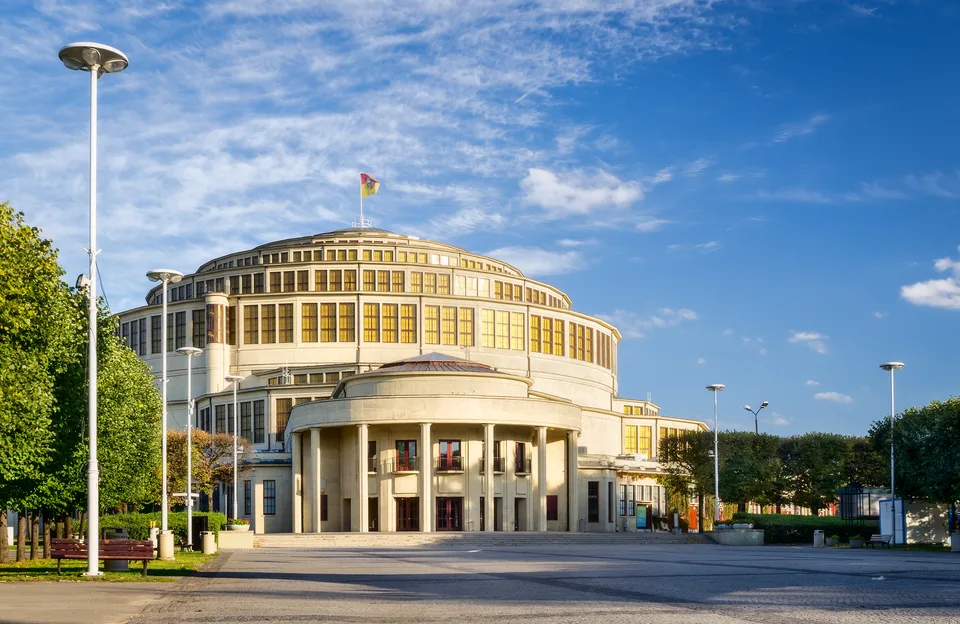
Centennial Hall deserves its own part of the day
UNESCO’s Centennial Hall account identifies Max Berg’s building, constructed in 1911–1913, as an important early use of reinforced concrete. It offers an architectural contrast to the older centre: the point is the engineering and scale, not medieval decoration. Seeing that contrast makes the journey worthwhile even for someone who does not usually build trips around architecture.
The official Visitor Centre information distinguishes a 25 zł exhibition ticket from a 30 zł exhibition-and-hall-interior ticket. Check the availability calendar before choosing: this is also an operating event venue, so access to the main interior cannot be assumed from the building’s exterior opening scene.
Keep time for the surrounding grounds instead of buying an admission and immediately leaving. If your party has different interests, agree in advance whether the hall, art museum or outdoor setting is the priority. Combining nearby activities works better when the day still has a clear main purpose and a proper meal break.
Fountain shows and the limits of seasonal advice
The multimedia fountain’s own schedule is the right place to check whether a show will take place. It is seasonal entertainment, not a year-round promise. At the time of review, the operator advertises a season-closing programme on 24 October 2026, with two rounds starting at 6pm and 8pm. Future visits need the programme for their own dates.
An evening show can be a good reason to stay in the hall area later, but plan the return journey before settling down. A daytime photograph or an old video is not evidence of tonight’s operating schedule. The operator also prohibits entering the basin and says its water is not for drinking.
If there is no show, decide whether the grounds still fit your interests rather than travelling solely on an outdated recommendation. For a winter break, put the time into an indoor venue or a shorter outdoor walk instead. Build flexibility around a seasonal attraction, not an entire fixed day around an assumption.
Choosing between the zoo and Hydropolis
For a family visit, compare the zoo and Hydropolis as substantial activities rather than quick additions. Wrocław Zoo’s current tariff lists standard adult admission online from 69 zł and 99 zł at the ticket office. The online figure is a starting price, not a guarantee for every date. Reduced tickets have documentary conditions; do not assume that a foreign student card or family grouping automatically qualifies.
Hydropolis is a water-knowledge centre with thematic exhibits and an area for children. Its published price list shows a regular adult ticket at 45 zł, rising to 47 zł on weekends, holidays and special days. Check admission availability for your chosen time and the accessibility information relevant to your party.
Our planning suggestion is to pick one as the main family activity for a day. The best choice depends on ages, stamina, weather and enthusiasm, rather than a ranking. Preserve time for food and travel, and resist adding another major admission simply because it appears nearby on the map.
Accommodation: choose the journey you want to repeat
For a first cultural break, compare the streets around the Old Town with options near Wrocław Główny station. A central base makes it easier to return between walks; a station-oriented one can suit an early train or a trip involving several rail journeys. Map the actual entrance against your plans before deciding which is more convenient.
PURO Wrocław Stare Miasto provides one identifiable central example at Pawła Włodkowica 6, in the Four Denominations district. Use the hotel’s own room descriptions and terms to check what you are buying. Its location is the reason to consider it here, not a claim of personal experience or a guarantee that it is the best value.
For a hostel or apartment, check reception arrangements, cooking facilities, cleaning charges and luggage storage. Ask whether there is a lift all the way to the booked room. Compare the full stay cost and cancellation conditions, especially if flight times or a residence appointment might change.
Airport connections and arrival by train
The airport’s ground-transport guidance lists daytime bus 106 towards the main railway-station area, with a typical full journey of about forty to fifty minutes depending on traffic. Night service 206 and daytime 129 are also listed, but they are different routes. Check the stop and timetable that match your destination and arrival hour.
Leave a buffer for an outbound flight rather than treating the published bus duration as an airport check-in guarantee. If you need a taxi with a child seat or have another specific requirement, arrange that before arrival and confirm the terms directly. No universal airport taxi fare is asserted here.
Wrocław Główny arrival information places the main station near the coach terminal and describes Rynek as a typical fifteen- to twenty-minute walk. With luggage, children or mobility assistance, plan your own final connection. Check the exact departure station on an onward ticket rather than assuming every service uses the same stop.
Public transport: the ticket type matters
The municipality’s fare table lists a 4.60 zł single ticket, a 4 zł thirty-minute ticket, a 5.20 zł sixty-minute ticket and a 15 zł twenty-four-hour ticket. Longer visitor options include forty-eight hours at 26 zł and seventy-two hours at 32 zł. Choose by expected journeys and transfers, not simply the lowest displayed price.
The tourism office’s ticket guidance explains that a single ticket covers one bus or tram without a change. Onboard electronic purchases do not require an additional punch, while paper tickets use the applicable validation process. An onboard purchase can be electronic rather than a printed receipt; understand the payment method you are using before an inspection.
For a longer stay, compare a regular pass with any resident scheme for which you actually qualify. Taxpayer discounts are not an automatic visitor entitlement. Before each unfamiliar journey, check service changes and the final return connection.
Food, shopping and budgeting in złoty
Use prices in złoty, shown as zł or PLN, when comparing your spending. Start with confirmed accommodation and travel, then add the admissions you intend to use. A sightseeing-heavy day and a day spent walking should not be assigned the same cost simply to create a neat daily average.
For food, the Polish Tourism Organisation’s cuisine guide describes pierogi with fillings including potato and cheese, cabbage and mushrooms, meat and fruit. These are Polish food traditions, not a dish exclusive to Wrocław. Ask about fillings, toppings and preparation if you have dietary restrictions; a vegetable filling alone does not establish an allergen-free meal.
The Piwnica Świdnicka menu and contact page gives a concrete central restaurant to investigate at Rynek Ratusz 1A. Check the current menu and reservation arrangements rather than relying on a claimed universal meal price. For shopping, compare a souvenir with something you would still want at home, and leave ordinary food-shopping time in a longer stay.
Weather and the best time for your interests
The municipality’s climate overview describes both oceanic and continental influences. Summer is the natural option to consider for extended outdoor days; winter needs warmer clothing and a plan that makes good use of indoor opening hours. A favourable seasonal average does not predict the weather during your particular weekend.
For a first walking visit, consider late spring, summer or early autumn, balancing your own tolerance for heat, crowds and changing weather. If a fountain programme or other outdoor event is central to the trip, check that season separately. A winter visit can still work well for museums and meals, provided you avoid building the day around unavailable seasonal activities.
Bring shoes suitable for long walks and a waterproof layer. Before an outdoor excursion, consult the current forecast and transport notices. If conditions deteriorate, shorten the route and keep a warm indoor break.
A three-day plan with room to change direction
This is an editorial itinerary, not an operator’s tour schedule. On day one, begin at Rynek, choose a few nearby dwarfs and walk towards the river and Ostrów Tumski. Keep the afternoon flexible enough for a booked Panorama session if that is your priority. Enjoy dinner without committing the evening to another distant attraction.
On day two, make Centennial Hall and its surrounding area the main outing. Choose an art visit or the zoo according to your interests, rather than attempting every nearby attraction. If a fountain programme operates, decide whether staying until evening suits the group’s energy and return transport.
On day three, use the Zajezdnia History Centre for a deeper historical visit, or replace that day with a regional excursion. Families may prefer Hydropolis instead. With only two days, remove one of these main activities; do not compress all three days into a rush. Reserve the timed admission first and fit walking, meals and travel around it.
Nadodrze offers another way to walk the city
For a repeat visitor, the tourism office’s Nadodrze walking material opens up a different focus: Rydygiera and Kurkowa streets, murals, craftspeople and artistic spaces. Its Polish audio-walk listing is useful background, but check availability and language before depending on the download as your guide.
Make this a deliberate neighbourhood walk rather than a claim that every doorway conceals a visitor attraction. Some workshops and galleries have limited opening arrangements, and residential courtyards are not automatically public spaces. Ask before entering or photographing people at work.
Someone considering relocation can use a walk here to investigate practical details as well as appearances. Look at the route to a stop, the distance to food shopping and the property’s actual entrance. Return at a different hour before drawing conclusions about noise or convenience.
Renting a home and building a workable routine
For a move, compare homes against the journey you will repeat most often. A slightly lower asking rent can be a poor trade if it creates an awkward commute, while a central address is not necessarily convenient for your actual workplace or campus. Test the trip at the relevant hour before signing if possible.
Ask for a clear written breakdown of rent, building charges, utilities, deposit and any agency fee. Establish how heating is paid for, whether usage is reconciled later and which furnishings remain. Photograph the condition, record meter readings and get the handover inventory agreed. These are practical checks, not claims that every Polish lease has identical terms.
For help understanding local arrangements, WroMigrant’s municipal information service offers free consultations, including in English, and can direct newcomers towards the appropriate institutions. Its topics include housing, residence formalities, schools and medical assistance. Use that support to clarify an unfamiliar clause before paying, rather than assuming an online advertisement settles the details.
Students and the household essentials
Students should follow their own institution’s accommodation process. The University of Wrocław student-house information warns that places in a preferred residence are not guaranteed. Arrival outside the published accommodation schedule needs advance arrangements with the residence administration. A place on a course and a room allocation are separate matters.
For healthcare, NFZ’s official visitor information explains that EHIC entitlement covers necessary, unscheduled treatment within the public system on the same conditions as Polish patients. It does not mean all treatment is free or every private provider is covered. Establish the insurance and registration route appropriate to your status, including dependants, before relying on cover.
When setting up a household, check internet installation, washing facilities and heating instructions as well as the monthly totals. Ekosystem’s household-waste information provides collection and sorting resources. Confirm the arrangements for your building, particularly for larger items. Keep contracts and important correspondence somewhere accessible while you are still living out of temporary accommodation.
Visas and residence: use the current application route
The Polish foreign ministry’s visa guidance distinguishes short-stay C visas from national D visas. The short-stay framework is up to ninety days in a 180-day period across Schengen; a D visa covers a longer permitted stay in Poland within its validity. Neither category should be mistaken for permanent settlement or an automatic right to work.
Nationality, purpose and individual circumstances determine what you need. A visitor, employee and full-time student should confirm their own requirements before committing to a move. EU citizens have a different framework from third-country nationals. VisaWand’s Poland consultant listings can help identify advisers, while official authorities decide applications.
The Office for Foreigners’ current MOS guidance confirms that most temporary, permanent and long-term EU residence applications moved online on 27 April 2026, with specified exceptions still using paper procedures. Check the Lower Silesian office’s updated instructions too. Allow time for documents and any employer or institution involvement. An application process is not a promise of approval or immediate permission to begin work.
Regional excursions and other Polish bases
Książ Castle’s official visiting page is a useful starting point for an outing towards Wałbrzych. Decide which route you want, because the castle, underground visits and other combined components have different arrangements. Check opening dates and the complete journey before buying. Treat it as a separate excursion, with time for the local connection, rather than another Wrocław neighbourhood stop.
If planning a wider Polish trip, compare Poznań, Kraków and Warsaw against your interests and actual rail itinerary. Each additional base adds packing, check-in and travel time, so allow enough nights to make moving worthwhile. Do not choose solely from a photograph of a central square.
For relocation, apply a more demanding comparison: the available job or course, suitable housing, household costs and administrative route. The Poland location directory helps identify more places to investigate. Its entries vary in depth, so follow the relevant official resources before treating a directory listing as a completed practical guide.
Official planning resources
Reviewed 21 October 2026. Use the official resources linked throughout this guide for admission, transport, housing and immigration decisions. Prices, services and rules can change; confirm the details relevant to your dates. Photography illustrates the locations and is not a live view.
View all official resources
- Visit Wrocław: city overview
- Visit Wrocław: Market Square and Town Hall
- Visit Wrocław: Zajezdnia History Centre
- Visit Wrocław: Ostrów Tumski and cathedral
- City Museum of Wrocław: dwarf sculpture history
- Visit Wrocław: dwarf map
- National Museum: Panorama tickets and practical information
- UNESCO: Centennial Hall
- Centennial Hall: Visitor Centre admission
- Centennial Hall: multimedia fountain schedule
- Wrocław Zoo: current admission tariffs
- Hydropolis: water knowledge centre
- Hydropolis: ticket prices
- PURO Wrocław: official hotel information
- Wrocław Airport: ground transport
- Visit Wrocław: rail arrivals
- Wrocław municipality: public transport fares
- Visit Wrocław: using public transport tickets
- Polish Tourism Organisation: food and pierogi
- Piwnica Świdnicka: menu and contact
- Wrocław municipality: seasonal climate
- Visit Wrocław: Nadodrze audio walk
- WroMigrant: municipal information services
- University of Wrocław: student houses
- NFZ: treatment during visits and residence
- Ekosystem Wrocław: household waste information
- Polish Ministry of Foreign Affairs: visas
- Office for Foreigners: current MOS application system
- Lower Silesian Voivodeship: 2026 residence procedures
- Książ Castle: day visits
Plan the next part of your journey
Explore the Poland guide, browse other cities or compare consultants for your travel and relocation questions.