Visa
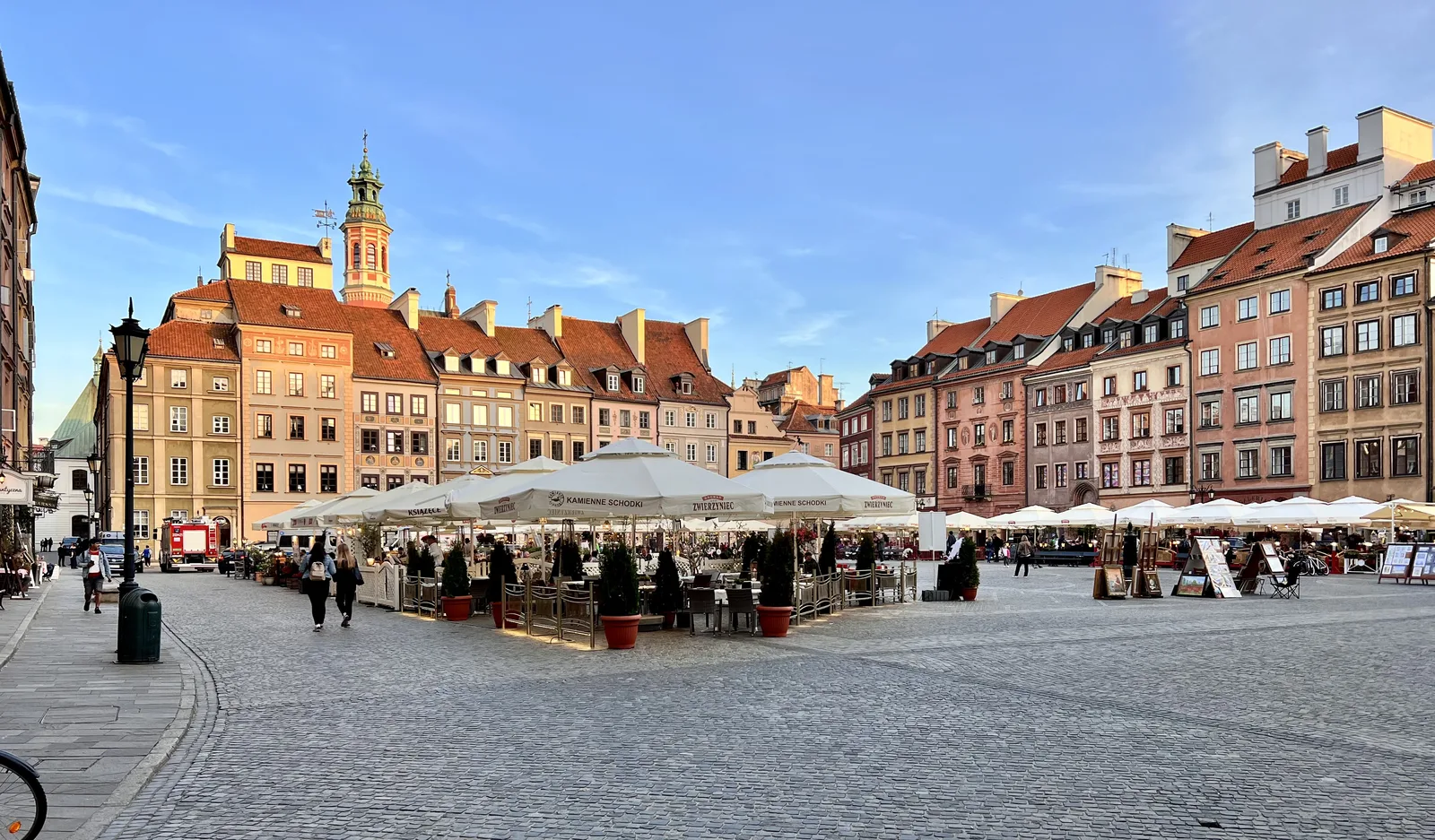
Warsaw is more than a restored Old Town
Warsaw asks you to look twice. The colourful market square appears old, the skyline looks forward, and the spaces between them reveal how Poland’s capital has repeatedly remade itself. Its strongest visits combine historical context with time in parks, neighbourhood streets and the broad Vistula river landscape. A quick photograph of the Old Town gives only a small part of the story.
Three full days allow a meaningful introduction without turning the city’s difficult history into a sequence of hurried museum stops. Add time for specialist interests or an exploratory relocation visit. For a possible move, judge Warsaw through a weekday commute and a complete housing quote as well as its attractions. VisaWand’s Poland country guide explains the wider national setting.
Understand why reconstruction matters
The UNESCO account of Warsaw’s historic centre describes the deliberate destruction of most of the historic core in 1944 and the reconstruction that followed. The World Heritage significance lies partly in that rebuilding. These streets should not be described as an untouched medieval town: their appearance records choices about memory, architecture and the city’s future after catastrophe.
Start at the Old Town Market Square, then walk towards Castle Square and the surrounding lanes. Look at the street pattern and the variety of reconstructed façades rather than searching for a single original-looking building. Warsaw’s other architectural layers deserve attention too. The contrast between historic streets, post-war planning and contemporary development is part of its character, not an interruption to the sightseeing.
Use the Royal Route as a walking framework
The Old Town and the streets leading south give a first visit a useful spine. A walk through the central area can combine historic surroundings, a café break and time to examine buildings without buying an attraction ticket at every stop. Keep the route flexible, particularly on an arrival afternoon when transport or luggage may delay your start.
The Royal Castle introduction explains why its collections merit a separate visit. Check the castle’s current exhibitions, admission products and opening arrangements before reserving time inside. A route past the palace and a museum visit are different commitments. Choose the latter because its art and history interest you, rather than assuming that entering every important building is necessary to understand the city.
Give POLIN room for its full story
POLIN’s core exhibition explores a thousand years of Jewish history in Poland. Its scope extends far beyond the Holocaust, which matters when deciding how much time and attention to bring. Set aside a substantial part of a day, with a break afterwards, instead of treating the museum as a short add-on between lunch and another timed attraction.
Current POLIN admission information lists a regular PLN45 ticket including the core exhibition, audio guide, temporary exhibition and Legacy Gallery. The museum normally closes on Tuesdays, and Thursday admission to the core and temporary exhibitions is free. Last entry to the core exhibition is two hours before closing. Check holiday exceptions and your selected ticket’s conditions; a concession advertised for Polish students is not automatically available to every overseas student.
Visit the Warsaw Rising Museum thoughtfully
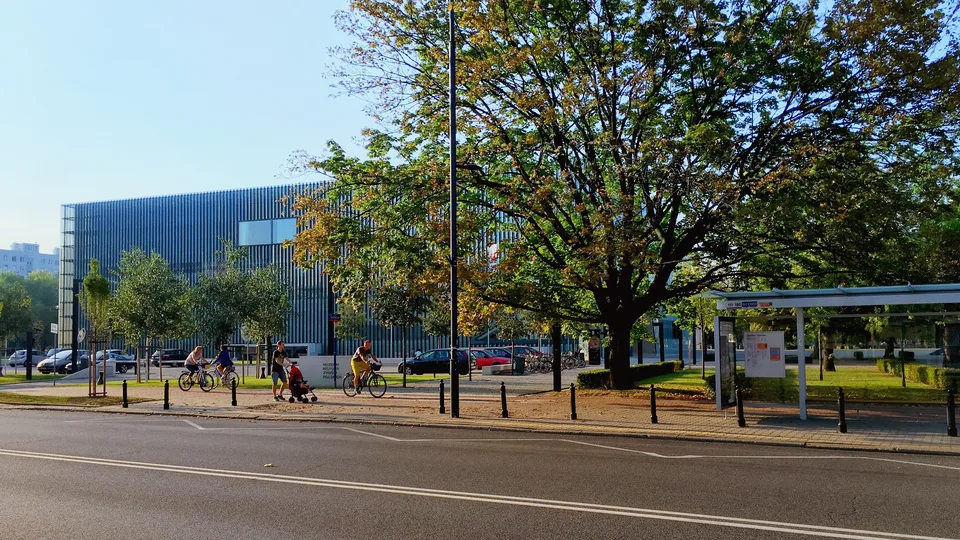
The Warsaw Rising Museum exhibition examines the fighting and everyday experience of the 1944 uprising, including occupation and its aftermath. Allow time to understand the sequence rather than moving through its photographs and recordings at the pace of a highlights tour. The material can be demanding, so consider your group’s interests and children’s needs before scheduling another intensive historical visit immediately afterwards.
The museum’s current visitor information gives regular admission as PLN35, with audio-guide options charged separately. Tuesdays are normally closed and Thursdays are currently free, a useful correction to older advice naming another free day. Reserve an appropriate arrival, check the latest calendar and leave a margin for admission. POLIN and this museum are distinct experiences; neither replaces the other.
Separate Łazienki’s gardens from its interiors
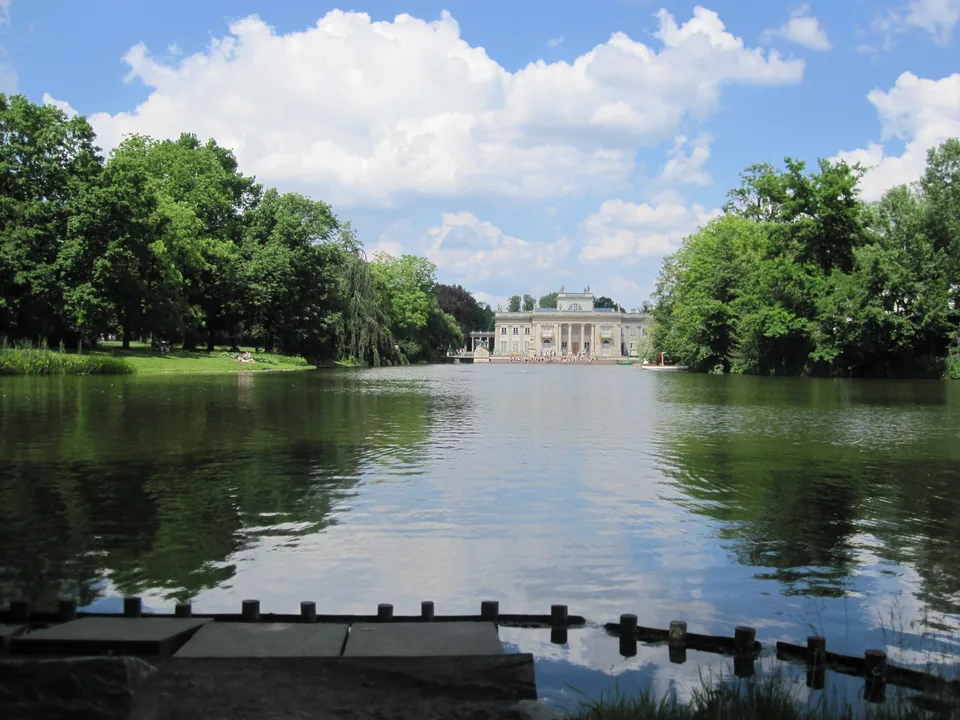
Royal Łazienki provides a change of pace through landscaped grounds, water and the Palace on the Isle. The museum’s opening information distinguishes the freely accessible gardens from the ticketed historic buildings. A garden walk can therefore be a worthwhile outing even when you choose not to enter a palace or when an interior is closed.
The buildings normally open Tuesday–Sunday, with free individual visits on Fridays under the published conditions. Their timetables vary, and temporary closures can affect particular rooms or buildings. Check the notice for your date rather than assuming one site-wide opening time. For a short visit, select an interior that interests you and spend the remaining time outside; trying to enter every building can overwhelm the relaxed garden experience.
Choose neighbourhoods by how you will use them
Śródmieście is Warsaw’s central district, covering more than the Old Town alone. It is a practical starting point for a short stay, but a hotel beside a major transport junction feels different from one on a smaller street. The official Śródmieście walk also explains Powiśle, the riverside area below the escarpment. Consider the final climb or transport connection when comparing apparently nearby addresses.
North Praga, across the river, offers another perspective through its streets, former commercial character and cultural spaces. Mokotów, south of the centre, is extensive and varied, with residential areas and parks. Use the official district walks to build a shortlist, then assess the specific street. A broad district name cannot establish noise, access or the length of a daily journey.
Compare accommodation on convenience and total cost
A hotel close to a useful Metro, tram or bus connection can save considerable time across a short stay. Hostels may suit a smaller budget, while apartments and serviced accommodation can help with cooking or laundry. Compare the final price for the exact party and dates, including cleaning charges, cancellation rules and the actual beds provided.
For an Old Town property, ask about stairs, lifts and the route from a vehicle drop-off point. A central postcode does not guarantee easy luggage handling. For a longer stay, check internet, workspace and grocery access. If you are visiting to investigate a move, temporary accommodation near likely workplaces can be more informative than choosing a hotel solely for its proximity to tourist sights.
Know which airport is on your booking
Chopin Airport, WAW, and Warsaw Modlin, WMI, require different arrival plans. The transport operator’s airport guide confirms that Chopin connects to the city through WTP buses and rail services. The S2 serves Warszawa Śródmieście, while the listed S3 and RL routes serve Warszawa Centralna. Check current routing and the stop nearest your accommodation before boarding.
Bus 175 is another central connection, and N32 provides a night option. Buy and validate the correct ticket; the ordinary city fare structure applies to the relevant Chopin journey. Avoid choosing a service merely because its destination contains Warszawa. The station name and onward connection matter, particularly when arriving tired or carrying luggage for several people.
Allow separately for Modlin and onward trains
WTP does not serve Modlin Airport. Its guidance directs passengers towards regional rail through Modlin station or separate shuttle coaches. A rail option involves the airport-to-station connection as well as the train. Price and time the complete trip using current operator information, instead of assuming a central Warsaw travel pass covers it.
For longer-distance travel, the official arrivals guide distinguishes Warszawa Centralna, Zachodnia and Wschodnia. Verify the station printed on your ticket and leave time to reach the platform. A cheap flight or rail fare can lose its advantage when the final transfer adds cost or an awkward overnight wait. Compare the whole journey when choosing between services, not only the advertised headline fare.
Buy transport for your actual itinerary
The current WTP tariff lists a standard zone-one 75-minute ticket at PLN4.40, a 24-hour ticket at PLN15 and a 72-hour ticket at PLN36. The equivalent 24- and 72-hour products covering zones one and two cost PLN26 and PLN57. These are time-and-area products; choose the coverage that fits your route and activate them correctly.
Validate a paper ticket immediately after boarding a bus or tram, or before entering the Metro platform area. Follow the app’s activation instructions for mobile purchases. Keep the valid ticket available throughout travel, and consult WTP’s concession rules before selecting a reduced fare. Rail integration has specific conditions, so do not treat every regional train as interchangeable with a city service.
Make room for the river
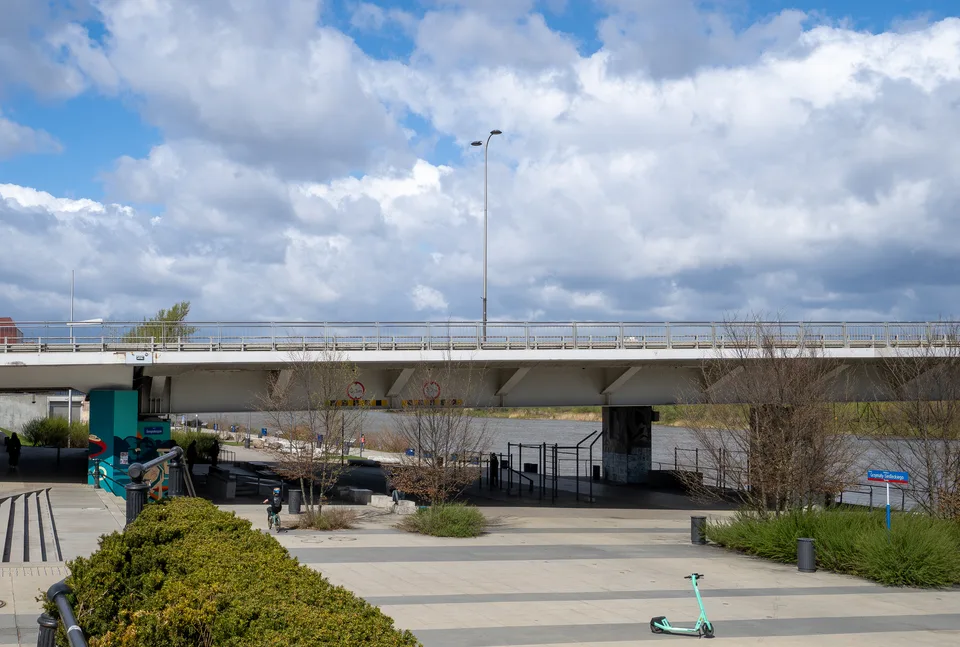
Powiśle and the Vistula boulevards offer a useful counterpoint to interiors and memorials. Choose a manageable stretch for a walk, with somewhere to stop if weather changes. The river helps explain Warsaw’s geography, but crossings and changes in level mean the opposite bank can take longer to reach than a quick look at the map suggests.
In warmer weather, this can be a substantial afternoon rather than a gap between attractions. In colder or wet conditions, shorten the exposed walk and keep another activity nearby. Seasonal tourist boats and special transport should be checked for the dates they actually operate. A summer service mentioned in an attractive brochure is not evidence that it runs throughout autumn and winter.
Eat Polish food at a pace that suits the day
The official food guide points towards traditional Polish dishes, milk bars and a broad international restaurant scene. Pierogi provide a familiar introduction, while soups and other changing dishes make a simple lunch worth exploring. Read the menu for fillings, portions and side dishes rather than assuming every version of a recognisable name is identical.
A milk bar can suit a straightforward meal, but compare its current offer with your dietary requirements and schedule. Food halls offer variety for a group, without necessarily producing the lowest bill. Combine a planned restaurant dinner with simpler breakfasts or lunches if that fits your budget. Ask about preparation and cross-contact where allergies matter, and leave enough time to eat before a long museum visit.
Budget in złoty and plan shopping days
Use Polish złoty, PLN, for comparisons. At the standard published rates, a zone-one 72-hour WTP ticket plus paid admission to POLIN and the Warsaw Rising Museum totals PLN116. That illustration excludes audio-guide extras at the Rising Museum, other attractions, accommodation, food and any Modlin transfer. Free-admission days can change the calculation, but they should also fit the visit you want.
Build the rest of the budget from your room quote and chosen meals. The city’s practical information also flags non-trading Sundays and holiday closures. Check a specific shop’s hours before leaving essential household purchases until the final evening. For gifts or clothing, compare return conditions as well as price, especially if you will leave Poland soon after buying.
Choose a season for your priorities
The official seasonal guide connects spring with parks, summer with the river and outdoor events, and winter with illuminations and indoor activities. Late spring or early autumn can suit a mixed programme of walking and museums. A winter visit can work well when you alternate shorter outdoor routes with substantial indoor stops and plan around daylight.
Use the forecast near departure to choose layers, rain protection and suitable footwear. Do not assume snow for a particular Christmas trip or clear weather for an outdoor concert. Events, garden access and seasonal services have their own calendars. If a performance or market is the reason for travelling, verify its exact date and admission arrangements before committing to non-refundable accommodation.
Day one: the Old Town and central streets
Begin at Castle Square and walk into the Old Town Market Square, allowing time to understand the reconstruction story. Choose either a Royal Castle visit or a longer stroll through the surrounding streets, depending on your interests and the day’s opening arrangements. Leave lunch flexible so an arrival delay does not derail several bookings.
Spend the afternoon following part of the central walking route, stopping for a café break and returning by public transport if necessary. If the weather is comfortable, finish with a short river walk. This is an adaptable first day, not a race between distant landmarks, and it establishes a useful mental map before the more focused museum programme.
Day two: history with time to reflect
Make POLIN the main morning activity and allow more time if the core exhibition holds your attention. Arrange lunch and a quieter afternoon afterwards. If you want the Warsaw Rising Museum too, it can occupy another substantial part of the trip, but combining both in one day suits only visitors comfortable with a demanding programme.
Check the weekday before fixing the order: both museums normally close on Tuesday. A free Thursday can be useful, yet it is still worth checking entry procedures and allowing for demand. Swap this day with the gardens or neighbourhood outing when needed. The purpose is to understand the exhibits, which requires more than finding the shortest route between their entrances.
Day three: gardens and another Warsaw
Spend the morning at Łazienki, choosing between a garden-focused visit and an available historic interior. Afterwards, explore a neighbourhood that contrasts with the Old Town, such as part of Praga, using a planned public transport connection. Choose one area and make room for lunch and ordinary street life instead of crossing the city repeatedly.
For someone considering relocation, replace the afternoon sightseeing with a commute test and a pre-arranged viewing. With a fourth day, add the second major history museum or another royal collection. Keep departure-day plans modest, particularly with a Modlin flight. Warsaw’s distances and the depth of its museums make a little unscheduled time valuable.
Start a housing search with a complete quote
The University of Warsaw’s accommodation advice recommends a written agreement and checking costs such as electricity, water and internet. Those checks are useful beyond the university community. Ask a landlord to separate the rent paid to them, building or administration charges, utility advances and other regular costs. An advertisement’s headline amount may not be your full monthly payment.
View the home where possible, verify the person authorised to let it and understand the contract before transferring money. Check the deposit, agency fee if any, notice period and terms for ending a fixed stay early. Arrange help with Polish wording if needed. A room, a short furnished rental and a longer family tenancy serve different needs and should not be compared on floor area alone.
Test the commute before choosing a district
Take the route from a prospective home to work or campus at the hour you would actually travel. Count transfers, walking and the return trip after evening activities. A property further from the centre may work well with a direct connection, while a seemingly central address can be inconvenient for a workplace elsewhere in the city.
Check groceries, a pharmacy, laundry arrangements, parcel delivery and storage near the building. Ask whether heating, hot water and broadband are included or separately contracted, and how advance charges are reconciled. Record meter readings and the handover condition. Keep a reserve for initial household purchases and overlapping accommodation rather than allocating every available złoty to the first rent and deposit.
Distinguish address registration from residence permission
Warsaw’s foreign resident address-registration guidance describes documents showing identity, legal stay and the right to occupy the property. It also gives different deadlines according to nationality and circumstances. Read the branch that applies to you promptly; a longer-term newcomer should not assume that every registration deadline is three months after arrival.
This municipal process records where you live. It does not grant a visa, immigration residence permission or the right to work. Treat a PESEL identifier and other administrative arrangements as separate from those permissions too. Before agreeing to accommodation, confirm how the required address evidence will be supplied, and retain the lease and relevant correspondence for subsequent official procedures.
Arrange healthcare and schooling deliberately
For eligible visitors insured elsewhere in Europe, NFZ’s visitor-treatment guidance explains the EHIC’s role in necessary, unplanned public healthcare. It is not a blanket promise of all treatment without charge. People moving to Warsaw should establish their own entitlement through the relevant employment, family or other NFZ insurance route, and check any insurance required before that begins.
Families should consult the government guidance on foreign children’s education and contact the appropriate school or local authority early. Ask about admission documents, language support, the school day and the actual journey from home. Do not assume a place in a preferred English-language school follows automatically from a lease. Match the housing decision to the services the household will need.
Keep tourist entry separate from work and study
The government’s entry conditions explain nationality-based visa requirements and the usual short-stay limit of 90 days in any 180 across the Schengen area. Earlier journeys elsewhere can affect the remaining allowance. For employment or a longer stay, consult the Office for Foreigners guidance and establish both legal stay and permission to work before beginning a job.
Study-related residence and work depend on the permission held, not simply on admission to a course. Check the rules for your study type and intended employment before making commitments. EU, EEA and Swiss residence registration is another distinct route, separate from municipal address registration. Permanent residence and long-term EU resident status have qualifying requirements, rather than following automatically from a property purchase, lease or identifier. VisaWand’s consultant listings can help you identify professional support for an individual case.
Follow the current application process
The Office for Foreigners explains the MOS process introduced in April 2026 for relevant residence-permit applications. Many applications now use electronic submission, with specified exceptions. Employer or university attachments may need digital completion before you can submit, and the office can subsequently require an in-person appearance for fingerprints and original documents.
Begin preparing well before the end of lawful stay. Confirm the procedure for your particular category rather than following an older checklist that assumes every application is submitted on paper. EU residence registration follows its own instructions. Keep access to official accounts under your control and retain submission confirmations. An application receipt should not be assumed to grant unrestricted travel or employment rights.
Leave room for another district or destination
For an outing beyond the city, Żelazowa Wola offers the birthplace of Fryderyk Chopin and its park. Consult the Chopin Museum’s visitor information for the chosen date, including any recital, and arrange both outward and return transport. A summer excursion announcement does not establish a year-round coach service. Alternatively, explore more of Mokotów: a broader sample of everyday Warsaw can be especially useful for a relocation decision.
For onward travel, check actual rail times and reserve enough days for the next destination. VisaWand’s completed Berlin city guide provides a useful comparison if you are considering another European capital. Browse the Poland location directory and Poland destination page for other possibilities, checking whether an individual location has a completed guide before relying on it for detailed travel planning.
Official planning resources
Reviewed 15 October 2026. Use the official resources linked throughout this guide for admission, transport, housing and immigration decisions. Prices, services and rules can change; confirm the details relevant to your dates. Photography illustrates the locations and is not a live view.
View all official resources
- UNESCO: Historic Centre of Warsaw
- Official Warsaw district walks
- Śródmieście and Powiśle district walk
- North Praga official district walk
- Mokotów official district walk
- Royal Castle visitor introduction
- POLIN core exhibition
- POLIN admission and opening hours
- Warsaw Rising Museum exhibition
- Warsaw Rising Museum visitor information
- Royal Łazienki opening hours and closures
- WTP current ticket tariff
- WTP Chopin and Modlin airport connections
- WTP discount documentation
- Official airport and railway arrival guide
- Official Warsaw food guide
- Warsaw seasonal visitor guide
- Warsaw practical visitor information
- University of Warsaw practical accommodation guidance
- Warsaw foreign residents: address registration
- NFZ treatment for eligible visitors and insured residents
- NFZ health insurance information
- Government guidance on schooling for foreign children
- Polish government entry and stay conditions
- Office for Foreigners: official residence information
- Office for Foreigners: study-related residence and work
- 2026 MOS residence application procedure
- Ministry of the Interior: EU/EEA/Swiss residence registration
- Office for Foreigners: long-term EU resident permit
- Chopin Museum and Żelazowa Wola visitor information
Plan the next part of your journey
Explore the Poland guide, browse other cities or compare consultants for your travel and relocation questions.