Visa
A compact centre with several different stories
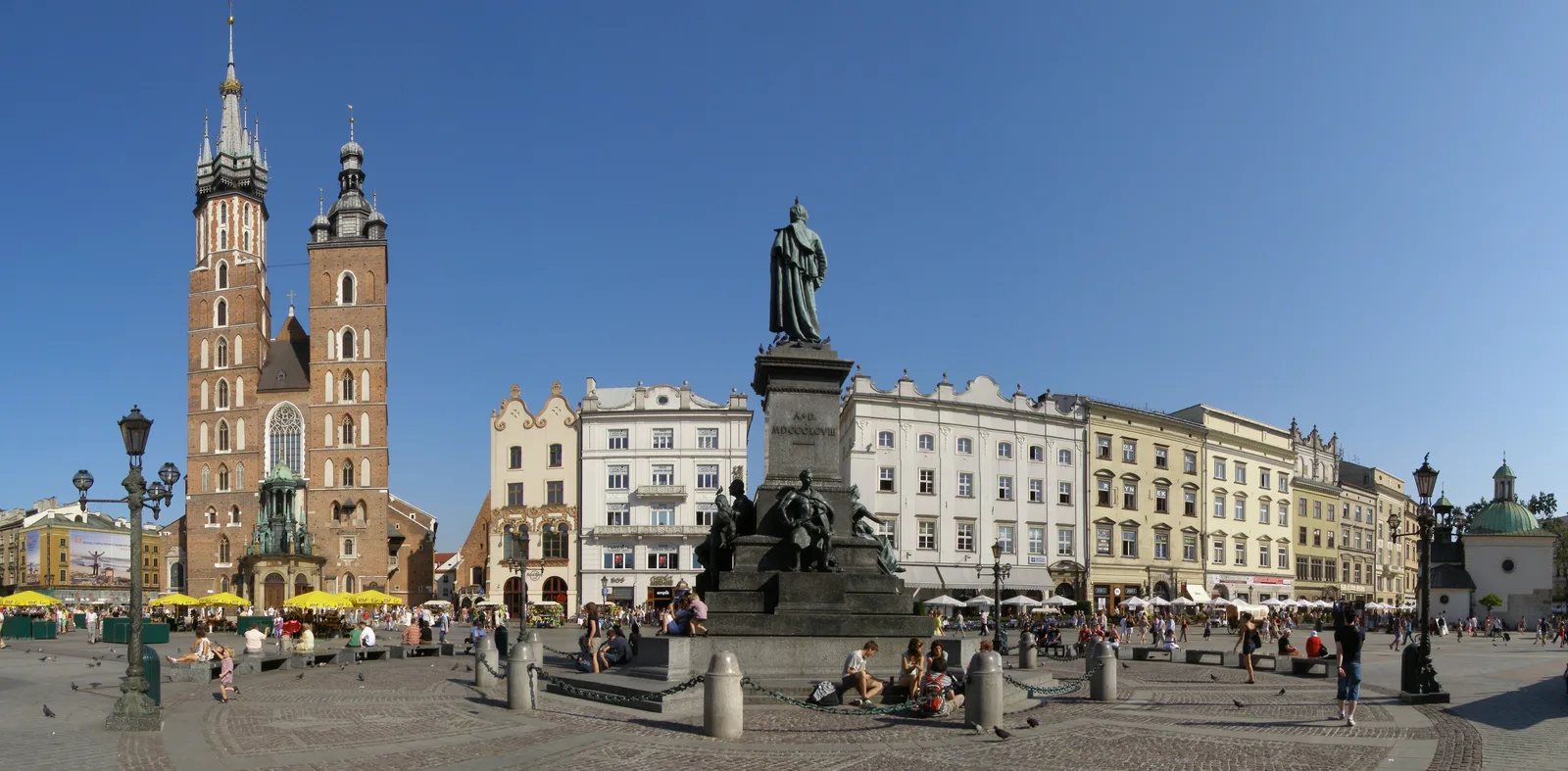
Kraków makes a strong first impression around its Main Market Square: church towers, a monument surrounded by people, and streets that invite another turn before lunch. Yet the square is only the beginning. Wawel introduces royal history, Kazimierz asks for attention to Jewish heritage, and the opposite bank of the Vistula adds museums and a different urban perspective. Nowa Huta changes the architectural language again.
Allow three full days for the city, then add separate days for excursions that matter to you. Someone considering a move should reserve time for ordinary errands and a weekday commute. The walkable historic core is useful for a visit, but does not establish how convenient a particular apartment will be for work, school or university. VisaWand’s Poland country guide supplies the national background.
Understand the historic centre’s boundaries
The UNESCO description of Kraków’s historic centre identifies three connected ensembles: the medieval chartered city, Wawel Hill, and Kazimierz, including Stradom. The inscription dates from 1978. Kraków received its town charter in 1257 and was once Poland’s capital. Its significance comes from the accumulation of architecture and institutions over centuries, rather than one isolated monument.
Use that geography to organise your days. Explore the Old Town first, give Wawel its own substantial visit, and approach Kazimierz through its streets and historical sites. These areas belong to a much larger contemporary city. A heritage boundary, a visitor’s neighbourhood name and an administrative district are not interchangeable, particularly when comparing housing advertisements or deciding how far a daily journey will extend.
Begin with the Market Square and Planty
The municipal Old Town visitor directory connects the Main Market Square with the Cloth Hall, St Mary’s Church, Collegium Maius and the surviving fortifications. Start with an unhurried circuit of the square before choosing an interior. Looking at façades, the space around the monument and the routes leading away from it gives more context than moving directly between ticket counters.
The Planty provides a useful green framework around the Old Town. Break a walk there when the centre feels busy, then return through another street. Follow part of the Royal Route towards Wawel, leaving time for a meal. Church sightseeing has its own admission and worship arrangements: check the relevant venue before assuming that an open door means unrestricted tourist access.
Choose a Wawel Castle visit deliberately
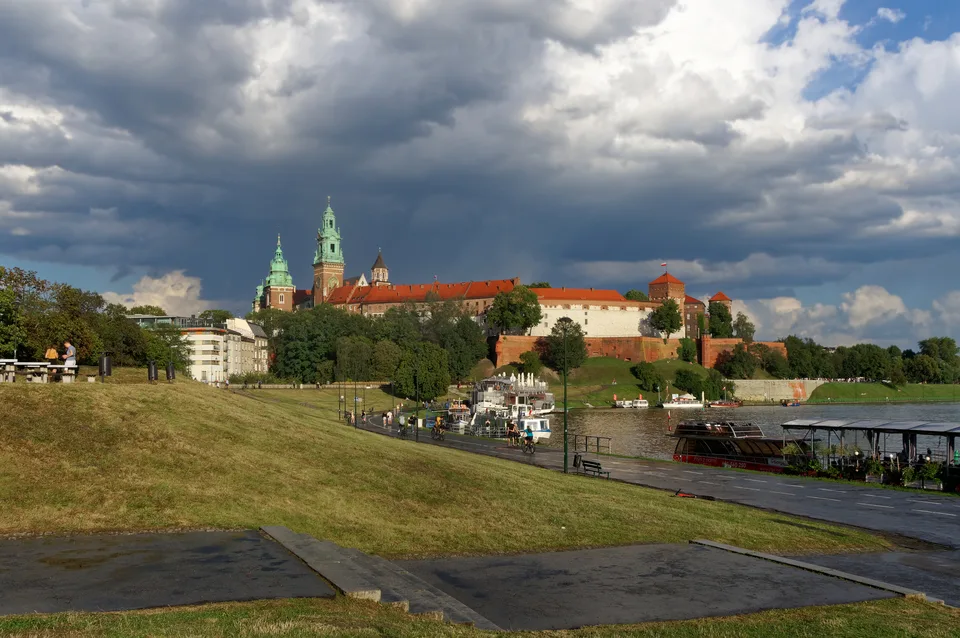
Wawel is a collection of visits, not a single room behind a single ticket. The castle’s current exhibition and admission guide lists separate routes for the castle floors, treasury, armoury and underground spaces. Its October and December schedule gives the combined first- and second-floor castle route as PLN95, including an audio guide. Choose according to your interests and available time.
Selected Monday exhibitions have limited free tickets; this does not make every Wawel attraction free. November has a separate programme with its own exceptions. Seasonal routes and towers also require date checks. Reserve a suitable entry, note the last-admission time and avoid filling the same morning with other timed bookings. For the combined castle route, the published last entry is two hours before closing.
Treat the cathedral as a separate booking
The Wawel Cathedral’s visitor information lists a separate standard PLN26 admission covering the cathedral, Sigismund’s Bell, Royal Tombs, Cathedral Museum and Archdiocesan Museum, subject to their individual opening arrangements. An audio guide costs extra. A castle ticket should not be assumed to cover this programme, and older descriptions of unrestricted free tourist entry can mislead.
The cathedral opens later for sightseeing on Sundays, while the Cathedral Museum is closed on Sundays and holidays. The Archdiocesan Museum normally closes on Mondays. Check religious events and temporary restrictions before planning a complete circuit. If stairs or enclosed passages are a concern, ask about the particular route rather than treating access to the hill as evidence that every interior will suit your group.
Give Kazimierz more than an evening
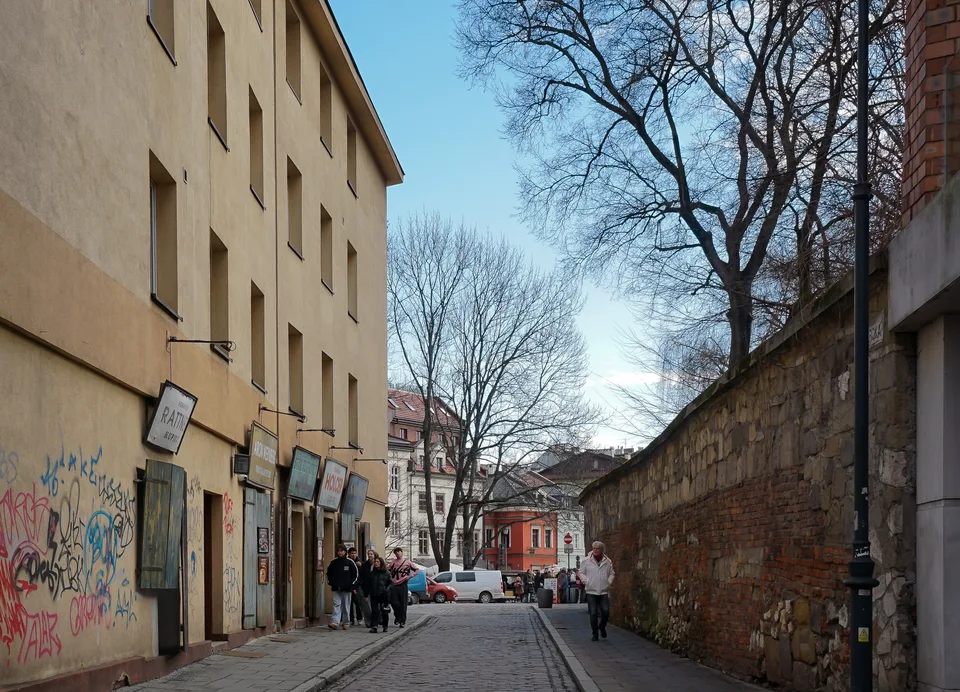
Kazimierz’s history deserves daylight and attention before its cafés or nightlife enter the plan. The city’s account of Kazimierz and Podgórze describes a formerly independent town, its Jewish quarter and the surviving synagogues around Szeroka Street. Churches, residential streets and contemporary cultural activity add further layers. Choose a manageable route instead of reducing the neighbourhood to a list of places to eat.
Keep the wartime geography clear: the Nazi-established ghetto was across the Vistula in Podgórze, not simply another name for Kazimierz. A walk can connect the two areas, but their histories differ. Check current admission and religious-use arrangements for any synagogue or cemetery you intend to enter. Avoid treating a place of remembrance as a photographic backdrop, and leave room for reading and reflection.
Understand what Schindler’s Factory exhibits
The museum at Oskar Schindler’s Enamel Factory examines Kraków under Nazi occupation, 1939–1945. Its subject extends beyond Schindler’s biography or a film location. Standard admission is currently PLN60, while a regular guided visit in English is listed at PLN90. Decide which experience you want before booking, especially if you would benefit from an explanation of the wider historical context.
Personal online tickets require an original identity document on arrival. The museum normally closes on the first Tuesday of the month; its free Monday places are limited and cannot ordinarily be reserved individually in advance. Last admission is ninety minutes before closing. Confirm the selected date and entry conditions, and allow time afterwards rather than scheduling a tight connection directly from a demanding exhibition.
Cross the river for a broader view
Podgórze gives a city visit a different centre of gravity. Plan the river crossing together with your museum reservation, lunch and return route, rather than repeatedly moving between banks. The municipal district resource distinguishes the former factory museum from nearby contemporary cultural institutions. If you want another museum, consult its own programme; proximity does not imply a shared ticket or similar subject.
The Vistula also offers a simpler change of pace. Choose a riverside stretch that fits the weather and your mobility, with a convenient way back. A short walk after an intensive exhibition can be more rewarding than another interior. Keep enough flexibility for rain or tired feet, and remember that the actual bridge connection matters more than the straight-line distance on a map.
See a different city in Nowa Huta
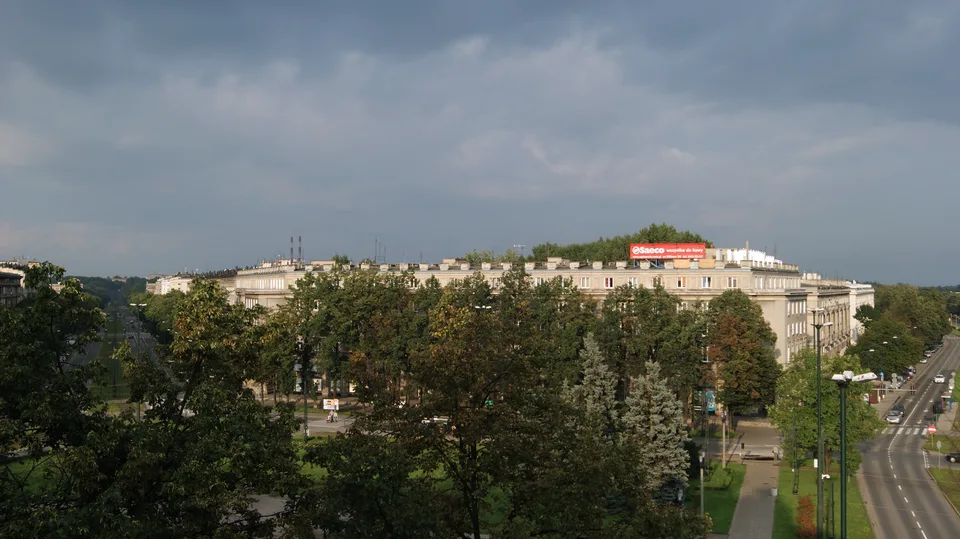
The official introduction to Nowa Huta explains its planned urban form east of the historic centre and its socialist-realist architecture. Around Central Square, look at the relationship between monumental residential buildings, roads and greenery. This is a worthwhile contrast to the medieval street pattern, particularly for visitors interested in planning, architecture or the experience of twentieth-century urban change.
Allow a separate half-day and plan the tram or bus journey before setting out. Nowa Huta is a lived-in part of Kraków, deserving more than a theatrical version of the communist past. For a possible move, assess a specific address and commute.
Choose accommodation around your actual days
An Old Town address is convenient when most activities lie in the historic centre. A useful tram connection may matter more for exploring several districts. In Kazimierz, check the particular street and room position if uninterrupted sleep matters.
Compare hotels, hostels, apartments and serviced accommodation on the final price for your exact dates and party. Ask about lifts, stairs, luggage drop-off and reception hours, particularly in older buildings. For apartments, check cleaning charges, cancellation conditions and the beds actually provided. A longer exploratory stay also needs reliable internet, groceries and laundry. Obtain those answers before choosing solely on attractive photographs or distance from the square.
Arrive by rail from Kraków Airport
The airport’s official train guide describes a station beside the terminal, linked by a covered footbridge behind the multistorey car park. Koleje Małopolskie’s SKA1 route connects the airport with Kraków Główny and continues towards Wieliczka. The published airport-to-main-station fare is PLN20, with luggage carried free. Check the timetable and your final connection before departure.
The central station is a useful arrival point, but it is not your hotel entrance. Work out the walk or tram journey with luggage and allow time to find the correct exit. For an early flight, compare the first suitable departure with check-in requirements. Do not assume the airport train operates at the exact time needed simply because the daytime connection looks straightforward.
Compare airport buses and late arrivals
The airport’s bus information lists daytime routes 209 and 300 and night route 902 as agglomeration services. Check their destinations against your accommodation: a bus serving the airport is not necessarily a direct ride to the part of central Kraków you want. Use current timetables, especially after a late flight, and buy a ticket with appropriate time and zone coverage.
Validate a paper ticket when boarding. Airport rail and city transport products are different, so an ordinary tram pass should not be treated as an airport-train ticket. If you prefer a taxi or booked transfer, compare the full quote, meeting point, luggage allowance and child-seat requirements where relevant. Include the final transfer when comparing flight prices, particularly if arrival or departure creates an overnight transport problem.
Use the fare introduced in March 2026
ZTP’s tariff effective from 2 March 2026 gives standard fares of PLN4 for fifteen minutes, PLN6 for thirty minutes, PLN8 for sixty minutes and PLN9 for ninety minutes. A single-journey product is also PLN6. Select the product that covers the actual journey and any transfers, then follow its validation rules rather than relying on an older fare quoted elsewhere.
A zone-one twenty-four-hour ticket costs PLN20, while all-three-zone coverage costs PLN25. The published seventy-two-hour product is PLN55 and covers all three zones, as the airport bus guide also confirms. It may suit a busy three-day visit, but walking-heavy days can justify individual tickets instead. Check concession documentation before choosing a reduced fare, and keep the valid ticket available throughout travel.
Eat locally without making every meal expensive
The Agriculture Ministry’s description of obwarzanek krakowski identifies a braided bread ring with toppings such as salt, poppy seeds or sesame. It makes a distinctive addition to a simple breakfast or walking break. Check the current price and ingredients at the point of purchase; a traditional name does not establish suitability for an allergy or dietary restriction.
For larger meals, compare the actual menu, portion size and any extras before ordering. Mix a restaurant meal with simpler breakfasts or self-catering if that suits your accommodation. Leave time to eat before a long museum visit, rather than discovering that the next timed entry removes your lunch break. Choose food for its appeal and practical fit, without assuming that the busiest square automatically offers either the best meal or the lowest bill.
Build a budget from choices you can price
Use Polish złoty, PLN, for comparisons. At the checked standard rates, two PLN20 airport train journeys, a PLN55 seventy-two-hour city transport ticket and PLN60 Schindler Factory admission total PLN155. Adding the PLN95 combined castle route and PLN26 cathedral ticket brings that illustration to PLN276. It excludes accommodation, food, cathedral audio hire, excursions and other purchases.
Adapt this example to your room quote and chosen attractions. Free-admission opportunities can help, but their availability must fit the trip. For shopping, compare prices and return conditions, and confirm opening hours before leaving an essential household purchase until evening.
Plan around daylight, weather and air quality
Choose the season around the activities you most want. Longer outdoor walks and river time need a different balance from a trip centred on museums and interiors. Spring or early autumn can suit a mixed itinerary, while a winter programme benefits from shorter outdoor sections and indoor breaks. Check the forecast near departure; snow, sunshine and comfortable walking temperatures should not be promised for particular dates.
Air quality also deserves a practical check. The European Commission’s account of Kraków’s air-protection work describes progress alongside continuing challenges, including incoming pollution from surrounding areas. Historical improvements do not establish conditions on your travel day. Consult current monitoring before planning prolonged outdoor activity, especially if air quality affects your household’s decisions. For relocation, consider heating arrangements and everyday routines alongside the appeal of a sunny viewing.
Day one: make the historic centre manageable
Begin in the Main Market Square, then choose a short Old Town route with a Planty break. Visit one interior that genuinely interests you and leave the rest flexible. Take time over lunch before following part of the Royal Route towards Wawel. If the castle is your main priority, organise its booking first and let the walking programme fit around it.
Spend the later afternoon by the river or on another central street, rather than crossing the city for a distant final attraction. An arrival day can use a shortened version of this plan. Establish where your nearest transport stop is, buy any necessary tickets and identify an easy breakfast option. Those small arrangements make the following days more comfortable without consuming a separate sightseeing morning.
Day two: Kazimierz and Podgórze
Give the morning to Kazimierz, allowing time for historical interpretation and a site visit where opening arrangements permit. Stop for lunch before crossing to Podgórze. If Schindler’s Factory is booked, arrive with the required identification and a margin before your entry time. Keep the rest of the afternoon light enough to absorb the exhibition rather than immediately rushing elsewhere.
Visitors who prefer contemporary art or a quieter walk can choose an alternative programme in the area. Return along the river if conditions suit, or use public transport when tired. Keep evening reservations flexible enough to allow a considered museum visit.
Day three: another Kraków or a practical trial
Use a third city day for Nowa Huta, a deeper Wawel visit or an attraction omitted earlier. Select one main focus and organise the journey around it. Leave room for a long lunch and an ordinary neighbourhood walk. A three-day introduction cannot exhaust every collection, and a carefully chosen extra visit usually adds more than several abbreviated stops.
Someone investigating a move can use this day differently: travel from a prospective home to work or campus at the relevant hour, attend a viewing and check nearby services. Keep the evening free to compare notes and costs. If departing from the airport, protect the transfer margin. An excursion outside Kraków belongs on an additional day, not in the spare hours of an already full departure schedule.
Make Wieliczka a separate excursion
The Wieliczka Salt Mine’s Tourist Route information describes a guided underground visit lasting around two to three hours, with roughly eight hundred stairs and a lift back to the surface. This is a substantial activity beyond Kraków, not a quick central-city attraction. Choose the language and departure time when buying, and check the route’s suitability for everyone travelling.
The mine permits only small hand luggage on the tour, with a published maximum of 20 × 20 × 35 centimetres. Plan storage and transport before arriving with suitcases or a stroller. Allow time for the outward and return journey as well as the visit itself. Check the current ticket category directly; a price advertised as starting from a particular amount is not necessarily your adult admission rate.
Approach Auschwitz as a memorial visit
The Auschwitz-Birkenau Memorial’s official visiting guidance requires a personalised entry pass, reserved online through its own system. Grounds admission is free, while guide-educator services are charged. The March 2026 entry-card change means visitors should not rely on obtaining a pass at the entrance. Reserve early, then arrange transport to the memorial outside Kraków around the confirmed visit.
Allow a full day and a respectful pace. The standard guided visit lasts approximately three and a half hours, before travel, security and time between the two parts are considered. Arrive at least thirty minutes before the tour, follow the bag restrictions and read the visiting rules. This is a place of remembrance, so consider the needs and readiness of your group instead of treating it as an obligatory sightseeing box.
Compare housing on the complete monthly cost
Jagiellonian University’s accommodation guidance distinguishes private rooms, apartments and dormitory options, and directs students to check availability with the relevant provider. University admission does not itself guarantee a room. For any rental, ask for a written breakdown of the landlord’s rent, building charges, heating, electricity, water and internet. Undated advertised minimums are a poor basis for a current household budget.
View the property where possible and establish who is authorised to let it. Understand the deposit, notice period, agency charges and responsibility for repairs before transferring money. Arrange help with Polish contract wording if needed. Confirm inventory and meter readings at handover, and keep a reserve for initial household purchases. An attractive furnished room and a family apartment solve different problems, even when their headline monthly prices appear comparable.
Test everyday life before committing
Travel to the actual workplace or campus from a candidate address during your expected commuting hours. Count walking, transfers and the return journey after evening activities. Then check groceries, a pharmacy, laundry arrangements and broadband availability. A home convenient for a short city break may be awkward for the routine that brings you to Kraków.
Use Kraków’s foreign-resident address-registration service promptly to establish the requirements applying to your nationality and intended stay. It describes identity, legal-stay and occupancy evidence, with different deadlines for different categories. Municipal registration records an address; it does not grant immigration residence or employment rights. The city’s Information Point for Foreigners notice gives its current support arrangements, which should be checked before assuming there is a walk-in appointment service.
Arrange healthcare and schooling before the move
The NFZ guidance for eligible visitors insured abroad explains necessary, unplanned treatment through the public system on the relevant conditions. An EHIC is not a promise that every service, private appointment or planned treatment is covered. For a move, establish the appropriate NFZ insurance entitlement through employment, family or another applicable basis, and confirm arrangements for any period before coverage starts.
Families should use the government’s information on education for foreign children and speak to the relevant school or authority before settling a housing decision. Ask about documents, language support, schedules and the daily journey. A lease does not guarantee admission to a preferred English-language school. Check medication continuity and accessibility needs early too, so the practical essentials are ready when the household arrives.
Separate visiting from work, study and residence
The Polish government’s entry conditions explain nationality-based visa requirements and the usual short-stay limit of ninety days in any 180 across Schengen. Earlier travel elsewhere affects that allowance. Employment and longer-term study require the appropriate permissions; establish these before making commitments. The official student-work guidance is conditional on the permission held, rather than a general entitlement attached to every course admission.
EU, EEA and Swiss nationals have separate residence-registration instructions, distinct from municipal address registration. For relevant residence-permit applications, the current MOS guidance explains electronic submission, specified exceptions and later in-person requirements. Begin early, especially where an employer or university must supply an attachment, and retain control of your account. Permanent residence has separate qualifying conditions. Compare professional support through VisaWand’s consultant listings, and use the completed Warsaw guide when weighing another Polish city.
Official planning resources
Reviewed 15 October 2026. Use the official resources linked throughout this guide for admission, transport, housing and immigration decisions. Prices, services and rules can change; confirm the details relevant to your dates. Photography illustrates the locations and is not a live view.
View all official resources
- UNESCO: Historic Centre of Kraków
- Kraków Airport rail connections and fares
- ZTP tariff effective 2 March 2026
- Wawel Royal Castle routes and admission
- Schindler Factory visitor information
- Kraków address registration for foreign residents
- Municipal Information Point for Foreigners
- Wieliczka Tourist Route practical information
- Auschwitz-Birkenau official visiting guidance
- 2026 Auschwitz online entry-card rules
- Kraków Airport buses and agglomeration fares
- Municipal visitor overview
- Wawel Cathedral admission and opening arrangements
- Jagiellonian University accommodation options
- Traditional obwarzanek krakowski
- Kazimierz and Podgórze historical introduction
- Nowa Huta urban history
- Municipal Old Town visitor directory
- MOS residence application questions and answers
- Jagiellonian University safe tenancy resources
- Government entry and short-stay conditions
- EU, EEA and Swiss residence registration
- Government information on foreign children’s schooling
- NFZ health-insurance entitlement
- NFZ treatment for eligible visitors insured abroad
- Office for Foreigners student-work conditions
- European Commission: Kraków air protection
Plan the next part of your journey
Explore the Poland guide, browse other cities or compare consultants for your travel and relocation questions.